Leave Your Message
-
Contact Phone
-
 Contact Email
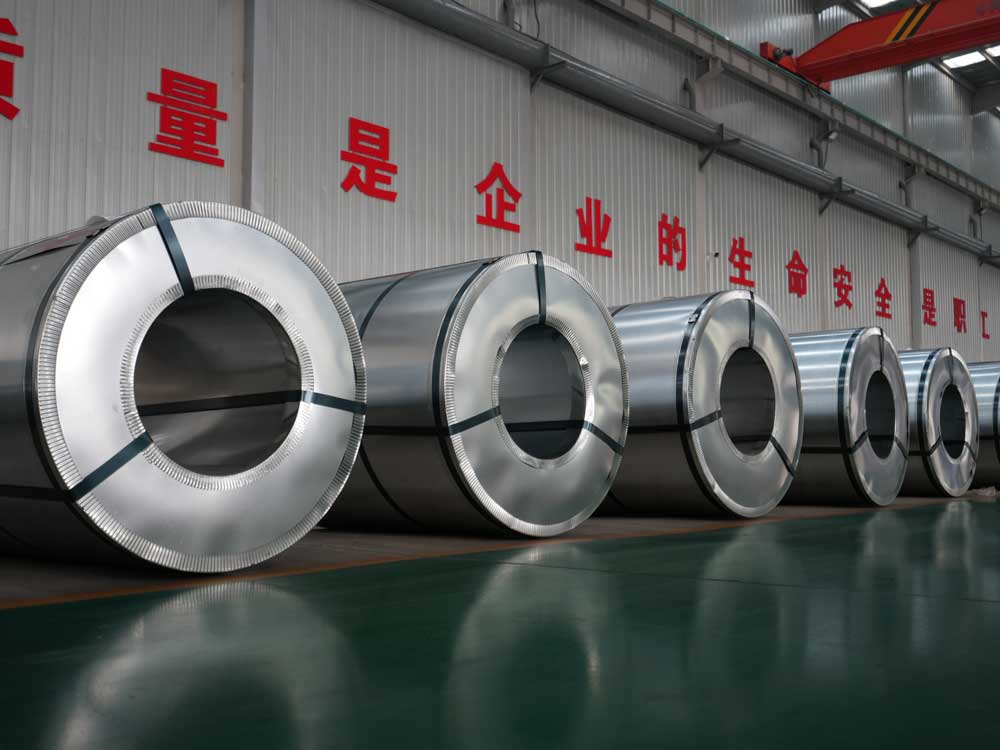
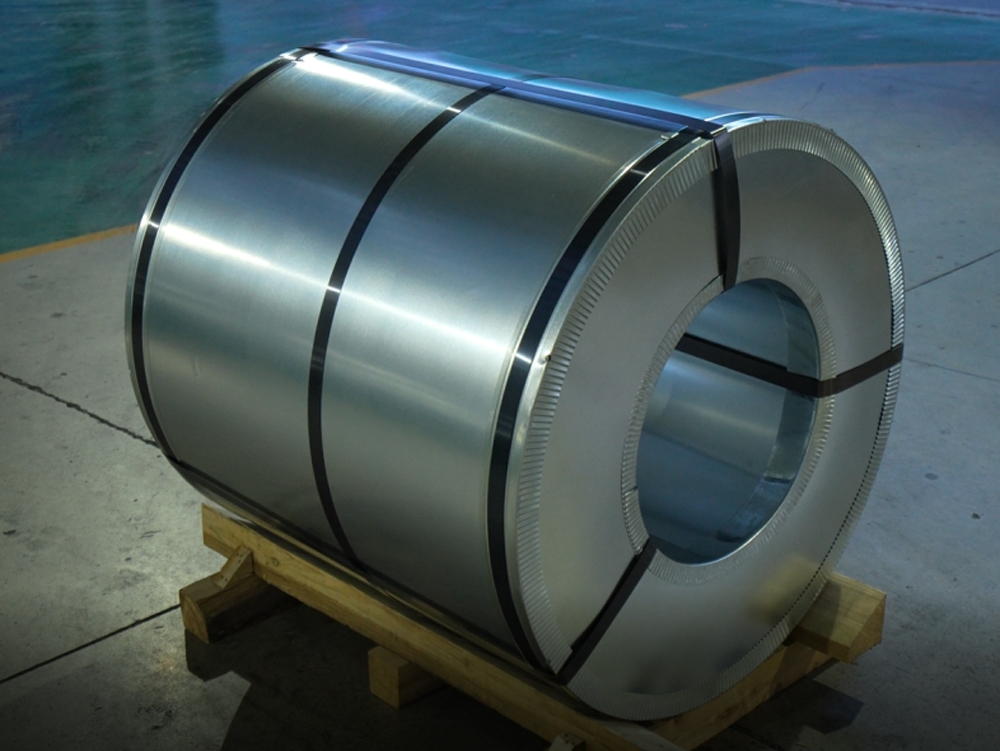
The evolution of modern urbanization relies heavily on the invisible yet indispensable backbone of electrical infrastructure. At the heart of this transformation lies the Slit Silicon Steel Strip, a highly specialized magnetic material that dictates the efficiency, reliability, and sustainability of urban power grids. As metropolitan areas transition into "Smart Cities," the demand for intelligent, low-loss, and high-capacity electrical distribution systems has skyrocketed. Slit silicon steel strips, particularly Grain-Oriented (GO) and High Magnetic Induction (HiB) variants, are the foundational materials used in the cores of transformers, generators, and specialized motors that keep smart cities running.
Unlike standard steel, silicon steel is alloyed with silicon to optimize its magnetic properties. The slitting process—where wide coils of this steel are precision-cut into narrower strips—is crucial. These custom-width strips are meticulously stacked or wound to form the magnetic cores of distribution transformers. In the context of smart city infrastructure, where space is at a premium and energy efficiency is mandated by stringent environmental regulations, the quality of the slit silicon steel strip directly impacts the core loss (iron loss) of the transformer. Lower core loss means less wasted energy as heat, translating to massive carbon footprint reductions across an entire urban grid.
“High-grade slit silicon steel strips are not just materials; they are the critical enablers of energy efficiency, reducing power loss in urban grids by up to 30% compared to traditional materials.”
The commercial landscape for slit silicon steel strips is experiencing a paradigm shift. Historically, standard Conventional Grain-Oriented (CGO) steel dominated the market. However, the current industrial status shows a rapid migration towards High Magnetic Induction (HiB) silicon steel. This shift is driven by global energy efficiency standards, such as the European Eco-design Directive (Tier 2) and the US DOE efficiency standards for distribution transformers. Manufacturers and urban planners are now compelled to utilize materials that guarantee the lowest possible energy dissipation.
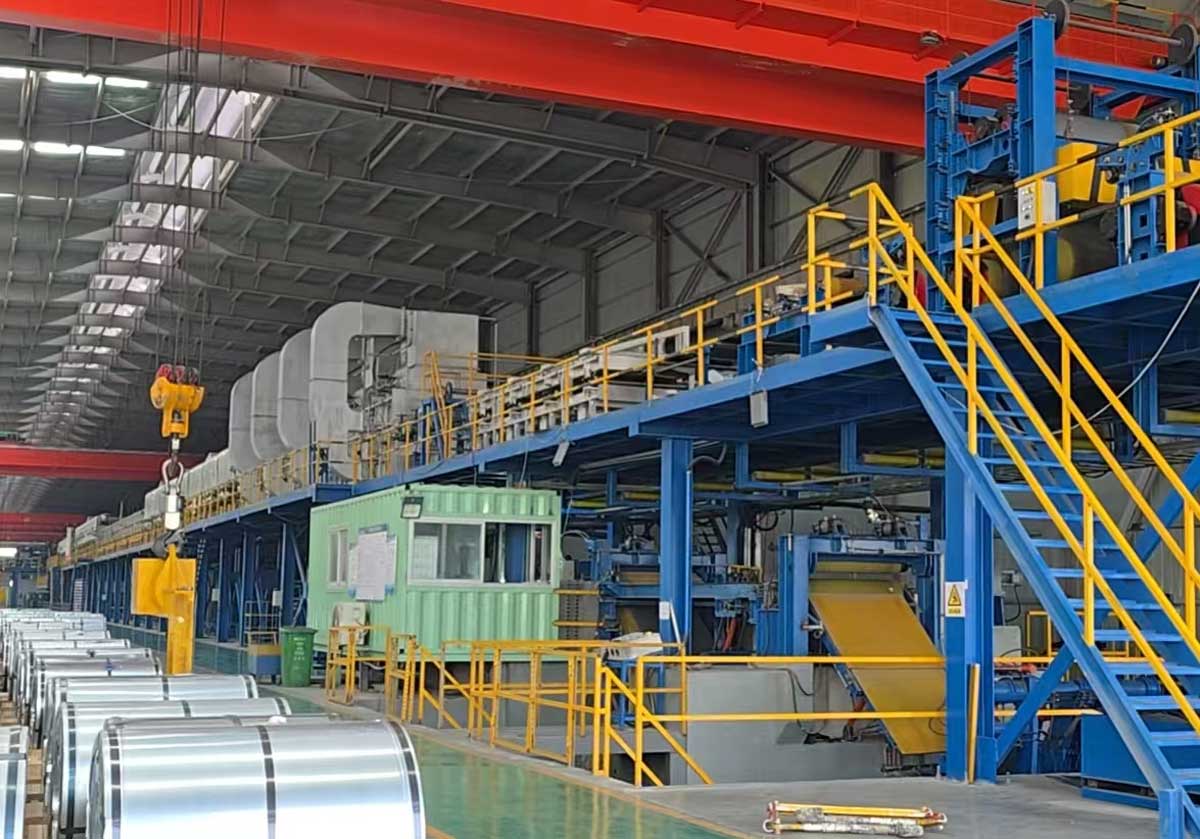
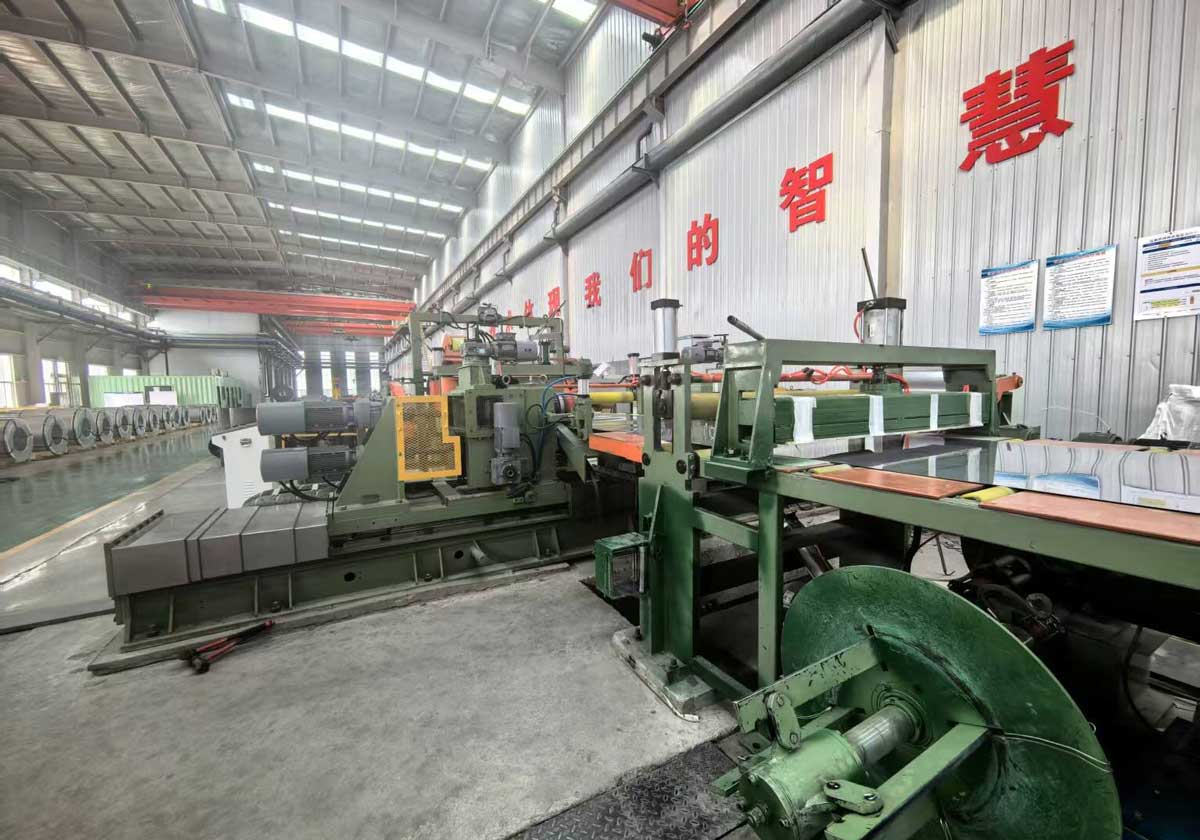
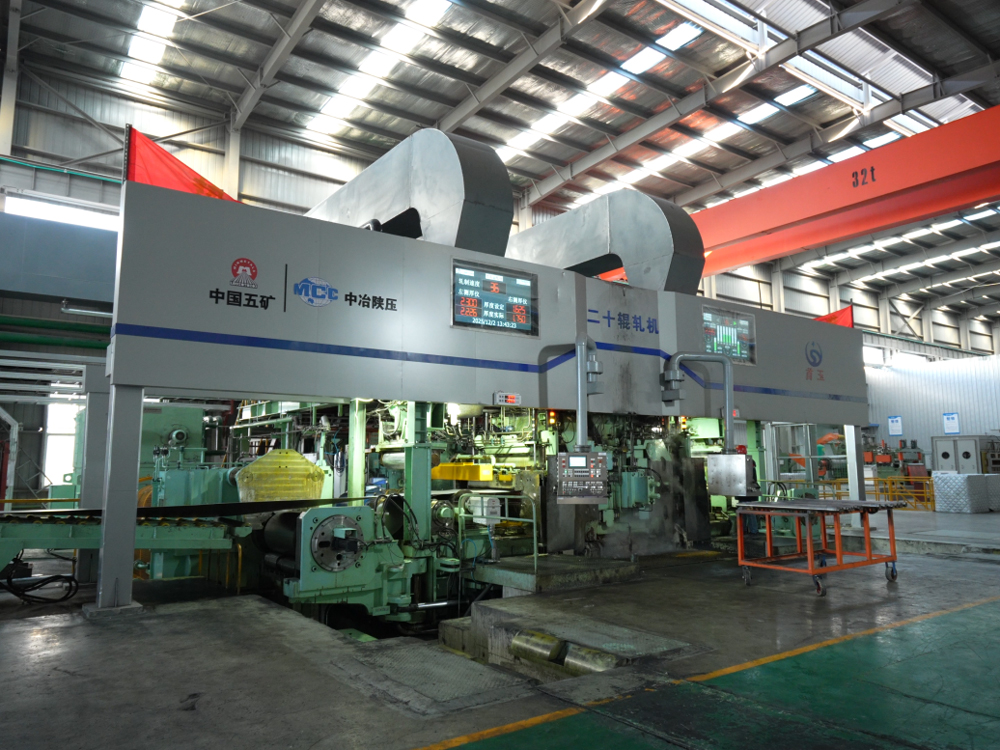
From an industrial perspective, the production of these high-grade strips is highly capital-intensive and technologically demanding. It requires state-of-the-art cold rolling mills, precise decarbonization and annealing lines, and advanced slitting machinery that can cut the steel without introducing mechanical stress, which would otherwise degrade its magnetic properties. The global supply chain is highly consolidated, with a few key players possessing the metallurgical know-how to produce top-tier HiB steel. Consequently, companies that master the deep processing and slitting of these advanced materials hold a significant competitive advantage in the smart city procurement ecosystem.
The market valuation for grain-oriented electrical steel is projected to grow robustly, fueled by the modernization of aging power grids in developed nations and the aggressive expansion of electrification in emerging economies. Smart city initiatives are allocating billions of dollars to upgrade urban power infrastructure, making the procurement of premium slit silicon steel strips a strategic priority for national energy security and urban resilience.
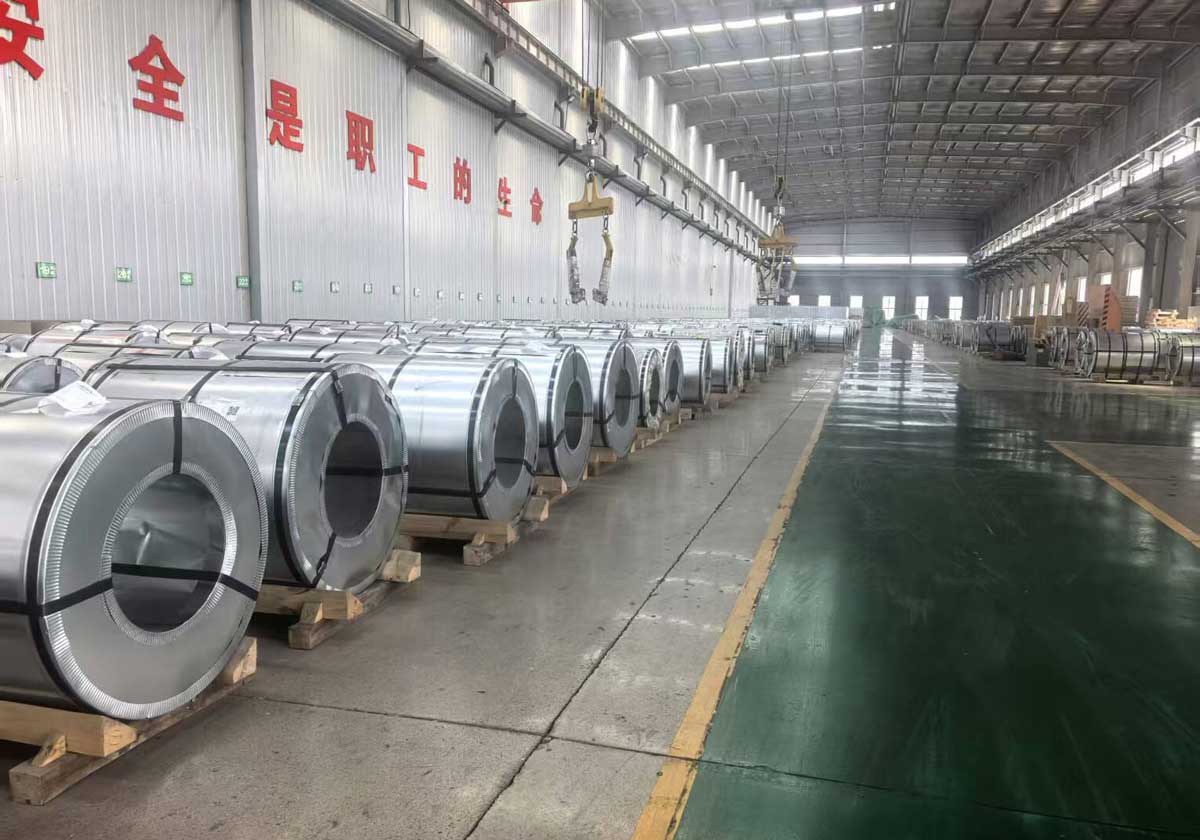
Established in 2022 and located in Yutian County Industrial Park, Tangshan City, Hebei Province, we are a high-tech enterprise specializing in the research and development, production, and sales of oriented silicon steel. We are committed to providing the fundamental materials that power the future of smart urban infrastructure.
After the reform and opening-up, the first-generation founders established a plastic packaging company.
The water conservation business was launched and successfully went public under the leadership of the second-generation leadership team.
The company entered the steel industry, evolving from steel smelting and processing to deep processing of steel products, encompassing elevator guide rail steel, automotive spring steel, oil-quenched steel wire, and galvanized strip steel.
Started real estate development and operation business.
Entering the cold chain warehousing and transportation industry.
The deep processing of steel was extended to the highly technical field of silicon steel.
The application of slit silicon steel strips extends far beyond traditional electrical engineering. In the context of smart city infrastructure, these materials are deployed in highly sophisticated, mission-critical environments. Let us explore the deep application scenarios that are redefining urban power management.
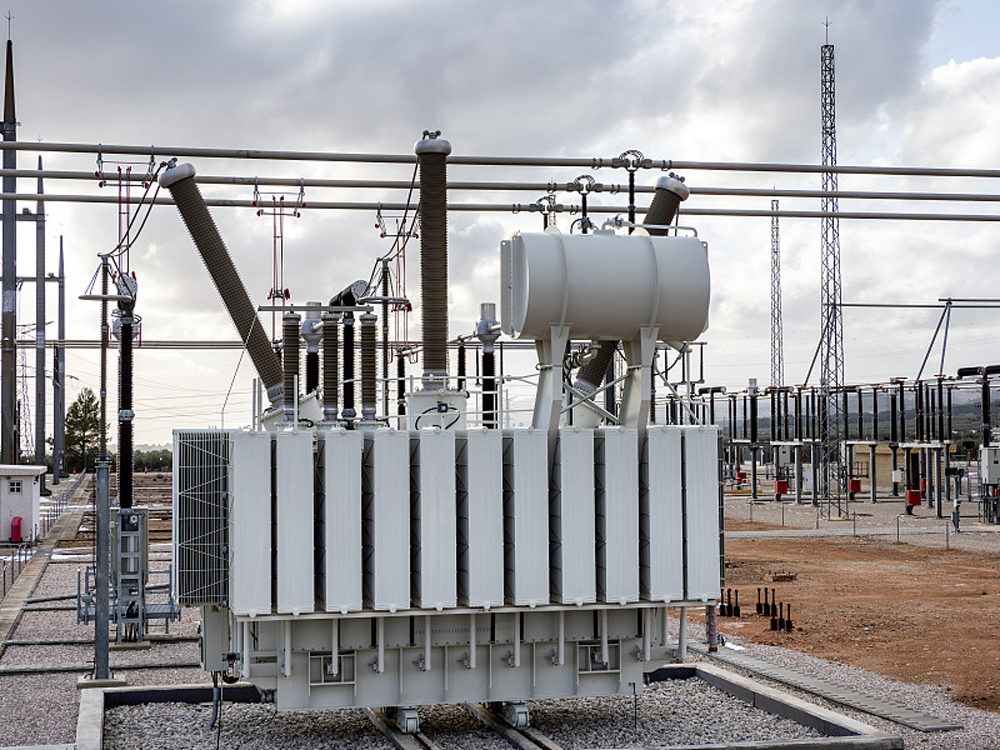
The most prominent application of slit silicon steel is in the manufacturing of distribution transformer cores. In a smart city, the grid is decentralized and dynamic. Transformers must handle fluctuating loads caused by diverse energy consumption patterns and the integration of renewable energy sources. Slit HiB silicon steel strips allow for the construction of wound core or step-lap stacked core transformers. These advanced core designs drastically minimize magnetic flux leakage and hysteresis loss. By utilizing ultra-thin, laser-treated slit strips, manufacturers can produce transformers that operate silently and efficiently, which is vital for substations located in densely populated residential or commercial zones where noise and heat generation must be strictly controlled.
The proliferation of Electric Vehicles (EVs) is a cornerstone of smart city development. However, the deployment of ultra-fast EV charging stations places unprecedented stress on local power grids. To prevent grid collapse, localized high-capacity substations are required. Slit silicon steel strips are essential in creating the compact, high-frequency transformers used in these charging stations. Because urban space is limited, these transformers must be smaller yet capable of handling massive power spikes. High-grade oriented silicon steel provides the high magnetic flux density required to achieve this miniaturization without compromising on safety or energy throughput.
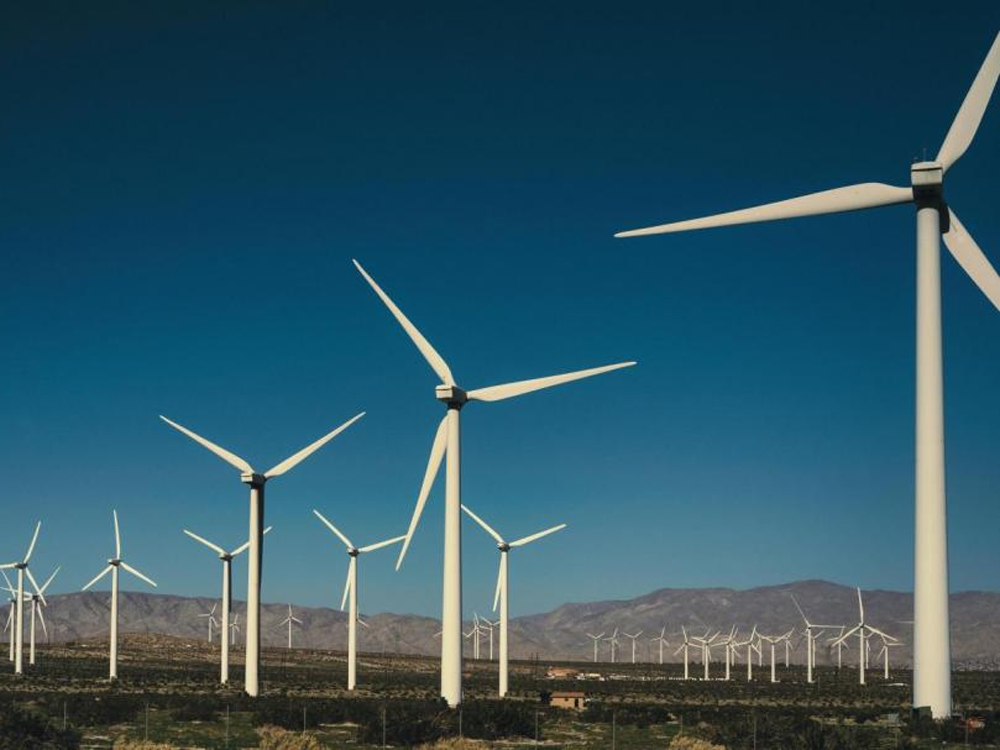
Smart cities increasingly rely on microgrids powered by urban solar panels and localized wind turbines. The power generated by these renewable sources is often inconsistent and requires complex power conditioning and storage systems before it can be fed into the main grid. Inverters and isolation transformers within these microgrids rely heavily on precision-slit silicon steel cores. The superior magnetic permeability of these strips ensures that power conversion processes occur with minimal energy loss, maximizing the yield from renewable sources and stabilizing the urban power supply during peak demand hours.
To enhance the aesthetic appeal and safety of smart cities, overhead power lines are rapidly being replaced by underground transmission networks. The transformers and switchgear associated with underground grids operate in confined spaces with limited ventilation. Consequently, equipment must generate as little heat as possible. The use of premium slit silicon steel strips in these underground components significantly reduces no-load losses (heat generation), thereby mitigating fire risks and reducing the need for energy-intensive active cooling systems in underground vaults.

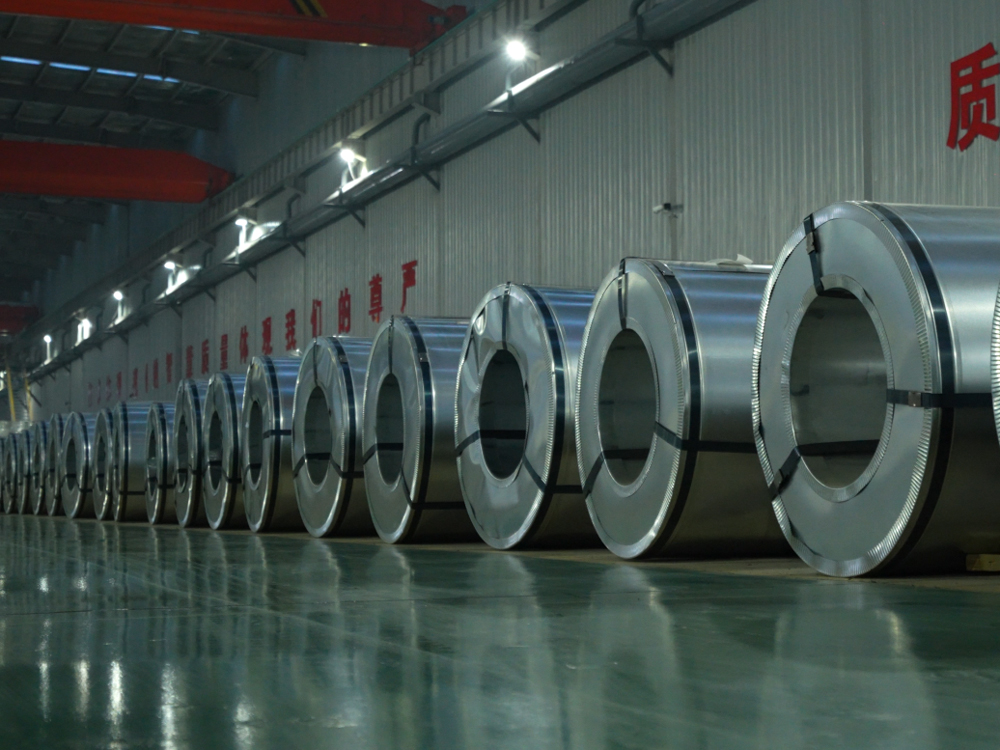
As a core material supplier for improving the energy efficiency of distribution transformers, we focus on the high-end electromagnetic material track. Our cold-rolled oriented silicon steel, with excellent low iron loss and high magnetic induction, is the core support for smart grids.

In the era of the "dual carbon" strategy, we lead in the R&D and large-scale production of low iron loss and high magnetic induction oriented silicon steel (Hi-B steel), breaking through energy efficiency bottlenecks.

We adhere to "honesty and trustworthiness, always moving forward", guided by customer needs and driven by technological innovation, working with partners to promote green energy transformation.

We will continue to deeply cultivate the field of electromagnetic new materials, create long-term value with excellent quality, and become a trusted global electromagnetic new material partner.
As smart city infrastructure continues to evolve, the technological requirements for slit silicon steel strips are pushing the boundaries of materials science. The future of this industry is marked by several compelling development trends that will dictate the next generation of urban power grids.
To combat eddy current losses—a major component of total core loss—manufacturers are continuously reducing the thickness of silicon steel strips. While standard strips measure around 0.27mm to 0.30mm, the industry is trending towards ultra-thin gauges of 0.23mm, 0.20mm, and even 0.18mm for highly specialized applications. Furthermore, Laser Magnetic Domain Refinement technology is becoming standard for top-tier HiB steel. By irradiating the surface of the slit strip with a high-power laser, the magnetic domains are refined, significantly reducing core loss without altering the physical thickness of the material. This technology is critical for meeting the ultra-high efficiency standards of future smart city transformers.
The insulation coating applied to silicon steel strips serves multiple purposes: it provides electrical resistance to prevent inter-laminar eddy currents, imparts tension to the steel to improve magnetic properties, and protects against corrosion. The trend is moving towards environmentally friendly, chromium-free nanotechnology coatings. These advanced coatings offer superior adhesion during the slitting and core-winding processes, can withstand the high temperatures of stress-relief annealing, and contribute to the overall longevity of urban power equipment.
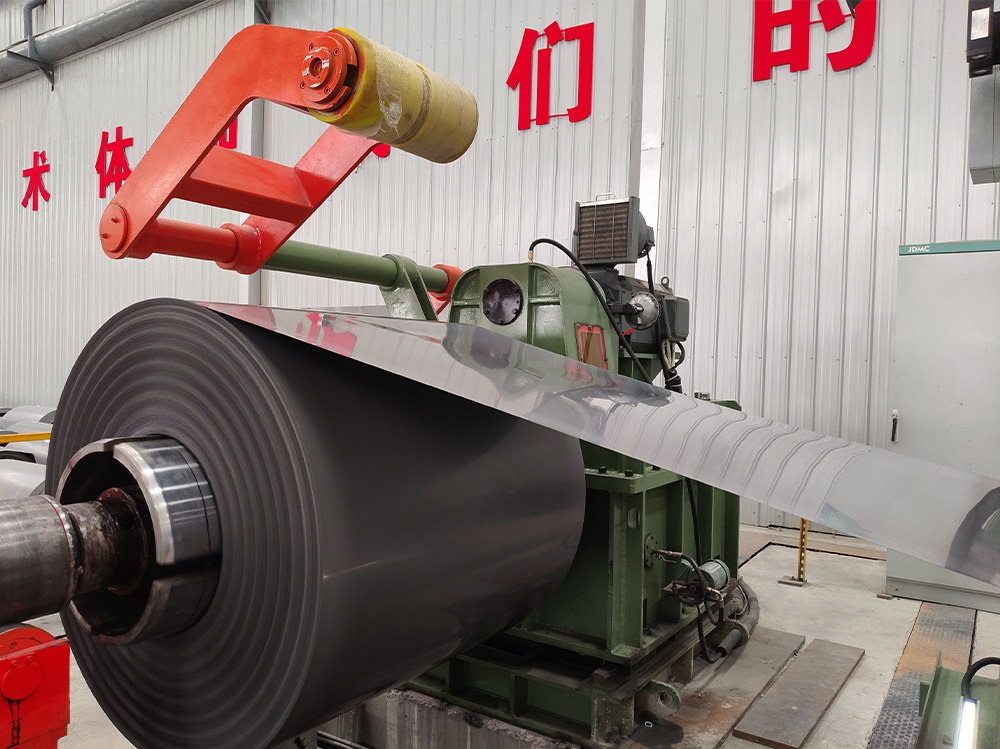
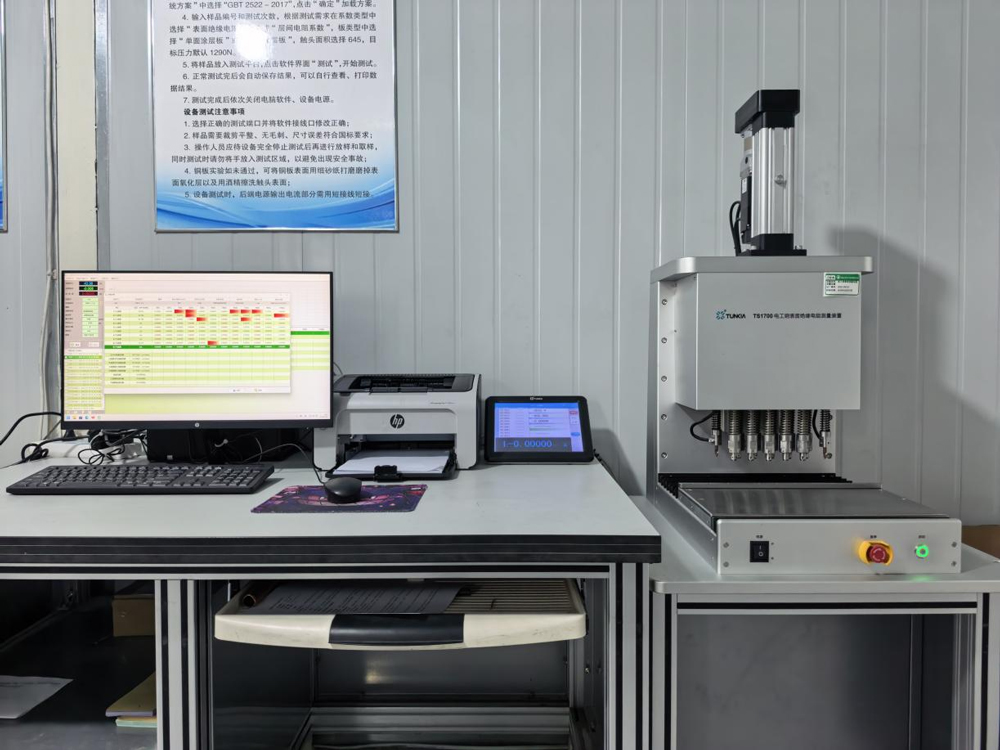
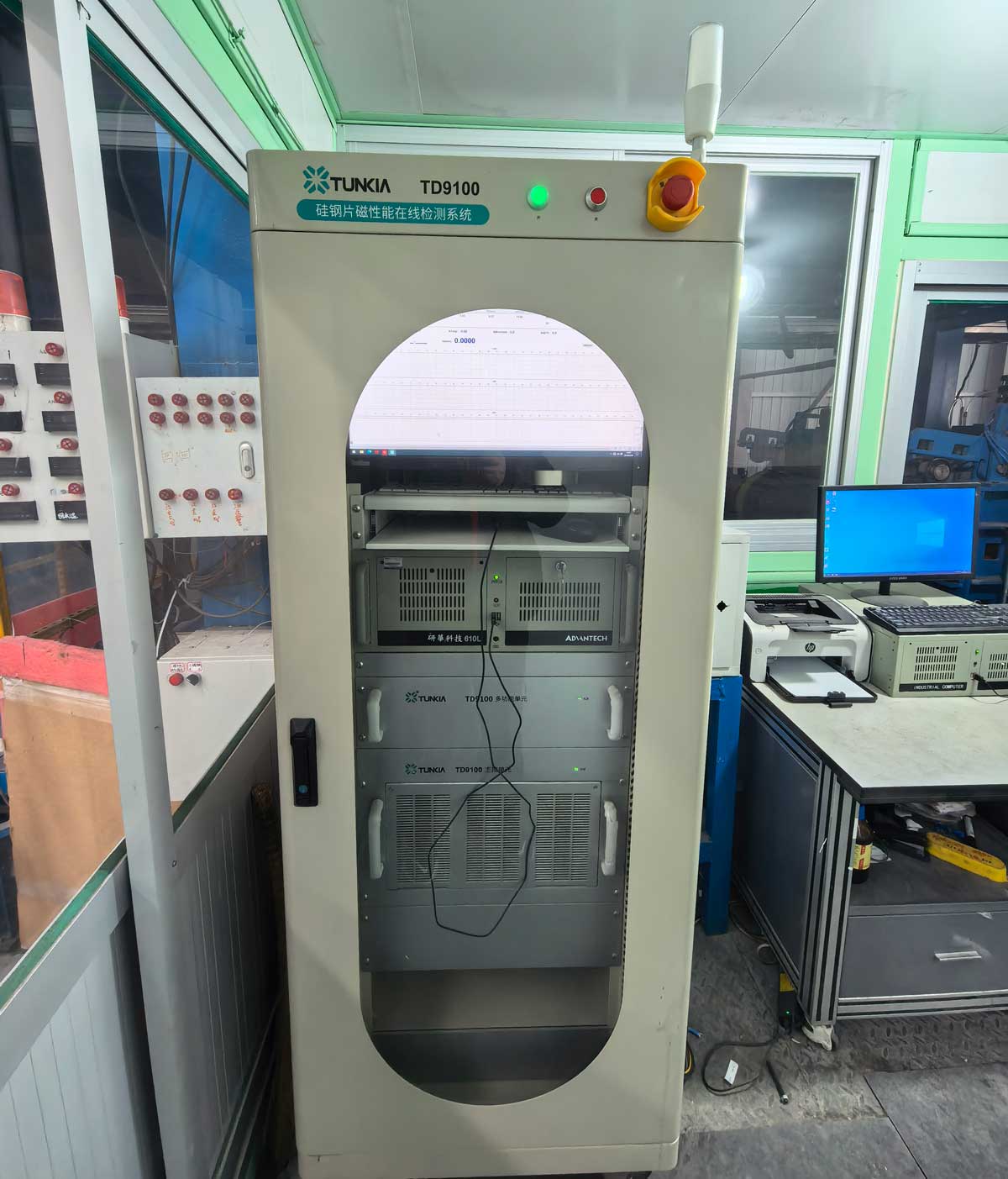
The production and slitting of oriented silicon steel are becoming highly automated. Artificial Intelligence (AI) and Machine Learning (ML) are being integrated into the slitting lines. AI vision systems monitor the edge quality of the slit strip in real-time, detecting micro-burrs or stresses that could degrade magnetic performance. By utilizing predictive maintenance and real-time tension control, manufacturers can ensure that every coil of slit silicon steel meets the exacting tolerances required by smart city infrastructure developers.
Smart cities are inherently focused on sustainability. Consequently, the lifecycle of the materials used in their infrastructure is under scrutiny. The silicon steel industry is adapting by improving the recyclability of transformer cores and reducing the carbon footprint of the manufacturing process itself. Innovations in decarbonization annealing and the use of green hydrogen in production facilities are setting new benchmarks for eco-friendly metallurgical processes.
In conclusion, the Slit Silicon Steel Strip is far more than a basic industrial commodity; it is a highly engineered, technologically advanced material that forms the very foundation of Smart City Infrastructure and Urban Power. As urbanization accelerates and the demand for clean, efficient energy grows, the continuous innovation in the processing, slitting, and application of oriented silicon steel will remain pivotal in shaping a sustainable, electrified future.

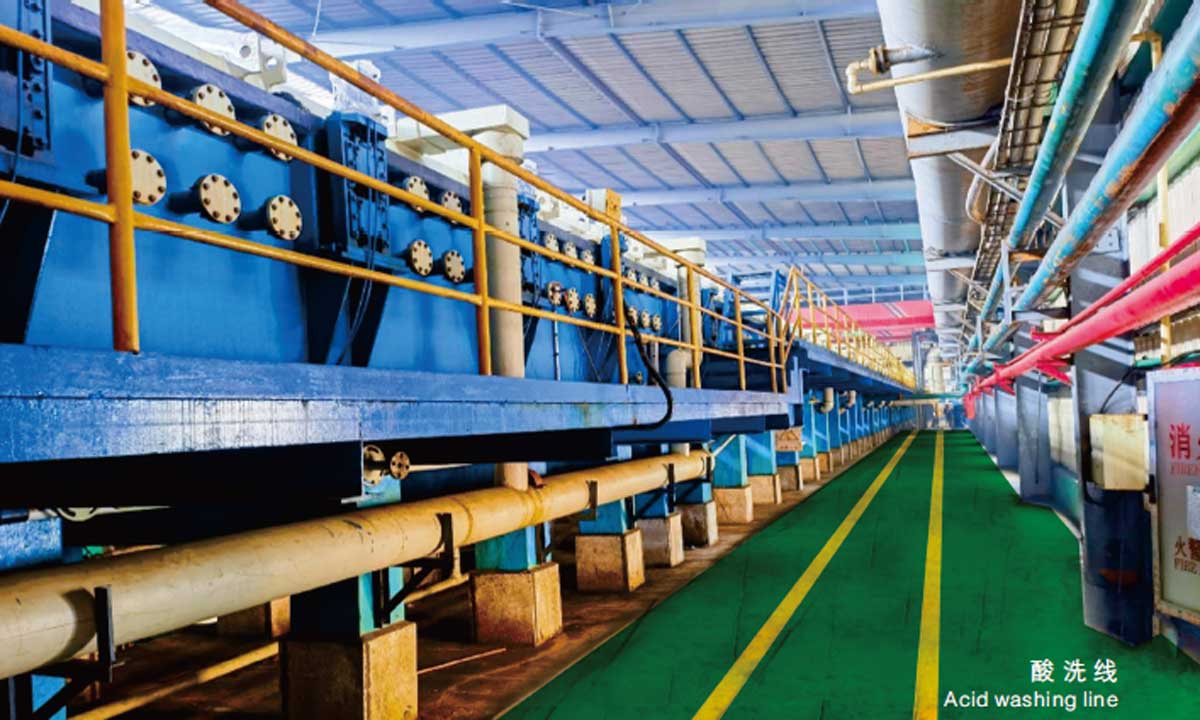
Pickling Line

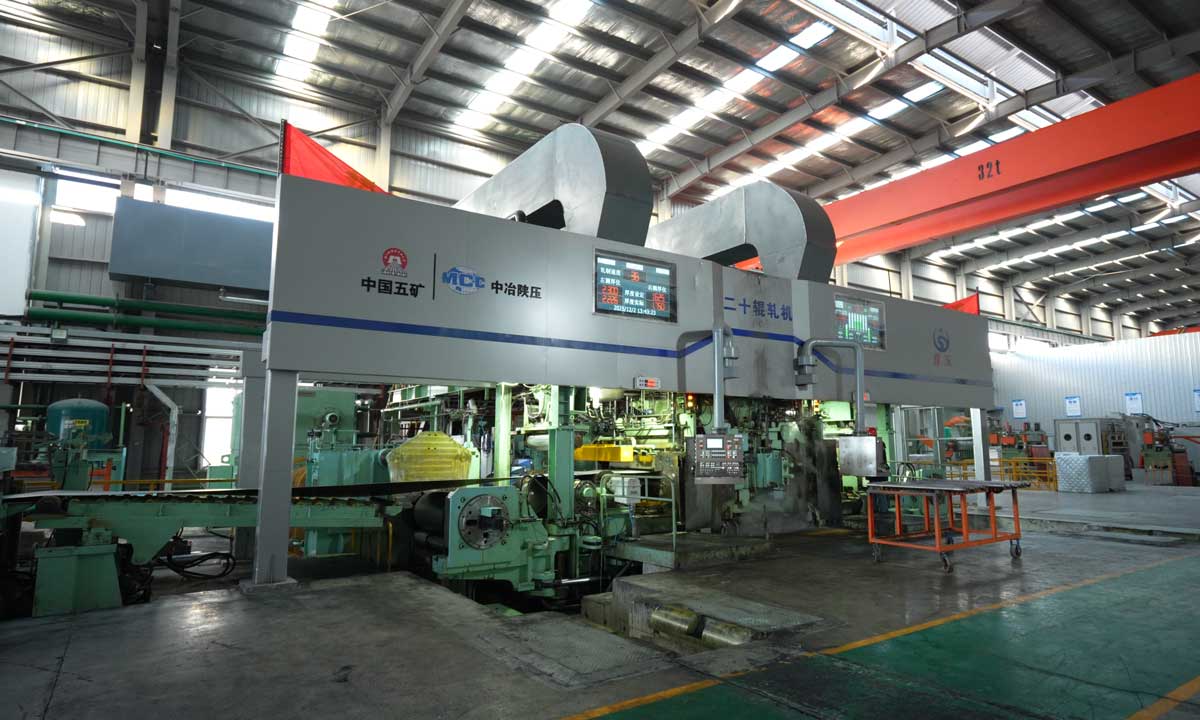
20 Roll Reversible Cold Rolling Mill

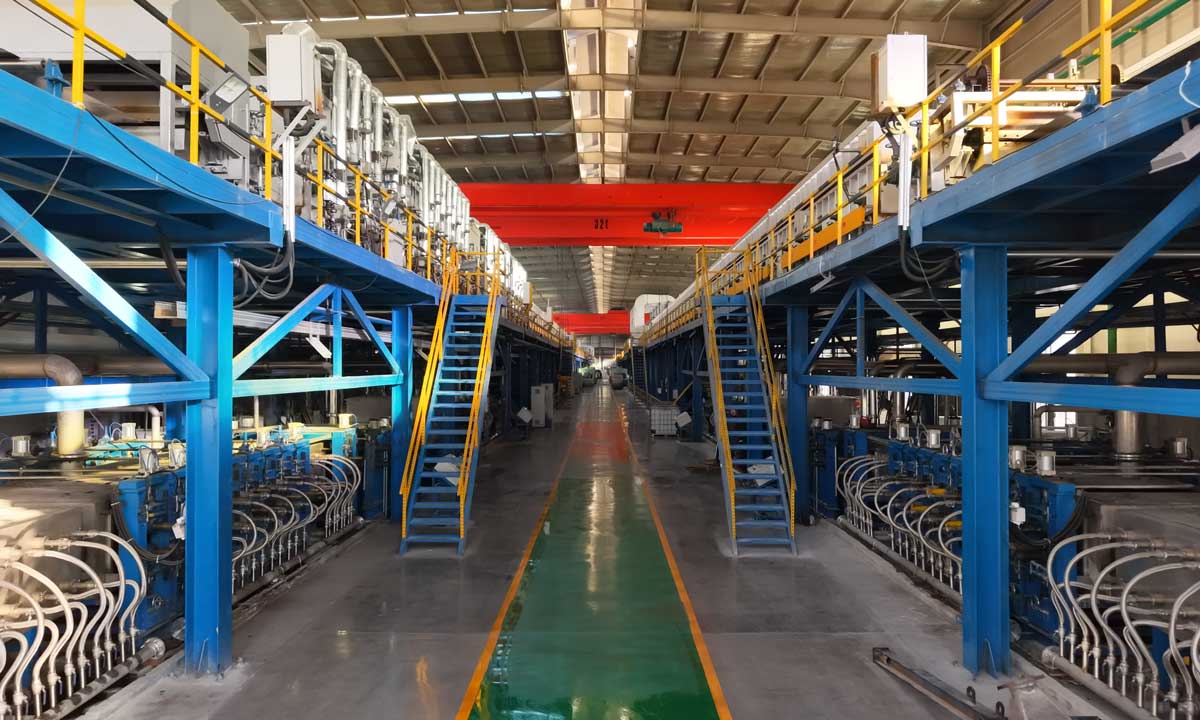
Decarbonization Annealing Line

Magnesium Oxide Coated Wire

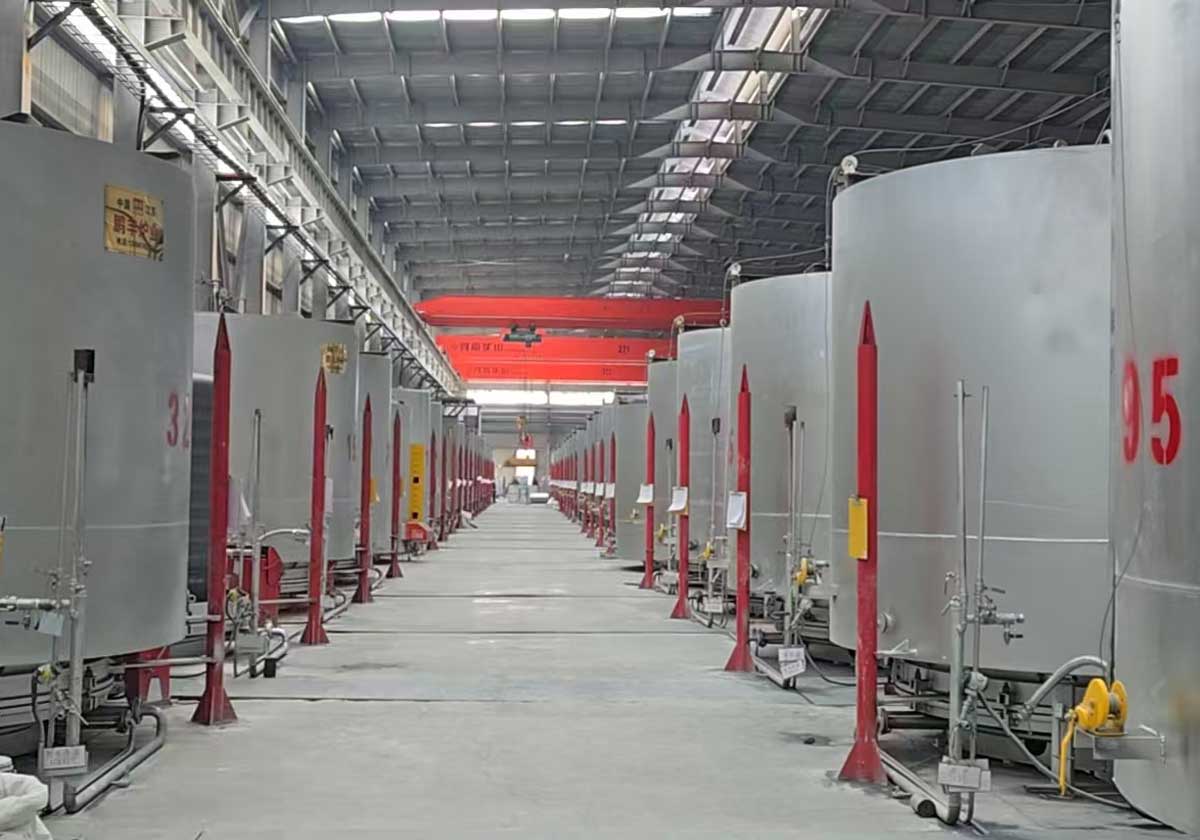
High Temperature Hood Type Annealing Furnace

Stretch Flat Line

Slitting Line