Leave Your Message
-
Contact Phone
-
 Contact Email
-
 Contact Whatsapp
The global transition towards electric vehicles (EVs) is accelerating at an unprecedented pace. However, the mass adoption of EVs is heavily contingent upon the widespread deployment of robust, highly efficient, and reliable Electric Vehicle Charging Infrastructure. At the very heart of these charging networks—ranging from residential AC wallboxes to ultra-fast DC public charging stations—lies a critical, often overlooked material: the Silicon Steel Sheet.
Commercially, the demand for electrical steel, specifically grain-oriented (GOES) and non-oriented electrical steel (NOES), has surged. Charging infrastructure requires power transformers, high-frequency inductors, and magnetic shielding components to convert grid power (AC) into the direct current (DC) required by EV batteries. The efficiency of this power conversion dictates the charging speed, the thermal management requirements of the charging pile, and the overall energy loss from the grid to the vehicle. Consequently, the industrial status of silicon steel has elevated from a traditional grid component to a high-tech enabler of the green energy transition.
Currently, the market is experiencing a paradigm shift towards premium grades of silicon steel, such as Hi-B (High Magnetic Induction) steel. The ability of these advanced materials to minimize core losses (eddy current and hysteresis losses) directly translates to lower operational costs for charging station operators and faster charging times for consumers. Global supply chains are rapidly adapting, with leading manufacturers investing heavily in specialized production lines capable of rolling ultra-thin silicon steel sheets specifically tailored for high-frequency EV charging applications.
Tangshan Shouyu Electromagnetic New Materials Co., Ltd. was established in 2022 and is located in Yutian County Industrial Park, Tangshan City, Hebei Province. It is a high-tech enterprise specializing in the research and development, production, and sales of oriented silicon steel. We are deeply committed to empowering modern energy infrastructures, including the rapidly expanding EV charging sector.

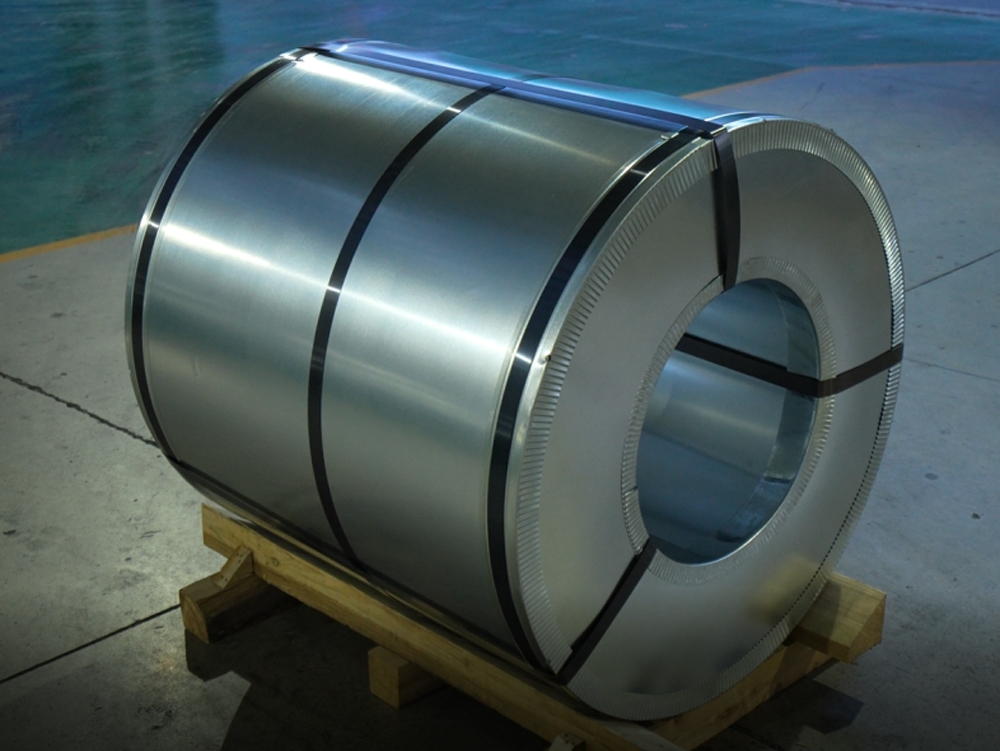
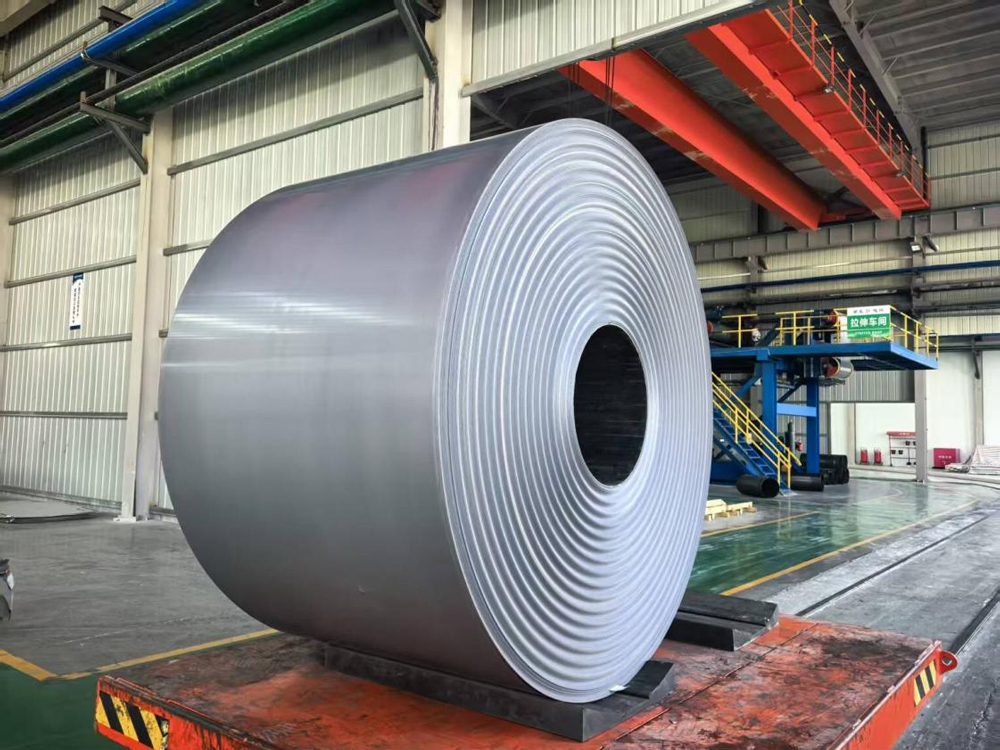
As a core material supplier for improving energy efficiency, relying on profound technological accumulation, the company focuses on high-end electromagnetic materials. Our cold-rolled oriented silicon steel, with low iron loss and high magnetic induction, is the core support for EV charging distribution transformers.

In the era of the "dual carbon" strategy, we lead in the R&D and large-scale production of low iron loss Hi-B steel, using key material innovation to break energy efficiency bottlenecks of power equipment and promote green development in EV infrastructure.

We always adhere to "honesty and trustworthiness", guided by customer needs, driven by tech innovation, and working with industry chain partners to promote the transformation of the EV energy industry towards green and highly efficient solutions.

We continue to deeply cultivate electromagnetic new materials, create long-term value with excellent quality, inject new momentum into the industry, and become a trusted global partner for EV charging infrastructure materials.
As the electric vehicle market matures, the demand for "range anxiety" elimination is driving the development of Ultra-Fast DC Charging Stations (Level 3 chargers capable of delivering 350 kW to 1 MW of power). This monumental leap in power delivery fundamentally changes the requirements for the magnetic components housed within the charging infrastructure. The future trend is unequivocally moving towards high-frequency, compact, and highly efficient power conversion modules.
To achieve this, the industry is witnessing a technological pivot towards ultra-thin Silicon Steel Sheets. Traditional transformers operating at 50/60 Hz grid frequencies could afford to use thicker laminations. However, the switch-mode power supplies (SMPS) and solid-state transformers (SST) used in modern EV fast chargers operate at frequencies ranging from several kilohertz (kHz) to tens of kilohertz. At these high frequencies, eddy current losses increase exponentially. Consequently, manufacturers are pushing the boundaries of metallurgy to produce silicon steel sheets with thicknesses of 0.23mm, 0.20mm, or even thinner, heavily alloyed with silicon to increase electrical resistivity.
Furthermore, the integration of Smart Grids and Vehicle-to-Grid (V2G) technologies requires bi-directional power flow. The magnetic cores within these bi-directional chargers must maintain exceptional linearity and low core loss in both charging and discharging states. The continuous innovation in the domain of Oriented Silicon Steel (CGO and Hi-B) ensures that these charging stations can operate continuously without excessive thermal degradation, reducing the need for bulky active cooling systems and thereby decreasing the overall footprint and cost of the EV charging station.

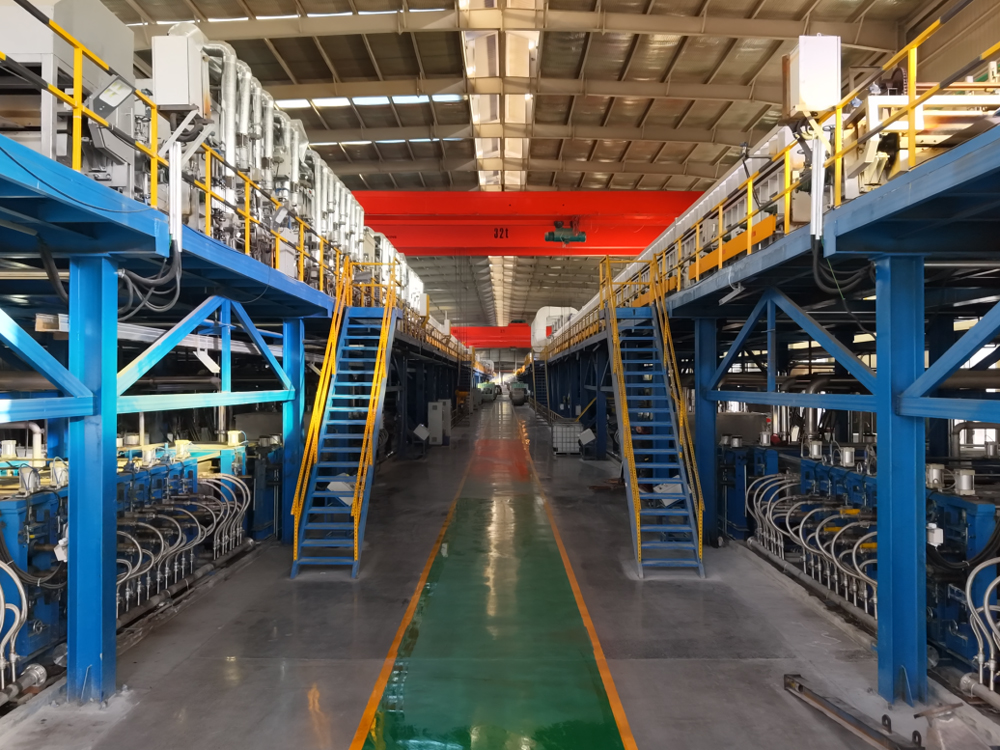
Pickling Line

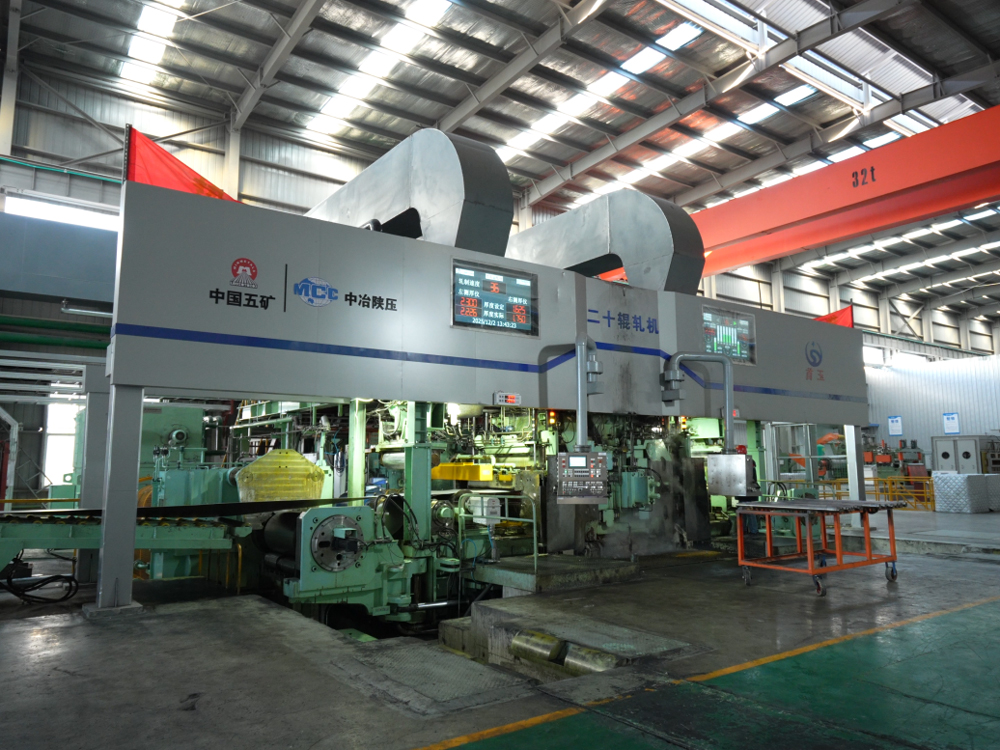
20 Roll Reversible Cold Rolling Mill

Decarbonization Annealing Line

Magnesium Oxide Coated Wire

High Temp Hood Annealing Furnace

Stretch Flat Line

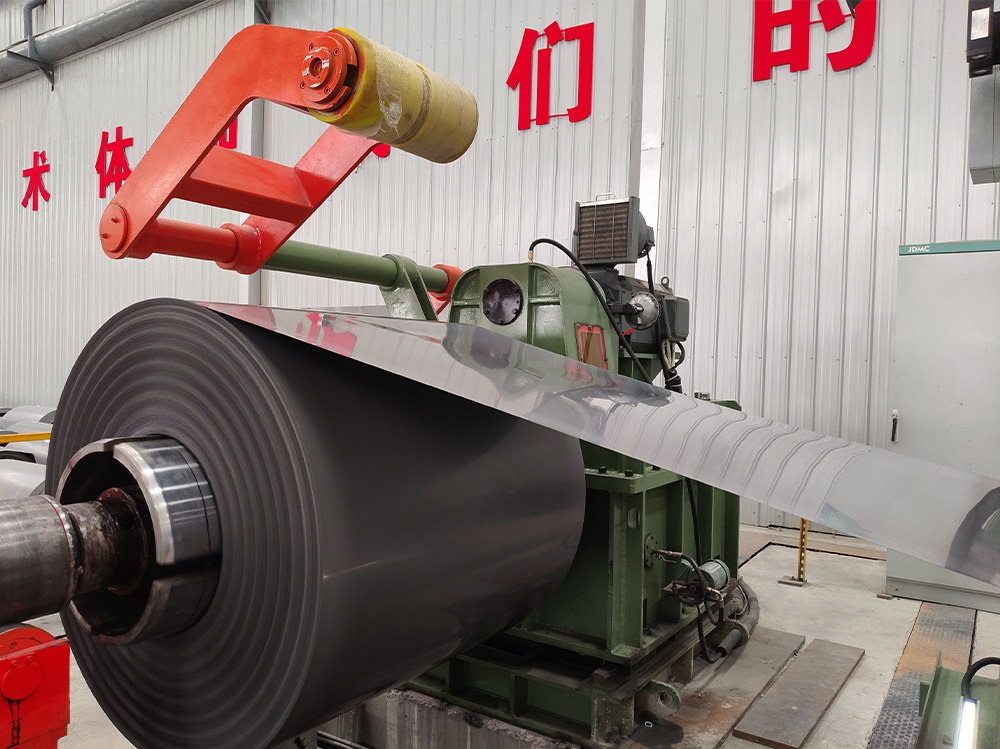
Slitting Line
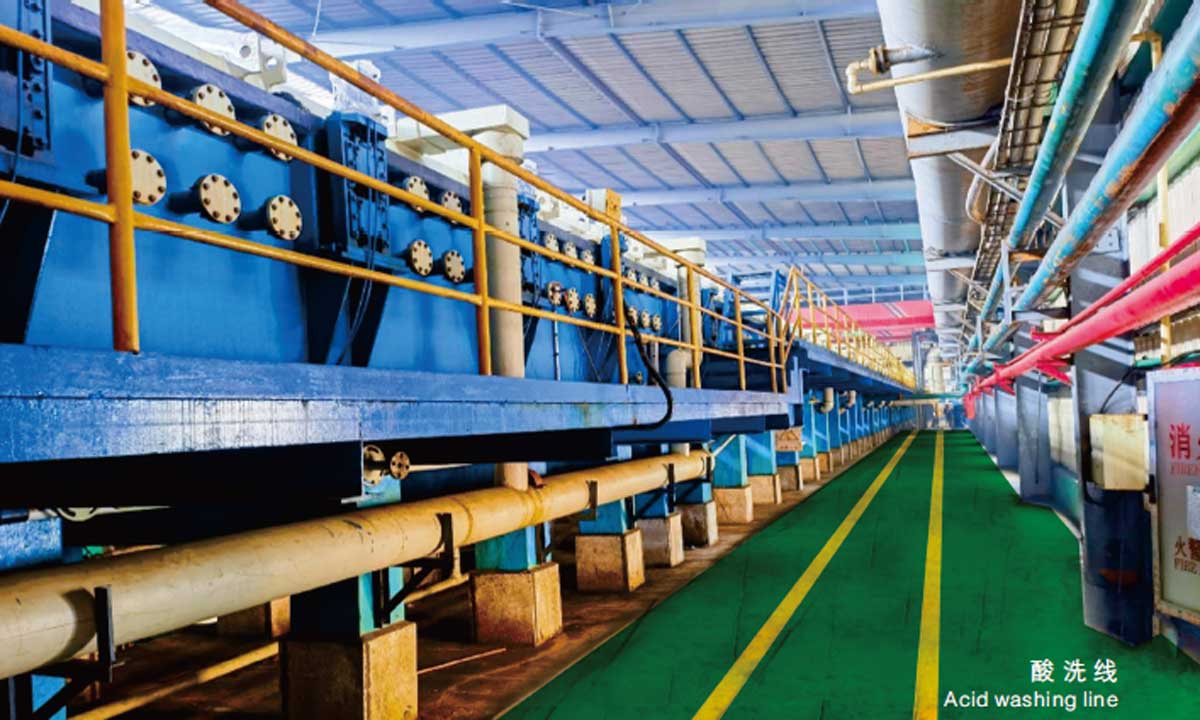
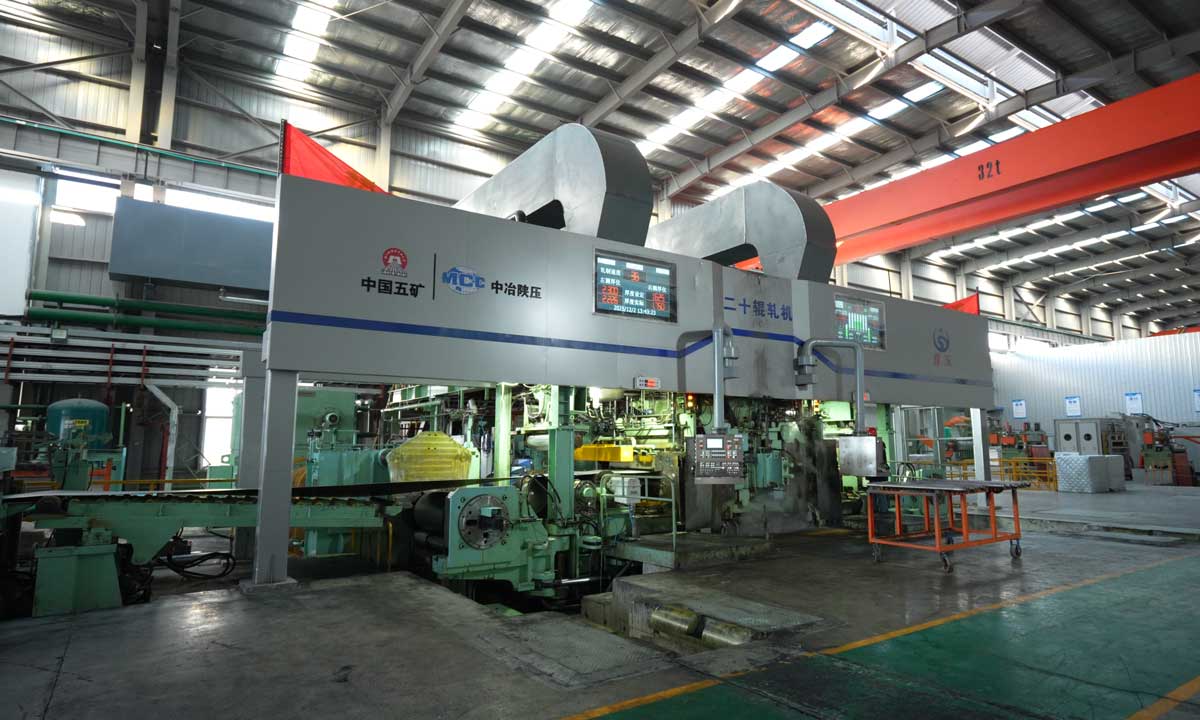
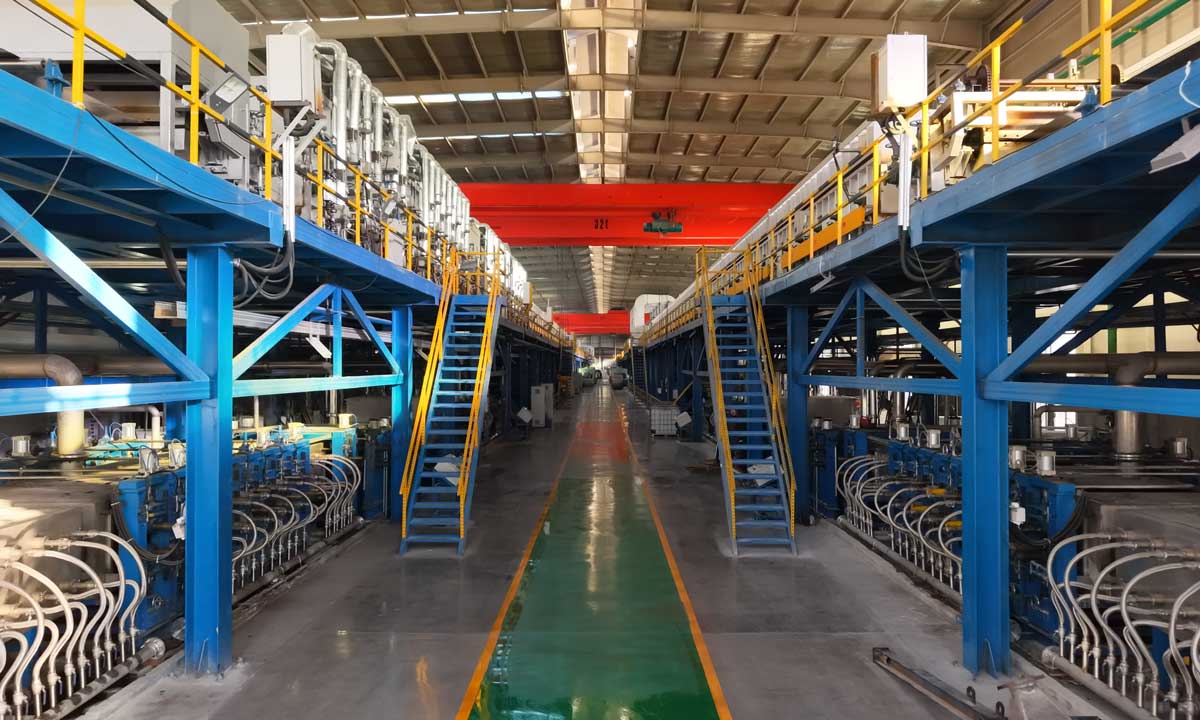
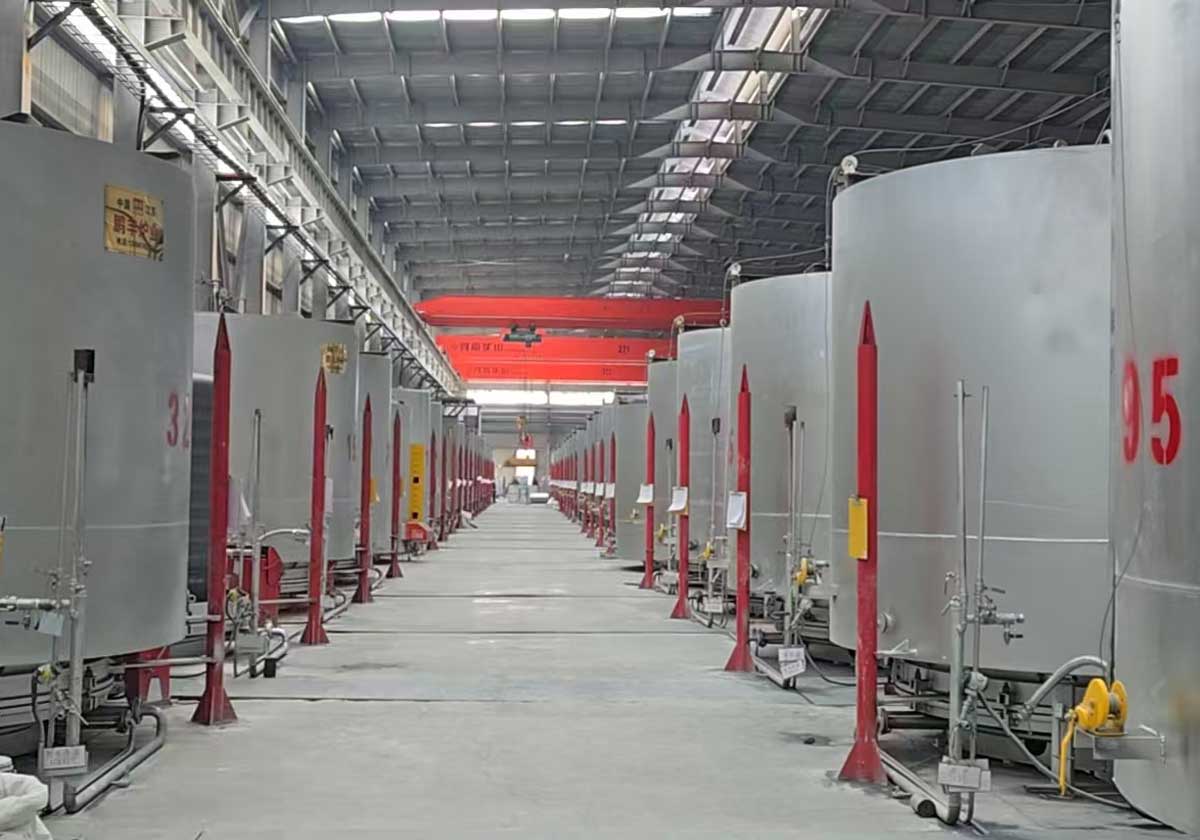
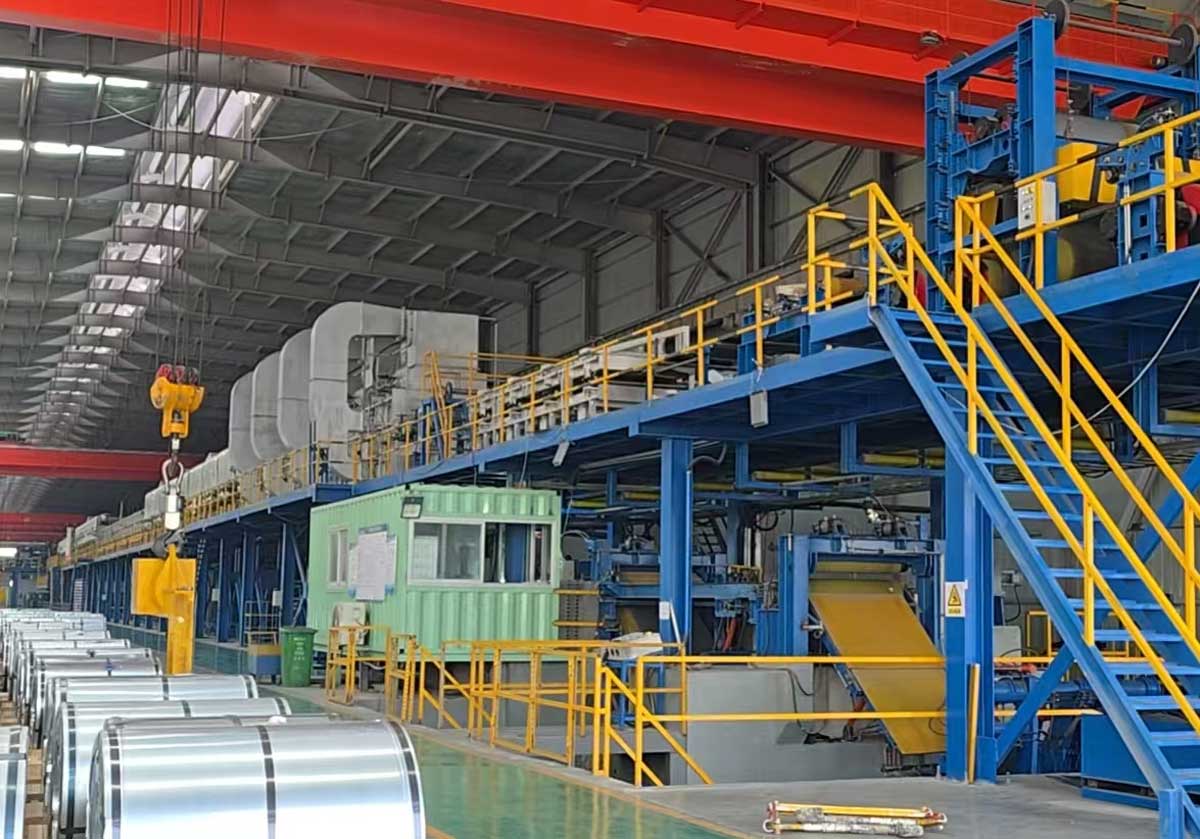
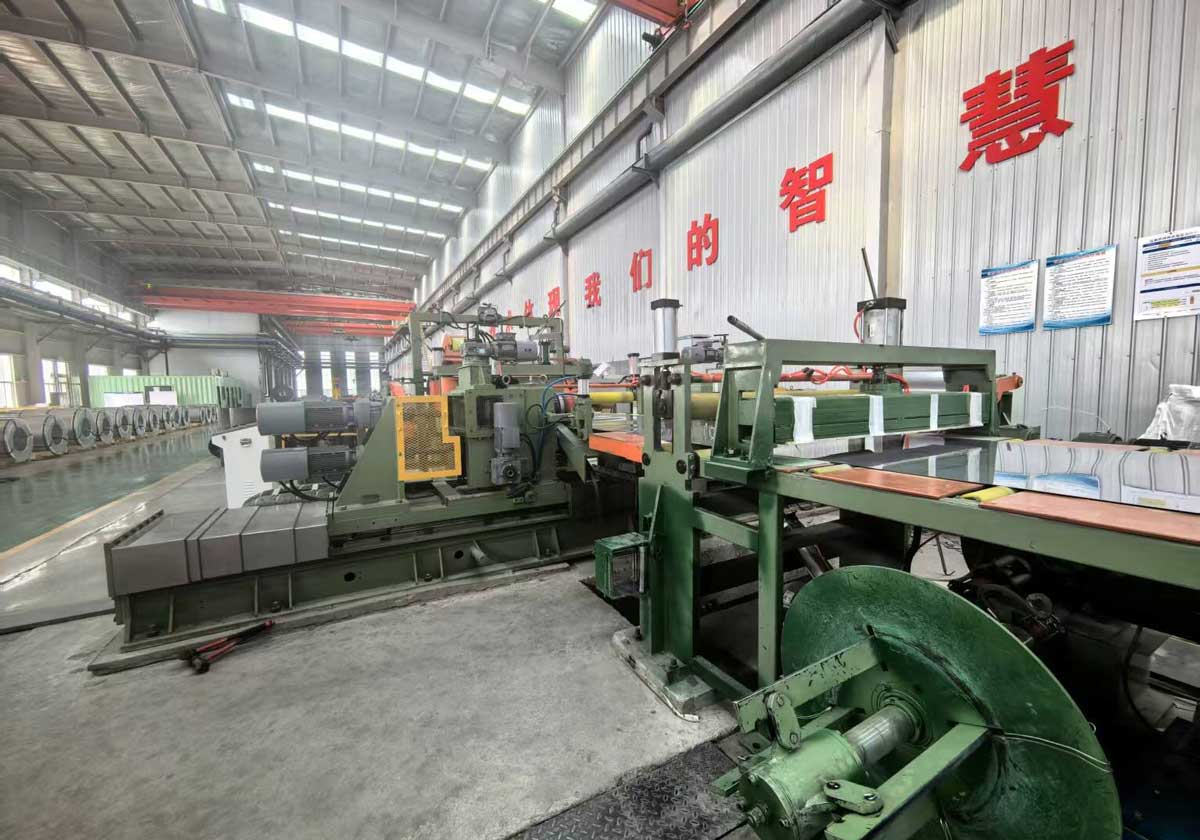
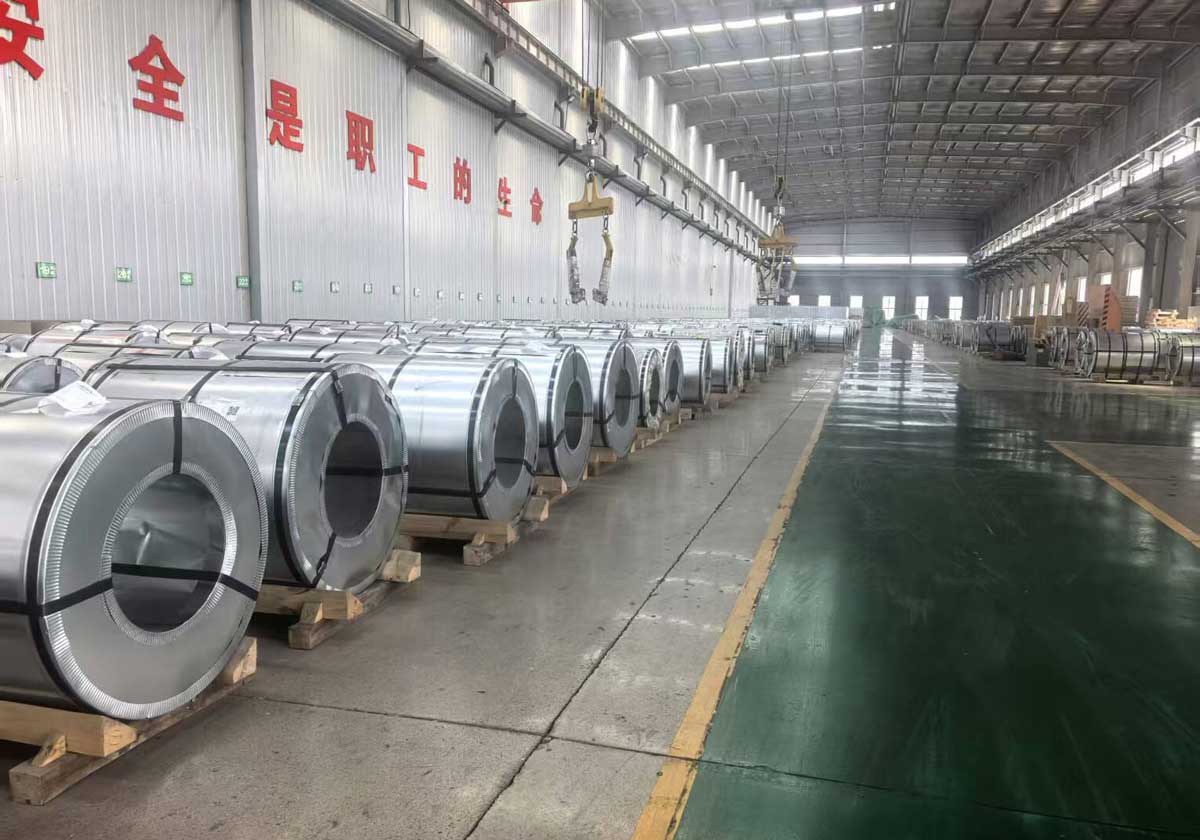
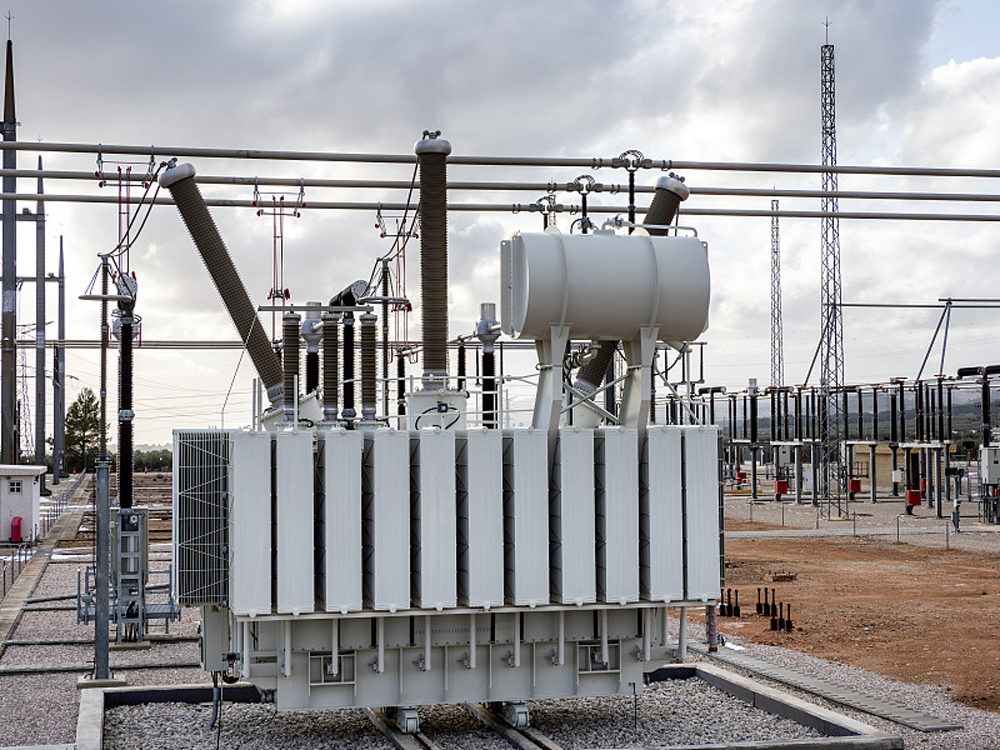
In commercial DC fast charging stations, high-power rectifiers and isolation transformers are mandatory to convert the grid's multi-phase AC into stable, high-voltage DC for the vehicle's battery pack. Here, Grain-Oriented Silicon Steel (GOES) is extensively utilized in the main power transformers due to its superior magnetic flux density in the rolling direction. This allows for the design of highly compact transformer cores that can handle massive power throughput (upwards of 350kW) without succumbing to magnetic saturation. The utilization of Hi-B grades ensures that the core operates efficiently, significantly reducing the cooling load on the charging pile's thermal management system.
While Level 2 chargers rely on the vehicle's onboard charger (OBC) for AC-to-DC conversion, the charging station itself still requires safety isolation transformers, EMI (Electromagnetic Interference) filters, and common-mode chokes. Non-oriented silicon steel or standard CGO sheets are often employed here to create cost-effective, reliable magnetic components that ensure grid stability and protect the vehicle from voltage spikes and harmonic distortions.
A frontier application for electromagnetic materials is wireless EV charging. This technology relies on magnetic resonance between a ground pad and a vehicle pad. To prevent magnetic flux leakage—which can cause heating in nearby metallic objects and reduce charging efficiency—high-performance magnetic shielding is required. Thin layers of specialized silicon steel are engineered to guide the magnetic flux precisely between the primary and secondary coils, dramatically improving the coupling coefficient and overall energy transfer efficiency of the wireless charging infrastructure.
After the reform and opening-up, the first-generation founders established a plastic packaging company.
The water conservation business was launched and successfully went public under the leadership of the second-generation leadership team.
The company entered the steel industry, evolving from steel smelting and processing to deep processing of steel products, encompassing elevator guide rail steel, automotive spring steel, oil-quenched steel wire, and galvanized strip steel.
Started real estate development and operation business.
Entering the cold chain warehousing and transportation industry.
The deep processing of steel is extended to the field of silicon steel, focusing on EV charging infrastructure materials.