Leave Your Message
-
Contact Phone
-
 Contact Email
The global transition towards sustainable power generation has placed unprecedented demands on electrical infrastructure. At the heart of this technological revolution is the Silicon Steel Alloy, particularly Cold-Rolled Grain-Oriented (CRGO) and Non-Oriented (CRNGO) silicon steel. As governments and private sectors worldwide accelerate their carbon neutrality goals, the commercial demand for high-efficiency electromagnetic materials has surged exponentially. Silicon steel is no longer just a traditional metallurgical product; it is the fundamental enabler of modern renewable energy ecosystems.
In the commercial and industrial landscape, the efficiency of energy conversion dictates the financial viability of renewable projects. Silicon steel alloys, engineered with precise silicon content (typically between 2% to 4.5%), offer exceptional magnetic permeability and significantly reduced hysteresis and eddy current losses. This makes them the indispensable core material for transformers, generators, and crucially, solar inverters. The current industrial trend is moving rapidly towards ultra-thin, high-magnetic-induction (Hi-B) silicon steel to meet the stringent energy efficiency standards required by next-generation smart grids and photovoltaic (PV) farms.

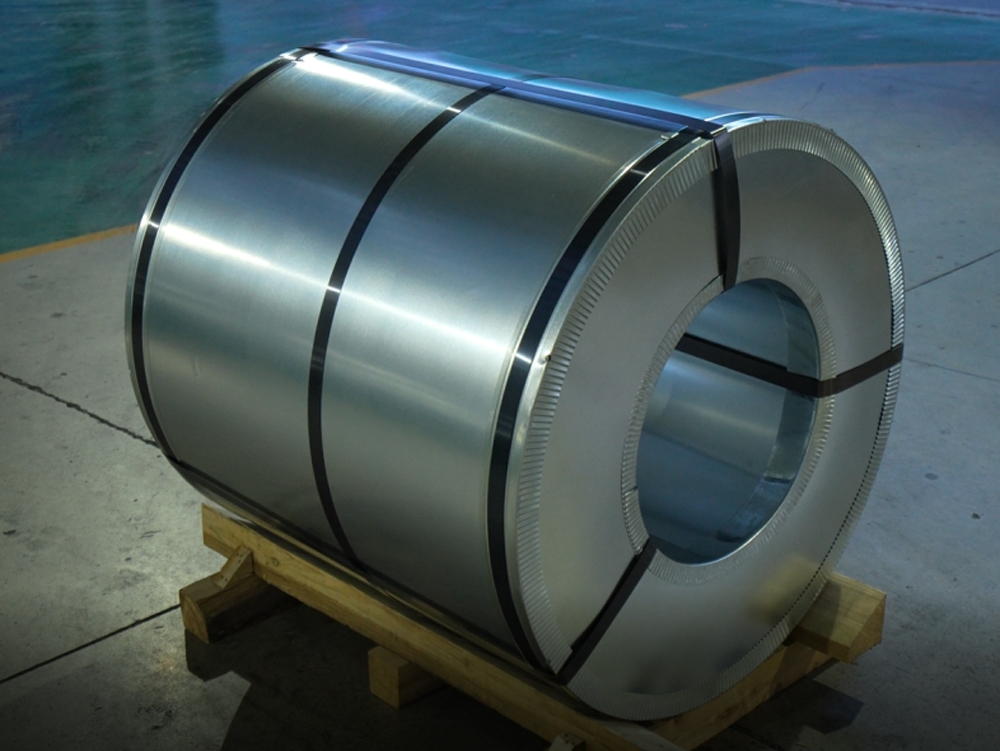
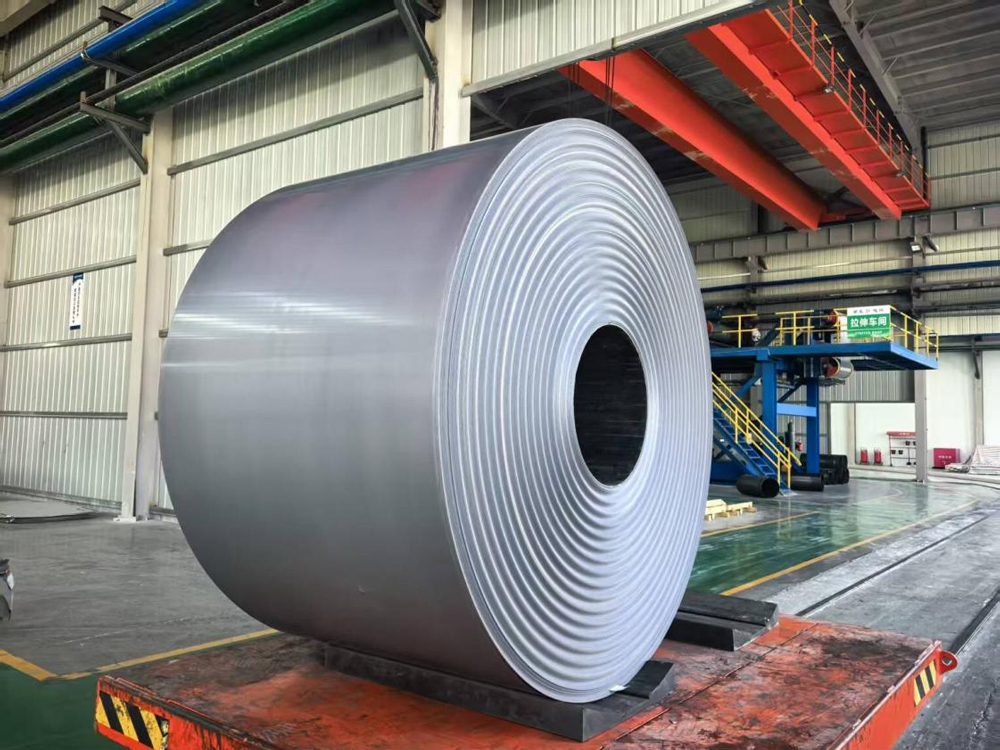
As a core material supplier for improving the energy efficiency of distribution transformers, relying on profound technological accumulation and innovative genes, the company focuses on the high-end electromagnetic material track. Its core product, cold-rolled oriented silicon steel, with excellent low iron loss and high magnetic induction performance, has become the core support for improving the energy efficiency of distribution transformers.

In the era of the national "dual carbon" strategy and energy-saving upgrading of the power grid, we have taken the lead in the research and development and large-scale production of low iron loss and high magnetic induction oriented silicon steel (Hi-B steel), using key material innovation to break through the energy efficiency bottleneck of power equipment and promote the deep transformation of the industry towards high efficiency and green development.

We always adhere to the business philosophy of "honesty and trustworthiness, always moving forward", guided by customer needs, driven by technological innovation, and working together with industry chain partners to promote the transformation of the energy industry towards green and efficient.

In the future, we will continue to deeply cultivate the field of electromagnetic new materials, create long-term value for customers with excellent quality and professional services, inject new momentum into the development of the industry, and become a trusted global electromagnetic new material partner.
In the realm of photovoltaic (PV) solar power, the inverter acts as the brain and heart of the system. Its primary function is to convert the variable direct current (DC) output of a photovoltaic solar panel into a utility frequency alternating current (AC) that can be fed into a commercial electrical grid or used by a local, off-grid electrical network. The efficiency of this conversion process is heavily reliant on the magnetic components within the inverter, specifically high-frequency transformers and inductors.
Modern solar inverters operate at high switching frequencies to reduce the size and weight of passive components while improving transient response. However, high-frequency operation exacerbates core losses (eddy current and hysteresis losses) in standard magnetic materials. This is where advanced Silicon Steel Alloys demonstrate their superiority. By utilizing specialized ultra-thin grain-oriented silicon steel (often processed down to 0.23mm or even 0.18mm thicknesses) combined with sophisticated insulating coatings, manufacturers can drastically suppress eddy currents. The crystalline structure of the steel is perfectly aligned with the direction of the magnetic flux, ensuring that the magnetic resistance is kept to an absolute minimum.
Heat generation is a critical enemy of electronic components in solar inverters. Excessive core loss in magnetic components translates directly into heat, which can degrade the performance of surrounding semiconductor devices (like IGBTs or SiC MOSFETs) and shorten the lifespan of the inverter. Silicon steel's exceptional thermal stability and low-loss characteristics mean that less heat is generated during the DC-to-AC conversion. This reduces the burden on cooling systems, allows for more compact inverter designs, and significantly boosts the overall Return on Investment (ROI) for commercial solar farm operators.
After the reform and opening-up, the first-generation founders established a plastic packaging company.
In 2000, the water conservation business was launched and successfully went public under the leadership of the second-generation leadership team.
In 2004, the company entered the steel industry, evolving from steel smelting and processing to deep processing of steel products, encompassing elevator guide rail steel, automotive spring steel, oil-quenched steel wire, and galvanized strip steel.
Started real estate development and operation business in 2010.
Entering the cold chain warehousing and transportation industry in 2021.
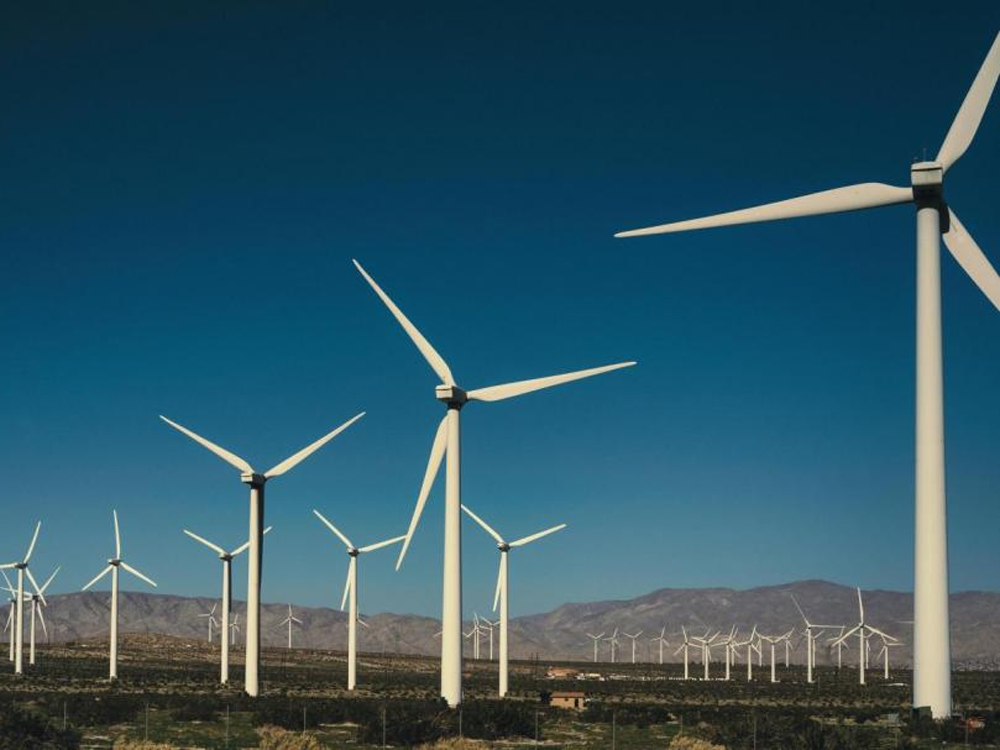
While solar inverters represent a massive growth sector, the application of Silicon Steel Alloy extends deeply into other renewable energy domains, most notably wind power generation. Wind turbines rely on massive generators to convert mechanical energy into electrical energy. The stators and rotors of these generators are constructed using thousands of precisely stamped silicon steel laminations. The quality of the silicon steel directly impacts the generator's efficiency, torque ripple, and acoustic noise levels.
Looking towards the future, the silicon steel industry is undergoing a profound technological evolution. The market is witnessing a decisive shift towards High Magnetic Induction (Hi-B) Silicon Steel. Hi-B steel offers superior crystalline alignment compared to conventional grain-oriented steel (CGO), allowing power equipment to handle higher magnetic flux densities without saturating. This means transformers and inverters can be built smaller, utilizing less copper and structural materials, which drives down the overall Levelized Cost of Energy (LCOE) for renewable projects.
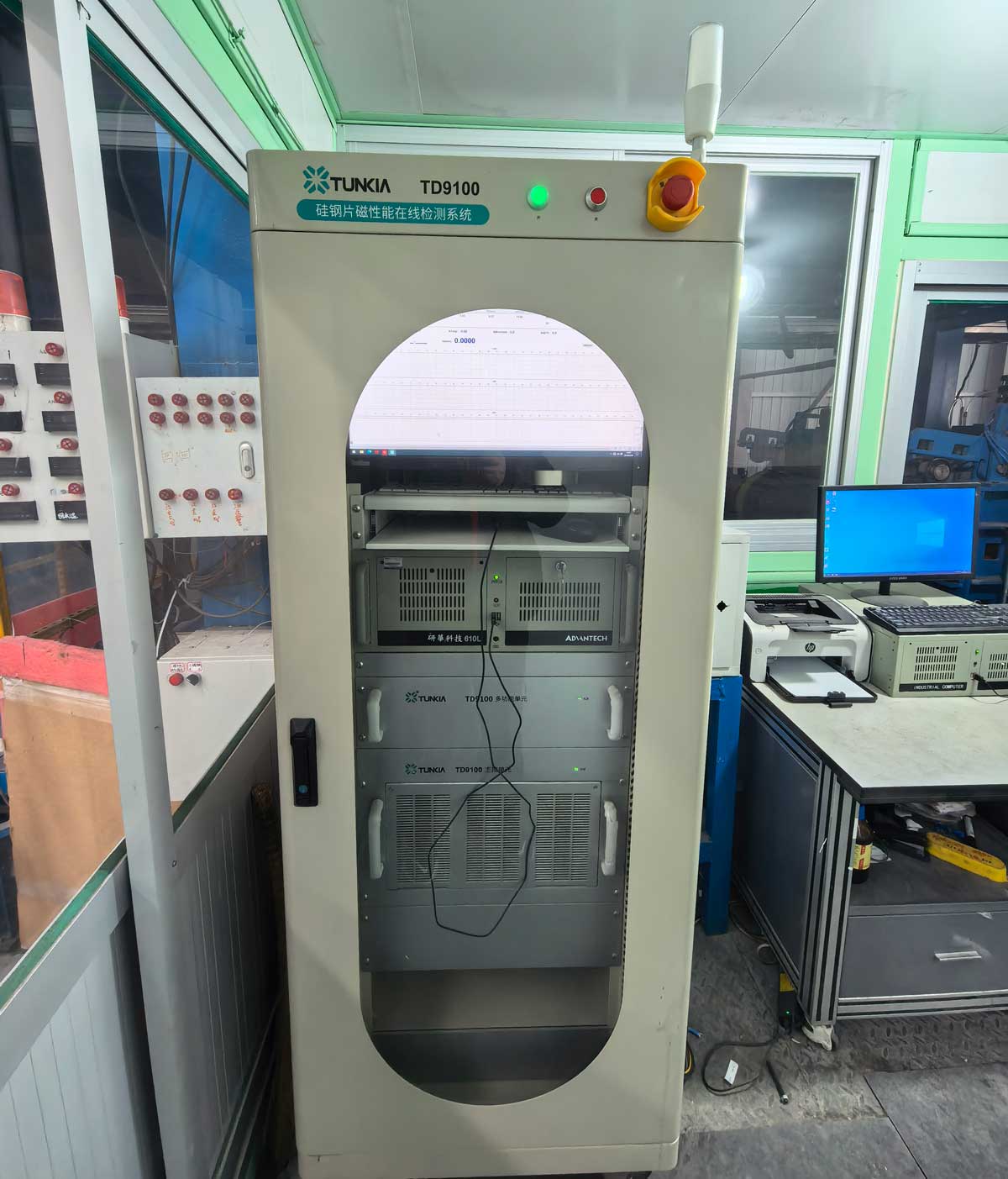
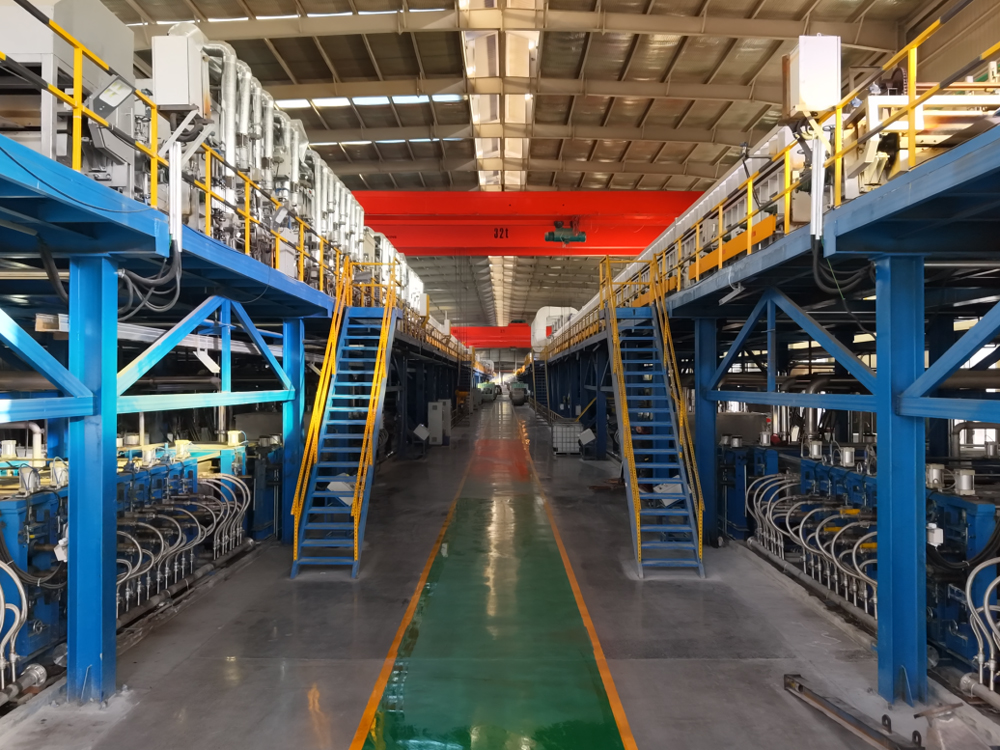
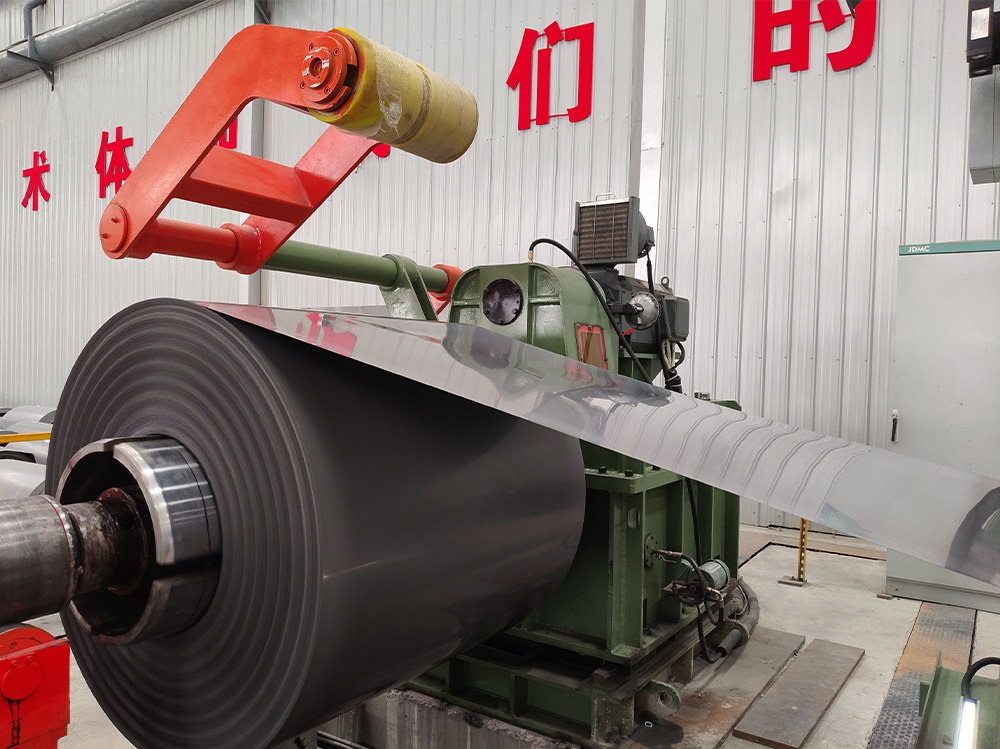
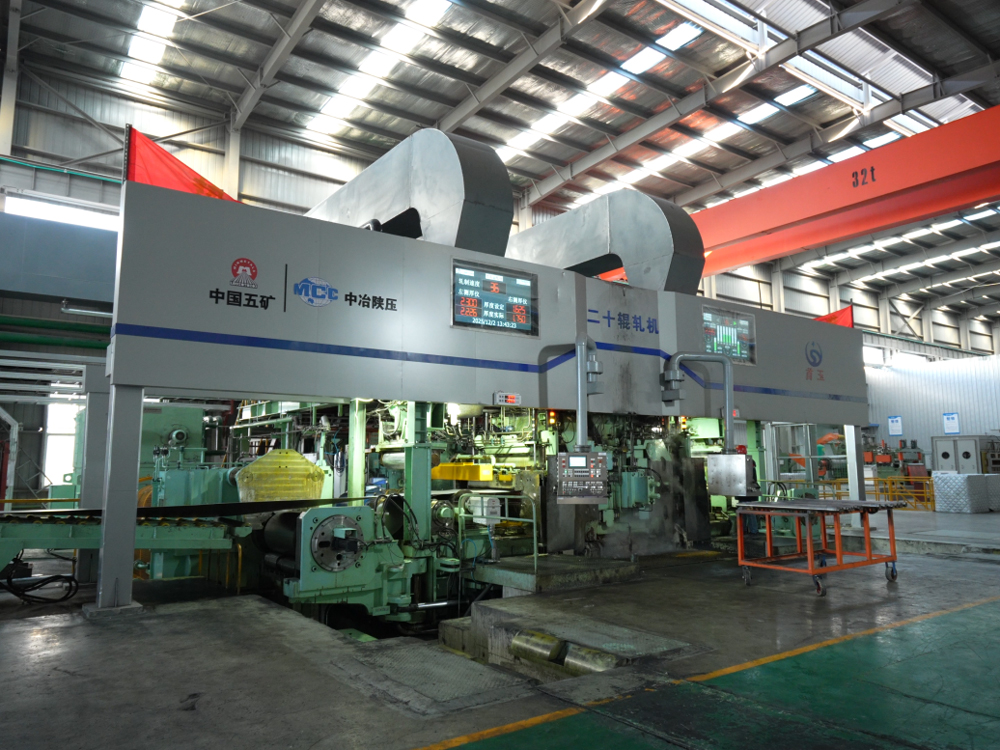
Furthermore, the integration of Artificial Intelligence (AI) and big data analytics into the metallurgical process is revolutionizing quality control. Advanced sensor networks monitor the cold rolling, decarbonization, and annealing processes in real-time, using machine learning algorithms to predict and adjust parameters, ensuring uniform magnetic properties across every millimeter of the silicon steel coil. This AI-driven manufacturing approach guarantees the extreme reliability required for critical renewable energy infrastructure.


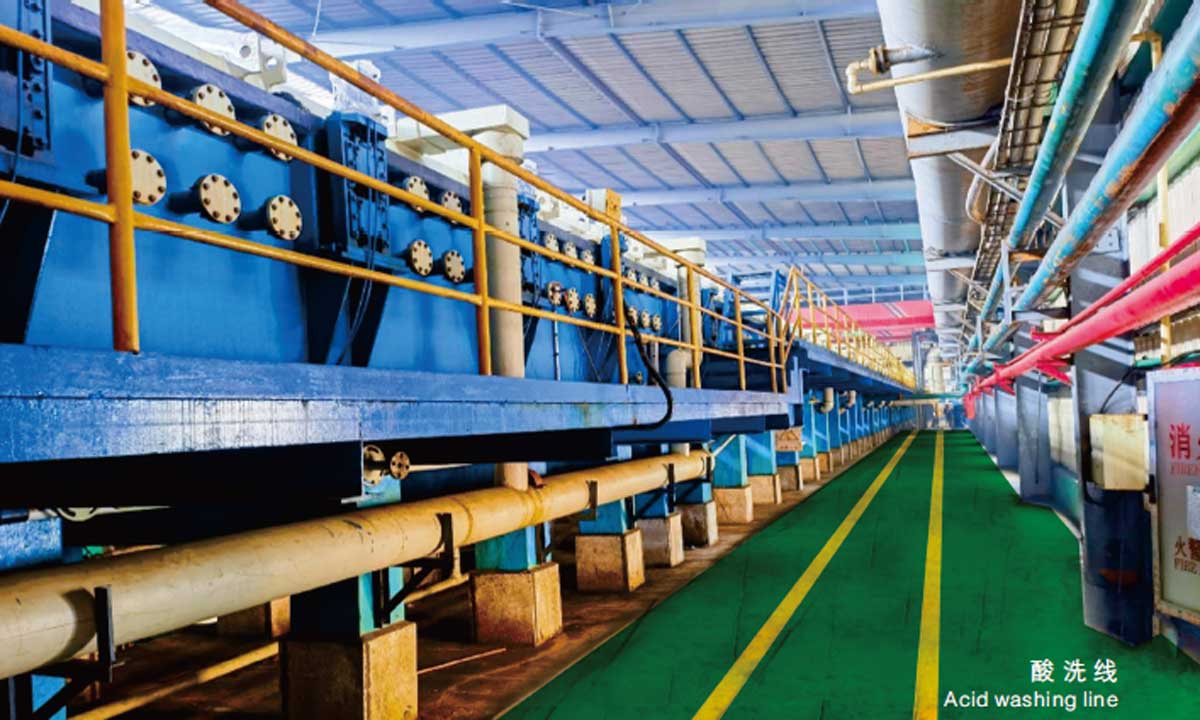
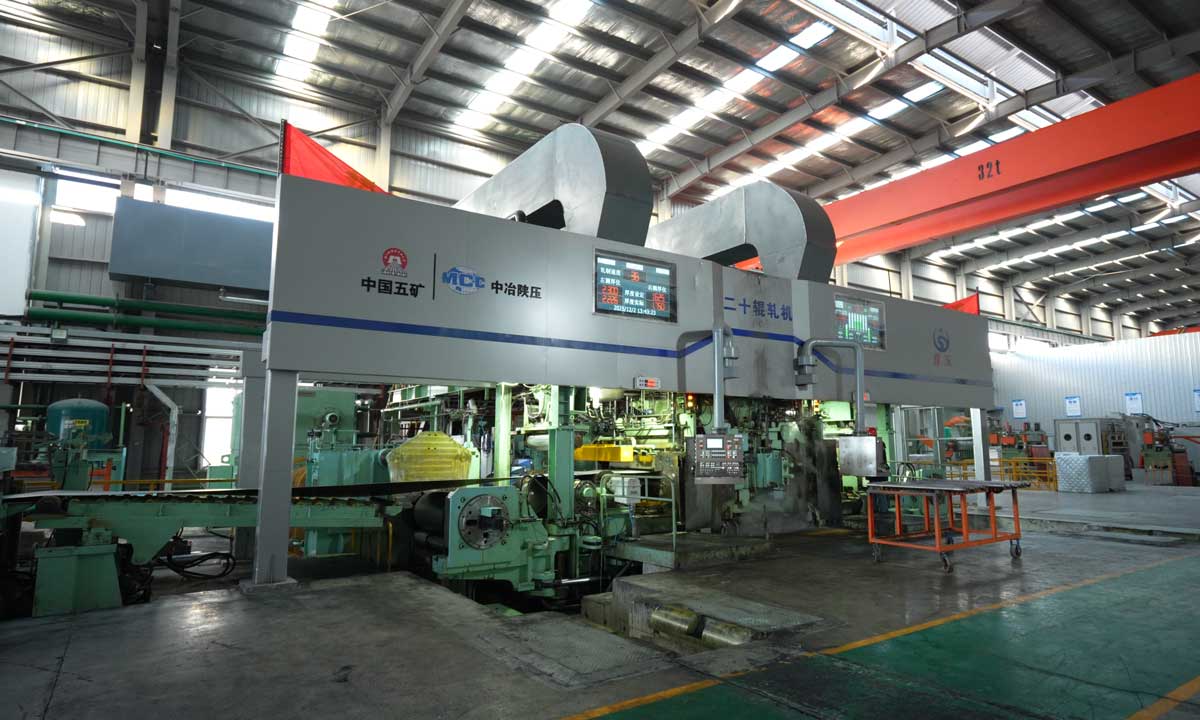
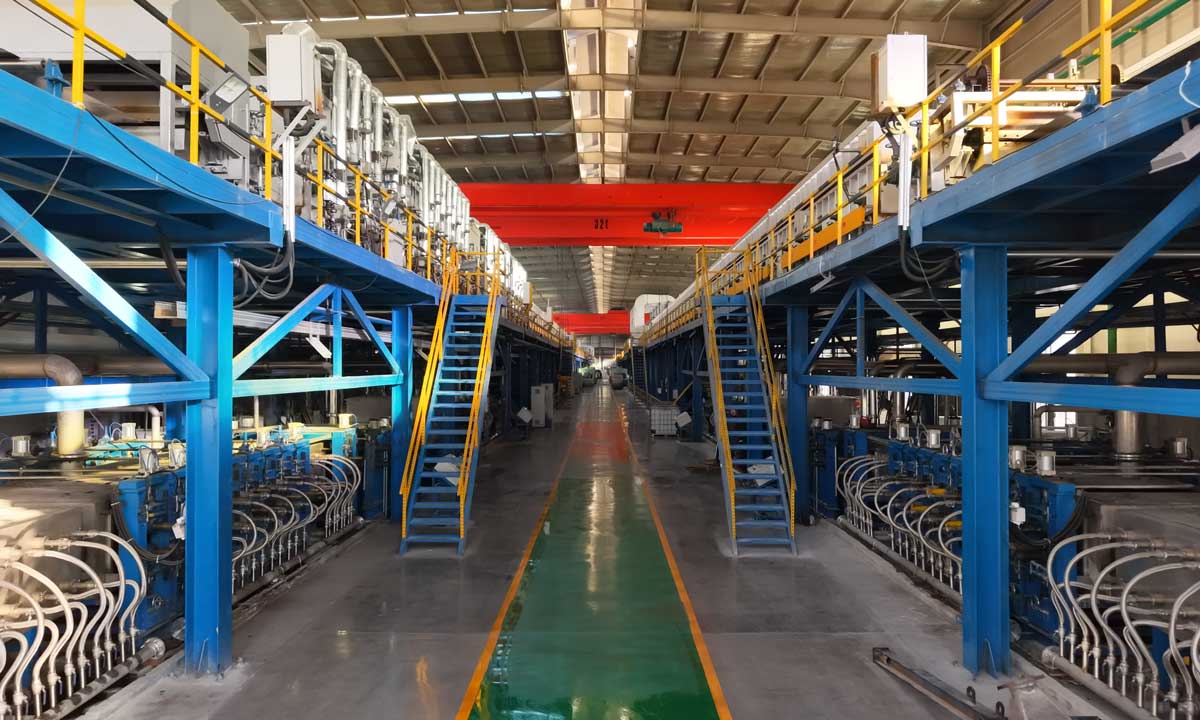
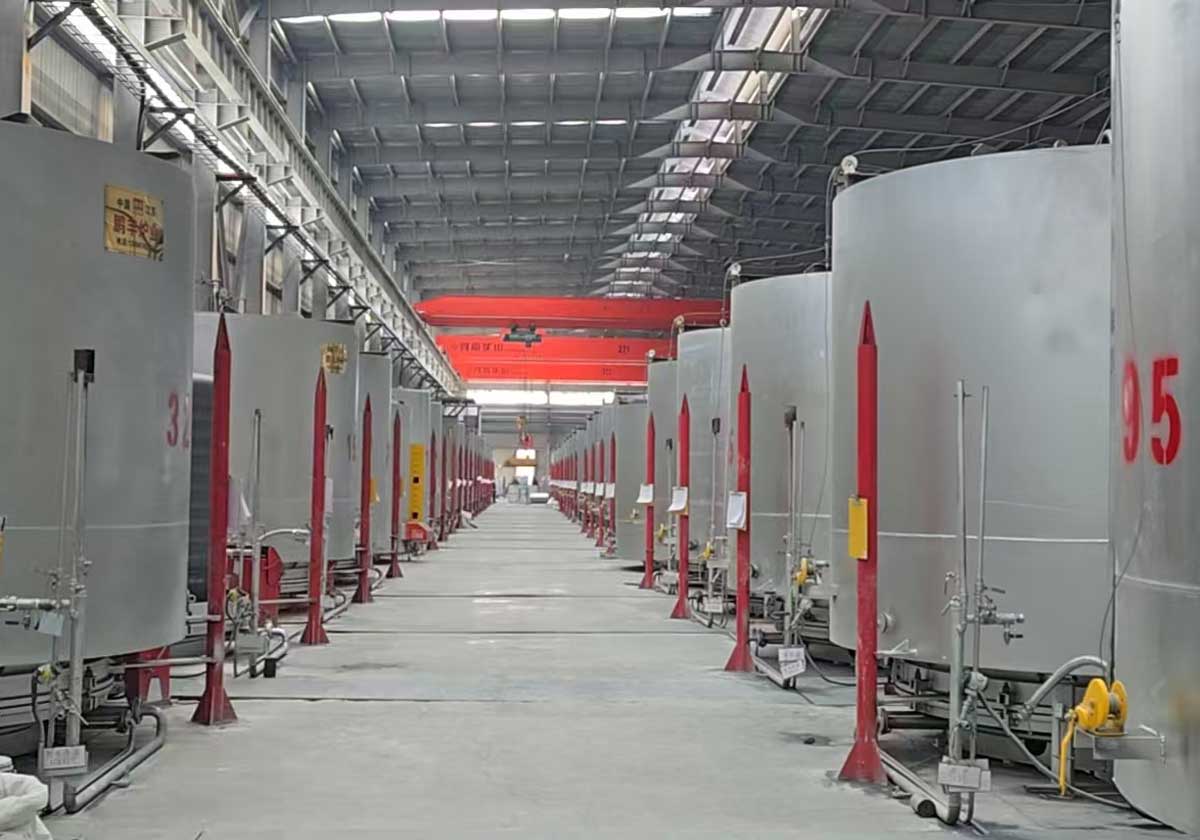
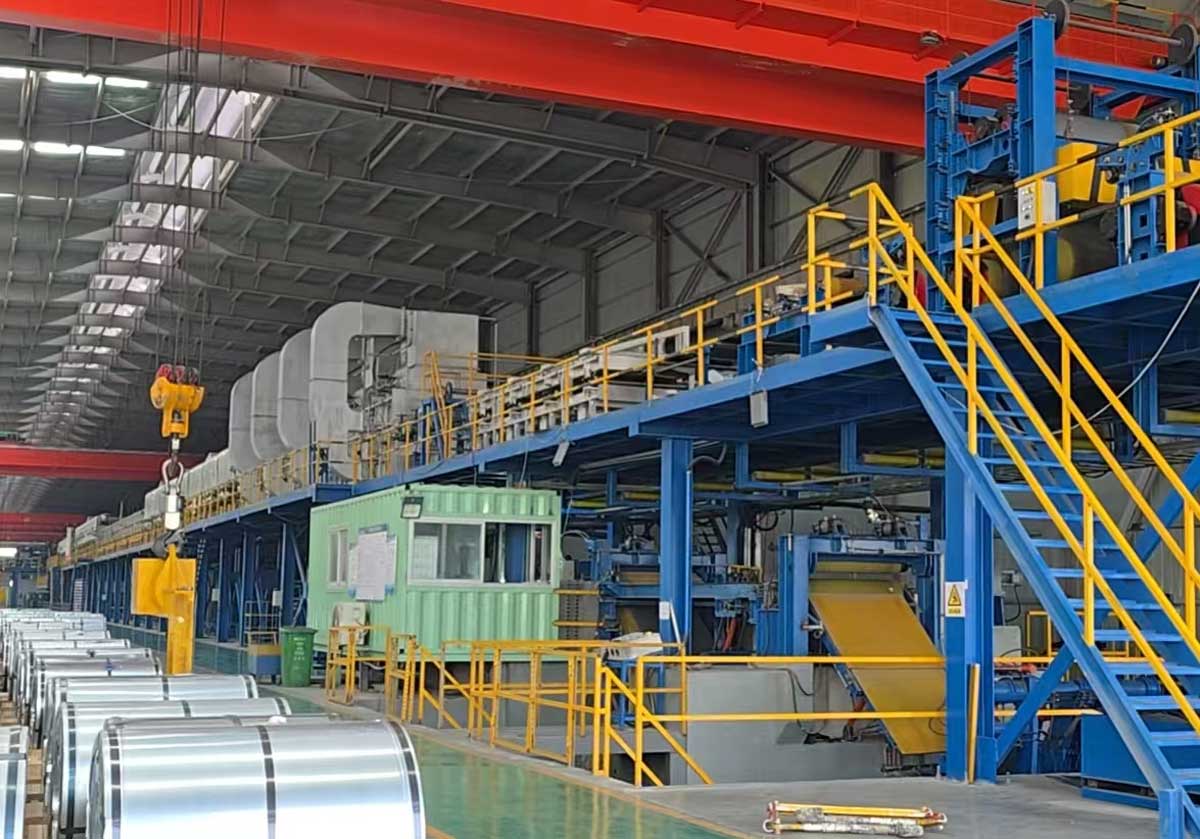
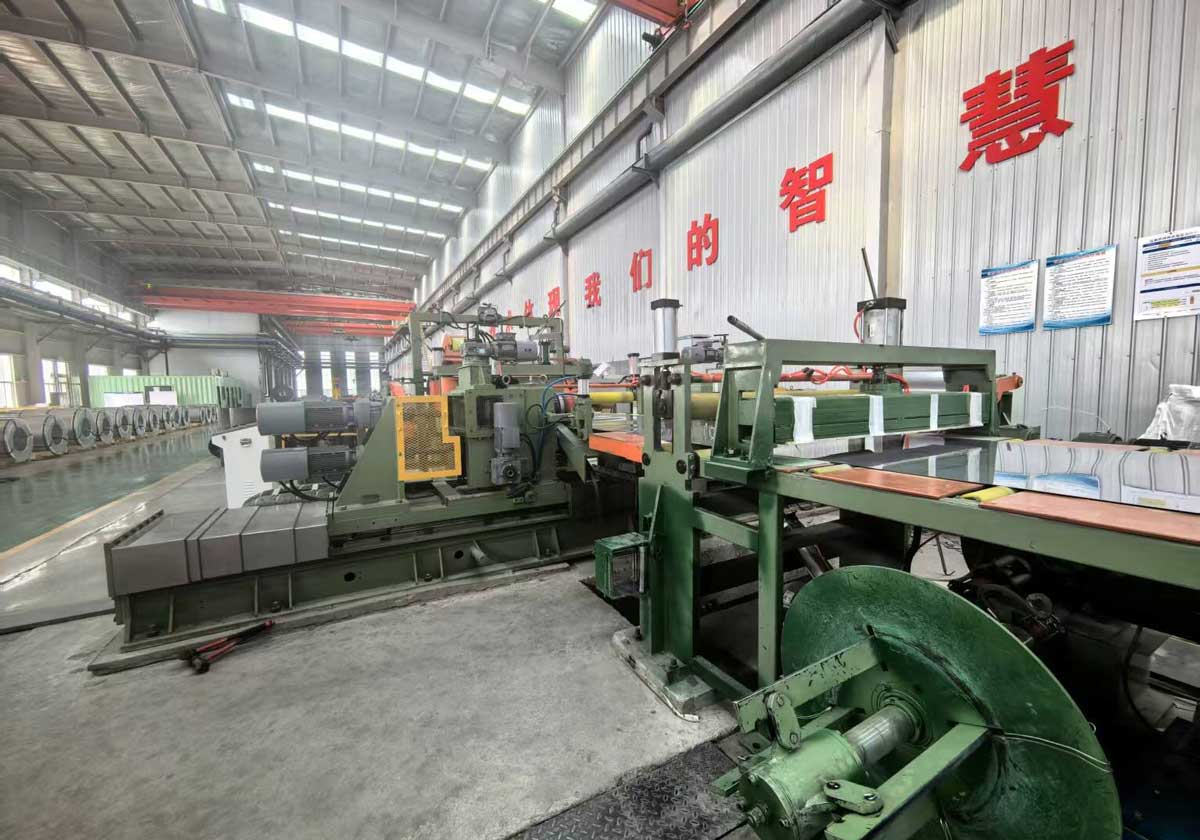
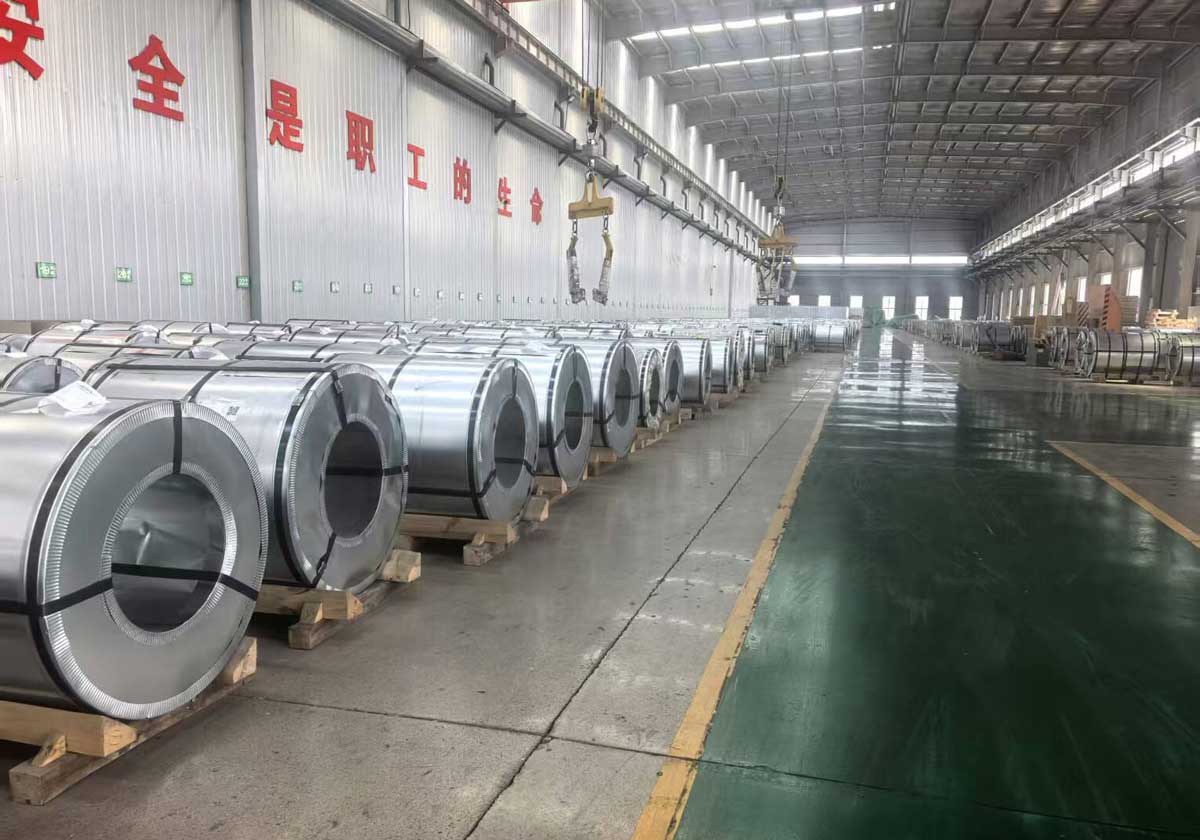
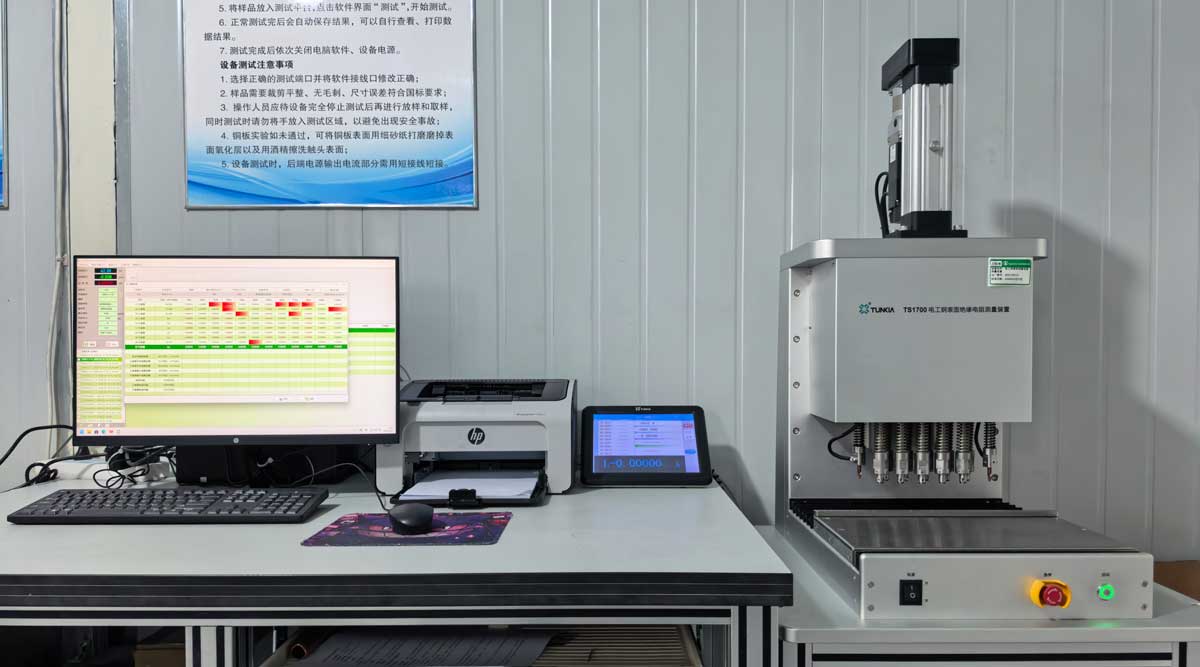
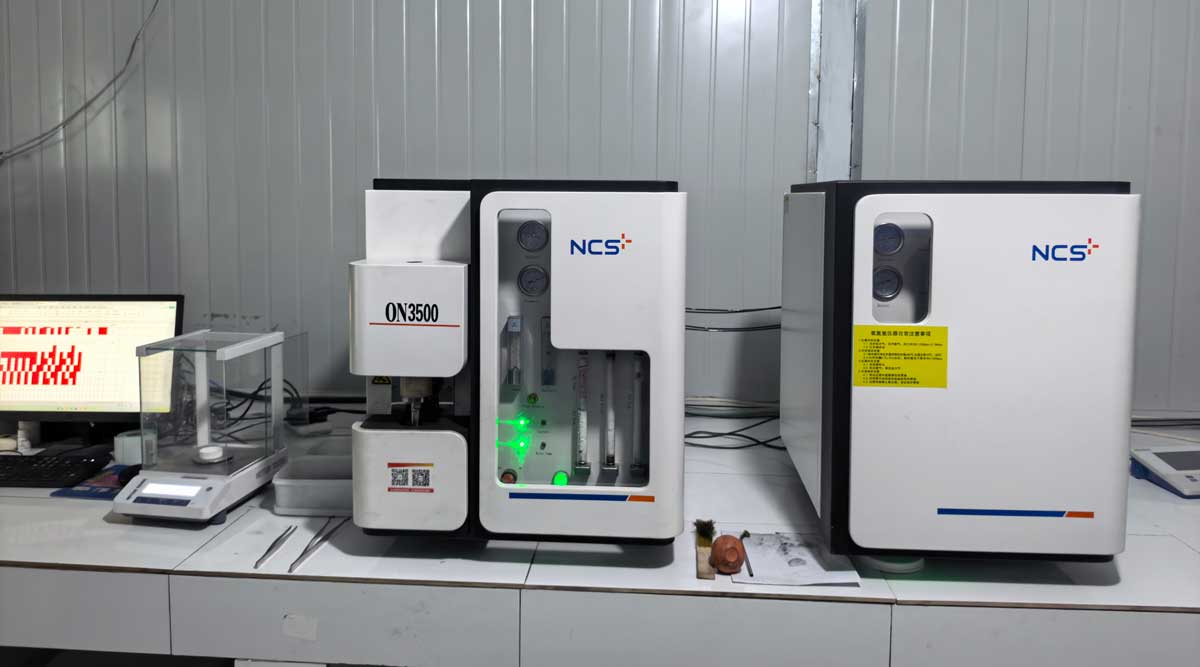
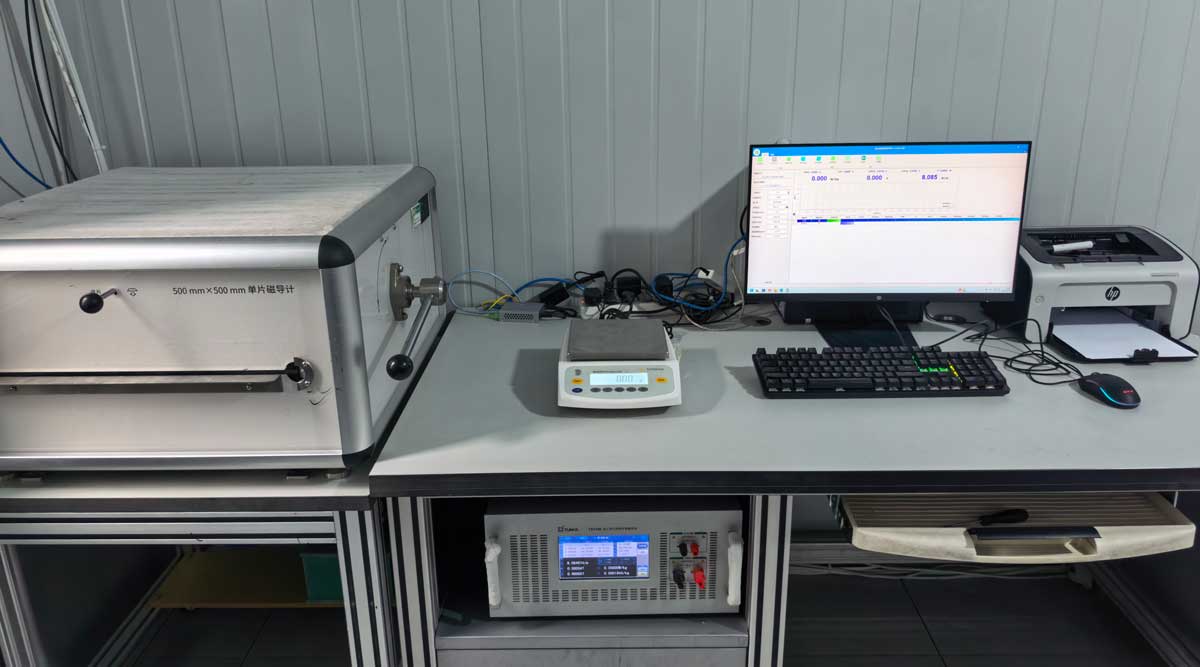
Ensuring the highest magnetic induction and lowest core loss for renewable energy applications.