Leave Your Message
-
Contact Phone
-
 Contact Email
The global transition towards sustainable transportation has catalyzed an unprecedented expansion in Electric Vehicle (EV) charging infrastructure. As governments and private enterprises race to deploy millions of charging stations worldwide, the underlying technology faces a critical bottleneck: energy efficiency and material durability. Traditional materials used in the construction of transformers, magnetic cores, and protective enclosures for charging stations are struggling to keep pace with the extreme demands of modern ultra-fast DC charging networks. This is where the innovative application of advanced metallurgical composites, often conceptualized in the industry as high-grade Silicon Stainless Steel architectures, becomes paramount.
In the current industrial landscape, an EV charging station is not merely a power outlet; it is a highly sophisticated power conversion node. Level 3 DC fast chargers, capable of delivering 350 kW and beyond, require internal transformers and inductors that can handle massive electrical loads without succumbing to excessive thermal degradation or magnetic core losses. The commercial reality is that energy lost as heat during the power conversion process directly impacts the operational profitability of charging network operators and extends the charging time for end-users. By integrating highly engineered oriented silicon steel for internal magnetic components and robust stainless steel for external structural integrity, manufacturers are achieving a synergy that defines the next generation of EV infrastructure.
Currently, the market is witnessing a massive surge in demand for High Magnetic Induction Grain-Oriented Silicon Steel (HiB). This specialized material exhibits exceptionally low iron loss and superior magnetic permeability. From a commercial standpoint, charging stations equipped with HiB cores boast a significantly higher energy conversion efficiency. This translates to reduced electricity waste, lower cooling requirements, and a smaller carbon footprint per charge. As the global grid becomes more strained, utility companies and regulatory bodies are strictly enforcing energy efficiency standards, making the adoption of these advanced silicon steel solutions not just an option, but an industrial mandate.
Established in 2022 and located in Yutian County Industrial Park, Tangshan City, Hebei Province, we are a high-tech enterprise specializing in the research, development, production, and sales of oriented silicon steel. Our commitment to excellence drives the green industry transformation.
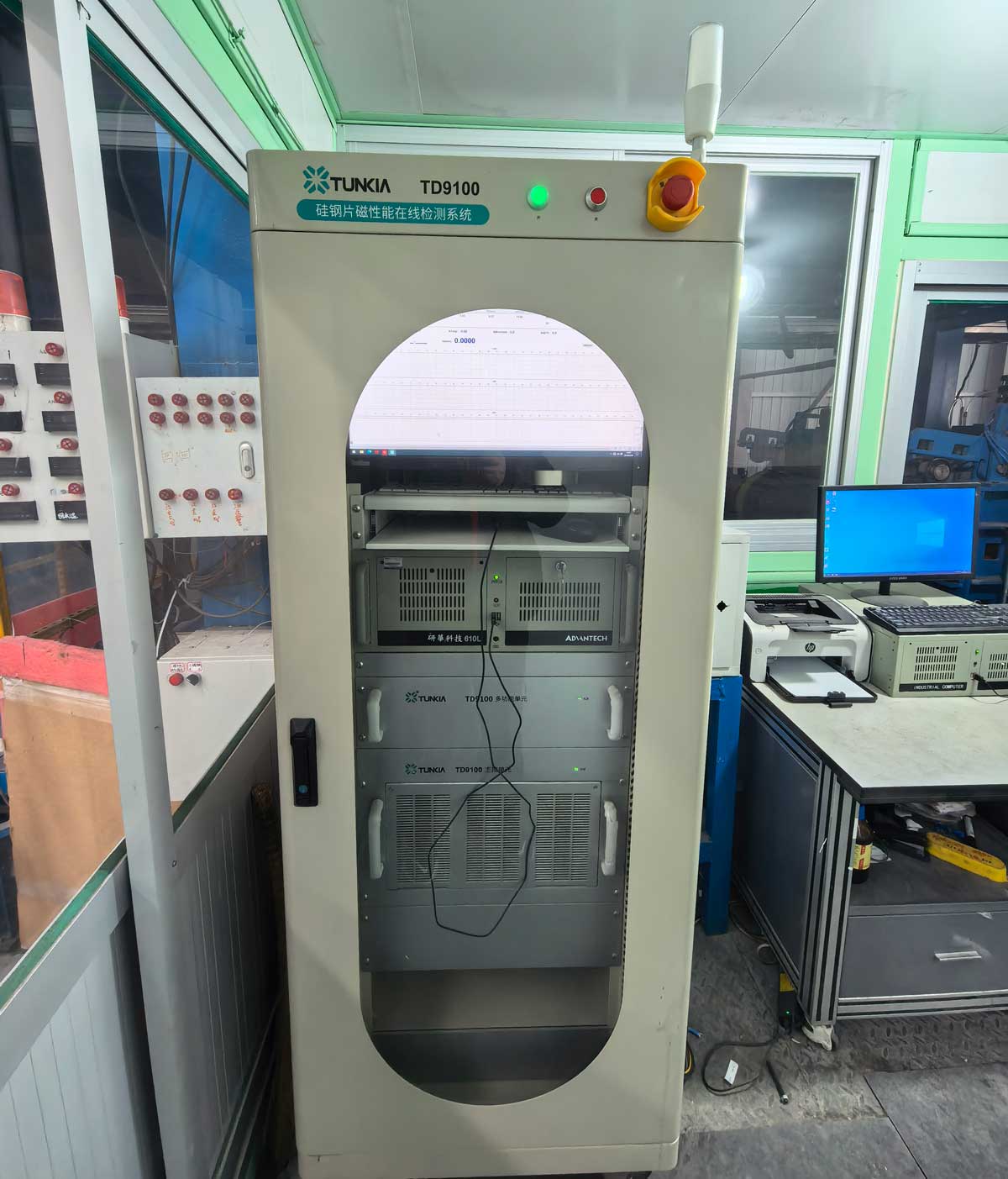
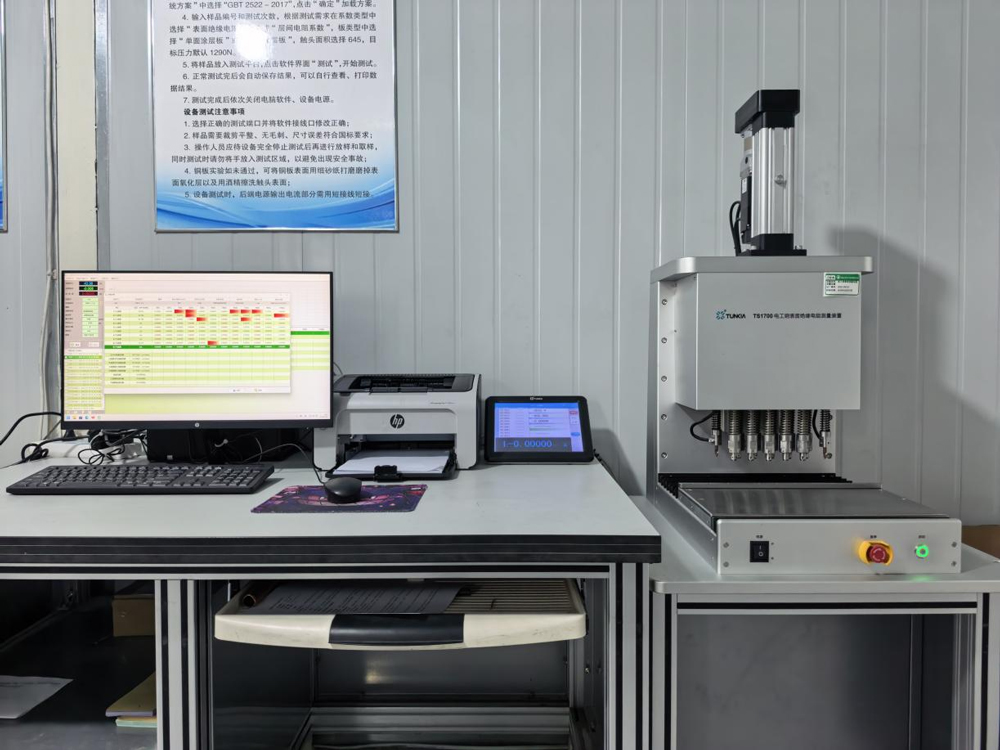
Laboratory
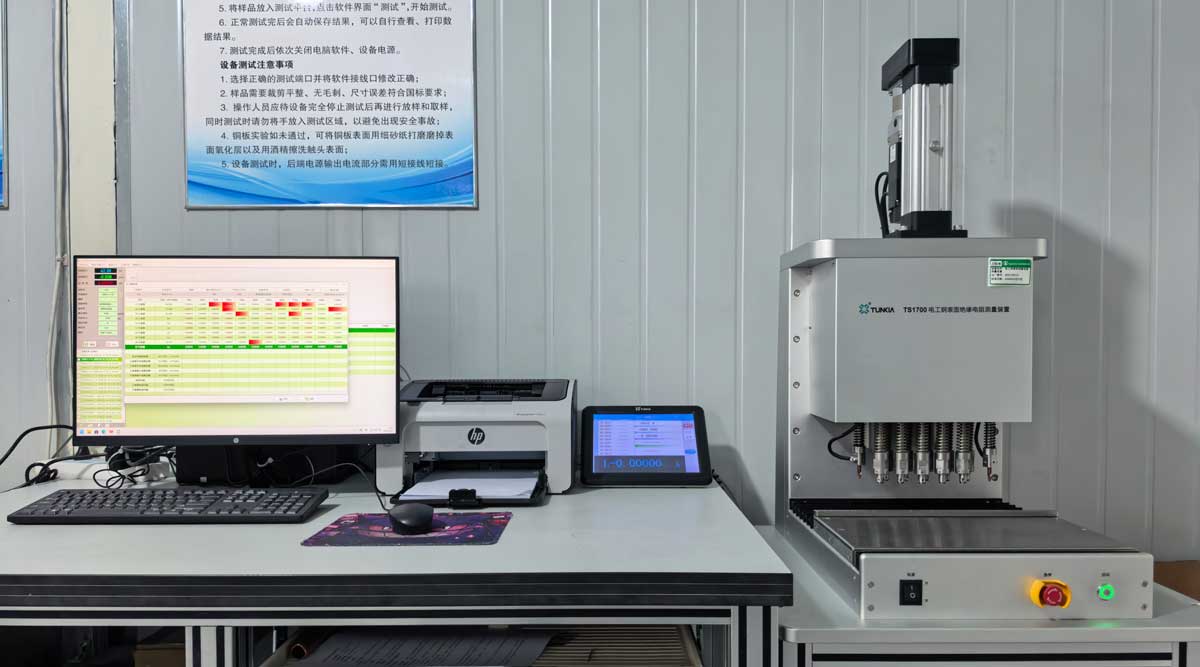
Laboratory
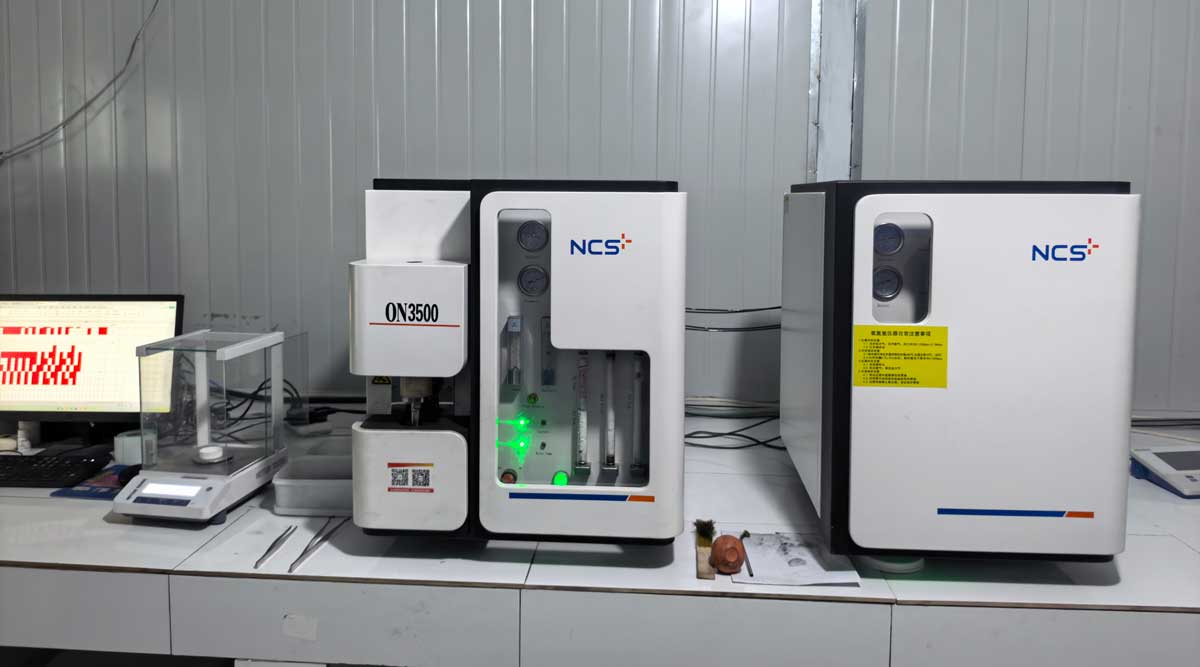
Laboratory
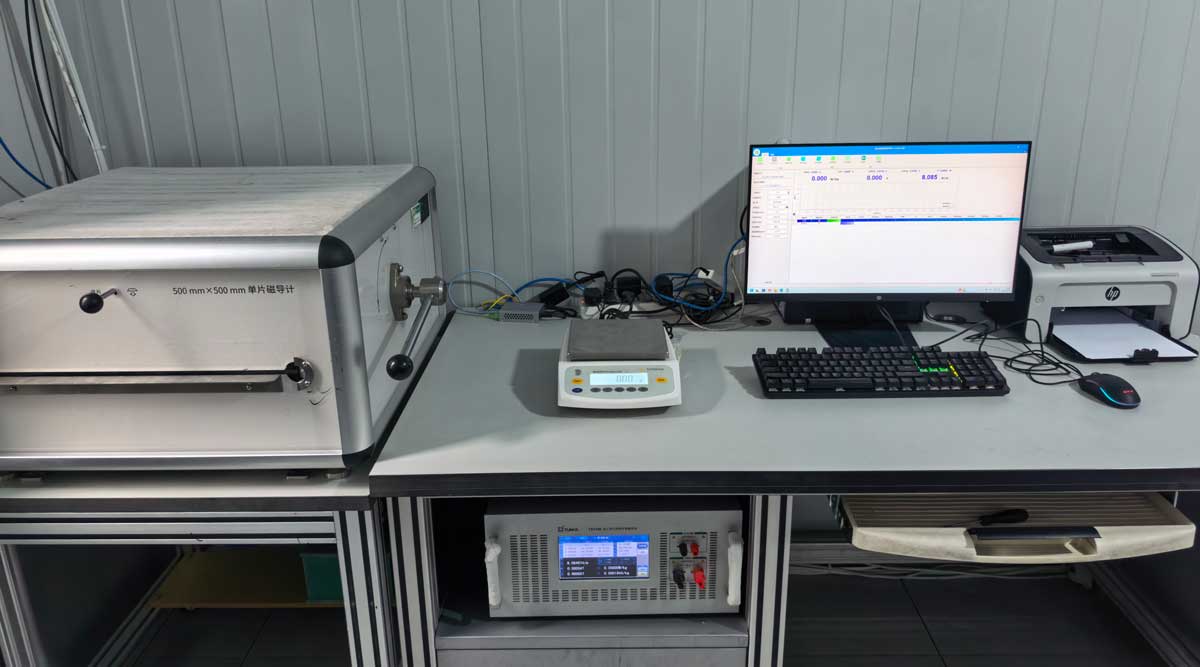
Laboratory
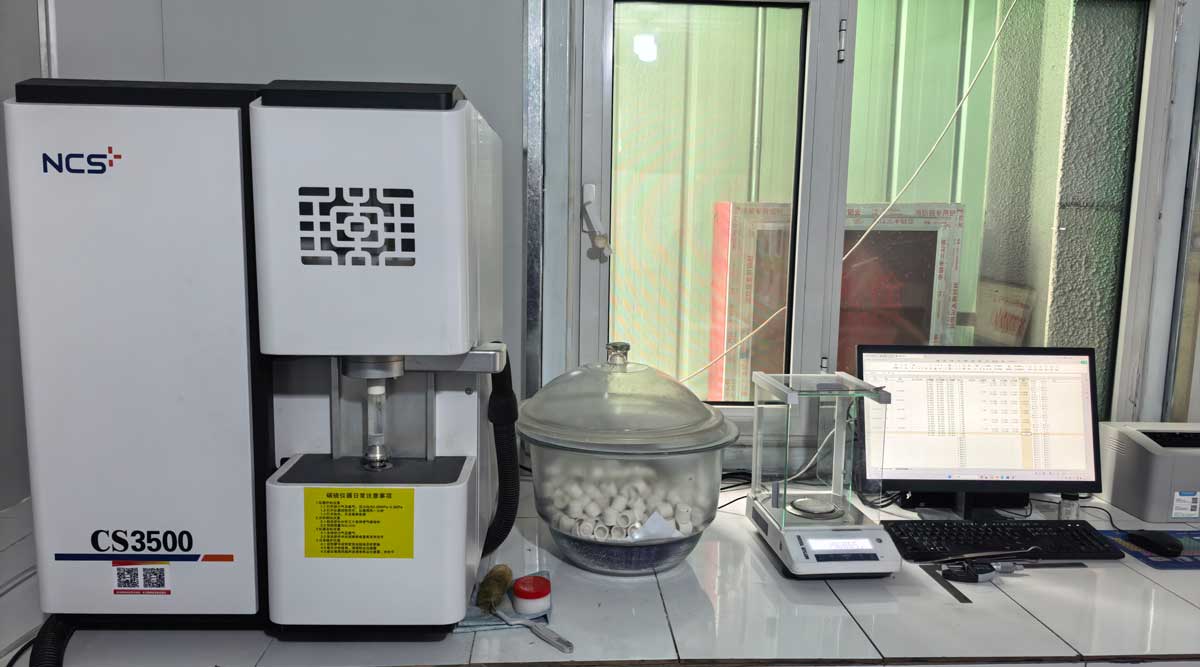
Laboratory
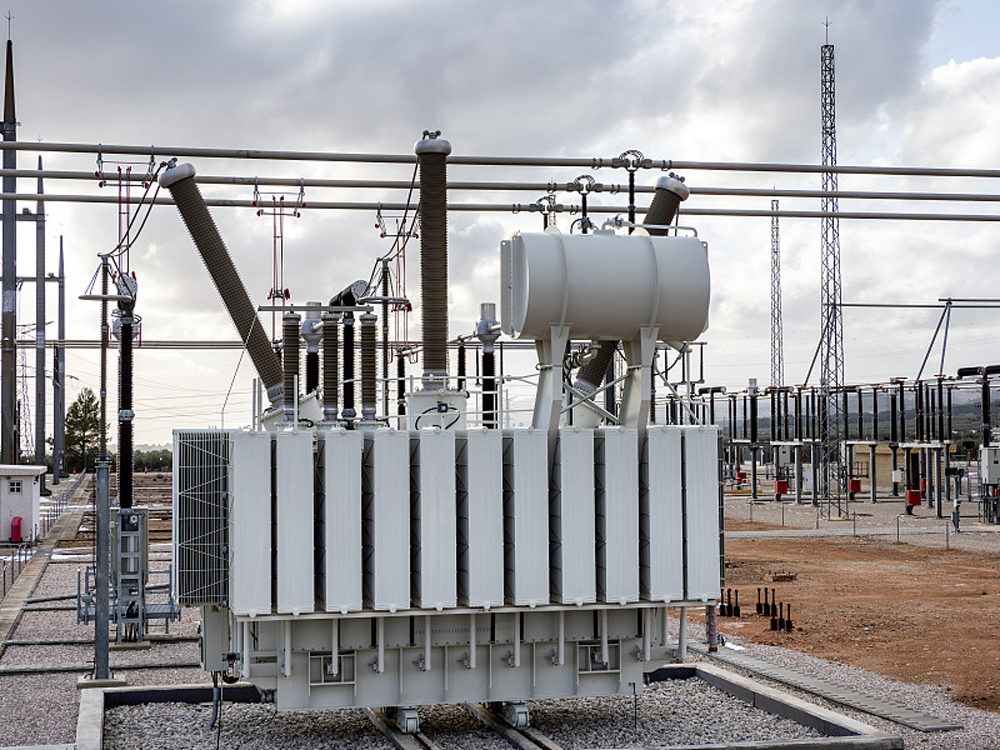
The heart of a DC fast charger is its power conversion module, which rectifies AC power from the grid into the DC power required by the EV battery. This process relies heavily on high-frequency transformers. The application of high-grade oriented silicon steel in the cores of these transformers is revolutionary. Because EV chargers operate at varying frequencies and extreme power loads, minimizing hysteresis loss and eddy current loss is critical. The highly aligned crystalline structure of HiB silicon steel ensures that magnetic flux faces minimal resistance, drastically reducing the heat generated during power conversion. This allows for smaller, more compact charging modules, freeing up physical space and reducing the overall footprint of the charging station.
As charging capacities push towards the megawatt range for commercial electric trucks and buses, electromagnetic interference (EMI) and thermal management become severe engineering challenges. Utilizing materials that offer both structural resilience and magnetic shielding—akin to the properties sought in silicon stainless steel applications—protects the sensitive microprocessors and AI-driven control units within the charger. These advanced materials prevent external magnetic fields from disrupting the charger's communication with the vehicle, ensuring a safe, uninterrupted handshake protocol and power delivery.
The future of EV charging infrastructure is deeply intertwined with Artificial Intelligence. In our manufacturing process, AI algorithms are utilized to monitor the magnetic property testing of oriented silicon steel throughout the entire process. By analyzing microscopic variations in the steel's grain orientation in real-time, AI ensures that every batch meets the exacting standards required for EV applications. Furthermore, when these high-quality materials are deployed in smart charging stations, their consistent performance allows AI-driven grid management systems to accurately predict maintenance schedules, dynamically balance loads across multiple chargers, and facilitate seamless Vehicle-to-Grid (V2G) bidirectional energy flows.

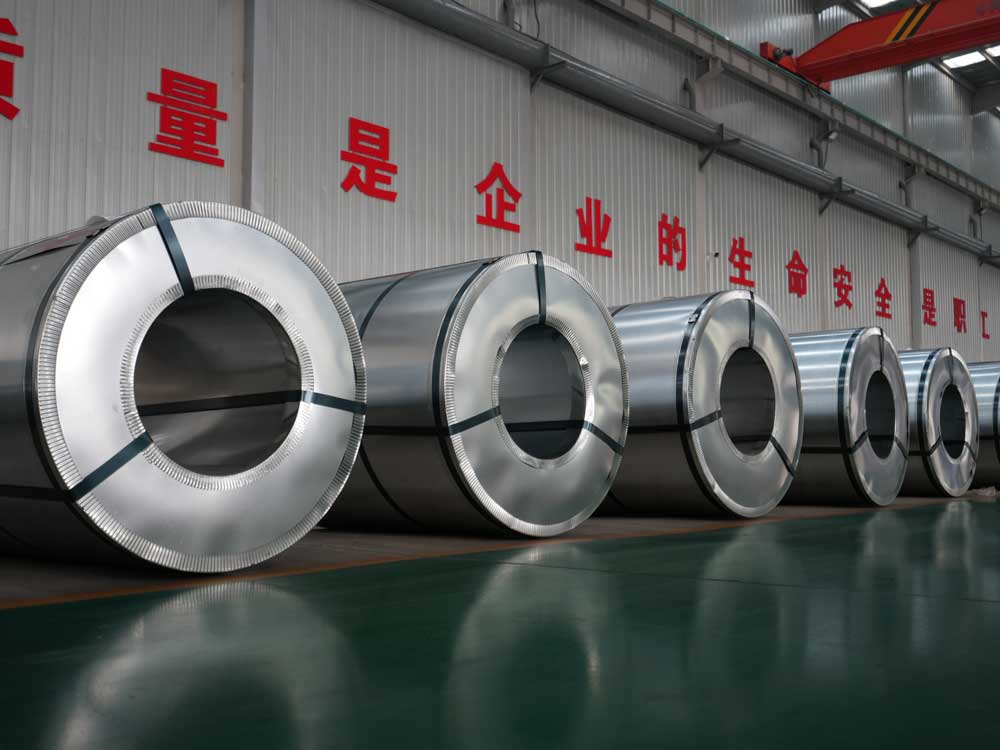
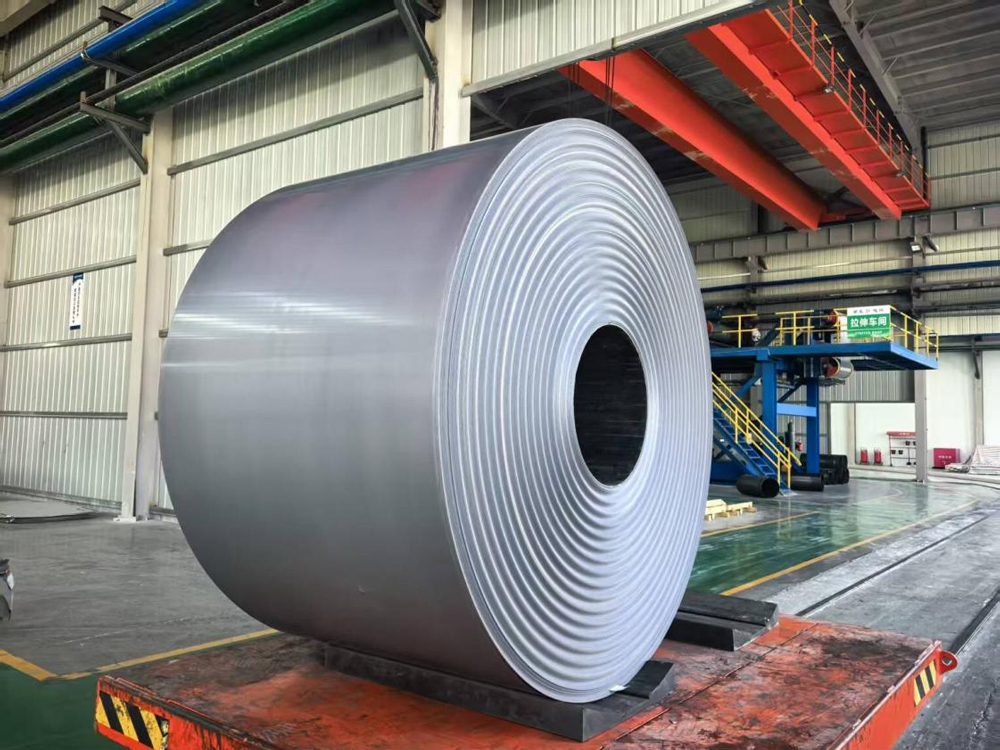
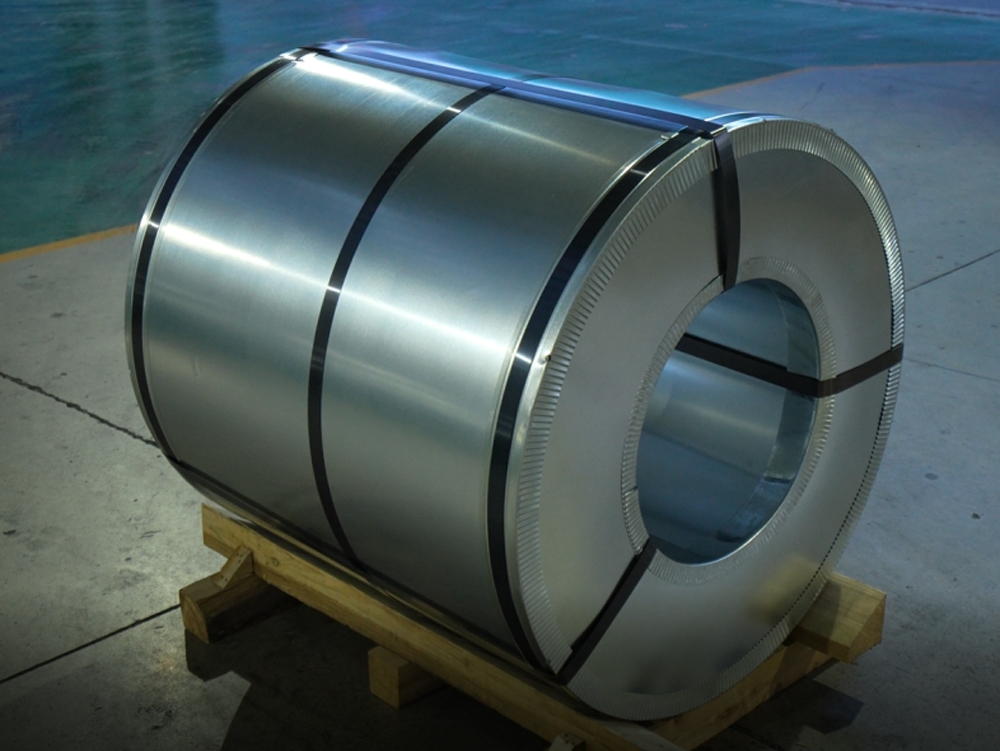
As a core material supplier for improving the energy efficiency of distribution transformers, relying on profound technological accumulation and innovative genes, the company focuses on the high-end electromagnetic material track. Its core product, cold-rolled oriented silicon steel, with excellent low iron loss and high magnetic induction performance, has become the core support for improving the energy efficiency of distribution transformers.

In the era of the national "dual carbon" strategy and energy-saving upgrading of the power grid, we have taken the lead in the R&D and large-scale production of low iron loss and high magnetic induction oriented silicon steel (Hi-B steel), using key material innovation to break through energy efficiency bottlenecks.

We always adhere to the business philosophy of "honesty and trustworthiness, always moving forward", guided by customer needs, driven by technological innovation, and working together with industry chain partners to promote the transformation of the energy industry towards green and efficient.

In the future, we will continue to deeply cultivate the field of electromagnetic new materials, create long-term value for customers with excellent quality and professional services, inject new momentum into the development of the industry, and become a trusted global partner.
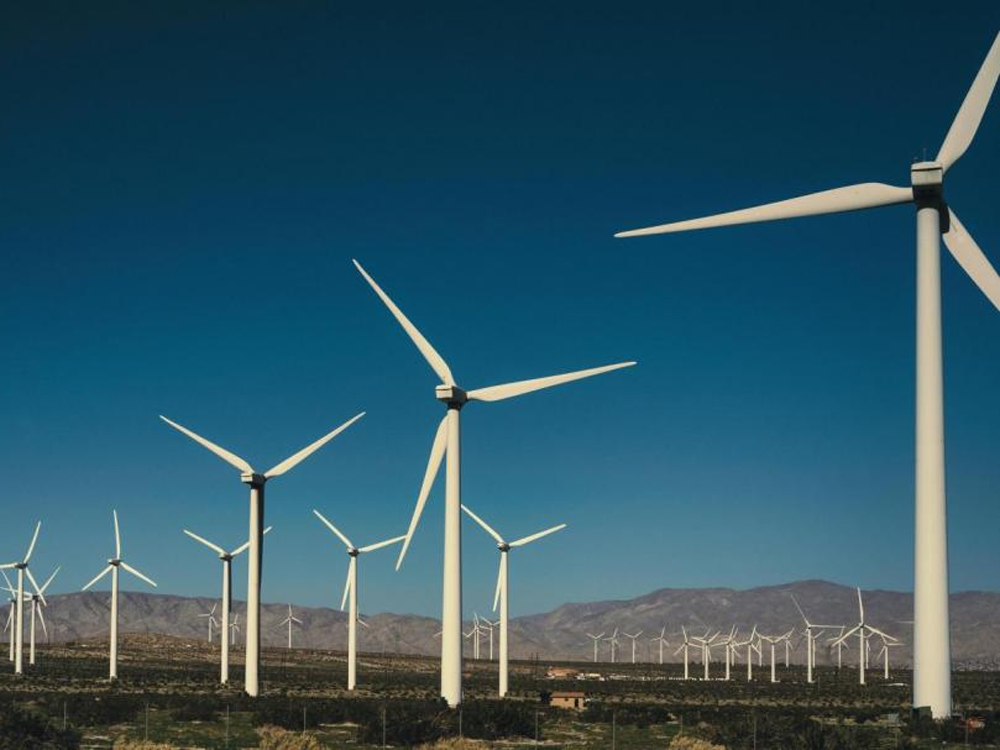
Looking ahead, the development trends in the EV charging infrastructure sector heavily emphasize the integration of smart grids and renewable energy sources. As solar and wind power become the primary feeders for EV charging hubs, the fluctuation in power supply demands highly responsive and loss-resistant energy storage and conversion systems. High-performance magnetic materials will be the linchpin in these hybrid energy systems. The trend is moving towards ultra-thin, highly oriented silicon steel that can operate at even higher frequencies without thermal breakdown, effectively bridging the gap between volatile renewable energy generation and stable EV battery charging.
Furthermore, the physical deployment of charging infrastructure is expanding into extreme environments—from freezing sub-arctic highways to scorching desert transit routes. This necessitates a composite approach to material science. The internal electromagnetic efficiency provided by our silicon steel must be complemented by external enclosures that resist extreme corrosion, UV degradation, and physical impact. This holistic approach to designing charging stations ensures longevity, reduces the total cost of ownership (TCO) for network operators, and guarantees that the global push for electric mobility is built on a foundation of uncompromising material strength and intelligent design.

Pickling Line

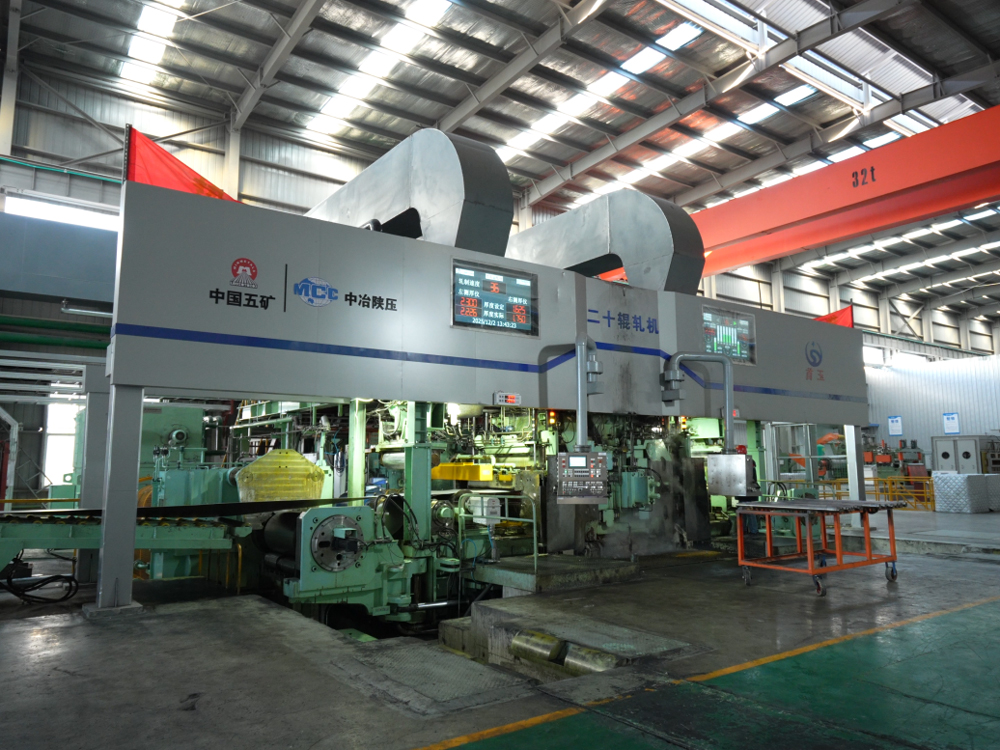
20 Roll Reversible Cold Rolling Mill

Decarbonization Annealing Line

Magnesium Oxide Coated Wire

High Temp Hood Type Annealing Furnace

Stretch Flat Line

Slitting Line
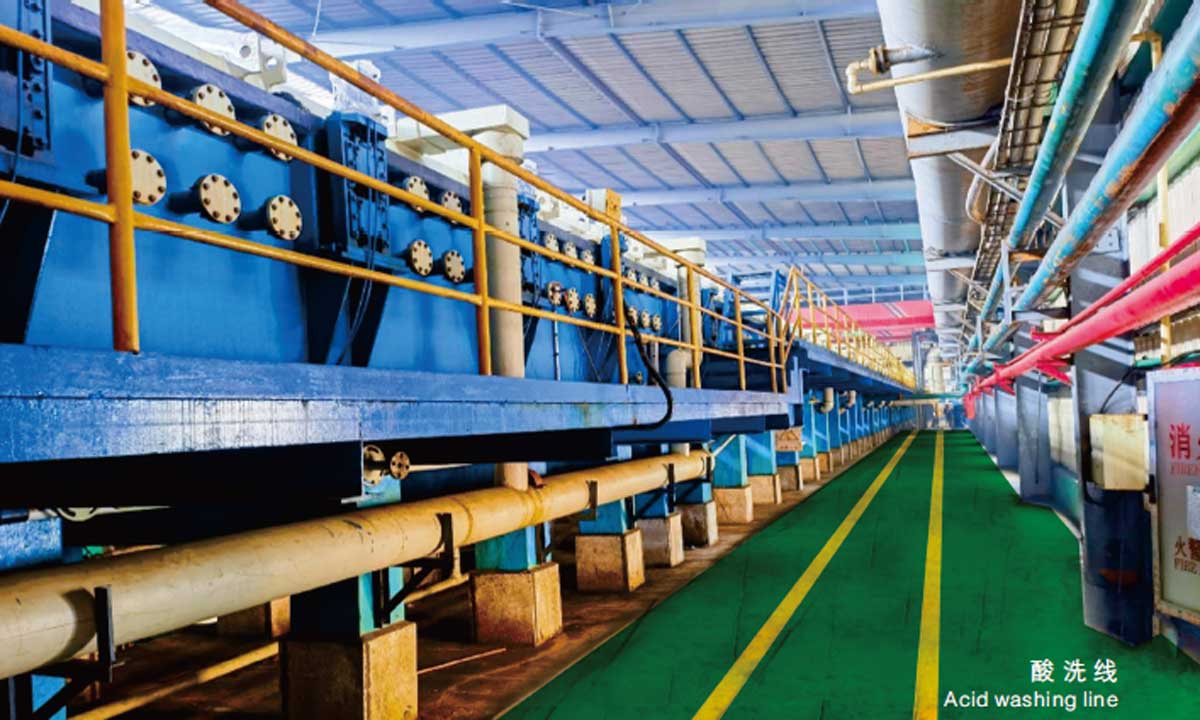
Acid Washing Line
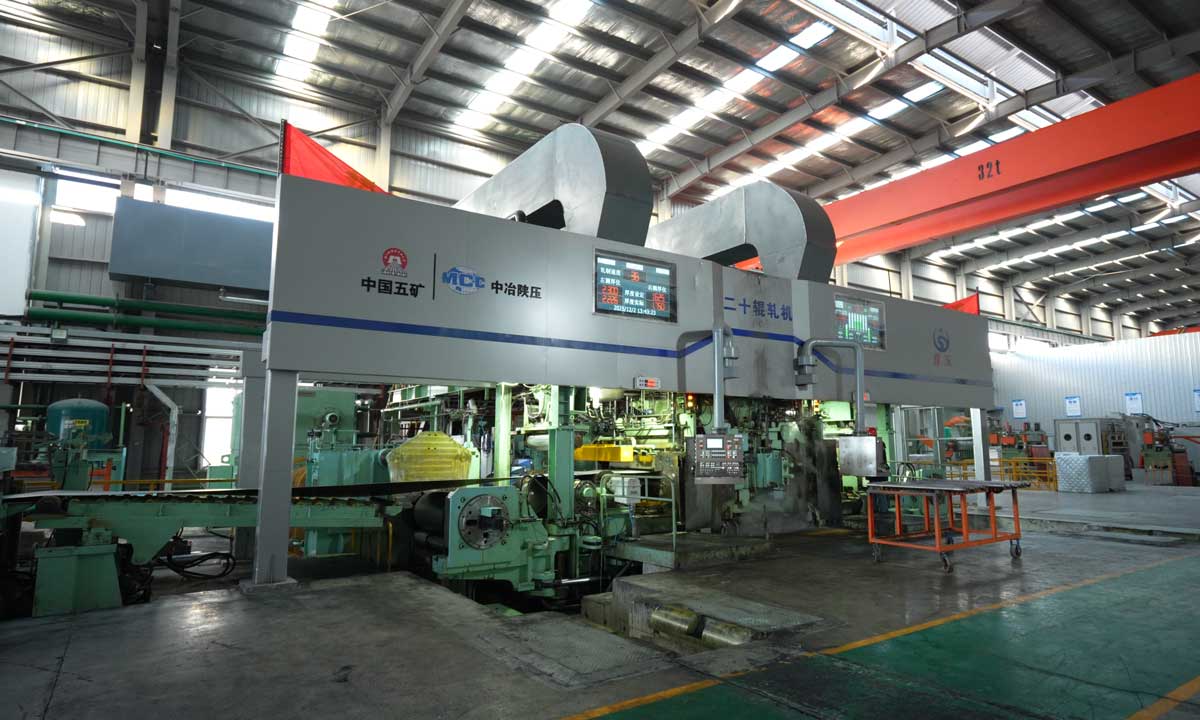
Rolling Mill
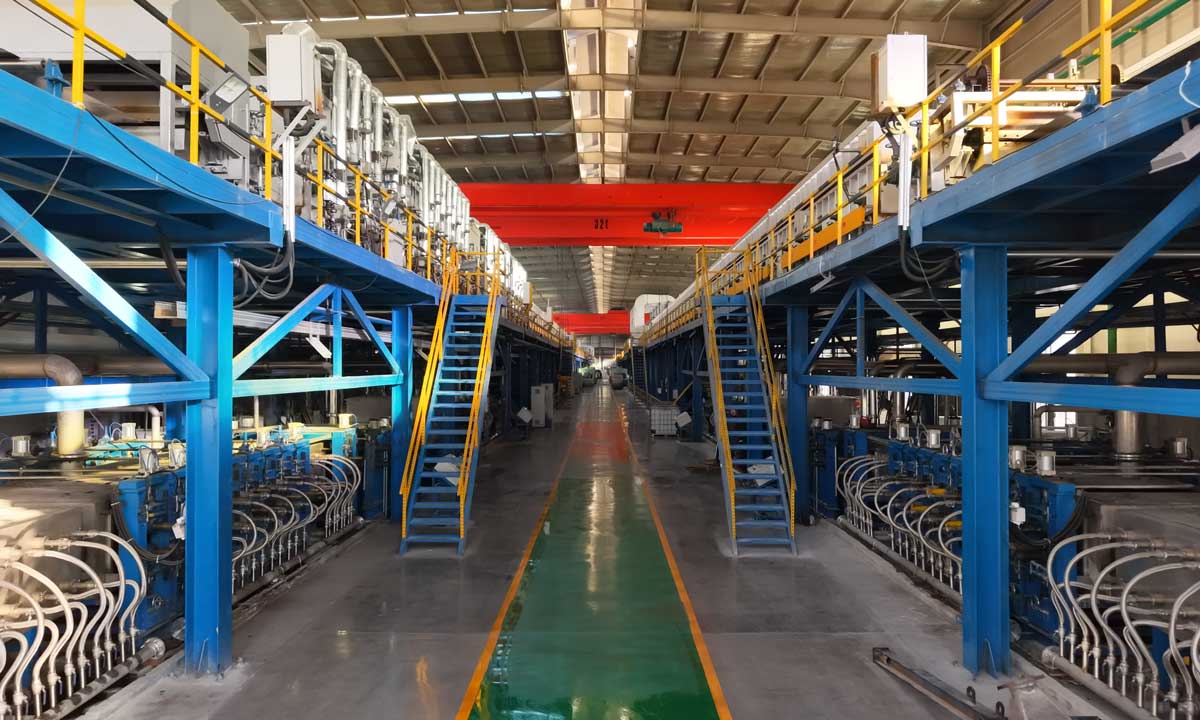
Decarbonization + Magnesium Oxide
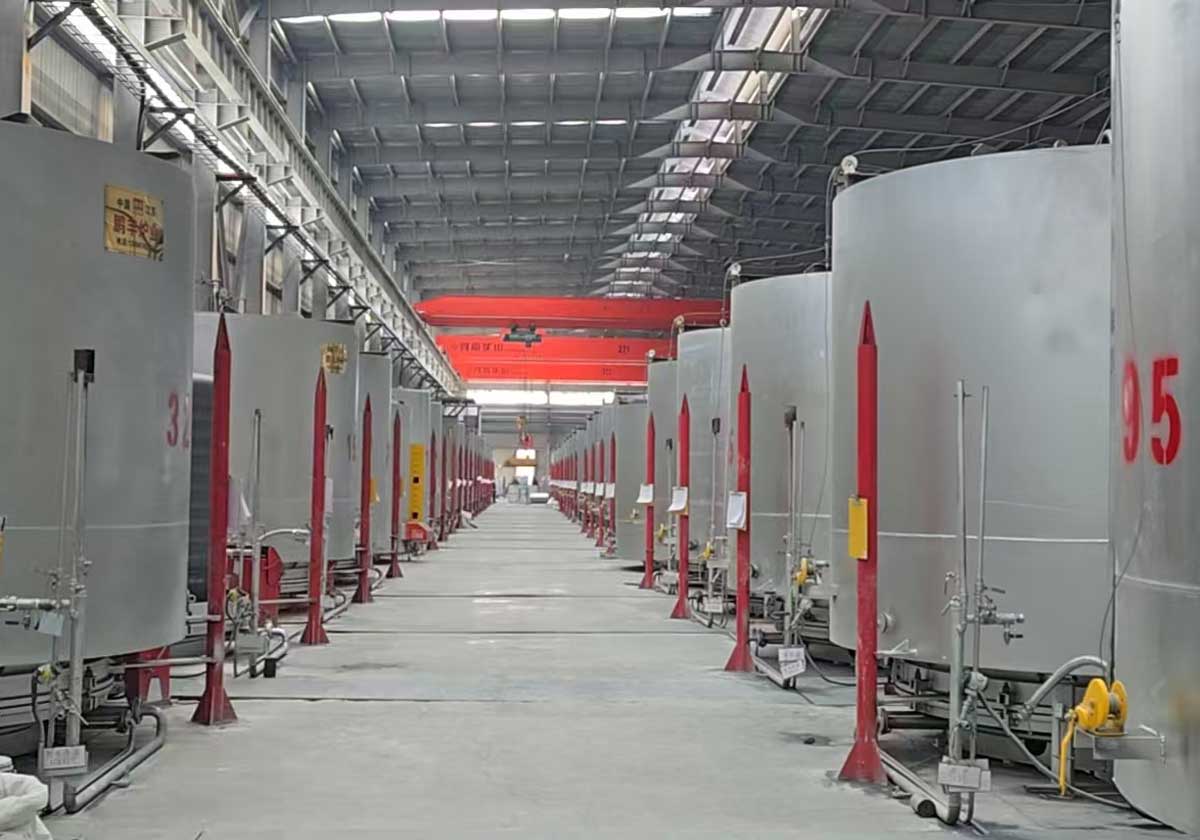
Annealing
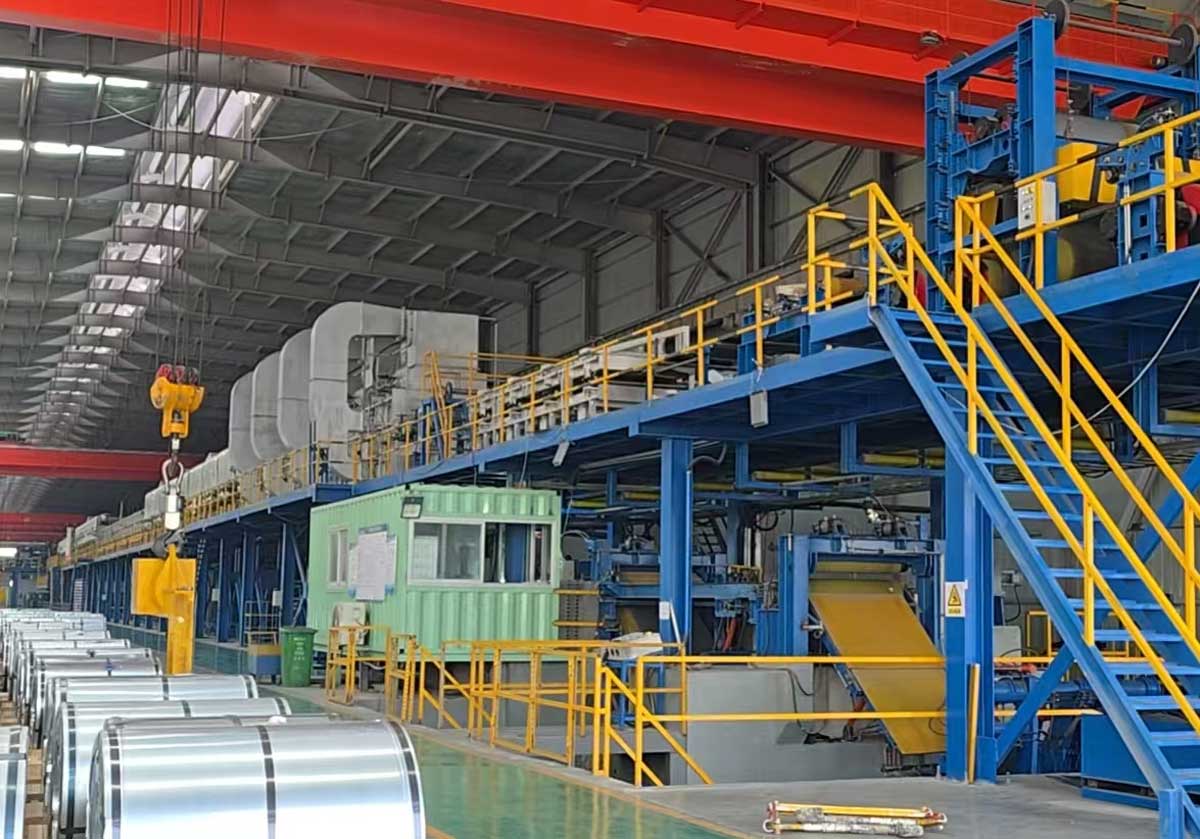
Stretch
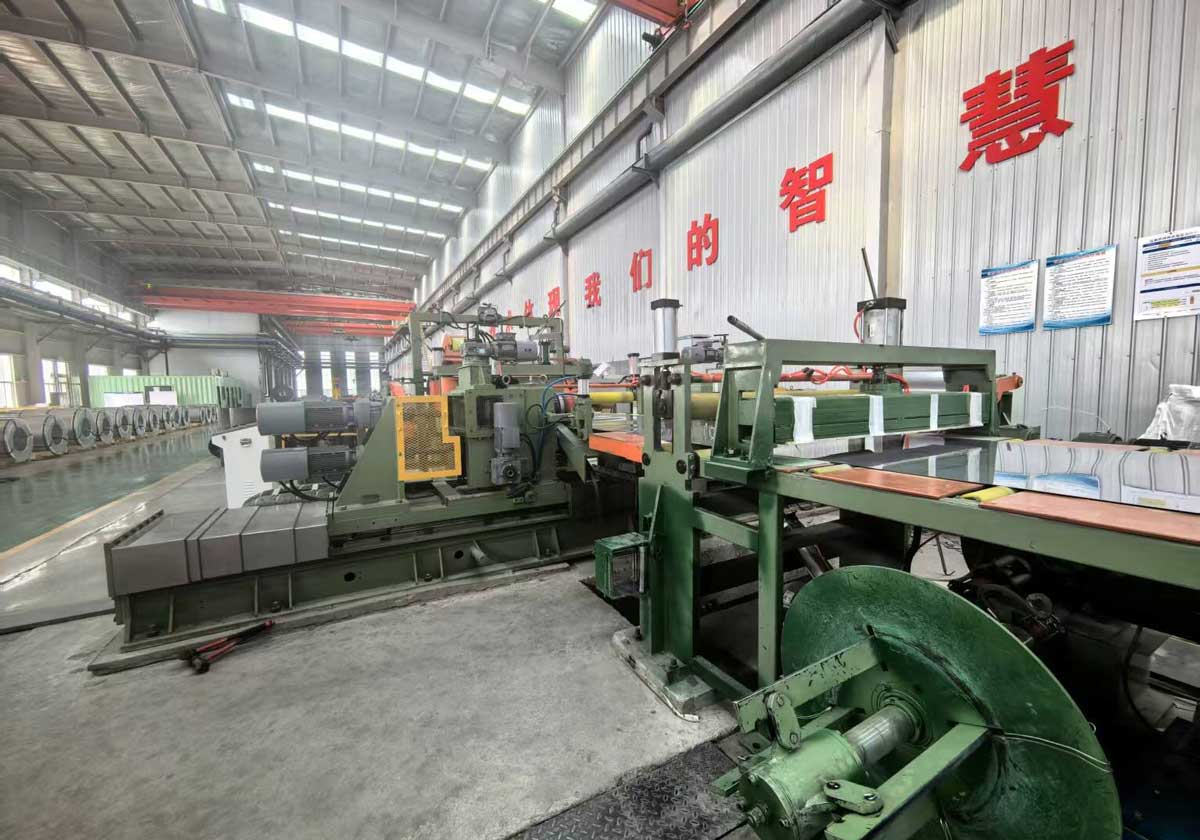
Slitting
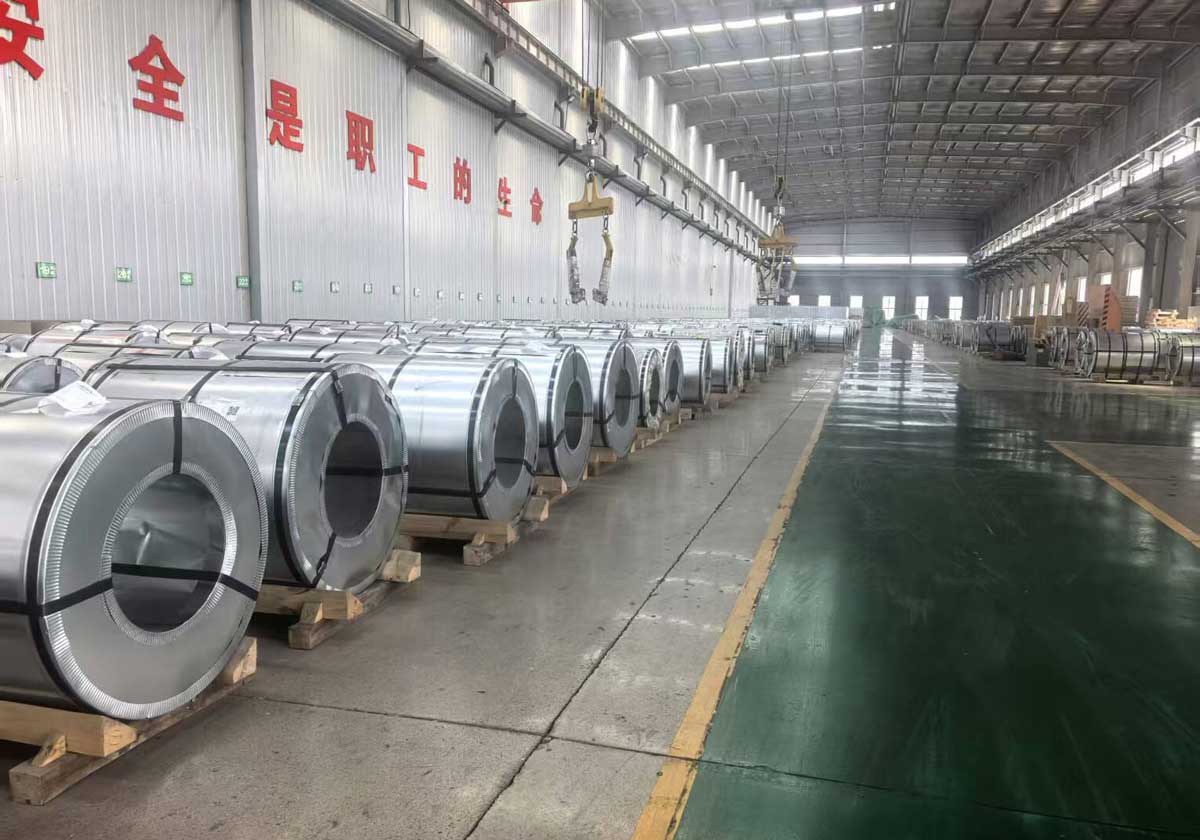
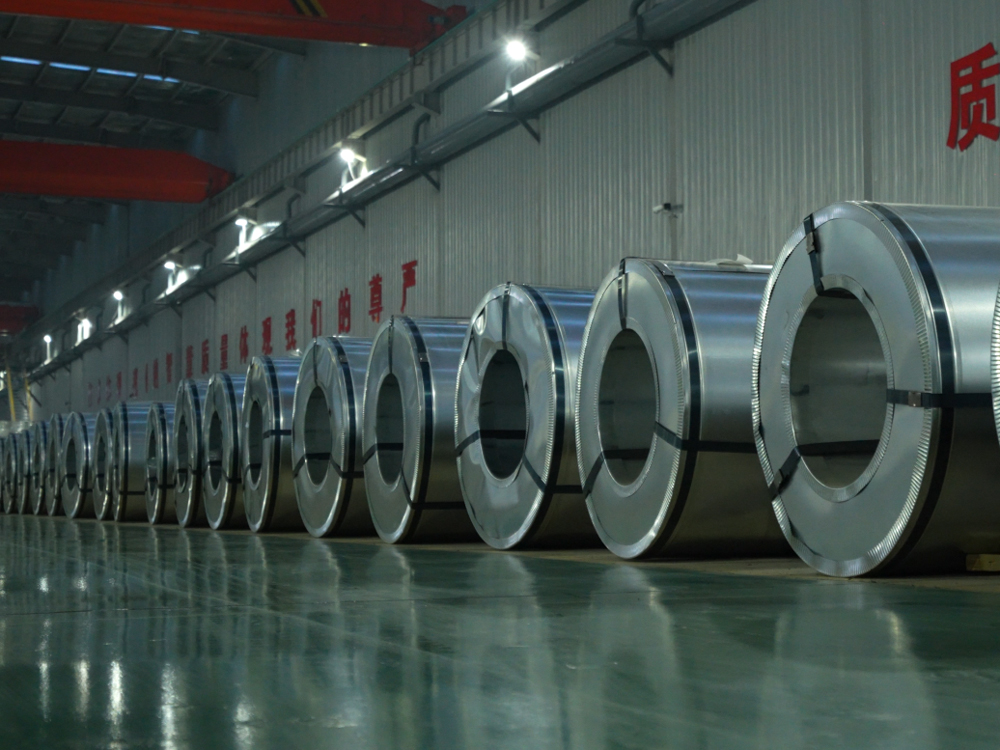
Finished Goods Warehouse
After the reform and opening-up, the first-generation founders established a plastic packaging company.
In 2000, the water conservation business was launched and successfully went public under the leadership of the second-generation leadership team.
In 2004, the company entered the steel industry, evolving from steel smelting and processing to deep processing of steel products, encompassing elevator guide rail steel, automotive spring steel, oil-quenched steel wire, and galvanized strip steel.
Started real estate development and operation business in 2010.
Entering the cold chain warehousing and transportation industry in 2021.
In 2022, the deep processing of steel will be extended to the field of silicon steel.