Leave Your Message
-
Contact Phone
-
 Contact Email
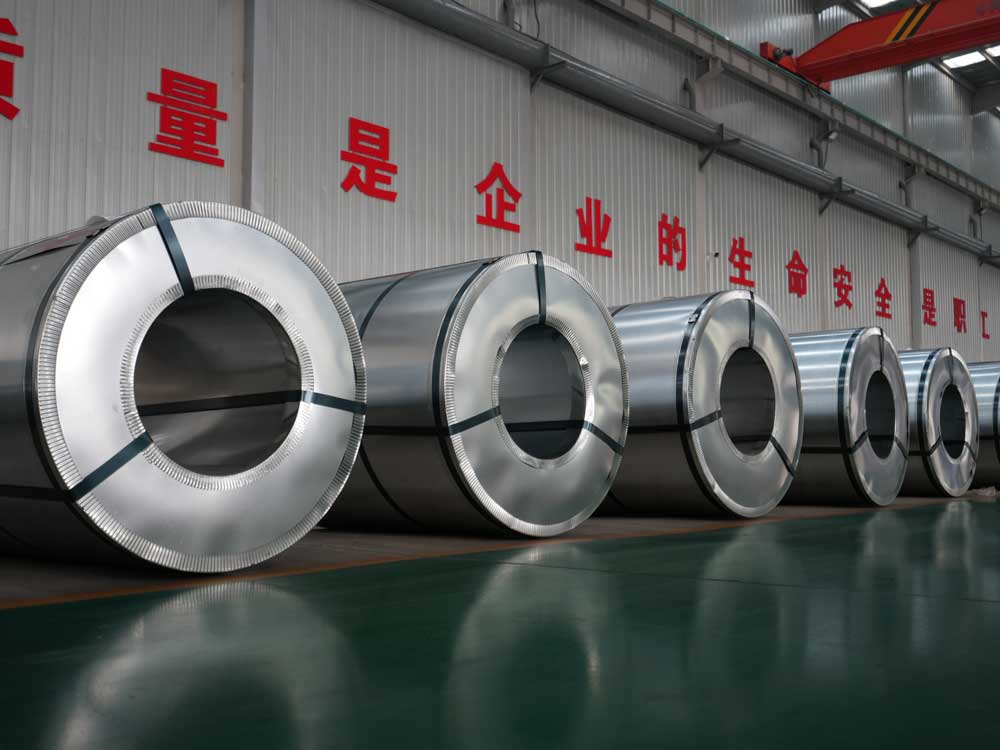
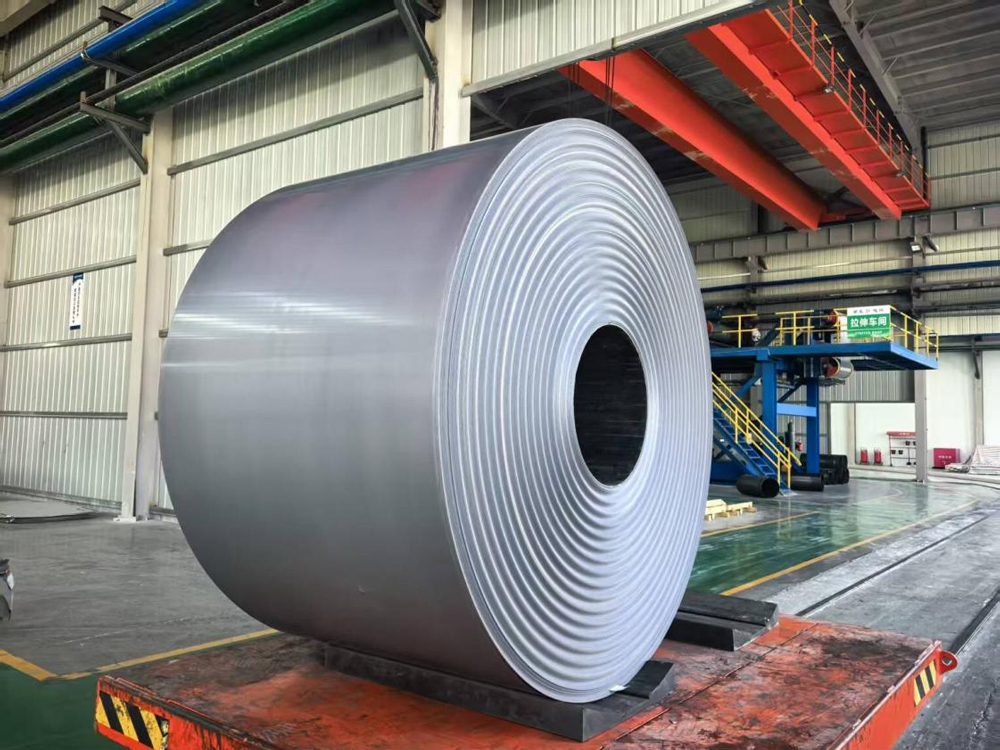
In the rapidly evolving landscape of modern electronics, the demand for highly efficient, durable, and magnetically superior materials has reached unprecedented heights. Silicon stainless steel, particularly cold-rolled grain-oriented silicon steel (CRGO) and high magnetic induction (HiB) variants, has emerged as a cornerstone material. Historically utilized primarily in massive power distribution grids, this sophisticated alloy is experiencing a massive commercial pivot. Today, the global market is witnessing a surging demand for these materials within the highly specialized sectors of audio transformers and precision electronics.
The commercial landscape is currently driven by the miniaturization of electronic components and the uncompromising consumer demand for high-fidelity (Hi-Fi) audio equipment. Audiophiles and professional sound engineers require equipment that delivers zero distortion, a requirement that places immense pressure on the quality of the transformer core. Silicon stainless steel, with its unique crystalline structure, provides the exact magnetic permeability required to achieve these pristine acoustic results. Consequently, manufacturers of high-end tube amplifiers, solid-state audio gear, and studio-grade mixing consoles are aggressively sourcing premium HiB silicon steel to maintain their competitive edge in a multi-billion dollar global audio market.
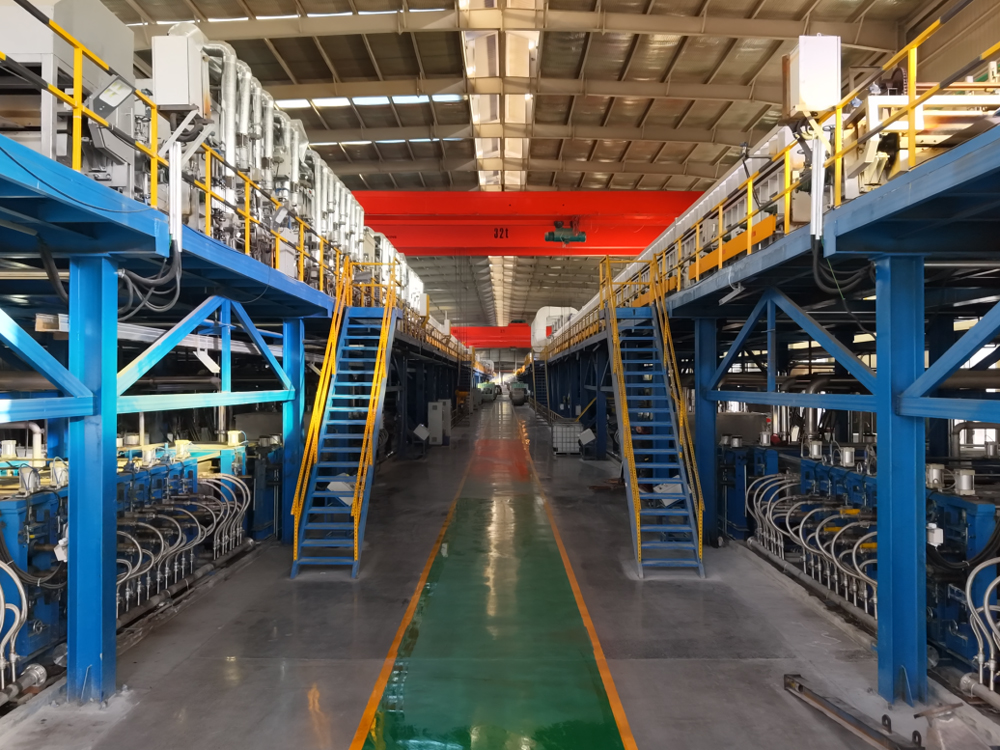
Industrially, the production of oriented silicon steel for precision applications requires highly controlled manufacturing environments, stringent decarbonization, and advanced magnesium oxide coating processes. The supply chain is currently adapting to a dual-pronged demand: the macro-level need for green energy grid upgrades and the micro-level need for ultra-thin, high-precision laminations for sensitive electronic sensors.
This intersection of durability (stainless characteristics) and magnetic efficiency (silicon integration) has created a lucrative niche. Companies capable of producing materials with exceptionally low core loss and high magnetic induction are positioning themselves as vital partners in the next generation of technological advancement.
Audio transformers are the beating heart of high-fidelity sound reproduction. Unlike standard power transformers that operate at a fixed frequency (usually 50Hz or 60Hz), audio transformers must flawlessly handle an incredibly wide frequency spectrum, typically ranging from 20Hz to 20,000Hz. This immense operational range introduces complex electromagnetic challenges, primarily hysteresis loss and eddy currents. This is precisely where the specialized application of silicon stainless steel becomes revolutionary.
The addition of silicon to the steel matrix dramatically increases the electrical resistivity of the material. In the context of an audio transformer, this elevated resistivity acts as a barrier against eddy currents—parasitic loops of electrical current induced by changing magnetic fields. By suppressing these currents, silicon steel prevents the core from overheating and, more importantly, prevents the smearing of transient audio signals. The result is a dramatic reduction in Total Harmonic Distortion (THD), allowing for crystal-clear high frequencies and tight, controlled bass responses.
Furthermore, grain-oriented silicon steel (CGO/HiB) is processed so that its magnetic domains are perfectly aligned in the direction of rolling. When transformer laminations are cut parallel to this rolling direction, the magnetic flux encounters minimal resistance. This high magnetic permeability ensures that even the most delicate, low-amplitude audio signals are transferred from the primary to the secondary windings with absolute precision.
In high-end tube amplifiers, output transformers made from ultra-thin HiB silicon steel laminations are highly prized. The thinness of the laminations further restricts eddy current formation at high frequencies, while the superior magnetic induction capabilities prevent core saturation during heavy bass transients. This meticulous engineering transforms a simple metallic core into an acoustic instrument in its own right, preserving the warmth, soundstage, and dynamic range of the original recording.
Beyond the realm of acoustic excellence, silicon stainless steel is driving innovation across the broader spectrum of precision electronics. In modern aerospace, medical diagnostics, and industrial automation, electronic sensors and actuators operate in environments that demand zero margin for error. The unique metallurgical properties of this steel make it the ultimate substrate for these mission-critical applications.
Consider the medical field, specifically Magnetic Resonance Imaging (MRI) machines and high-precision patient monitoring systems. These devices rely on incredibly stable magnetic fields to generate accurate diagnostic data. The core materials used in the power supply and signal processing units of these machines must exhibit absolute magnetic stability and minimal hysteresis. High magnetic induction oriented silicon steel ensures that energy transfer within these devices is highly efficient, reducing thermal noise that could otherwise interfere with sensitive medical readings.
In the aerospace and defense sectors, precision electronics are frequently subjected to extreme temperature fluctuations, mechanical vibration, and corrosive environments. The stainless attributes of the alloy provide crucial physical durability and resistance to oxidation, while the highly refined grain orientation maintains magnetic integrity. This dual nature allows for the creation of smaller, lighter, yet significantly more powerful electromagnetic actuators and sensors—a critical factor in aircraft design where every gram of weight is heavily scrutinized.
As the Internet of Things (IoT) expands, the demand for compact, high-frequency switching power supplies is skyrocketing. These tiny power units require magnetic cores that can operate efficiently at frequencies well above 100kHz. Advanced silicon steel, processed into ultra-thin gauges and treated with specialized insulating coatings (such as magnesium oxide), minimizes core losses at these extreme frequencies.
This enables engineers to design smaller inductors and transformers, facilitating the creation of ultra-compact, highly efficient precision electronics that power our interconnected world.
The future of silicon stainless steel in audio and precision electronics is defined by the relentless pursuit of lower core losses and higher magnetic permeability. As we look toward the next decade, several key technological trends are reshaping the manufacturing and application of this vital material.
Manufacturers are increasingly utilizing advanced laser irradiation techniques to artificially refine the magnetic domains on the surface of the steel. This non-contact process significantly reduces hysteresis loss without altering the physical thickness of the material, making it ideal for ultra-premium audio transformers.
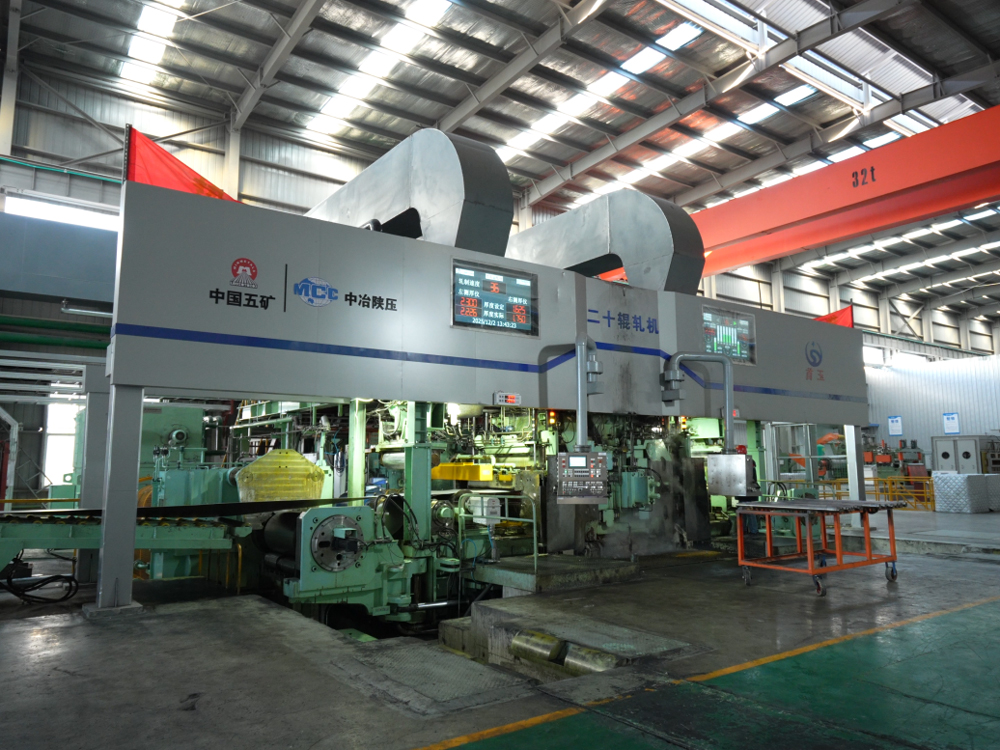
To combat high-frequency eddy currents in precision electronics, rolling mills are pushing the boundaries of material science to produce silicon steel laminations thinner than 0.18mm. These ultra-thin gauges are crucial for next-generation aerospace sensors and high-end audio DACs.
In alignment with global "dual carbon" strategies, the production processes are becoming highly eco-friendly. Innovations in decarbonization annealing lines and the use of eco-friendly magnesium oxide coatings are reducing the carbon footprint of production while enhancing the insulating properties of the steel.
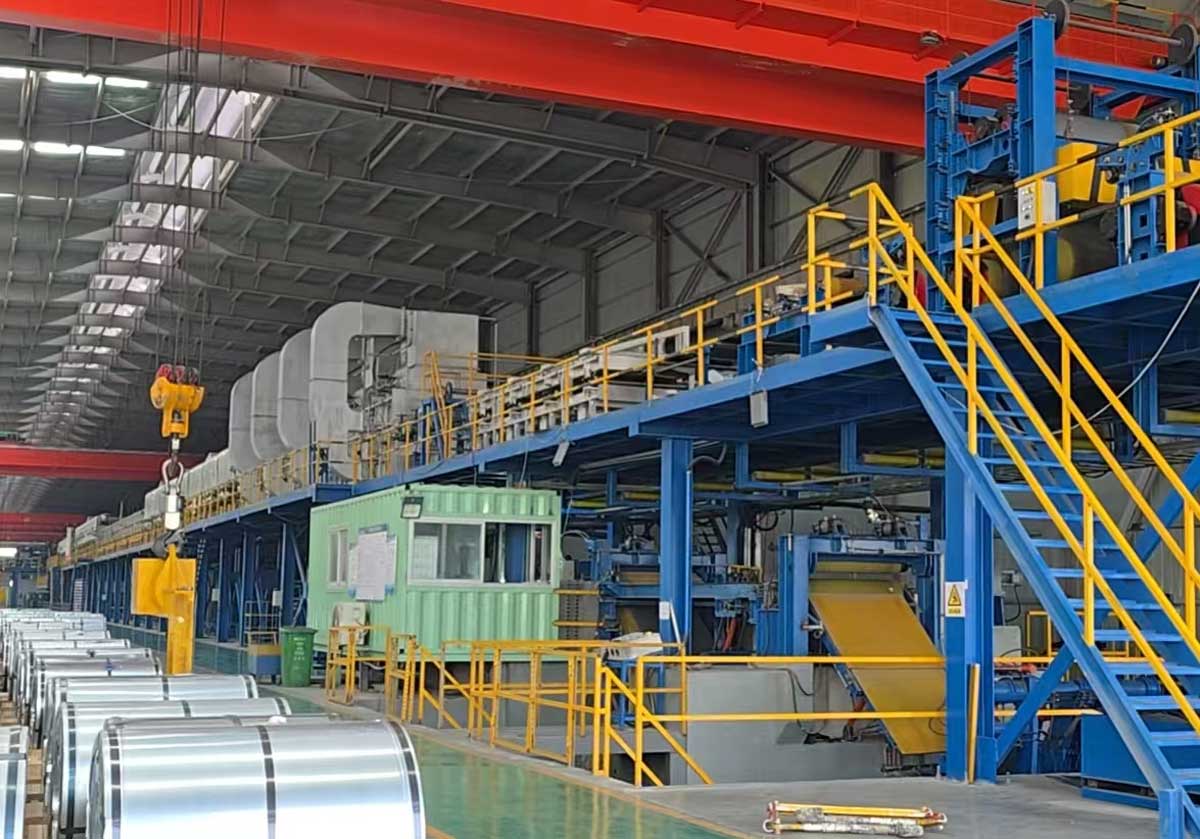
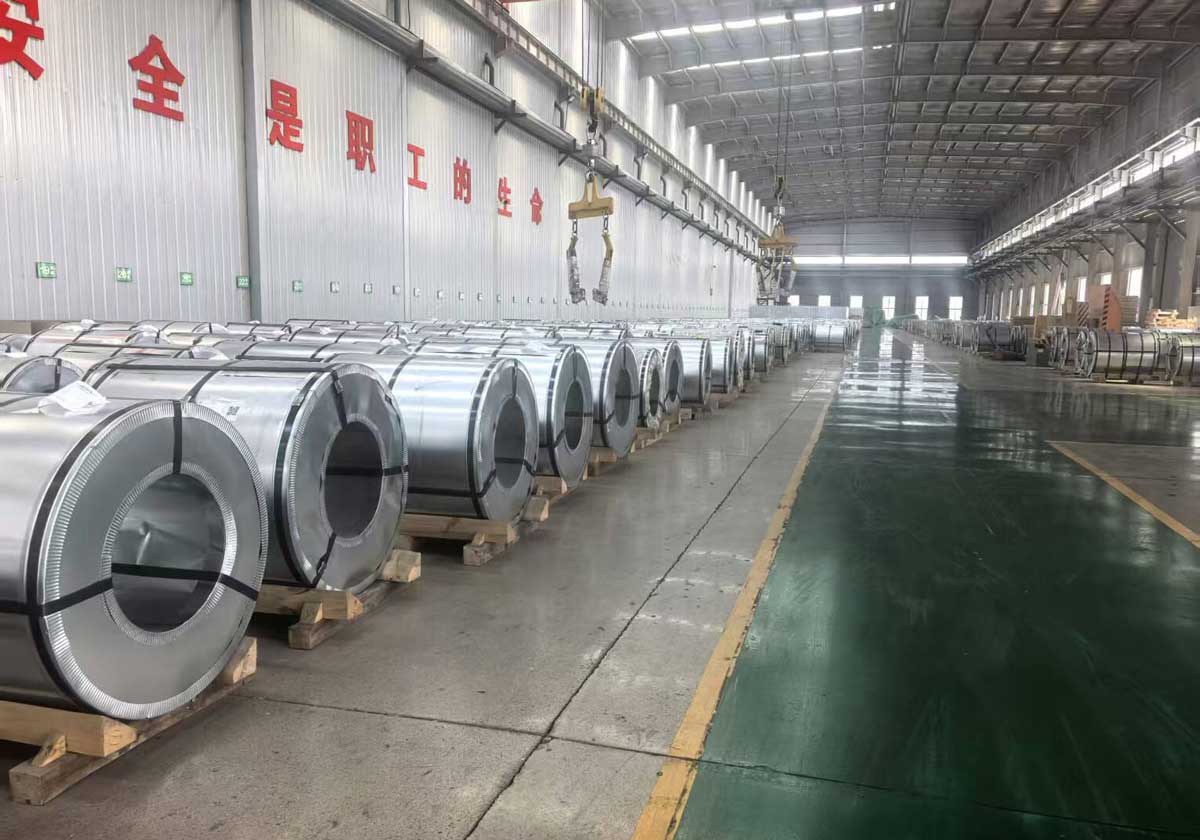
Tangshan Shouyu Electromagnetic New Materials Co., Ltd. was established in 2022 and is located in Yutian County Industrial Park, Tangshan City, Hebei Province. It is a high-tech enterprise specializing in the research and development, production, and sales of oriented silicon steel.

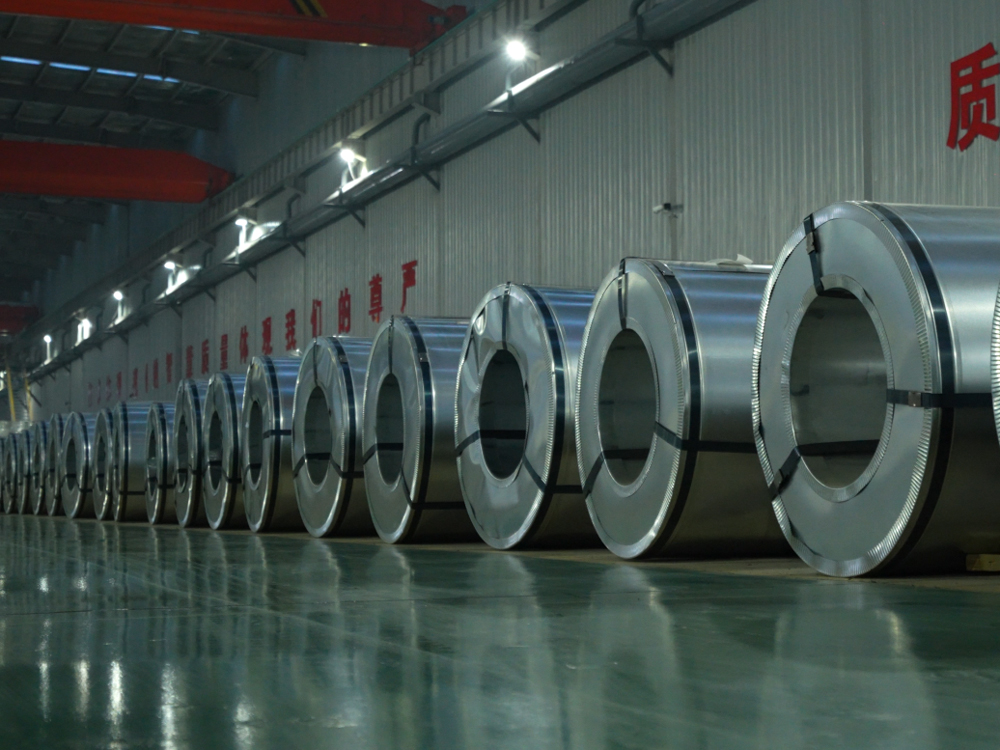
As a core material supplier for improving the energy efficiency of distribution transformers, relying on profound technological accumulation and innovative genes, the company focuses on the high-end electromagnetic material track. Its core product, cold-rolled oriented silicon steel, with excellent low iron loss and high magnetic induction performance, has become the core support for improving the energy efficiency of distribution transformers.

In the era of the national "dual carbon" strategy and energy-saving upgrading of the power grid, we have taken the lead in the research and development and large-scale production of low iron loss and high magnetic induction oriented silicon steel (Hi-B steel), using key material innovation to break through the energy efficiency bottleneck of power equipment and promote the deep transformation of the industry towards high efficiency and green development.

We always adhere to the business philosophy of "honesty and trustworthiness, always moving forward", guided by customer needs, driven by technological innovation, and working together with industry chain partners to promote the transformation of the energy industry towards green and efficient.

In the future, we will continue to deeply cultivate the field of electromagnetic new materials, create long-term value for customers with excellent quality and professional services, inject new momentum into the development of the industry, and become a trusted global electromagnetic new material partner.
After the reform and opening-up, the first-generation founders established a plastic packaging company
The water conservation business was launched and successfully went public under the leadership of the second-generation leadership team
Entered the steel industry, evolving from steel smelting and processing to deep processing of steel products, encompassing elevator guide rail steel, automotive spring steel, oil-quenched steel wire, and galvanized strip steel.
Started real estate development and operation business.
Entering the cold chain warehousing and transportation industry.
The deep processing of steel will be extended to the field of silicon steel.
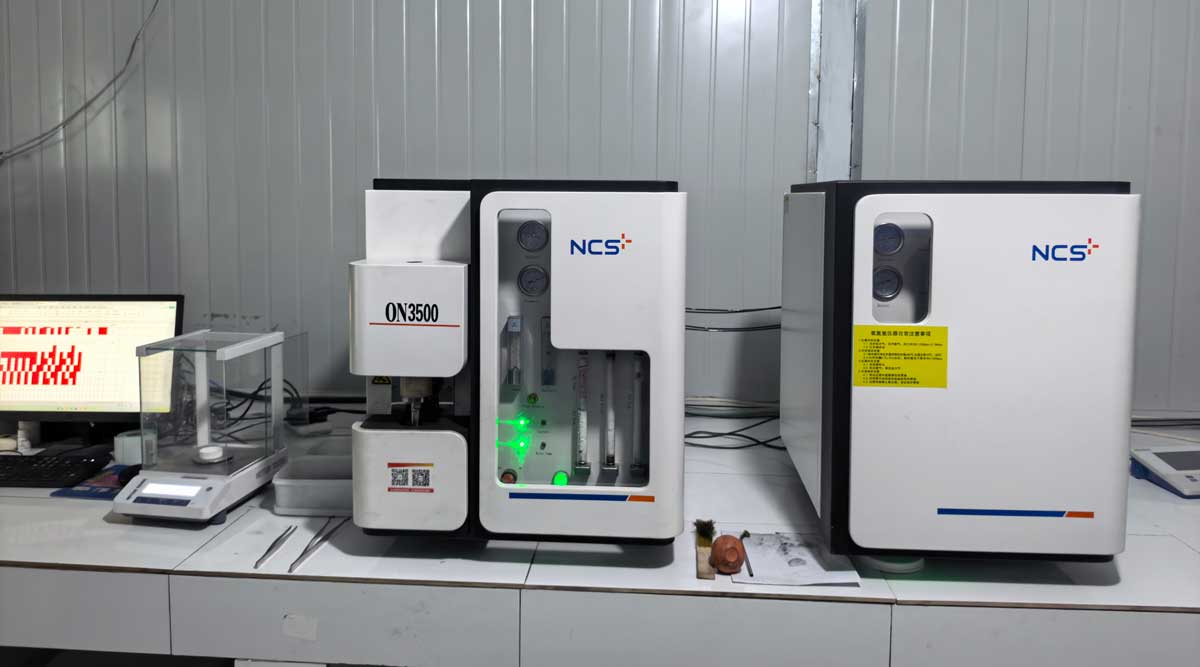
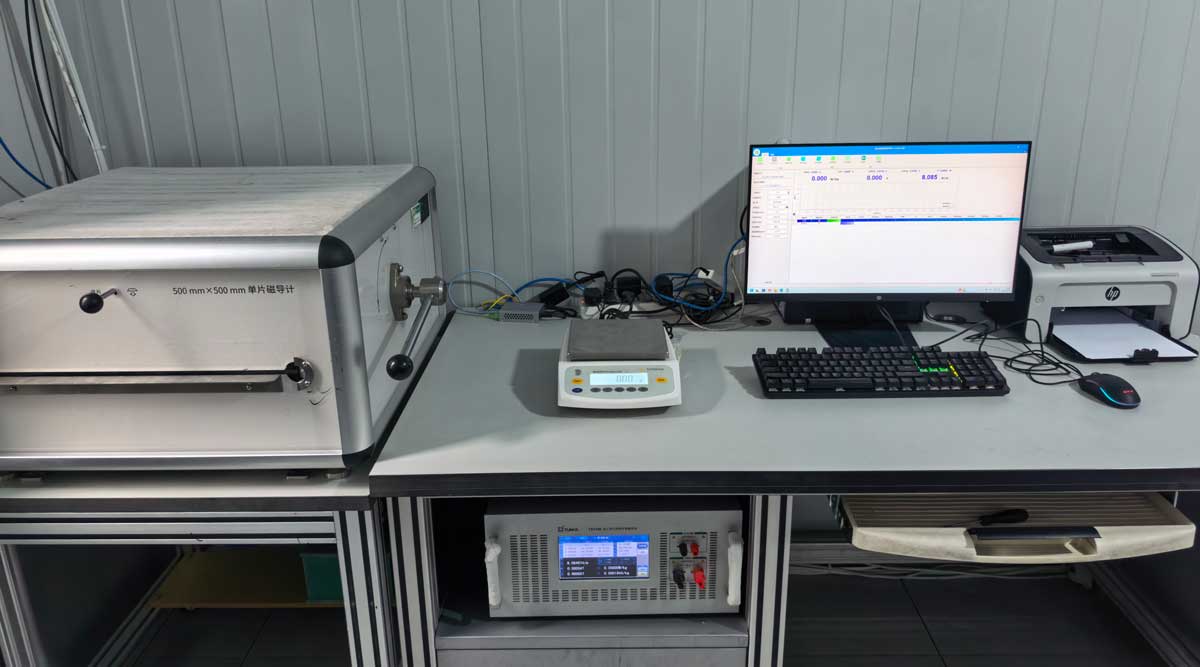
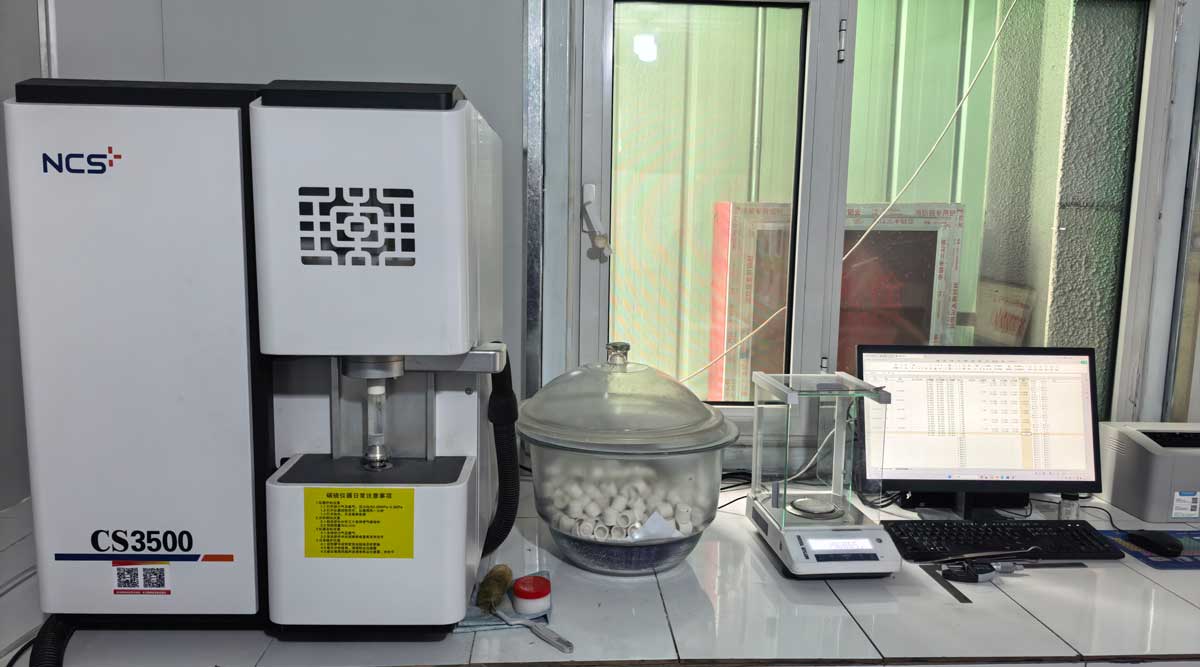

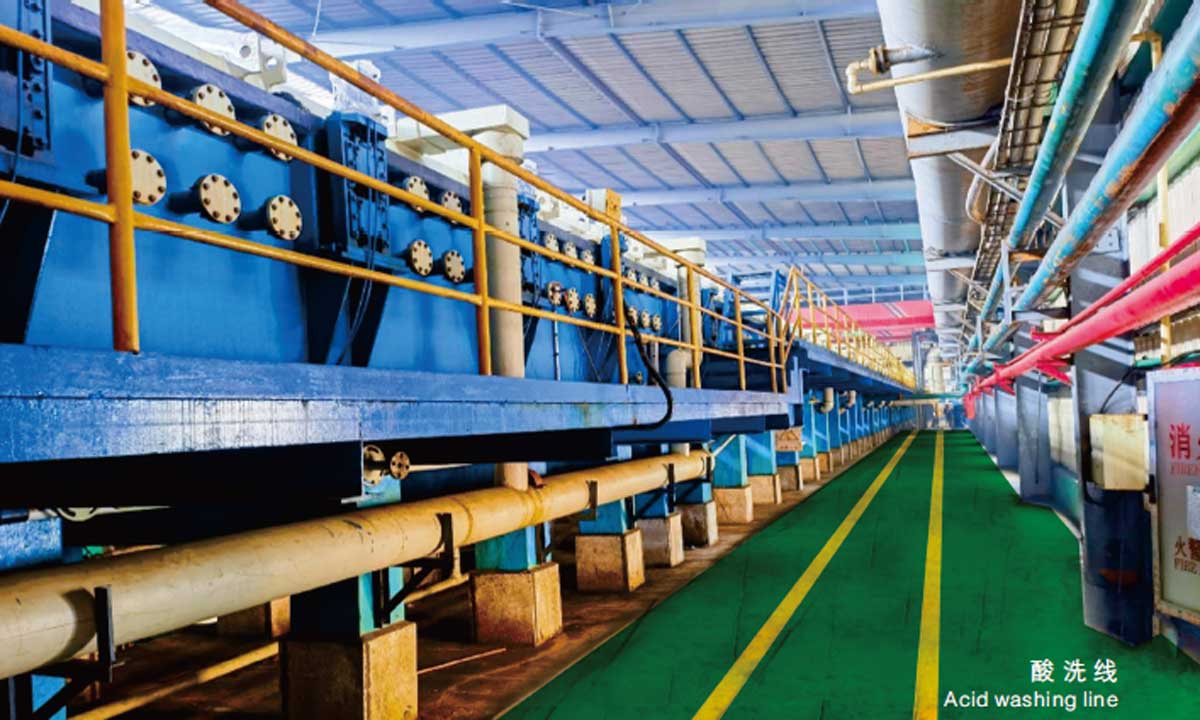
Pickling Line

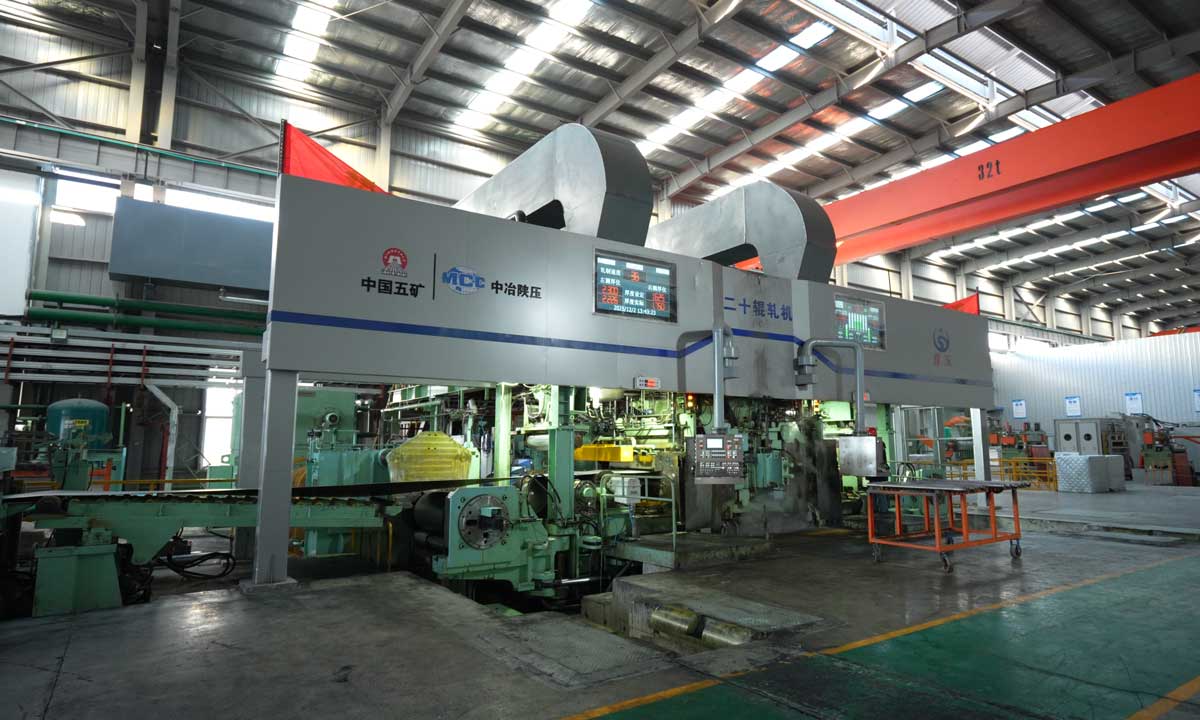
20 Roll Reversible Cold Rolling Mill

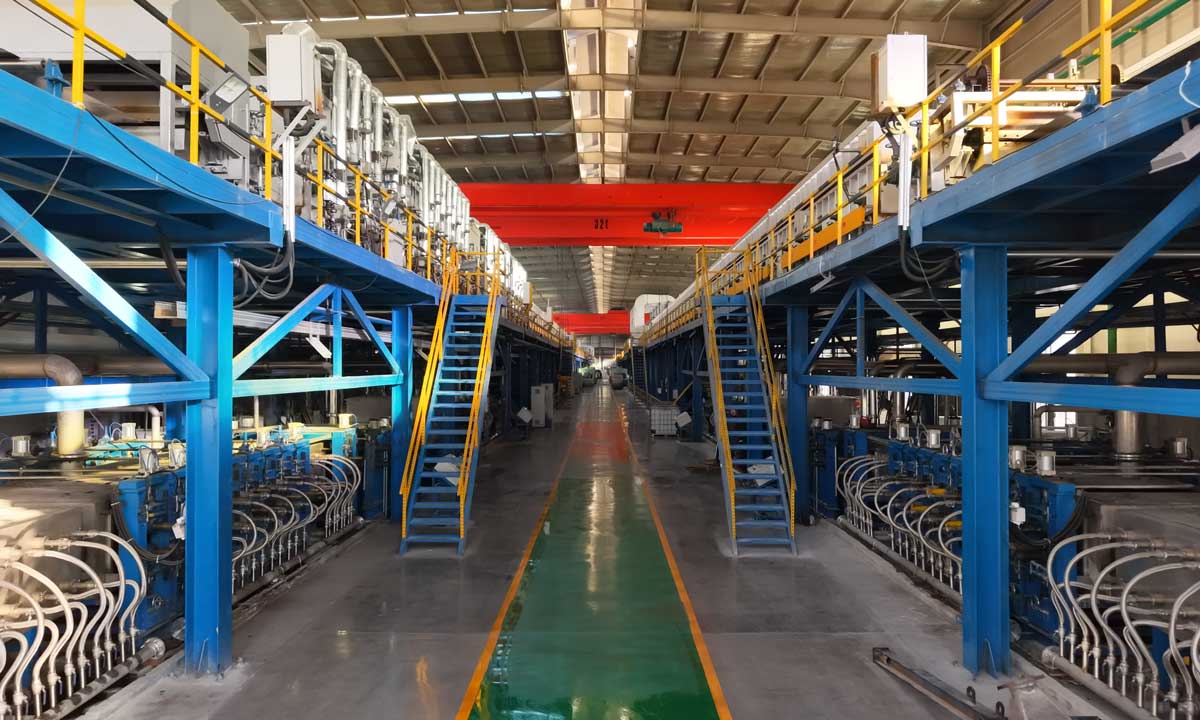
Decarbonization Annealing Line

Magnesium Oxide Coated Wire

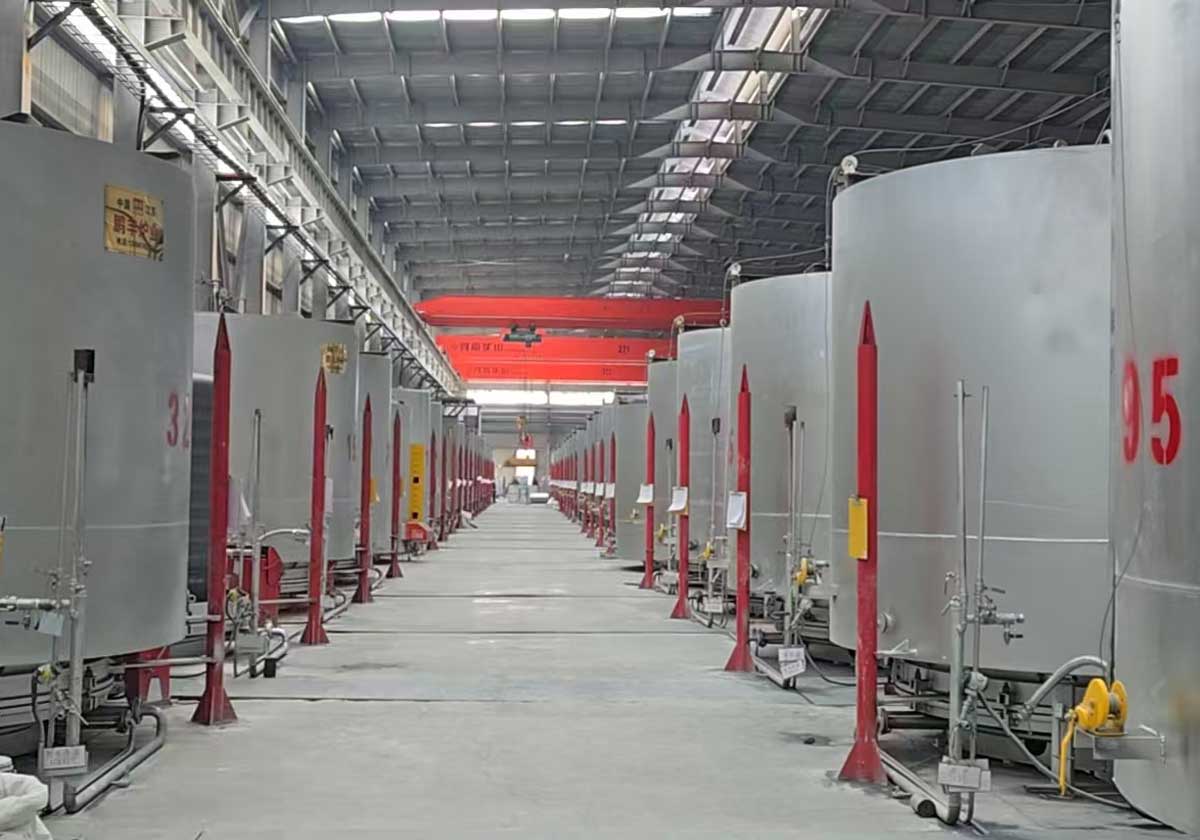
High Temp Hood Annealing Furnace

Stretch Flat Line

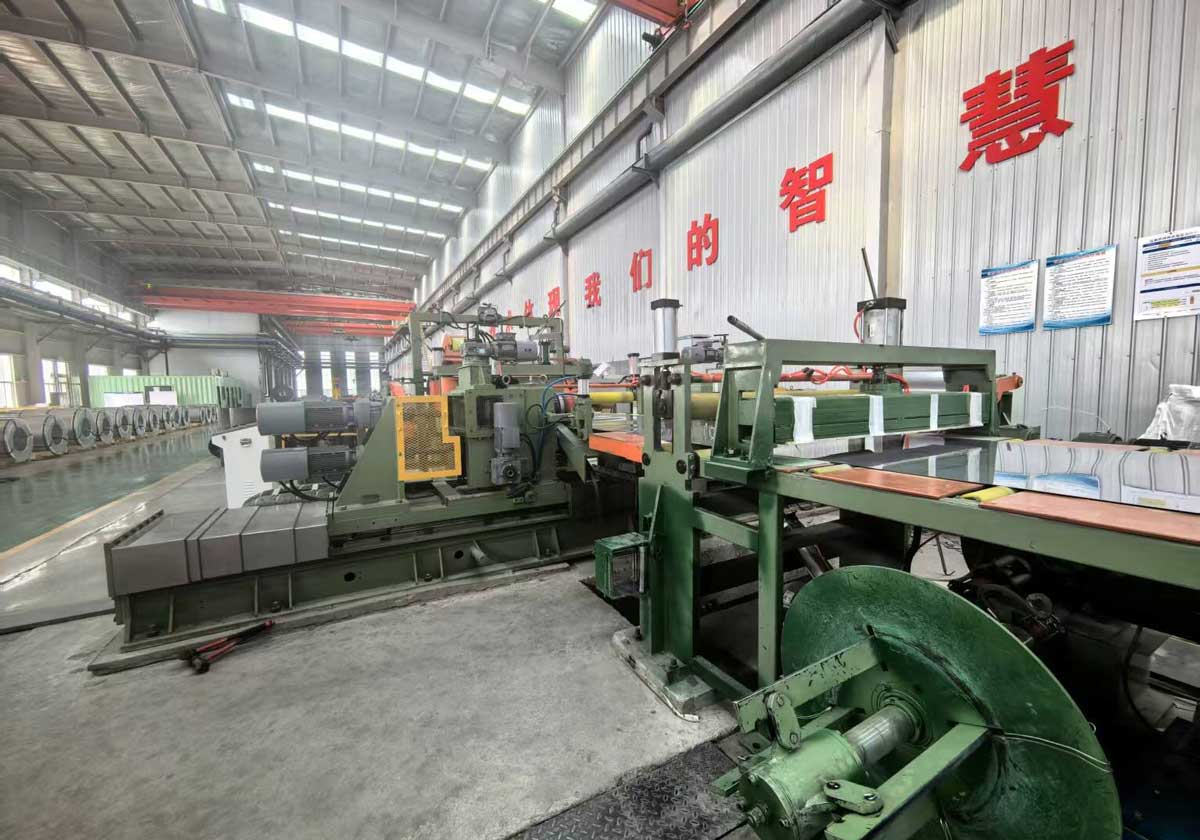
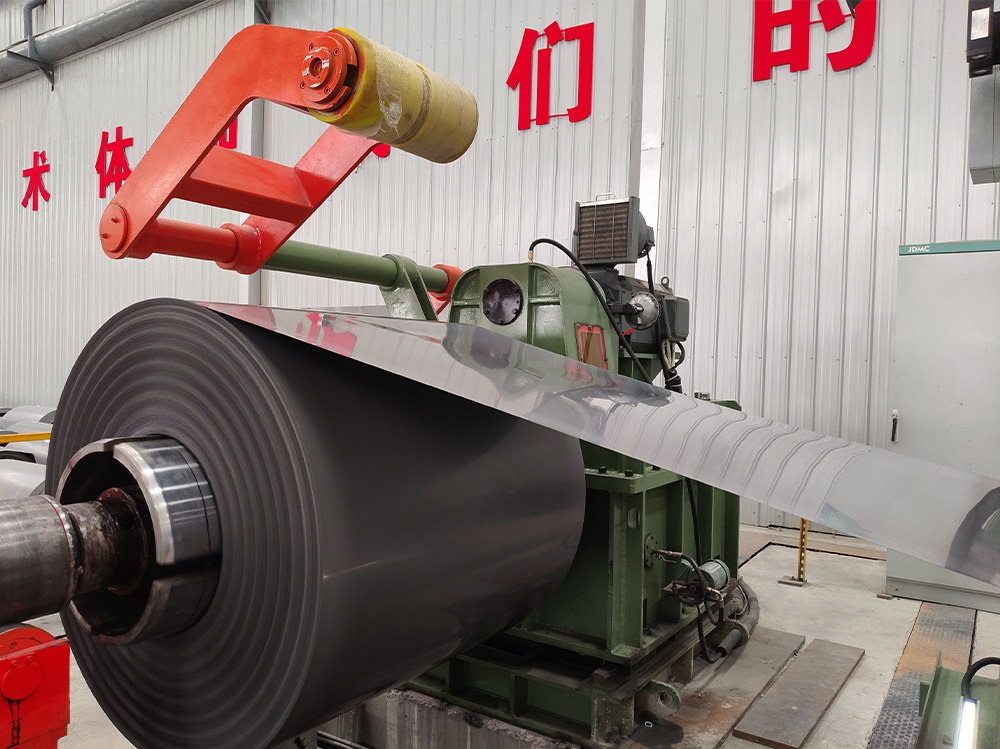
Slitting Line