Leave Your Message
-
Contact Phone
-
 Contact Email
Explore our premium selection of oriented silicon steel products, specifically engineered to meet the rigorous demands of large power generators, industrial turbines, and high-efficiency transformers.
In the realm of modern electrical engineering, the efficiency and reliability of large power generators and turbines are paramount. At the very heart of these colossal machines lies a critical component: the Silicon Metal Sheet, commonly referred to as electrical steel or grain-oriented silicon steel. These specialized metallurgical marvels are not just ordinary pieces of metal; they are highly engineered alloys designed specifically to manipulate and optimize magnetic fields. By incorporating precise amounts of silicon (typically ranging from 2% to 4.5%) into the iron matrix, manufacturers significantly increase the electrical resistivity of the material. This fundamental alteration is crucial because it drastically curtails eddy current losses—unwanted currents induced by alternating magnetic fields that manifest as wasted heat. Furthermore, the meticulously controlled grain structure of these sheets minimizes hysteresis loss, ensuring that the magnetic domains align seamlessly with the fluctuating fields of large generators. Without high-grade silicon metal sheets, the massive turbo-generators in nuclear plants or the sprawling hydro-generators at dams would suffer from severe thermal degradation and abysmal energy conversion rates.
The global industrial landscape for silicon metal sheets is currently experiencing a renaissance, driven largely by the worldwide paradigm shift towards renewable energy and grid modernization. As nations strive to meet aggressive carbon neutrality targets, the demand for ultra-high-efficiency generators and turbines has skyrocketed. In the commercial sector, manufacturers of large power generators are under immense pressure to deliver equipment that maximizes megawatt output while minimizing physical footprint and energy loss. This has led to a surge in demand for High Magnetic Induction (HiB) oriented silicon steel.
Currently, the market is characterized by a high barrier to entry. The production of premium silicon metal sheets requires state-of-the-art cold rolling mills, precise decarbonization annealing lines, and proprietary magnesium oxide coating technologies. Consequently, the supply chain is dominated by a select group of advanced metallurgical enterprises. However, this concentration also drives relentless innovation. We are witnessing massive investments in specialized processing facilities aimed at producing thinner, more magnetically permeable sheets. The industrial consensus is clear: the transition to a green economy is inextricably linked to the availability and quality of these advanced electromagnetic materials.
We are dedicated to providing the foundational materials that power the world's most advanced generators and transformers.

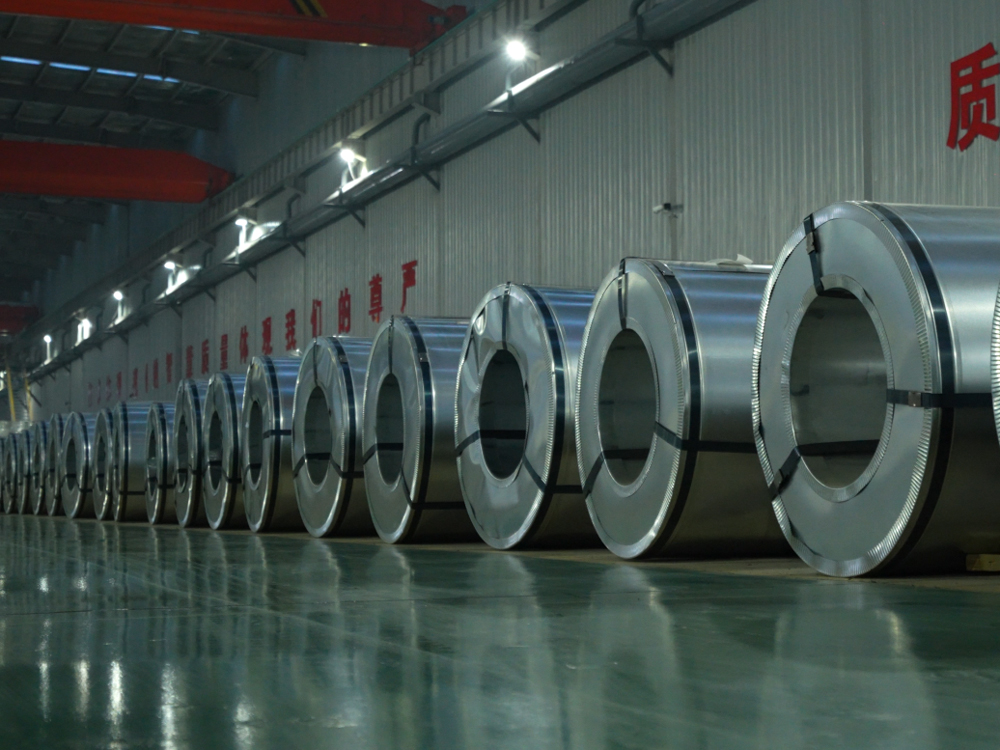
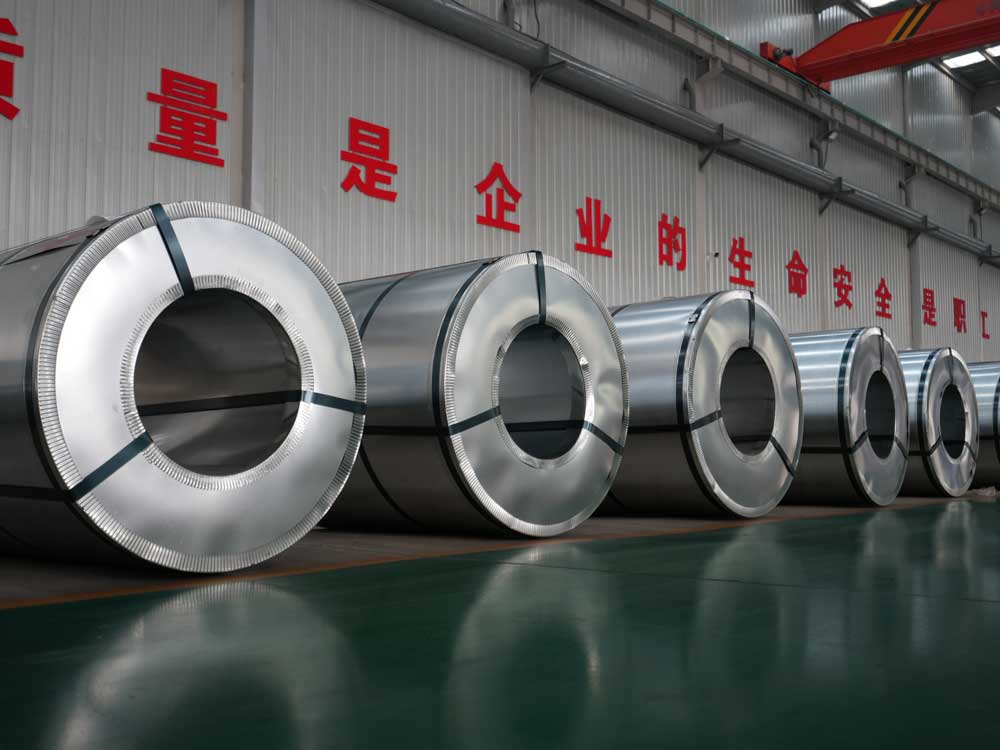
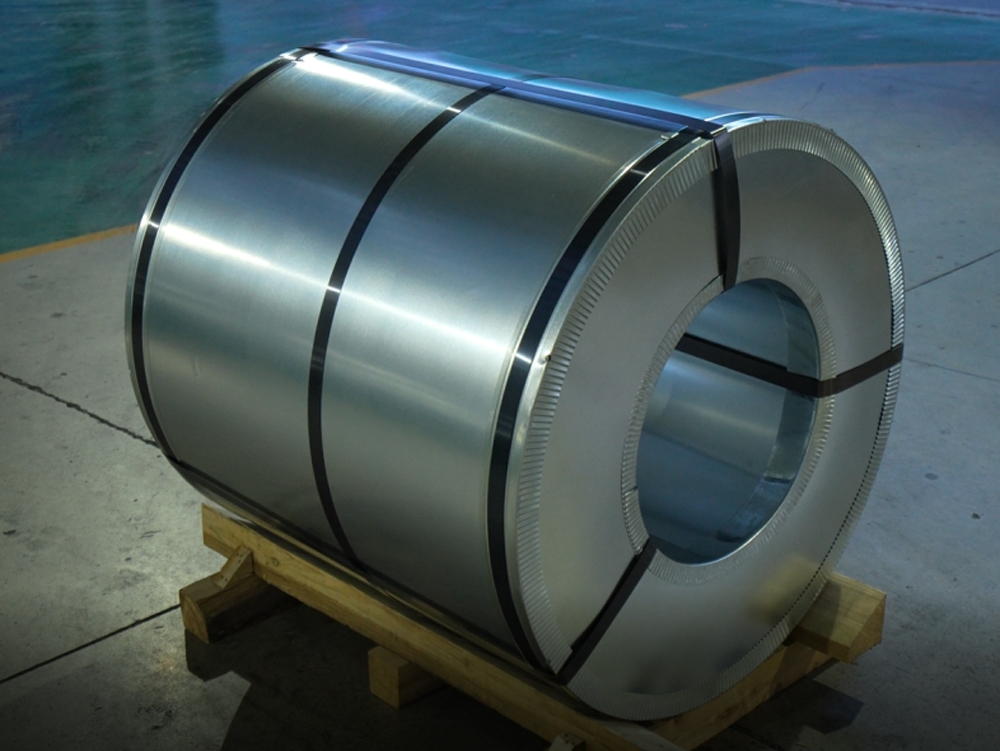
As a core material supplier for improving the energy efficiency of distribution transformers and generators, relying on profound technological accumulation, we focus on the high-end electromagnetic material track. Our cold-rolled oriented silicon steel offers excellent low iron loss and high magnetic induction.

In the era of the national "dual carbon" strategy, we lead in the R&D and large-scale production of low iron loss Hi-B steel, using key material innovation to break through energy efficiency bottlenecks of power equipment and promote green development.

We always adhere to "honesty and trustworthiness, always moving forward", guided by customer needs, driven by technological innovation, and working together with industry chain partners to promote the energy industry's transformation.

In the future, we will continue to deeply cultivate the field of electromagnetic new materials, create long-term value for customers with excellent quality and professional services, and become a trusted global partner for large power generators.
To truly appreciate the value of silicon metal sheets, one must examine their deep application within the architecture of large power generators. The most critical application is in the construction of stator cores. In a typical 1000 MW turbo-generator used in thermal or nuclear power plants, the stator core is assembled from hundreds of thousands of individually punched and insulated silicon steel laminations. These sheets must possess exceptional magnetic permeability to efficiently guide the rotating magnetic field generated by the rotor. If the silicon metal sheets are of inferior quality, the magnetic flux leakage increases, leading to severe localized heating. This not only degrades the insulation but can ultimately lead to catastrophic generator failure. By utilizing highly oriented silicon steel, engineers can design stators that operate at higher flux densities without surpassing thermal limits, thereby shrinking the overall size of the generator while maintaining or increasing power output.
Beyond stators, these sheets are equally vital in the pole pieces of large hydro-generator rotors. Hydro-generators operate at much lower speeds compared to steam turbines, requiring massive diameters and numerous magnetic poles. The structural integrity and magnetic consistency of the silicon metal sheet under immense centrifugal forces are rigorously tested here. The uniformity of the sheet's thickness and the perfection of its insulating coating (often a magnesium oxide layer) ensure that the massive rotor remains magnetically balanced and electrically sound over a lifespan that often exceeds half a century.
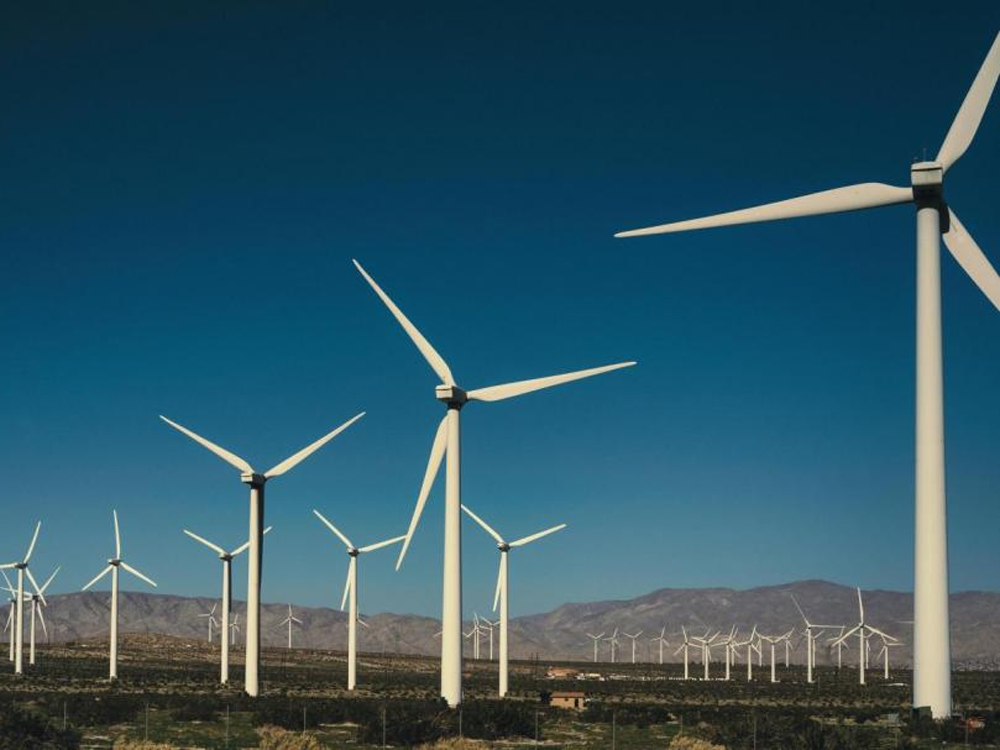
The rapid expansion of offshore wind energy has introduced entirely new challenges and application scenarios for silicon metal sheets. Modern offshore wind turbines are scaling up to 15 MW and beyond. These direct-drive permanent magnet synchronous generators (PMSGs) require massive amounts of electrical steel. In these harsh marine environments, the generators must be highly compact, lightweight, and capable of operating flawlessly with minimal maintenance. The silicon metal sheets used in these nacelles are subjected to variable wind speeds, meaning the magnetic flux is constantly fluctuating. High-grade non-oriented and specialized oriented silicon steels are deployed to handle these dynamic loads, ensuring that even at partial wind speeds, the energy conversion efficiency remains at its peak. This specific application is driving the metallurgical industry to develop sheets that are not only magnetically superior but also mechanically robust enough to withstand the vibrations inherent in massive wind turbine operations.
Established in 2022 and located in Yutian County Industrial Park, Tangshan City, Hebei Province. It is a high-tech enterprise specializing in the research and development, production, and sales of oriented silicon steel, serving the needs of the global power generation and transformer industries.
After the reform and opening-up, the first-generation founders established a plastic packaging company.
The water conservation business was launched and successfully went public under the leadership of the second-generation leadership team.
Entered the steel industry, evolving from steel smelting and processing to deep processing of steel products, encompassing elevator guide rail steel, automotive spring steel, oil-quenched steel wire, and galvanized strip steel.
Started real estate development and operation business.
Entering the cold chain warehousing and transportation industry.
The deep processing of steel will be extended to the field of silicon steel, focusing on electromagnetic materials.
Looking toward the horizon, the development of silicon metal sheets for large power generators and turbines is entering a phase of exponential technological evolution. The primary trend is the relentless push for thinner gauges. While traditional sheets hover around 0.27mm to 0.30mm, the next generation aims for ultra-thin specifications below 0.20mm. Thinner sheets drastically cut down high-frequency eddy current losses, a crucial factor as modern grid systems incorporate more complex power electronics and variable frequency operations. Furthermore, metallurgical researchers are actively exploring ways to increase the silicon content up to 6.5% without compromising the material's ductility. Historically, high-silicon steel becomes too brittle to undergo cold rolling, but advancements in chemical vapor deposition (CVD) and specialized annealing processes are beginning to overcome this barrier, promising materials with near-zero magnetostriction.
Simultaneously, the manufacturing process itself is undergoing a digital revolution. Artificial Intelligence (AI) and machine learning algorithms are now being integrated into the rolling and annealing lines. These AI systems monitor microscopic grain orientations in real-time, dynamically adjusting furnace temperatures and rolling tension to ensure perfect magnetic uniformity across every square inch of the sheet. This level of precision is non-negotiable for manufacturers of mega-turbines, where even a microscopic defect can compound into massive efficiency losses. Lastly, the push for "Green Steel" is reshaping the industry. Future silicon metal sheets will not only be judged by their magnetic performance but also by their carbon footprint during production, utilizing hydrogen-based direct reduced iron (DRI) and renewable electricity in the smelting process. This holistic approach ensures that the materials powering our sustainable future are themselves sustainably produced.
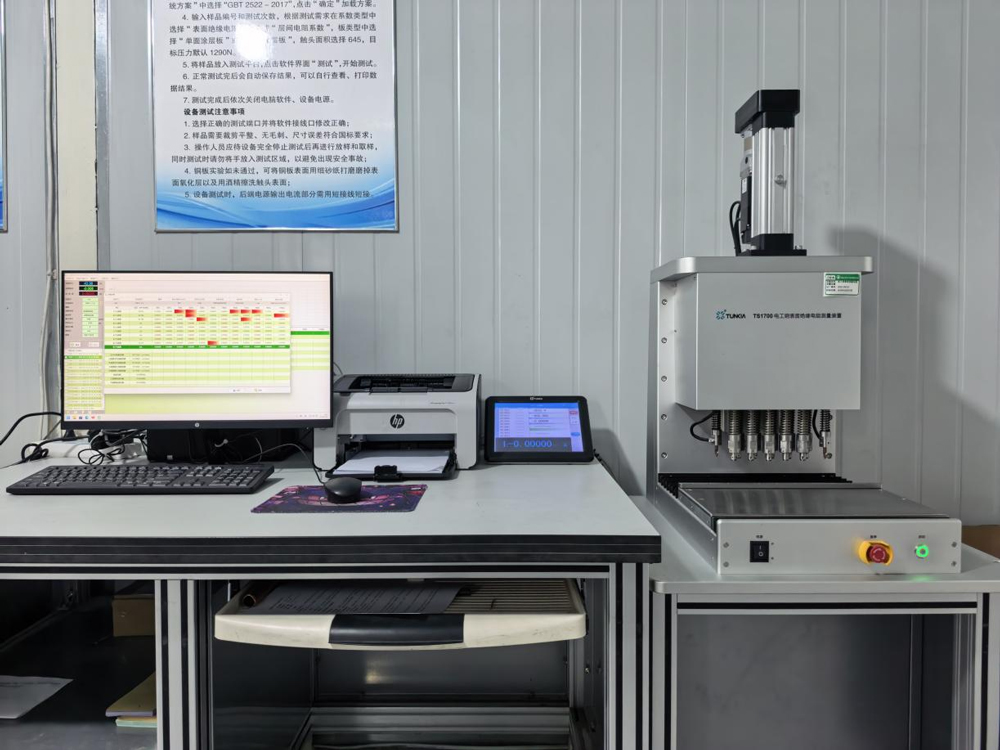
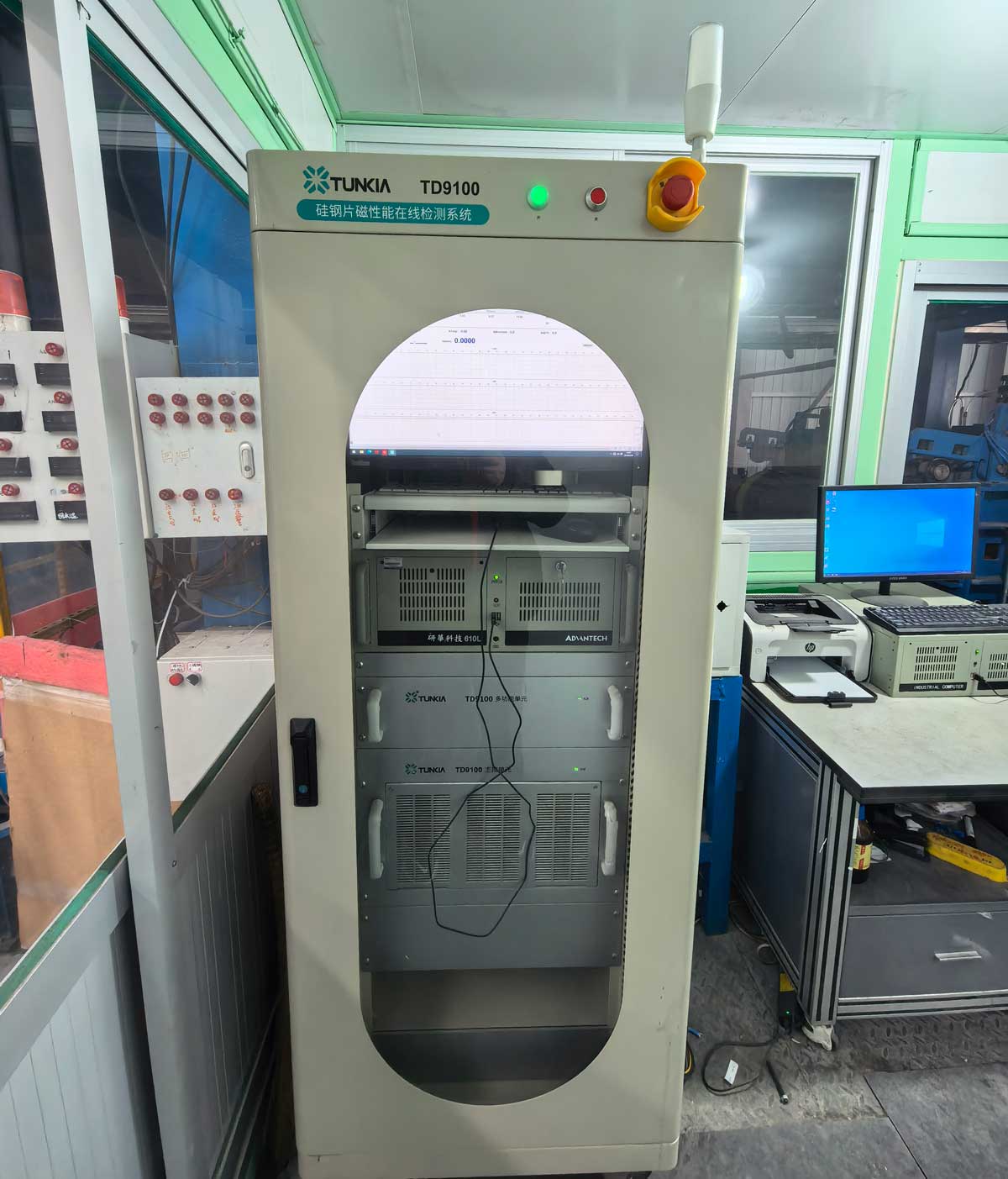
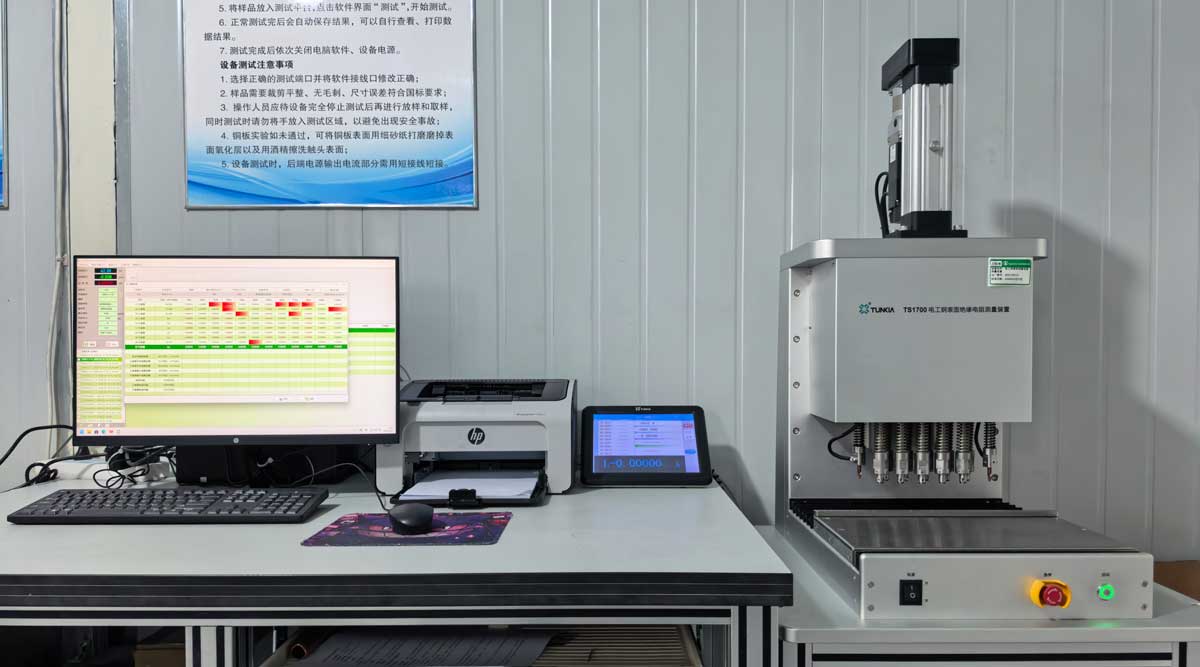
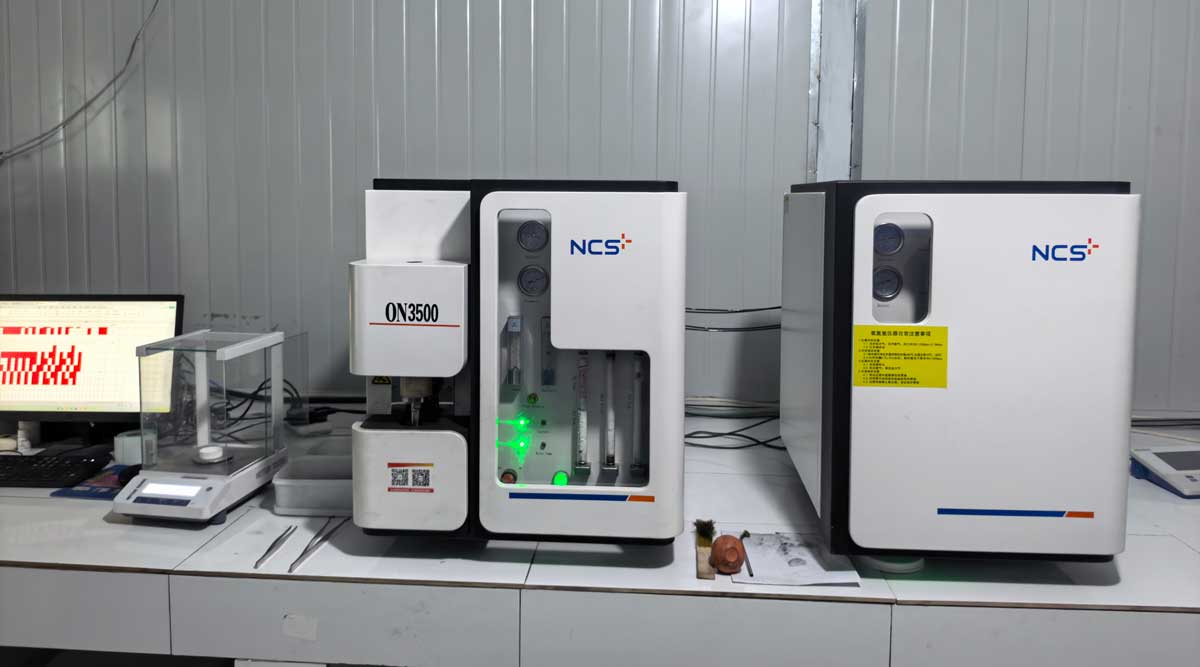
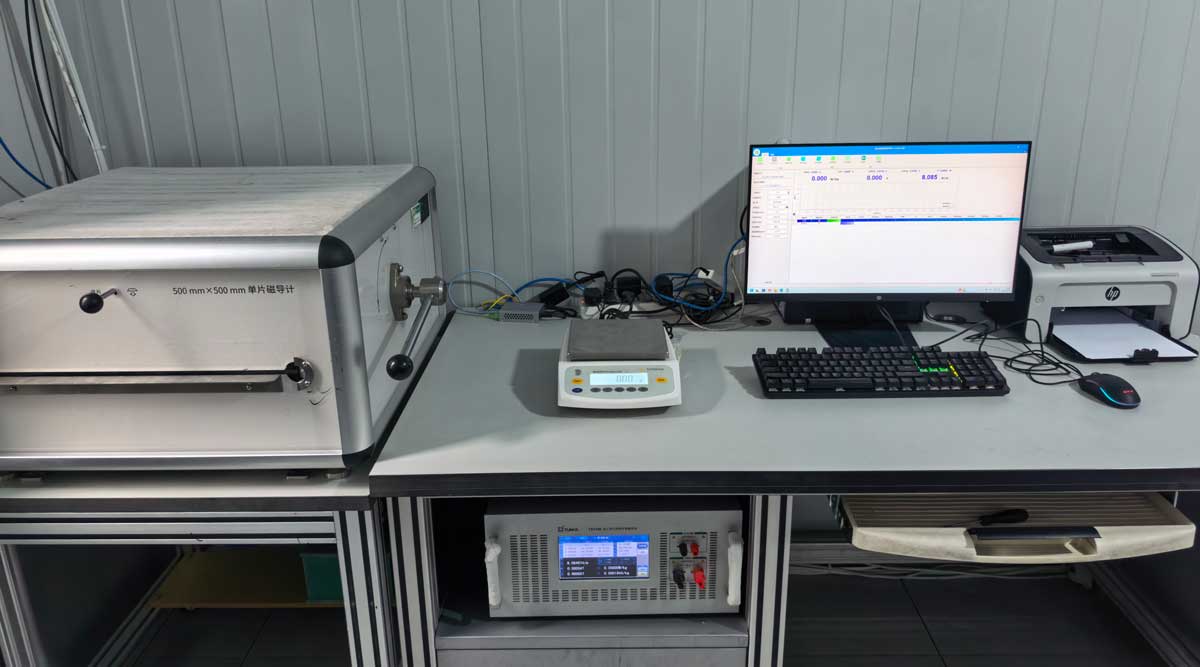
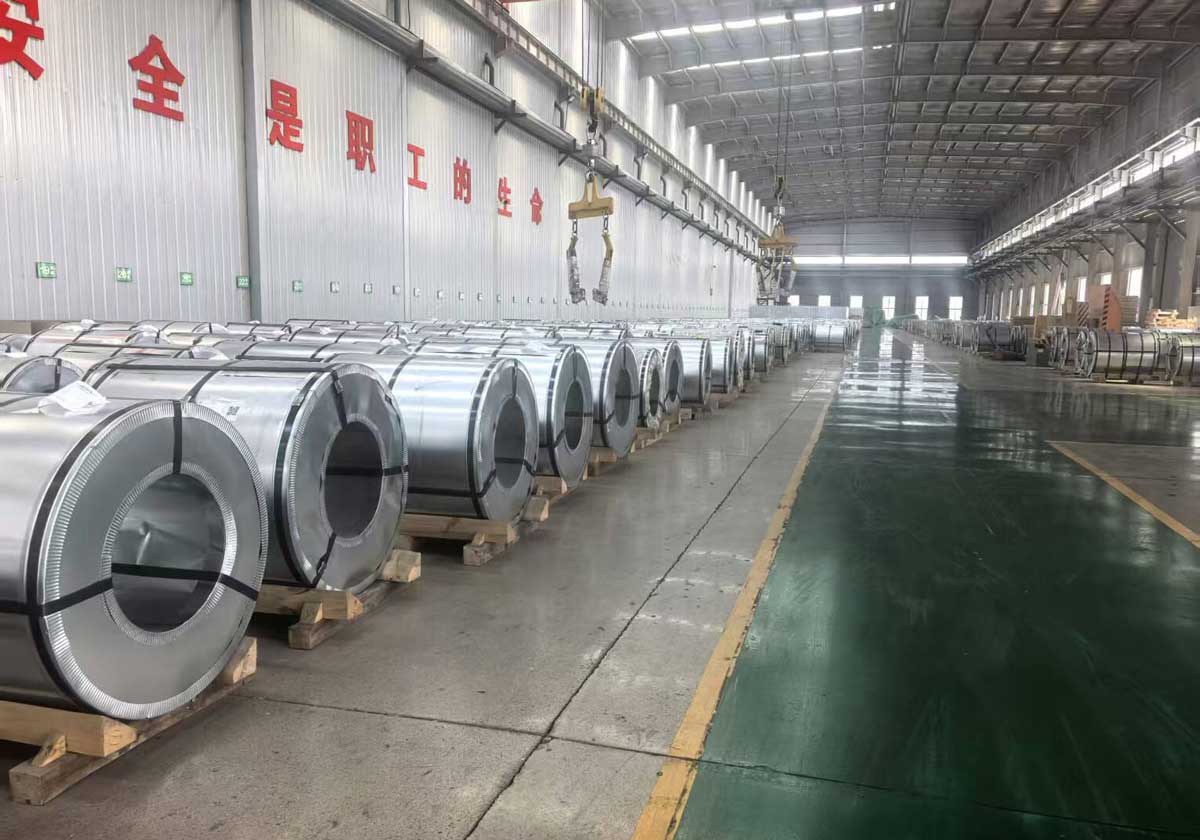
Rigorous testing ensures our silicon metal sheets meet the exact standards required for large power generators.
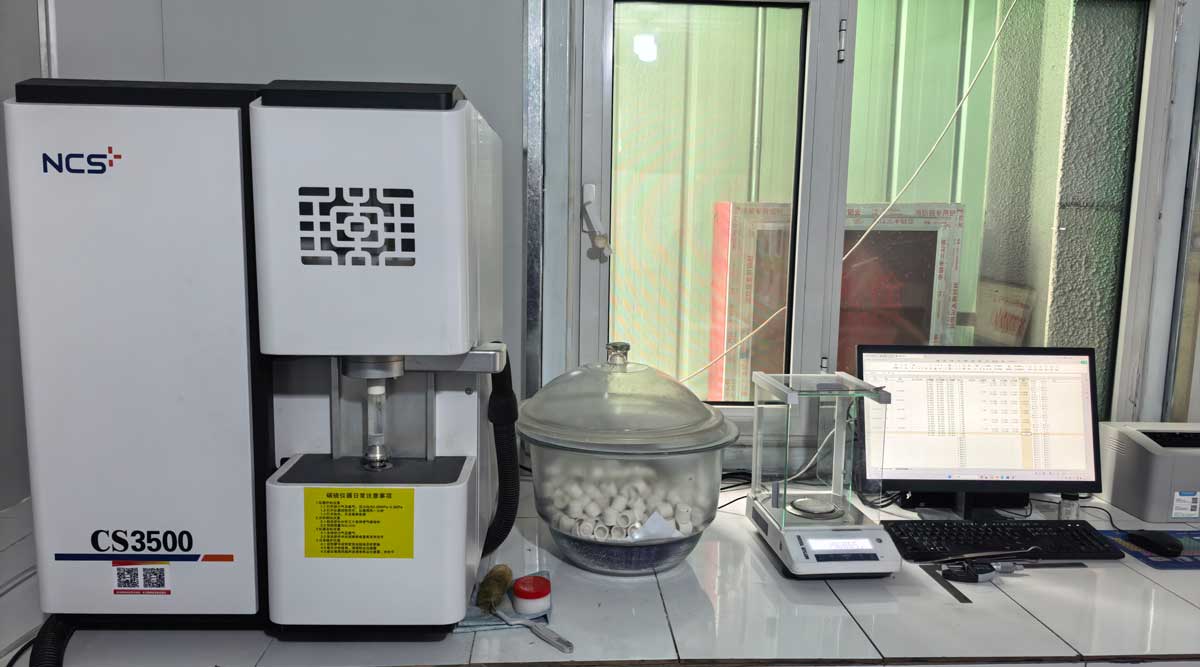

Pickling Line

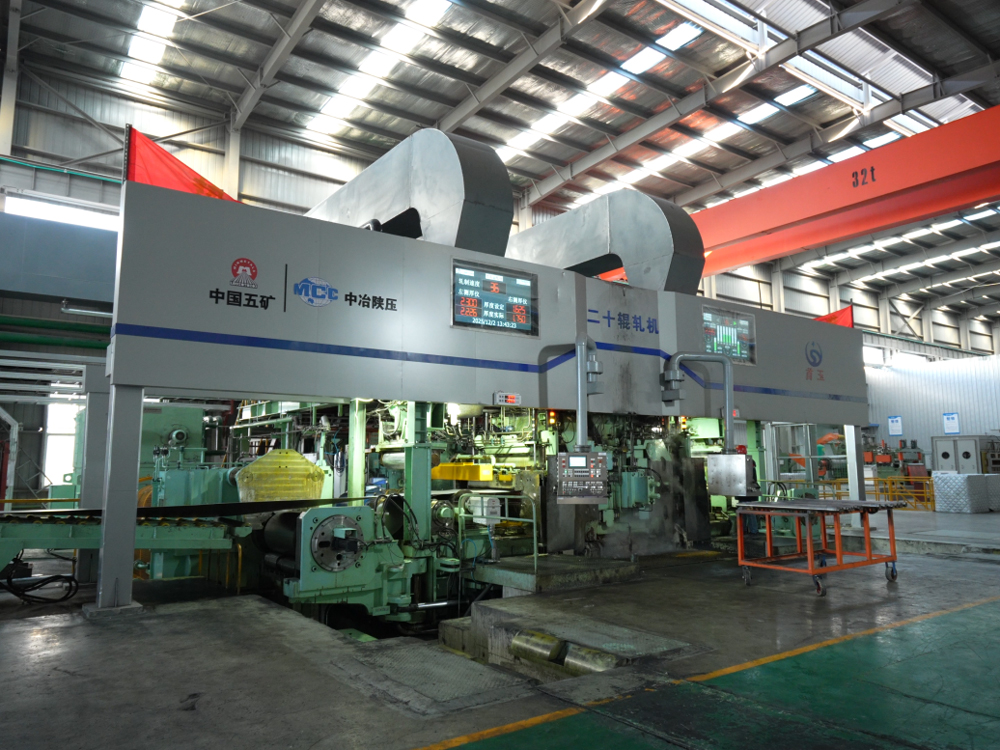
20 Roll Reversible Cold Rolling Mill

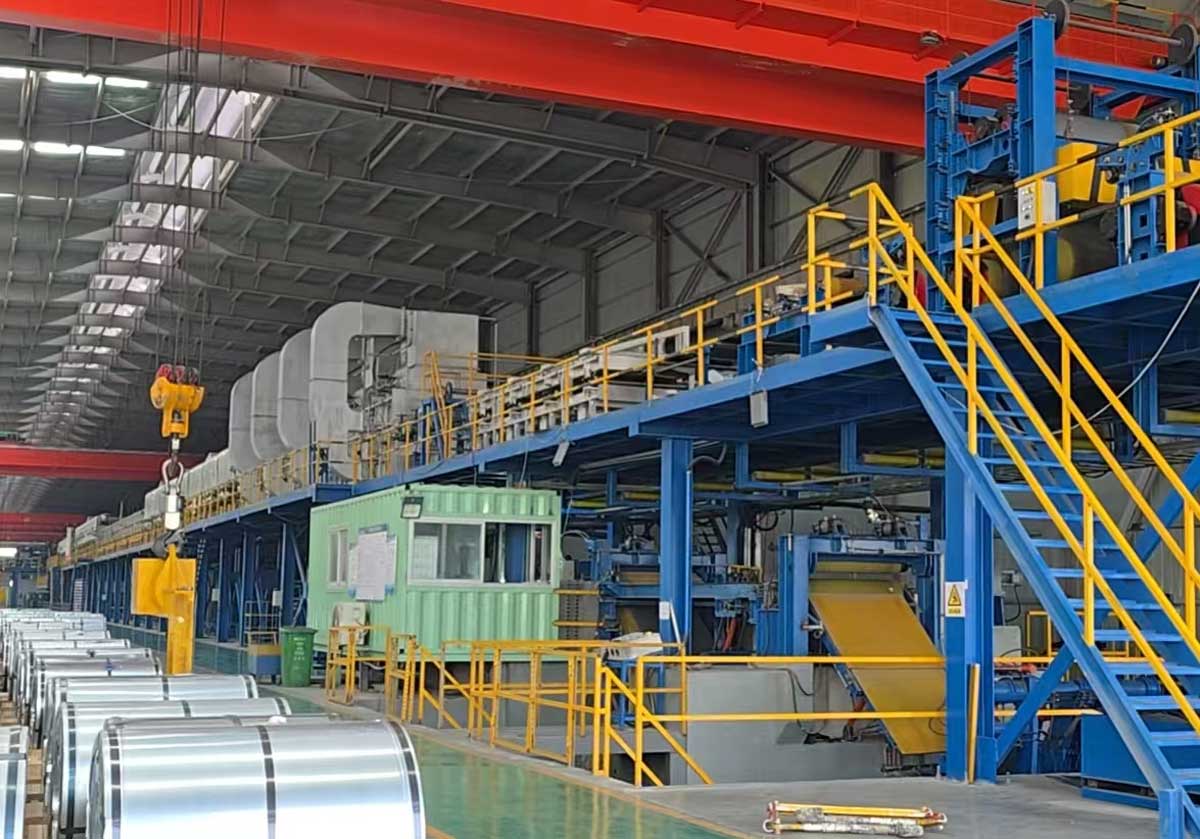
Decarbonization Annealing Line

Magnesium Oxide Coated Wire

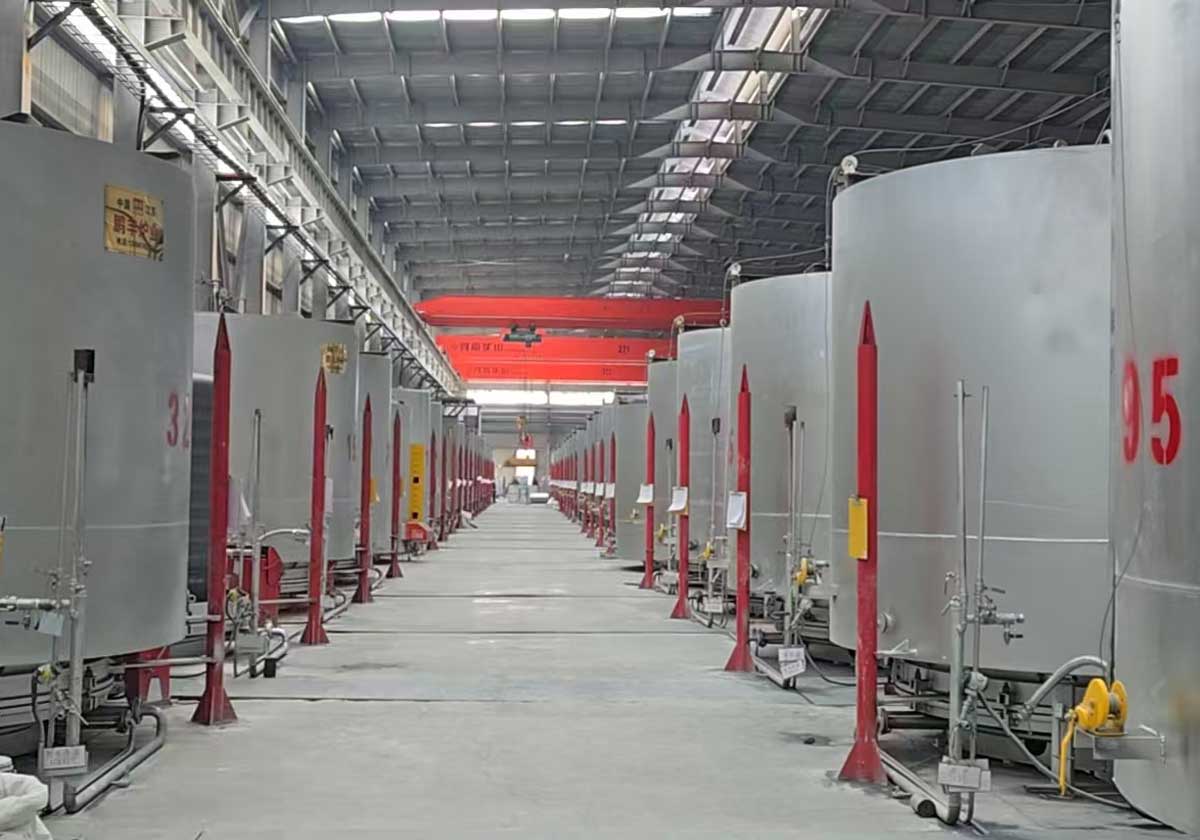
High Temp Hood Annealing Furnace

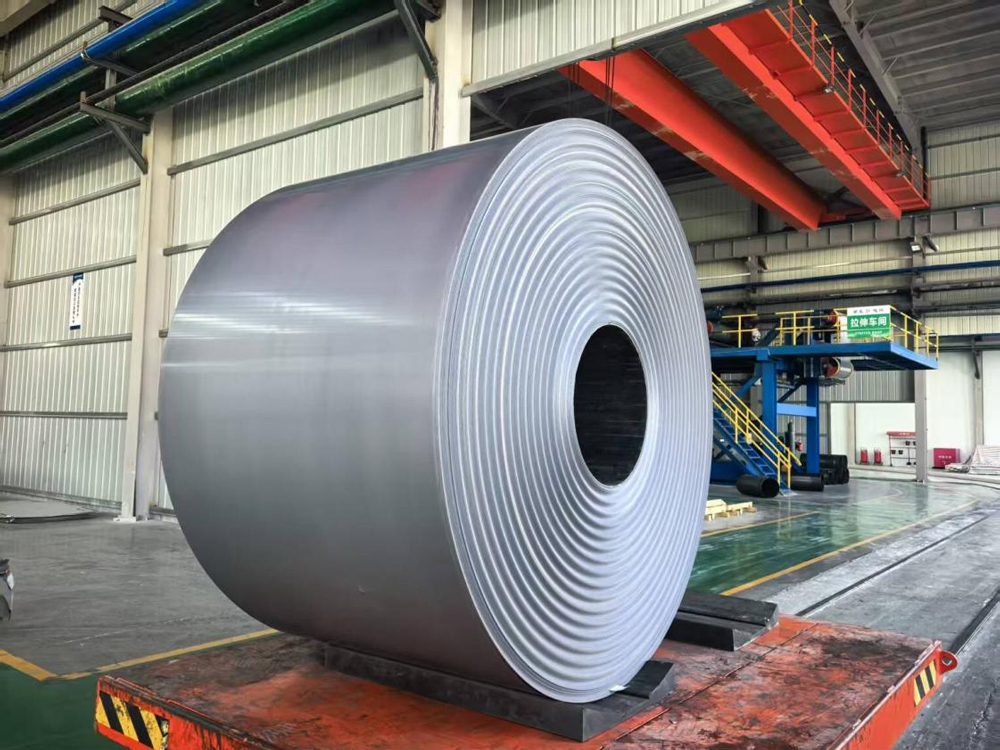
Stretch Flat Line

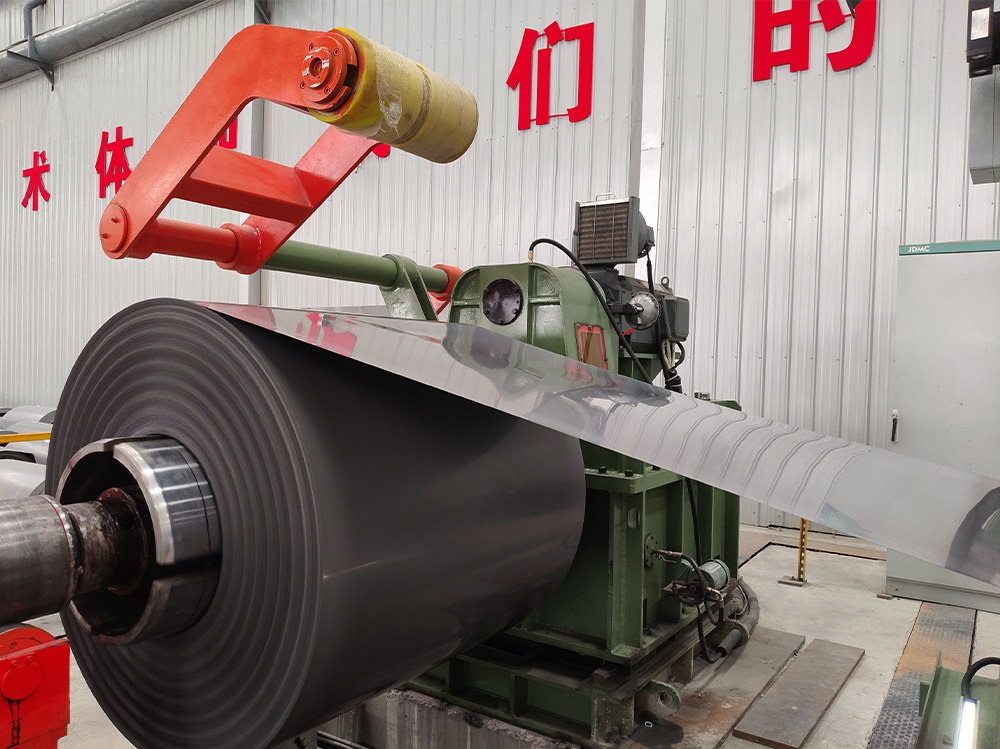
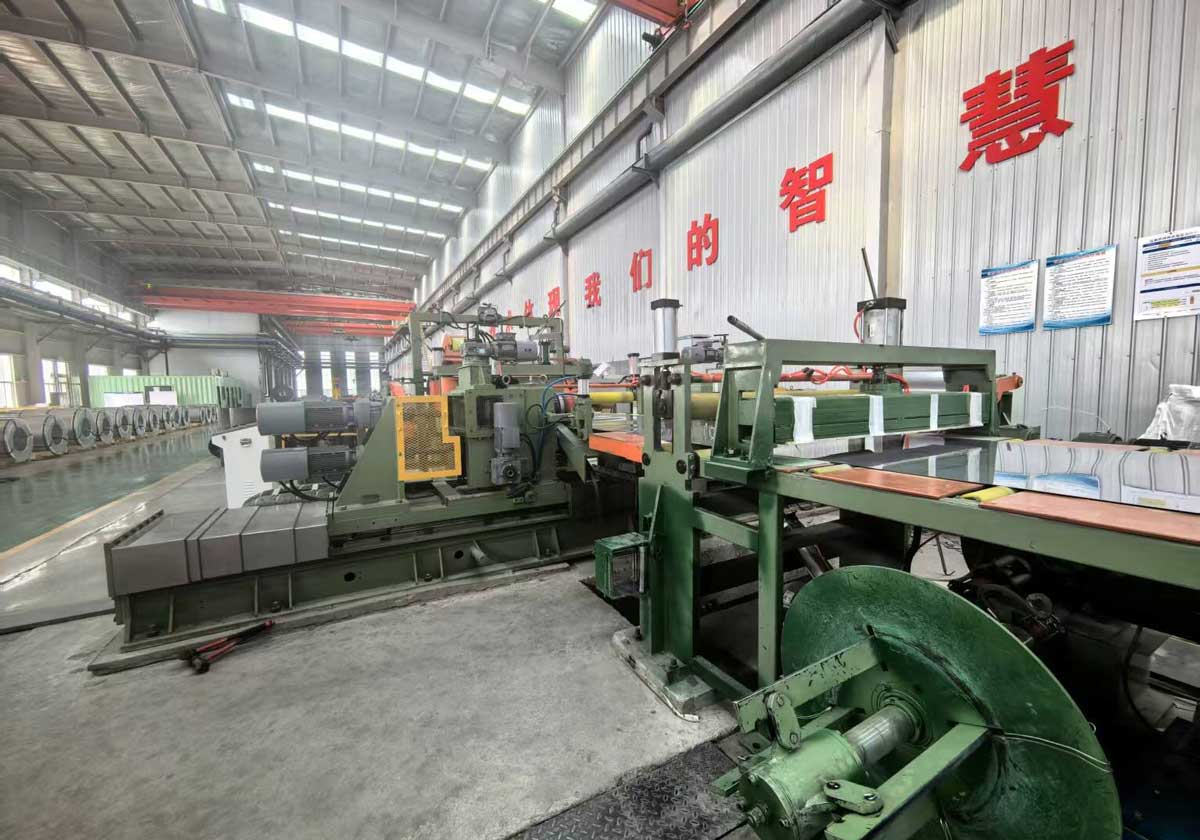
Slitting Line
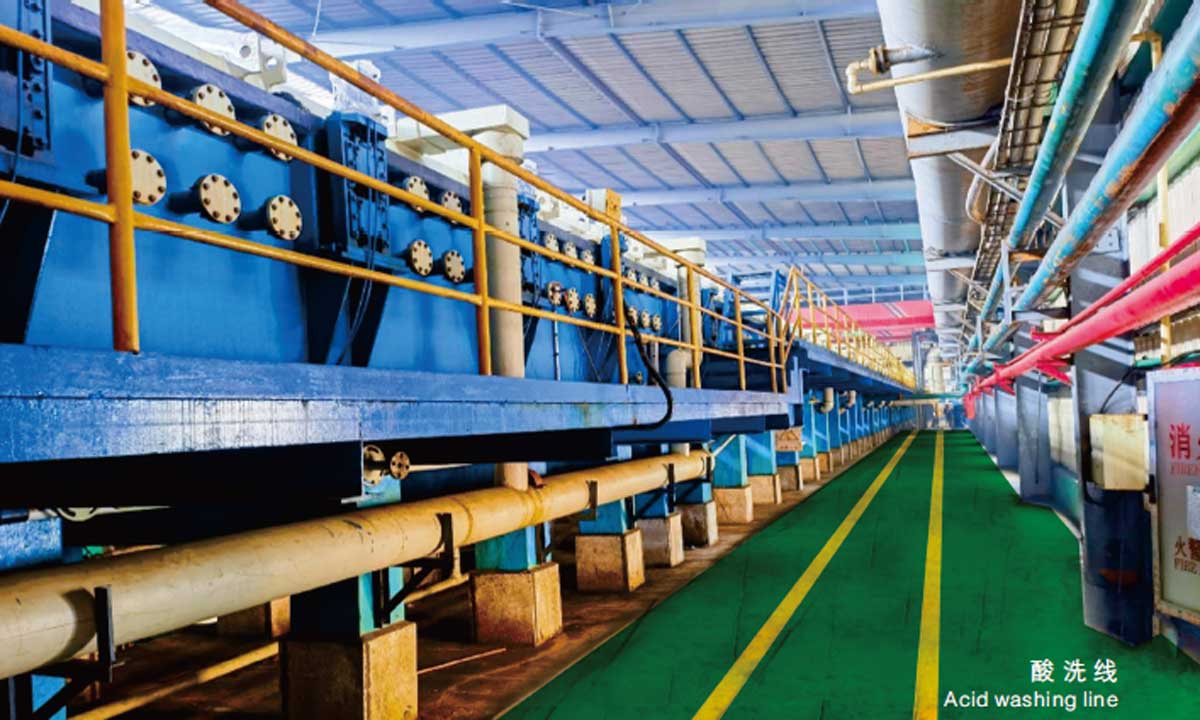
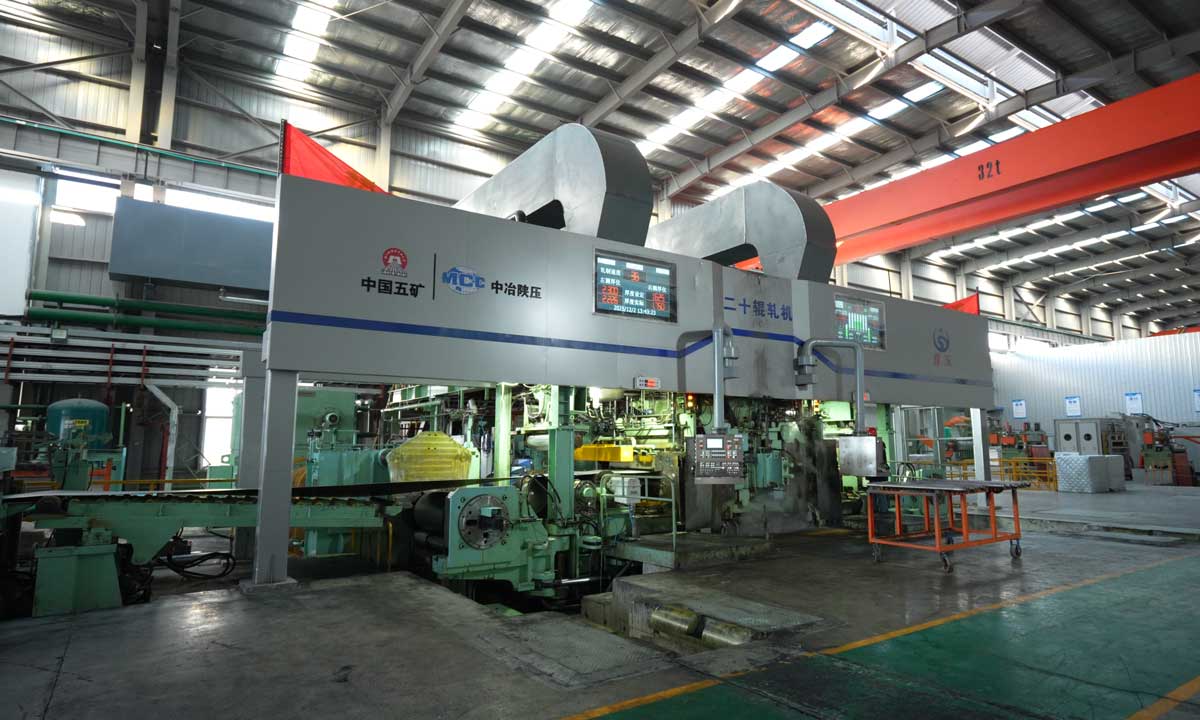
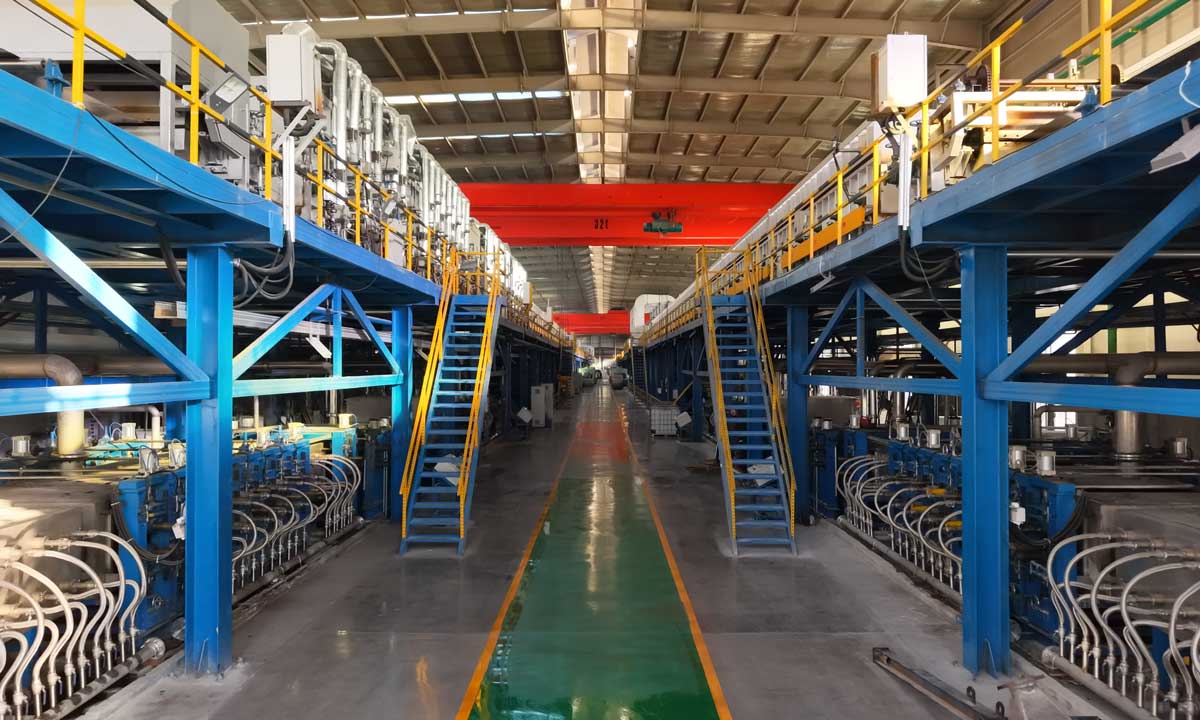
Discover our full range of oriented silicon steel solutions tailored for the power generation industry.