Leave Your Message
-
Contact Phone
-
 Contact Email
In the highly specialized realms of high-fidelity (Hi-Fi) audio equipment and precision electronics, the quality of internal components dictates the ultimate performance of the device. Among these critical components, the Silicon Metal Sheet (often referred to as electrical steel or silicon steel) stands as the foundational material for audio transformers, power supplies, and high-sensitivity electronic sensors. The application of Silicon Metal Sheet for Audio Transformers and Precision Electronics is a testament to how advanced metallurgical engineering directly influences electromagnetic efficiency and acoustic purity.
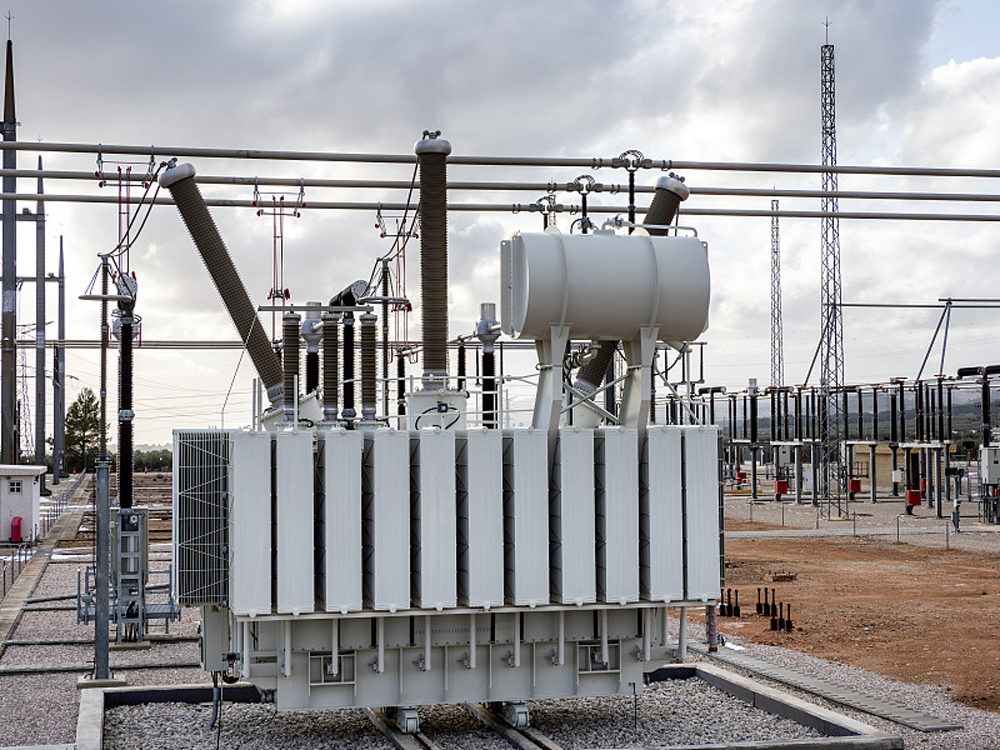
Audio transformers, particularly output transformers used in high-end vacuum tube amplifiers, require magnetic cores that can handle complex audio frequency signals with minimal distortion. The core material must exhibit high magnetic permeability, exceptionally low hysteresis loss, and minimal eddy current loss. This is where specialized silicon metal sheets, particularly Cold-Rolled Grain-Oriented (CRGO) and High Magnetic Induction (Hi-B) silicon steels, become indispensable. By meticulously controlling the grain structure of the steel at a microscopic level, manufacturers can create a path of least resistance for magnetic flux, ensuring that the delicate nuances of an audio signal are preserved from input to output.
Sound reproduction is inherently an electromagnetic process. When an electrical audio signal passes through the primary coil of a transformer, it induces a fluctuating magnetic field in the silicon steel core. This field, in turn, induces a voltage in the secondary coil. Any imperfection in the silicon metal sheet—such as impurities, improper grain alignment, or excessive thickness—results in energy being lost as heat (core loss) or the signal becoming non-linear (harmonic distortion). Premium Silicon Metal Sheets ensure a linear magnetic response across the entire human hearing spectrum (20Hz to 20kHz), resulting in tighter bass, transparent midranges, and crystalline highs.
Established in 2022 and located in Yutian County Industrial Park, Tangshan City, Hebei Province, we are a high-tech enterprise specializing in the research, development, production, and sales of oriented silicon steel. Our commitment to excellence positions us as a critical supplier for both the global energy sector and the high-precision electronics industry.
As a core material supplier for improving the energy efficiency of distribution transformers and precision audio equipment, relying on profound technological accumulation and innovative genes, the company focuses on the high-end electromagnetic material track. Its core product, cold-rolled oriented silicon steel, with excellent low iron loss and high magnetic induction performance, has become the core support for improving the energy efficiency of transformers.
In the era of the national "dual carbon" strategy and energy-saving upgrading, we have taken the lead in the R&D and large-scale production of low iron loss and high magnetic induction oriented silicon steel (Hi-B steel), breaking through energy efficiency bottlenecks.
We continue to deeply cultivate the field of electromagnetic new materials, creating long-term value for customers in the audio transformer and precision electronics sectors with excellent quality, injecting new momentum into industry development.
The debate between using Grain-Oriented (GO) versus Non-Oriented (NO) silicon steel is a central topic among audiophiles and electronics engineers. For power transformers within audio gear, standard CGO (Conventional Grain-Oriented) silicon steel is often sufficient. However, for the crucial output transformers in tube amplifiers, the requirements are vastly more stringent. Here, the Silicon Metal Sheet must accommodate a DC bias current while simultaneously transforming the AC audio signal. This requires a precise air gap in the core assembly and a material that does not easily saturate.
Hi-B (High Magnetic Induction) Silicon Steel has emerged as the gold standard for these applications. Hi-B steel is engineered to have a sharper crystallographic orientation compared to standard CGO. This results in a higher permeability at high flux densities and significantly lower core losses. When ultra-thin Hi-B silicon metal sheets (such as 0.23mm or even 0.18mm gauges) are utilized in audio transformers, they drastically reduce eddy currents. Eddy currents are localized circular currents induced within the core material that oppose the main magnetic field, smearing transient audio responses and degrading sonic clarity. By utilizing ultra-thin, highly insulated silicon metal sheets, audio manufacturers can achieve lightning-fast transient responses, ensuring that rapid musical attacks—like the strike of a snare drum or the pluck of a guitar string—are reproduced with lifelike accuracy.
The application of Silicon Metal Sheets extends far beyond the audiophile market into the realm of precision electronics. In modern industrial, medical, and aerospace sectors, electronic sensors and measurement devices demand absolute magnetic stability. For instance, precision current transformers (CTs) used in smart grid metering require core materials with highly linear magnetization curves to ensure accurate billing and power monitoring. Even minor magnetic deviations in the silicon steel core can result in significant measurement errors over time.
Furthermore, in medical imaging equipment such as MRI (Magnetic Resonance Imaging) machines, and in aerospace navigation systems, electromagnetic interference (EMI) shielding is critical. Specialized silicon metal sheets are often employed to create magnetic shields that protect highly sensitive solid-state electronics from external magnetic fields. The high permeability of the silicon metal sheet allows it to effectively absorb and redirect stray magnetic flux away from critical precision components. As the Electric Vehicle (EV) market continues to expand, the demand for ultra-efficient, low-loss silicon steel for onboard chargers, DC-DC converters, and precision motor control sensors is skyrocketing, creating a robust commercial landscape for advanced electromagnetic materials.
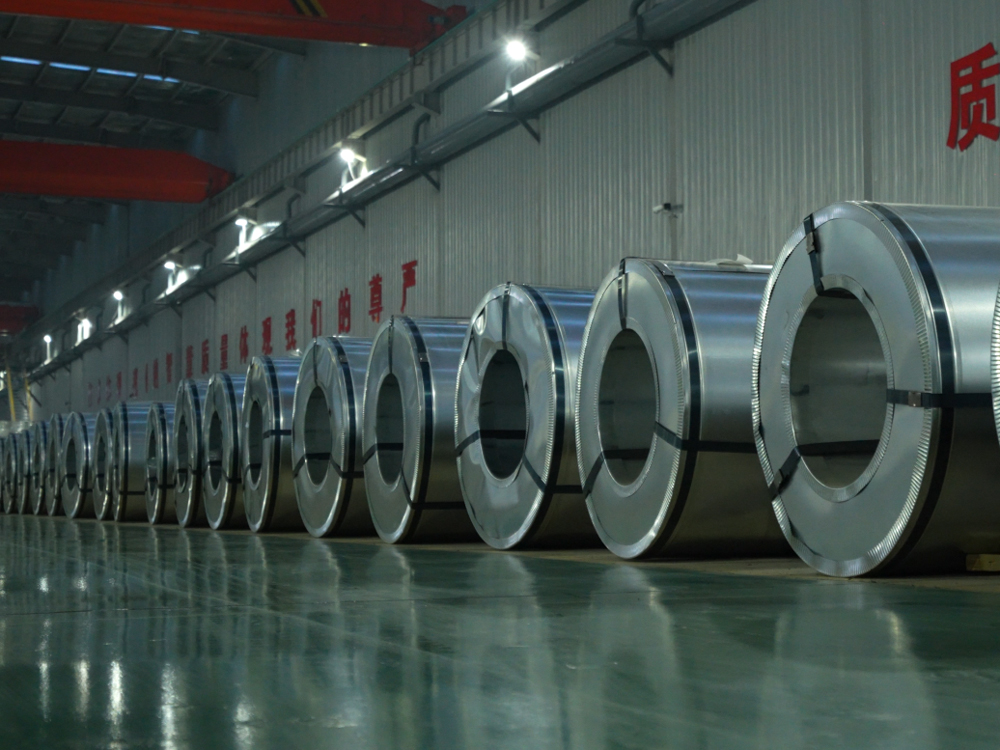
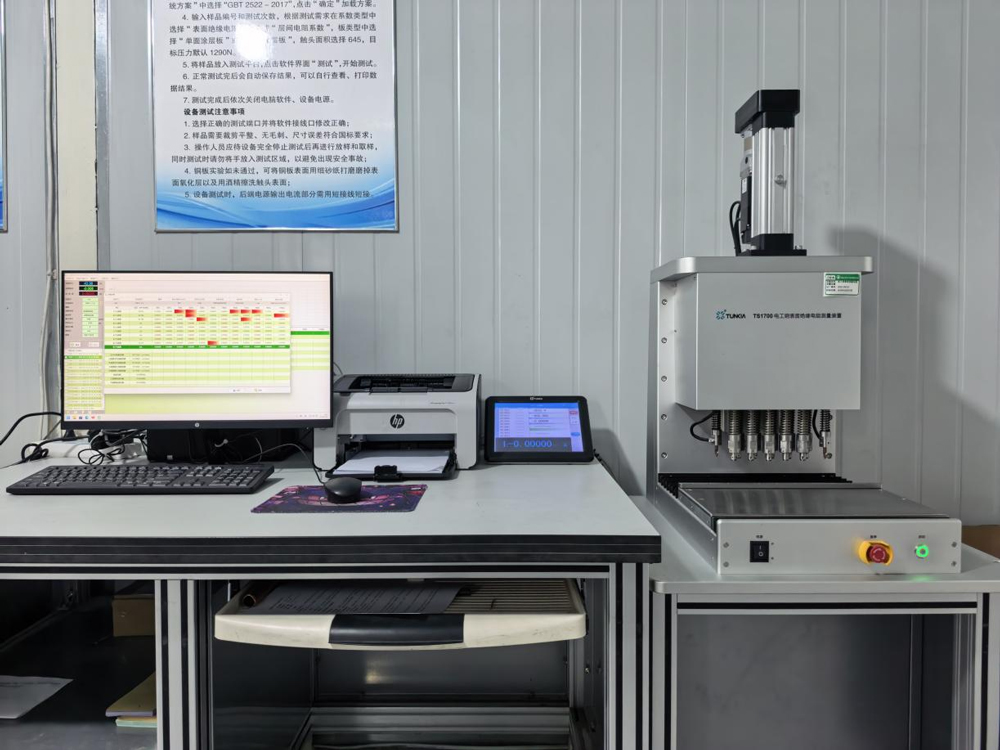
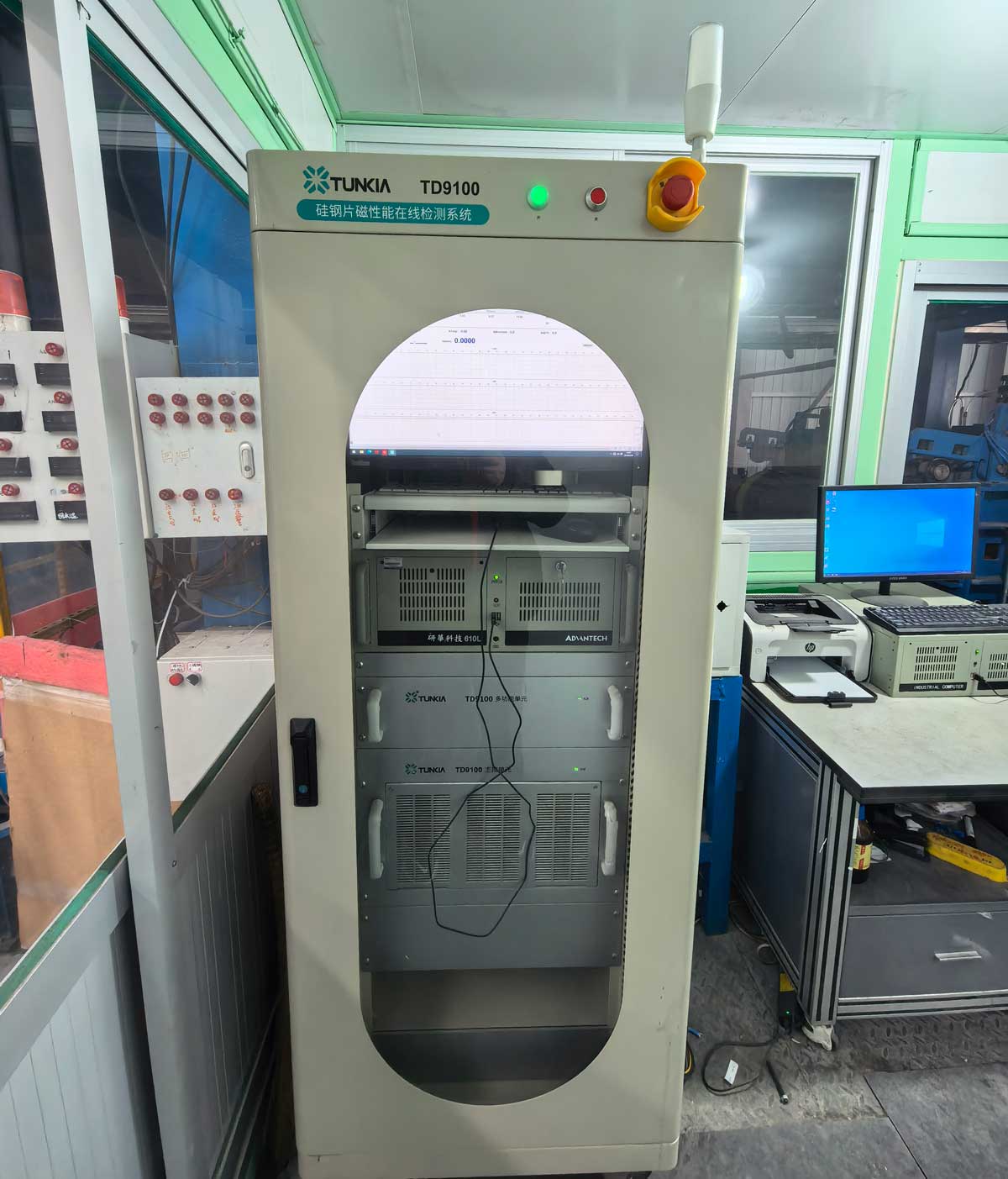
For precision electronics and audio applications, microscopic imperfections can lead to macroscopic failures. Our state-of-the-art laboratories ensure every batch of Silicon Metal Sheet meets exacting global standards.
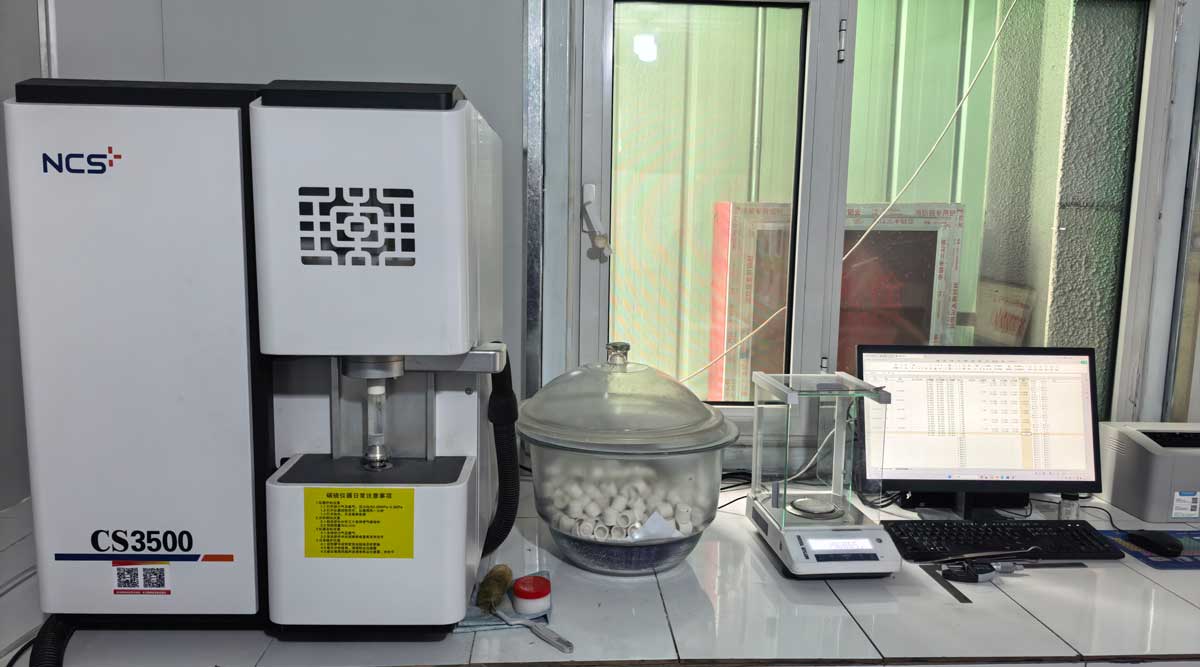
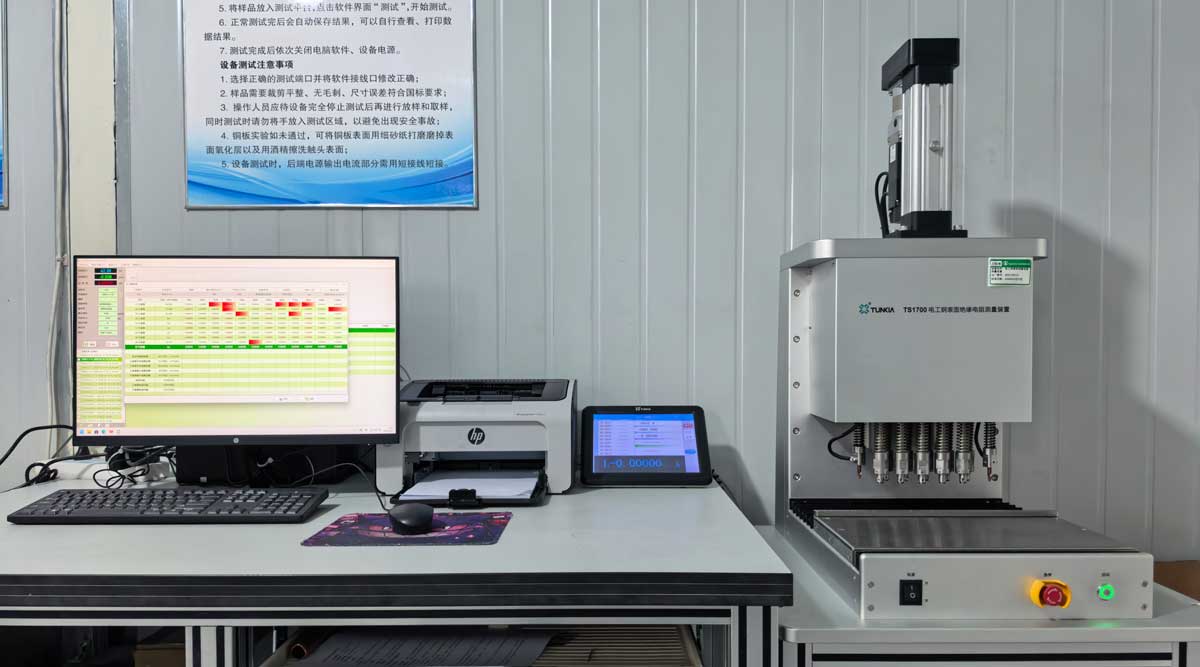
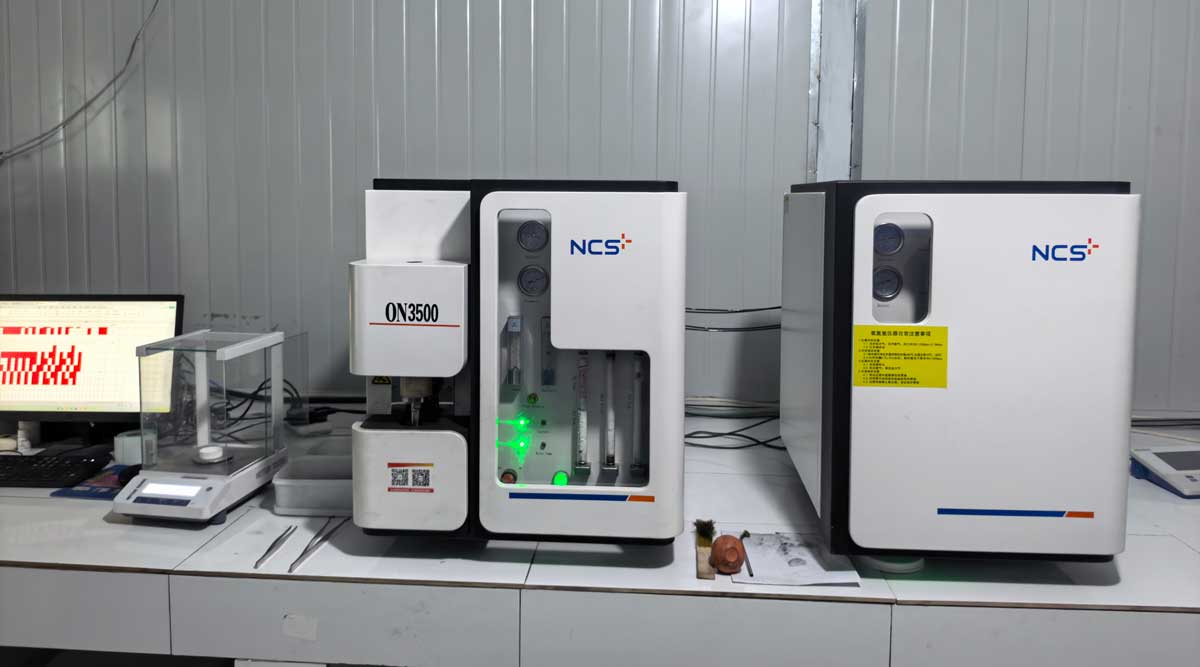
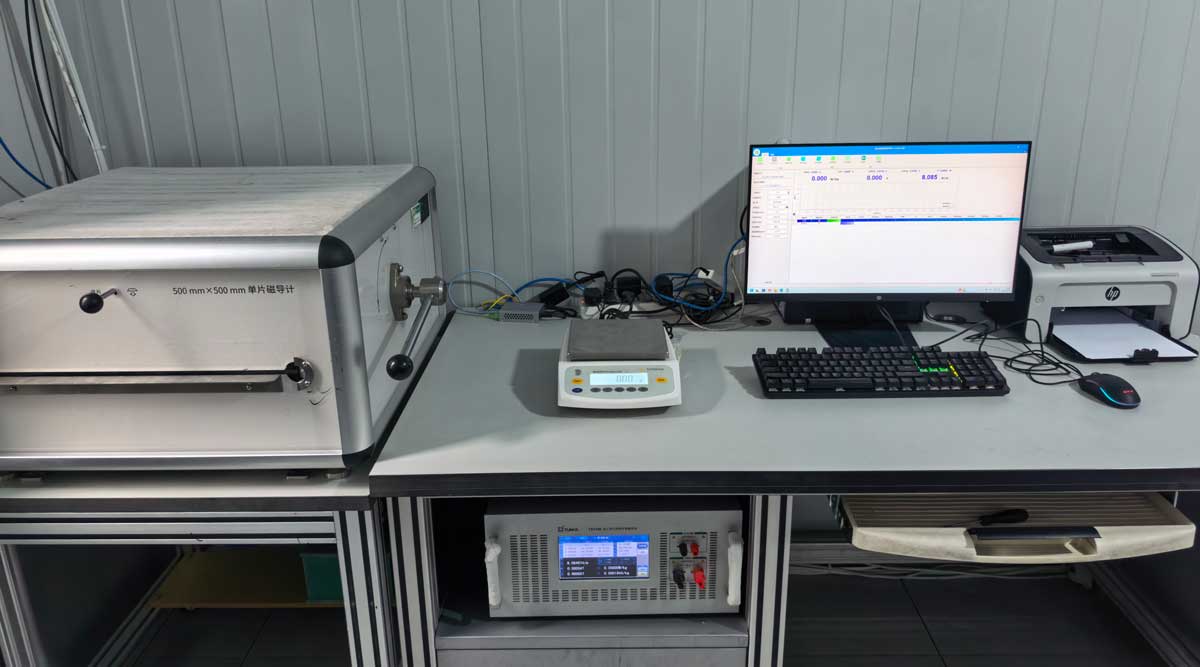
The global market for Silicon Metal Sheets tailored for Audio Transformers and Precision Electronics is experiencing unprecedented growth. Historically, the silicon steel market was dominated by the heavy power generation and distribution sectors. However, the miniaturization of electronics, the resurgence of high-end analog audio, and the explosive growth of green energy technologies have created a highly lucrative niche for premium-grade, ultra-thin oriented silicon steel.
From a commercial standpoint, the supply chain for these specialized materials is highly consolidated. Only a select few manufacturers globally possess the advanced metallurgical know-how and the capital-intensive rolling mills required to produce Hi-B steel with thicknesses below 0.27mm. This scarcity, coupled with rising demand from the EV and precision sensor markets, has elevated high-grade silicon metal sheets from a basic commodity to a strategic industrial asset. Companies producing high-end audio transformers in Japan, Europe, and North America rely heavily on consistent, high-purity silicon steel imports, making reliable partnerships with advanced material manufacturers like Tangshan Shouyu absolutely critical.
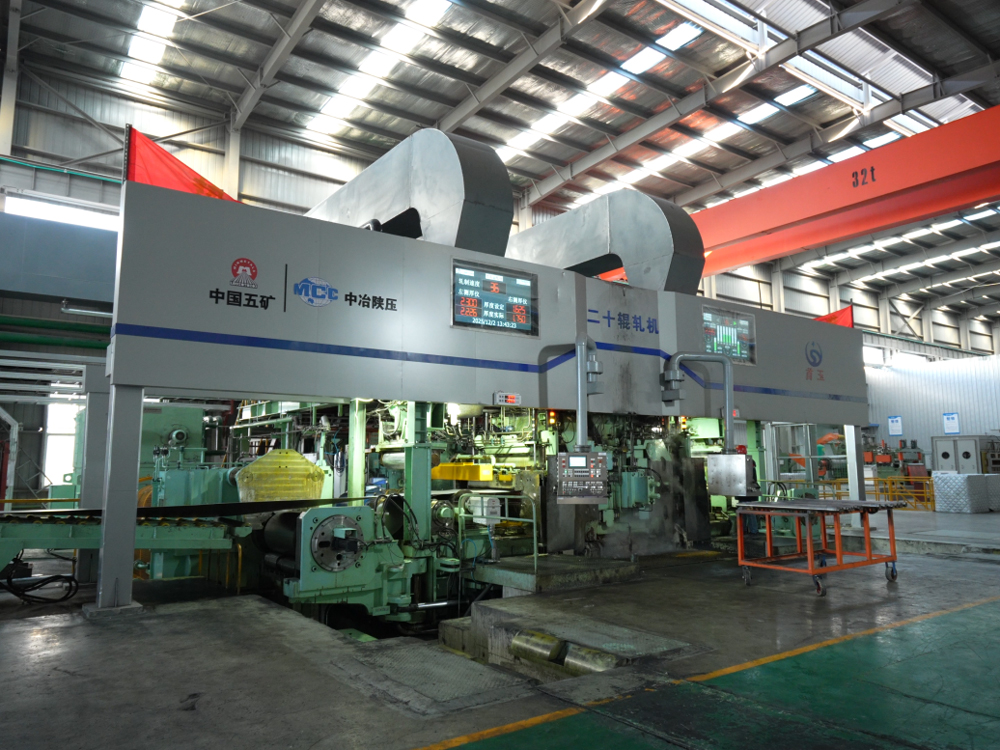
Looking toward the future, the development of Silicon Metal Sheets for precision applications is focused on several key technological frontiers. First is the push for ultra-thin gauges. While 0.23mm is currently standard for high-end applications, research is pushing towards 0.15mm and below to virtually eliminate eddy current losses at higher frequencies. Second is Laser Domain Refinement. By using precision lasers to irradiate the surface of the silicon steel, manufacturers can artificially refine the magnetic domains, significantly lowering core loss without altering the physical thickness of the sheet. Lastly, the integration of Artificial Intelligence (AI) in manufacturing is revolutionizing quality control. AI-driven optical inspection and real-time magnetic flux monitoring during the rolling process ensure that every inch of the silicon metal sheet exhibits uniform electromagnetic properties, a critical requirement for precision electronics.
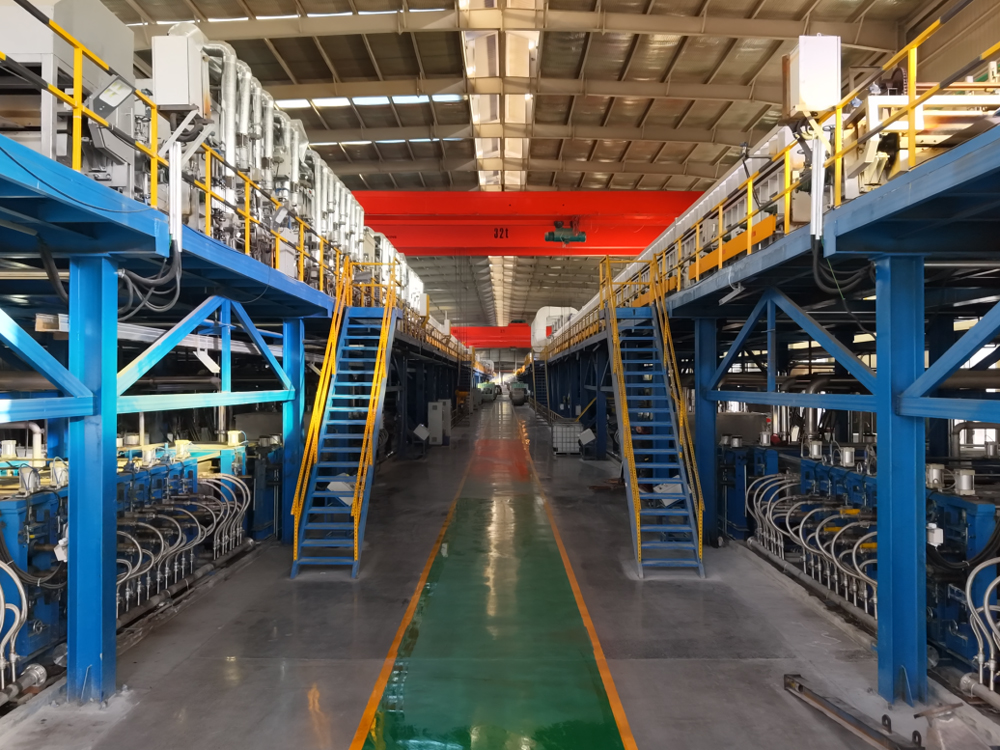
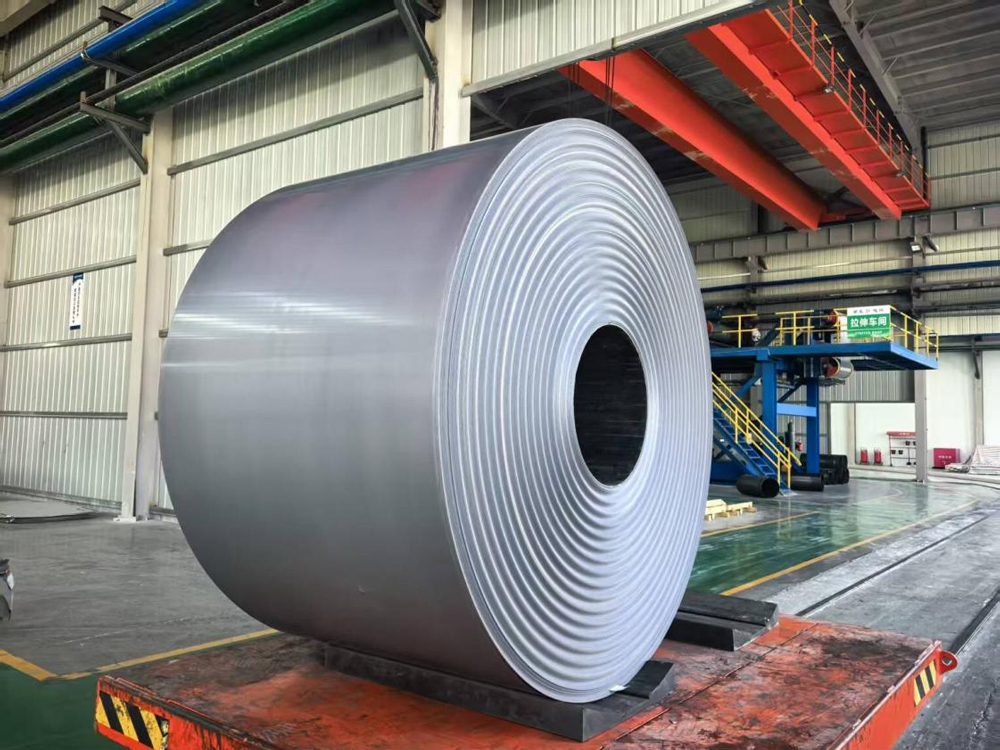
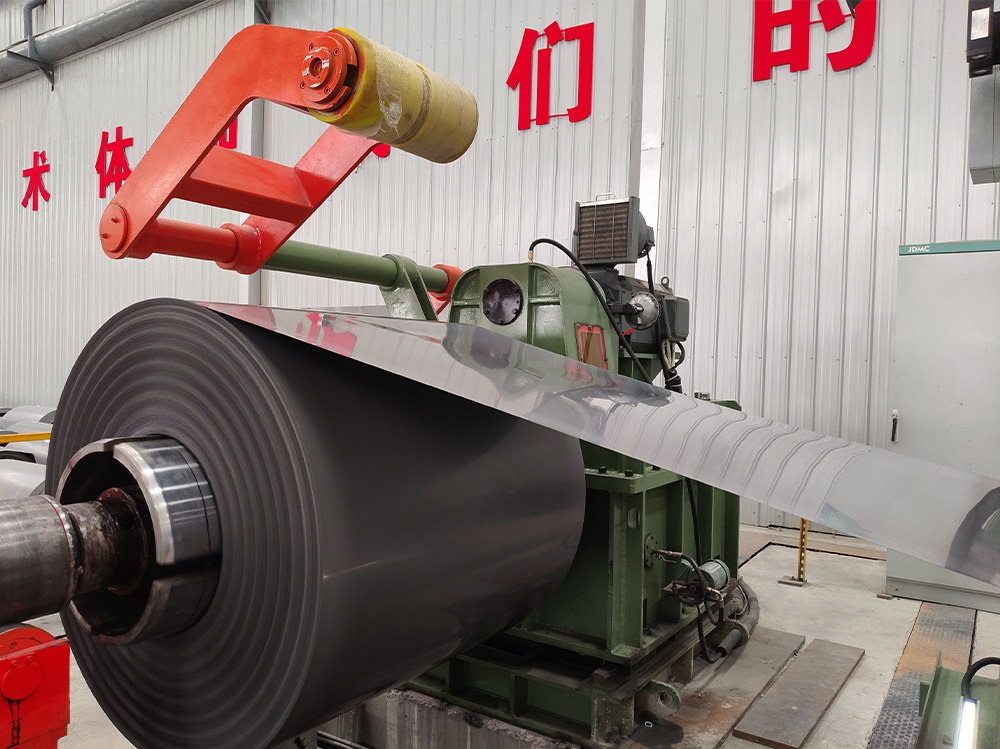
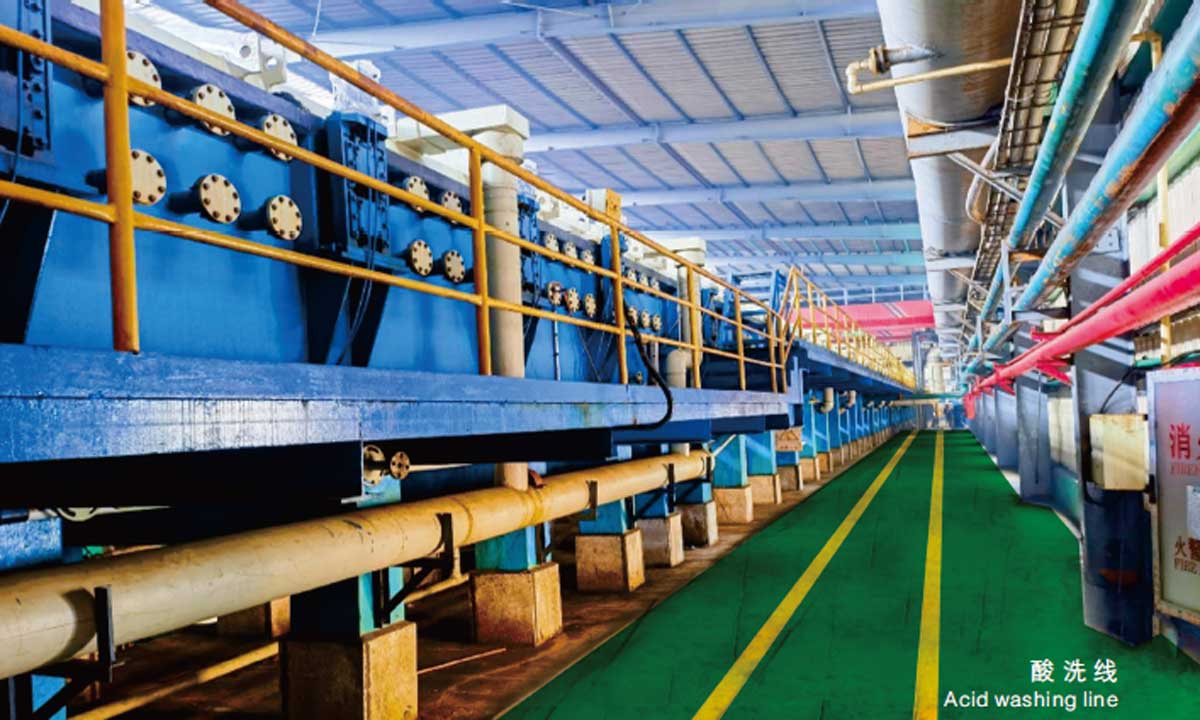
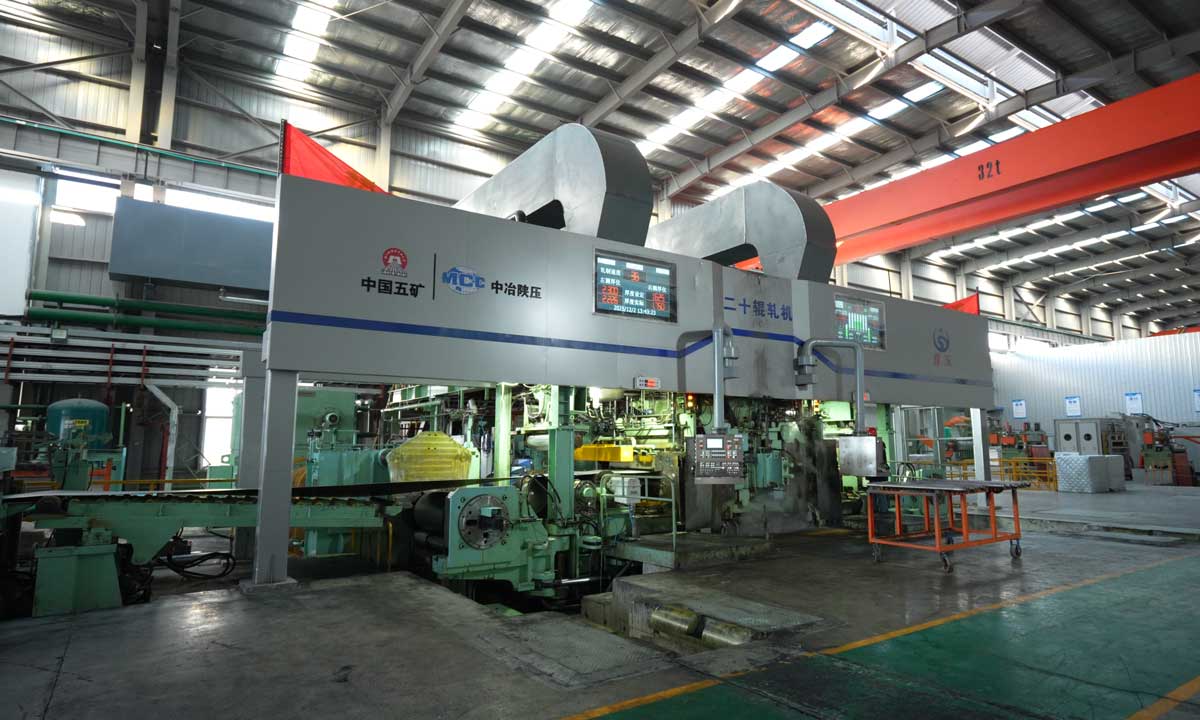
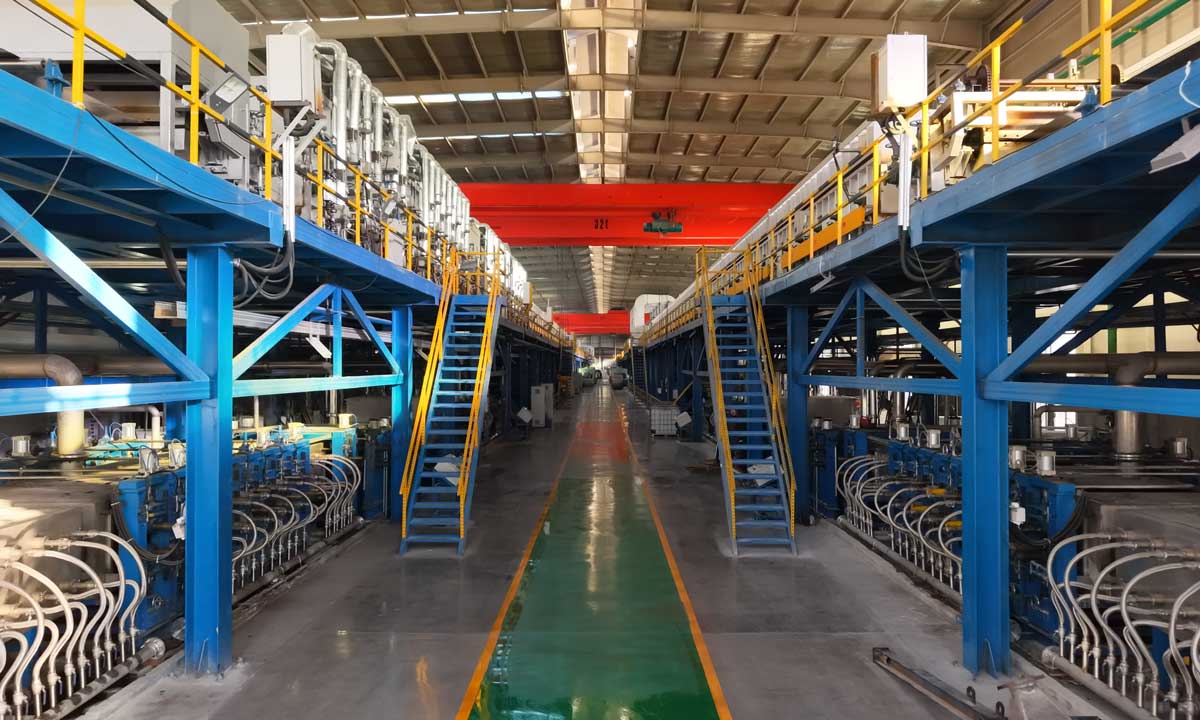
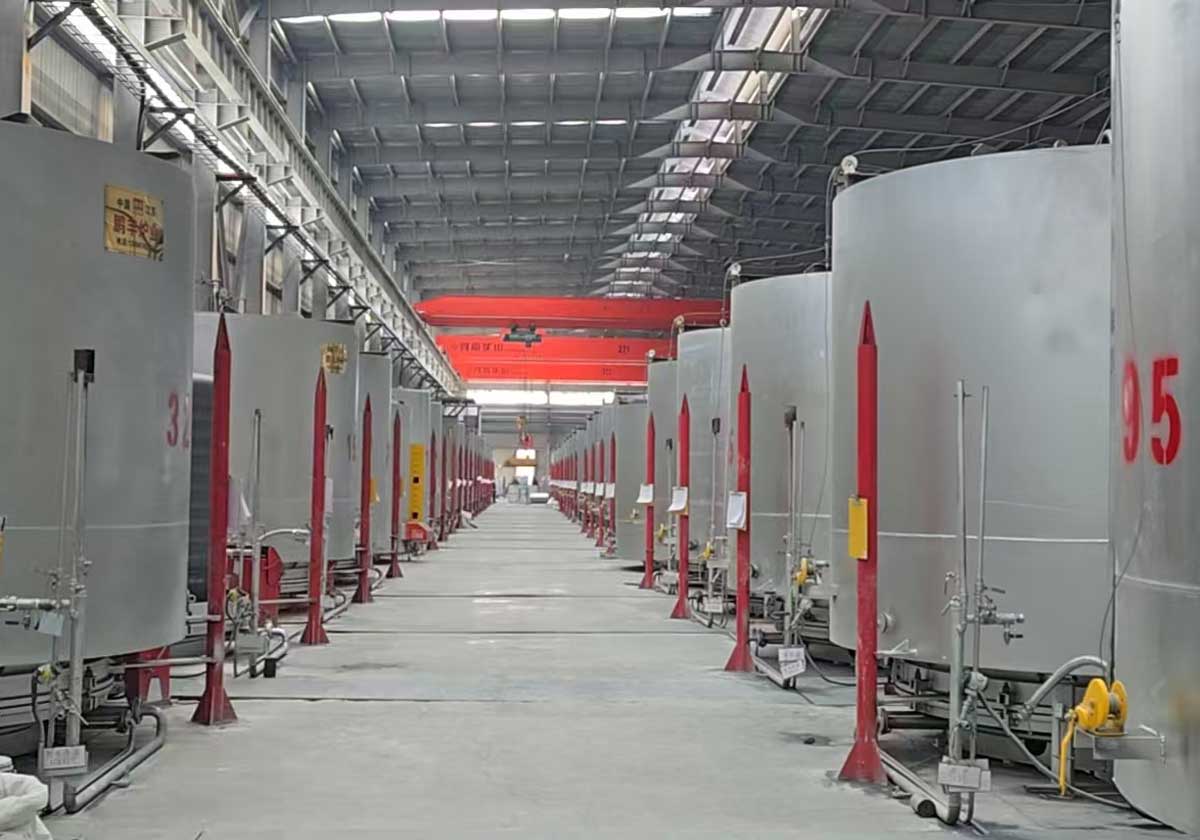
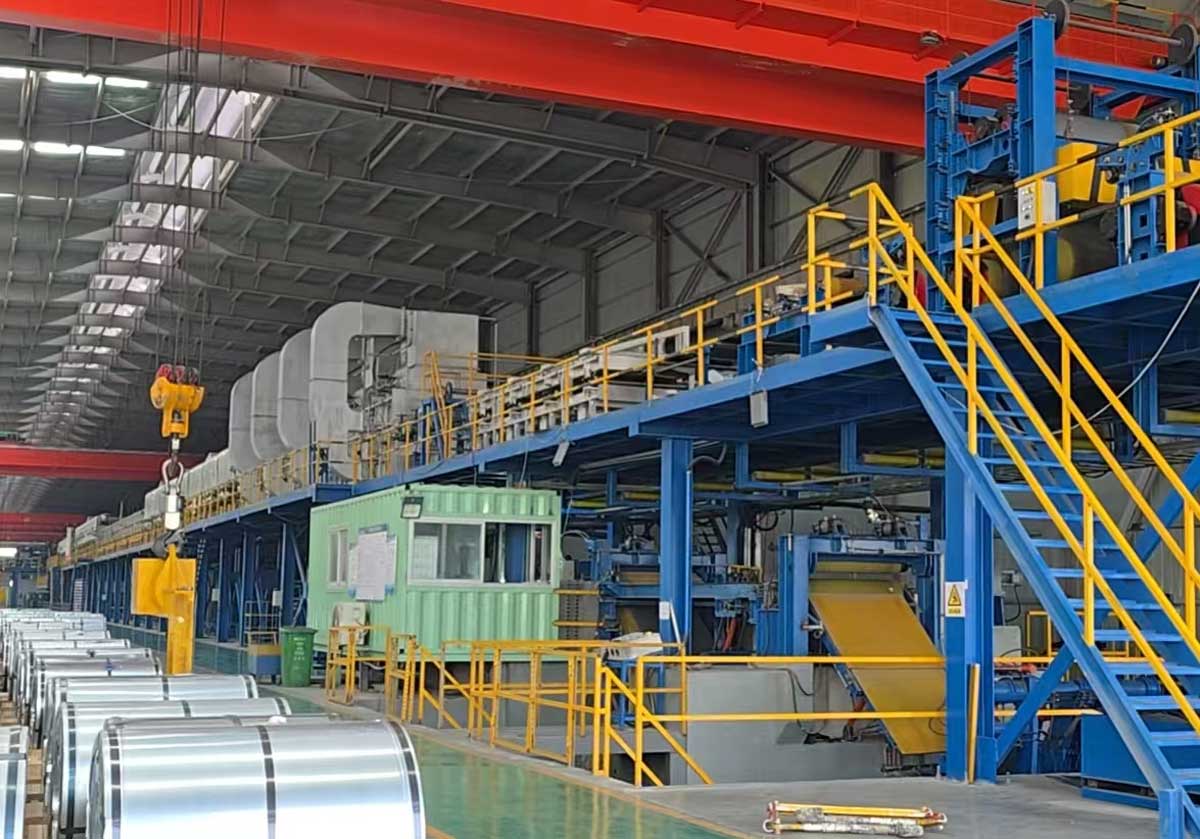
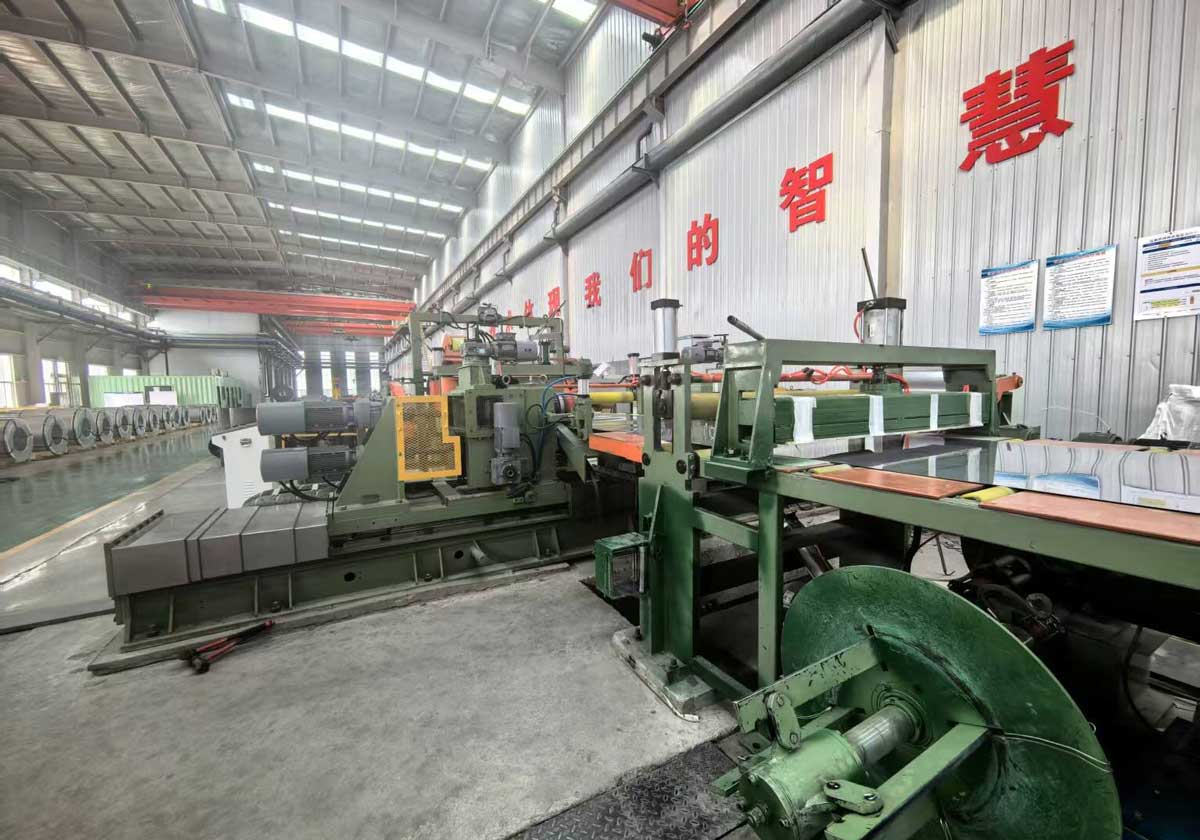
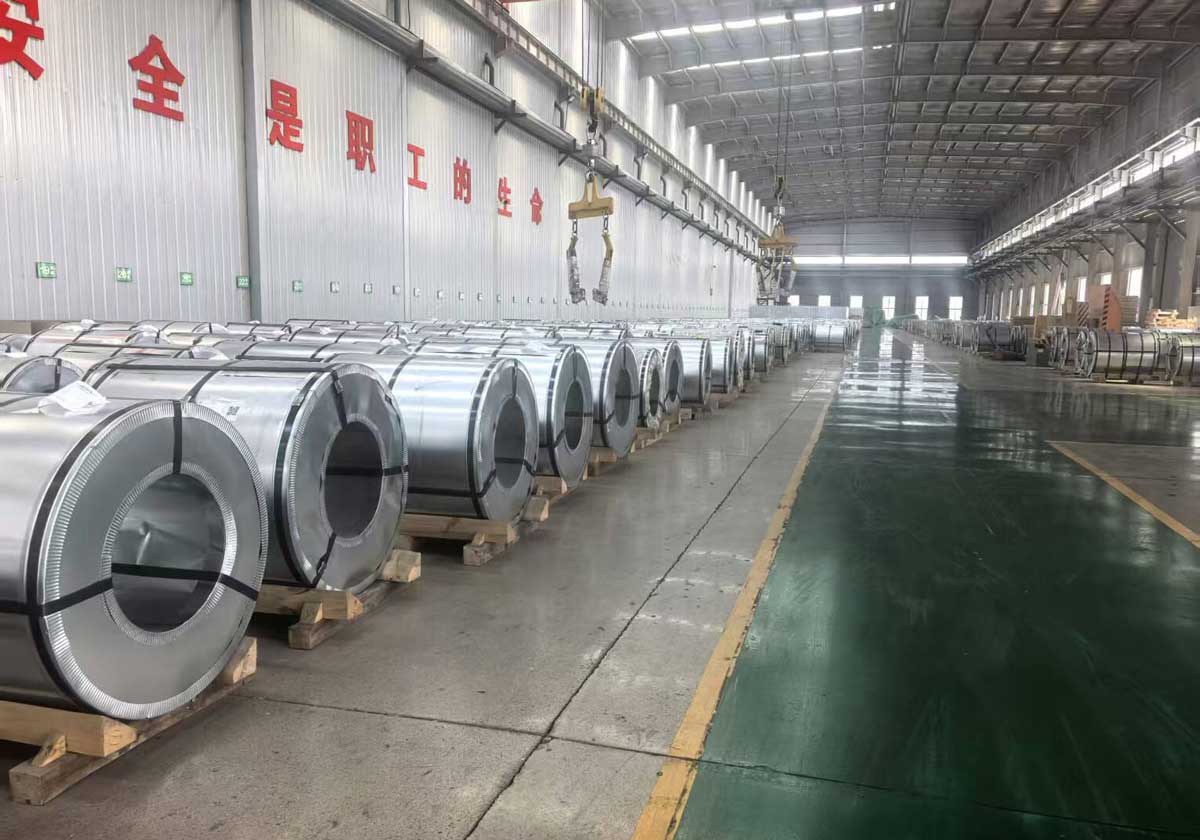
Manufacturing Silicon Metal Sheets for audio and precision electronics requires absolute control over temperature, tension, and chemical composition. Our production line represents the pinnacle of modern metallurgical engineering.


After the reform and opening-up, the first-generation founders established a plastic packaging company.
The water conservation business was launched and successfully went public under the leadership of the second-generation leadership team.
Entered the steel industry, evolving from steel smelting to deep processing (elevator guide rail steel, automotive spring steel, galvanized strip steel).
Started real estate development and operation business.
Entering the cold chain warehousing and transportation industry.
The deep processing of steel is officially extended to the highly specialized field of Silicon Steel for electromagnetic and precision applications.