Leave Your Message
-
Contact Phone
-
 Contact Email
-
 Contact Whatsapp
The global transition toward sustainable and renewable energy sources has catalyzed unprecedented advancements in material sciences. At the forefront of this technological renaissance is Silicon Manganese Steel, a highly specialized electromagnetic alloy that has become indispensable in the manufacturing of high-efficiency solar inverters, wind turbine generators, and large-scale energy storage systems. As the world aggressively pursues carbon neutrality and the "dual carbon" strategy, the demand for materials that can minimize energy dissipation and maximize conversion efficiency has skyrocketed. Silicon Manganese Steel, particularly the advanced oriented variants such as High Magnetic Induction Grain-Oriented Silicon Steel (HiB), offers unparalleled low iron loss and superior magnetic permeability. These characteristics are not merely advantageous; they are critical for the operational viability and economic efficiency of modern renewable energy infrastructure.
In solar power generation, the photovoltaic (PV) inverter serves as the heart of the system, responsible for converting the variable direct current (DC) output of solar panels into a utility frequency alternating current (AC) that can be fed into a commercial electrical grid or used by a local, off-grid electrical network. The efficiency of this conversion process is heavily reliant on the magnetic core materials used within the inverter's transformers and inductors. Traditional materials often suffer from significant hysteresis and eddy current losses, which manifest as excess heat and reduced overall energy yield. By integrating premium Silicon Manganese Steel, manufacturers can drastically reduce these core losses. The precise microstructural control achieved through rigorous cold rolling and specialized annealing processes ensures that the magnetic domains within the steel are perfectly aligned, thereby facilitating smooth and efficient magnetic flux pathways. This translates directly to higher inverter efficiency ratings, reduced thermal management requirements, and an extended operational lifespan for the critical components of solar energy systems.
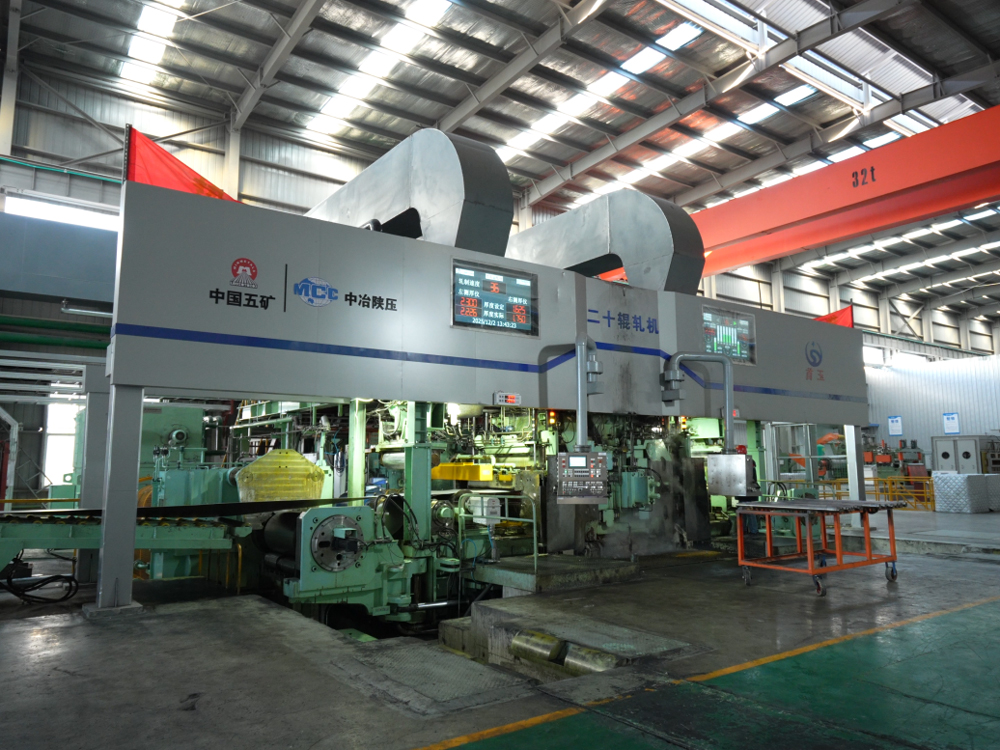
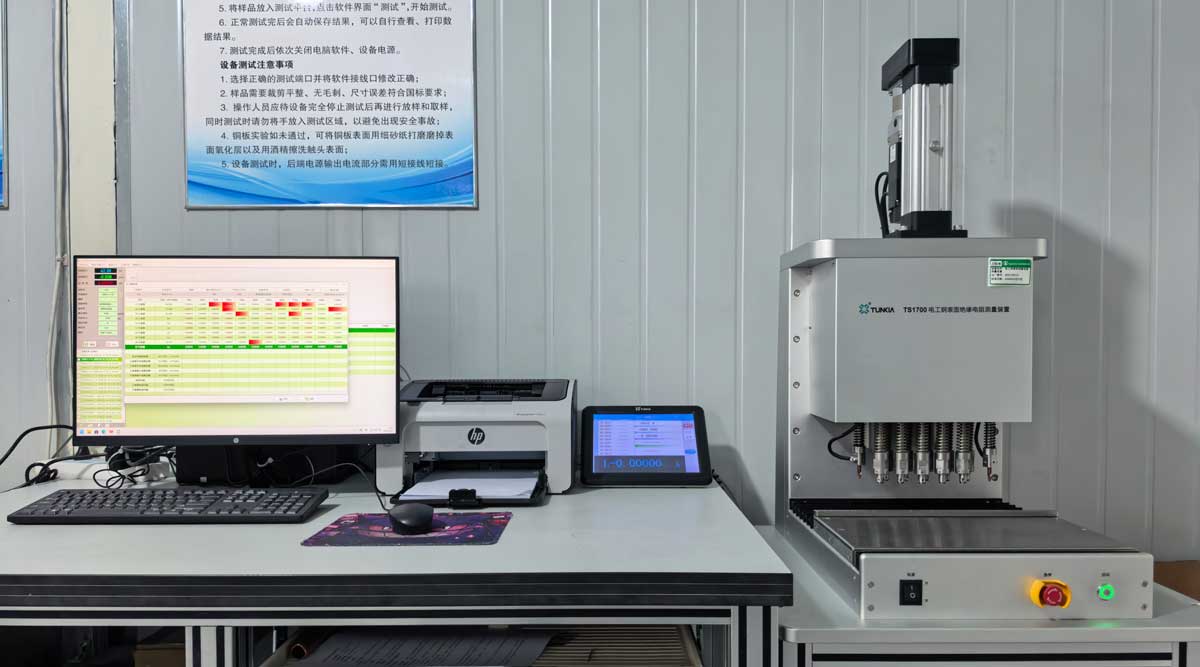
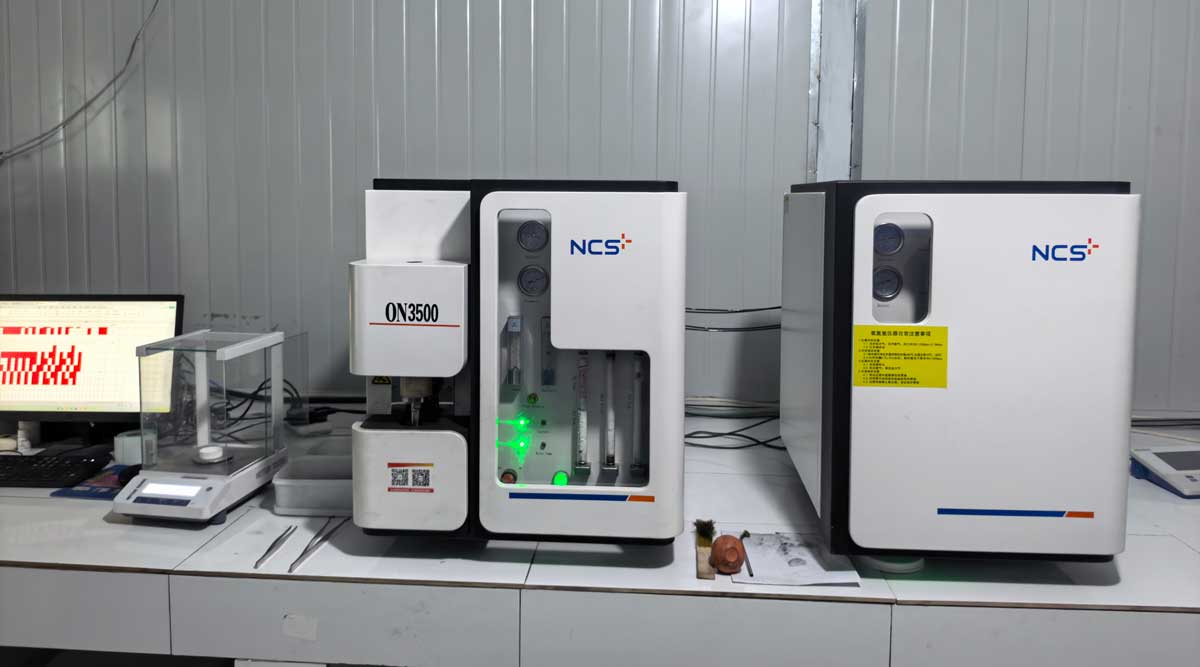
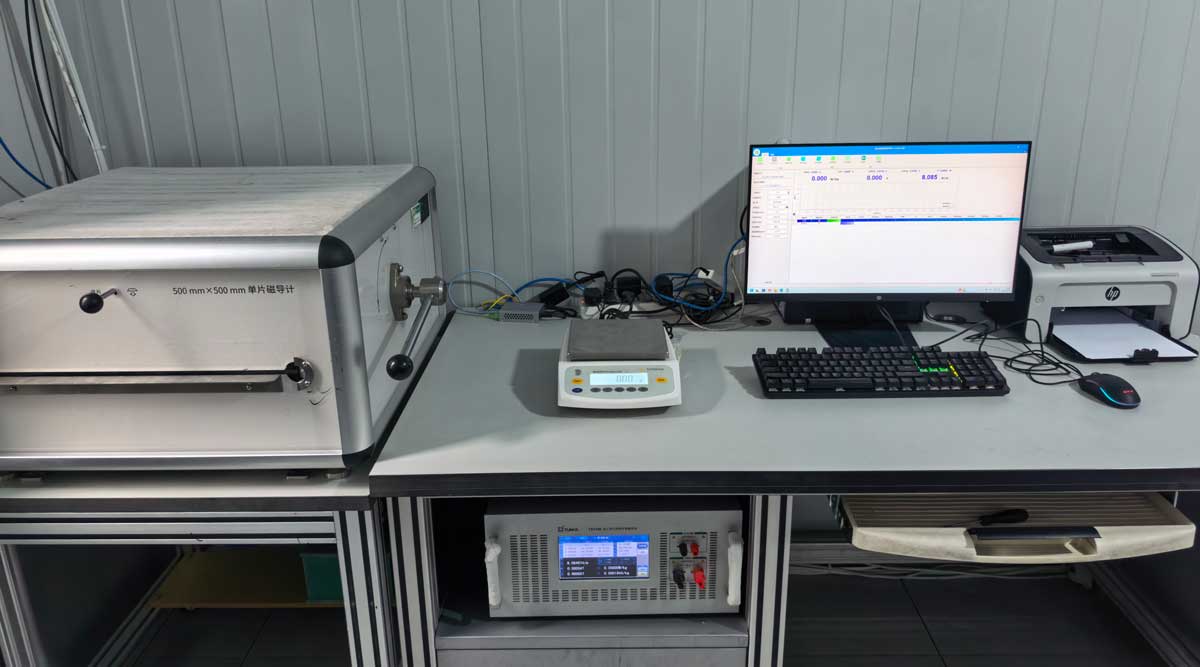
The commercial landscape for Silicon Manganese Steel tailored for renewable energy applications is experiencing exponential growth. Market analysts project a sustained double-digit compound annual growth rate (CAGR) for specialized electrical steels over the next decade, driven predominantly by the aggressive expansion of solar and wind energy capacities globally. Industry leaders are pivoting from conventional steel production to high-margin, high-tech electromagnetic materials. This shift is characterized by massive capital investments in advanced manufacturing technologies, such as continuous annealing lines, high-precision 20-roll reversible cold rolling mills, and sophisticated decarbonization and magnesium oxide coating facilities.
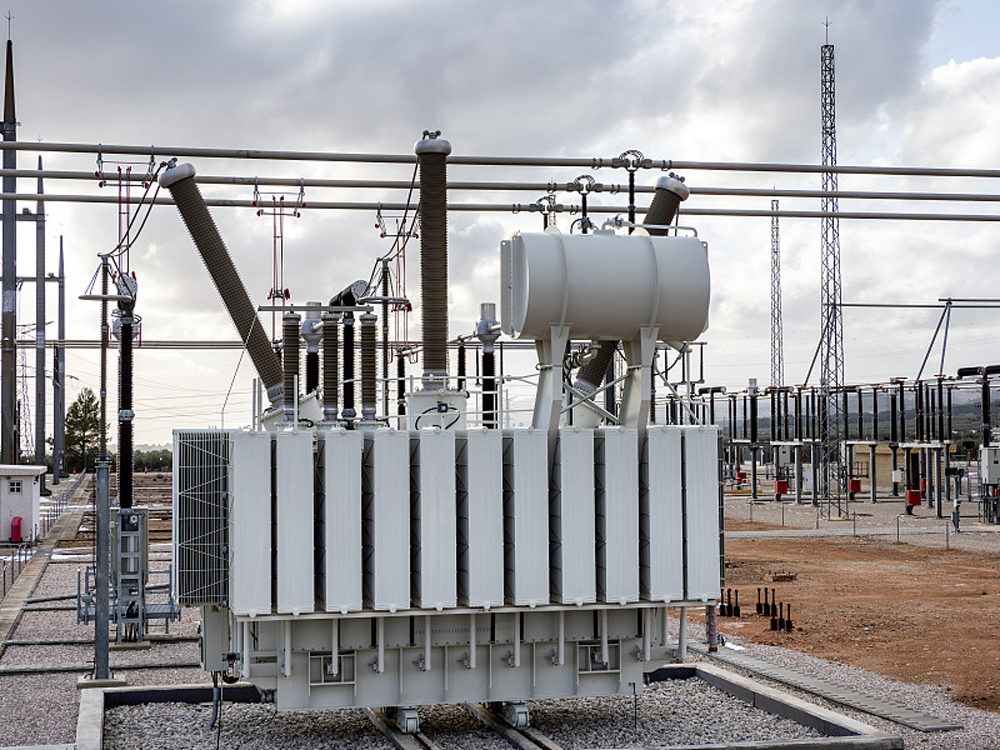
Furthermore, the industrial supply chain is becoming increasingly integrated. Companies that once solely focused on basic steel smelting are now extending their operations into deep processing and customized material engineering. This vertical integration ensures stricter quality control and faster adaptation to the evolving specifications demanded by top-tier solar inverter manufacturers. The strategic deployment of Silicon Manganese Steel is also pivotal in stabilizing the supply chain for smart grid infrastructure, where high-efficiency distribution transformers are required to manage the bidirectional power flows inherent in modern decentralized energy grids. As a result, the strategic value of high-quality Silicon Manganese Steel has transcended its material cost, becoming a critical enabler of energy security and industrial competitiveness on a global scale.
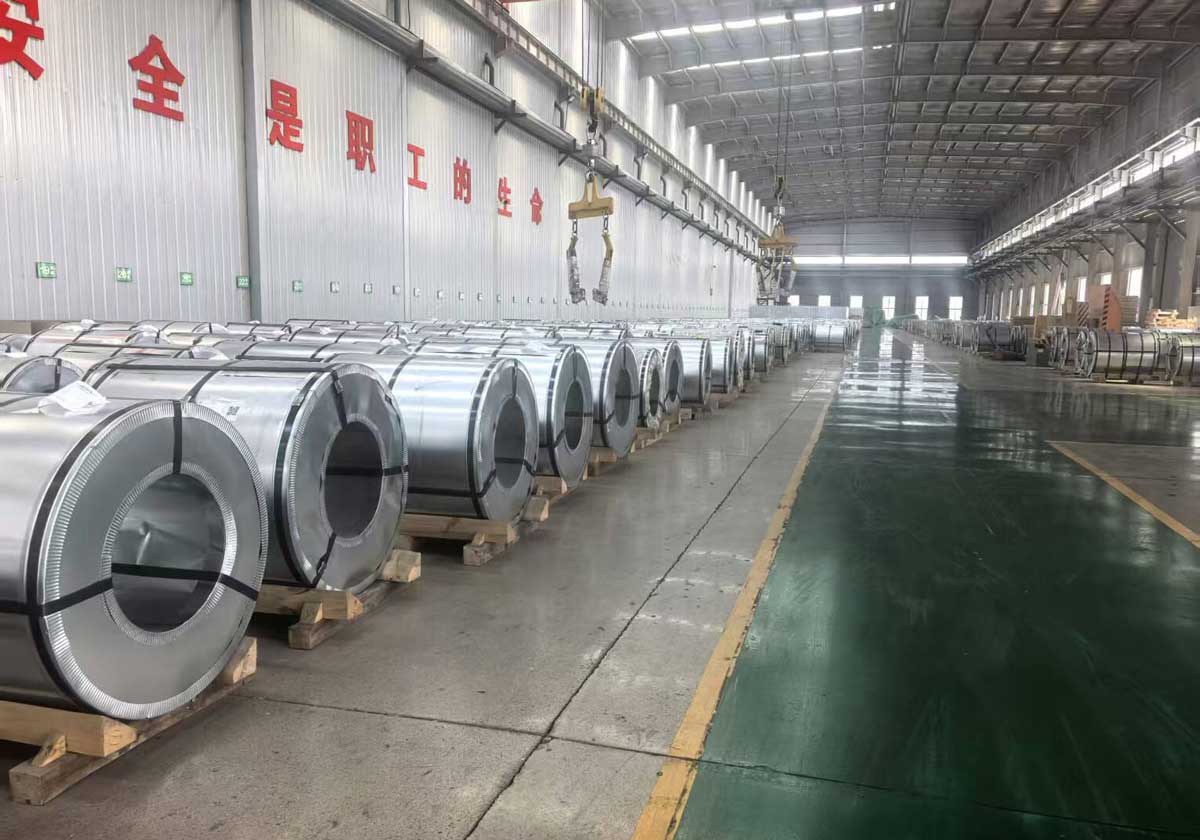
Established in 2022 and located in the dynamic Yutian County Industrial Park, Tangshan City, Hebei Province, Tangshan Shouyu Electromagnetic New Materials Co., Ltd. stands as a beacon of high-tech enterprise in the modern metallurgical landscape. We specialize in the comprehensive research, development, production, and global sales of premium oriented silicon steel. Our strategic location leverages robust industrial networks, allowing us to seamlessly integrate advanced technological research with large-scale, high-efficiency manufacturing capabilities.
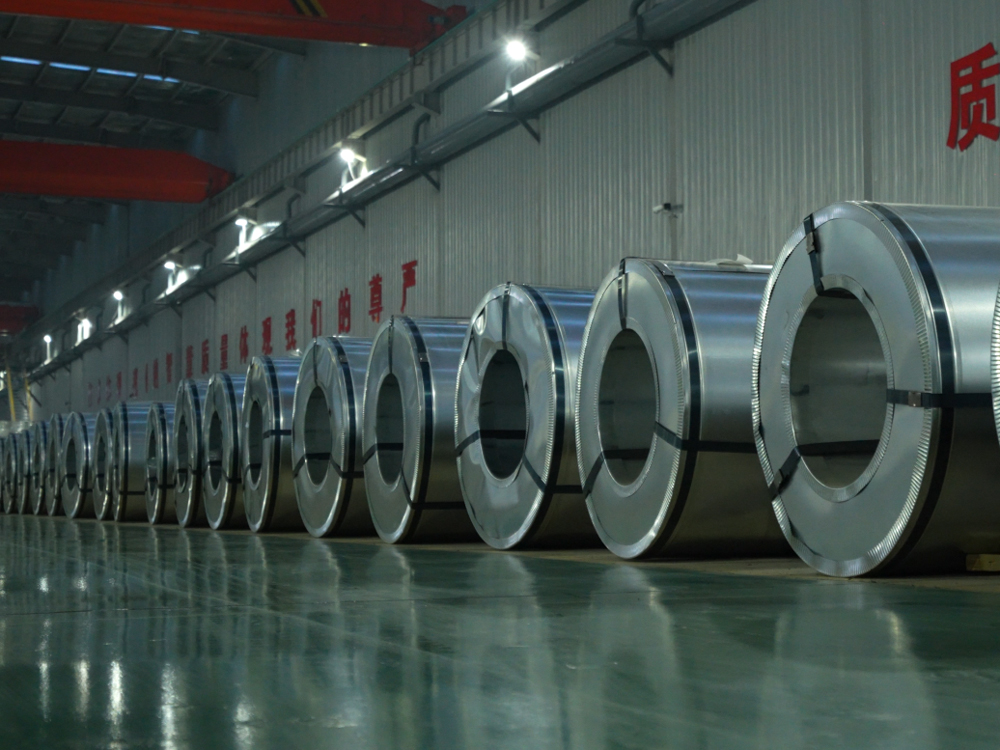
Driven by a commitment to excellence and a deep understanding of global energy trends, our company has rapidly positioned itself as a critical supplier for the renewable energy sector. We are dedicated to providing the core materials that power tomorrow's sustainable infrastructure, ensuring that every coil of steel we produce meets the exacting standards required for high-performance solar inverters, intelligent grid transformers, and next-generation electric mobility solutions.
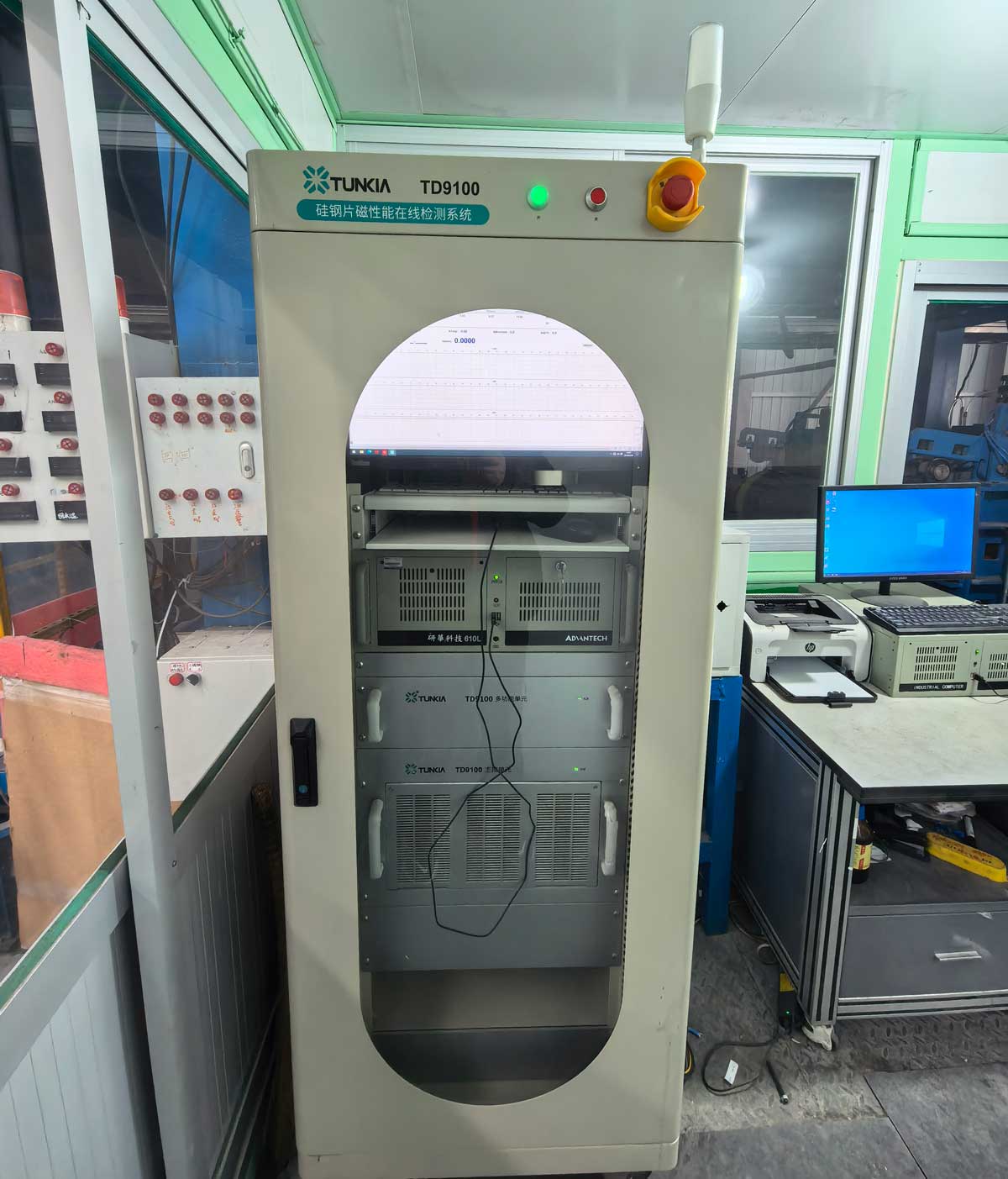
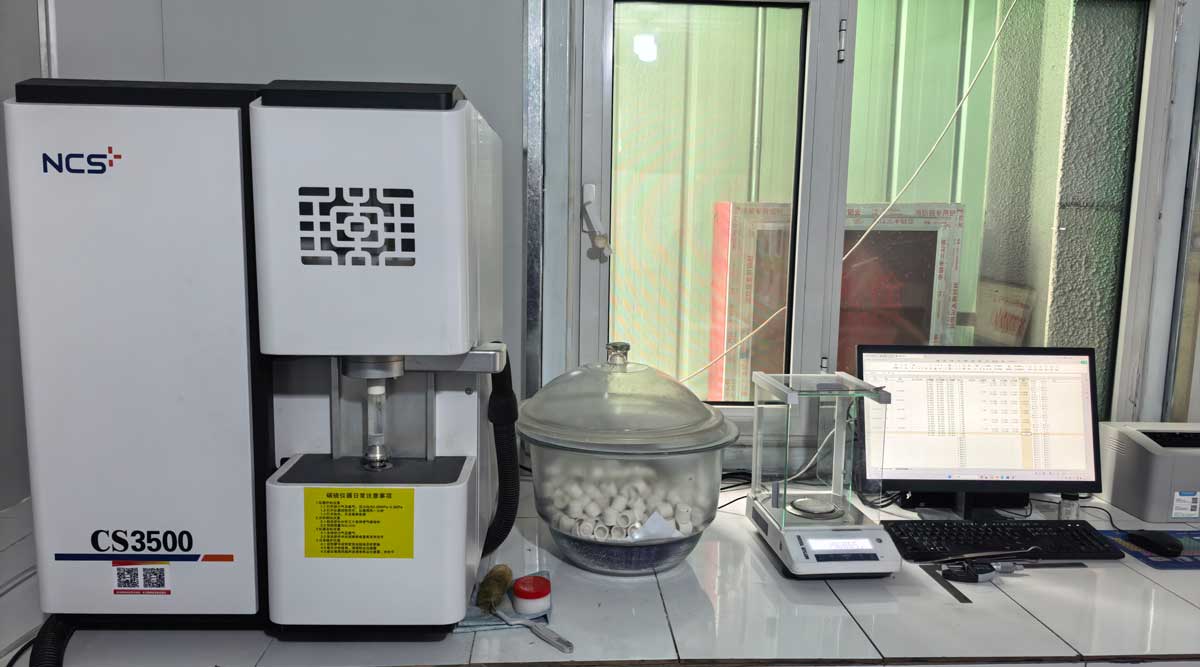

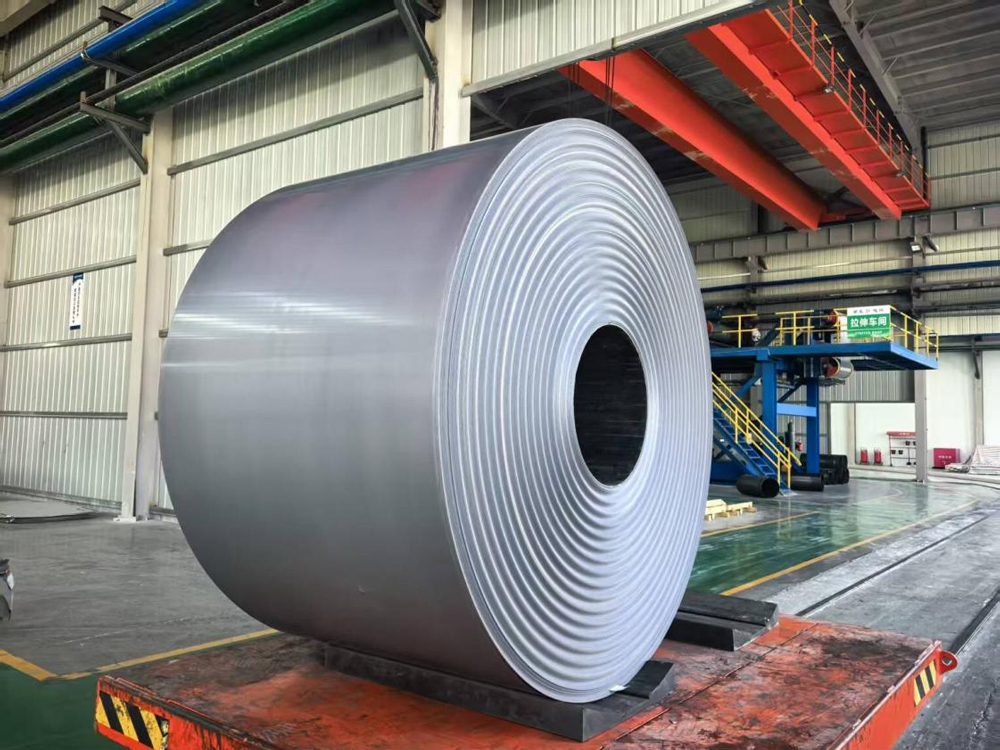
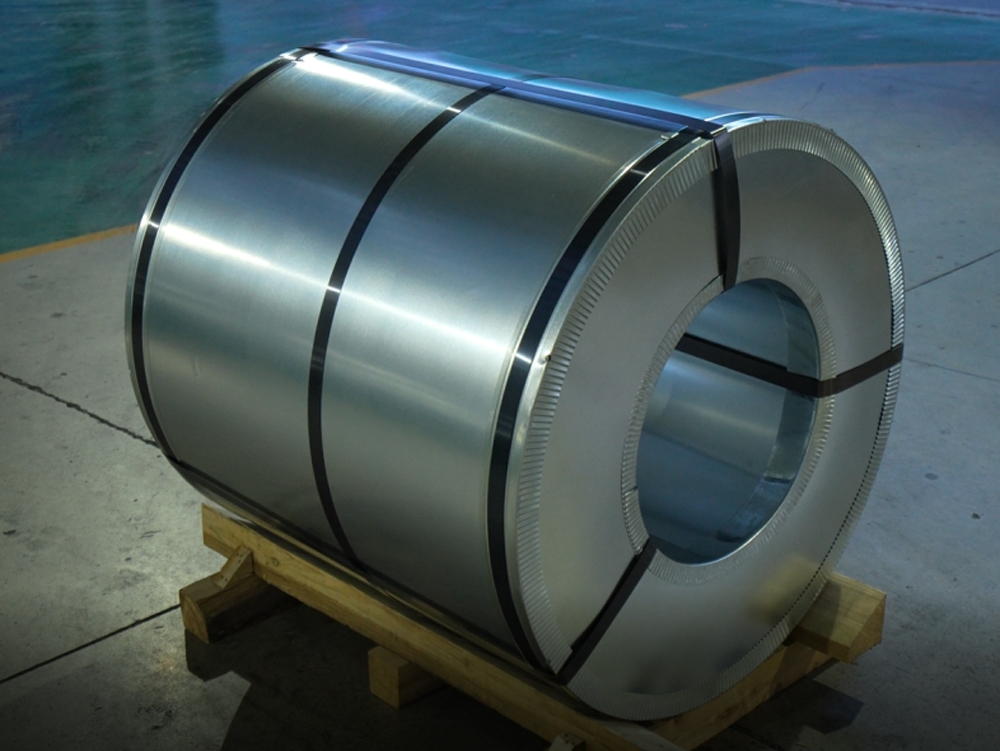
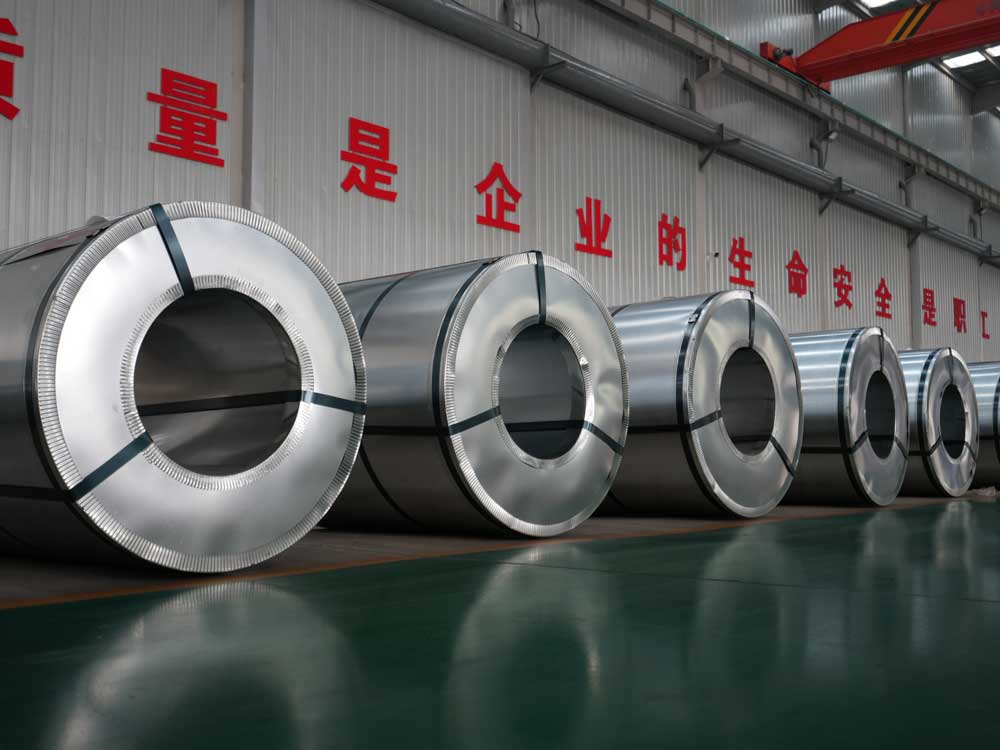
As a core material supplier for improving the energy efficiency of distribution transformers, relying on profound technological accumulation and innovative genes, the company focuses on the high-end electromagnetic material track. Its core product, cold-rolled oriented silicon steel, with excellent low iron loss and high magnetic induction performance, has become the core support for improving the energy efficiency of distribution transformers.

In the era of the national "dual carbon" strategy and energy-saving upgrading of the power grid, we have taken the lead in the R&D and large-scale production of low iron loss and high magnetic induction oriented silicon steel (Hi-B steel), using key material innovation to break through the energy efficiency bottleneck of power equipment and promote the deep transformation of the industry towards high efficiency and green development.

We always adhere to the business philosophy of "honesty and trustworthiness, always moving forward", guided by customer needs, driven by technological innovation, and working together with industry chain partners to promote the transformation of the energy industry towards green and efficient.

In the future, we will continue to deeply cultivate the field of electromagnetic new materials, create long-term value for customers with excellent quality and professional services, inject new momentum into the development of the industry, and become a trusted global electromagnetic new material partner.
The application of Silicon Manganese Steel extends far beyond basic transformers; it is the fundamental building block for a myriad of advanced renewable energy technologies. In the realm of Solar Inverters, the material's high magnetic flux density allows for the design of more compact and lighter magnetic components. This reduction in size and weight is crucial for modern string inverters and microinverters, which are often installed in space-constrained environments such as residential rooftops or integrated directly into solar panel arrays. A lighter inverter not only reduces shipping and installation costs but also minimizes the structural load on mounting systems. Furthermore, the exceptional thermal stability of high-grade oriented silicon steel ensures that these inverters can operate optimally even in extreme environmental conditions, from scorching desert solar farms to freezing high-altitude installations.
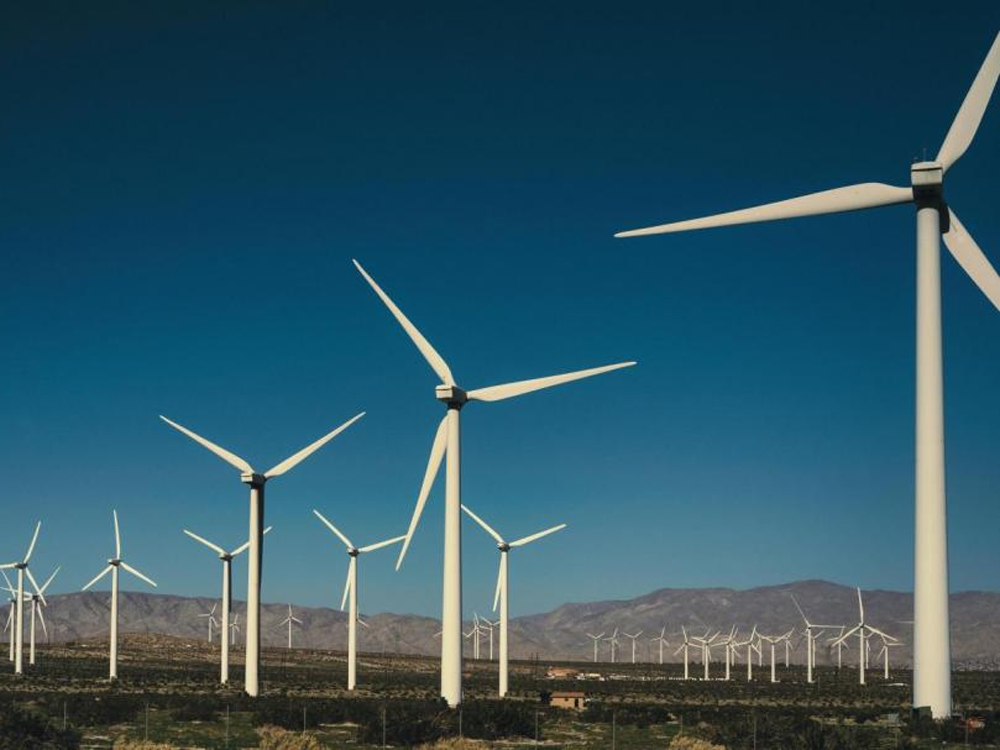
In the context of Wind Energy, the generators housed within the nacelles of modern multi-megawatt wind turbines rely heavily on the performance of their stator and rotor cores. The dynamic and often unpredictable nature of wind speeds requires generators that can efficiently handle highly variable loads. Silicon Manganese Steel, engineered for minimal hysteresis loss, ensures that the energy generated by the turbine's rotation is not squandered as heat within the generator core. As the wind industry moves towards massive offshore turbines—some exceeding 15 MW in capacity—the demand for ultra-efficient, highly durable electromagnetic materials becomes paramount. The superior mechanical properties of our silicon steel also contribute to the structural integrity of these massive rotating machines, reducing maintenance frequency and extending the operational lifespan of multi-million-dollar offshore assets.
Looking ahead, the evolution of Silicon Manganese Steel is intrinsically linked to the rise of Artificial Intelligence (AI) and the deployment of Smart Grids. AI-driven predictive maintenance and grid optimization algorithms require real-time data and highly responsive physical infrastructure. Transformers and inverters built with advanced Hi-B silicon steel offer the precise and predictable electromagnetic responses necessary for smart sensors to accurately monitor power quality and load distribution.
Additionally, the manufacturing process of the steel itself is undergoing an AI revolution. By implementing machine learning algorithms in the cold rolling and annealing stages, manufacturers can achieve unprecedented levels of microstructural control, minimizing defects and pushing the boundaries of magnetic permeability even further. The synergy between cutting-edge material science and digital intelligence is paving the way for a hyper-efficient, fully automated global energy network, where Silicon Manganese Steel remains the indispensable physical medium for clean power transmission.

Pickling Line

20-Roll Reversible Cold Rolling Mill

Decarbonization Annealing Line

Magnesium Oxide Coated Wire

High Temp Hood Annealing Furnace

Stretch Flat Line

Slitting Line
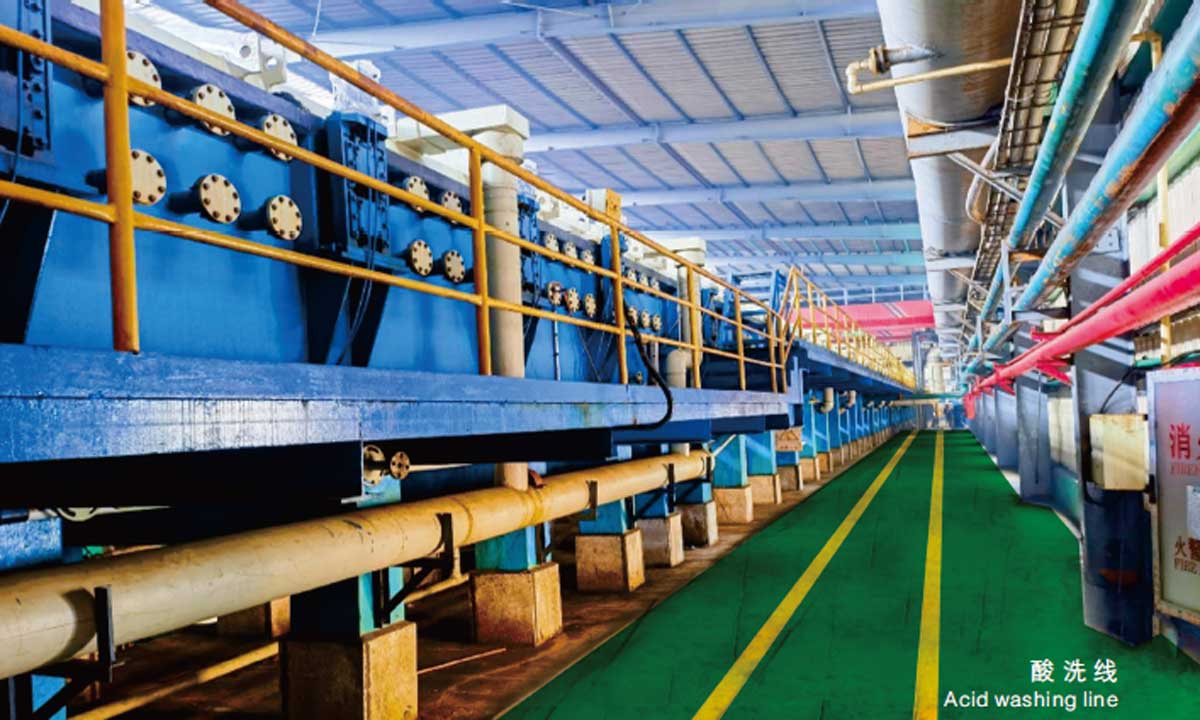
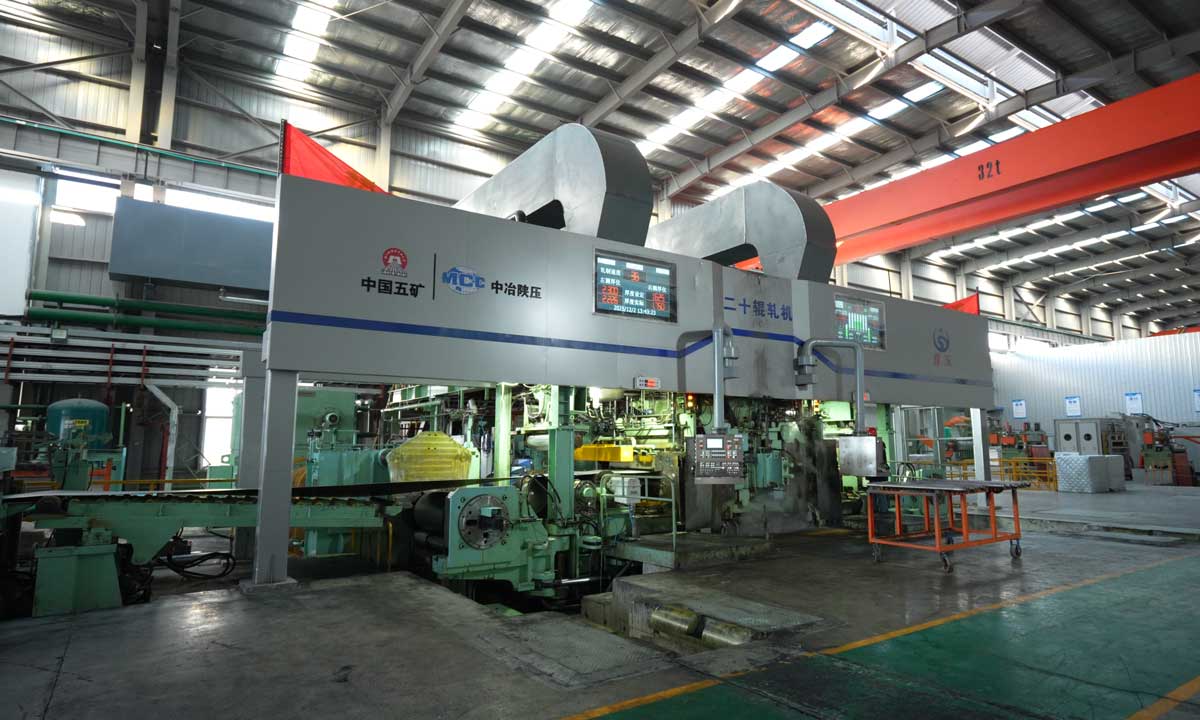
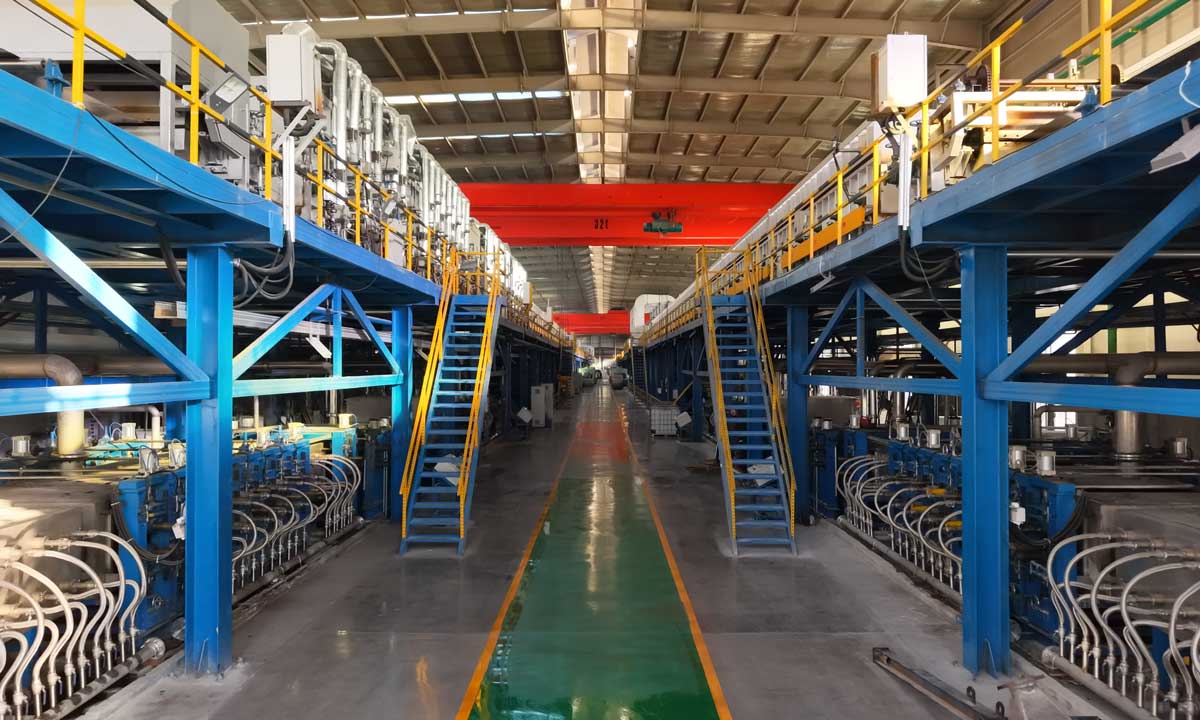
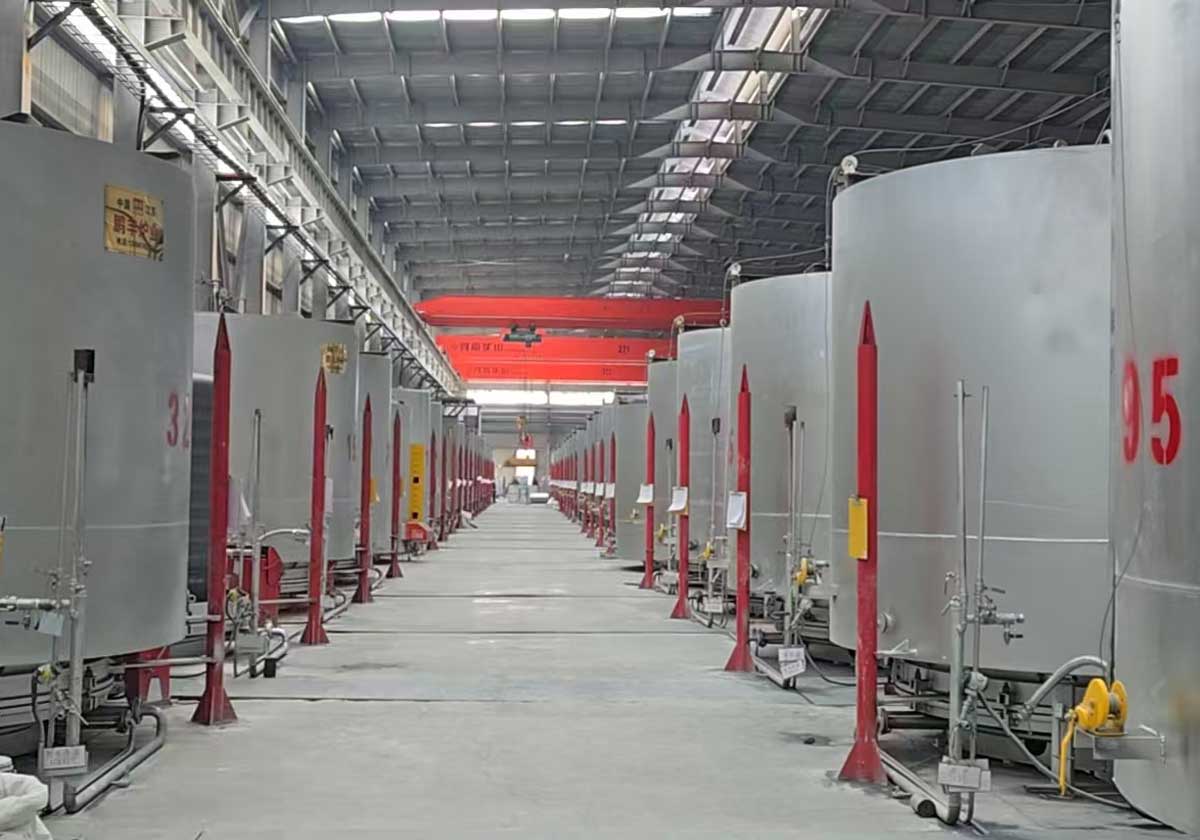
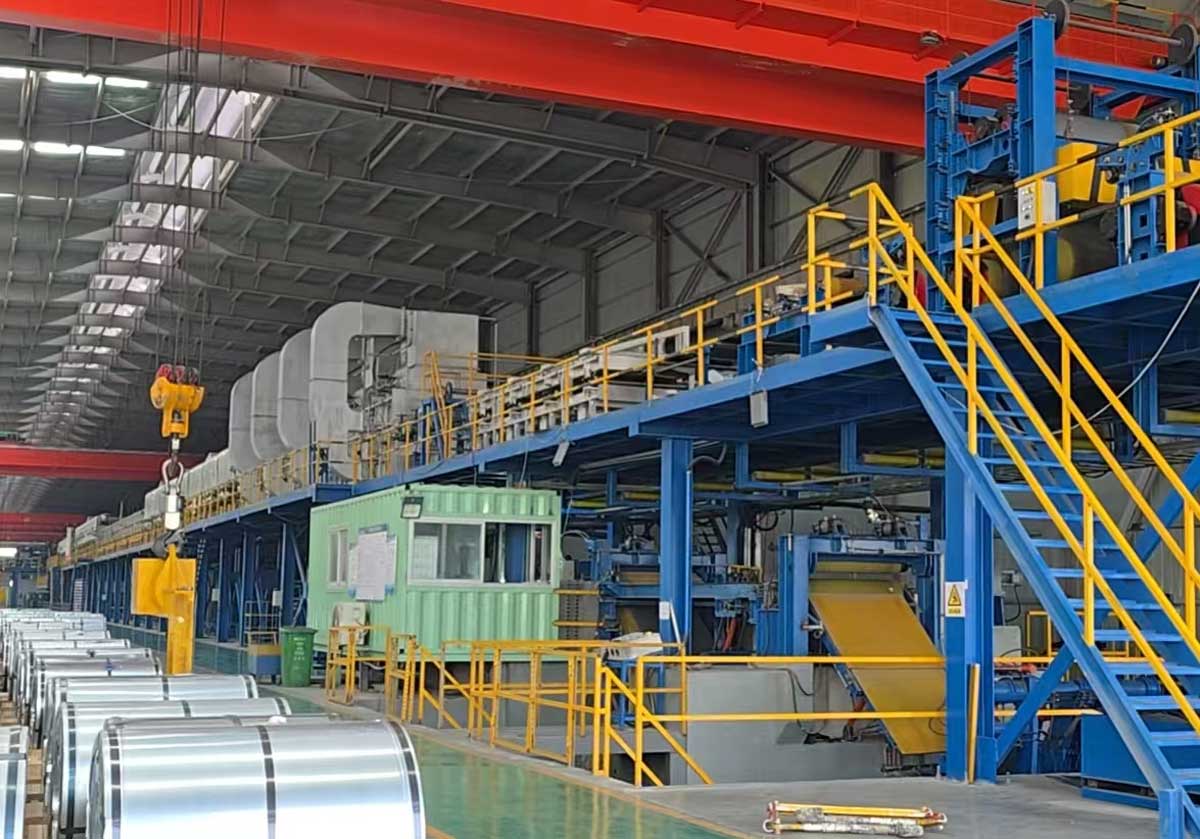
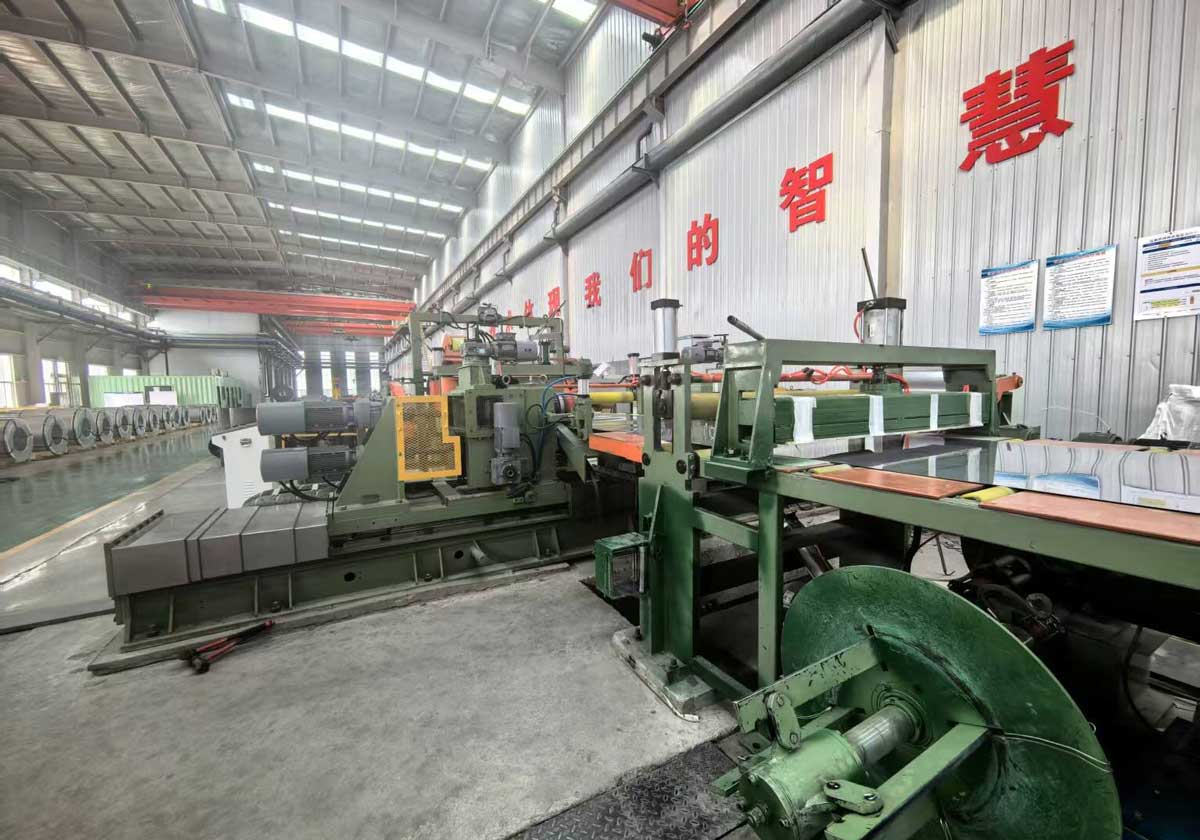
After the reform and opening-up, the first-generation founders established a plastic packaging company, laying the groundwork for entrepreneurial excellence.
In 2000, the water conservation business was launched and successfully went public under the leadership of the second-generation leadership team.
In 2004, the company entered the steel industry, evolving from steel smelting and processing to deep processing of steel products, encompassing elevator guide rail steel, automotive spring steel, oil-quenched steel wire, and galvanized strip steel.
Started real estate development and operation business in 2010, broadening the corporate portfolio.
Entering the cold chain warehousing and transportation industry in 2021, strengthening supply chain capabilities.
In 2022, the deep processing of steel was extended to the field of silicon steel, focusing on high-tech electromagnetic materials for renewable energy.