Hot Products
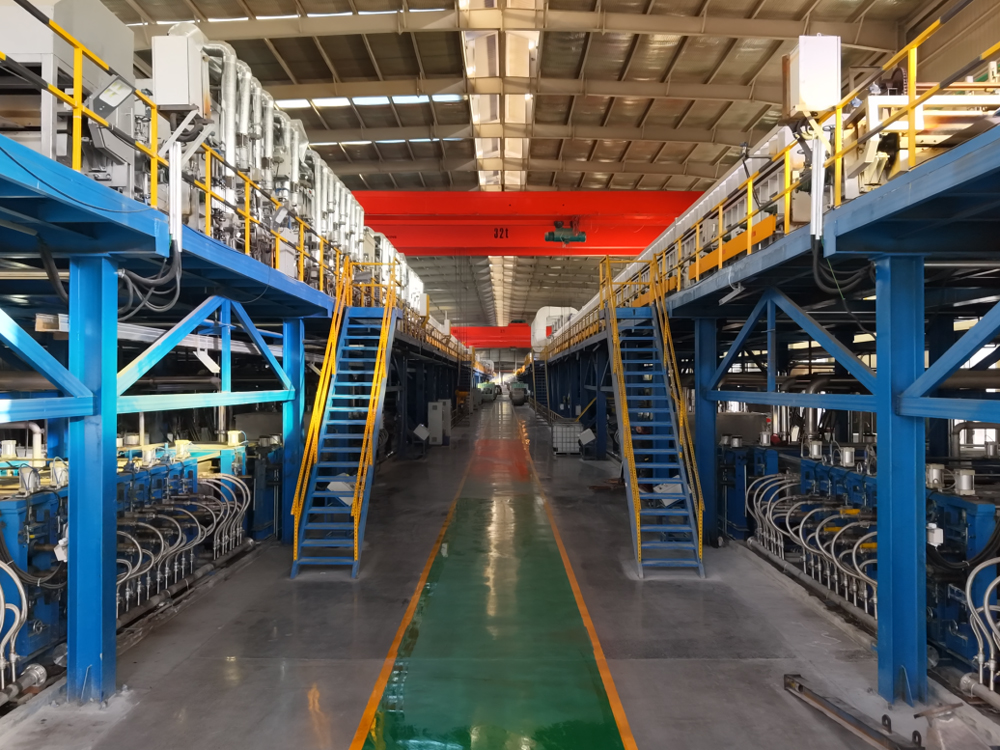
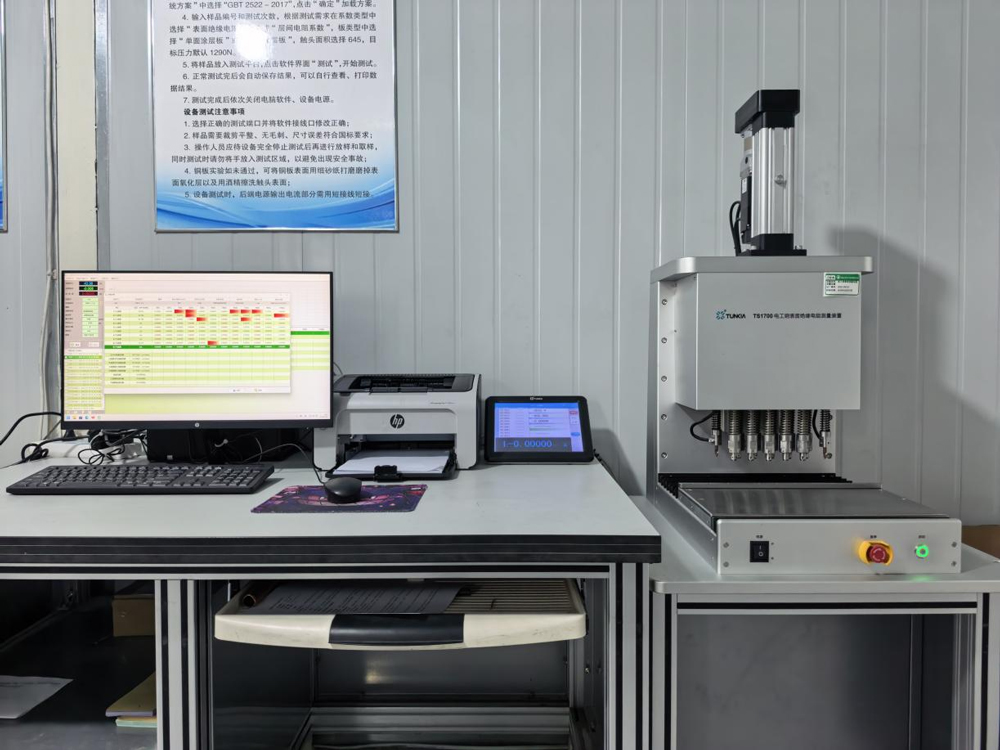
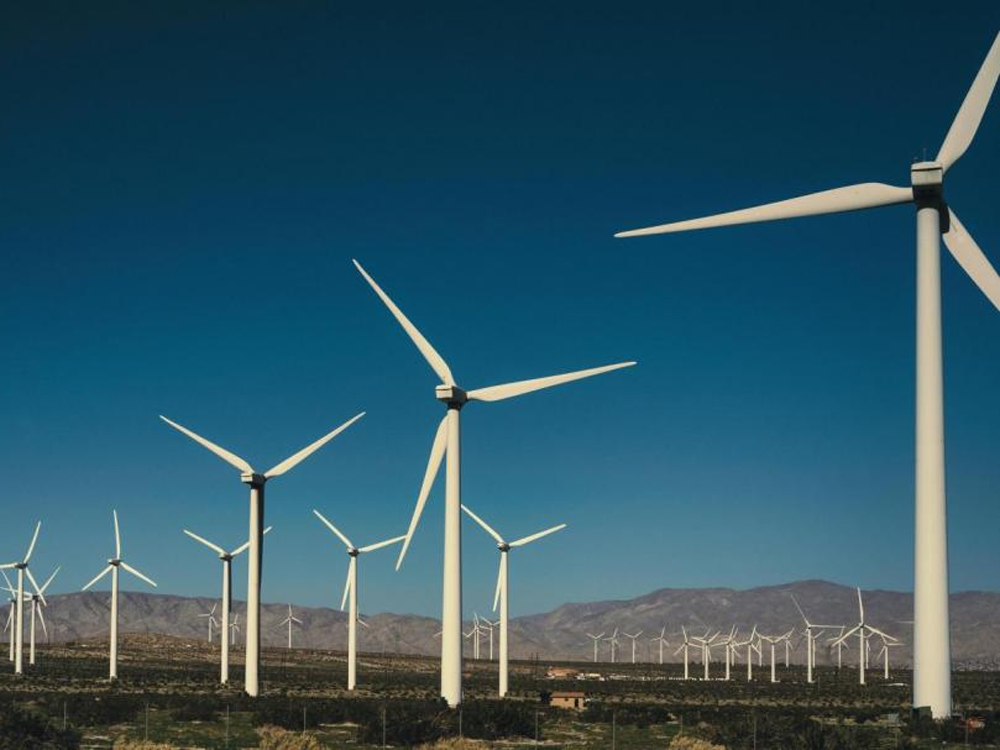
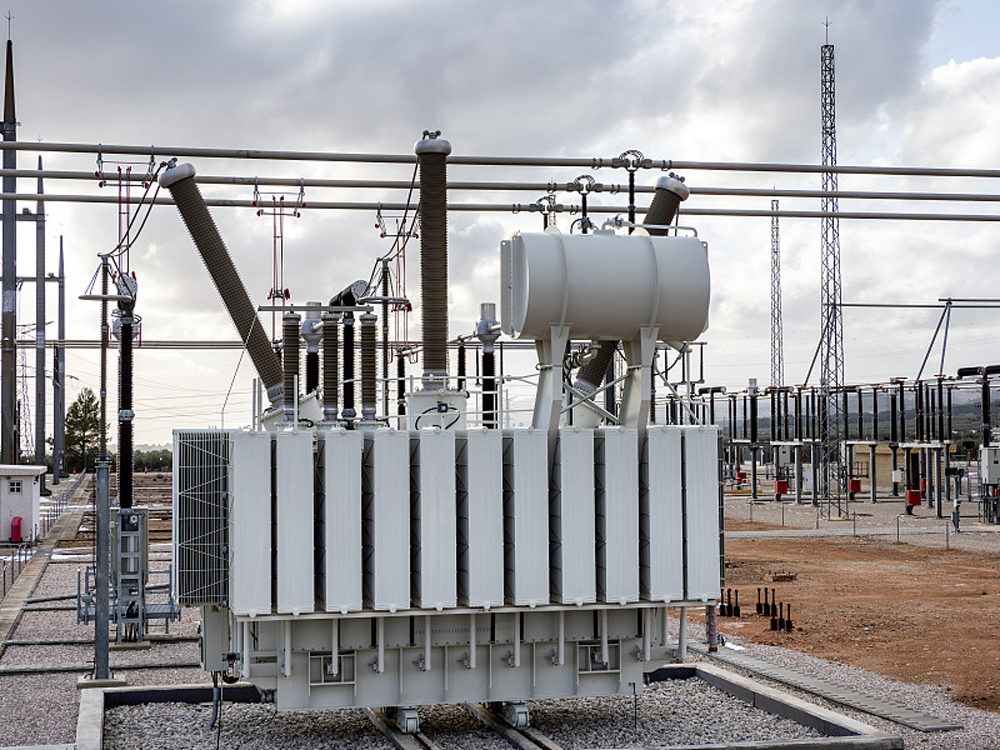
0102030405
Oriented Silicon Steel Production Process - HiB & CGO from China Suppliers and Factory for Low Loss and High Magnetic Induction
Production Process
01
Smelting and continuous casting
By using high-purity molten iron and precisely controlling the composition of silicon, aluminum, manganese, etc., steel billets with uniform composition and extremely low impurities are obtained through refining and continuous casting.
02
Hot rolling
After heating, the steel billet is subjected to high-temperature rolling to control its shape and structure, providing qualified plates for subsequent cold rolling.
03
One cold rolling and normalization
Hot rolled plates are pickled, cold-rolled, and then subjected to normalizing heat treatment to precipitate inhibitors and achieve uniform microstructure, preparing for grain orientation.
04
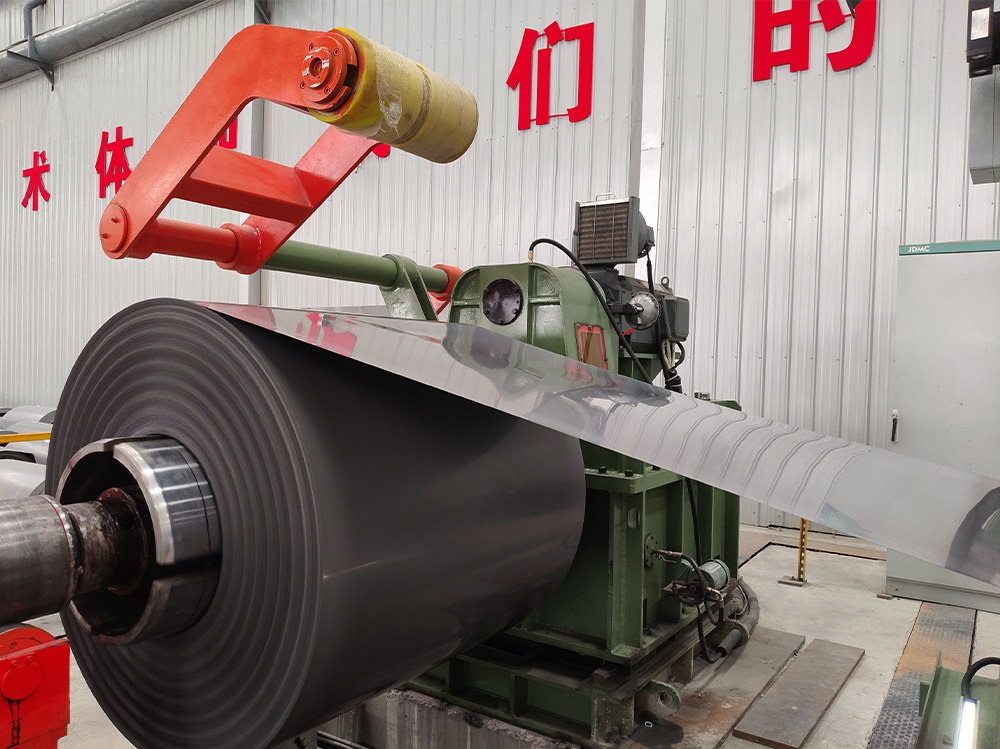
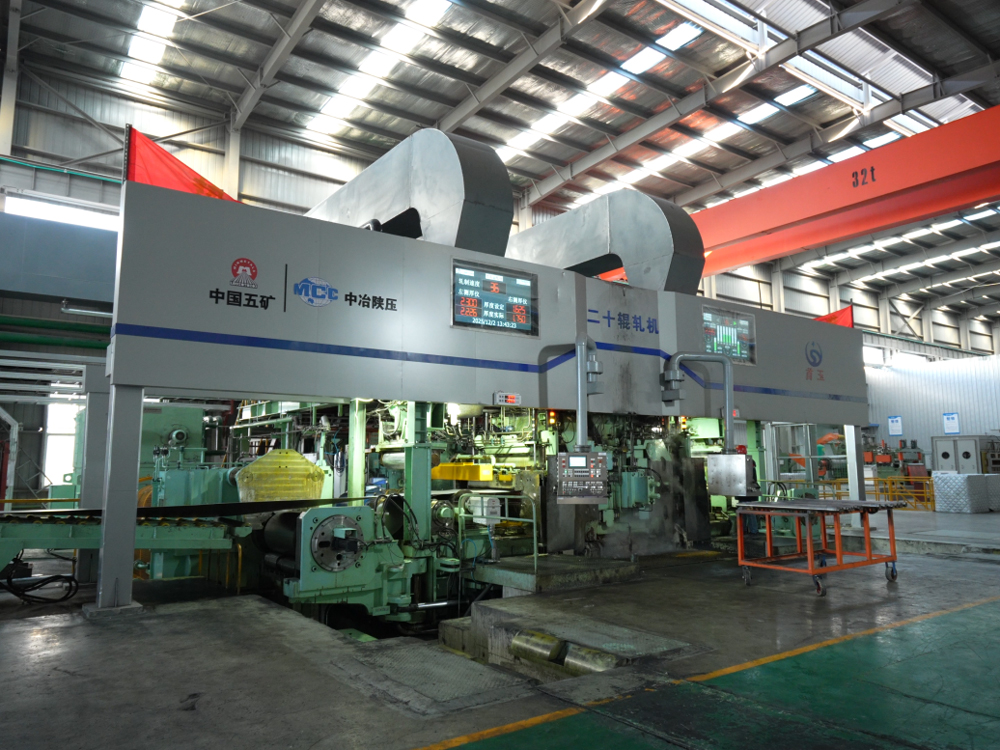
Secondary cold rolling Key
After intermediate annealing, secondary cold rolling is carried out to precisely control the final thickness and form a microstructure conducive to subsequent orientation growth.
05
Decarbonization annealing
Decarbonization and purification of the substrate at high temperatures, while forming initial and internal oxide layers to ensure the adhesion and magnetic properties of the insulation coating.
06
High temperature annealing Core Process
Annealing in a high-temperature, high-purity protective atmosphere to complete secondary recrystallization and form highly consistent Gaussian grain orientation - this is the key to the excellent magnetic properties of oriented silicon steel.
07
Insulation coating and flat stretching
Apply high-temperature resistant insulation coating to prevent eddy currents and improve lamination coefficient; Finally, level and straighten to ensure dimensional accuracy and plate shape.
08
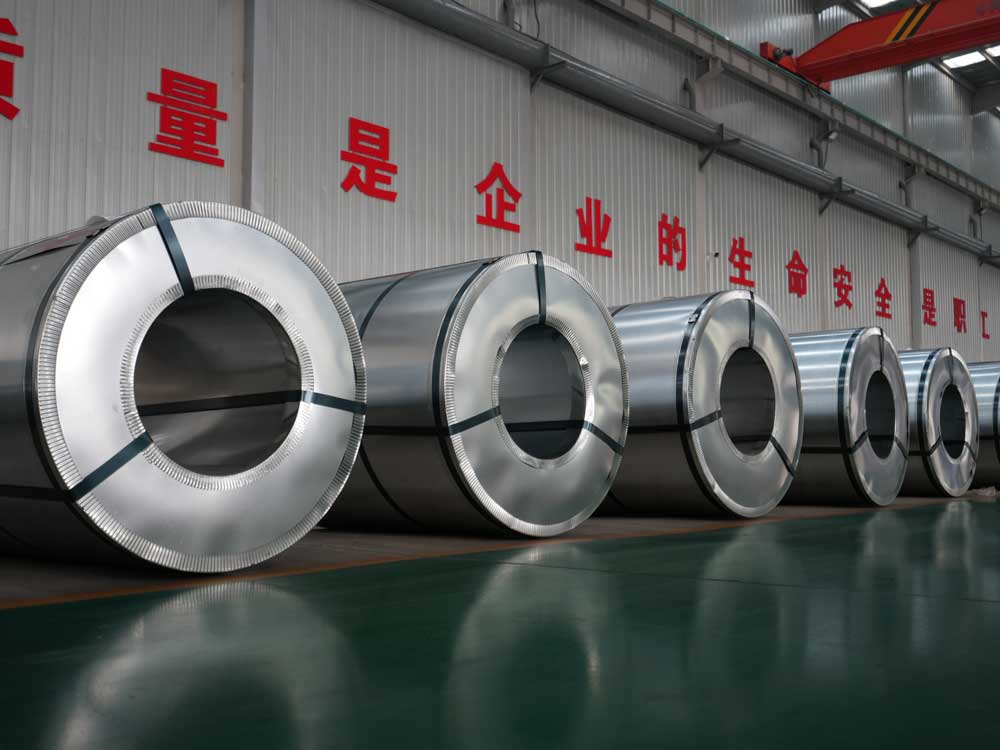
Cutting, inspection, and packaging
Cut according to specifications, test for iron damage, magnetic sensitivity, flatness, thickness, coating, mechanical properties, and other indicators. After passing the inspection, store it in a moisture-proof, rust proof, and suitable for long-distance transportation.
Frequently Asked Questions
What is the initial step in the production of oriented silicon steel?
The process begins with smelting and continuous casting. High-purity molten iron is refined while precisely controlling the levels of silicon, aluminum, manganese, and other elements to yield steel billets with uniform composition and minimal impurities.
Why is secondary cold rolling critical to the manufacturing process?
Secondary cold rolling is a key step because it allows precise control over the final thickness of the steel plate and helps form a specific microstructure that is highly conducive to subsequent grain orientation growth.
What happens during the high temperature annealing stage?
High temperature annealing is the core process where the steel undergoes annealing in a high-purity protective atmosphere. This completes secondary recrystallization and forms a highly consistent Gaussian grain orientation, which is crucial for achieving excellent magnetic properties.
How does insulation coating improve the performance of oriented silicon steel?
Applying a high-temperature resistant insulation coating prevents eddy currents from forming within the steel and improves the overall lamination coefficient, followed by leveling and straightening to ensure proper shape and dimensional accuracy.
What quality inspections are performed before final packaging?
Before packaging, the steel is cut to specifications and tested for iron damage, magnetic sensitivity, flatness, thickness, coating quality, and mechanical properties. Once approved, it is stored in moisture-proof and rust-proof packaging suitable for long-distance transport.