Leave Your Message
-
Contact Phone
-
 Contact Email
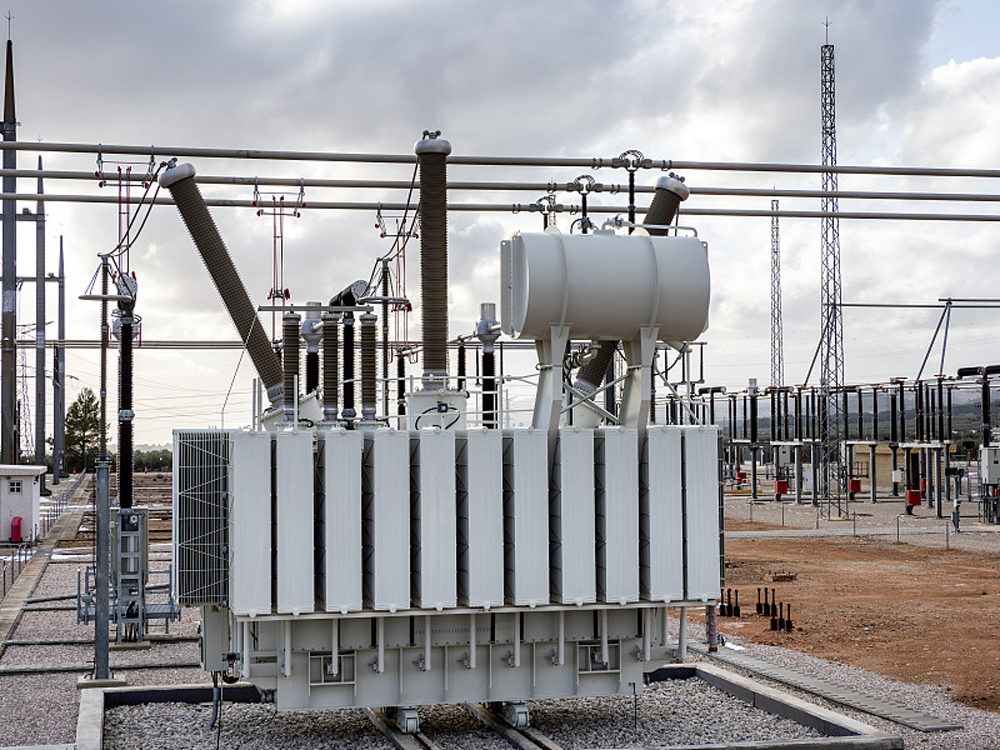
The global transition towards sustainable transportation has catalyzed an unprecedented expansion of Electric Vehicle (EV) charging infrastructure. As governments and private enterprises race to deploy millions of public and private charging stations, the underlying technology enabling this rapid energy transfer faces intense scrutiny. At the heart of every high-performance DC fast charger and smart grid integration system lies a critical, yet often overlooked component: Oriented Silicon Steel (OSS). This specialized electromagnetic material is the absolute backbone of power distribution transformers, ensuring that high-voltage electricity from the grid is efficiently, safely, and reliably stepped down and converted for EV battery consumption.
Currently, the commercial and industrial landscape for Oriented Silicon Steel is undergoing a massive transformation. Historically utilized primarily in massive utility-scale transformers, the surge in EV adoption has created a localized, high-density power demand. Charging hubs acting as "virtual power plants" require compact, ultra-efficient transformers that minimize energy loss. This is where High Magnetic Induction Grain-Oriented Silicon Steel (HiB) becomes indispensable. The market is witnessing a profound supply chain pivot; manufacturers are aggressively upgrading their metallurgical processes to produce thinner, more magnetically permeable steel sheets. The lower the core loss of the silicon steel, the less heat is generated during the power conversion process, which directly translates to faster charging times, reduced cooling requirements, and significantly lower operational costs for charging station operators.
From an industrial perspective, the production of EV-grade Oriented Silicon Steel represents the pinnacle of modern metallurgy. It requires precise control over the crystalline structure of the steel, ensuring that the magnetic domains are perfectly aligned with the direction of rolling. The current bottleneck in the global deployment of Level 3 DC fast chargers (capable of delivering 350kW and above) is not just semiconductor availability, but the availability of premium HiB silicon steel. As the industry scales, companies that master the deep processing and coating of these advanced electromagnetic materials are positioning themselves as the critical enablers of the global net-zero emission mandate.
In mega-watt charging stations designed for commercial electric fleets and heavy-duty trucks, power conversion efficiency is paramount. Oriented Silicon Steel is utilized in the core of high-frequency transformers within these modules. By utilizing ultra-thin HiB steel gauges, engineers can significantly suppress eddy current losses that occur at high switching frequencies. This allows the chargers to maintain a compact footprint while delivering massive power outputs without thermal degradation.
Vehicle-to-Grid (V2G) technology transforms EVs into mobile energy storage units, allowing bidirectional energy flow. The distribution transformers facilitating this complex energy exchange rely heavily on premium Oriented Silicon Steel. The high magnetic permeability of the material ensures rapid response times and minimal hysteresis loss during the constant switching between drawing power from the grid and feeding power back, stabilizing local grid frequencies during peak demand.
EV charging stations generate intense electromagnetic interference (EMI) due to high-power electronics. Specialized grades of Oriented Silicon Steel are increasingly being adapted for magnetic shielding within the charger housing. By effectively containing the magnetic flux, OSS protects sensitive control electronics and nearby communication networks. Furthermore, the reduced core loss inherent to HiB steel directly mitigates the thermal load, extending the lifespan of the entire charging infrastructure.
The integration of these materials into the EV charging ecosystem is not merely a component swap; it is a fundamental architectural upgrade. As charging voltages push towards the 800V and 1000V architectures, the dielectric and magnetic stress on transformers increases exponentially. The advanced magnesium oxide coatings applied to our Oriented Silicon Steel not only provide vital electrical insulation between laminations but also impart a tensile stress that further refines the magnetic domain structure, pushing the physical limits of energy efficiency.
Looking ahead, the trajectory of Oriented Silicon Steel for EV applications is defined by two major trends: ultra-thinning for high-frequency applications and AI-driven green manufacturing. As solid-state transformers (SSTs) begin to replace traditional bulky transformers in urban charging hubs, the demand for exceptionally thin (0.18mm to 0.23mm) HiB steel will skyrocket. These ultra-thin profiles drastically reduce eddy currents, unlocking unprecedented power densities.
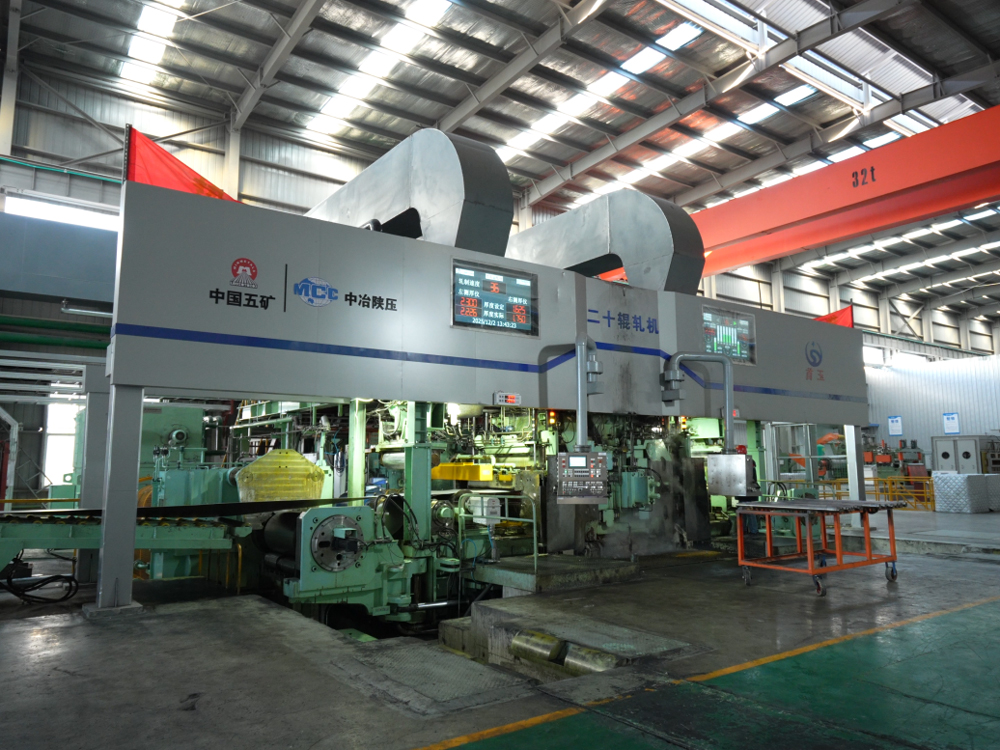
Furthermore, the production process itself is undergoing an AI revolution. Advanced machine learning algorithms are now being integrated into the cold rolling and decarburization annealing lines. By analyzing real-time data on tension, temperature, and atmospheric composition, AI can predict and micro-adjust the crystalline grain growth, resulting in a perfectly uniform magnetic orientation across miles of steel coils. Coupled with the global push for carbon neutrality, manufacturers are shifting towards green hydrogen for the annealing processes and utilizing renewable energy to power the massive rolling mills, ensuring that the materials building the green EV future are themselves produced sustainably.
Tangshan Shouyu Electromagnetic New Materials Co., Ltd. was established in 2022 and is located in Yutian County Industrial Park, Tangshan City, Hebei Province. It is a high-tech enterprise specializing in the research and development, production, and sales of oriented silicon steel. We are deeply committed to empowering the global EV charging infrastructure through superior material science.
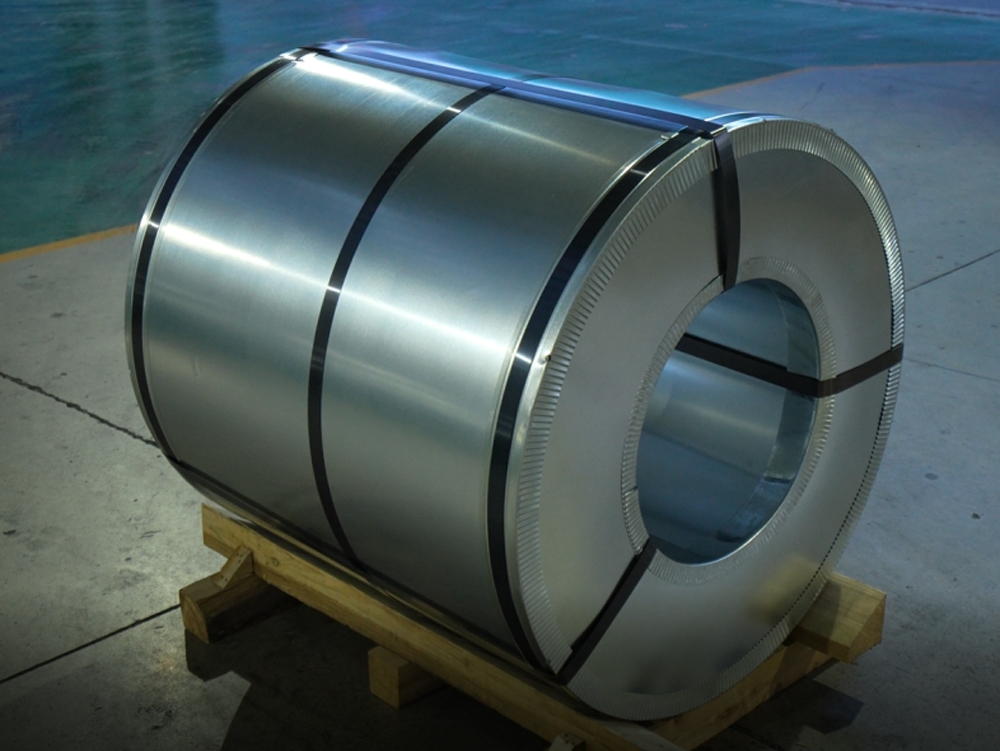
As a core material supplier for improving the energy efficiency of distribution transformers, relying on profound technological accumulation and innovative genes, we focus on the high-end electromagnetic material track. Our core product, cold-rolled oriented silicon steel, with excellent low iron loss and high magnetic induction performance, has become the core support for EV charging networks.
In the era of the national "dual carbon" strategy and energy-saving upgrading of the power grid, we have taken the lead in the R&D and large-scale production of low iron loss and high magnetic induction oriented silicon steel (Hi-B steel), breaking through energy efficiency bottlenecks of power equipment.
We always adhere to the business philosophy of "honesty and trustworthiness, always moving forward", guided by customer needs, driven by technological innovation, and working together with industry chain partners to promote the transformation of the EV energy industry.
We will continue to deeply cultivate the field of electromagnetic new materials, create long-term value for customers with excellent quality and professional services, inject new momentum into EV infrastructure, and become a trusted global partner.
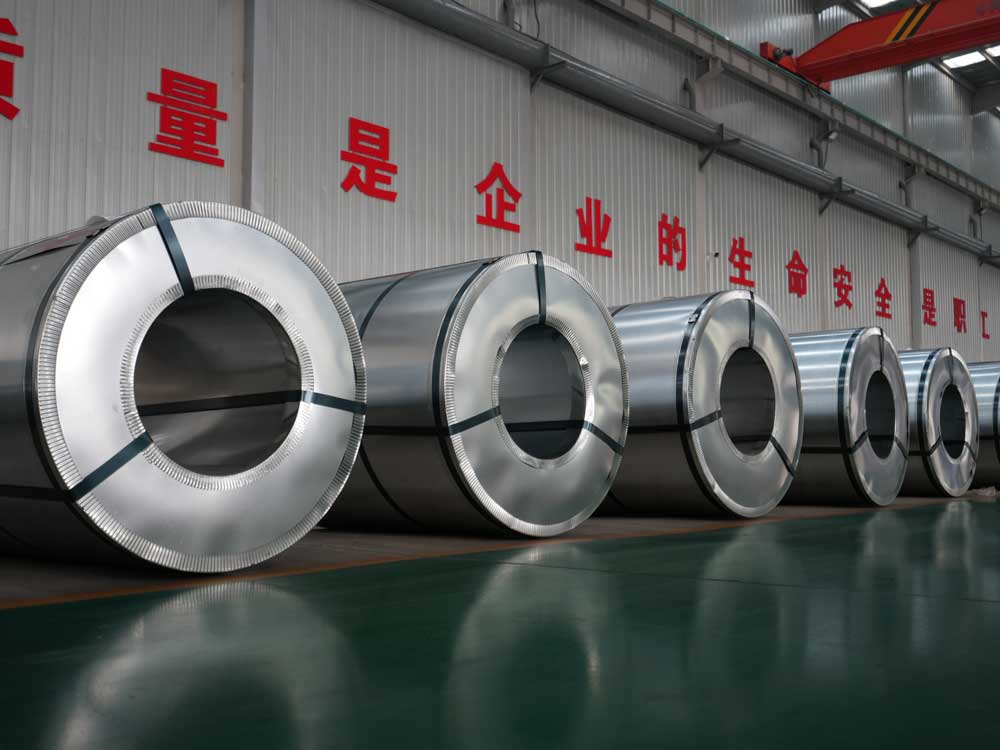
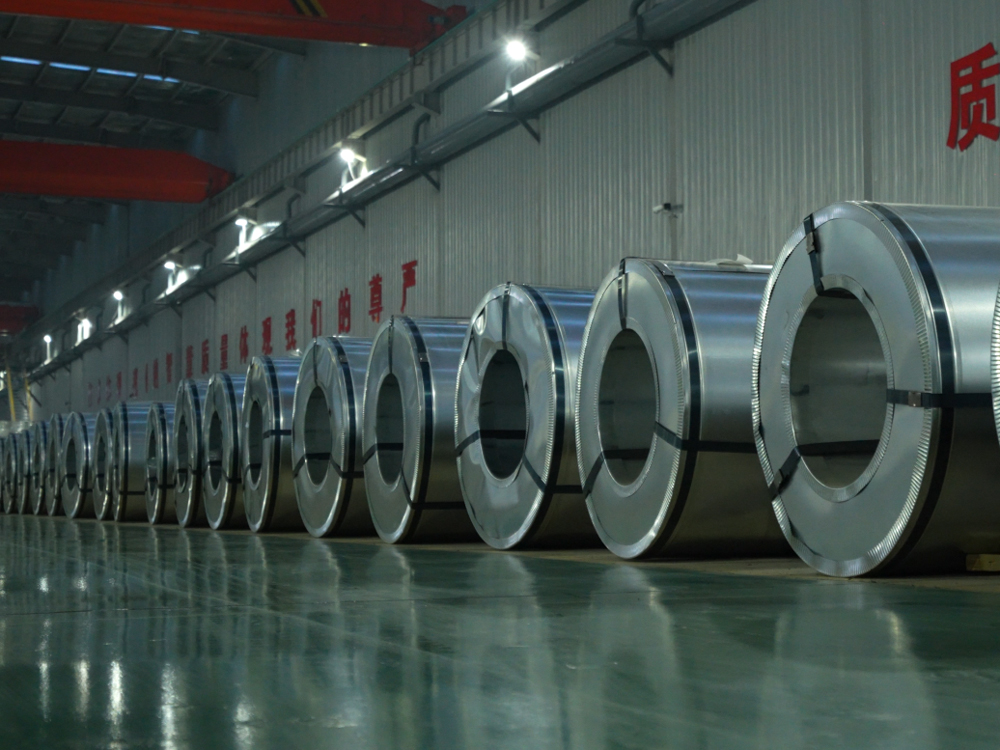
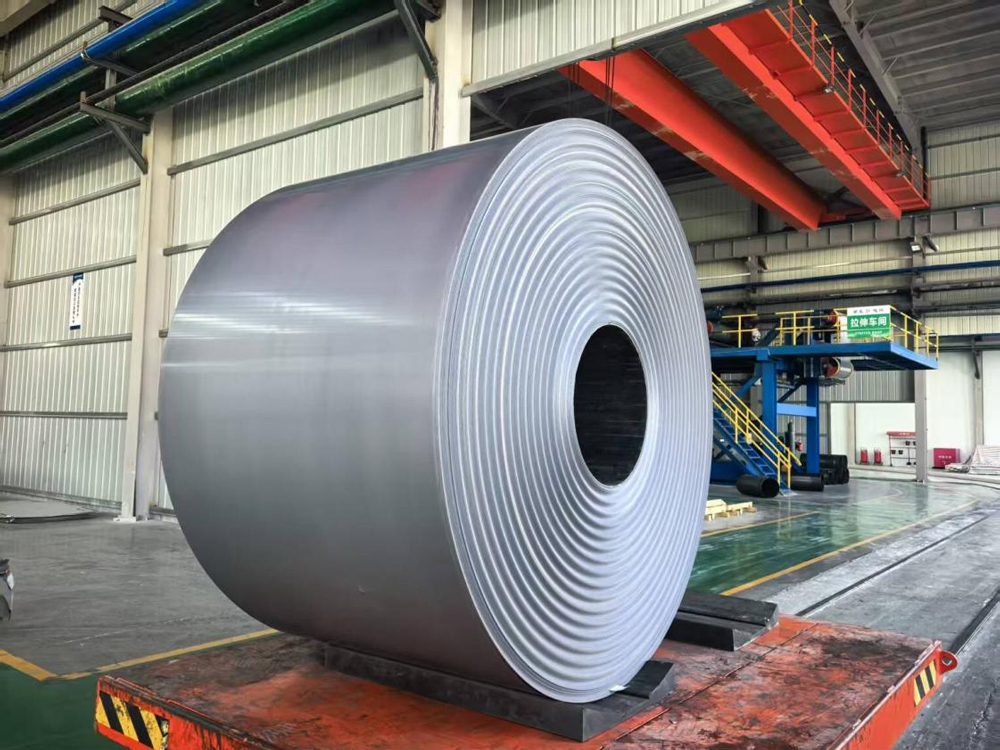
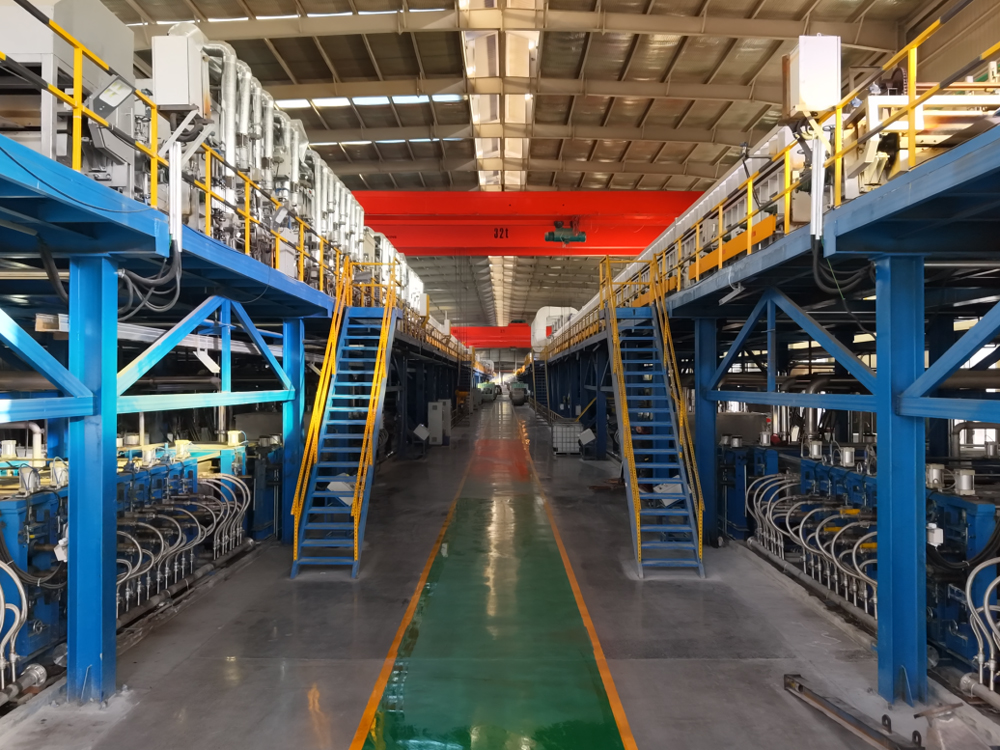
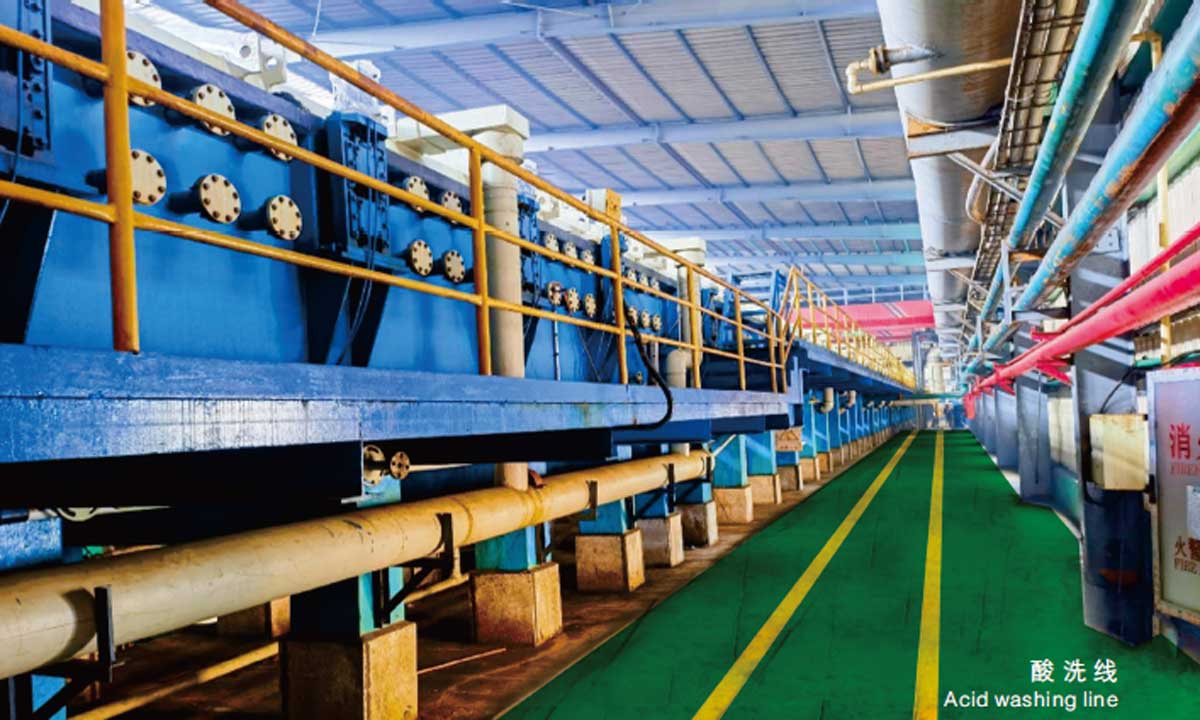
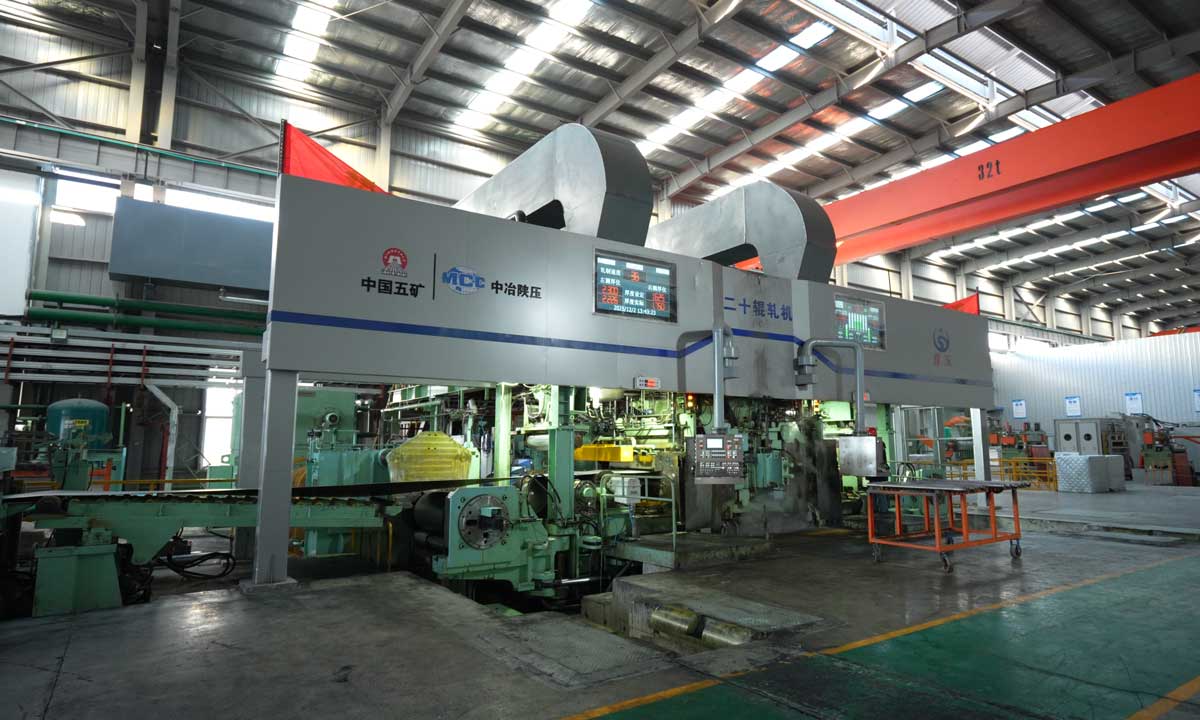
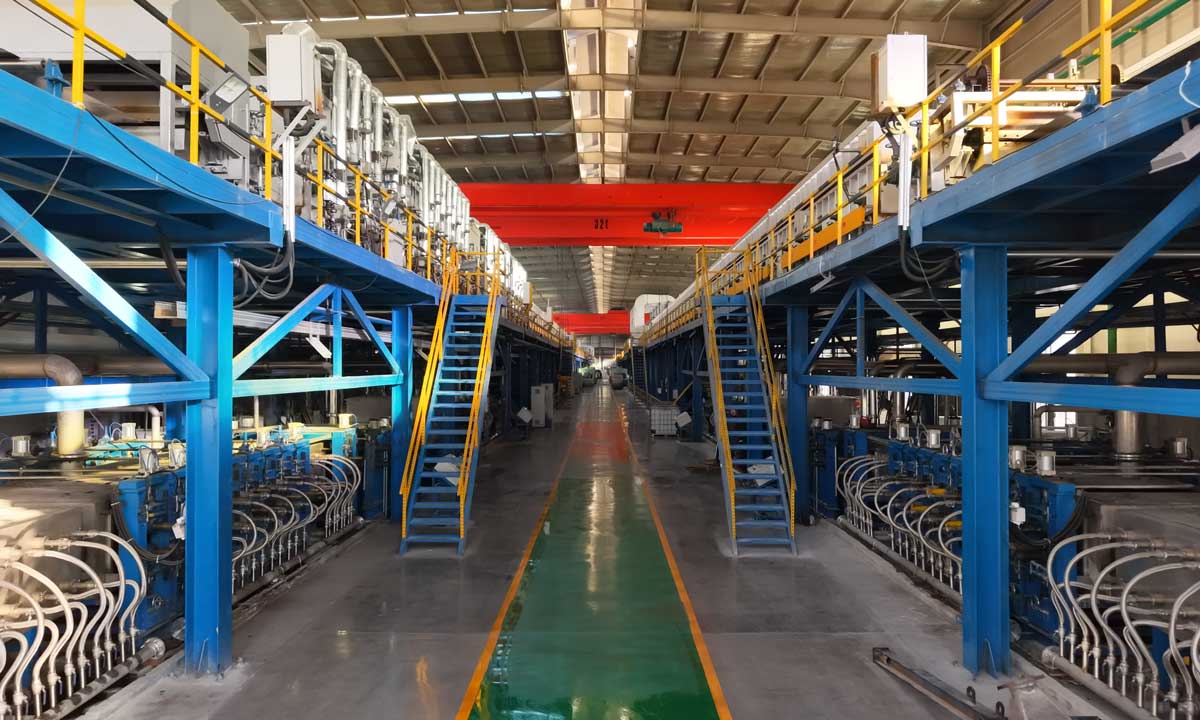
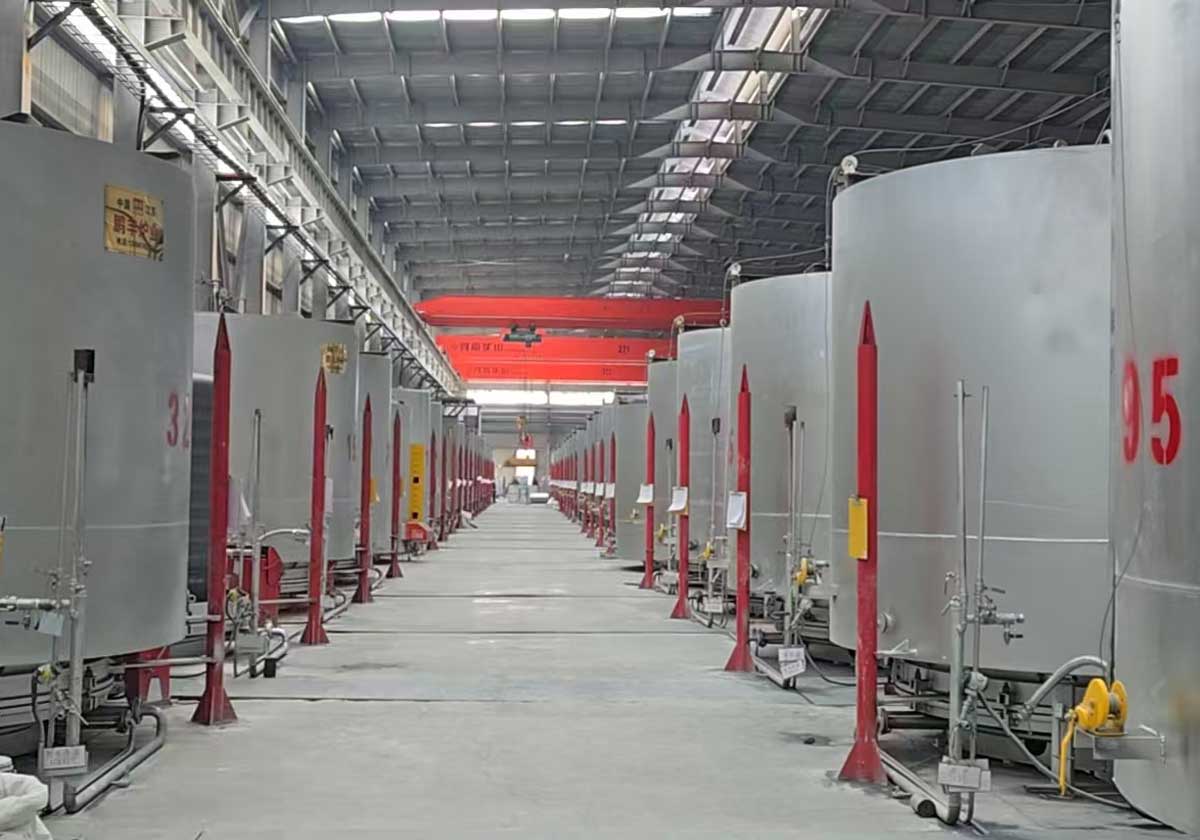
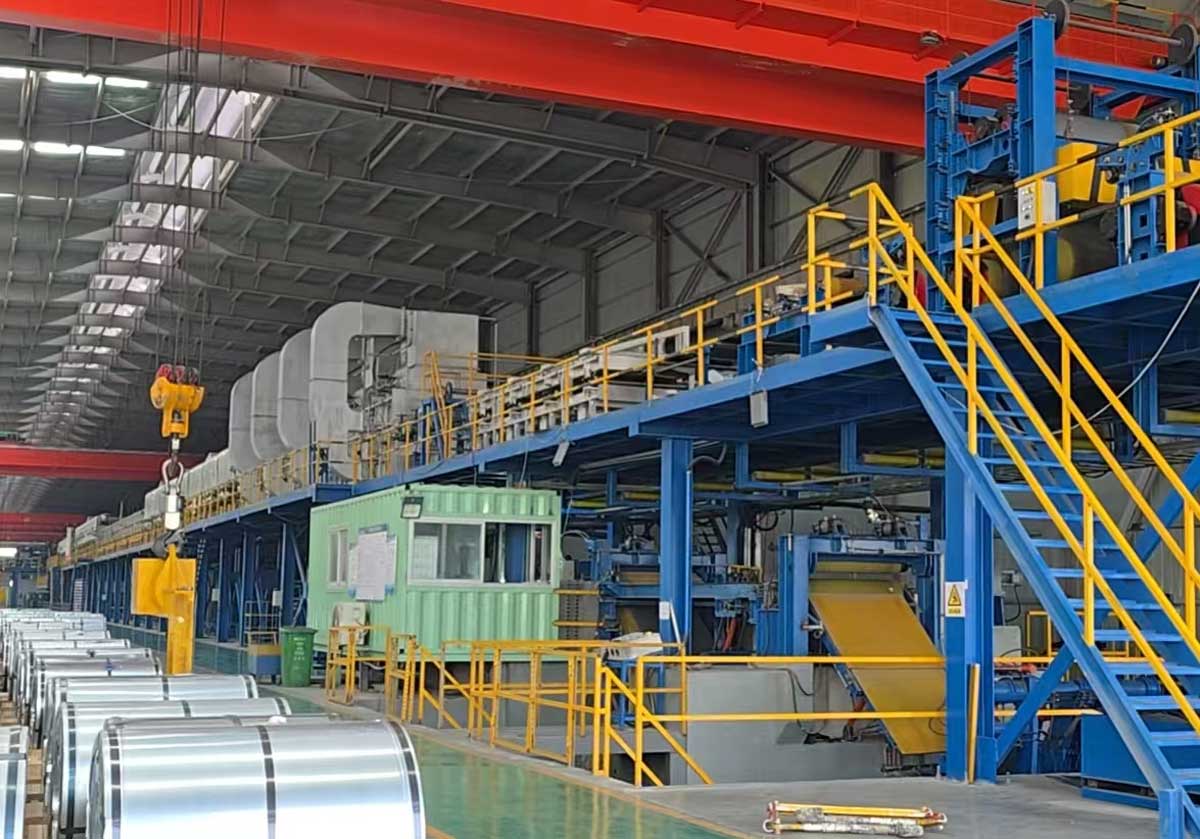
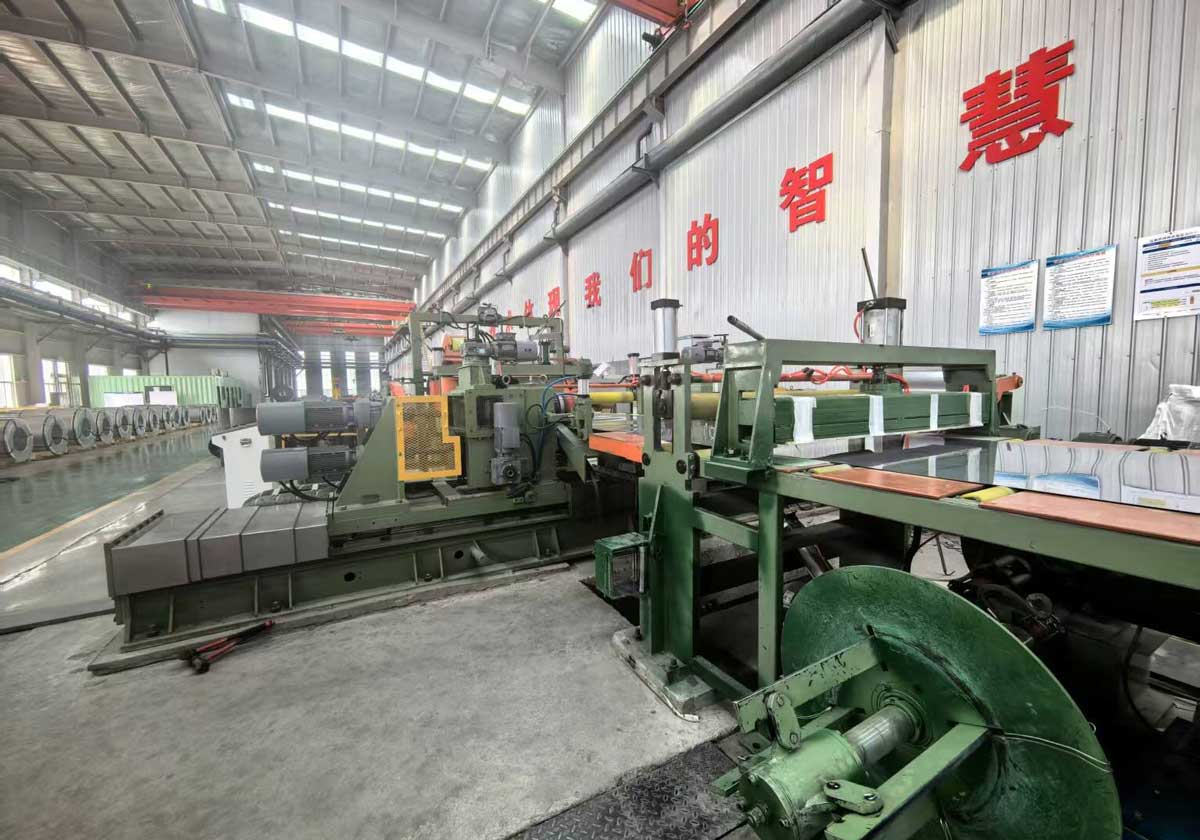
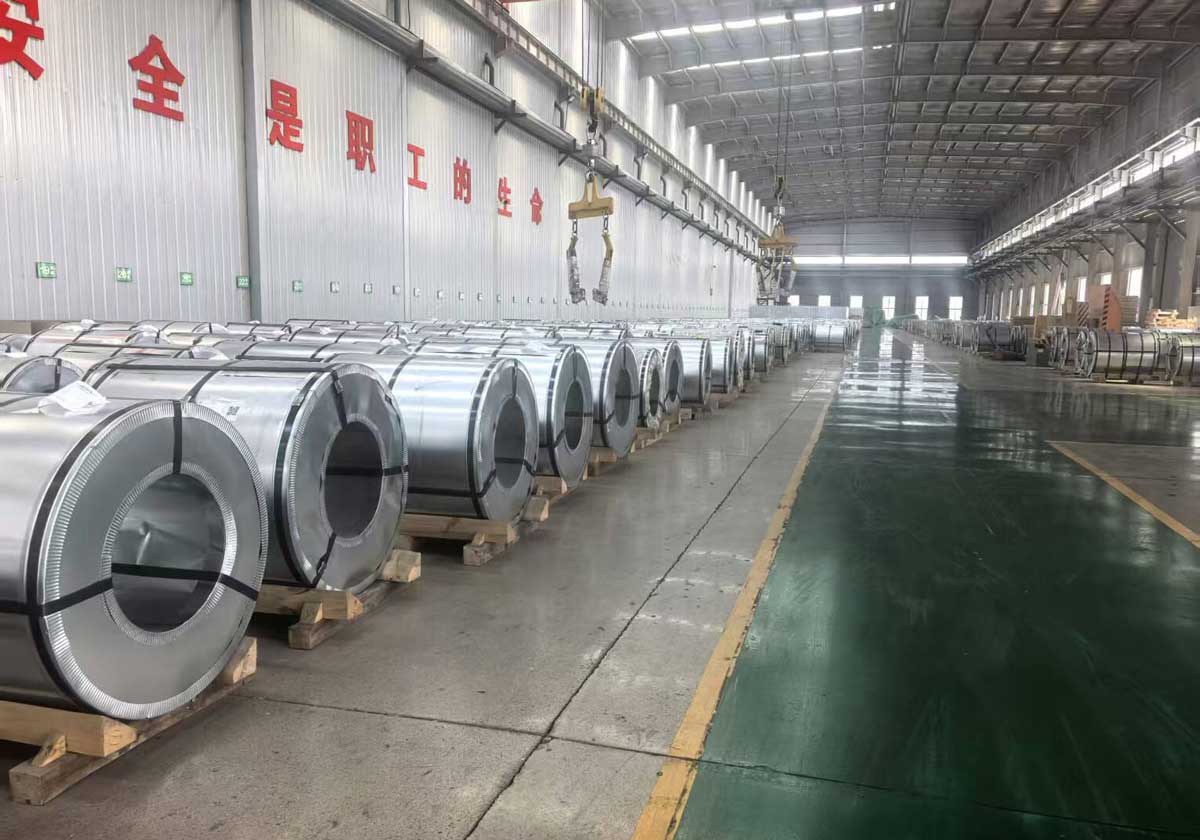
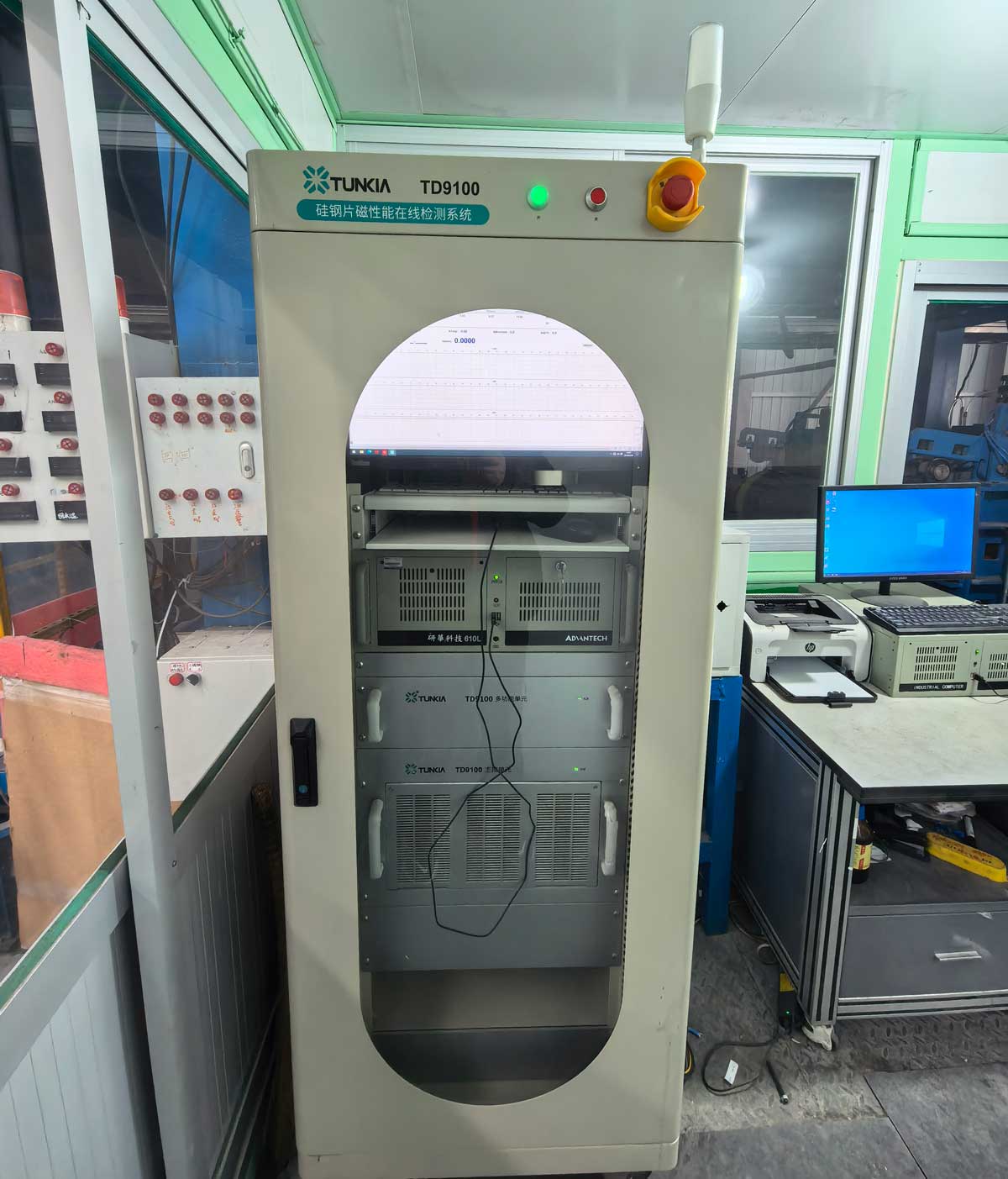
Our state-of-the-art manufacturing facilities are specifically optimized to produce the high-grade Oriented Silicon Steel required for modern EV charging stations. The rigorous process ensures perfect grain orientation and optimal magnetic properties.
After the reform and opening-up, the first-generation founders established a plastic packaging company, laying the groundwork for industrial manufacturing.
The water conservation business was launched and successfully went public under the leadership of the second-generation leadership team.
Entered the steel industry, evolving from smelting to deep processing (elevator guide rail steel, automotive spring steel, galvanized strip steel).
Started real estate development and operation business, expanding the corporate portfolio.
Entering the cold chain warehousing and transportation industry, strengthening supply chain capabilities.
Deep processing of steel extended to the field of silicon steel, establishing our current focus on high-efficiency electromagnetic materials.