



Industry News
0102030405
Following the trend of energy efficiency upgrading, high-quality silicon steel sheets help promote the high-quality development of the power and new energy industries
2026-04-27
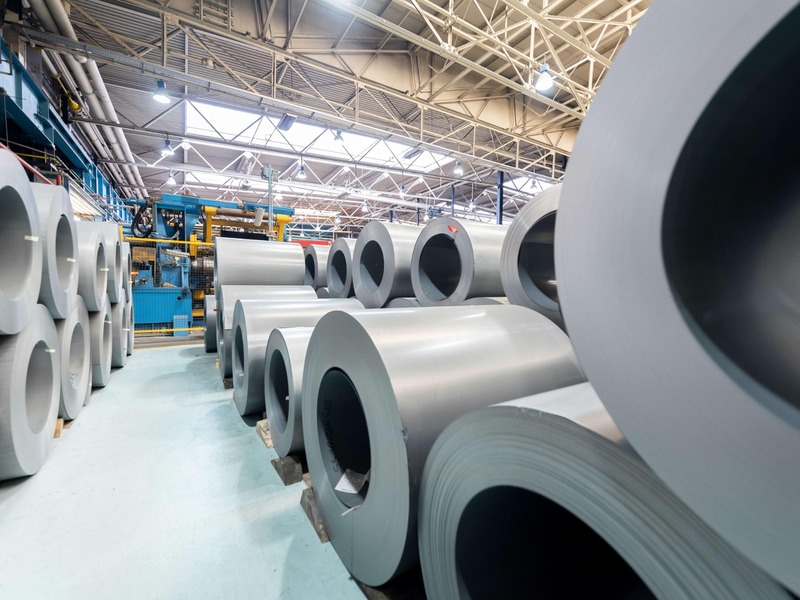
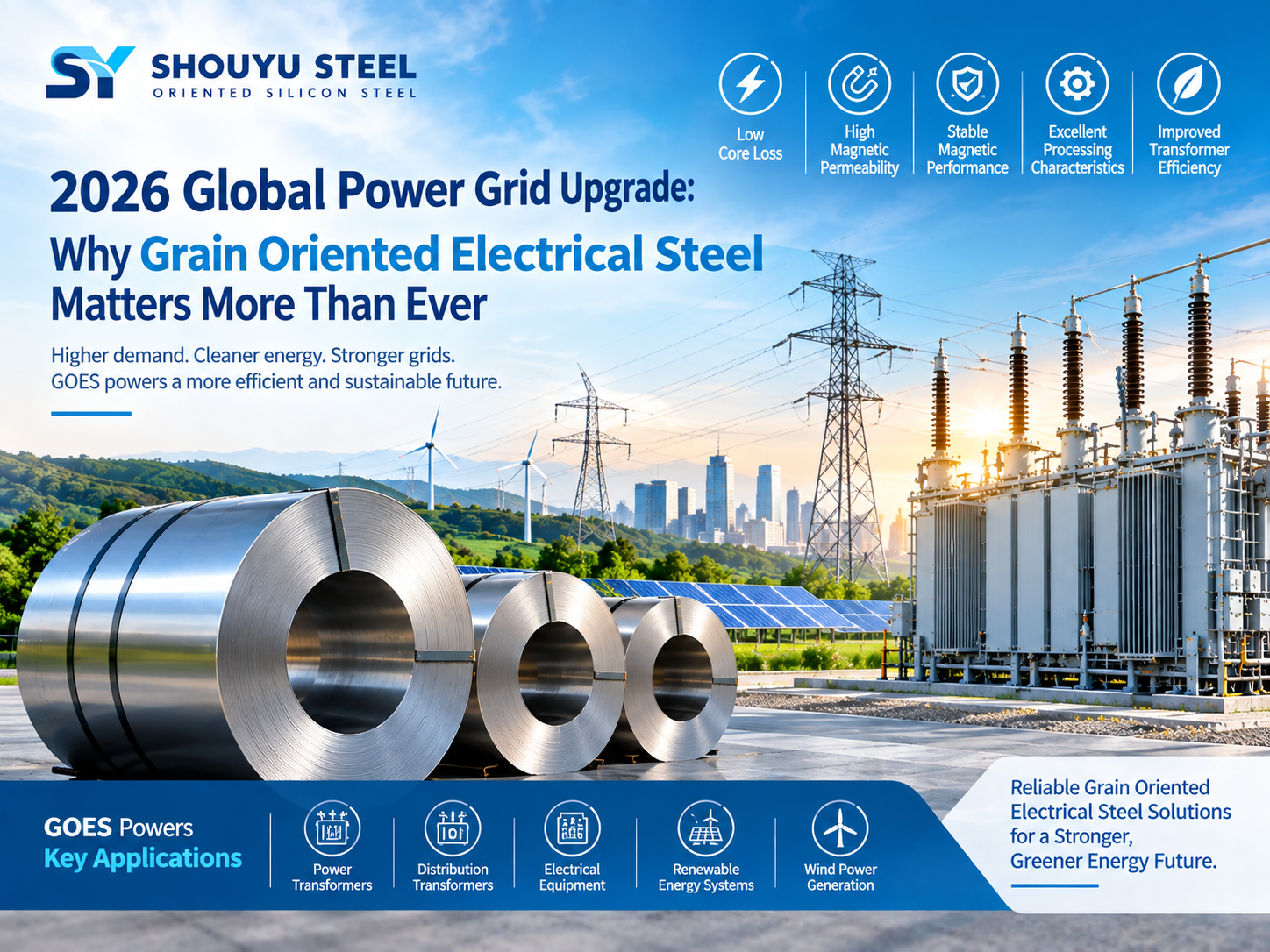
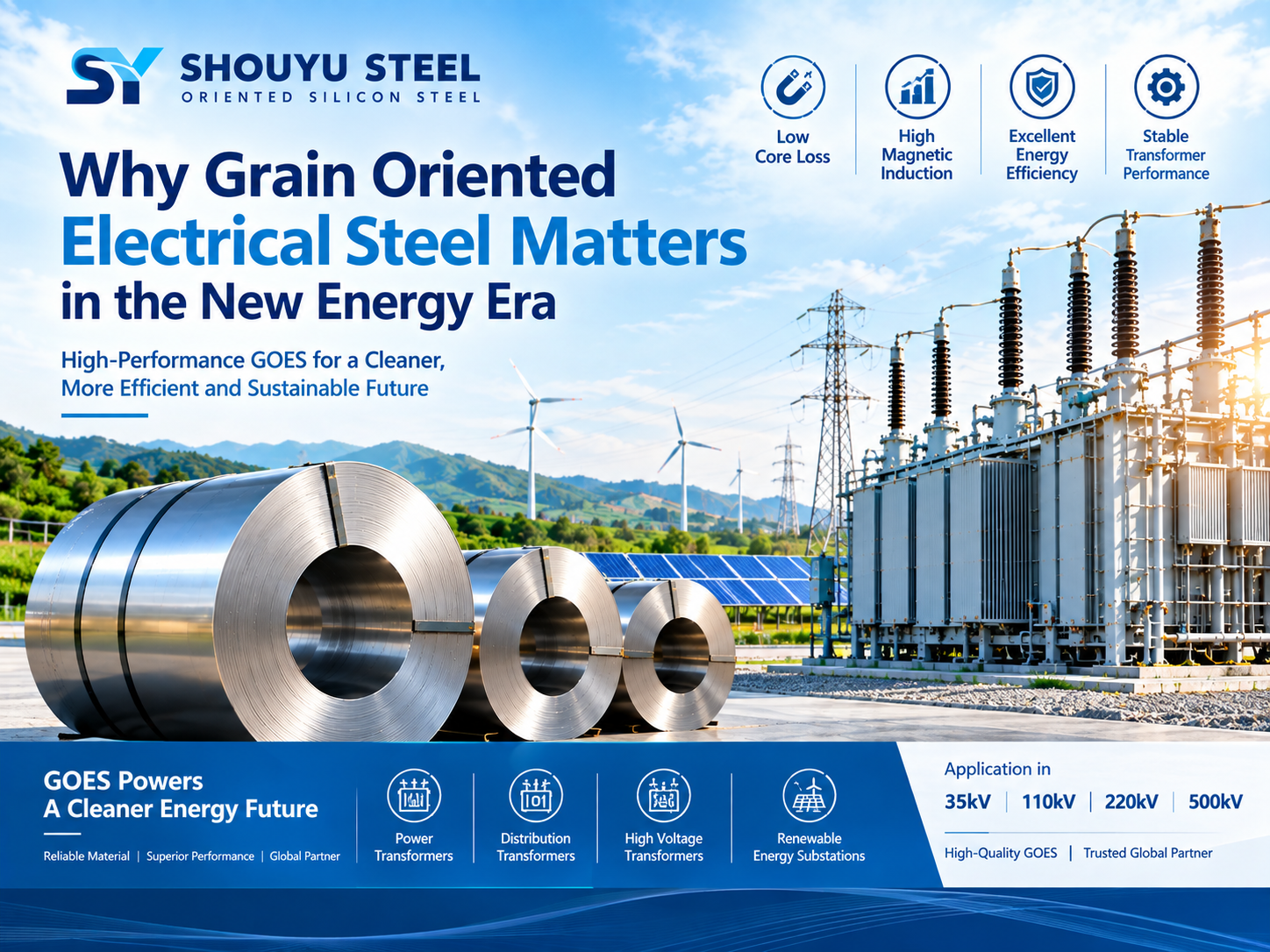
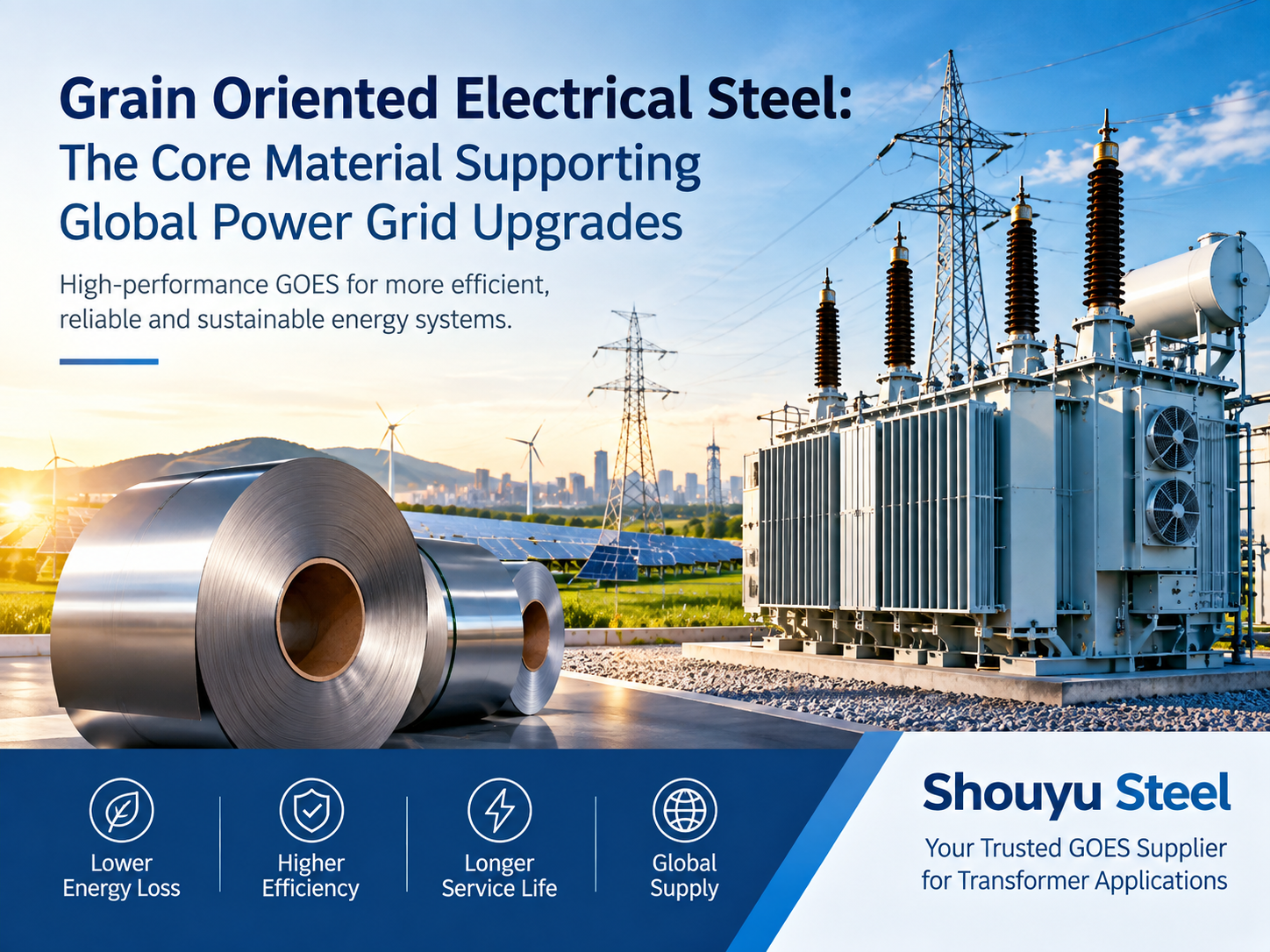
Against the backdrop of the continuous promotion of global carbon neutrality goals and the continuous improvement of domestic energy efficiency standards, electrical steel materials have ushered in a new round of upgrading opportunities. As a key iron core material for core equipment such as transformers, motors, and charging stations, high-quality silicon steel sheets have become an important support for improving the quality and efficiency of power equipment and new energy industries due to their advantages of low iron loss, high magnetic induction, and strong stability.
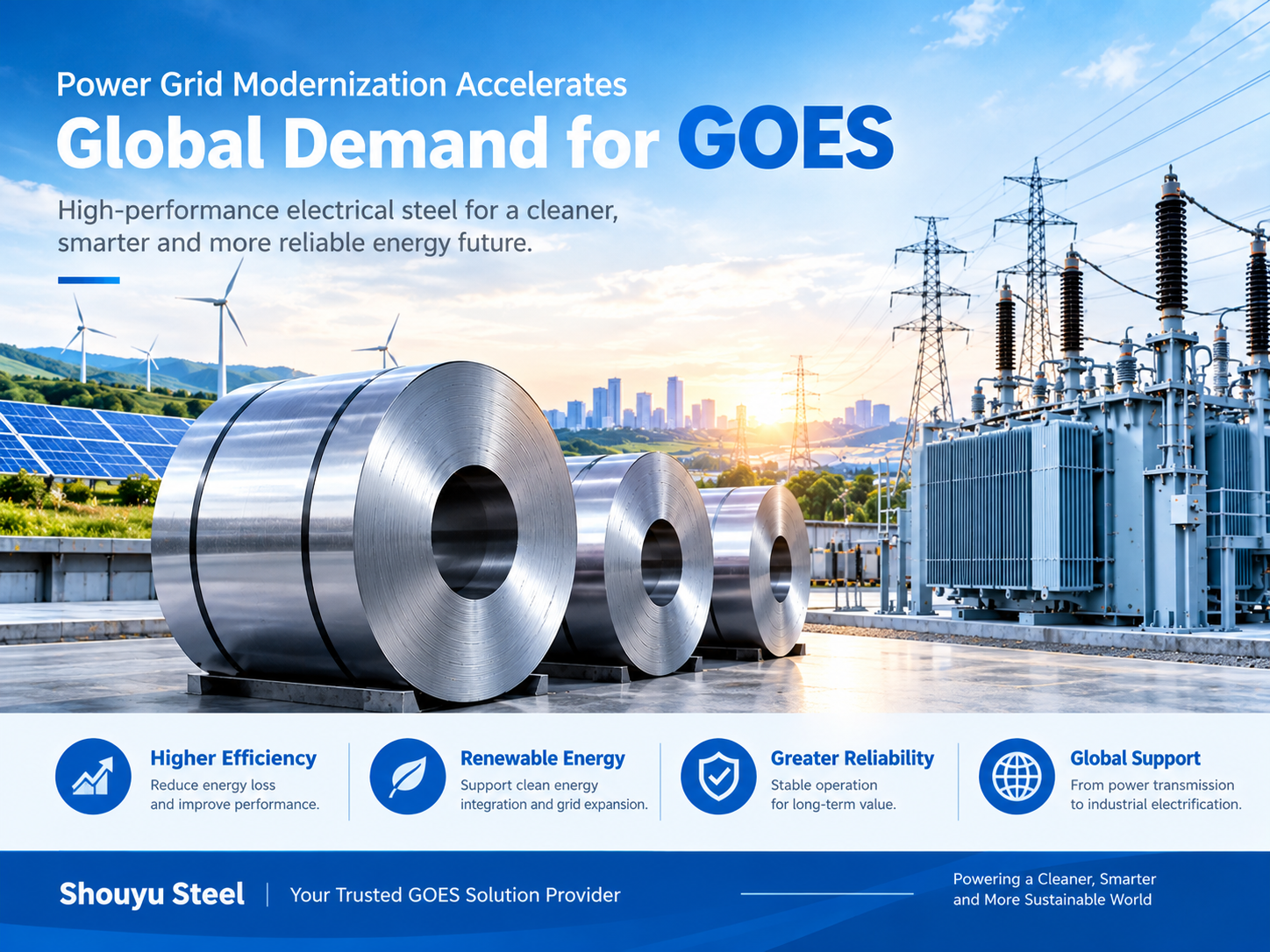
In recent years, with the construction of ultra-high voltage power grids, the popularization of new energy vehicles, and the acceleration of energy-saving transformation of industrial motors, the market demand for high-grade and high-performance silicon steel sheets has continued to rise. Compared to ordinary grade products, the new generation of oriented silicon steel sheets and non oriented silicon steel sheets have achieved comprehensive optimization in iron loss control, magnetic induction strength, insulation coating, stamping formability, etc., which can effectively reduce equipment no-load losses, improve operating efficiency, extend service life, and better meet the requirements of high-end equipment manufacturing.
Application Scenarios:
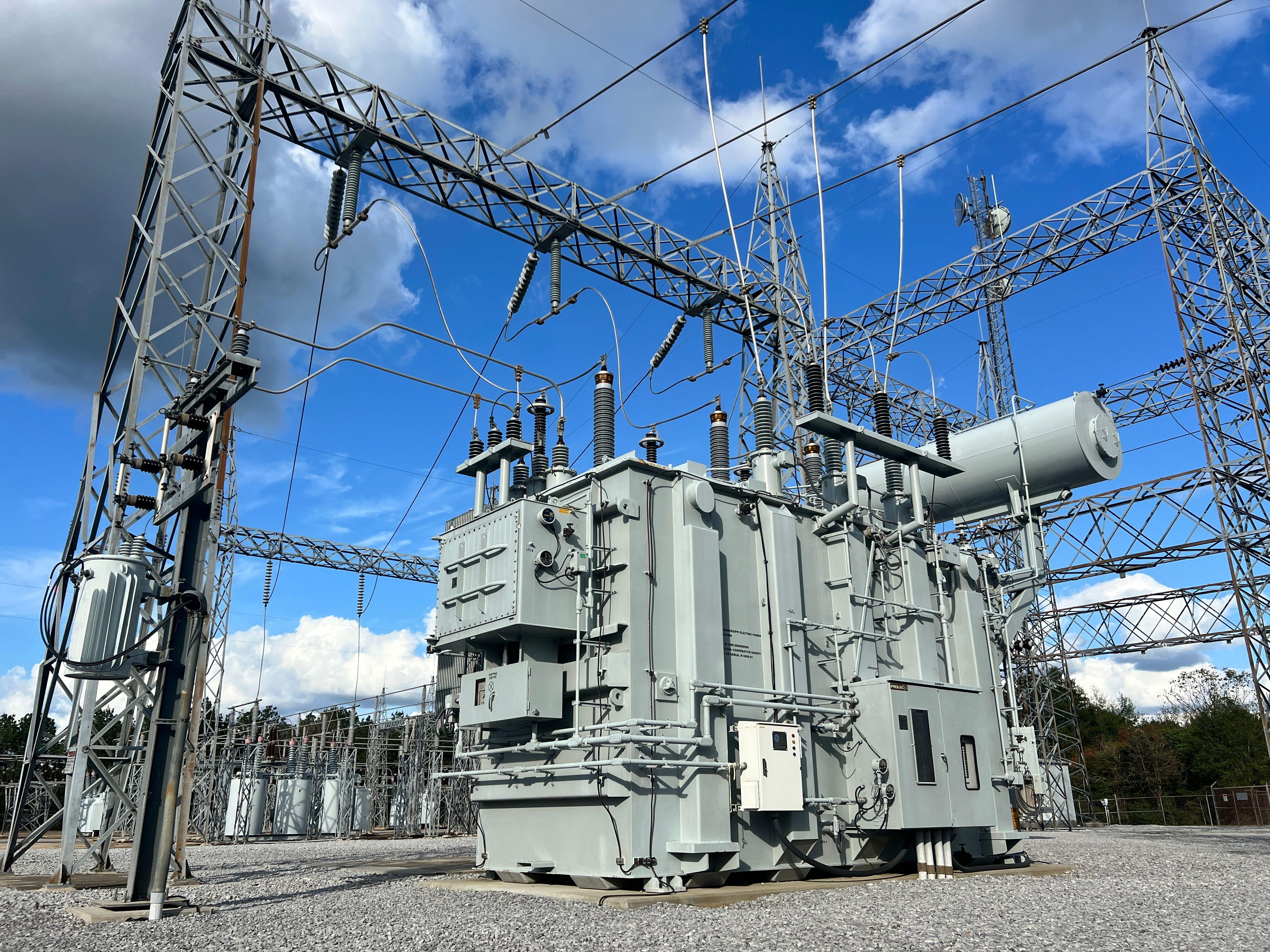
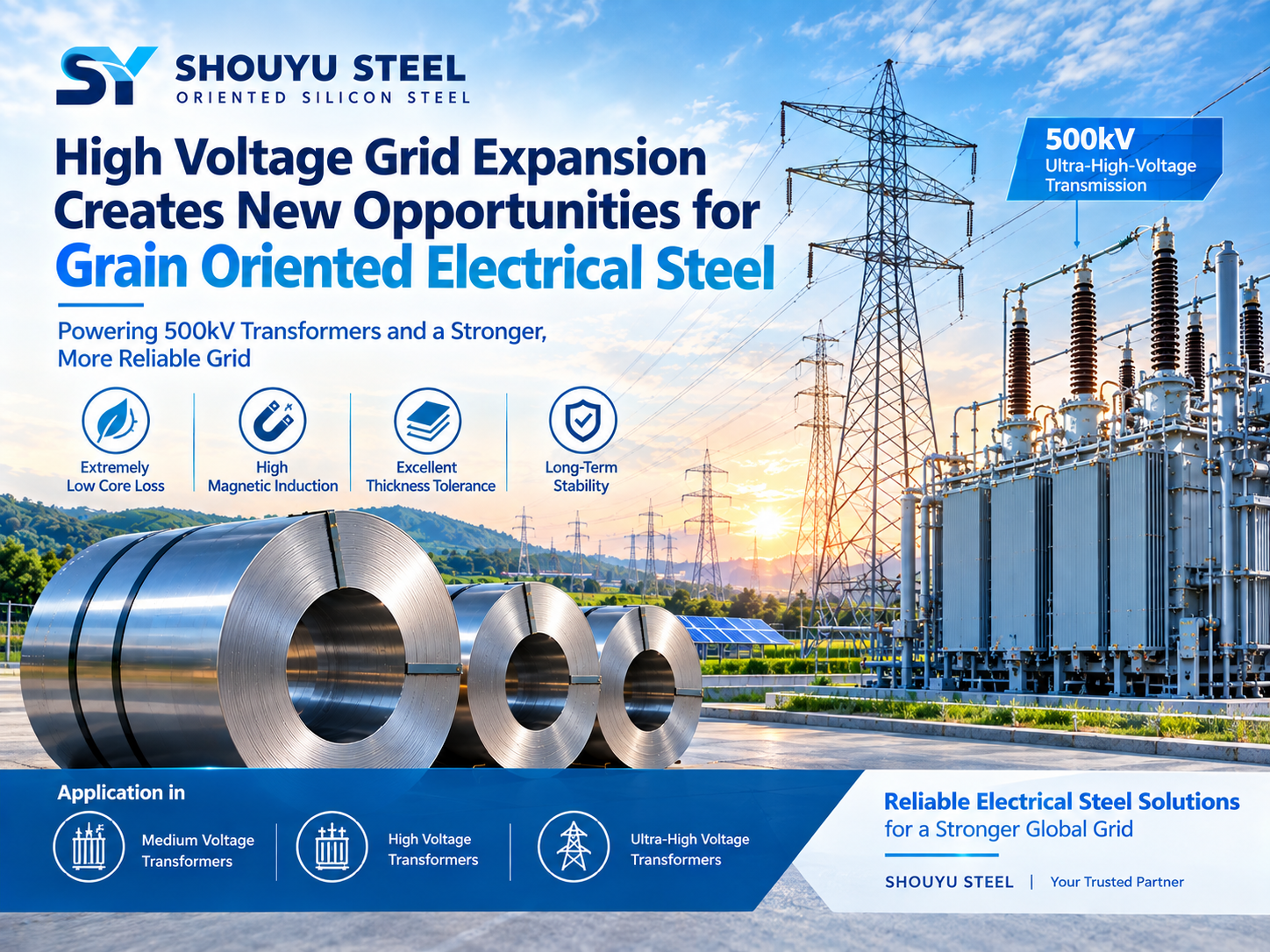
Oriented silicon steel sheets are mainly used in power equipment such as distribution transformers, power transformers, and transformers, and are the core material to ensure efficient and stable operation of the power grid. Non oriented silicon steel sheets are widely used in the fields of new energy vehicle drive motors, industrial variable frequency motors, household appliance motors, wind power inverters, etc., which are in line with the development direction of lightweight, high-efficiency, and energy-saving industries. In the context of increasingly strict energy efficiency policies both domestically and internationally, high-performance silicon steel sheets have become a key link in upgrading the industrial chain.
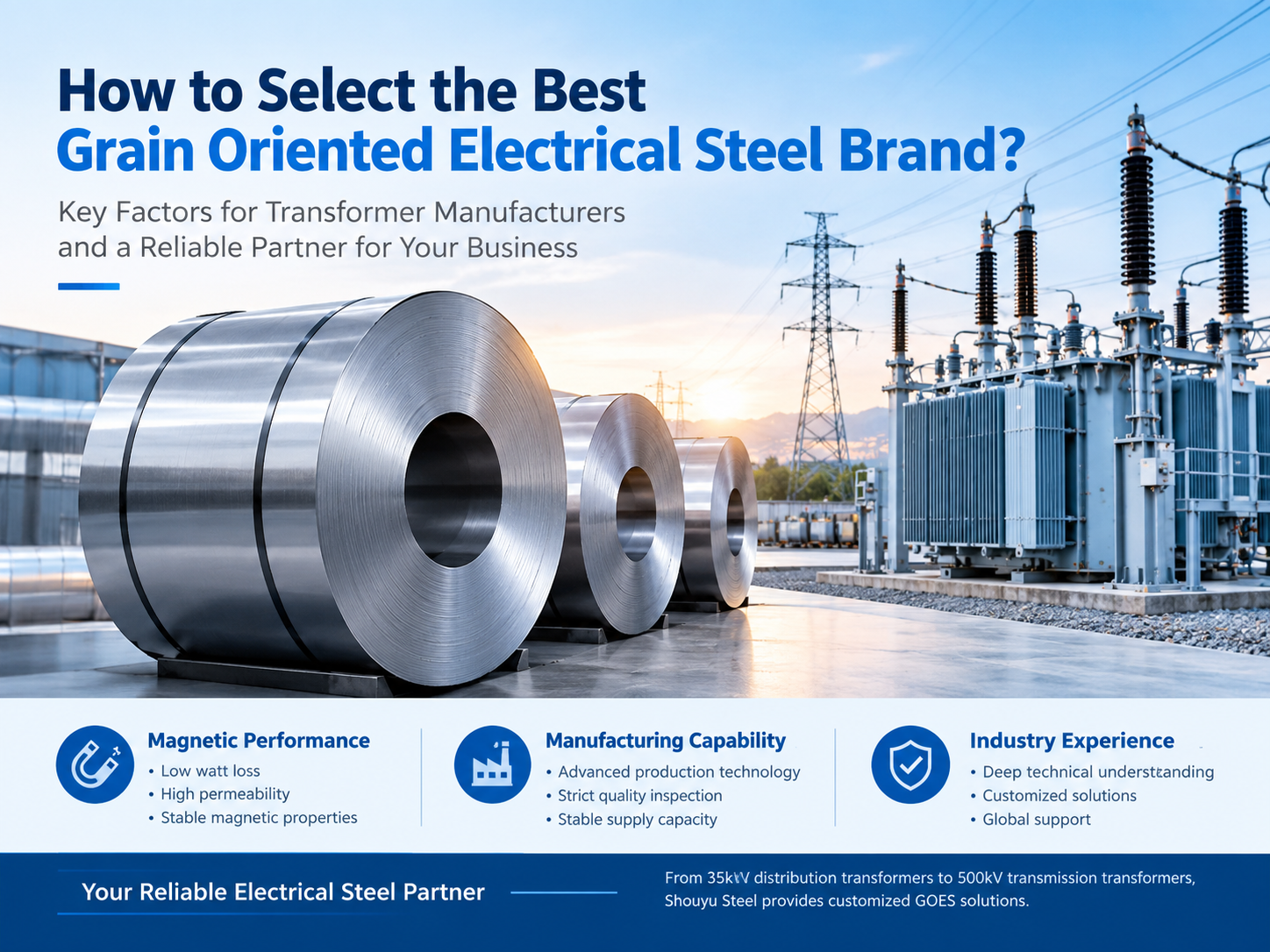
Relying on advanced cold rolling, annealing, laser scoring, and precision testing technologies, the production process of silicon steel sheets in China continues to break through, and product quality gradually meets international standards. By optimizing production processes, strictly controlling ingredient ratios, and improving quality systems, enterprises can stably supply silicon steel sheets of different thicknesses and grades, balancing cost-effectiveness and delivery capabilities. This not only serves the upgrading of domestic infrastructure and manufacturing industries, but also continues to export to overseas markets, providing stable supply for the global power and new energy industry chain.
Industry insiders indicate that in the future, with the expansion of new energy installation scale and the deepening of industrial energy-saving transformation, the market space for high-performance silicon steel sheets will be further released. Enterprises will continue to focus on technological innovation, continuously improve product performance and quality, perfect product systems, and help industries such as transformers, motors, and new energy achieve high-quality development with higher energy efficiency, lower losses, and higher reliability.