


Leave Your Message
-
Contact Phone
-
 Contact Email
The global transition toward sustainable energy and the rapid modernization of electrical grids have placed unprecedented demands on power distribution systems. At the very heart of this technological revolution lies a critical material: Mill Steel for Power Transformers and Energy Grids, predominantly known in the metallurgical and electrical engineering sectors as Grain-Oriented Electrical Steel (GOES) or Oriented Silicon Steel. This highly specialized iron-silicon alloy is engineered to exhibit exceptional magnetic properties in a single direction, making it the indispensable core material for manufacturing highly efficient power and distribution transformers.
As urbanization accelerates and the electrification of transportation (such as EVs) surges, the load on existing energy grids is increasing exponentially. Transformers act as the vital nodes in this vast network, stepping up voltage for long-distance transmission and stepping it down for safe residential and commercial use. The efficiency of these transformers directly dictates the overall efficiency of the power grid. Here, the quality of the mill steel core becomes paramount. By utilizing High Magnetic Induction (HiB) grain-oriented silicon steel, grid operators can drastically minimize "no-load losses" or "core losses"—the energy dissipated as heat simply by keeping the transformer energized.
🏭The current industrial landscape for electrical mill steel is characterized by a massive shift from conventional grades (CGO) to high-permeability grades (HiB). Globally, regulatory bodies are enforcing stringent Minimum Energy Performance Standards (MEPS). For instance, the European Union's Tier 2 Ecodesign Directive and the United States Department of Energy (DOE) regulations mandate ultra-high efficiency levels for new transformers. This regulatory environment has catalyzed a massive commercial boom for top-tier mill steel manufacturers capable of producing ultra-thin, low-loss silicon steel.
Supply chain dynamics in the mill steel sector are highly consolidated due to the extreme technological barriers to entry. Producing HiB steel requires precise control over the metallurgical composition, rigorous hot and cold rolling sequences, and complex high-temperature annealing processes to ensure the perfect alignment of the crystal lattice structure. Consequently, only a select group of advanced steel mills worldwide can meet the soaring demand. This has led to strategic partnerships between major utility companies, transformer OEMs (Original Equipment Manufacturers), and specialized steel producers like Tangshan Shouyu Electromagnetic New Materials Co., Ltd., ensuring a stable supply of this critical material for national grid upgrades.
Tangshan Shouyu Electromagnetic New Materials Co., Ltd.
Tangshan Shouyu Electromagnetic New Materials Co., Ltd. was established in 2022 and is located in Yutian County Industrial Park, Tangshan City, Hebei Province. It is a high-tech enterprise specializing in the research and development, production, and sales of oriented silicon steel. Committed to pushing the boundaries of metallurgical science, we provide the essential core materials required for the next generation of power transformers and smart energy grids globally.
In vast geographical regions, transmitting electricity over thousands of kilometers without significant power loss is a monumental engineering challenge. Ultra-High Voltage (UHV) AC and DC transmission systems operate at 800kV, 1000kV, and beyond. The massive power transformers required for these substations demand the absolute highest grade of HiB mill steel. The magnetic domains in these advanced steels are often refined using laser ablation techniques, further reducing core loss. The application of premium oriented silicon steel in UHV transformers ensures grid stability, prevents thermal runaway, and saves millions of megawatt-hours of electricity annually.
🌐The integration of renewable energy sources introduces severe fluctuations and harmonics into the power grid. Wind turbine step-up transformers and solar inverter transformers operate under highly variable loads and harsh environmental conditions (offshore or in deserts). Mill steel used in these specific applications must not only exhibit low loss but also excellent magnetostriction properties to reduce transformer noise. Furthermore, the compact design requirements of the nacelle in a wind turbine necessitate the use of high magnetic induction steel, allowing engineers to design smaller, lighter, yet more powerful transformer cores.
🔋The proliferation of Electric Vehicles (EVs) requires a dense network of fast-charging stations. These stations draw massive spikes of power from the local distribution grid. To handle these dynamic loads without causing grid failure, smart solid-state transformers and advanced distribution transformers are deployed. The rapid response and high efficiency required by these systems lean heavily on the superior magnetic permeability of modern mill steel. As smart grids utilize AI to route power dynamically, the physical transformers must be highly responsive and energy-efficient, a trait entirely dependent on the quality of the silicon steel core.

As a core material supplier for improving the energy efficiency of distribution transformers, relying on profound technological accumulation and innovative genes, the company focuses on the high-end electromagnetic material track. Its core product, cold-rolled oriented silicon steel, with excellent low iron loss and high magnetic induction performance, has become the core support for improving energy efficiency.

In the era of the national "dual carbon" strategy and energy-saving upgrading of the power grid, we have taken the lead in the R&D and large-scale production of low iron loss and high magnetic induction oriented silicon steel (Hi-B steel), breaking through energy efficiency bottlenecks and promoting green development.

We always adhere to the business philosophy of "honesty and trustworthiness, always moving forward", guided by customer needs, driven by technological innovation, and working together with industry chain partners to promote the transformation of the energy industry towards green and efficient.

In the future, we will continue to deeply cultivate the field of electromagnetic new materials, create long-term value for customers with excellent quality and professional services, inject new momentum into the development of the industry, and become a trusted global partner.
The future of mill steel for power transformers is inextricably linked to the global mandate for decarbonization. As we look toward the next decade, several key technological and industrial trends are shaping the production and application of oriented silicon steel.
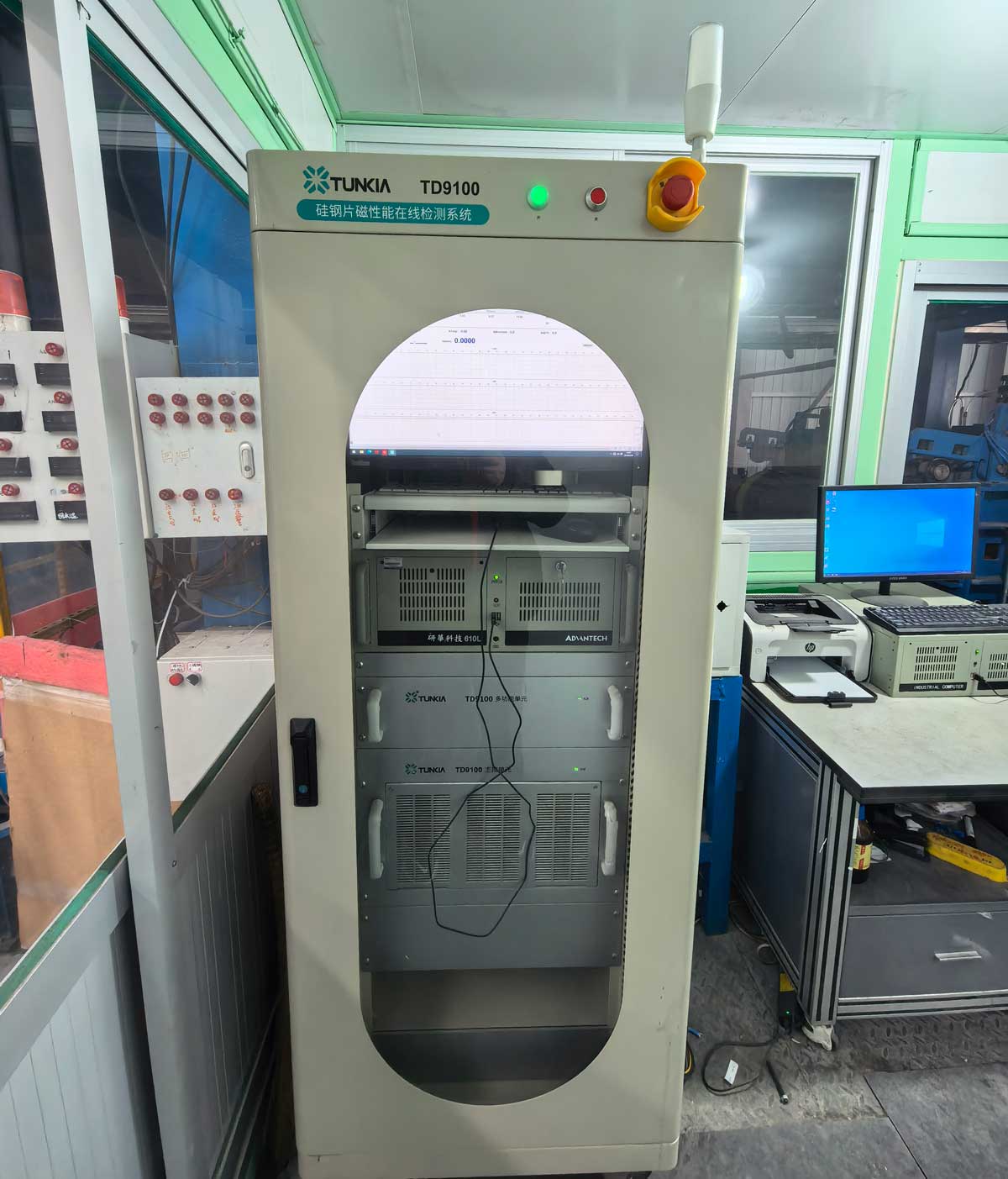
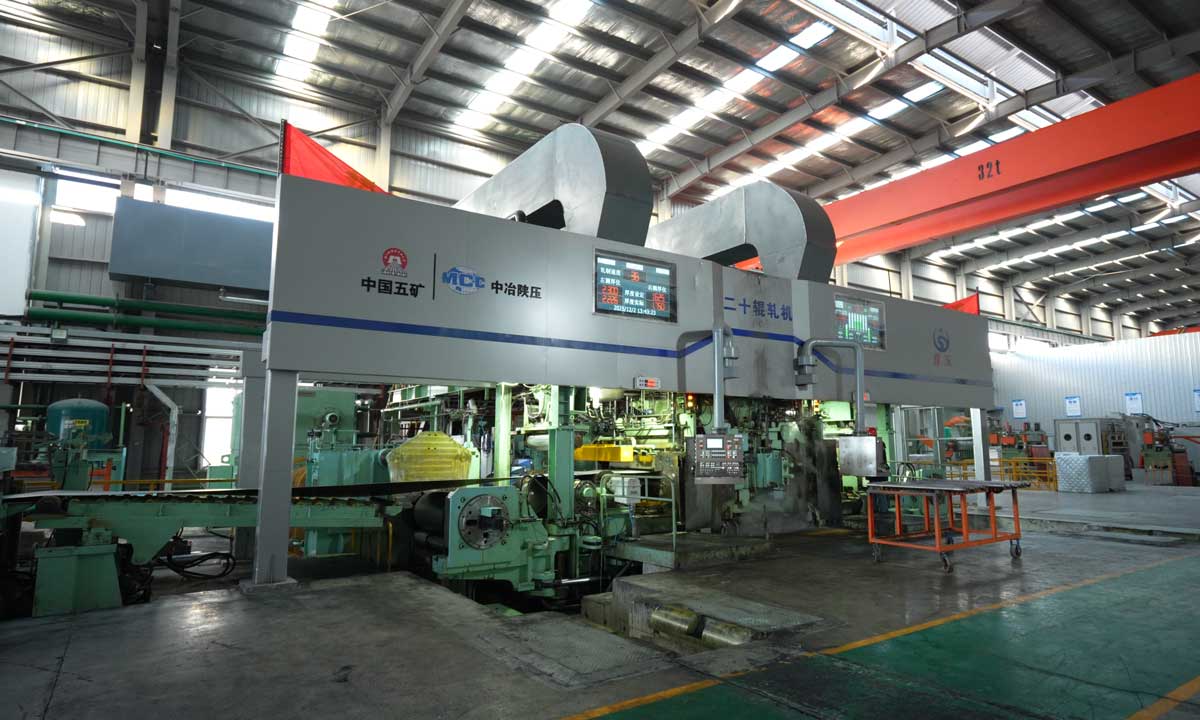
📈Historically, standard oriented silicon steel was produced in thicknesses of 0.30mm or 0.27mm. Today, the frontier has moved to 0.23mm, 0.20mm, and even 0.18mm gauges. Thinner steel sheets drastically reduce eddy current losses within the transformer core. However, rolling steel to such extreme thinness while maintaining the delicate Goss texture (the specific crystal orientation that gives the steel its magnetic properties) requires state-of-the-art 20-roll reversible cold rolling mills and highly controlled annealing atmospheres. The trend is clear: thinner, lighter, and vastly more efficient.
🤖The incorporation of Artificial Intelligence (AI) and Machine Learning (ML) into the steel manufacturing process is revolutionizing quality control. Real-time magnetic property testing throughout the entire process is now augmented by AI algorithms that can predict and adjust the metallurgical outcomes during the decarbonization and annealing phases. Sensors monitor the magnesium oxide coating thickness at a microscopic level, ensuring perfect insulation between laminations. This technological leap minimizes defect rates and ensures a consistent supply of premium HiB steel for critical energy grid infrastructure.
🌱As the end-use of mill steel is to save energy and reduce carbon emissions, the manufacturing process itself is undergoing a green transformation. Steel mills are increasingly adopting electric arc furnaces powered by renewable energy, utilizing green hydrogen for reduction processes, and implementing advanced waste heat recovery systems. The lifecycle carbon footprint of the power transformer is therefore significantly reduced right from the raw material stage.
In conclusion, Mill Steel—specifically Grain-Oriented Silicon Steel—is not merely an industrial commodity; it is the fundamental enabler of the modern, smart, and sustainable energy grid. Through continuous metallurgical innovation, rigorous quality control, and strategic application across diverse power scenarios, advanced mill steel will continue to power the future of global infrastructure.

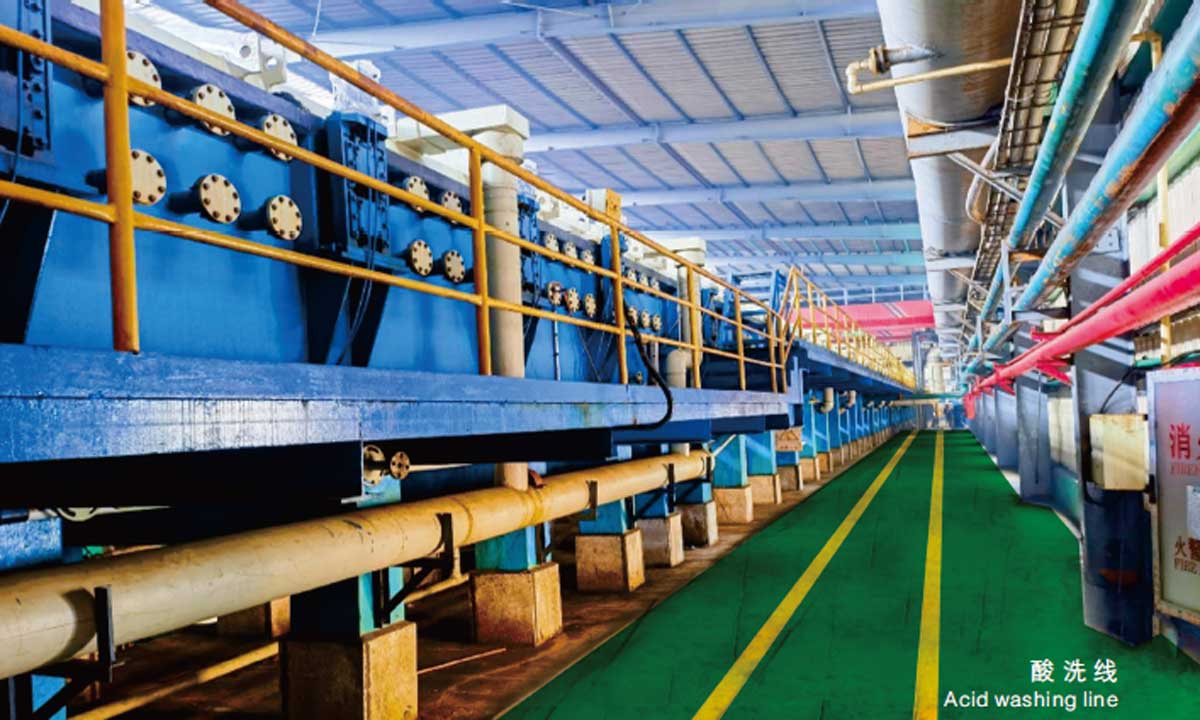
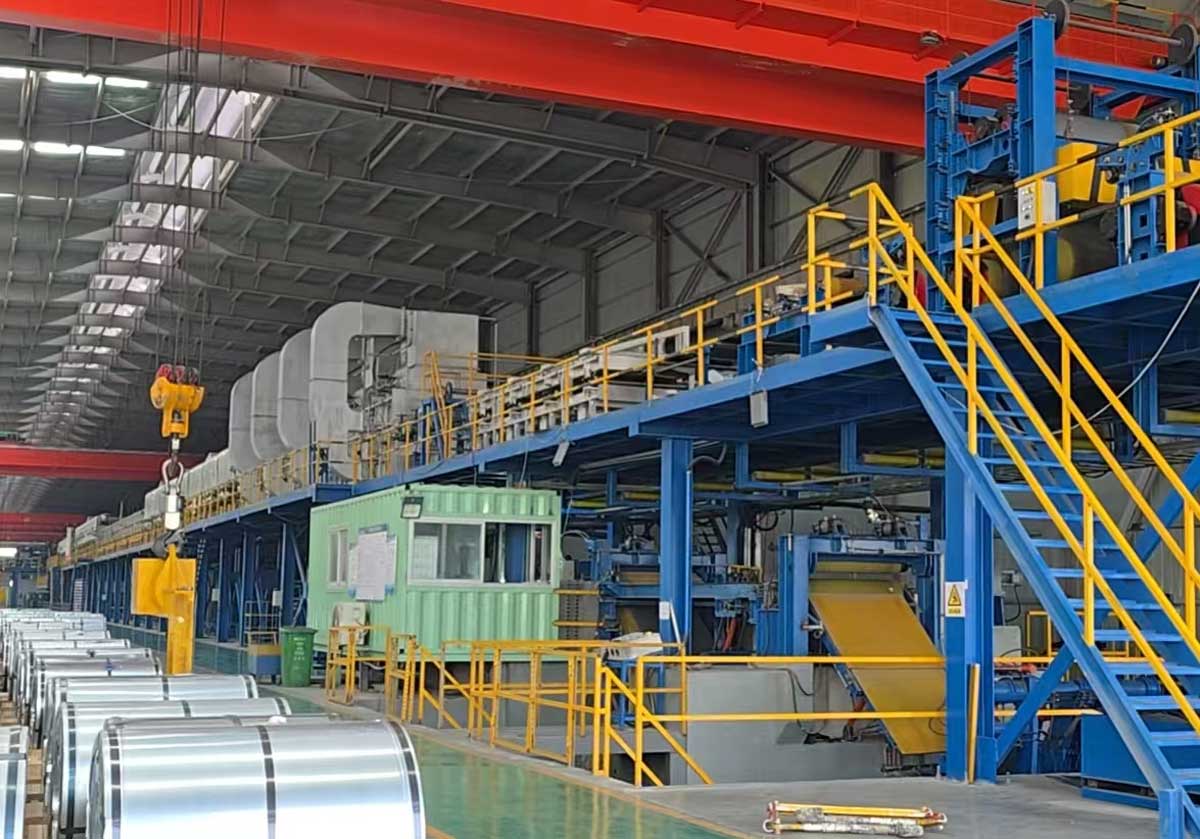
Pickling Line

20 Roll Reversible Cold Rolling Mill

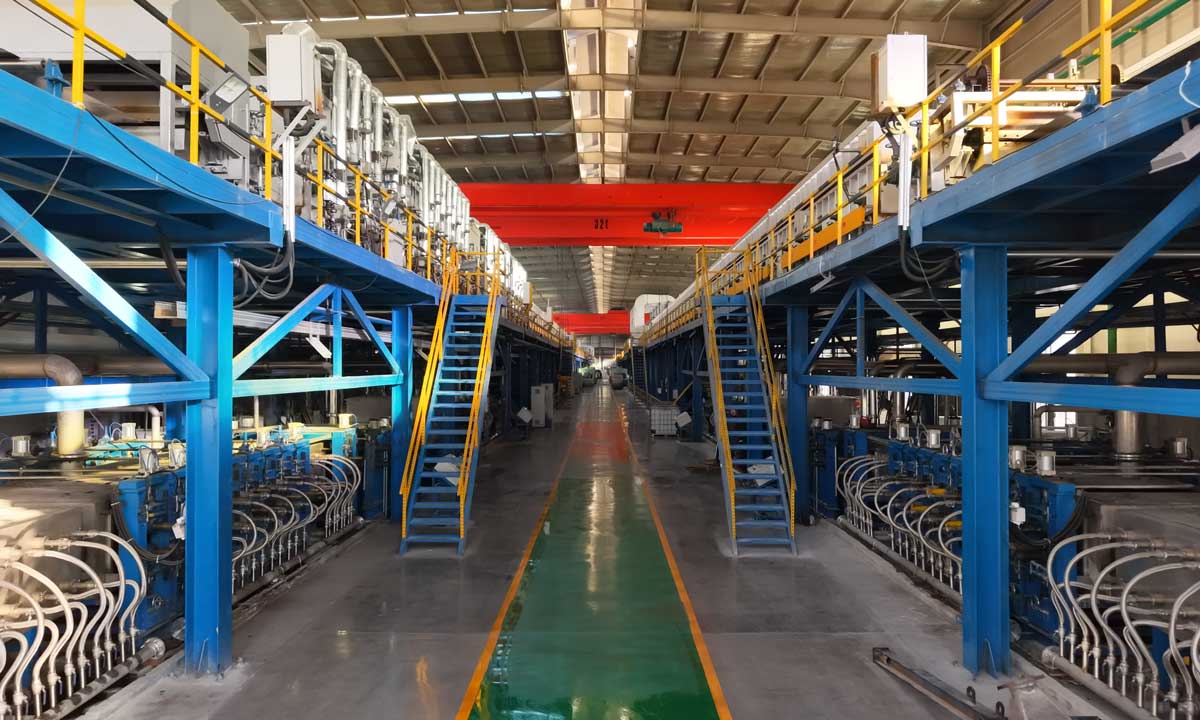
Decarbonization Annealing Line

Magnesium Oxide Coated Wire

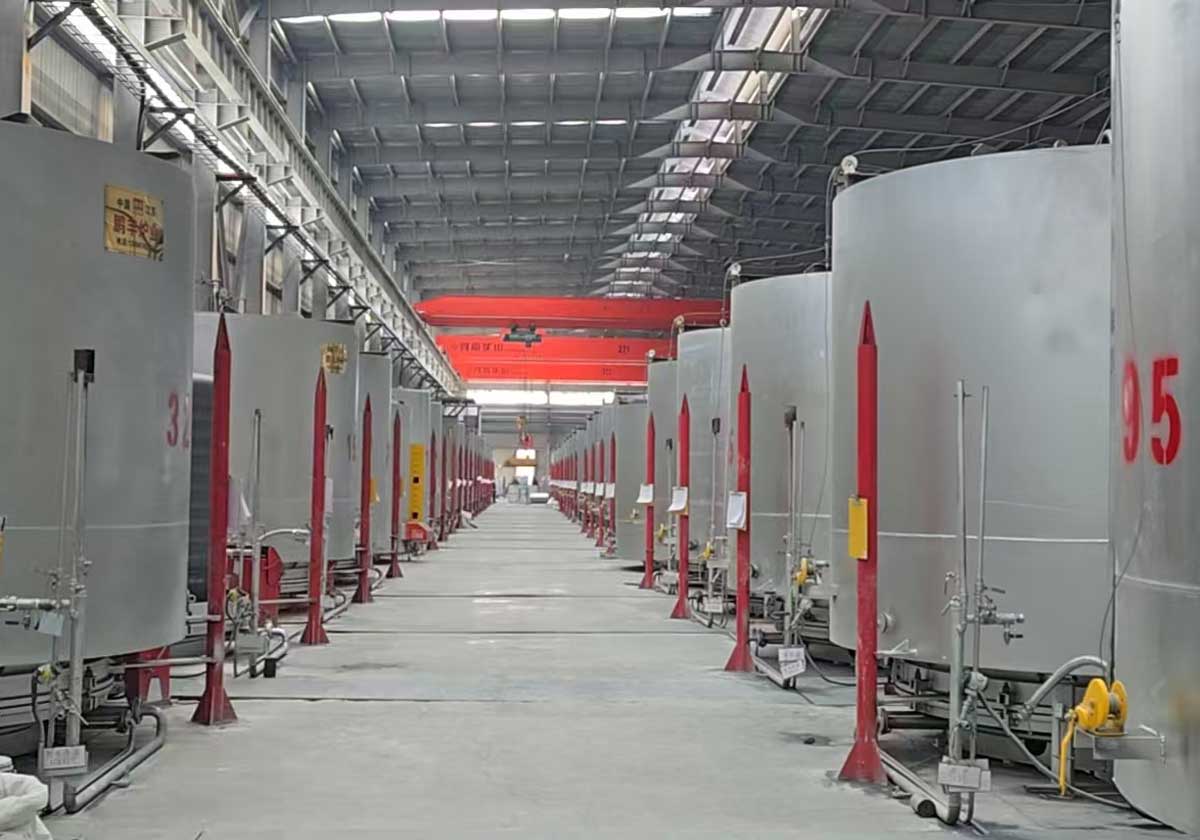
High Temp Hood Type Annealing Furnace

Stretch Flat Line

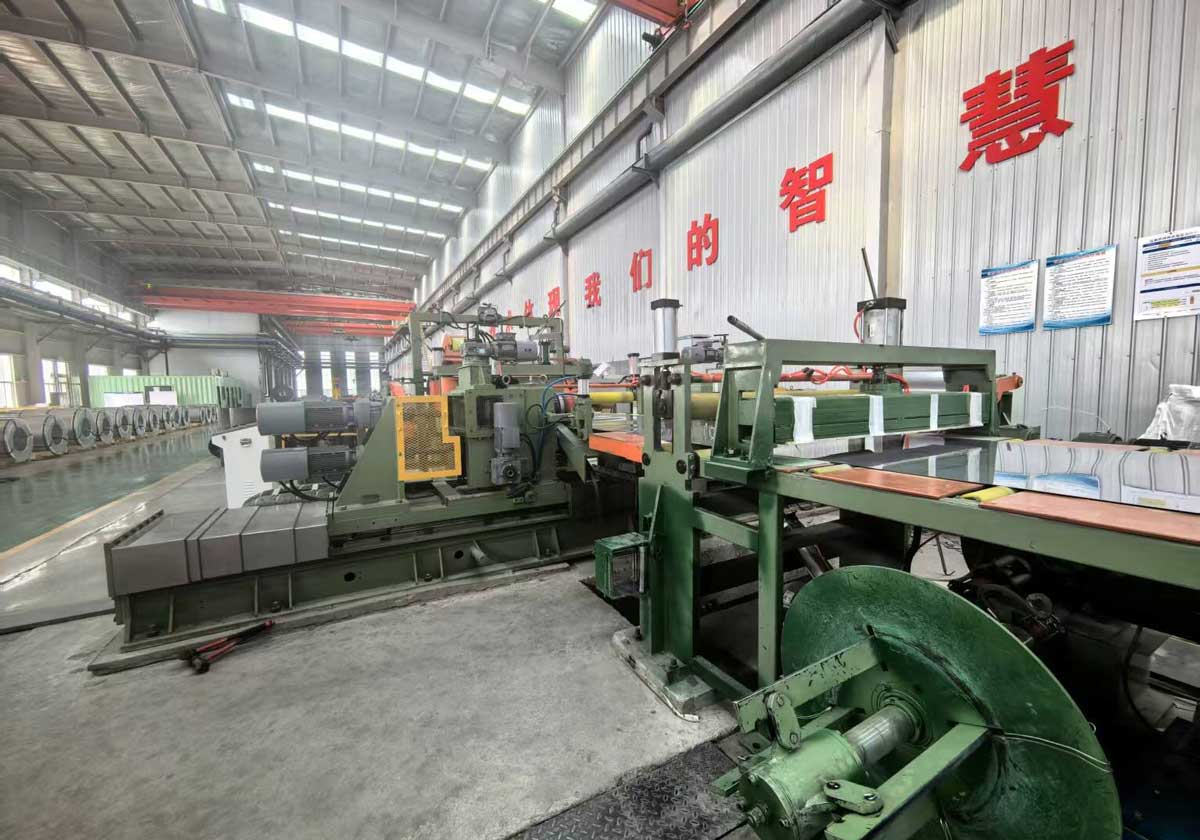
Slitting Line
Quality Control Lab
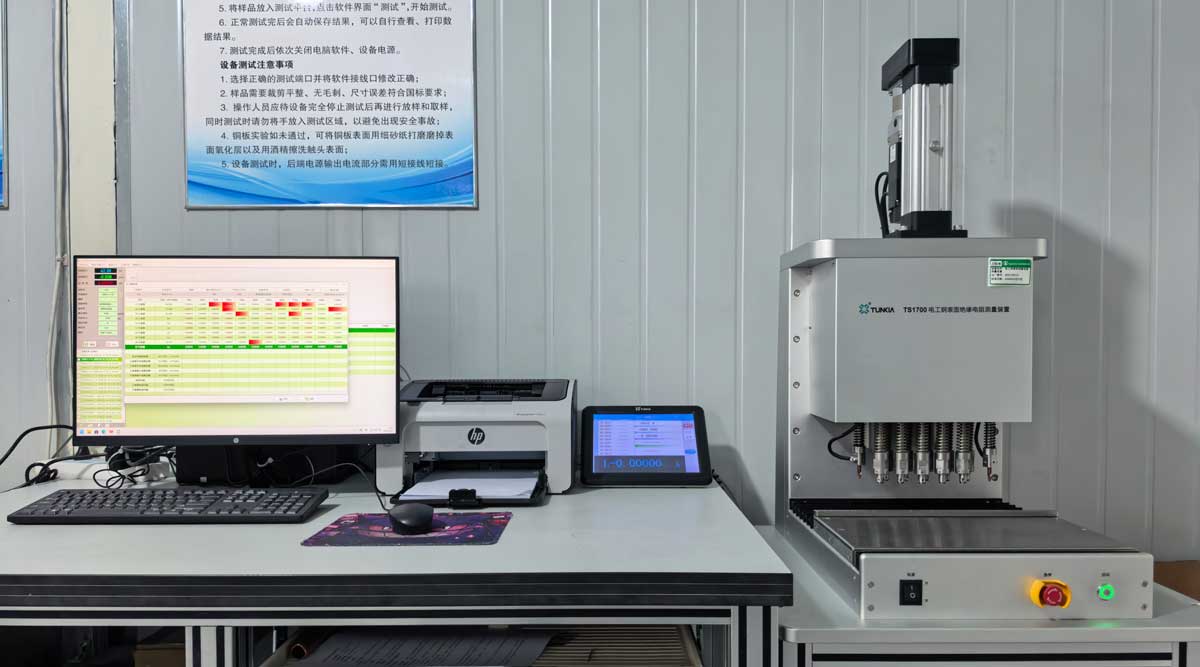
Magnetic Testing
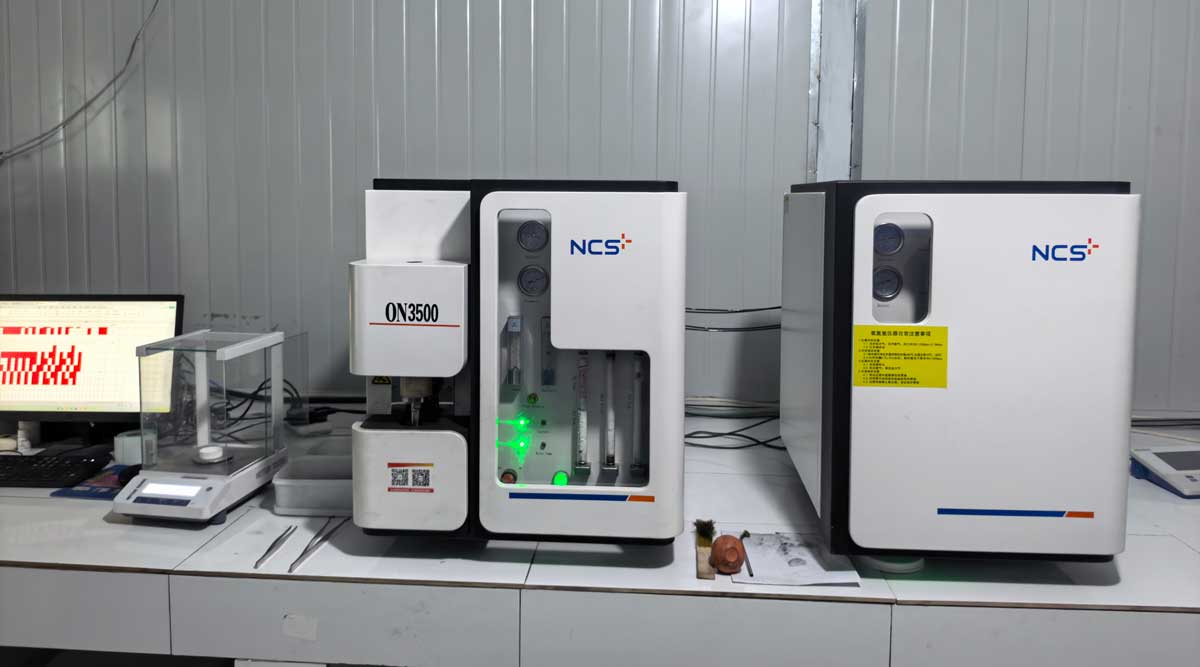
Material Analysis
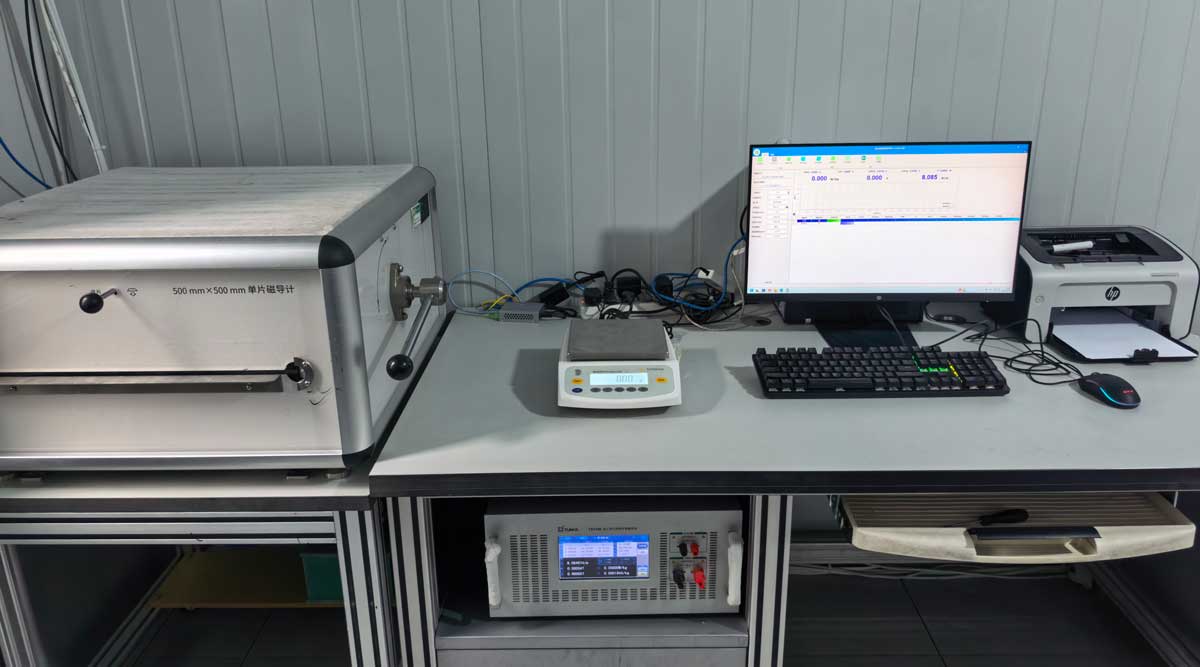
Precision Instruments
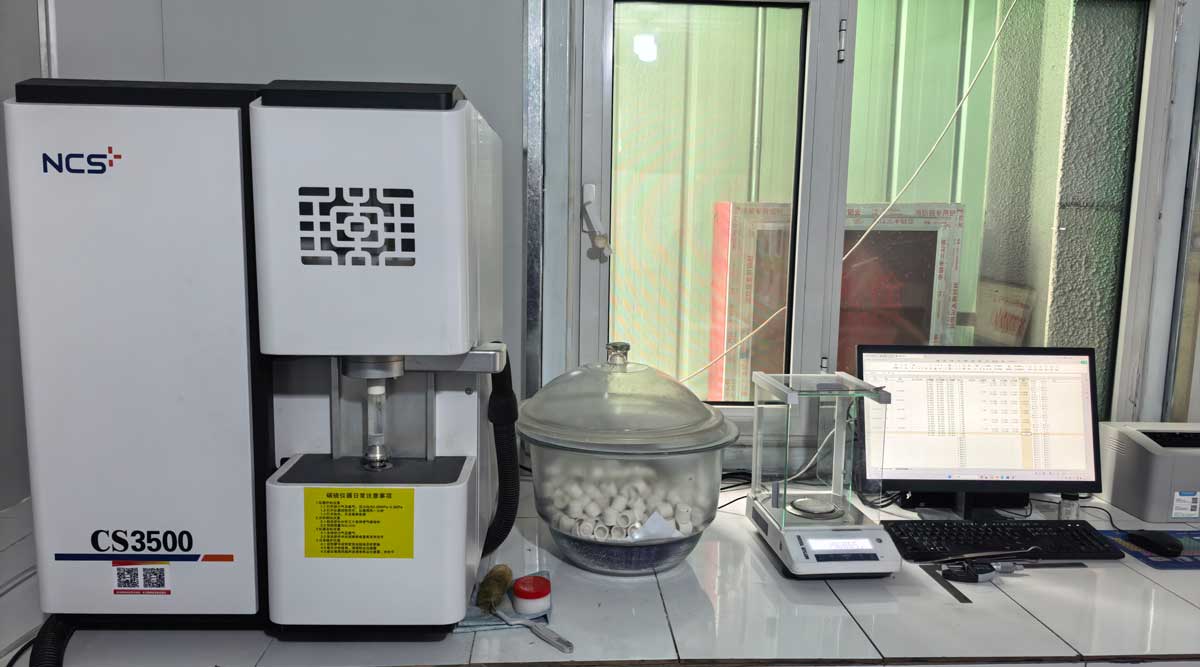
Research & Development
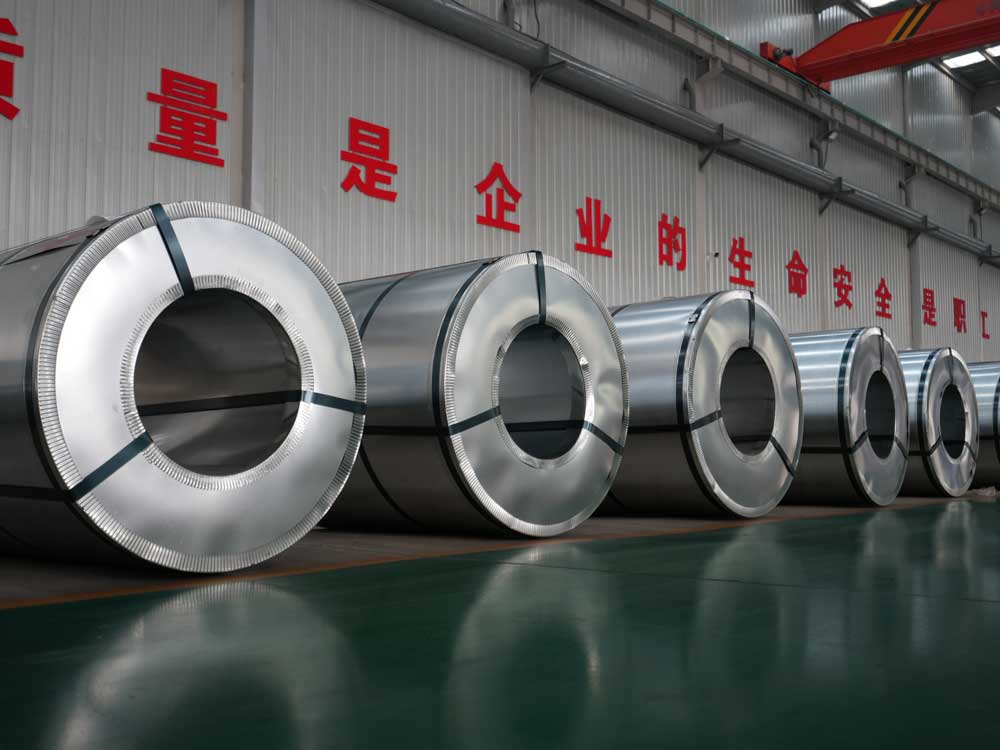 High Magnetic Induction Oriented Silicon Steel (HiB)
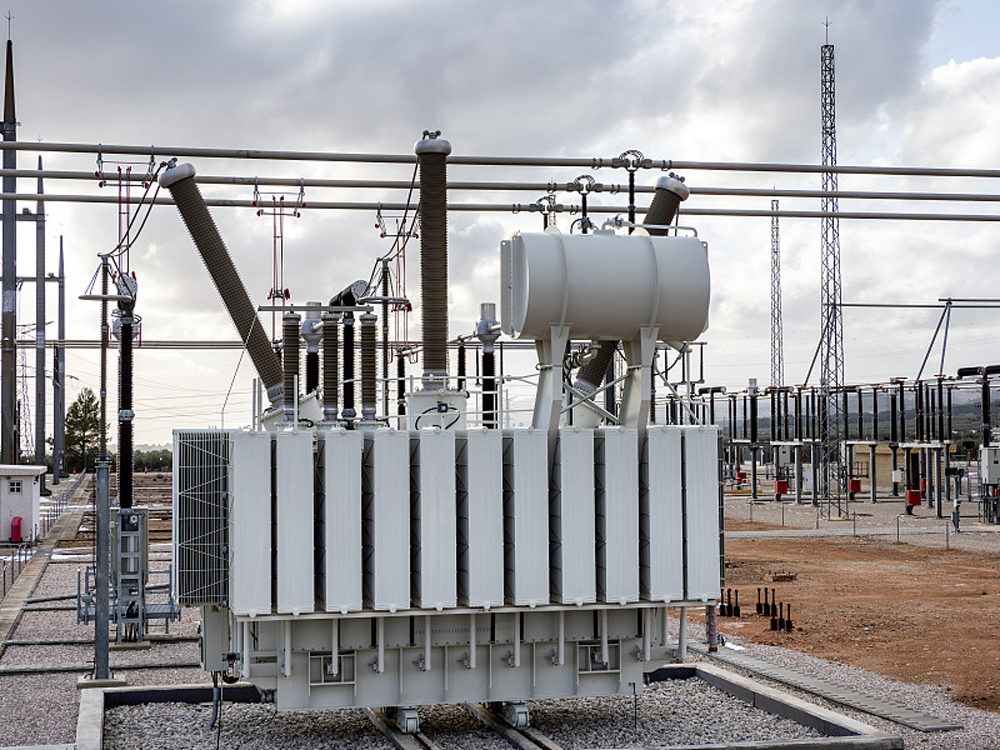 Characteristic Applications of Oriented Silicon Steel
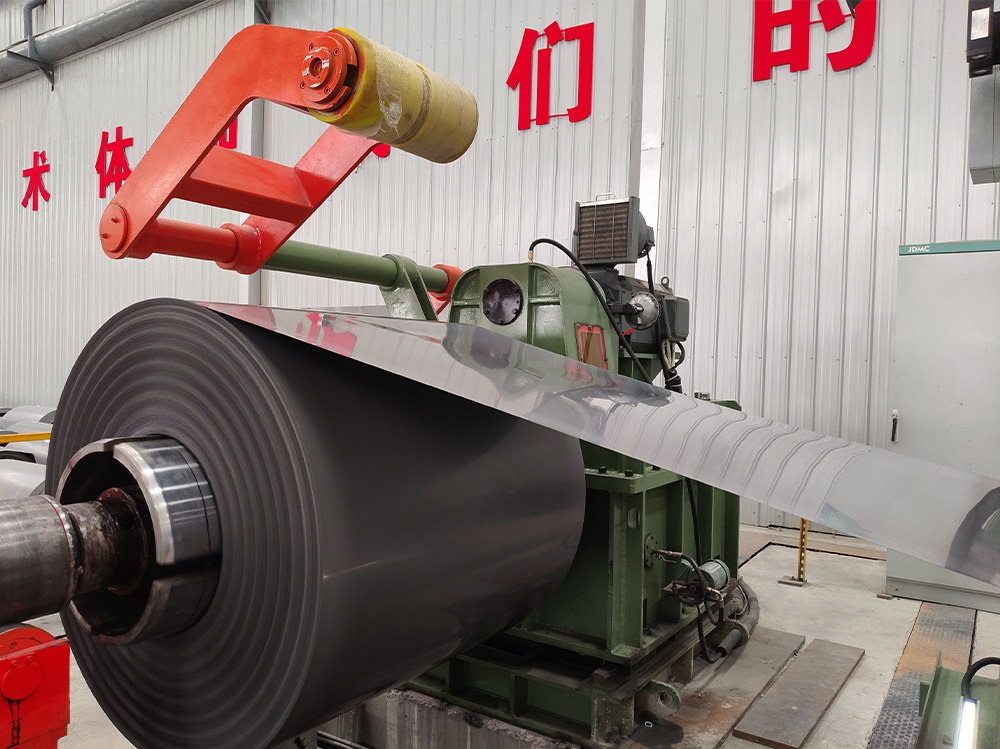 CGO Ordinary Silicon Steel
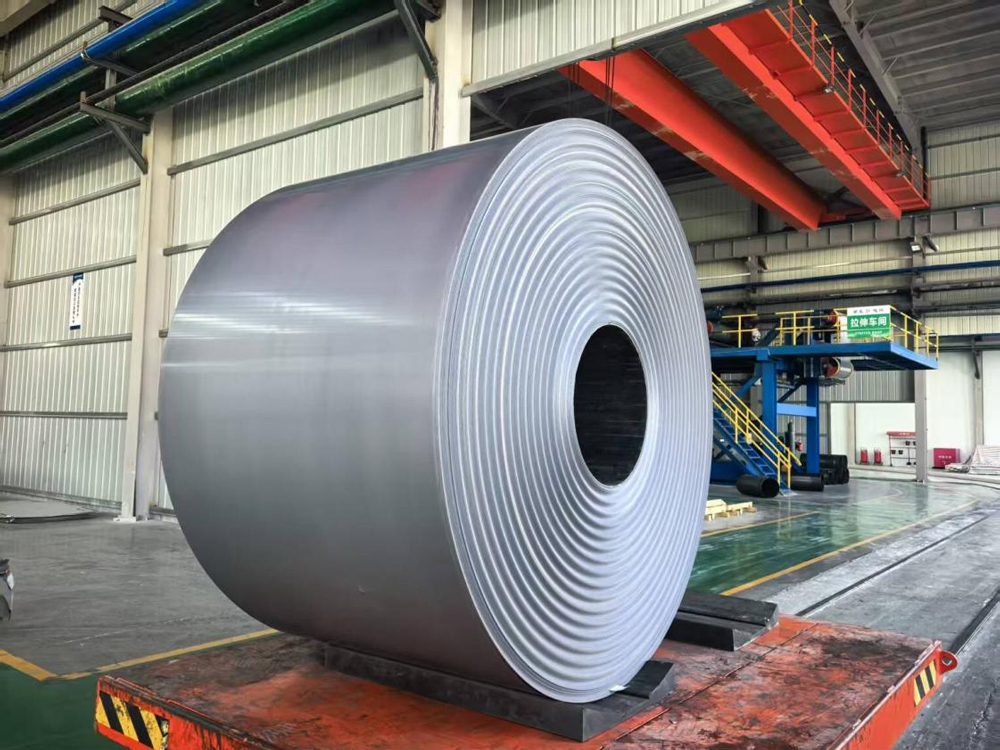 Magnetic Property Testing of Oriented Silicon Steel
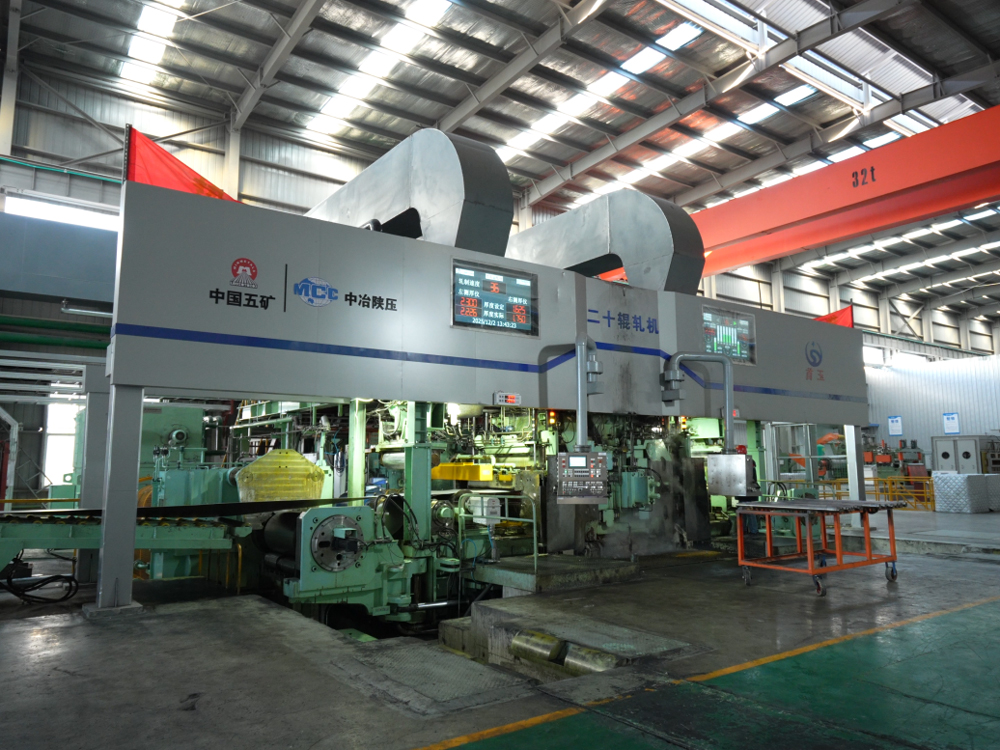 Production Process of Oriented Silicon Steel
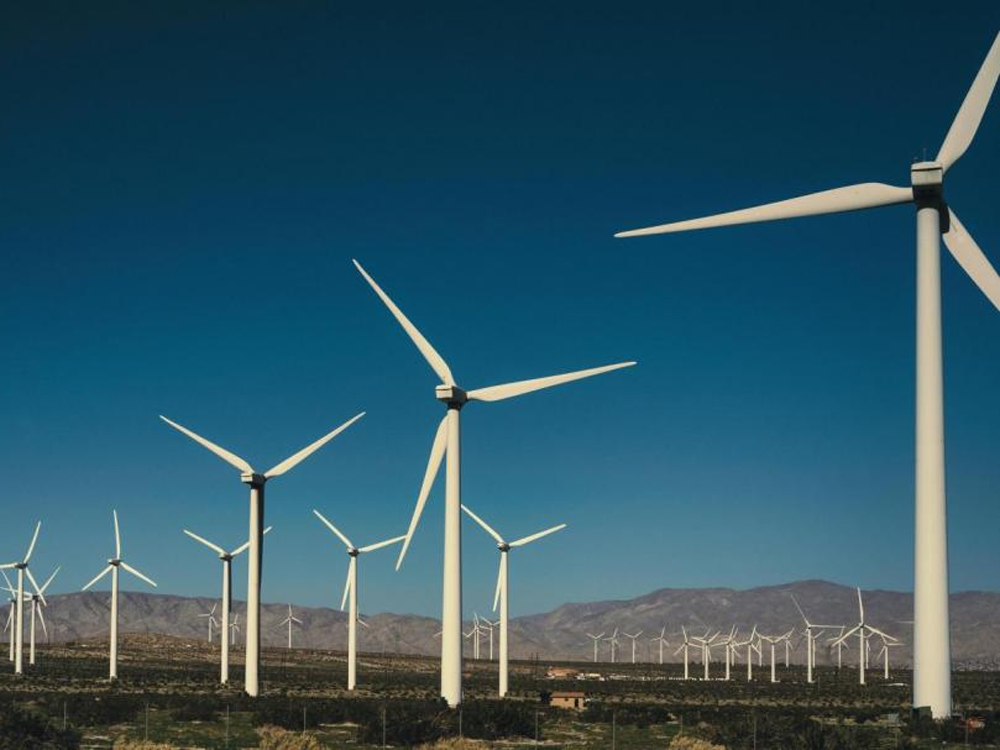 Application of Oriented Silicon Steel Industry
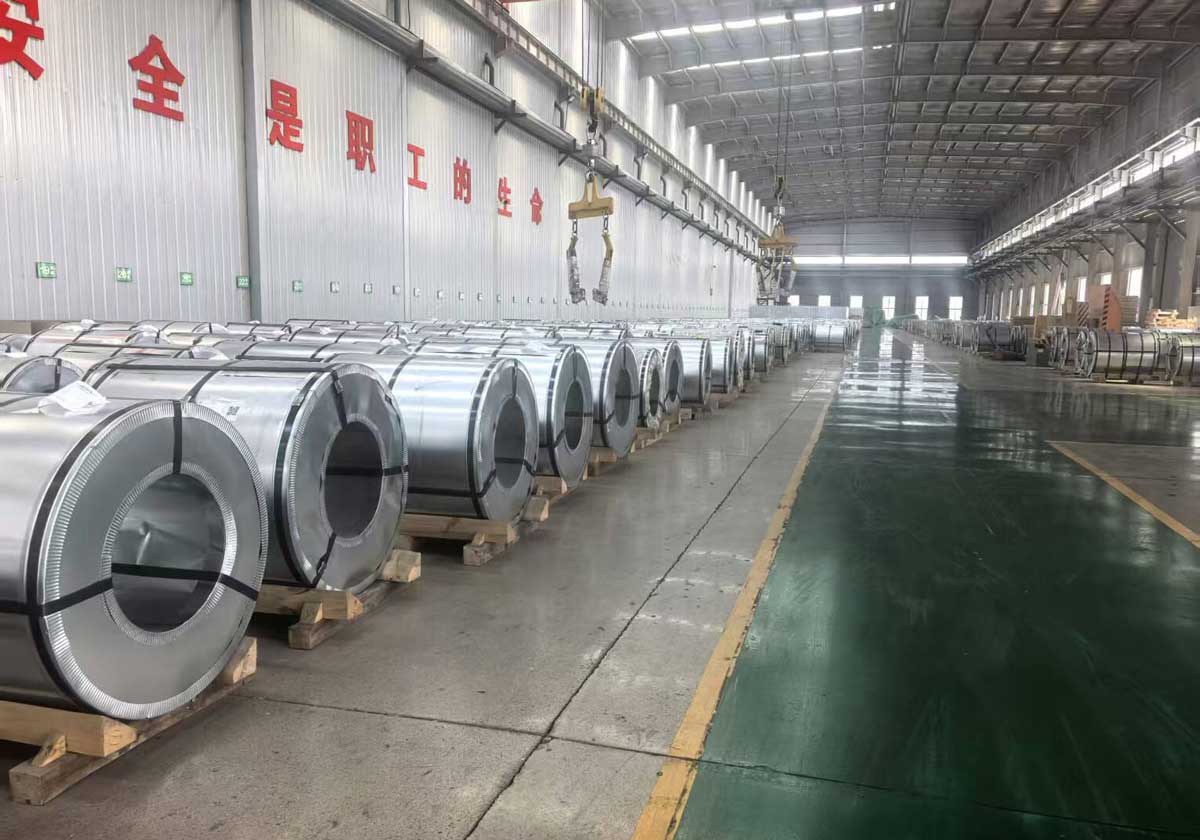
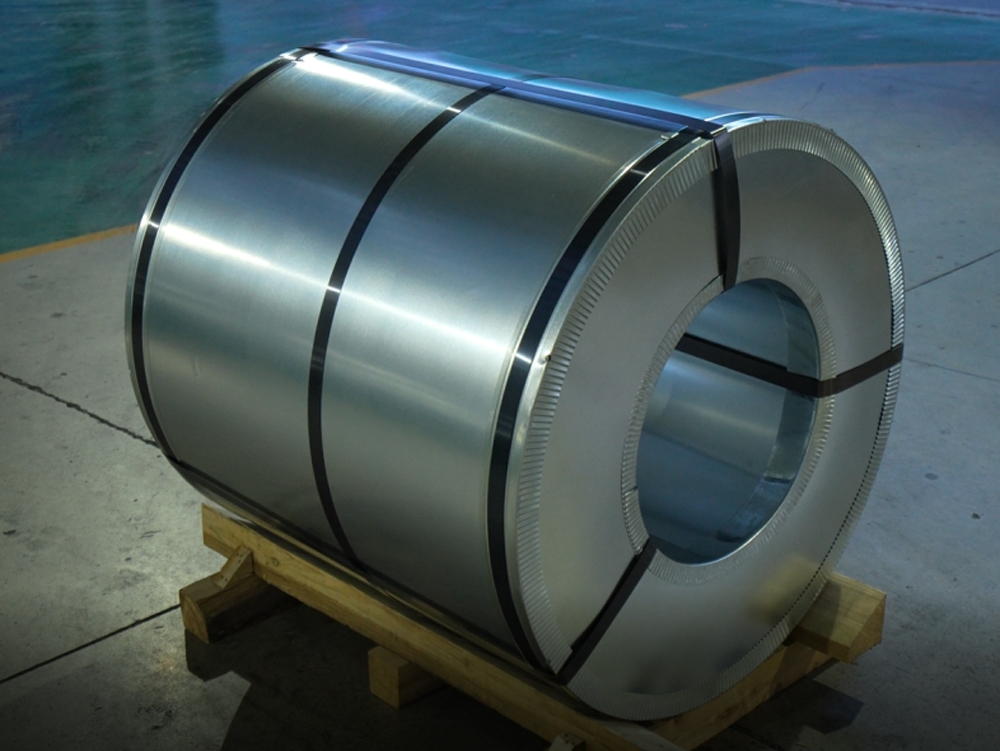 Oriented Silicon Steel: Packaging & Shipping
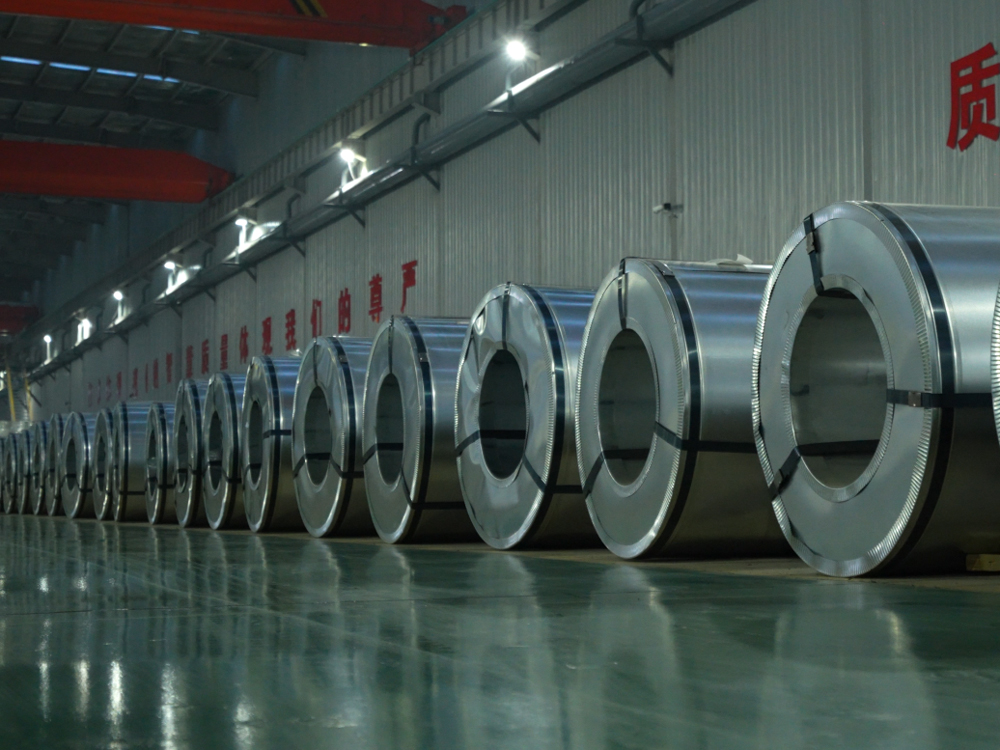 (HiB) High Magnetic Induction Parameters