Leave Your Message
-
Contact Phone
-
 Contact Email
The global transition towards sustainable transportation has catalyzed an unprecedented expansion in Electric Vehicle (EV) adoption. However, the true bottleneck of this green revolution lies not just within the vehicles themselves, but within the Electric Vehicle Charging Infrastructure. To alleviate range anxiety and support continuous mobility, the deployment of ultra-fast DC charging stations (Level 3) and robust AC charging networks (Level 2) is expanding exponentially. At the very heart of these powerful energy transfer systems lies a critical, yet often overlooked material: High Silicon Steel.
High Silicon Steel, encompassing both conventional Grain-Oriented (CGO) and High Magnetic Induction (HiB) variants, serves as the fundamental magnetic core material for transformers, inductors, and high-frequency power modules within EV Supply Equipment (EVSE). As charging stations escalate from 50kW to staggering 350kW+ capacities, the electrical components must process massive amounts of power efficiently. High Silicon Steel ensures minimal core loss, superior magnetic permeability, and exceptional thermal stability, directly translating to less wasted heat, smaller equipment footprints, and faster charging times for end-users.
In today's commercial landscape, the demand for High Silicon Steel is surging in tandem with massive government and private investments in smart grids and EV charging corridors. The industrial focus has shifted from standard electrical steels to advanced HiB steel. Traditional materials struggle with the high-frequency switching and massive current loads required by modern DC fast chargers, leading to excessive eddy current losses. High Silicon Steel, engineered with precise metallurgical properties and ultra-thin gauges, mitigates these losses, pushing the energy conversion efficiency of charging stations well above 95%.
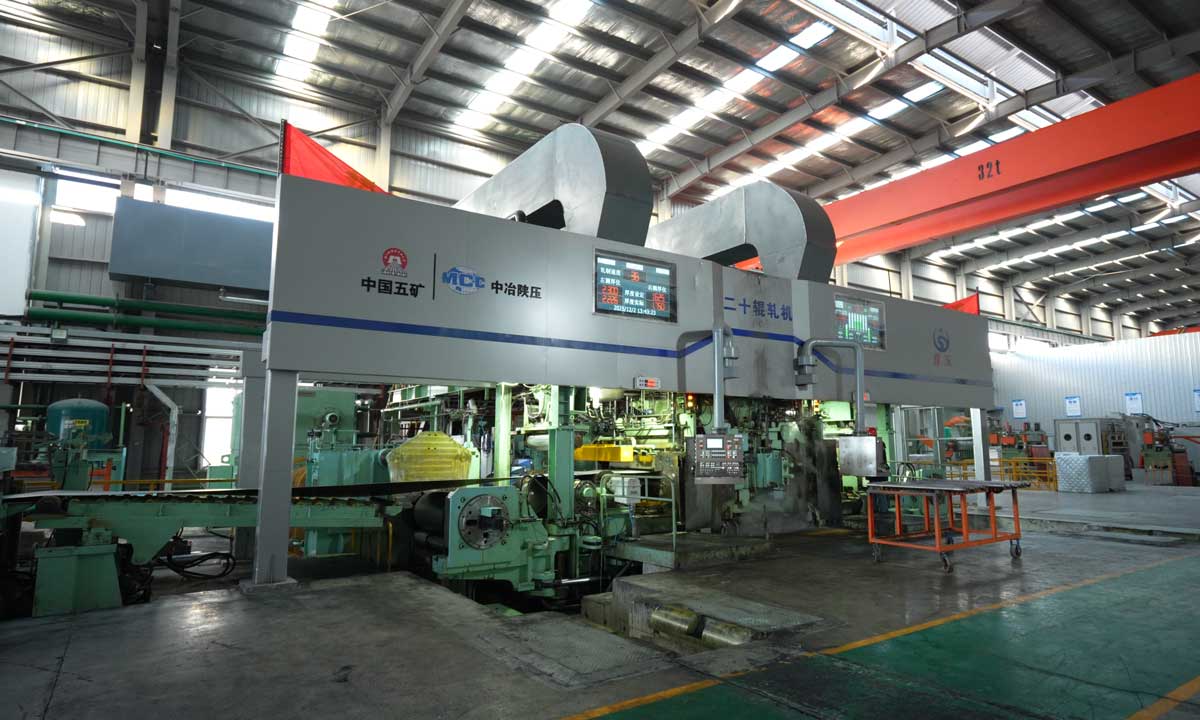
Furthermore, the supply chain for high-end electromagnetic materials is undergoing rapid technological evolution. Manufacturers are investing heavily in advanced cold-rolling techniques, decarbonization, and precision annealing to meet the rigorous specifications of the EV sector. This industrial pivot is not just about producing steel; it is about engineering a critical enabler for the global decarbonization strategy. Companies that master the production of low iron loss, high magnetic induction oriented silicon steel are positioning themselves as indispensable nodes in the global EV ecosystem.
Tangshan Shouyu Electromagnetic New Materials Co., Ltd. was established in 2022 and is located in Yutian County Industrial Park, Tangshan City, Hebei Province. It is a high-tech enterprise specializing in the research and development, production, and sales of oriented silicon steel.
As a core material supplier for improving the energy efficiency of distribution transformers, relying on profound technological accumulation and innovative genes, the company focuses on the high-end electromagnetic material track. Its core product, cold-rolled oriented silicon steel, with excellent low iron loss and high magnetic induction performance, has become the core support for improving the energy efficiency of distribution transformers.
In the era of the national "dual carbon" strategy and energy-saving upgrading of the power grid, we have taken the lead in the research and development and large-scale production of low iron loss and high magnetic induction oriented silicon steel (Hi-B steel), using key material innovation to break through the energy efficiency bottleneck of power equipment and promote the deep transformation of the industry towards high efficiency and green development.
We always adhere to the business philosophy of "honesty and trustworthiness, always moving forward", guided by customer needs, driven by technological innovation, and working together with industry chain partners to promote the transformation of the energy industry towards green and efficient.
In the future, we will continue to deeply cultivate the field of electromagnetic new materials, create long-term value for customers with excellent quality and professional services, inject new momentum into the development of the industry, and become a trusted global electromagnetic new material partner.
To truly understand the value of High Silicon Steel in Electric Vehicle Charging Infrastructure, we must dissect the internal architecture of modern power distribution and conversion systems. The application scenarios extend from the macro-grid level down to the micro-component level inside the charging dispensers.
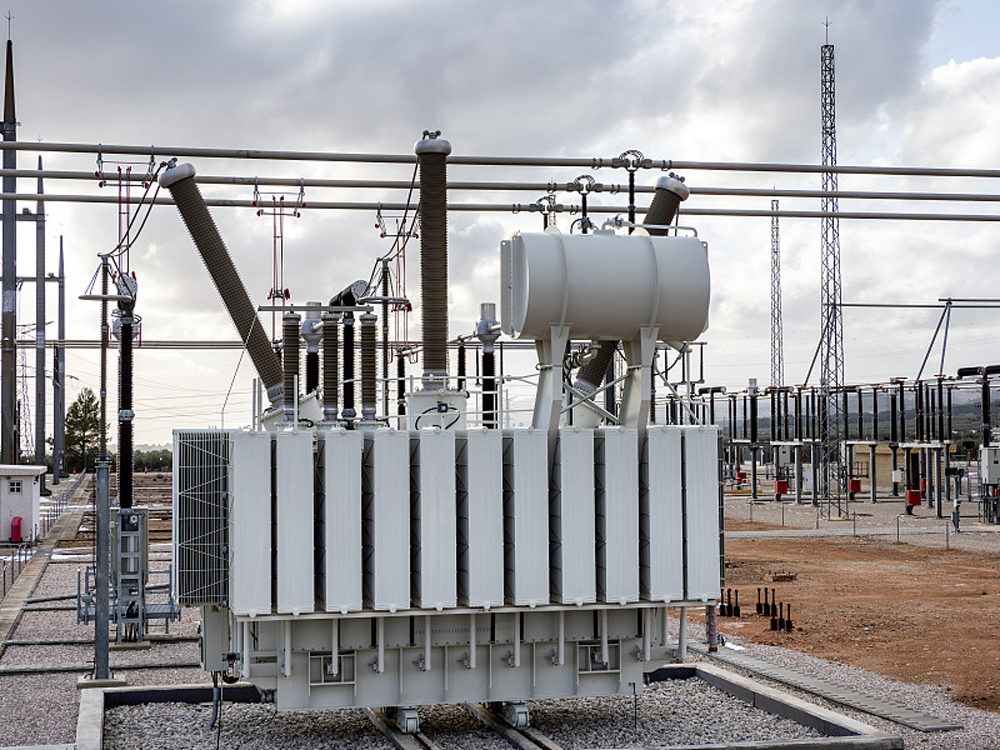
A multi-stall DC fast-charging hub can draw power equivalent to a small neighborhood. To prevent grid destabilization, dedicated distribution transformers step down the high voltage from the grid to a manageable level for the charging station. Here, High Magnetic Induction Grain-Oriented Silicon Steel (HiB) is utilized for the transformer cores. Its superior grain alignment allows magnetic flux to flow with minimal resistance, drastically reducing no-load losses (the energy consumed simply by keeping the transformer energized). As EV charging stations operate 24/7, minimizing these continuous losses saves massive amounts of electricity and reduces operational costs significantly.
Inside a DC fast charger, AC power is rectified and converted to high-voltage DC power. This process utilizes high-frequency switching circuits that require robust inductive components (chokes and filters) to smooth the current and manage ripple. While ferrite cores are common in low-power electronics, they saturate easily under high currents. High Silicon Steel, particularly in ultra-thin gauges, offers a much higher saturation flux density. This allows engineers to design smaller, lighter, and more powerful inductors that can handle the 500A+ currents required by 800V EV battery architectures, all while keeping thermal dissipation manageable.
The future of EV infrastructure is bidirectional. Vehicle-to-Grid (V2G) technology allows EVs to discharge power back into the grid during peak demand. This constant reversal of power flow places immense stress on the magnetic components of the charging station. High Silicon Steel provides the hysteresis stability required to handle continuous, bidirectional magnetic flux reversals without degrading over time. This reliability is paramount for utility companies relying on EVs as decentralized energy storage units.
The trajectory of High Silicon Steel development is closely aligned with the roadmap of EV infrastructure. As charging speeds push towards the megawatt level (e.g., Megawatt Charging System for electric trucks), the demand for ultra-thin oriented silicon steel will skyrocket. Thinner sheets (such as 0.20mm and 0.18mm) are critical for suppressing eddy currents at higher operating frequencies.
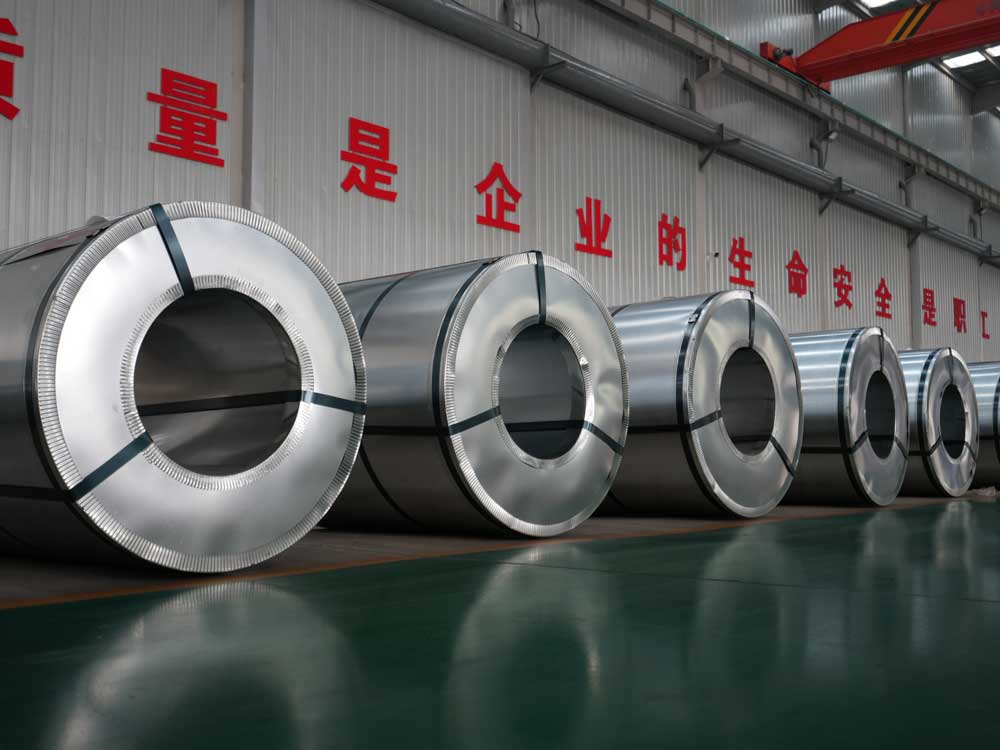
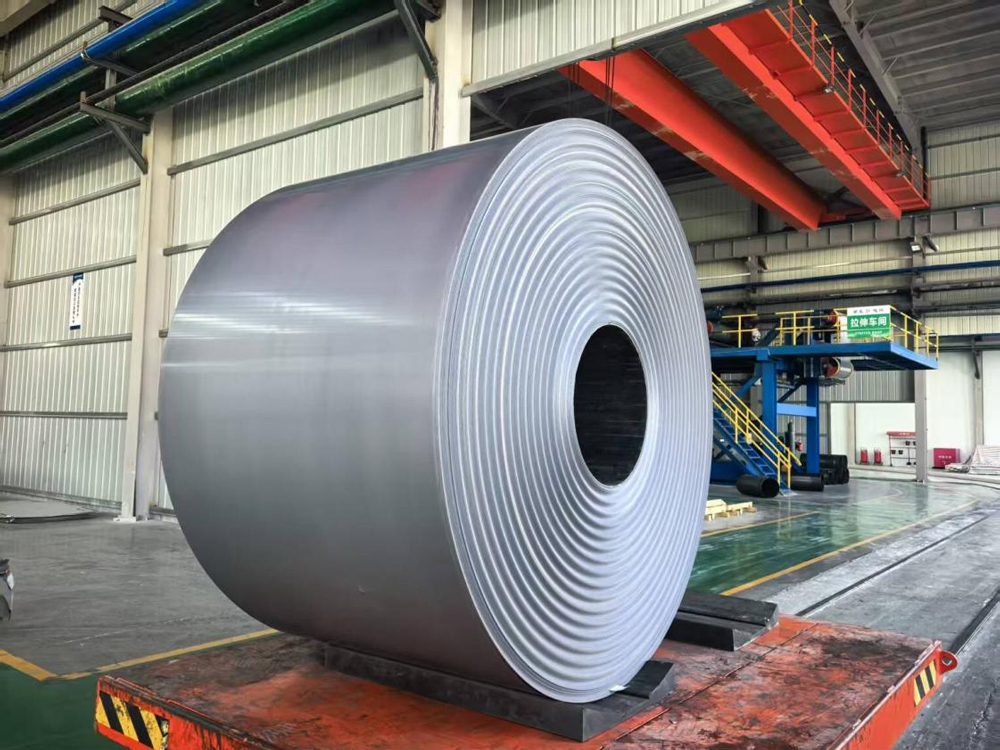
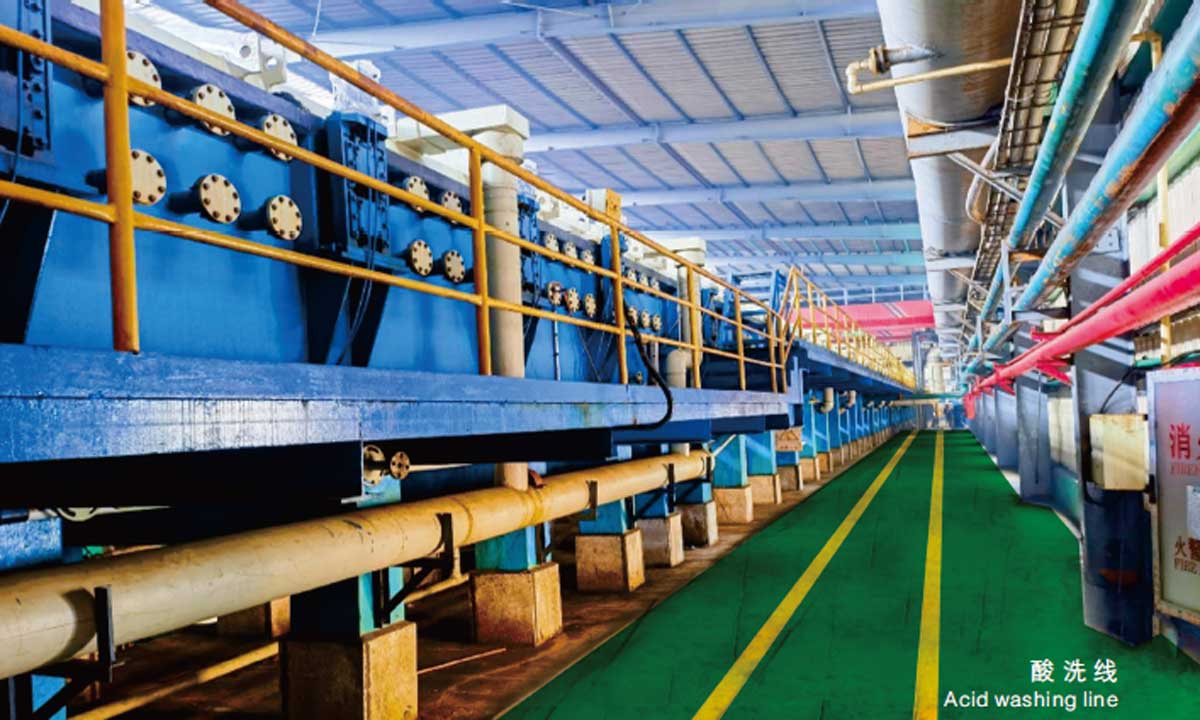
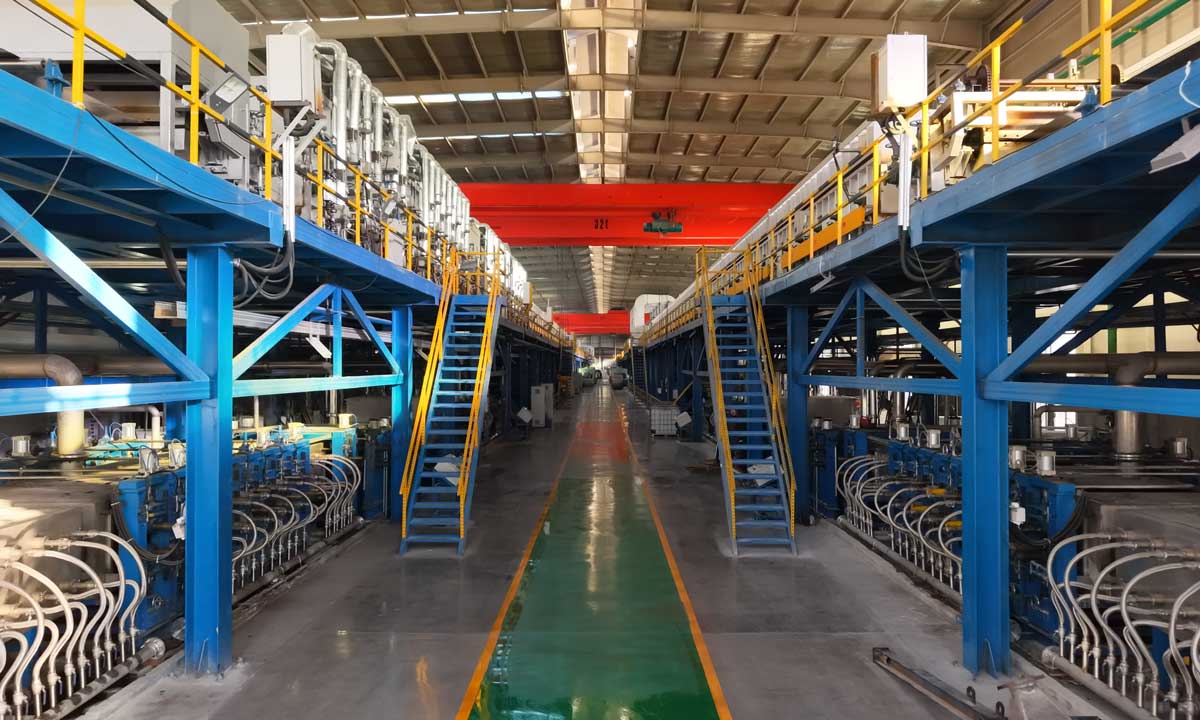
Furthermore, the integration of Artificial Intelligence (AI) and Machine Learning in the manufacturing process of silicon steel is a game-changer. Automated optical inspection and AI-driven quality control ensure that every coil of steel meets the exacting standards required for EV infrastructure. Green manufacturing is another dominant trend; modern production lines are optimizing pickling, decarbonization, and annealing processes to minimize carbon footprints, ensuring that the materials powering green vehicles are themselves produced sustainably.

Pickling Line

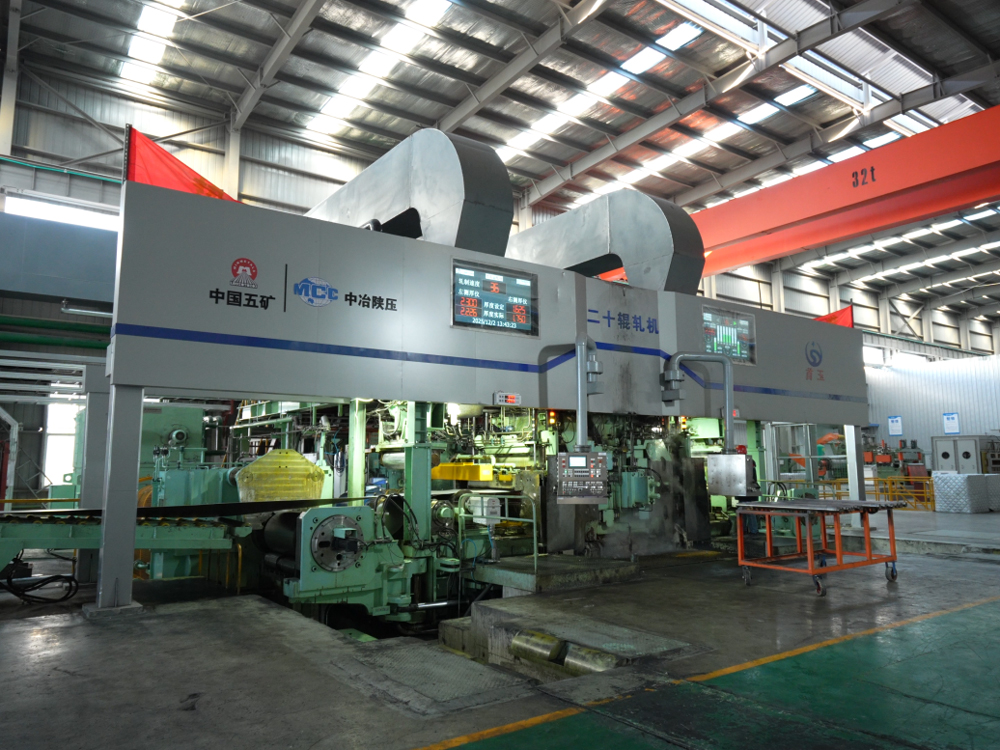
20 Roll Reversible Cold Rolling Mill

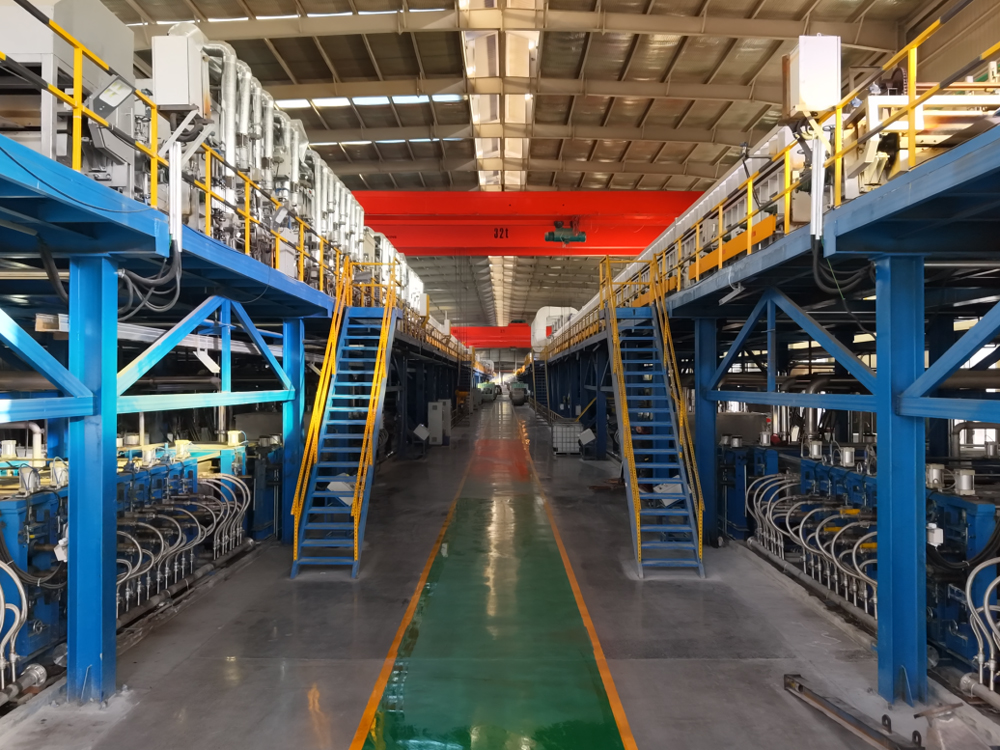
Decarbonization Annealing Line

Magnesium Oxide Coated Wire

High Temperature Hood Type Annealing Furnace

Stretch Flat Line

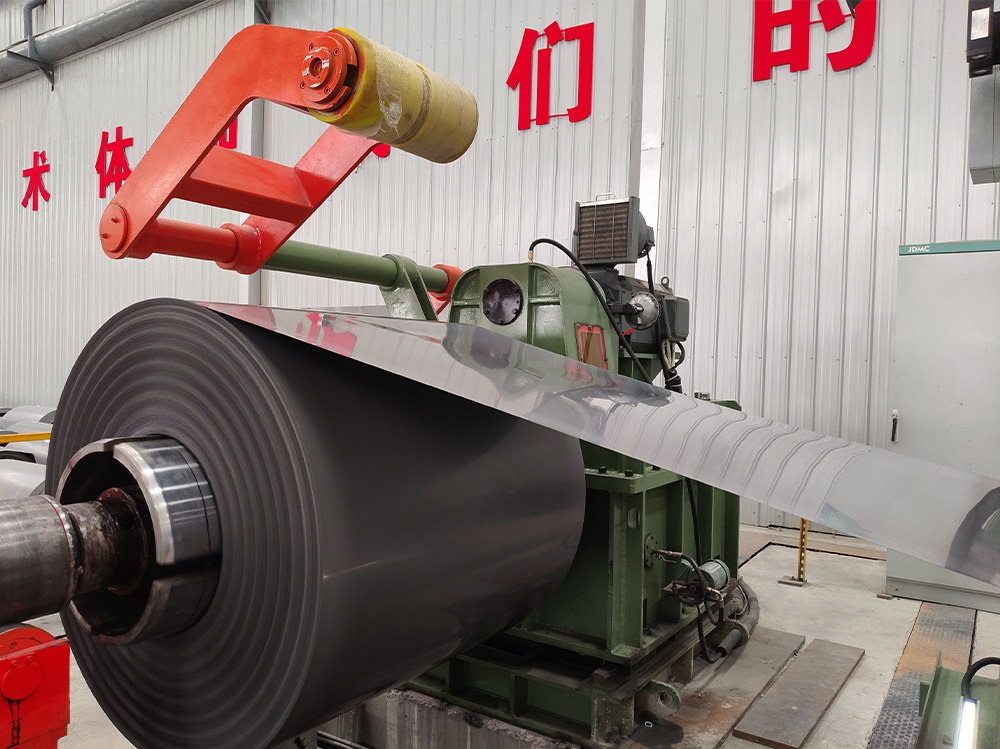
Slitting Line
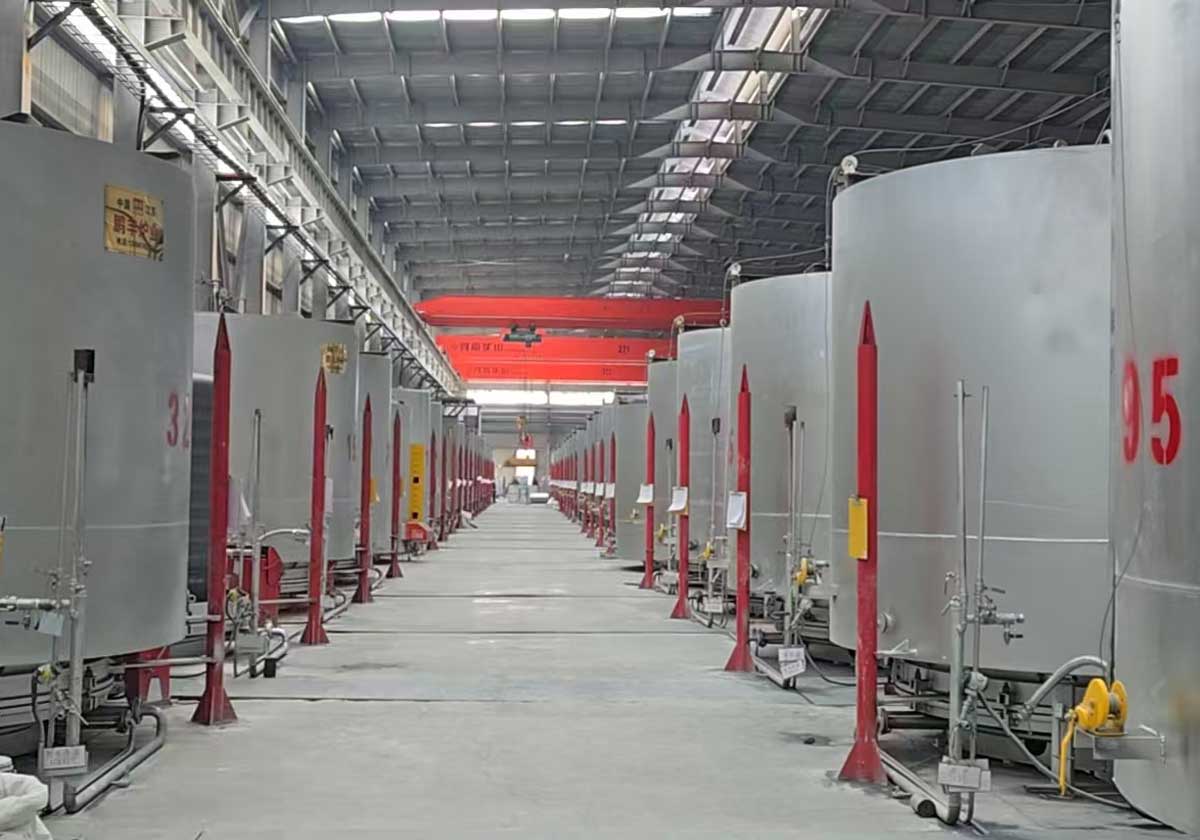
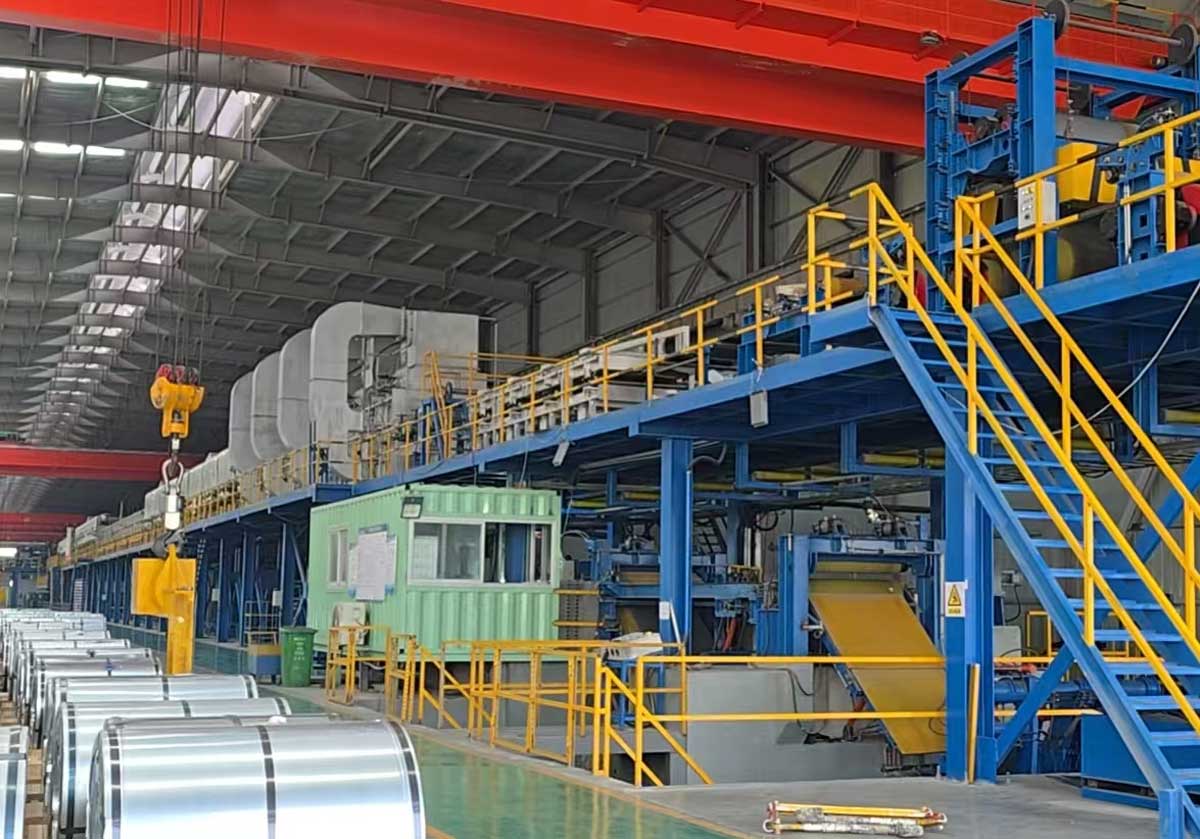
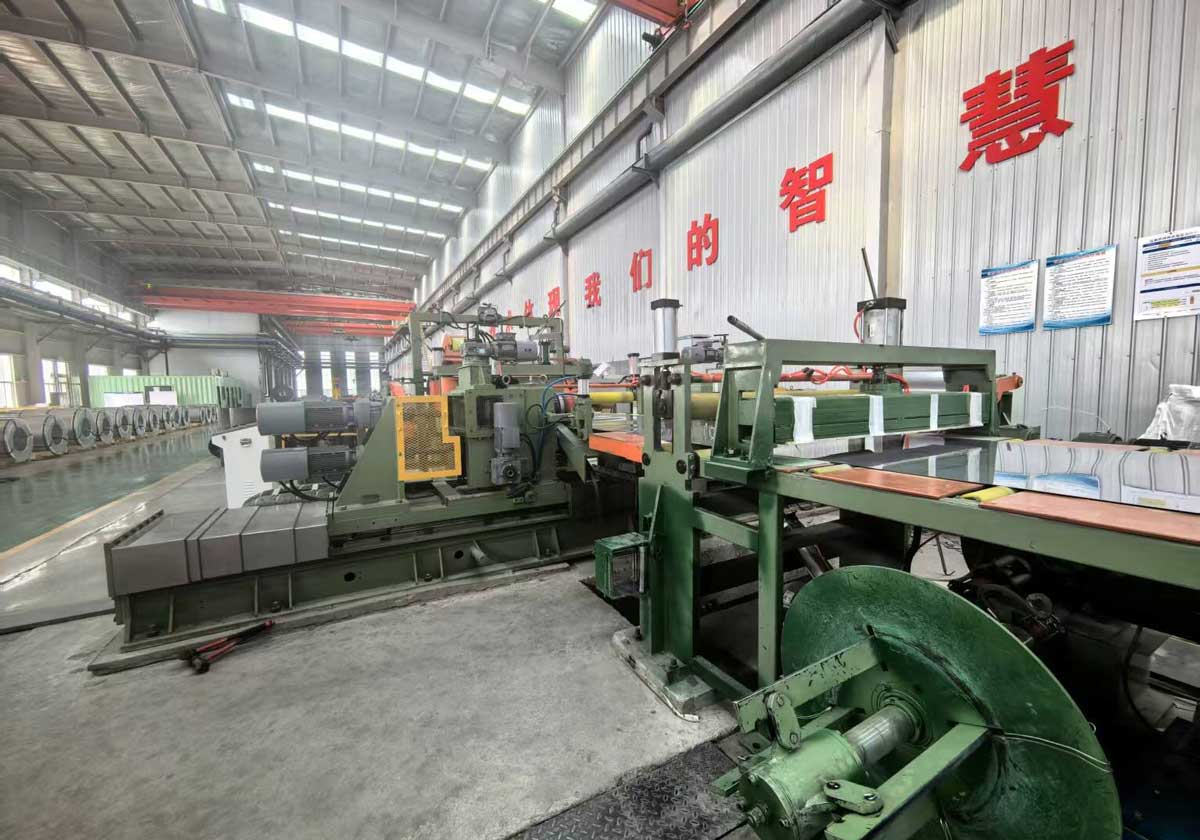
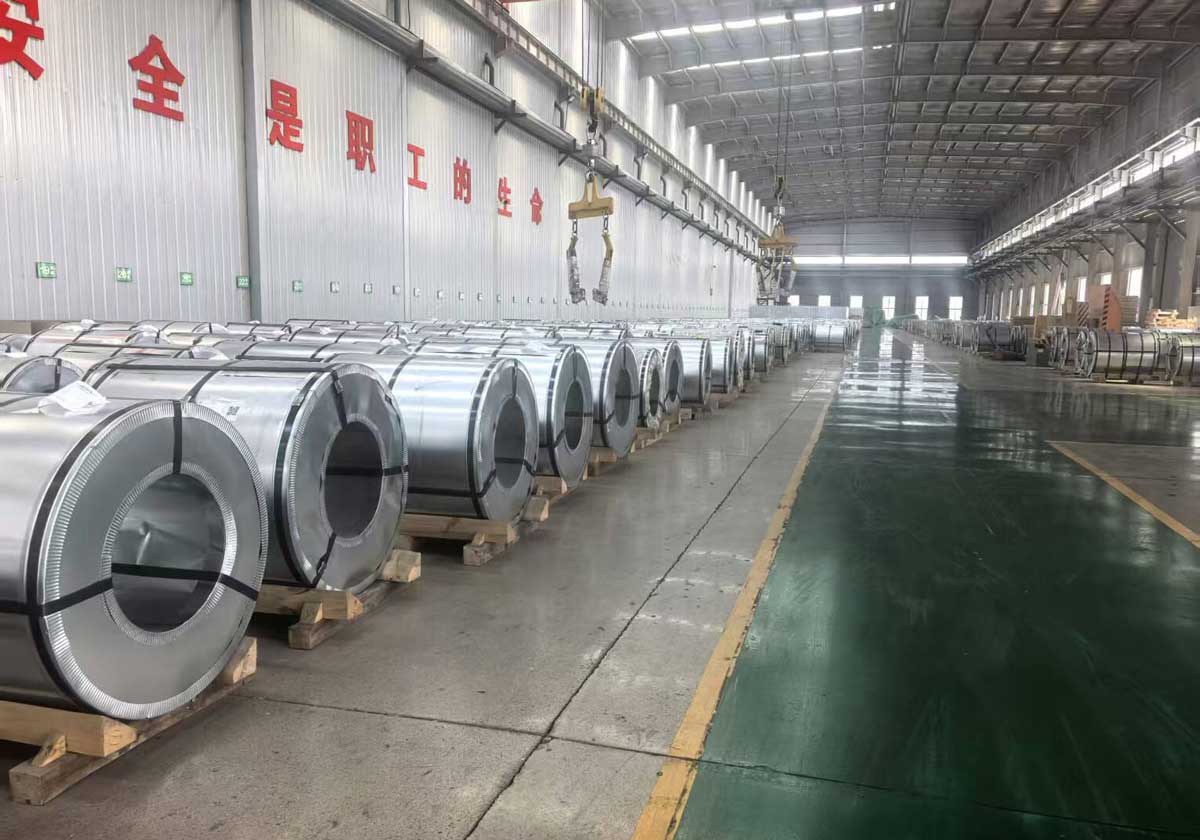
After the reform and opening-up, the first-generation founders established a plastic packaging company.
In 2000, the water conservation business was launched and successfully went public under the leadership of the second-generation leadership team.
In 2004, the company entered the steel industry, evolving from steel smelting and processing to deep processing of steel products, encompassing elevator guide rail steel, automotive spring steel, oil-quenched steel wire, and galvanized strip steel.
Started real estate development and operation business in 2010.
Entering the cold chain warehousing and transportation industry in 2021.
In 2022, the deep processing of steel will be extended to the field of silicon steel.
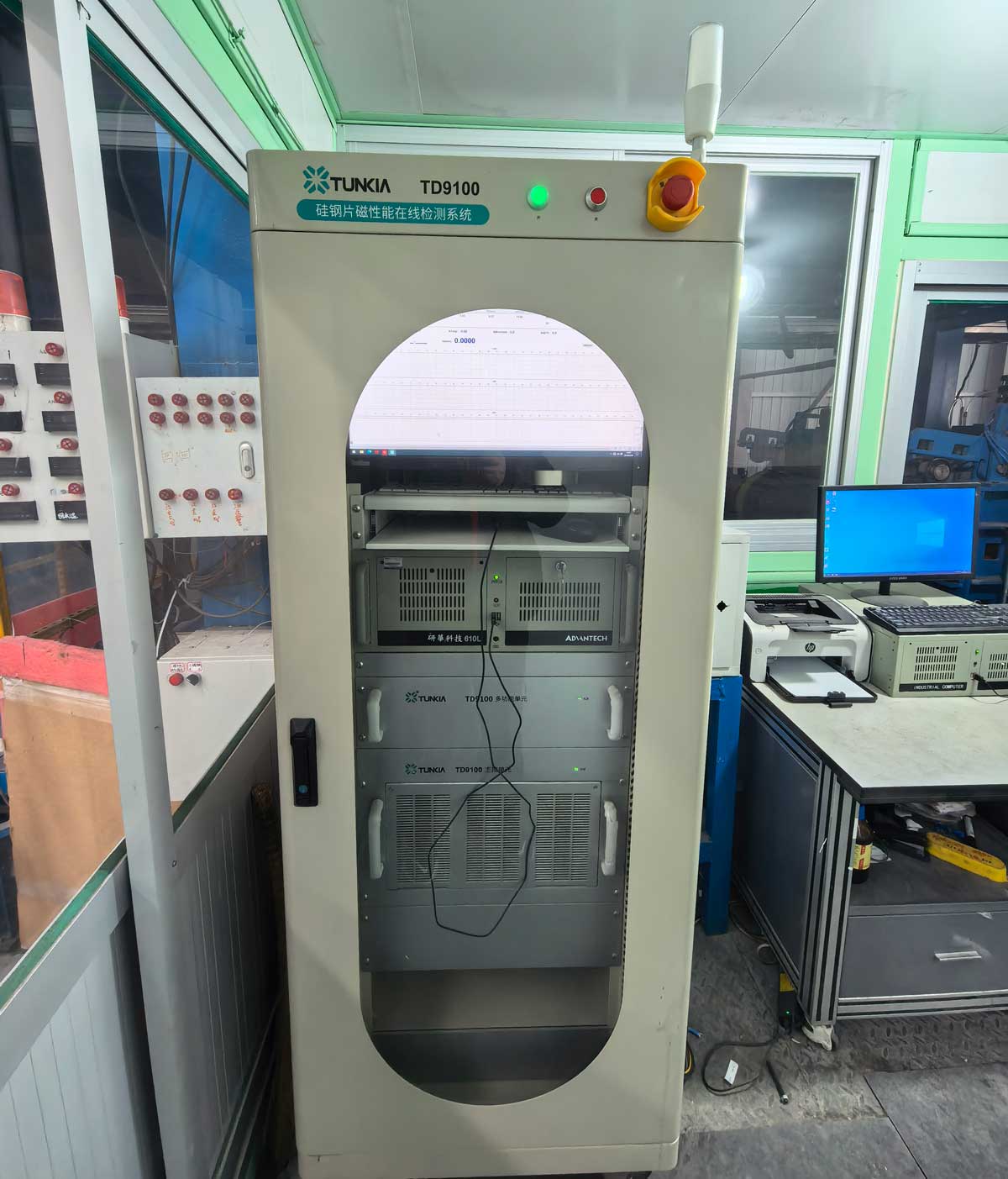
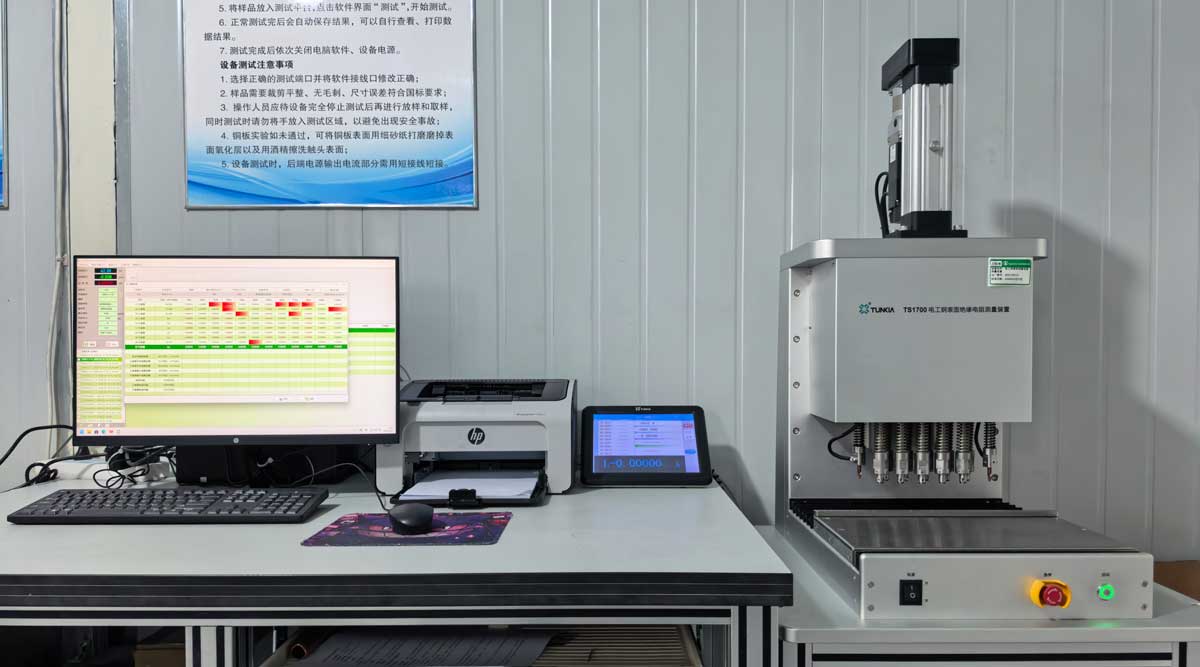
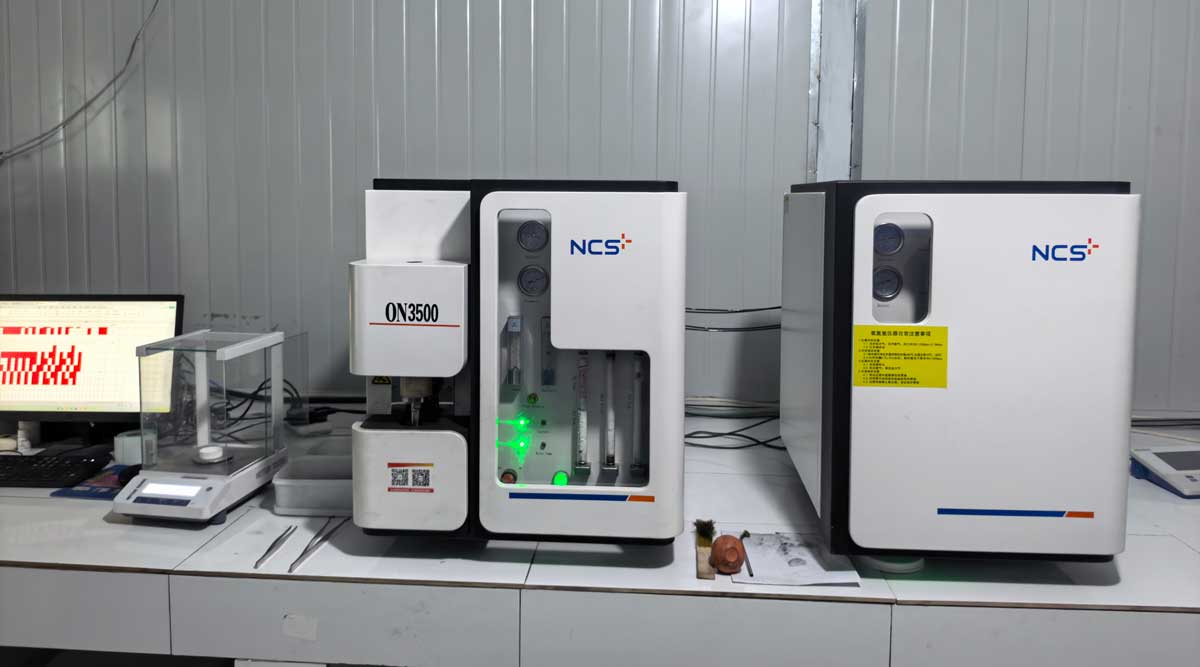
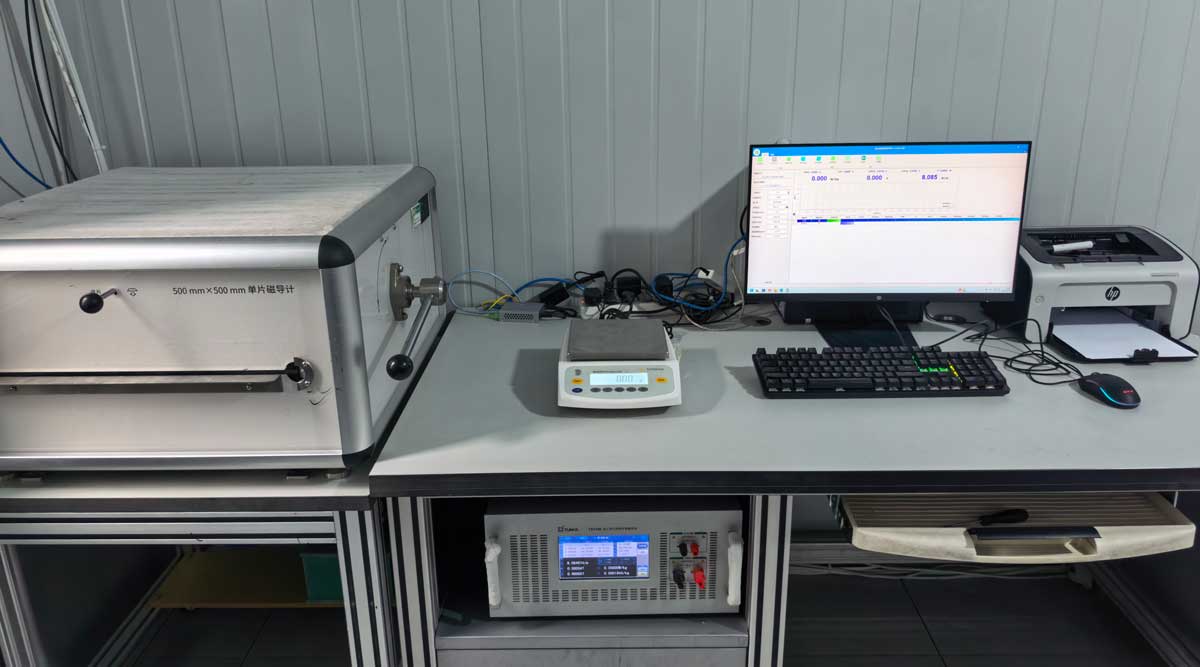
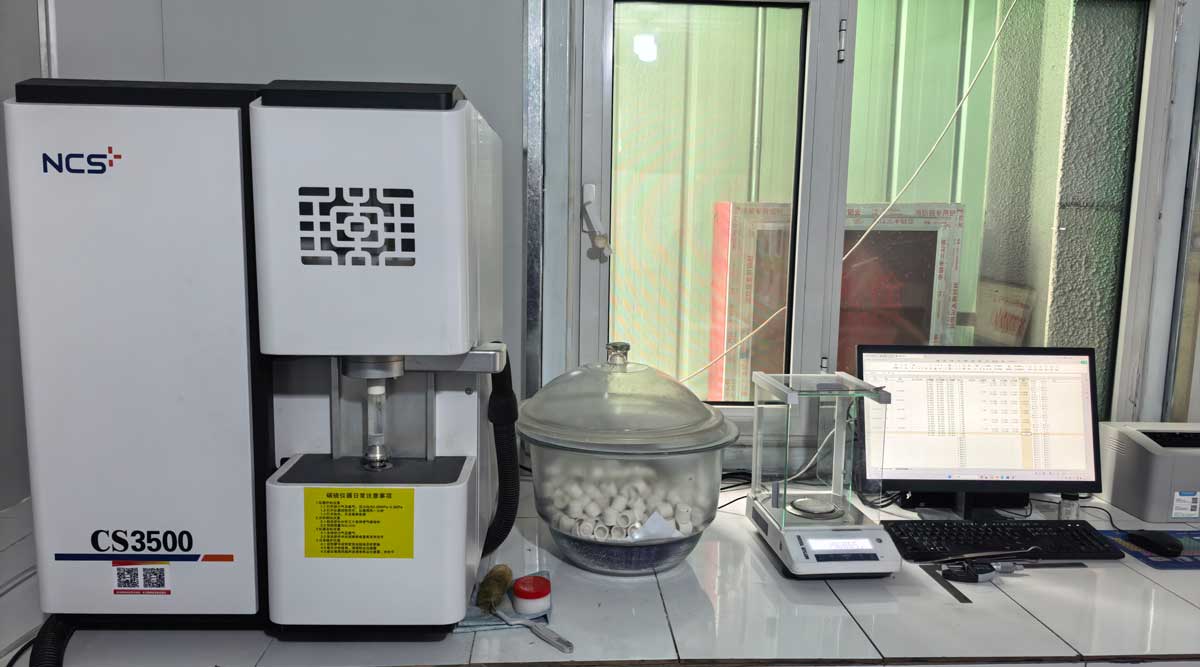
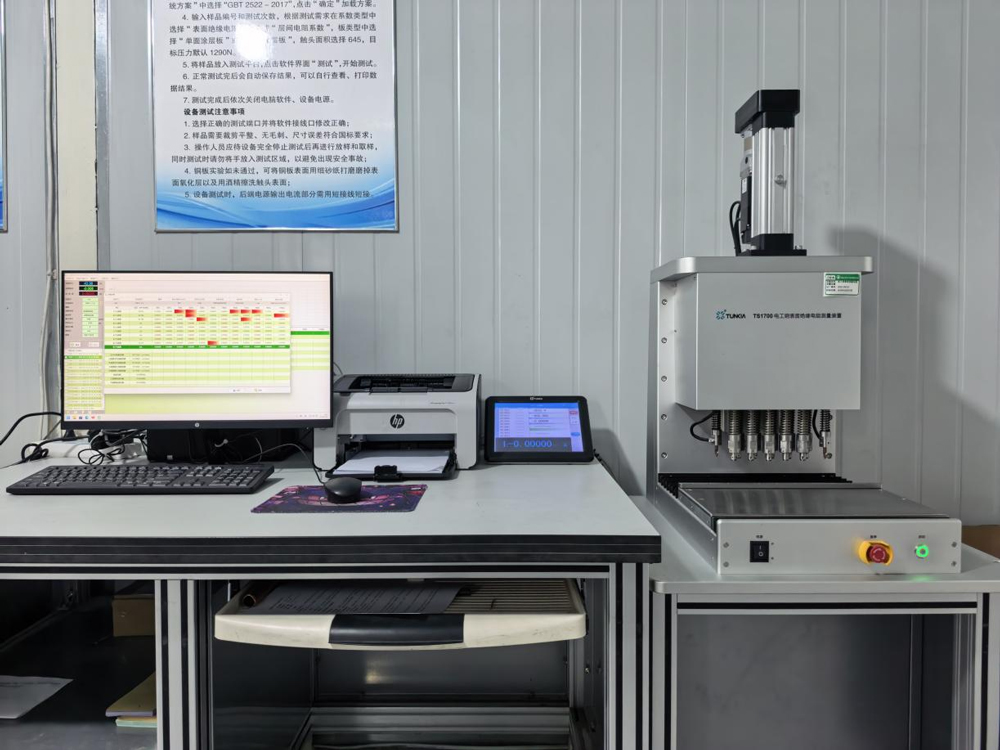
Ensuring that our High Silicon Steel meets the rigorous demands of Electric Vehicle Charging Infrastructure requires state-of-the-art testing facilities. Our laboratories are equipped to analyze magnetic properties, grain orientation, and material durability under extreme electrical loads.