Hot Products
0102030405
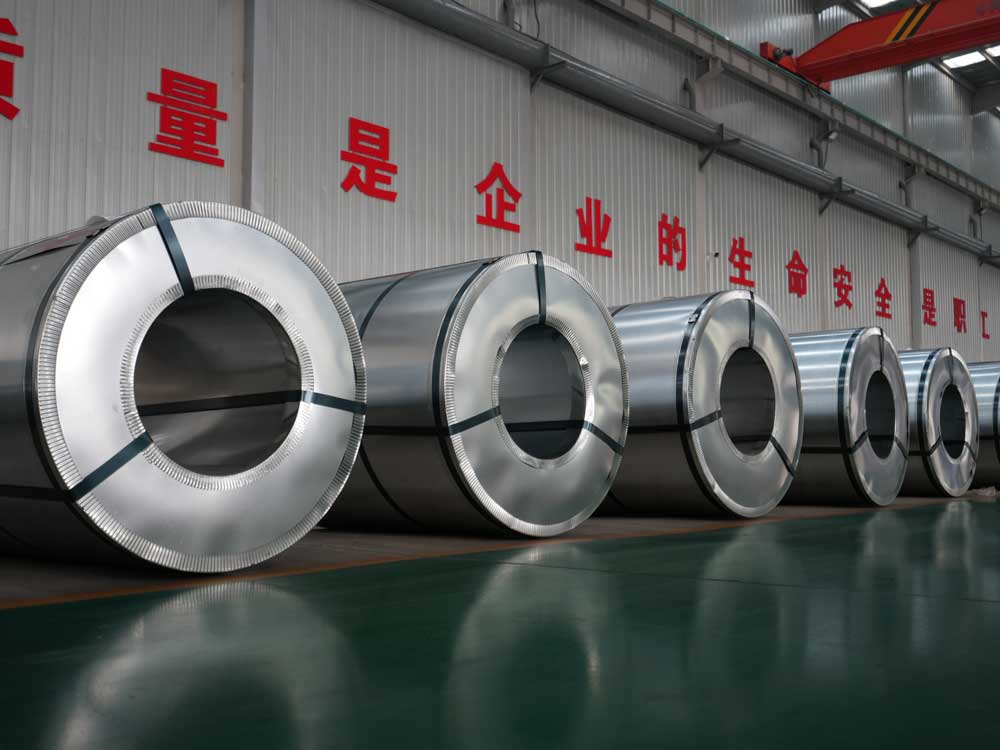
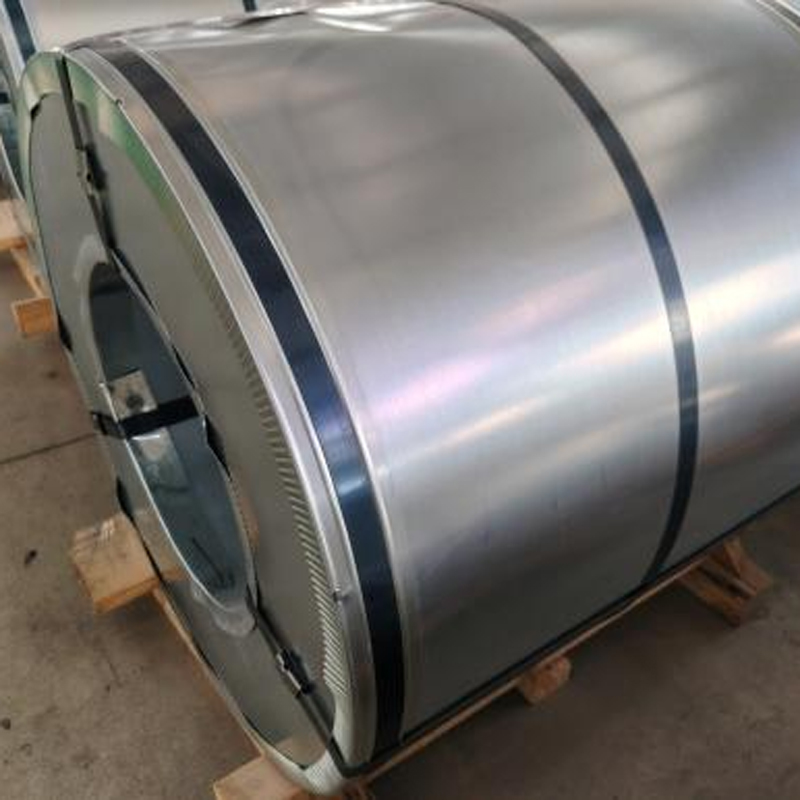
High Magnetic Induction Grain-Oriented Silicon Steel (HiB) - China Suppliers and Factory for Energy-Efficient Power Equipment
Product Features
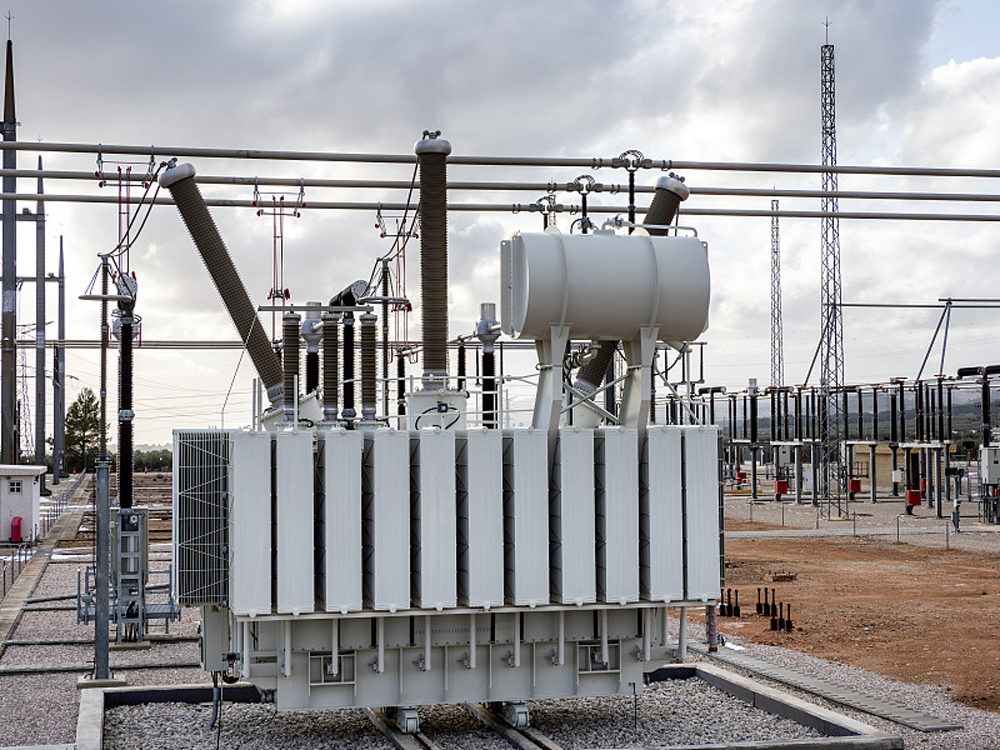
- ✦ High Magnetic Induction Intensity: Stronger magnetic permeability results in a lighter and smaller core for the same capacity, reducing manufacturing costs and transportation difficulties.
- ✦ Superior Energy Efficiency: Iron loss is 10%–20% lower than ordinary grain-oriented silicon steel, leading to significant energy savings over long-term operation and superior energy efficiency and economy throughout its entire lifecycle.
- ✦ Low Noise Operation: Stable magnetic domains and low-noise magnetostriction, combined with laser/plasma marking technology, result in lower equipment operating noise and more stable power grid operation.
- ✦ High-Quality Insulating Coating: Provides high-temperature resistance, reliable interlayer insulation, and excellent punching, shearing, and stacking performance, making it suitable for automated processing and high-temperature conditions.
- ✦ Non-Magnetic Aging & Long Lifespan: Achieved through ultra-pure smelting and precise microstructure control, ensuring long-term stable performance and reliable operation of the equipment for over 20 years.
| Thickness | 0.23mm / 0.27mm / 0.30mm |
| Typical Grades | 23ZH80, 23ZH85, 23ZH90, 27ZH95, 27ZH100, 30ZH120, etc. |
| Naming Explanation | Thickness (mm×100) + High Magnetic Orientation + Iron Loss Grade (the smaller the value, the lower the loss and the higher the grade). |
Craftsmanship and Quality Assurance
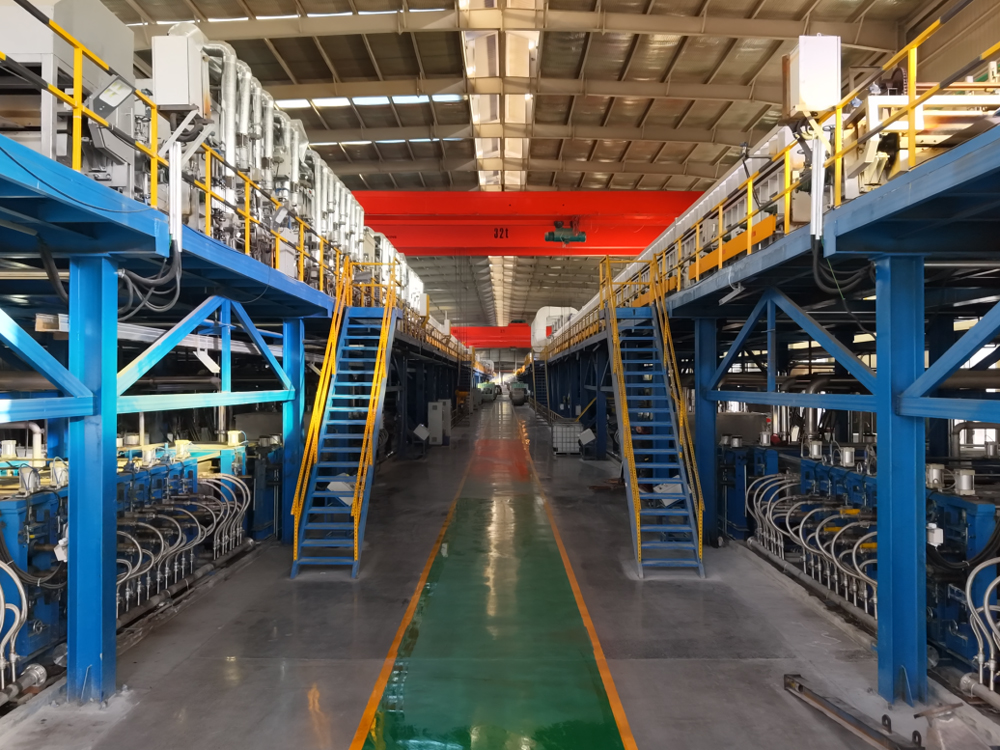
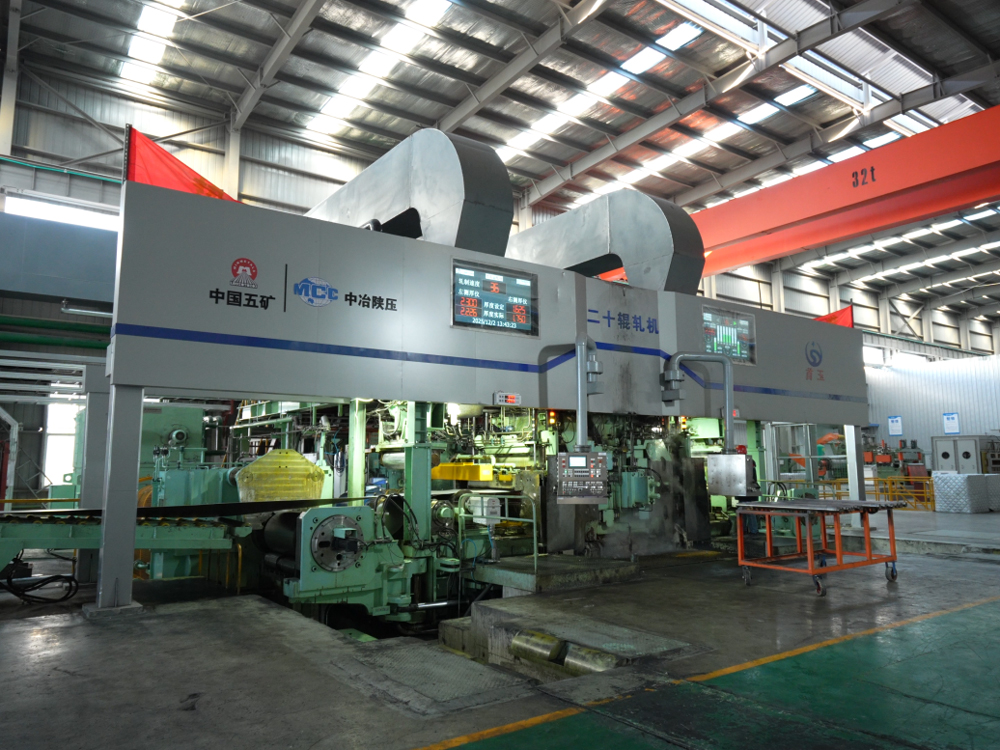
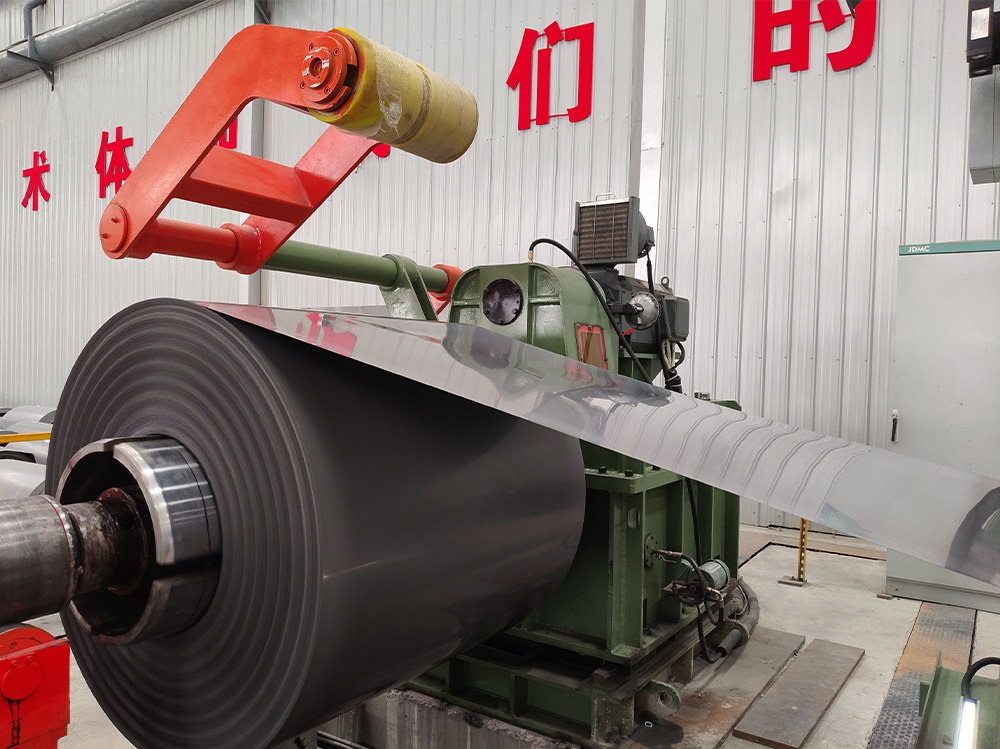
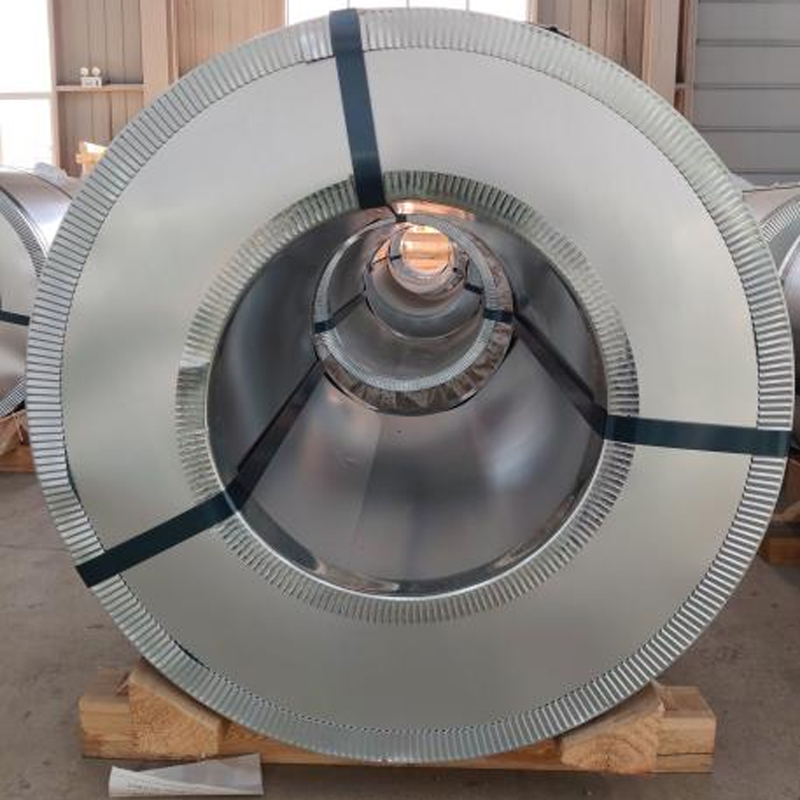
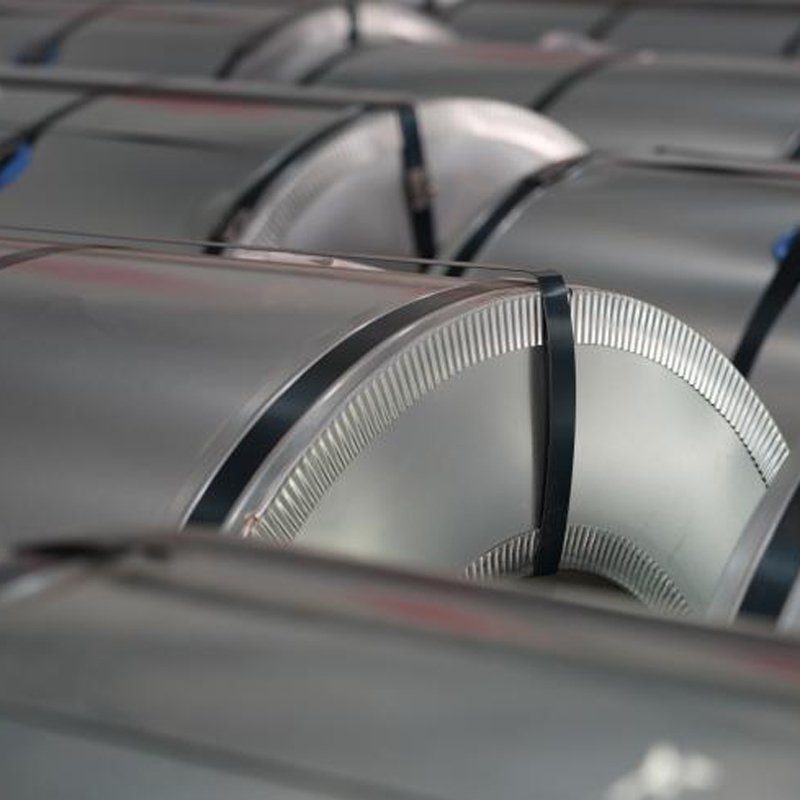
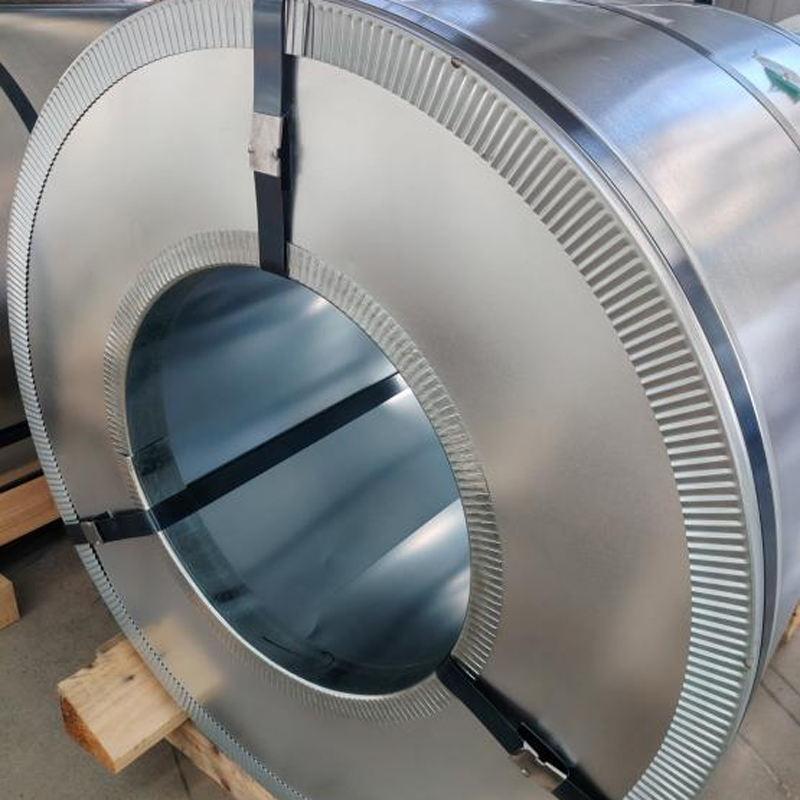
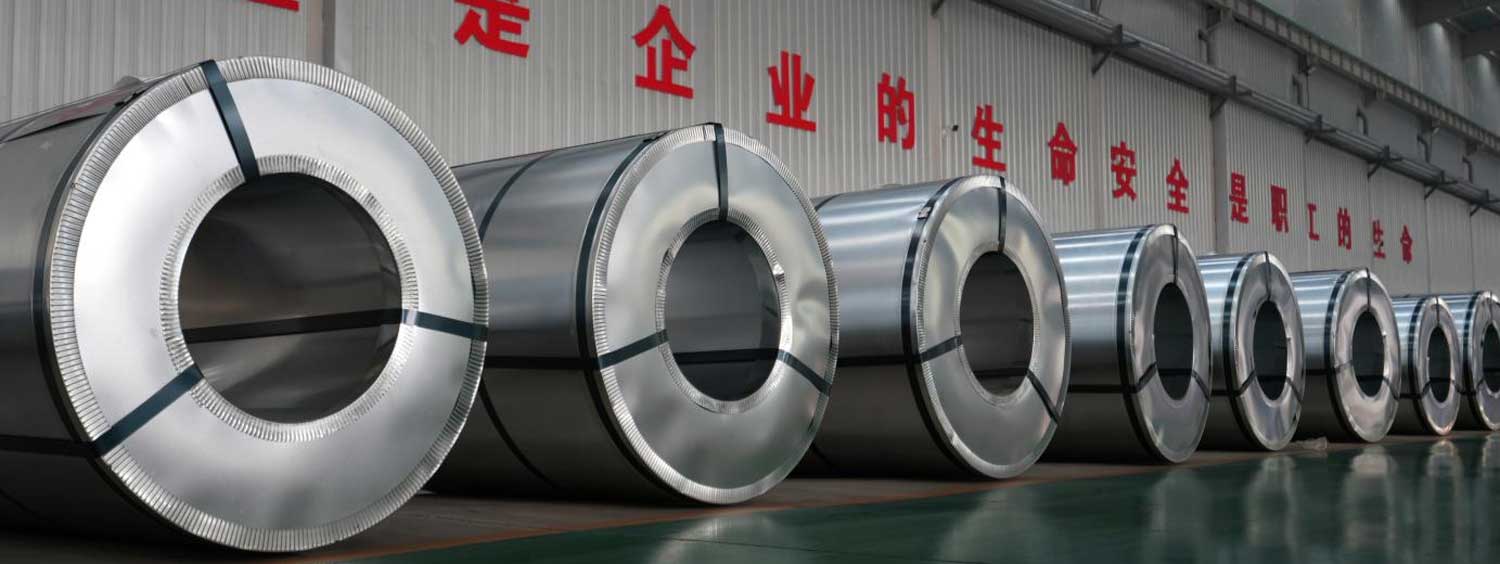
The entire process of ultra-pure smelting, high-precision cold rolling, decarburization annealing, high-temperature secondary recrystallization, and insulating coating is precisely controlled to achieve a perfect Gaussian texture, uniform magnetic properties, and plate shape and dimensional accuracy that meet the stringent requirements of high-end equipment.
Frequently Asked Questions
Q
What is High Magnetic Induction Grain-Oriented Silicon Steel (HiB)?
High Magnetic Induction Grain-Oriented Silicon Steel (HiB) is a premium electrical steel with a highly aligned Gaussian crystallographic texture, offering superior magnetic induction intensity and lower core loss compared to conventional grain-oriented silicon steel. It is widely used in high-efficiency power transformers and electrical equipment.
Q
What thicknesses are available for HiB silicon steel?
HiB silicon steel is available in three standard thicknesses: 0.23mm, 0.27mm, and 0.30mm. These options provide flexibility for various transformer core designs and application requirements.
Q
How does HiB silicon steel compare to ordinary grain-oriented silicon steel in terms of energy efficiency?
HiB silicon steel achieves an iron loss that is 10%–20% lower than ordinary grain-oriented silicon steel. This results in measurable energy savings during long-term transformer operation, reducing electricity costs and contributing to a lower carbon footprint over the equipment's entire lifecycle.
Q
What do the grade names such as 23ZH80 or 27ZH95 mean?
The grade naming follows a structured format: the first two digits represent the thickness (mm × 100), "ZH" indicates High Magnetic Orientation, and the trailing number represents the iron loss grade. A smaller iron loss value means lower energy loss and a higher product grade.
Q
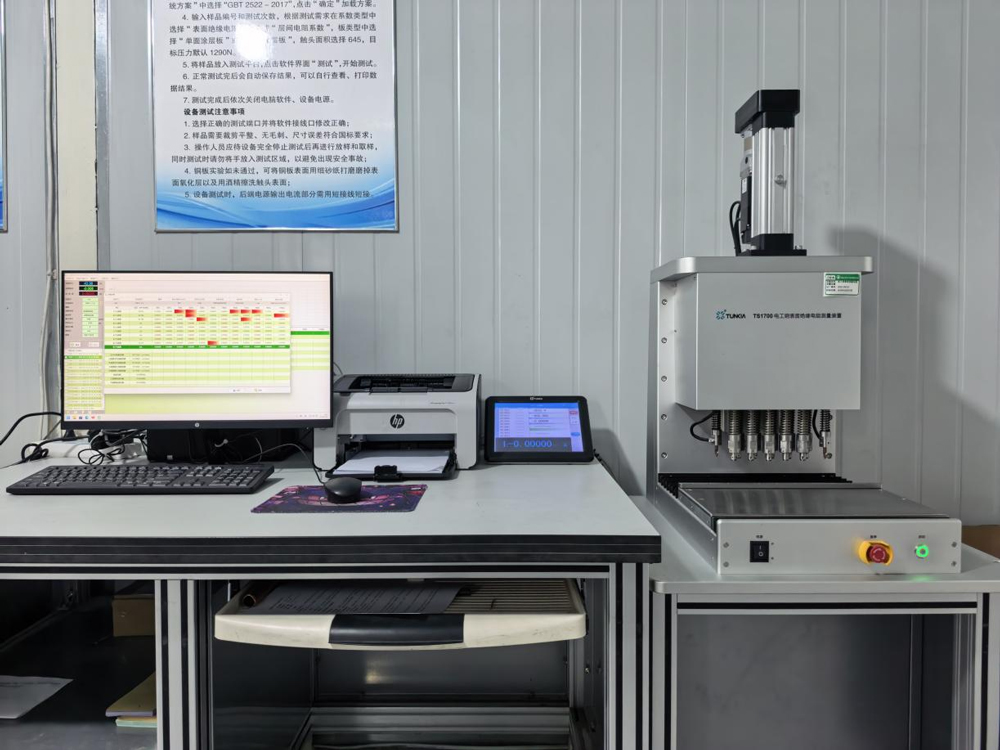
How is the quality of HiB silicon steel ensured during manufacturing?
The production process includes ultra-pure smelting, high-precision cold rolling, decarburization annealing, high-temperature secondary recrystallization, and insulating coating application. Each step is precisely controlled to achieve a perfect Gaussian texture, uniform magnetic properties, and dimensional accuracy suitable for high-end equipment manufacturing.
Q
How long is the expected operational lifespan of equipment using HiB silicon steel?
Thanks to ultra-pure smelting and precise microstructure control, HiB silicon steel exhibits no magnetic aging. Equipment utilizing HiB silicon steel cores is designed to maintain stable, reliable performance for over 20 years, making it a cost-effective and dependable choice for long-term infrastructure investments.