Leave Your Message
-
Contact Phone
-
 Contact Email
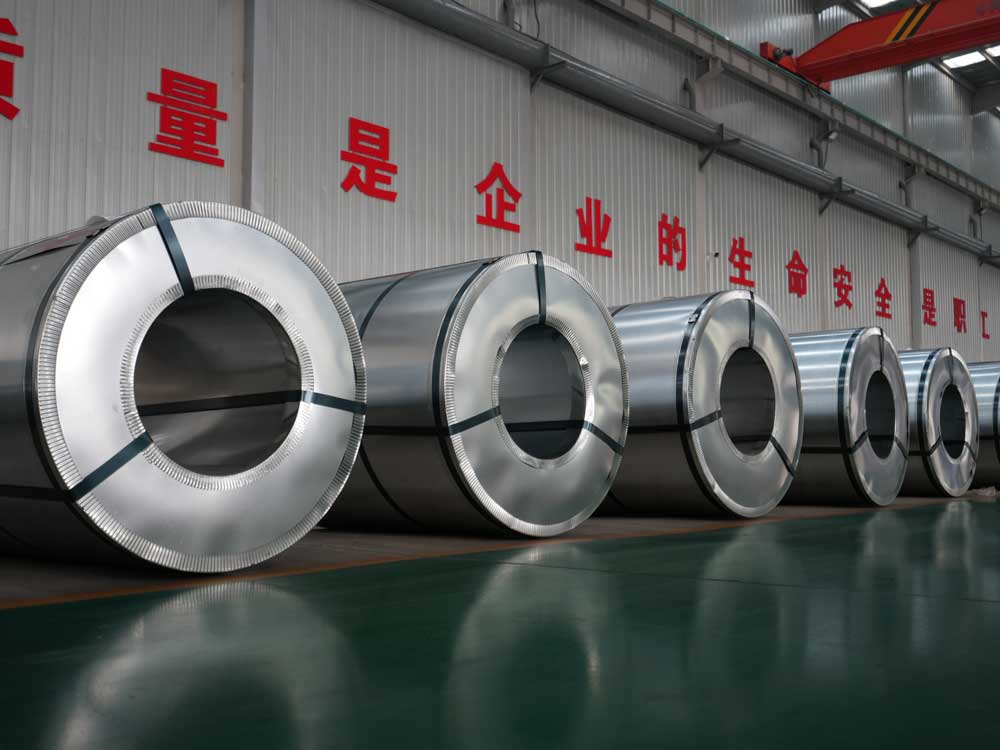
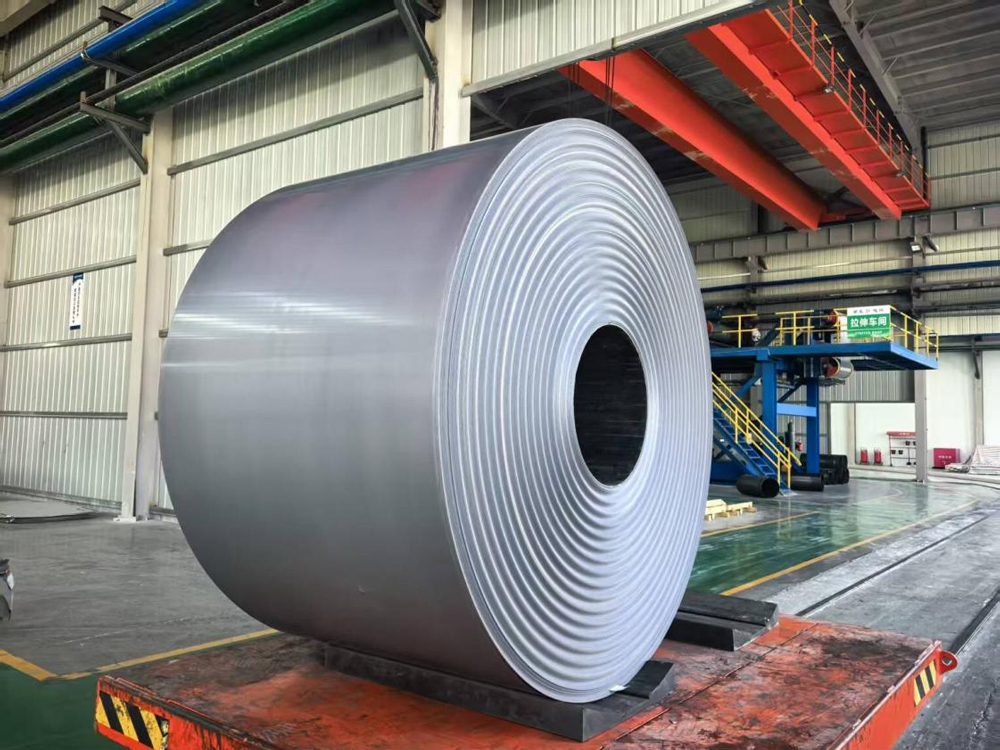
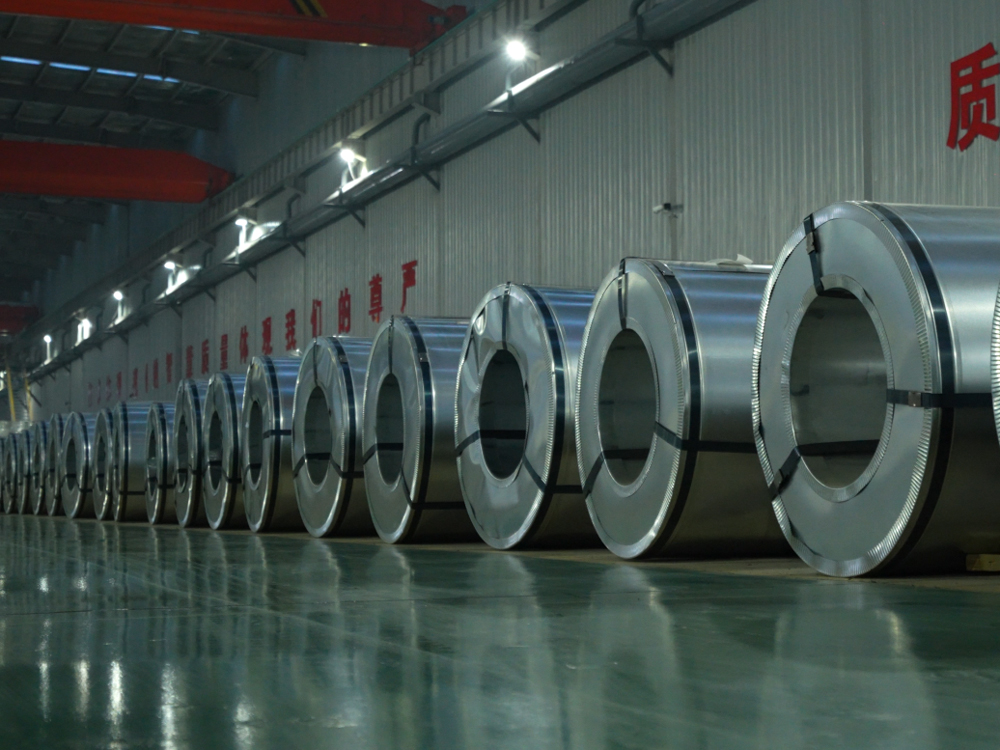
The global transition towards sustainable energy, rapid urbanization, and the exponential growth of electric vehicle (EV) charging infrastructure have created an unprecedented demand for highly efficient power distribution systems. At the very heart of these systems lies the Coated Silicon Steel Coil. As a critical electromagnetic material, Grain-Oriented (GO) and High Magnetic Induction (HiB) silicon steel coils dictate the operational efficiency, thermal stability, and overall lifespan of power transformers and energy grids worldwide.
Currently, the industrial landscape is driven by strict regulatory standards demanding lower carbon footprints and reduced energy dissipation. The commercial market for coated electrical steel is experiencing a robust Compound Annual Growth Rate (CAGR), fueled heavily by investments in smart grid modernization. Industries are no longer just looking for standard steel; they require advanced, ultra-thin, precision-coated coils that minimize hysteresis and eddy current losses, ensuring that power generated at renewable energy plants reaches urban centers with minimal transmission loss.
The term "Coated" in Coated Silicon Steel Coil is not merely a descriptive adjective; it represents a highly sophisticated chemical and physical engineering process. The insulating coating applied to the surface of the silicon steel strip serves multiple critical functions. Primarily, it provides interlaminar resistance. When these steel coils are stamped and stacked to form the magnetic core of a power transformer, the coating prevents electrical currents from passing between the laminations. This effectively neutralizes eddy currents—a major source of energy loss and heat generation in transformers.
Furthermore, modern advanced coatings introduce a beneficial tensile stress to the steel substrate. This stress refines the magnetic domains within the crystalline structure of the steel, significantly reducing core loss and magnetostriction (the humming noise often heard near large transformers). Whether utilizing inorganic, organic, or semi-organic chrome-free coatings, the surface treatment must withstand the high-temperature stress-relief annealing process while maintaining excellent adhesion and punchability for transformer manufacturers.
Established in 2022 and located in Yutian County Industrial Park, Tangshan City, Hebei Province, Tangshan Shouyu Electromagnetic New Materials Co., Ltd. is a high-tech enterprise specializing in the research and development, production, and sales of oriented silicon steel. We are committed to pushing the boundaries of electromagnetic material science to support the global power grid's evolution.
To be the global leader in electromagnetic materials, providing the core support for improving the energy efficiency of distribution transformers through profound technological accumulation and innovative genes.

As a core material supplier for improving the energy efficiency of distribution transformers, relying on profound technological accumulation, we focus on the high-end electromagnetic material track. Our core product, cold-rolled oriented silicon steel, features excellent low iron loss and high magnetic induction.

In the era of the national "dual carbon" strategy, we lead in the R&D and large-scale production of low iron loss and high magnetic induction oriented silicon steel (Hi-B steel), breaking energy efficiency bottlenecks and promoting green development.

We adhere to "honesty and trustworthiness, always moving forward", guided by customer needs, driven by technological innovation, and working together with industry chain partners to promote a green and efficient energy industry.

We will continue to deeply cultivate the field of electromagnetic new materials, create long-term value for customers with excellent quality and professional services, and become a trusted global partner.
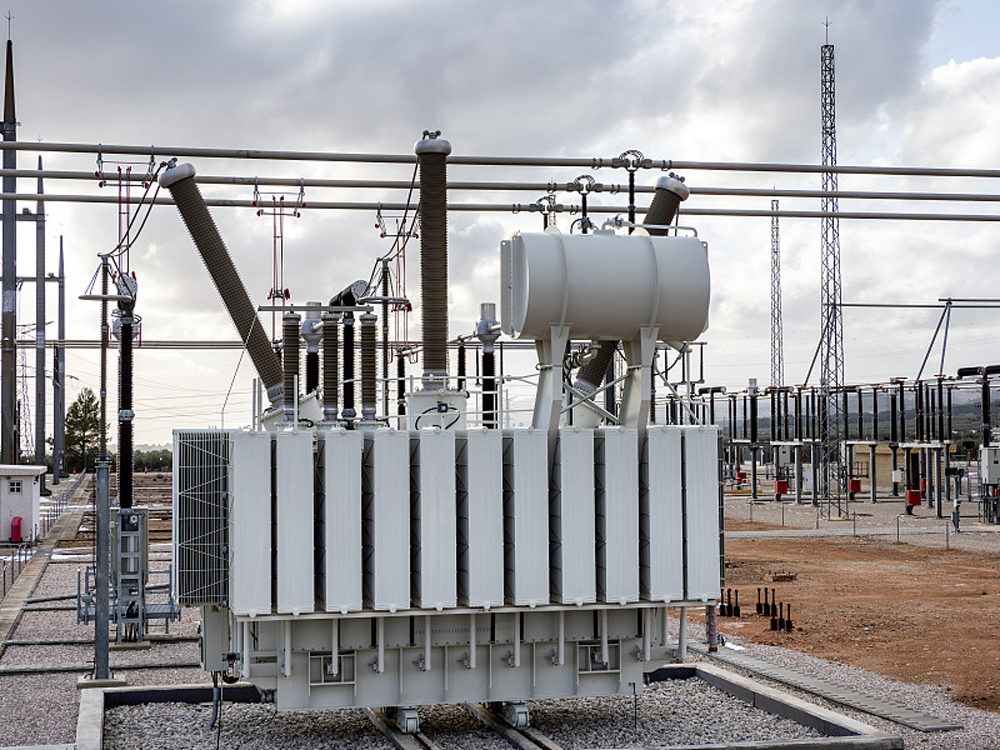
Power transformers are arguably the most vital components within any electrical grid. They are responsible for stepping up voltage for long-distance transmission and stepping it down for safe residential and commercial use. The efficiency of this voltage conversion process relies almost entirely on the quality of the Coated Silicon Steel Coil used in the transformer's core.
In large-scale power transformers (often exceeding 500kV), the magnetic core must handle immense magnetic flux densities continuously. Using High Magnetic Induction (HiB) coated silicon steel ensures that the core reaches magnetic saturation at much higher levels compared to conventional grain-oriented steel. The specialized tension coating applied to these coils minimizes hysteresis loss—the energy lost as heat during the continuous reversal of the magnetic field (50 or 60 times a second depending on the grid frequency). By reducing core loss, utility companies can save millions of megawatt-hours annually, drastically reducing operational costs and greenhouse gas emissions associated with power generation.
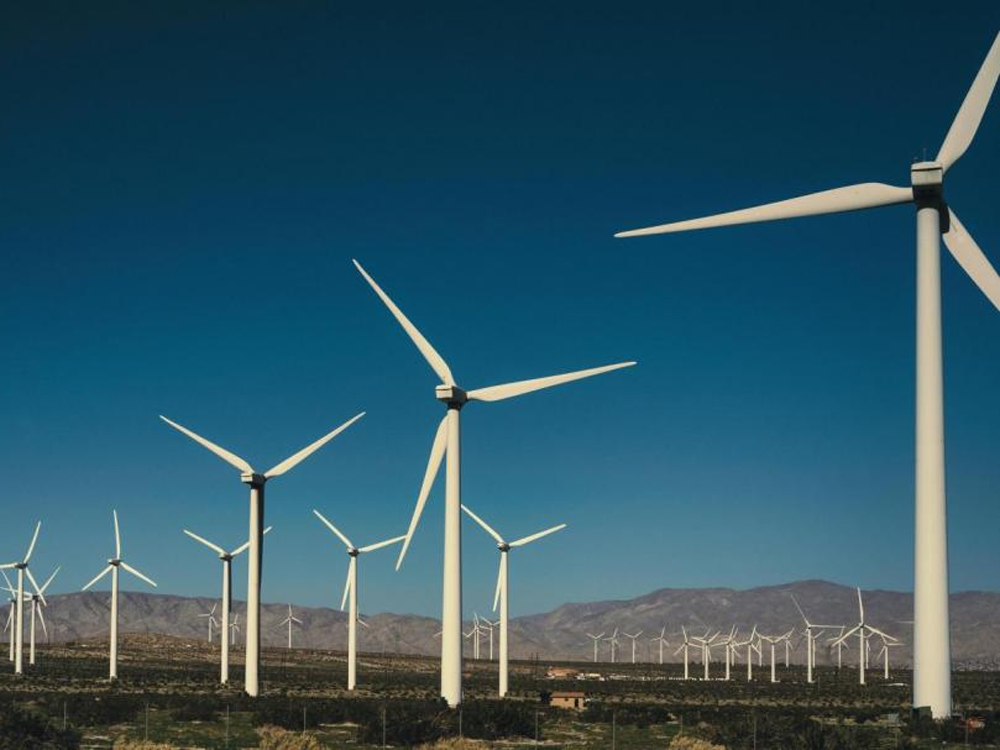
The architecture of the energy grid is evolving from a centralized, one-way power flow to a decentralized, dynamic, and bi-directional "Smart Grid." This evolution incorporates renewable energy sources like solar farms and wind turbines, which produce fluctuating and intermittent power. Coated Silicon Steel Coils are indispensable in the manufacturing of the specialized transformers and inverters required to stabilize and integrate this renewable energy into the main grid.
Furthermore, the rise of Electric Vehicles (EVs) has necessitated the deployment of high-capacity fast-charging stations. These stations require compact, highly efficient distribution transformers capable of handling sudden, massive spikes in electrical load without overheating. The superior thermal stability and interlaminar insulation provided by advanced coated silicon steel make it the only viable material capable of meeting the rigorous demands of modern EV infrastructure and localized microgrids.

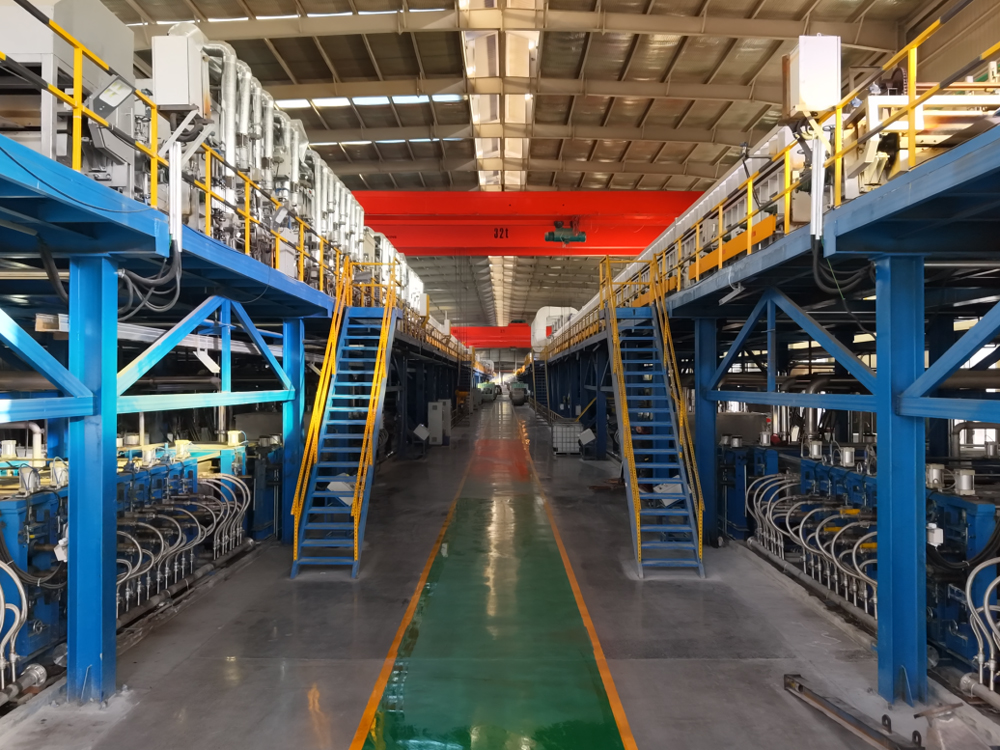
Pickling Line

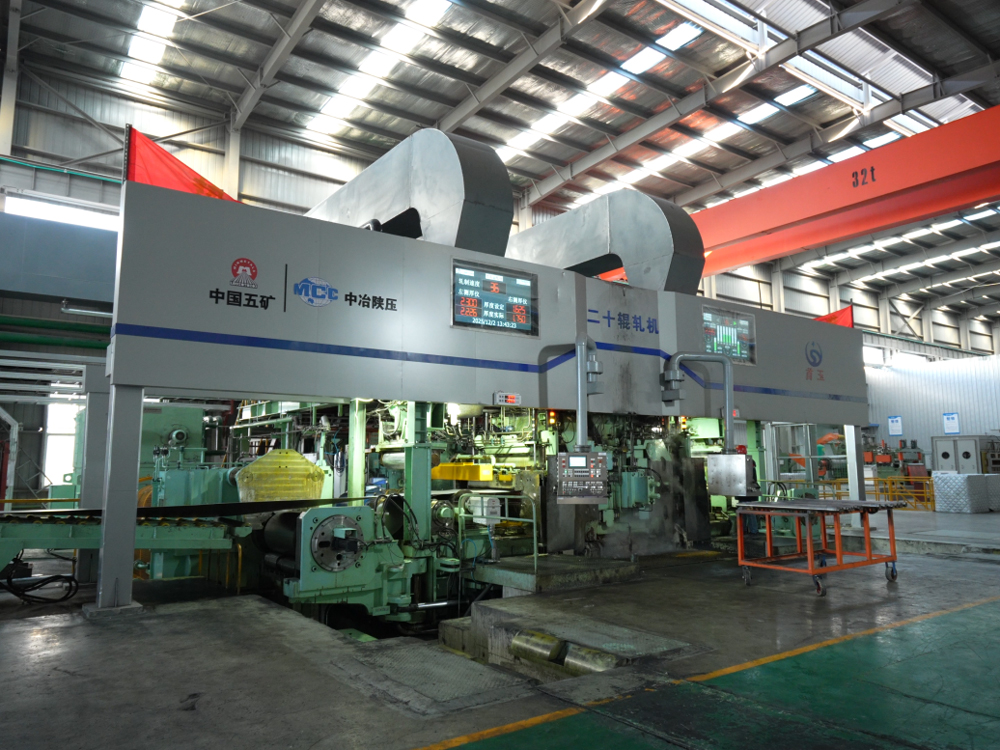
20 Roll Reversible Cold Rolling Mill

Decarbonization Annealing Line

Magnesium Oxide Coated Wire

High Temperature Hood Type Annealing Furnace

Stretch Flat Line

Slitting Line
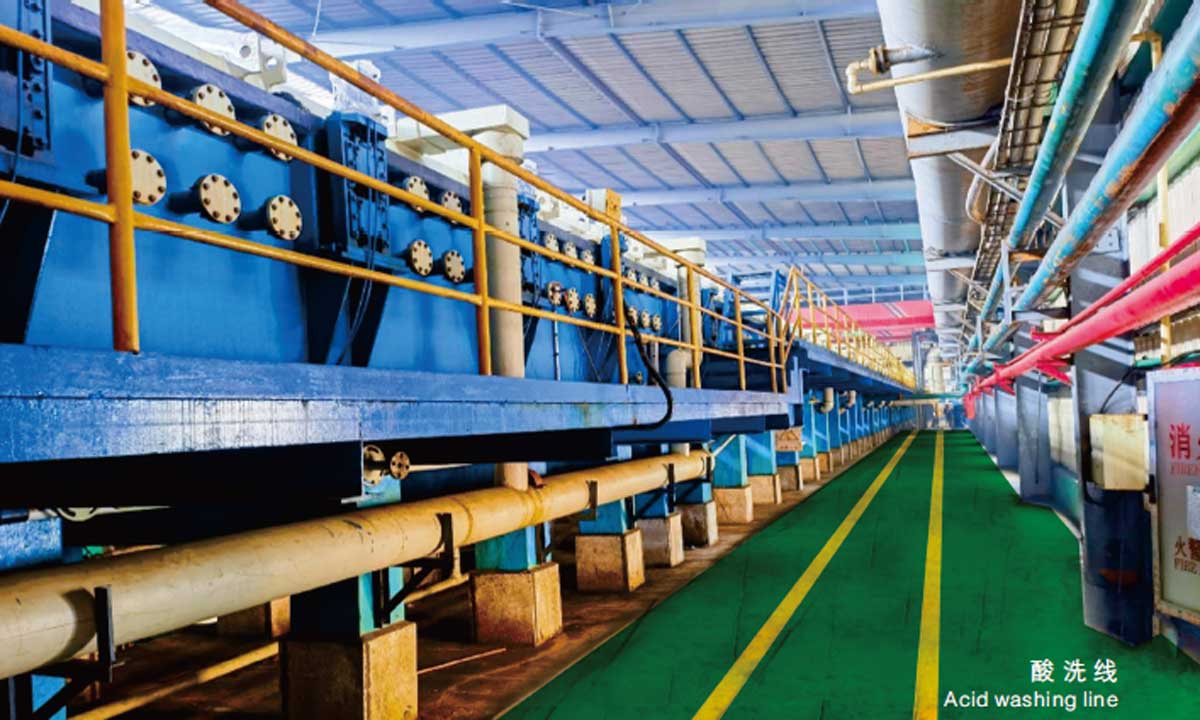
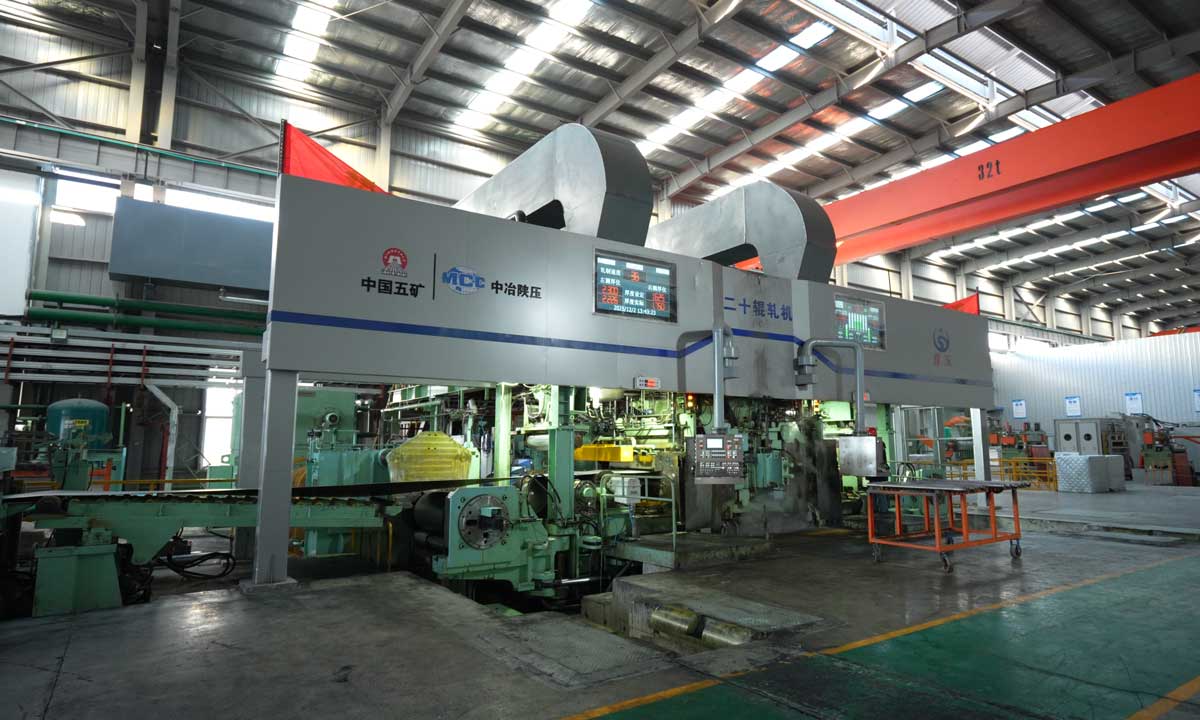
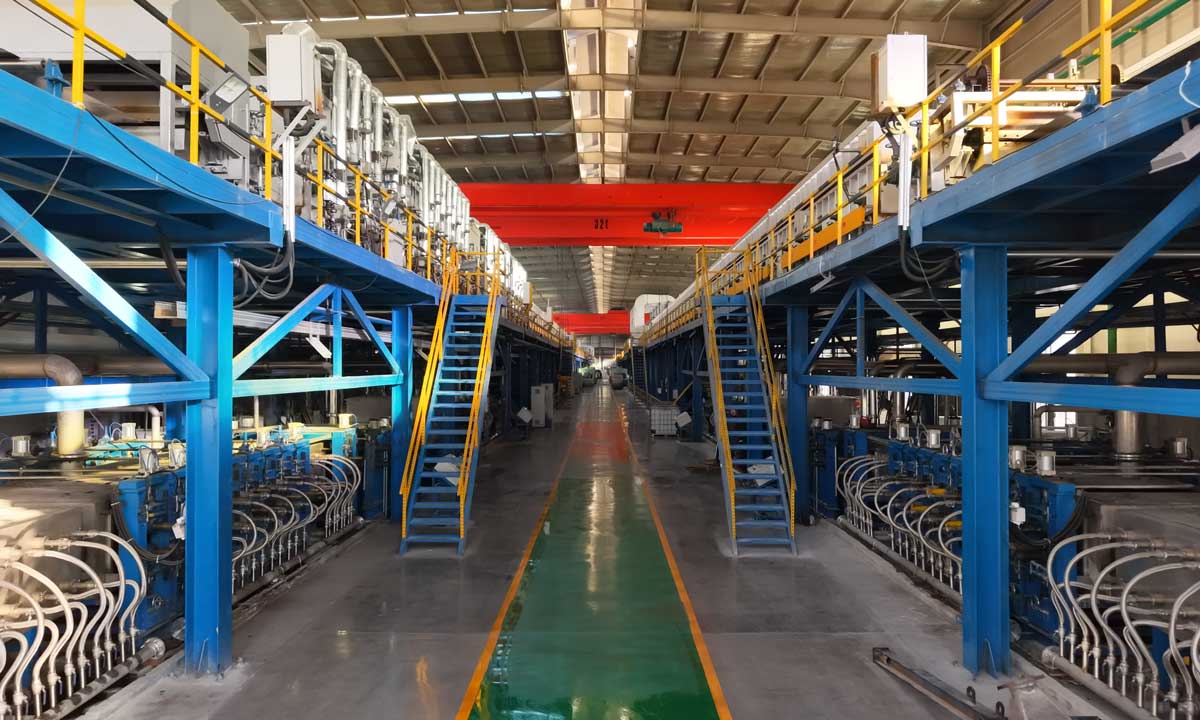
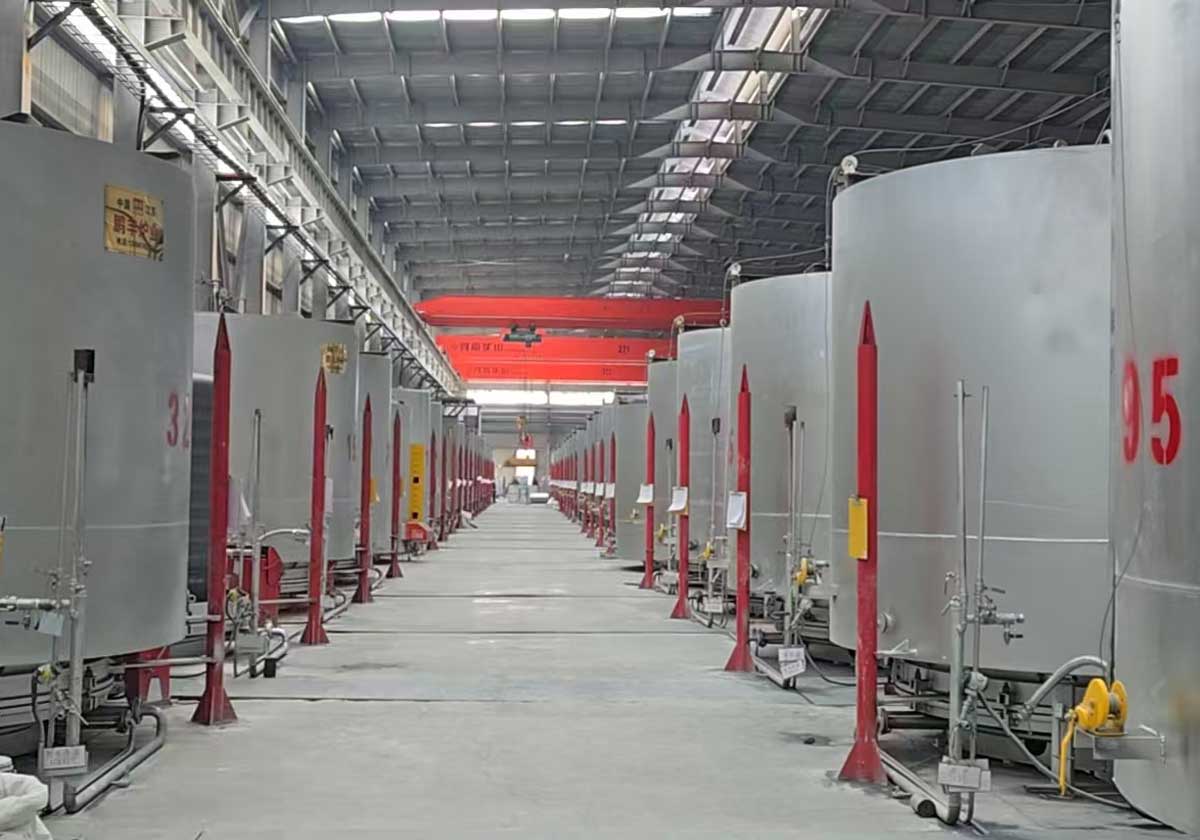
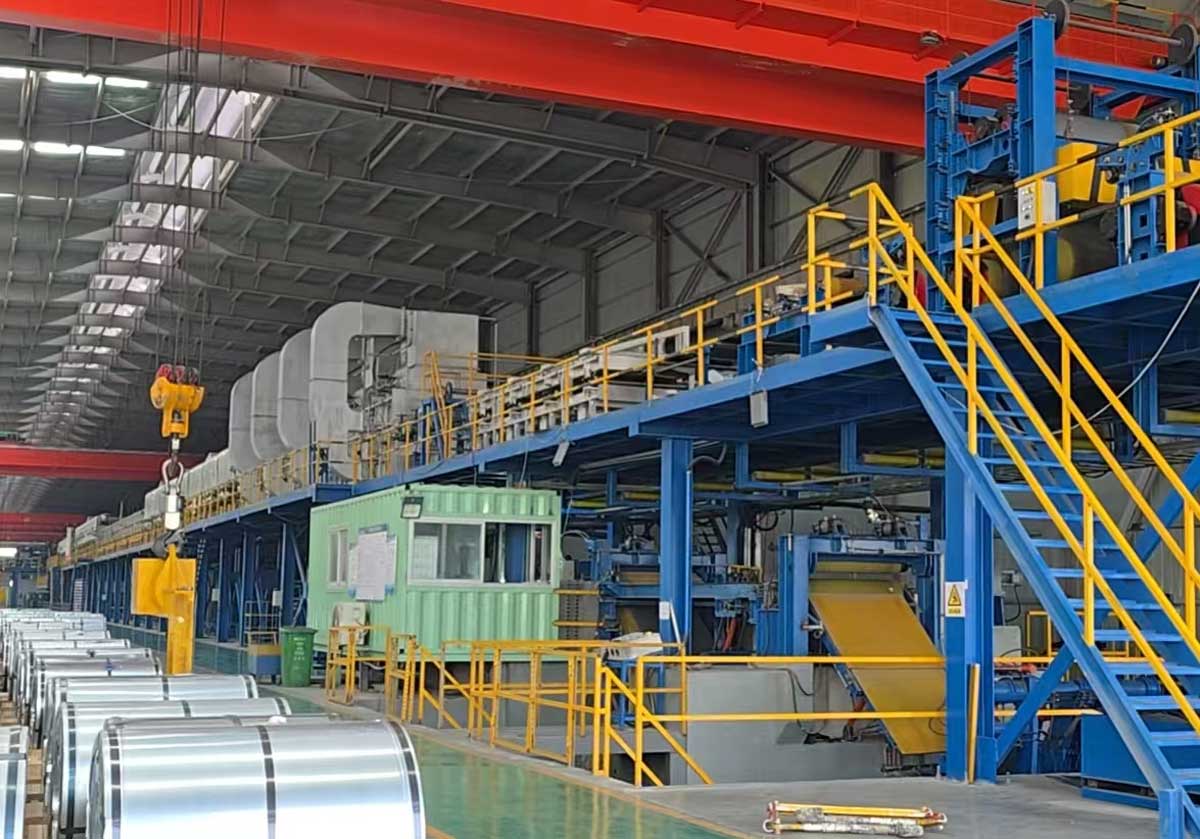
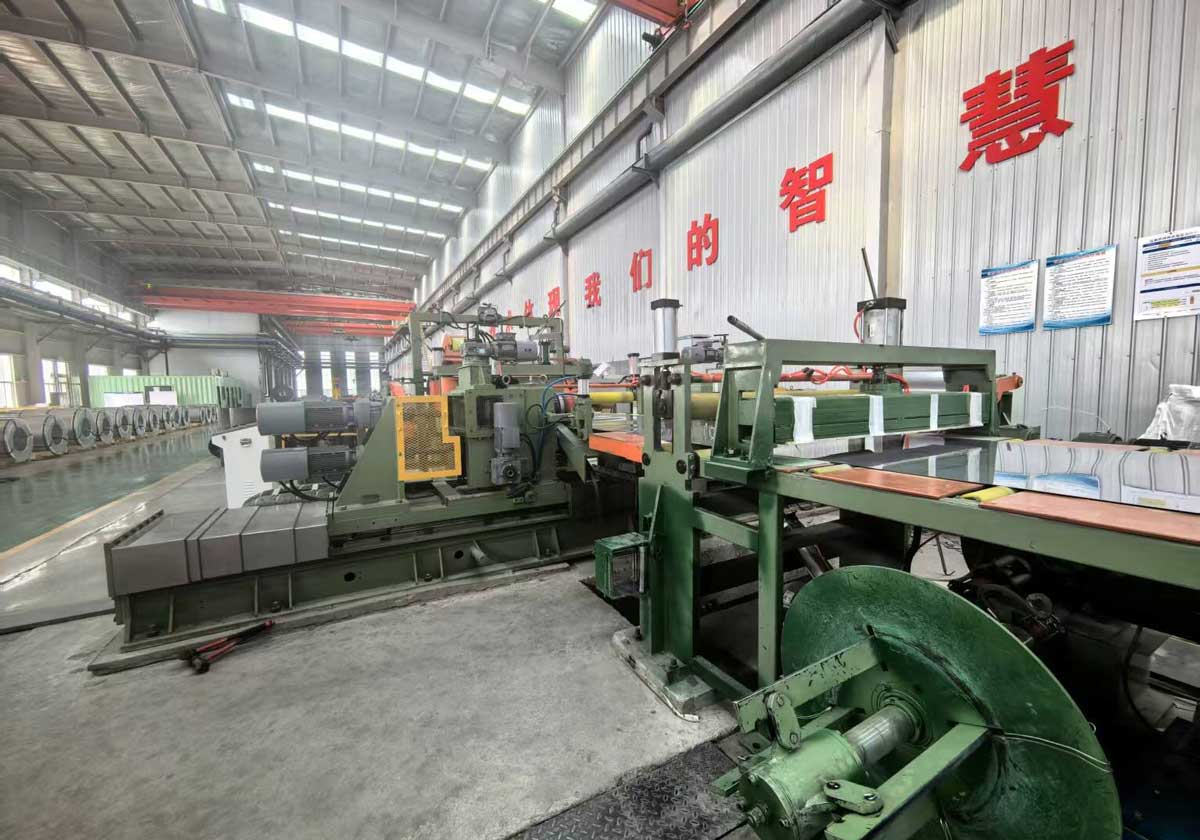
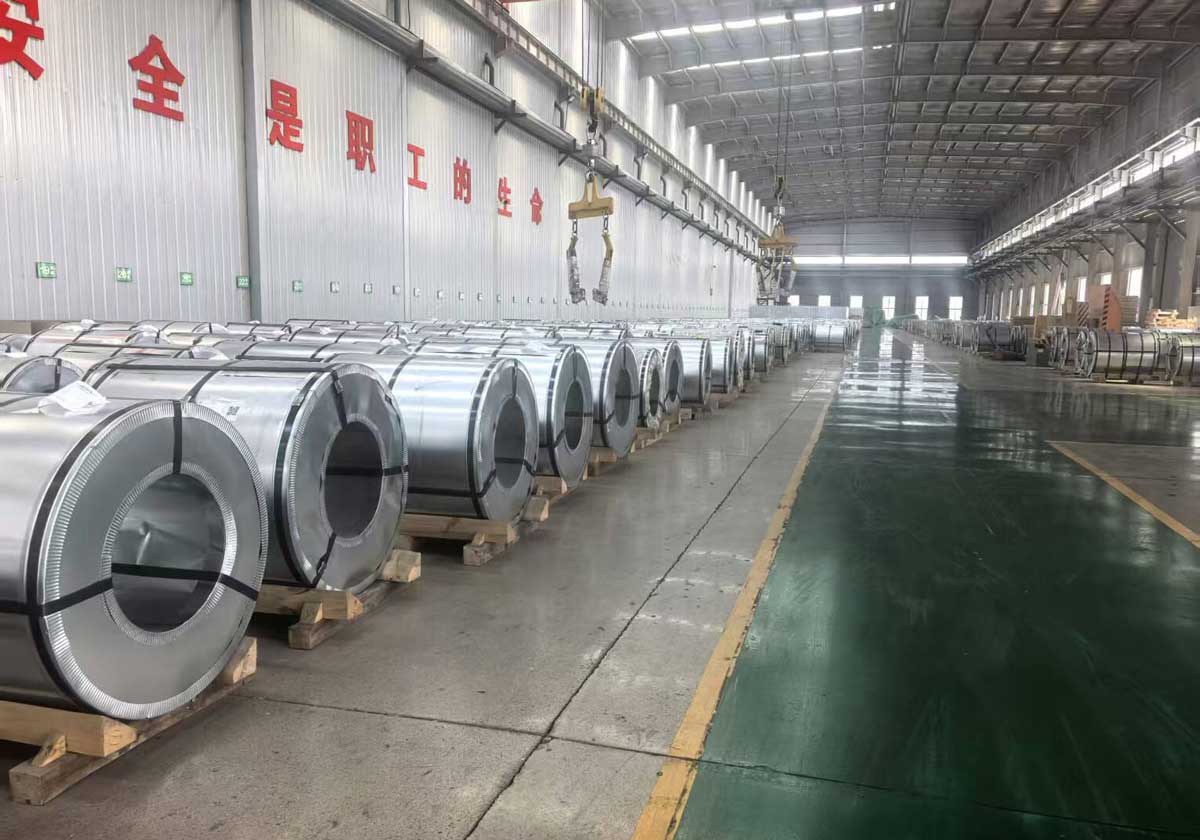
As the demand for hyper-efficient transformers grows, the manufacturing trend for Coated Silicon Steel Coil is rapidly shifting towards ultra-thin gauges. Historically, thicknesses of 0.30mm and 0.27mm were standard. Today, the industry is aggressively moving towards 0.23mm, 0.20mm, and even 0.18mm thicknesses. Thinner laminations drastically reduce eddy current losses, making them ideal for high-frequency applications and ultra-high-voltage (UHV) transmission networks.
Coupled with thinner gauges is the adoption of Laser Domain Refinement technology. By using highly focused laser beams to irradiate the surface of the coated silicon steel, manufacturers can artificially subdivide the magnetic domains. This process, which works in tandem with the tension-inducing coating, further lowers the core loss by up to 10-15% without compromising the physical integrity of the steel coil. This technological synergy represents the pinnacle of current electromagnetic material science.
Environmental sustainability is reshaping the production protocols of silicon steel. Traditional insulation coatings often contained hexavalent chromium, posing significant environmental and health risks during manufacturing and disposal. The modern trend is the absolute transition to Chrome-Free (environmentally friendly) coatings. These advanced semi-organic and inorganic coatings not only comply with strict global environmental regulations like RoHS and REACH but also provide superior weldability and corrosion resistance.
Furthermore, the push for a circular economy means that the lifecycle of Coated Silicon Steel Coils is being optimized for recyclability. At the end of a transformer's 30-to-40-year lifespan, the silicon steel core can be reclaimed and recycled with minimal loss of its base elemental value, contributing significantly to global decarbonization efforts.
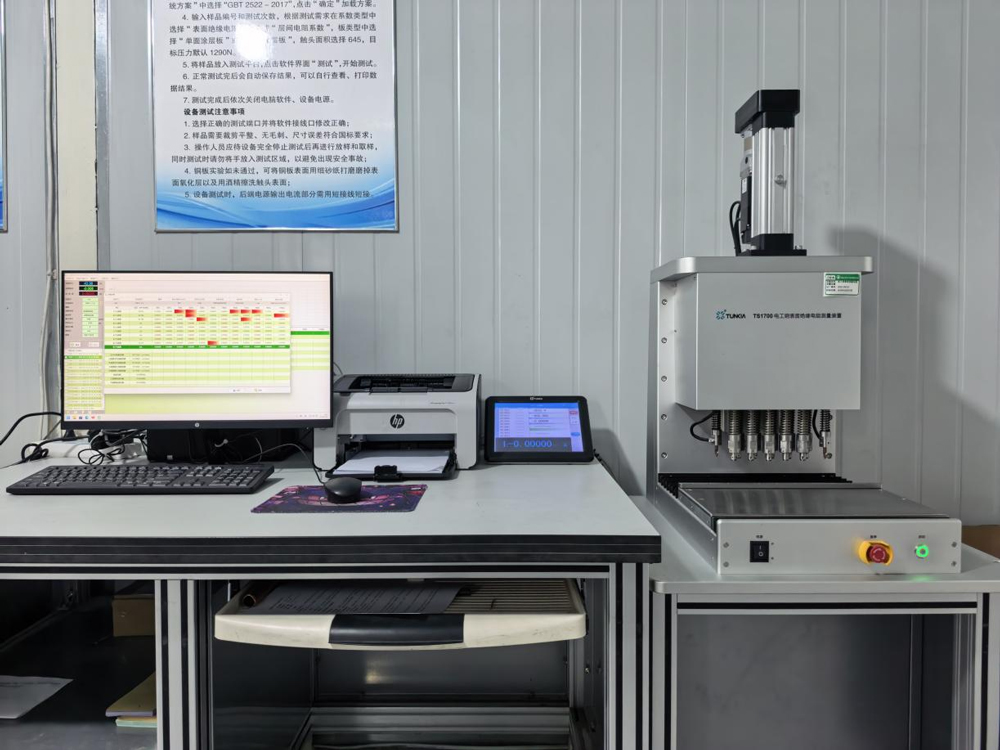
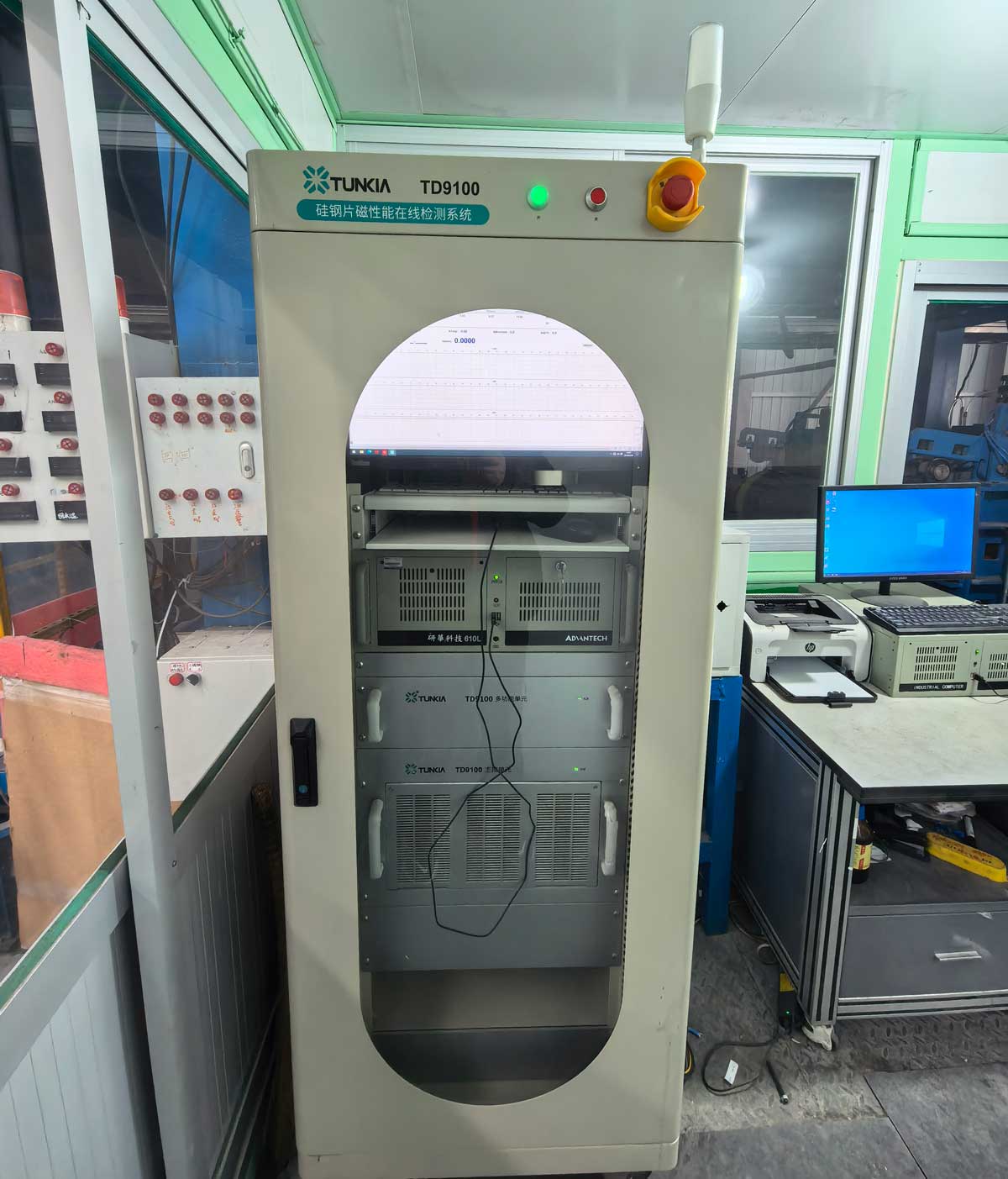 Main Lab
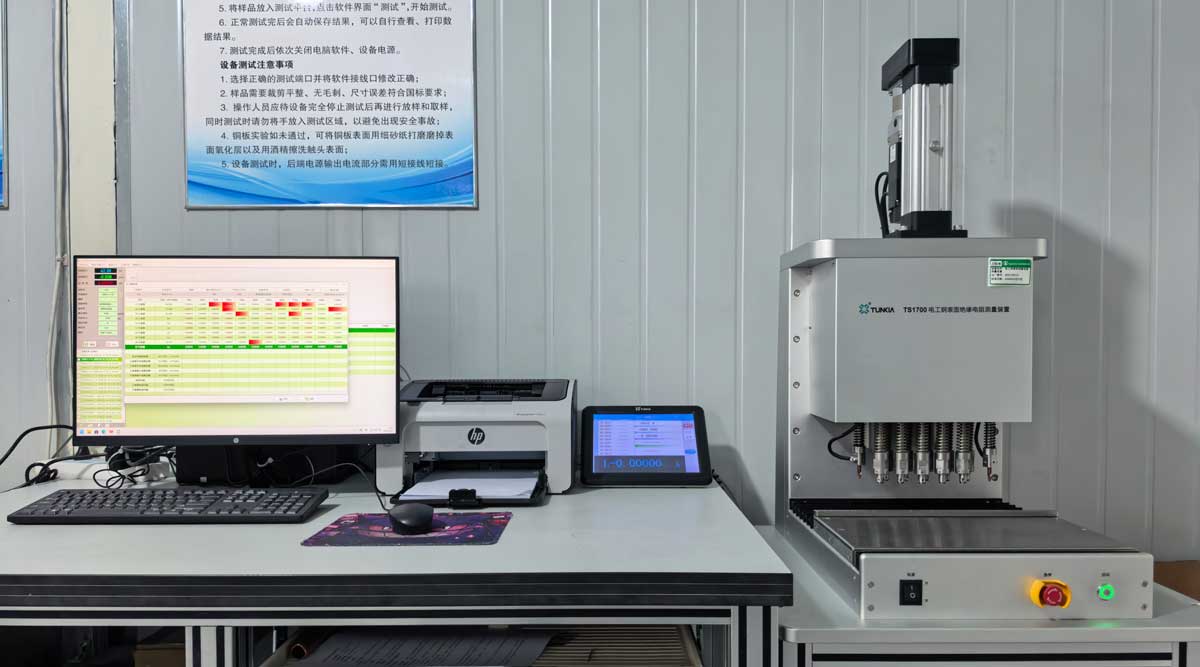 Testing
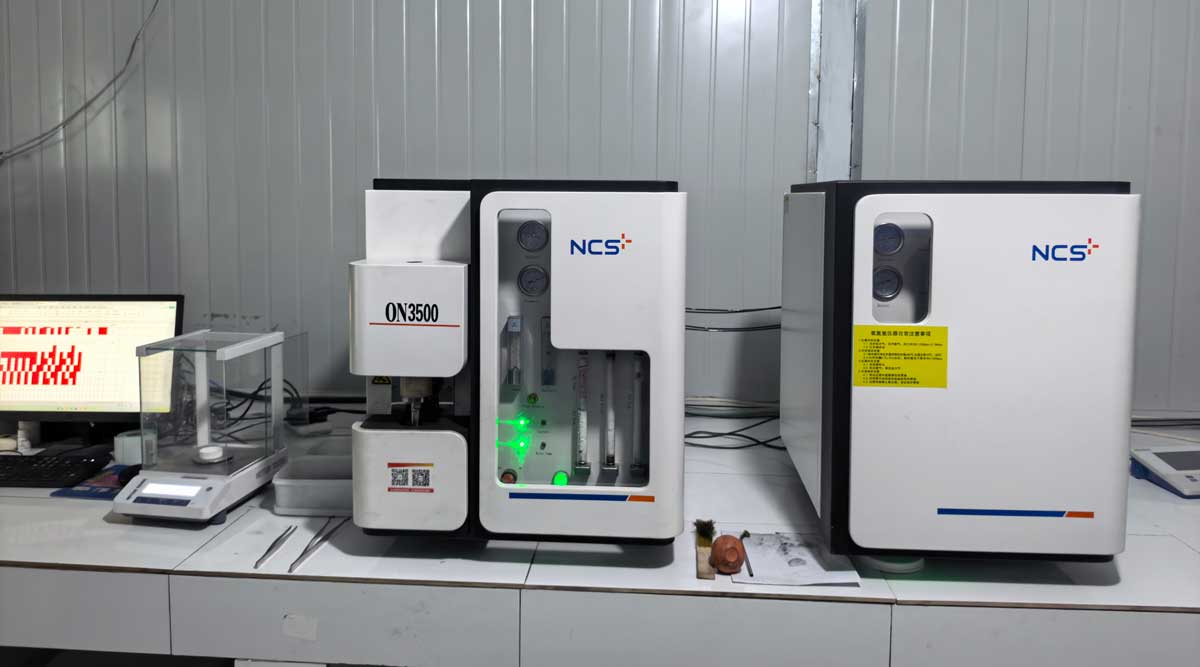 Analysis
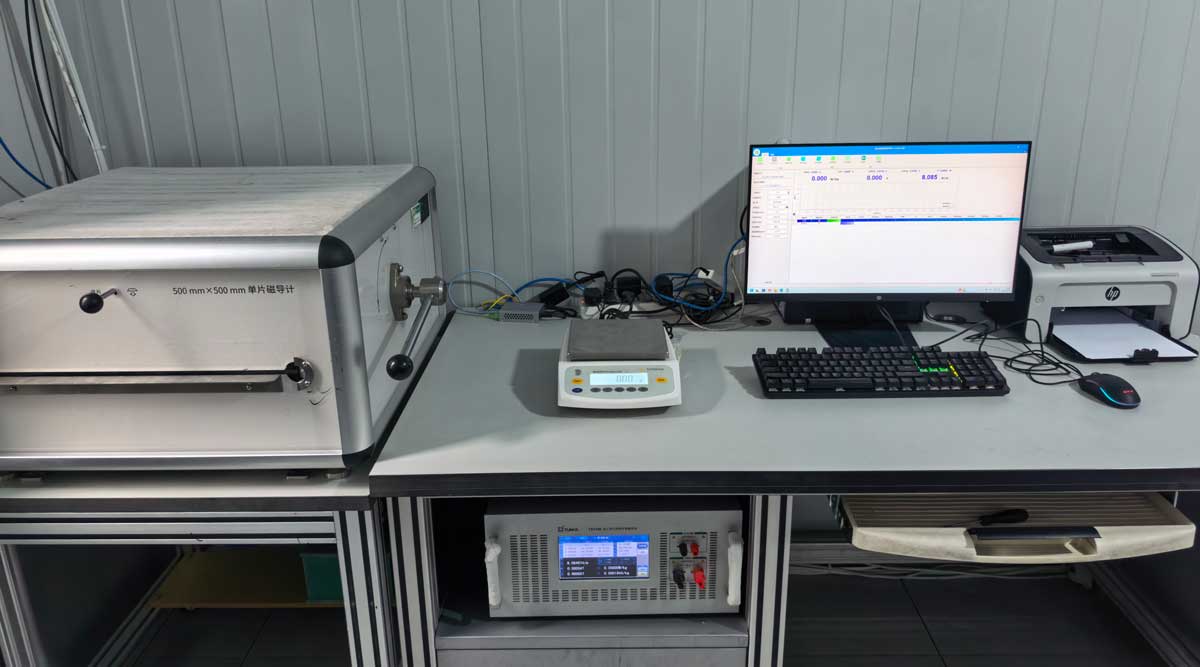 Research
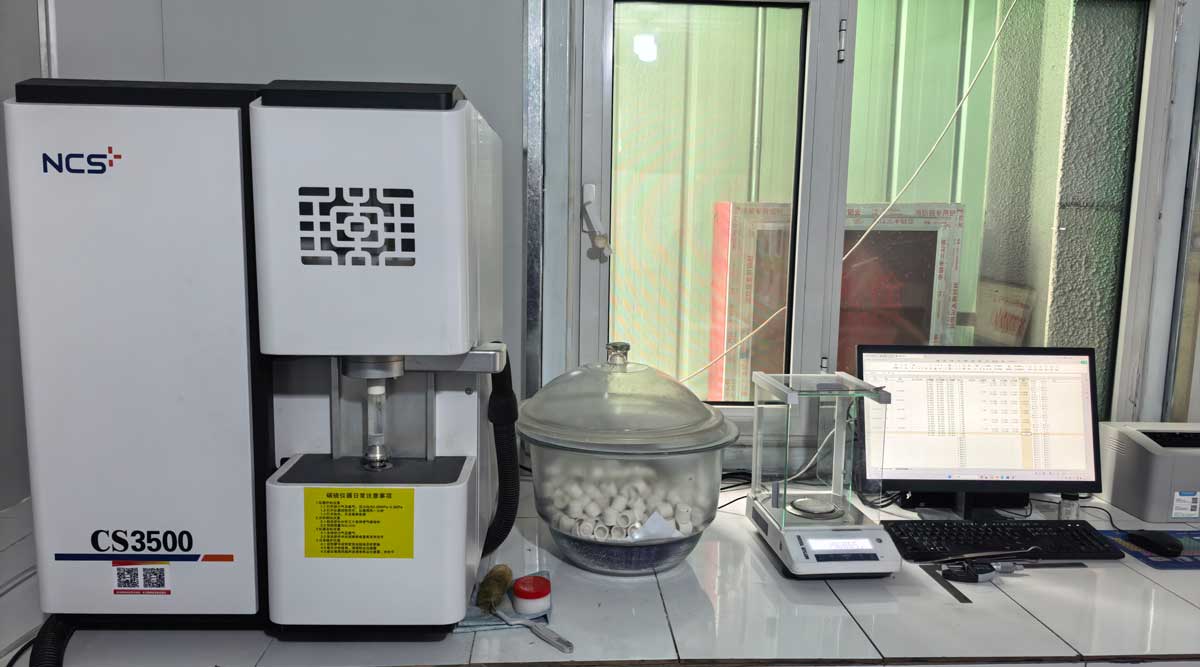 QC
After the reform and opening-up, the first-generation founders established a plastic packaging company.
In 2000, the water conservation business was launched and successfully went public under the leadership of the second-generation leadership team.
In 2004, the company entered the steel industry, evolving from steel smelting and processing to deep processing of steel products, encompassing elevator guide rail steel, automotive spring steel, oil-quenched steel wire, and galvanized strip steel.
Started real estate development and operation business in 2010.
Entering the cold chain warehousing and transportation industry in 2021.
In 2022, the deep processing of steel will be extended to the field of silicon steel.