Leave Your Message
-
Contact Phone
-
 Contact Email
-
 Contact Whatsapp
Engineered to satisfy rigorous international standards for ultra-high voltage power distribution, offshore wind converters, and next-generation photovoltaic inverter systems.
Accelerating global climate commitments and clean power transitions demand unprecedented efficiency in electrical steel cores, transforming power transmission, renewable generation, and electro-mobility.
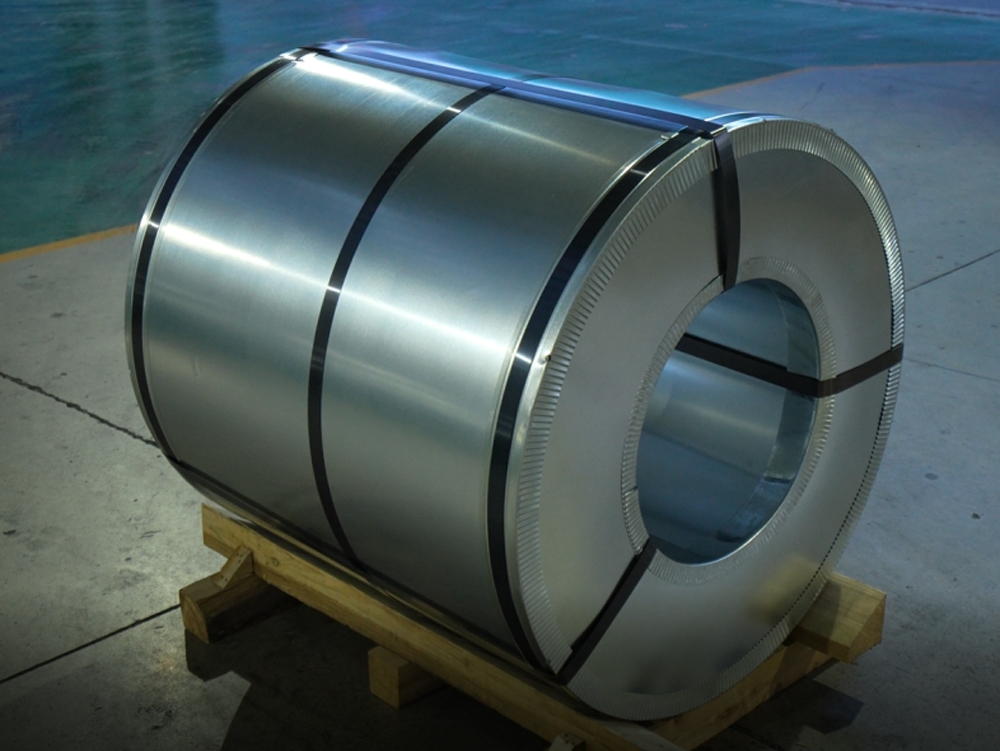
The global transition toward carbon neutrality is driving an unprecedented transformation across electric power grids and electromechanical systems. As renewable power sources like offshore wind and large-scale solar photovoltaics become predominant, the demand for high-performance electromagnetic materials has surged. At the epicenter of this technological shift lies Coated Silicon Steel Coil—specifically Grain-Oriented Electrical Steel (GOES) and High Magnetic Induction Grain-Oriented Steel (HiB). These specialized iron-silicon soft magnetic alloys, coated with precise insulating ceramic and phosphate matrices, represent the single most critical structural element dictating the energy efficiency, physical footprint, and operational lifespan of transformers, inductors, and magnetic couplers.
Historically, standard Cold-Rolled Grain-Oriented (CRGO) steel satisfied traditional centralized thermal power plants. However, the modern new energy infrastructure is defined by distributed generation, high-frequency harmonics, pulsed voltages, and stringent environmental mandates such as the US Department of Energy (DOE) 2027 Efficiency Standards, the European Union Ecodesign Directive Tier 2 (EN 50588-1), and China's GB 20052-2020 Level 1 energy benchmarks. Under these strict frameworks, conventional core steels fail due to elevated no-load losses, excessive magnetostriction noise, and thermal degradation under continuous non-linear loads. Coated silicon steel coils with optimized domain structures and advanced tensile coatings resolve these bottlenecks by reducing specific total loss ($P_{1.7/50}$) by up to 25% to 35% compared with conventional grades.
Regulatory tightening across North America, Europe, and Asia mandates lower no-load and load losses in distribution transformers. Transitioning from CGO to thin-gauge HiB coated coils delivers direct compliance, yielding over 99.3% operating efficiency across regional sub-transmission networks.
Intermittent generation from wind farms and utility-scale solar arrays introduces severe harmonic distortion and rapid thermal cycling. Advanced inorganic tensile coatings ensure superior inter-laminar insulation resistance, preventing localized eddy overheating and premature insulation breakdown.
The expansion of 800V and megawatt-level EV fast-charging stations necessitates compact step-up transformers and high-frequency filter inductors capable of operating at elevated flux densities without thermal runaway or audible magnetostrictive hum.
Tangshan Shouyu Electromagnetic New Materials Co., Ltd.
Tangshan Shouyu Electromagnetic New Materials Co., Ltd. was established in 2022 and is located in Yutian County Industrial Park, Tangshan City, Hebei Province. It is a high-tech enterprise specializing in the research and development, production, and sales of oriented silicon steel.
Harnessing advanced metallurgical engineering, state-of-the-art continuous decarbonization annealing, and intelligent tension-leveling coating systems, the company supplies ultra-low loss silicon steel coils engineered to satisfy the rigorous technical thresholds of new energy applications worldwide.
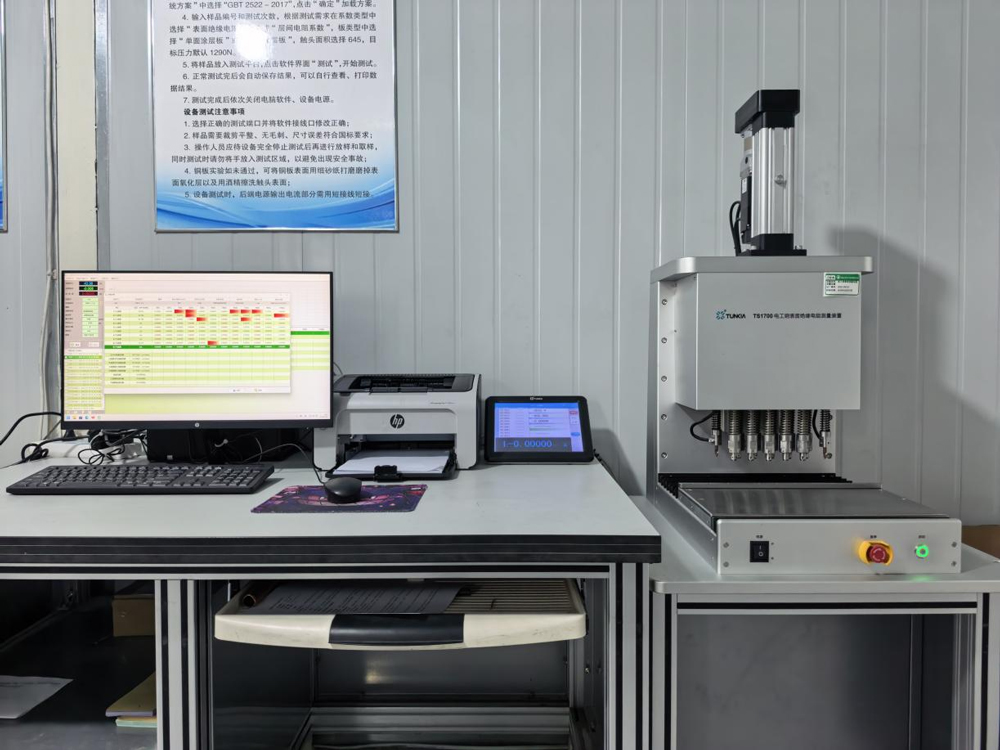
Equipped with cutting-edge Epstein frame systems, single-sheet testers, scanning electron microscopes (SEM), and laser domain inspection rigs to guarantee absolute consistency across every mother coil.
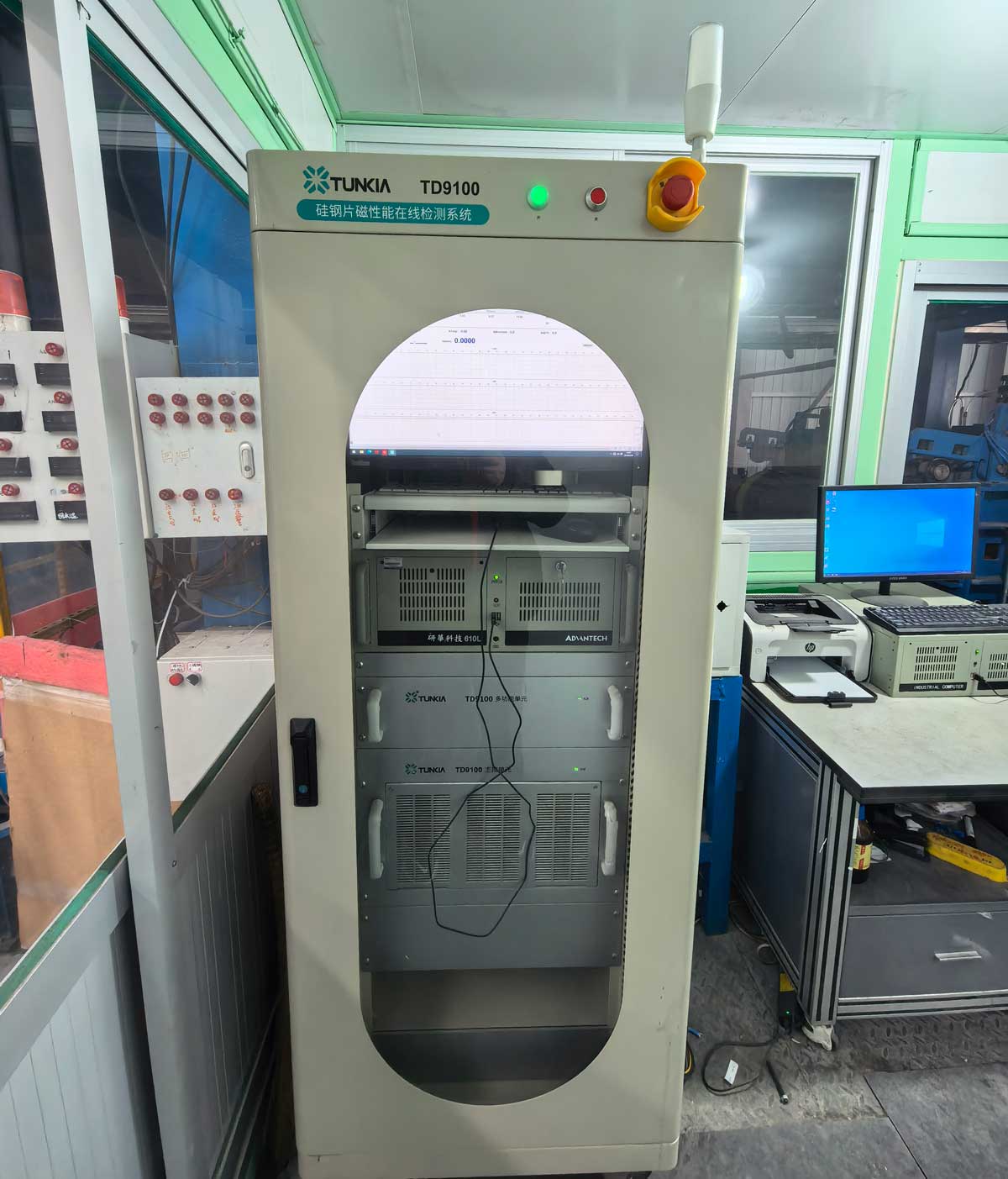
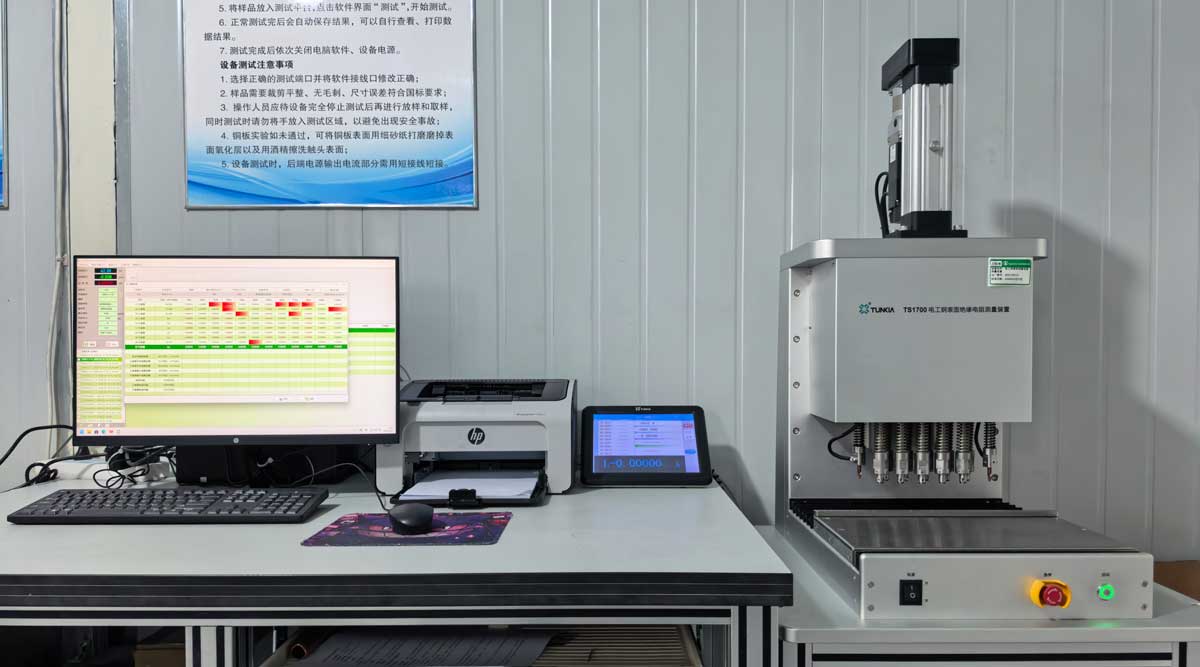
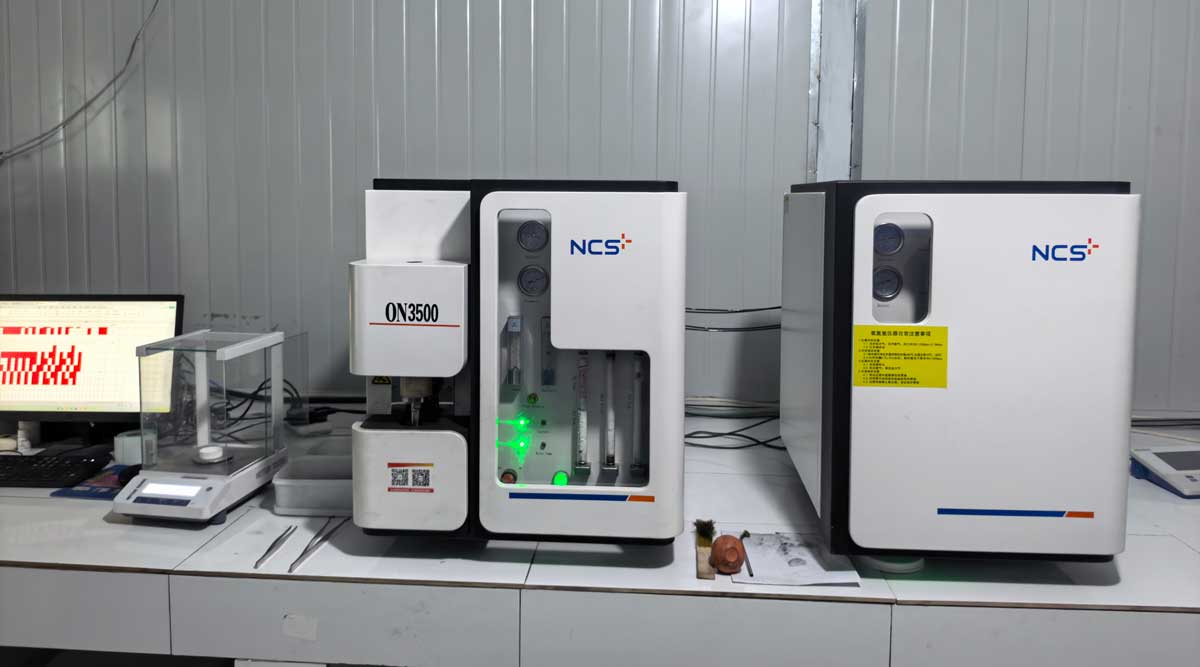
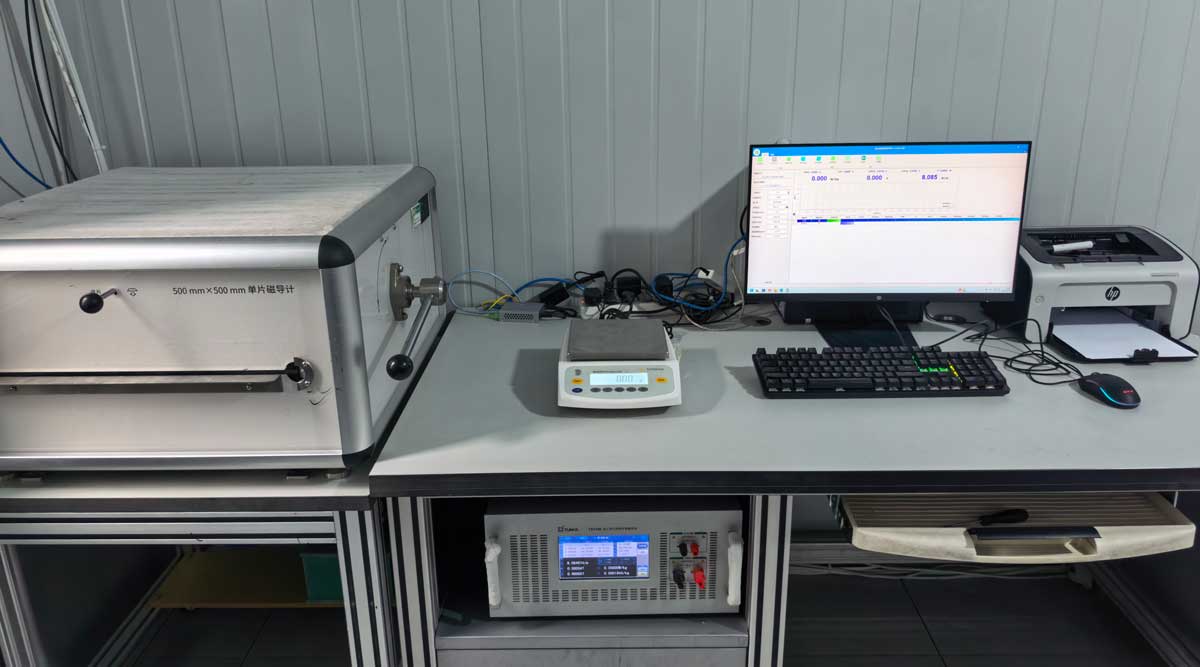
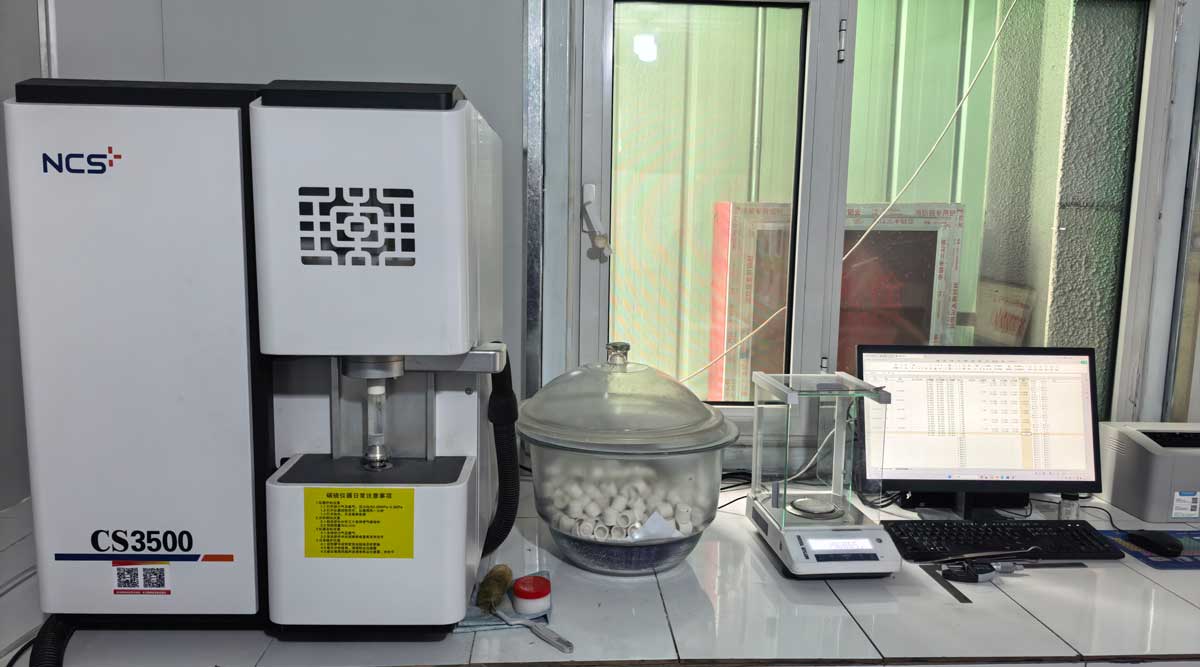
Dedicated to high-end electromagnetic material breakthroughs, empowering the global power and renewable infrastructure with superior magnetic induction and ultra-low loss.

As a core material supplier for improving the energy efficiency of distribution transformers, relying on profound technological accumulation and innovative genes, the company focuses on the high-end electromagnetic material track. Its core product, cold-rolled oriented silicon steel, with excellent low iron loss and high magnetic induction performance, has become the core support for improving the energy efficiency of distribution transformers.

In the era of the national "dual carbon" strategy and energy-saving upgrading of the power grid, we have taken the lead in the research and development and large-scale production of low iron loss and high magnetic induction oriented silicon steel (Hi-B steel), using key material innovation to break through the energy efficiency bottleneck of power equipment and promote the deep transformation of the industry towards high efficiency and green development.

We always adhere to the business philosophy of "honesty and trustworthiness, always moving forward", guided by customer needs, driven by technological innovation, and working together with industry chain partners to promote the transformation of the energy industry towards green and efficient.

In the future, we will continue to deeply cultivate the field of electromagnetic new materials, create long-term value for customers with excellent quality and professional services, inject new momentum into the development of the industry, and become a trusted global electromagnetic new material partner.
How nano-scale surface coatings create bi-axial tensile stress, refine magnetic domains, and eliminate eddy current pathing in high-frequency new energy environments.
The superior magnetic efficiency of high-grade oriented silicon steel coil is fundamentally dependent upon two synergistic factors: highly oriented Goss texture $\{110\}\langle001\rangle$ and a sophisticated dual-layer surface coating architecture. During the high-temperature batch annealing process, a glass-film base layer known as the forsterite layer ($\text{Mg}_2\text{SiO}_4$) is synthesized through the high-temperature solid-state reaction between magnesium oxide slurry ($\text{MgO}$) and surface silicon dioxide ($\text{SiO}_2$). Subsequently, a proprietary liquid coating composed of inorganic aluminum phosphate, colloidal silica, and chromate-free curing agents is applied and cured in a continuous tension-leveling furnace, forming the outer insulation coating.
Because the thermal expansion coefficient of the inorganic phosphate coating ($\approx 4.5 \times 10^{-6}/\text{K}$) is significantly lower than that of the metallic iron-silicon substrate ($\approx 12.0 \times 10^{-6}/\text{K}$), cooling down from 850°C curing imparts an elastic tensile stress of 4 to 10 MPa directly into the steel sheet. This continuous biaxial tensile stress refines the $180^\circ$ magnetic domain spacing, effectively preventing anomalous domain fragmentation under alternating flux. The direct physical outcome is a dramatic drop in anomalous eddy current loss ($P_a$), which constitutes more than 50% of the total core loss at operating frequencies above 50 Hz.
Under IEC 60404-11 and ASTM A976 standards, our coating satisfies the stringent C-5 and C-6 insulation classification. With an inter-laminar surface resistivity exceeding $30\,\Omega\cdot\text{cm}^2/\text{lamination}$ (Franklin method test at 2.07 MPa), eddy currents are strictly confined within individual laminations. This effectively suppresses circulating interlaminar fault currents that could otherwise lead to hot spots, catastrophic core thermal breakdown, and energy waste inside high-capacity wind turbine transformers and utility-scale solar central inverters.
Modern environmental and urban planning mandates demand whisper-quiet substation operation. When silicon steel undergoes alternating magnetization, magnetostrictive strain causes periodic mechanical dimensional changes, generating audible transformer hum. The high tensile stress provided by our precision coating suppresses transverse magnetic domain tilting, diminishing saturation magnetostriction ($\lambda_{100}$) by more than 40%. This results in transformers operating up to 4 to 7 dB(A) quieter, proving indispensable for urban EV ultra-charging stations and indoor compact substations.
| Steel Grade Category | Nominal Thickness (mm) | Max Core Loss $P_{1.7/50}$ (W/kg) | Min Magnetic Induction $B_{800}$ (T) | Coating Type & Standard | Primary Target Scenario |
|---|---|---|---|---|---|
| HiB Super Grade (20SH075) | 0.20 mm | ≤ 0.75 W/kg | ≥ 1.93 Tesla | Inorganic Tension C-5 (Cr-Free) | Offshore Wind Turbine Step-Up Transformers |
| HiB Prime Grade (23SH085) | 0.23 mm | ≤ 0.85 W/kg | ≥ 1.92 Tesla | High-Resistance Phosphate C-5 | Photovoltaic Central Inverter Transformers |
| HiB Standard (27SH095) | 0.27 mm | ≤ 0.95 W/kg | ≥ 1.91 Tesla | Forsterite + Phosphate C-5 | Smart Grid Level-1 Distribution Transformers |
| CGO High Grade (30S120) | 0.30 mm | ≤ 1.20 W/kg | ≥ 1.88 Tesla | Standard CGO Inorganic C-4/C-5 | Medium-Voltage Substations & EV Charging Cores |
From extreme offshore ocean environments to high-voltage EV mega-chargers, our coated silicon steel coils deliver unmatched operational reliability and efficiency.
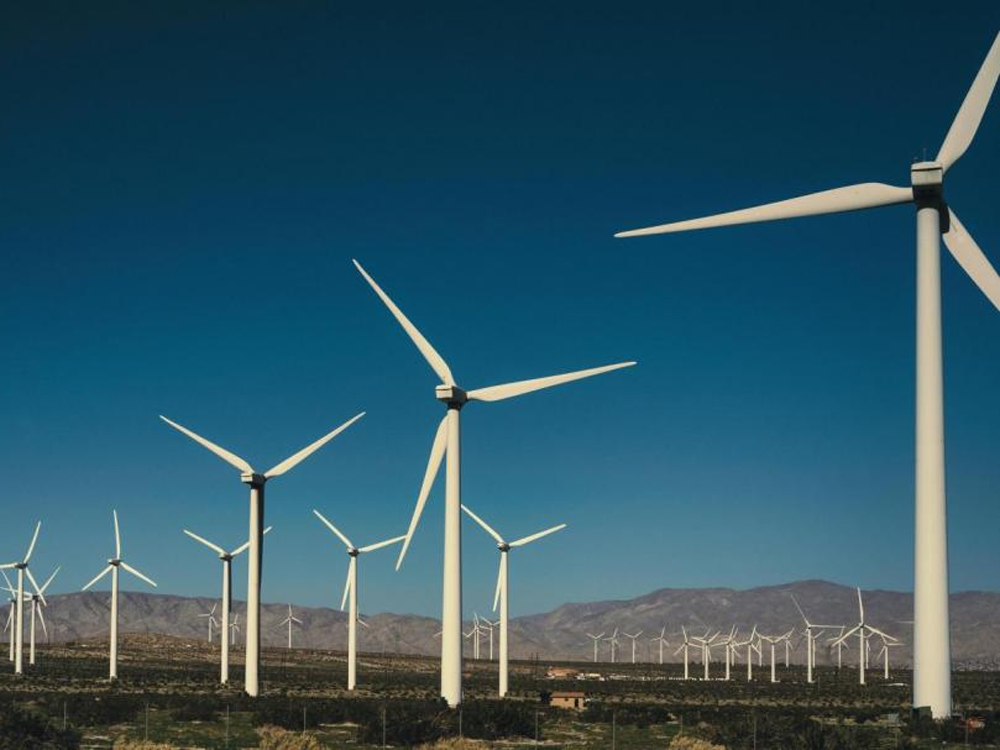
Offshore and onshore wind turbines install step-up transformers directly inside compact nacelles or tower bases. Extreme mechanical vibration, space constraints, and high salt-fog humidity necessitate ultra-compact cores with superior cooling efficiency and zero coating delamination.
Photovoltaic power farms generate direct current (DC) that must be converted and stepped up to medium-voltage transmission levels (35 kV / 110 kV). Inverter output contains high-frequency switching harmonics requiring low eddy-loss magnetic materials to prevent catastrophic overheating.
High-power DC fast-charging plazas require dedicated compact distribution transformers to manage massive peak load variations without triggering voltage sags or audible acoustic resonance in metropolitan locations.
Utility-scale battery energy storage systems rely on bidirectional Power Conversion Systems (PCS) and isolation transformers. Frequent charge-discharge cycling requires materials with virtually zero hysteresis loss and high thermal conductivity.
Ultra-High Voltage DC and AC long-distance transmission lines transfer green power from remote inland solar/wind bases to coastal industrial centers. 750 kV, 800 kV, and 1000 kV transformers require zero-defect HiB magnetic cores.
Upgrading conventional dry-type and oil-immersed distribution transformers in industrial campuses, semiconductor cleanrooms, and data centers to satisfy Tier-1 ecodesign requirements with amortized payback within 3 to 5 years.
Decades of industrial leadership and technological evolution, culminating in precision electromagnetic material manufacturing.
After the reform and opening-up, the first-generation founders established a plastic packaging company.
In 2000, the water conservation business was launched and successfully went public under the leadership of the second-generation leadership team.
In 2004, the company entered the steel industry, evolving from steel smelting and processing to deep processing of steel products, encompassing elevator guide rail steel, automotive spring steel, oil-quenched steel wire, and galvanized strip steel.
Started real estate development and operation business in 2010.
Entering the cold chain warehousing and transportation industry in 2021.
In 2022, the deep processing of steel will be extended to the field of silicon steel.
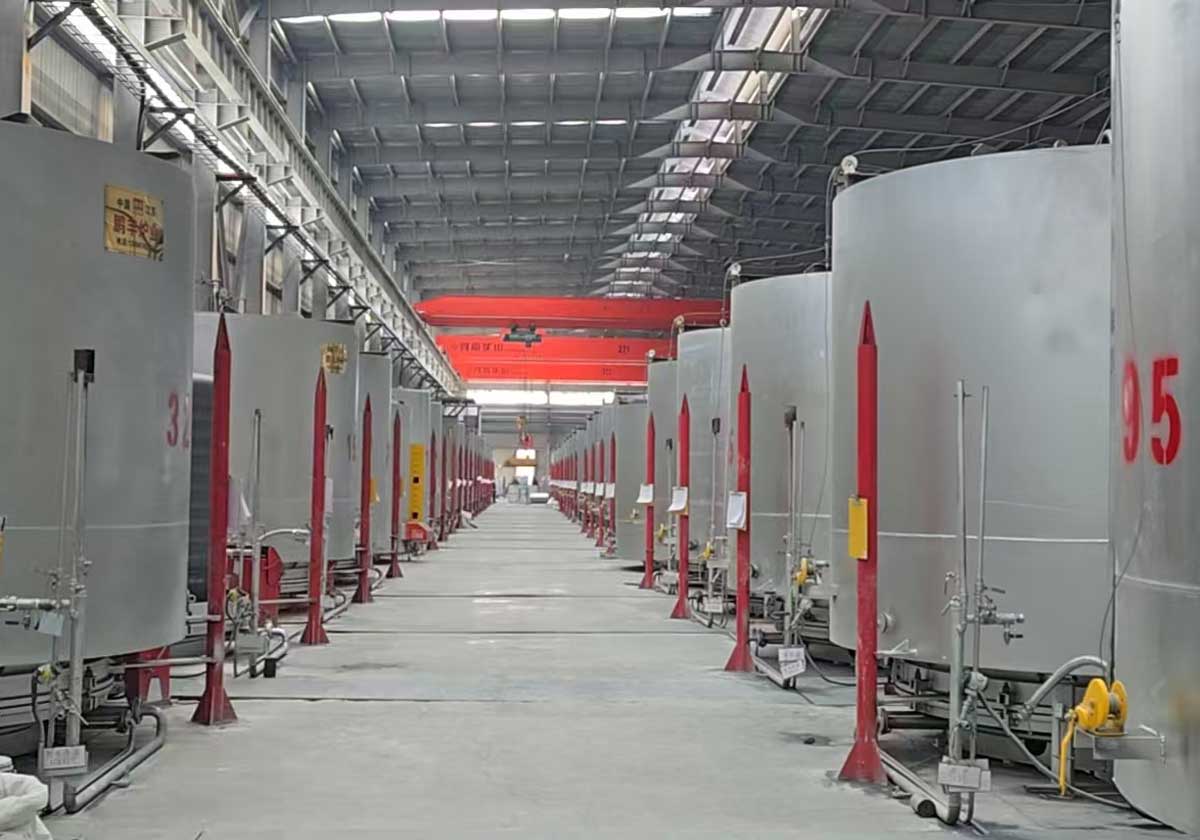
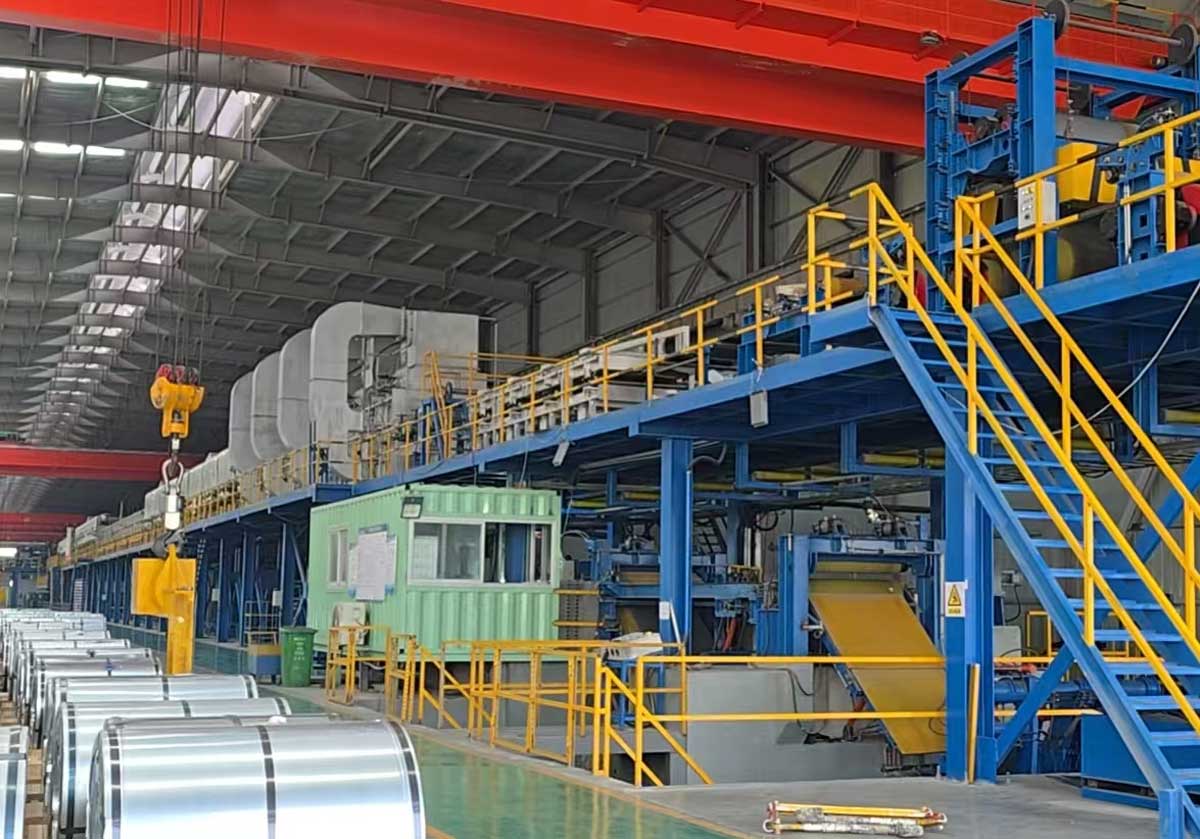
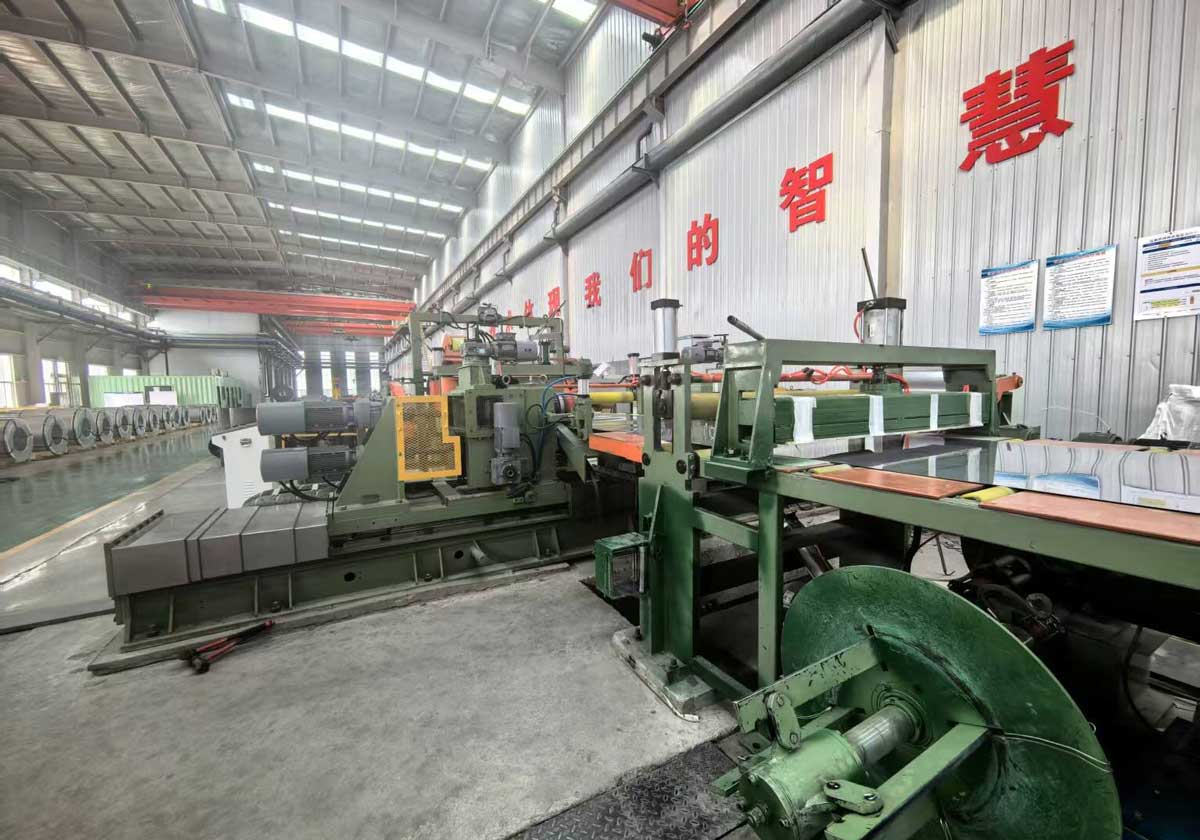
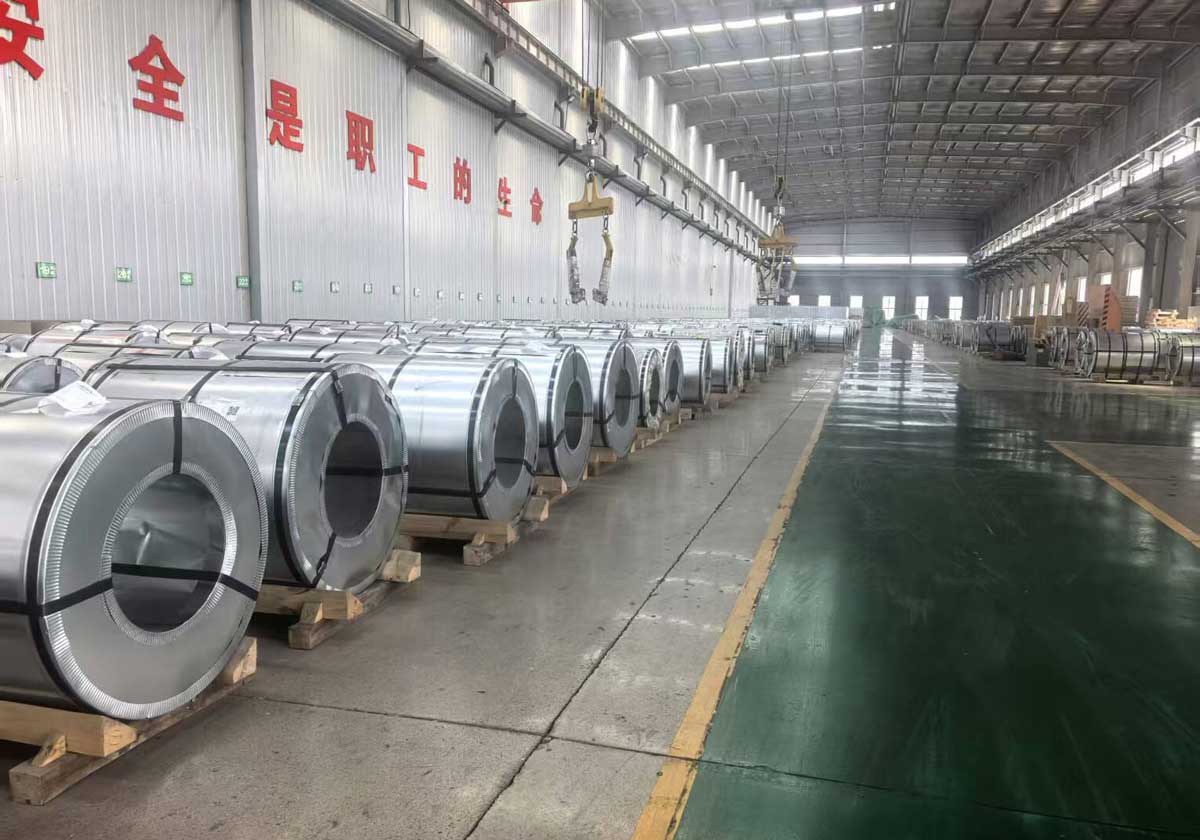
A seamless sequence of high-precision metallurgical processes ensuring strict control over chemical composition, grain texture alignment, and surface coating adherence.


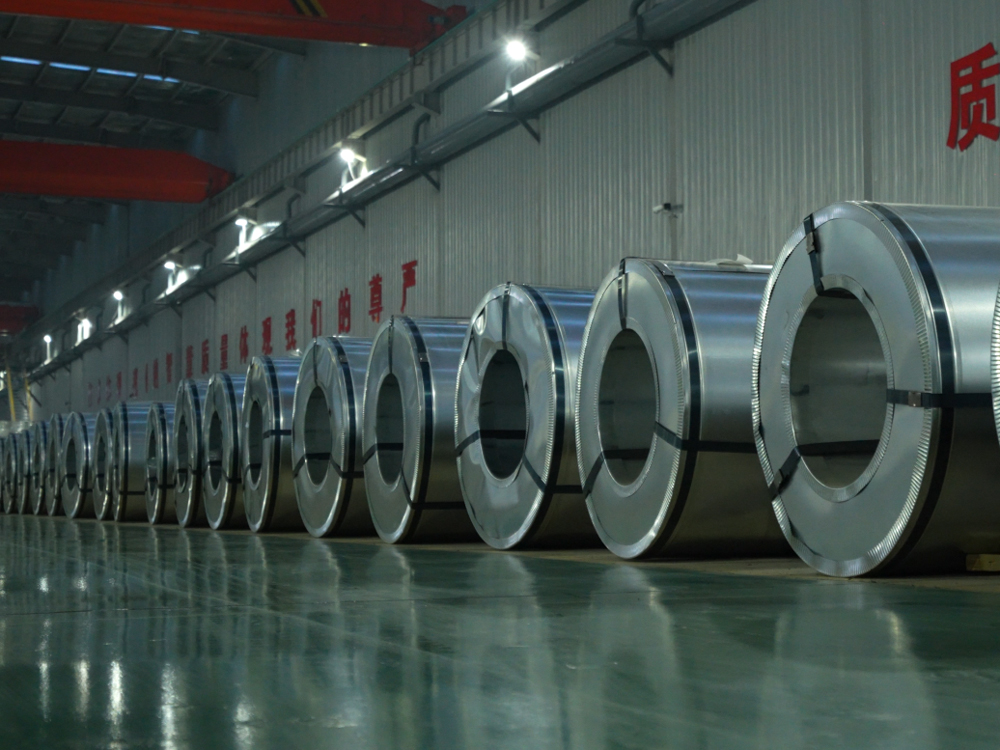
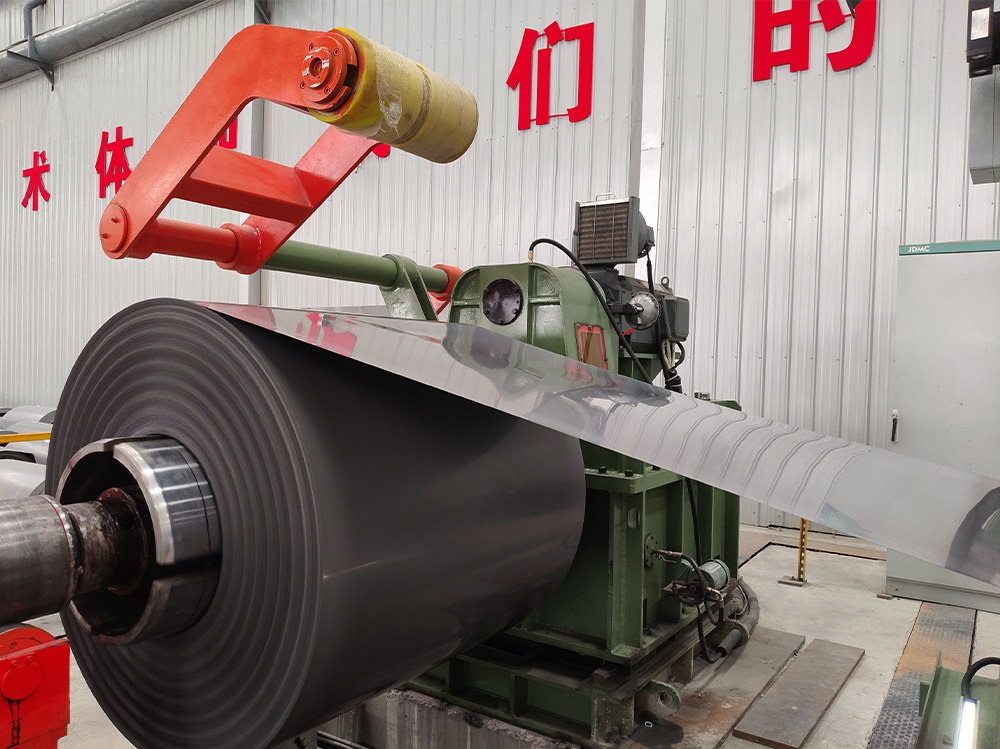
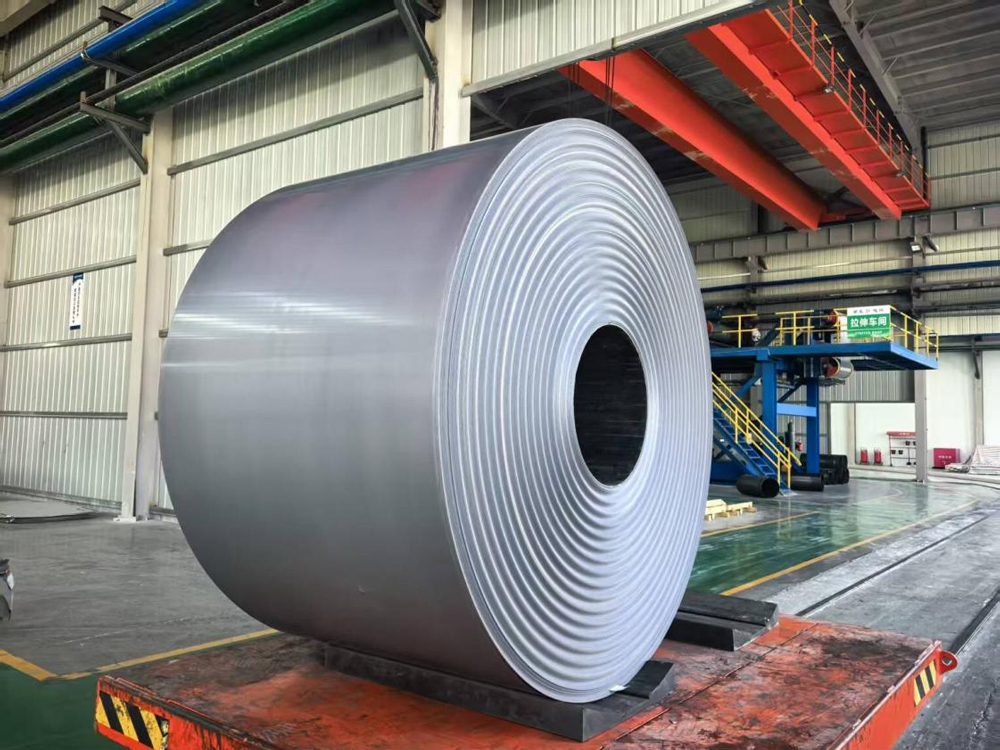
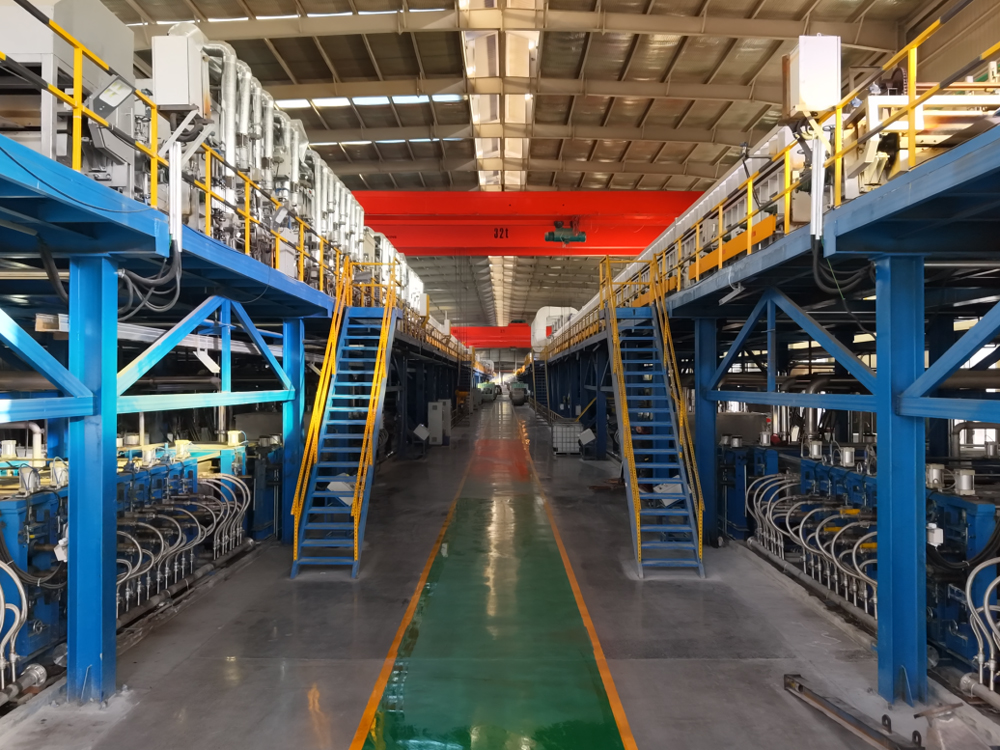
State-of-the-art heavy metallurgical rolling mills, atmosphere-controlled continuous furnaces, and automated finishing lines ensuring premier surface quality and precise strip dimensional tolerances.
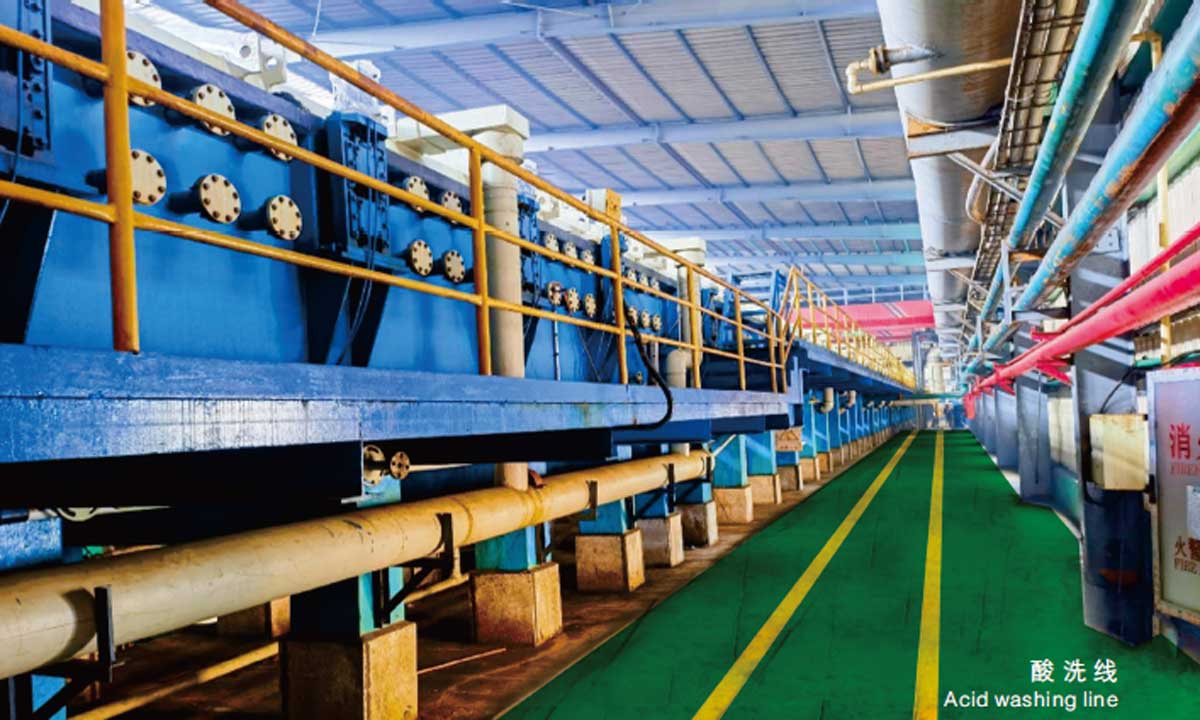
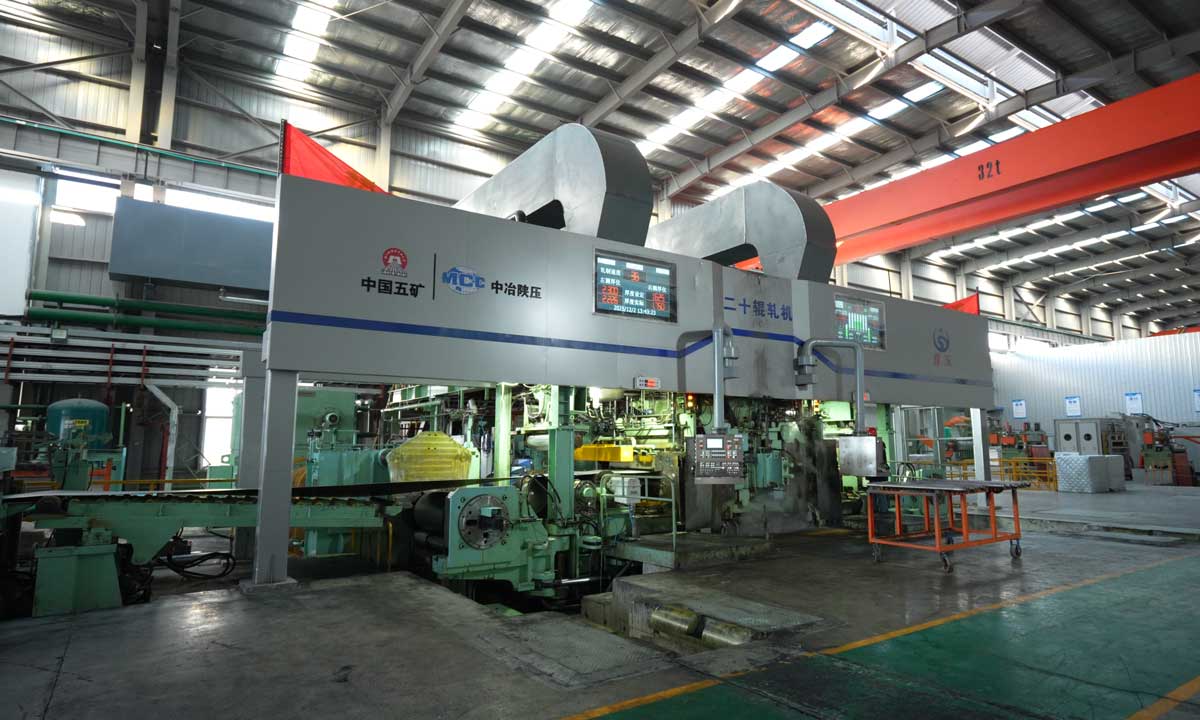
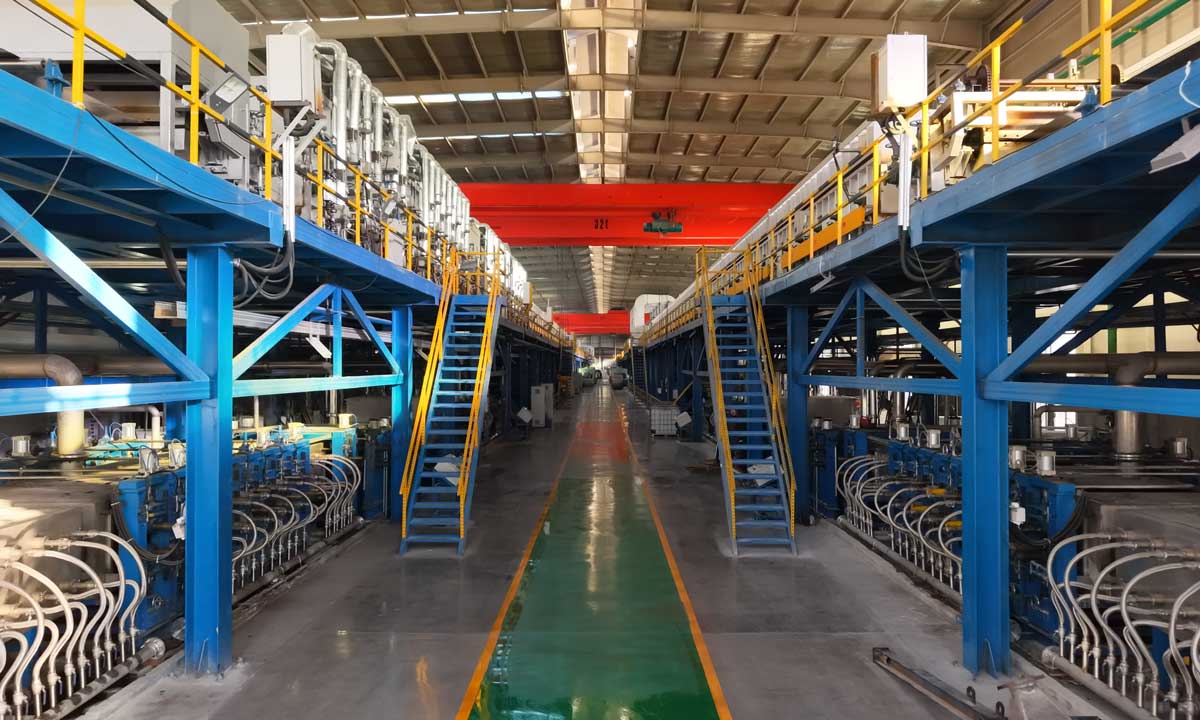
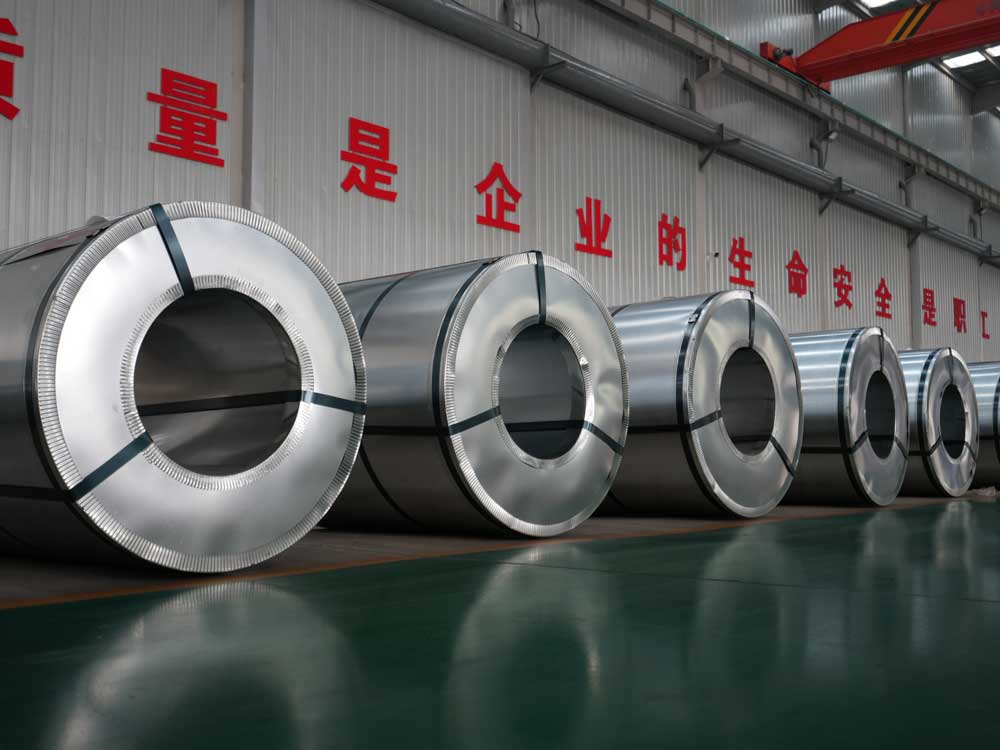
Explore our complete range of cold-rolled grain-oriented silicon steel coils, specification parameters, precision testing protocols, and specialized shipping methods.
Key considerations for transformer designers, electrical engineers, and global procurement teams sourcing coated silicon steel coils for clean energy infrastructure.
Conventional CGO (Conventional Grain-Oriented) typically achieves a magnetic polarization $B_{800}$ of 1.82 to 1.88 Tesla with grain deviation angles of 7° to 9°. High Magnetic Induction Oriented Steel (HiB) employs aluminum nitride (AlN) inhibitors, achieving tighter grain alignment with misalignment angles below 3°. This drives $B_{800}$ above 1.90 to 1.95 Tesla, allowing transformer cores to operate at higher flux densities without saturation and cutting core weight by 10% to 15%.
Yes. Our inorganic magnesium silicate/phosphate coating systems are engineered to withstand stress-relief annealing (SRA) at temperatures up to 820°C to 840°C in a dry protective nitrogen/hydrogen atmosphere without flaking, discoloration, or loss of inter-laminar insulation resistance.
Coils intended for international marine shipping are encased in multi-layered moisture barriers, VCI (Vapor Corrosion Inhibitor) films, galvanized steel edge protectors, and corrugated outer metal jackets anchored to fumigated export skids to prevent ocean salt-air moisture ingress and physical coil deformation.
Acoustic hum in transformers is primarily induced by magnetostriction ($\lambda_{100}$). The tensilized inorganic phosphate coating applies an elastic bi-axial stress directly onto the surface crystal lattice, restricting transverse magnetic domain rotations during alternating excitation. This suppresses vibrational amplitudes, achieving a 4 to 7 dB(A) noise reduction in the assembled core.