Leave Your Message
-
Contact Phone
-
 Contact Email
-
 Contact Whatsapp
The global landscape of railway transportation has undergone a monumental paradigm shift over the past two decades. As nations worldwide commit to stringent decarbonization targets and the pursuit of net-zero emissions, the electrification of railway networks has accelerated at an unprecedented pace. From the expansive High-Speed Rail (HSR) networks across Asia to the European Rail Traffic Management System (ERTMS) upgrades, the modern railway is highly dependent on stable, robust, and exceptionally efficient power supply systems. At the very heart of this electrified revolution lies a critical, yet often underappreciated component: the Coated Silicon Steel Coil.
Commercially, the demand for Grain-Oriented Electrical Steel (GOES)—specifically high-grade coated variants—has surged. The global railway power supply systems market requires materials that can minimize core losses and maximize magnetic permeability. Transformers operating in traction substations run 24/7 under highly variable load conditions, making energy efficiency not just an environmental imperative, but a massive economic factor. A reduction of even a fraction of a percent in iron loss translates to millions of dollars in saved operational costs over the lifespan of a railway network. Consequently, the industrial status of coated silicon steel has elevated from a standard commodity to a highly specialized, strategic technological asset sought after by global infrastructure developers.
The supply chain for these high-end electromagnetic materials is incredibly stringent. Manufacturers must achieve flawless crystalline orientation and apply advanced insulating coatings (such as Magnesium Oxide) to withstand immense mechanical tension and prevent eddy current losses. The ability to produce High Magnetic Induction (HiB) silicon steel reliably at scale dictates the pace at which next-generation smart grids for railways can be deployed.
Coated Silicon Steel Coils are not applied uniformly; their deployment within Global Railway Power Supply Systems is highly nuanced, catering to specific voltage regulations, spatial constraints, and frequency demands. By dissecting these application scenarios, we can truly understand the technological supremacy of this material.
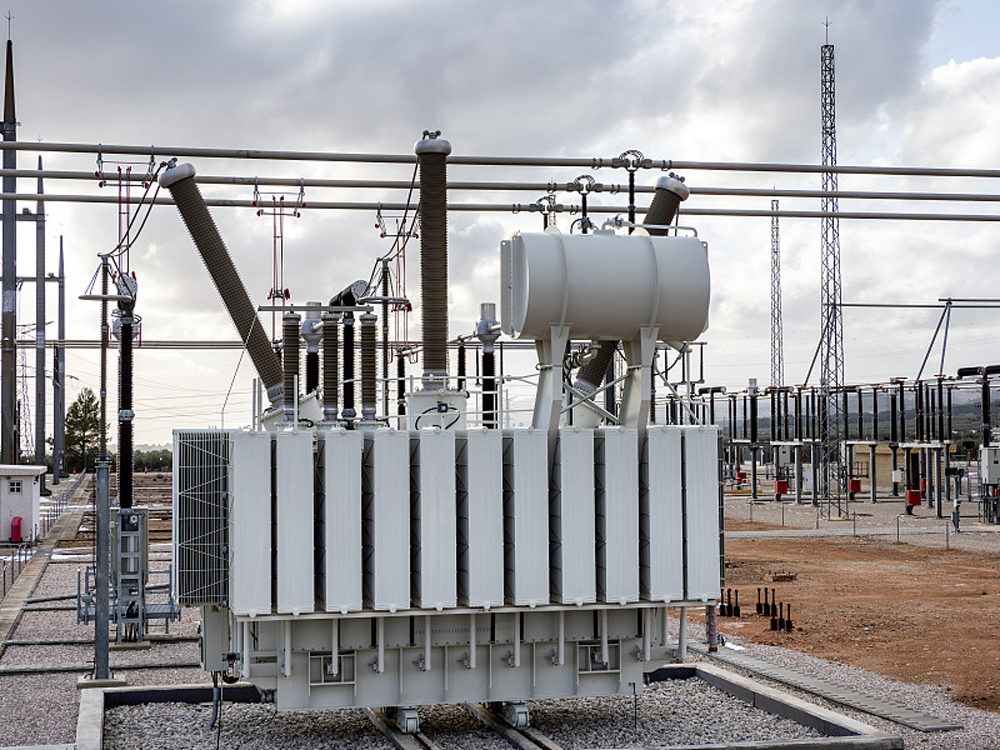
Traction substations act as the critical nodes connecting the national high-voltage power grid (often 110kV to 220kV) to the railway's overhead catenary system (typically 25kV AC or 15kV AC). These massive transformers require cores constructed from premium coated silicon steel. The specialized coating provides essential interlaminar insulation, drastically reducing eddy currents generated by the alternating magnetic fields. Because traction loads are highly volatile—spiking massively when a train accelerates and dropping to zero when coasting—the core material must exhibit exceptional resilience to magnetostriction, reducing both acoustic noise and thermal degradation.
In modern high-speed rail networks, the 2x25kV Autotransformer power supply system is the gold standard. It allows power to be transmitted over much longer distances with minimal voltage drop, reducing the number of substations required. The autotransformers distributed along the trackside rely heavily on HiB Coated Silicon Steel Coils. The high magnetic induction properties allow these transformers to be built with smaller, more compact cores without sacrificing capacity. This spatial efficiency is crucial for trackside installations where real estate is limited and environmental integration is necessary.
Perhaps the most demanding application is within the locomotives and Electric Multiple Units (EMUs) themselves. Onboard transformers must step down the catenary voltage to feed the traction motors. Here, weight and size are critical constraints. Every excess kilogram reduces the train's efficiency and increases track wear. By utilizing ultra-thin, high-grade coated silicon steel coils, engineers can design onboard transformers that are significantly lighter and more compact while maintaining high power density. The specialized coating also provides vital protection against the constant vibration and thermal cycling experienced during high-speed transit.
As we look to the future, the intersection of railway infrastructure and smart grid technology will dictate the evolution of electromagnetic materials. The trend is unequivocally moving towards ultra-low core loss and environmentally friendly manufacturing processes. Future iterations of coated silicon steel will feature advanced nanocoatings that not only provide superior electrical insulation but also active thermal dissipation capabilities.
Furthermore, the digitalization of railway power supply systems means that transformers will be equipped with IoT sensors to monitor core temperature, magnetic flux leakage, and structural integrity in real-time. This requires the silicon steel substrate to have absolute uniformity in its magnetic properties to ensure accurate digital twin modeling. The transition from standard CGO (Conventional Grain-Oriented) steel to universal HiB applications will become the baseline requirement for all new global railway tenders, pushing manufacturers to continuously innovate their annealing, cold rolling, and coating processes.
Tangshan Shouyu Electromagnetic New Materials Co., Ltd. was established in 2022 and is located in Yutian County Industrial Park, Tangshan City, Hebei Province. It is a high-tech enterprise specializing in the research and development, production, and sales of oriented silicon steel, acting as a crucial backbone for the global railway power supply chain.

As a core material supplier for improving the energy efficiency of distribution transformers, relying on profound technological accumulation and innovative genes, the company focuses on the high-end electromagnetic material track. Its core product, cold-rolled oriented silicon steel, with excellent low iron loss and high magnetic induction performance, has become the core support for improving the energy efficiency of distribution transformers.

In the era of the national "dual carbon" strategy and energy-saving upgrading of the power grid, we have taken the lead in the research and development and large-scale production of low iron loss and high magnetic induction oriented silicon steel (Hi-B steel), using key material innovation to break through the energy efficiency bottleneck of power equipment and promote the deep transformation of the industry towards high efficiency and green development.

We always adhere to the business philosophy of "honesty and trustworthiness, always moving forward", guided by customer needs, driven by technological innovation, and working together with industry chain partners to promote the transformation of the energy industry towards green and efficient.

In the future, we will continue to deeply cultivate the field of electromagnetic new materials, create long-term value for customers with excellent quality and professional services, inject new momentum into the development of the industry, and become a trusted global electromagnetic new material partner.
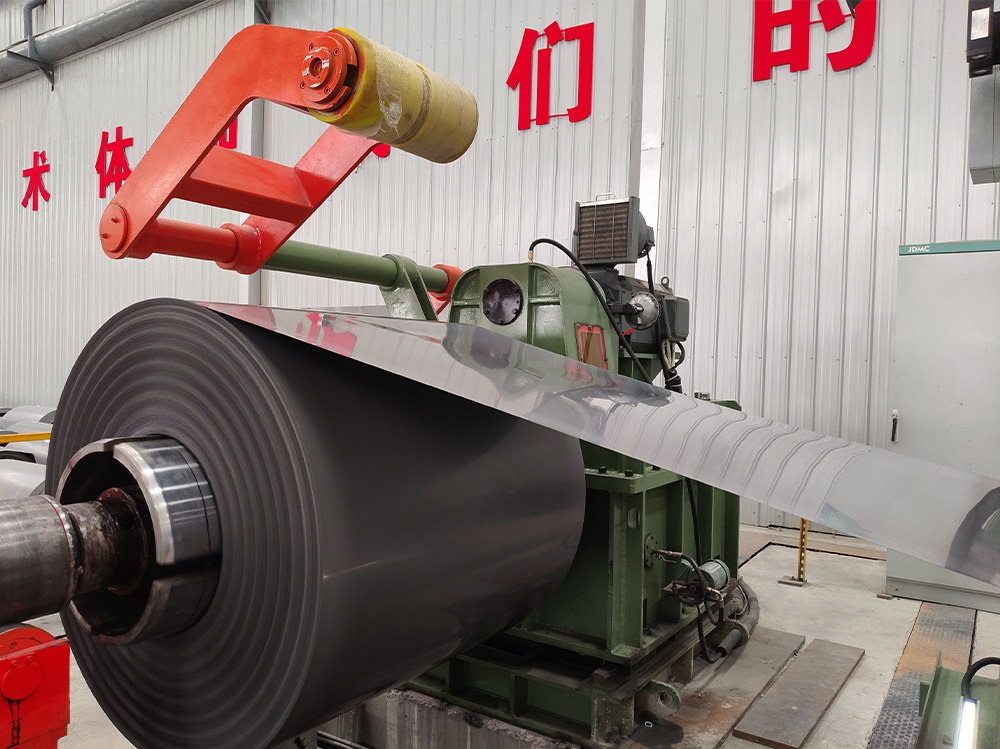
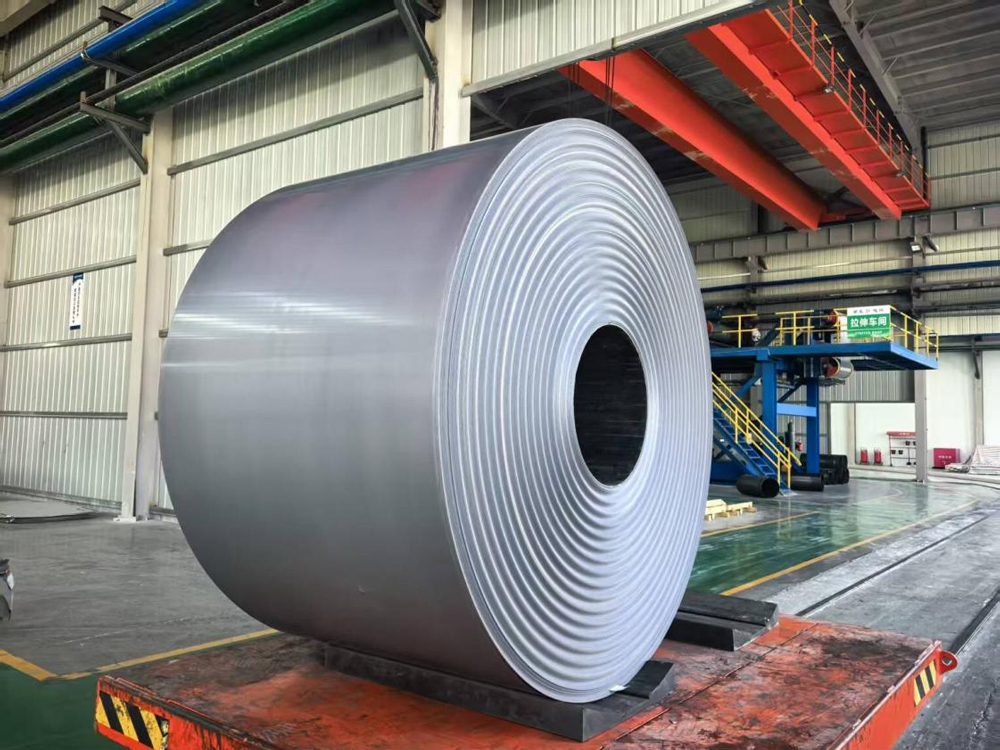
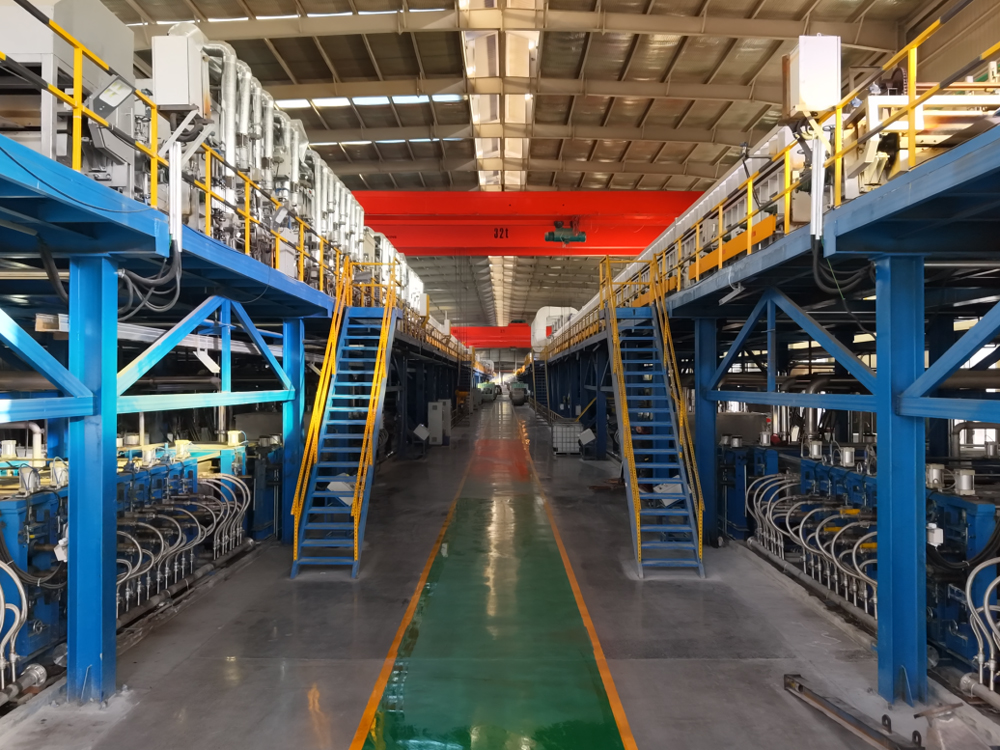
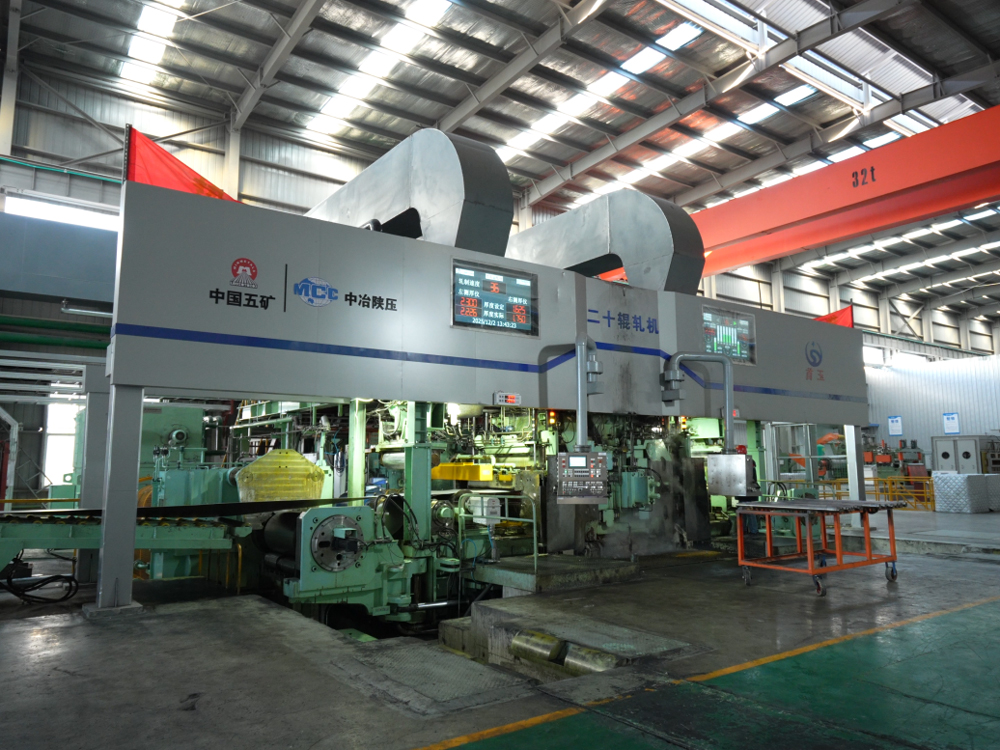
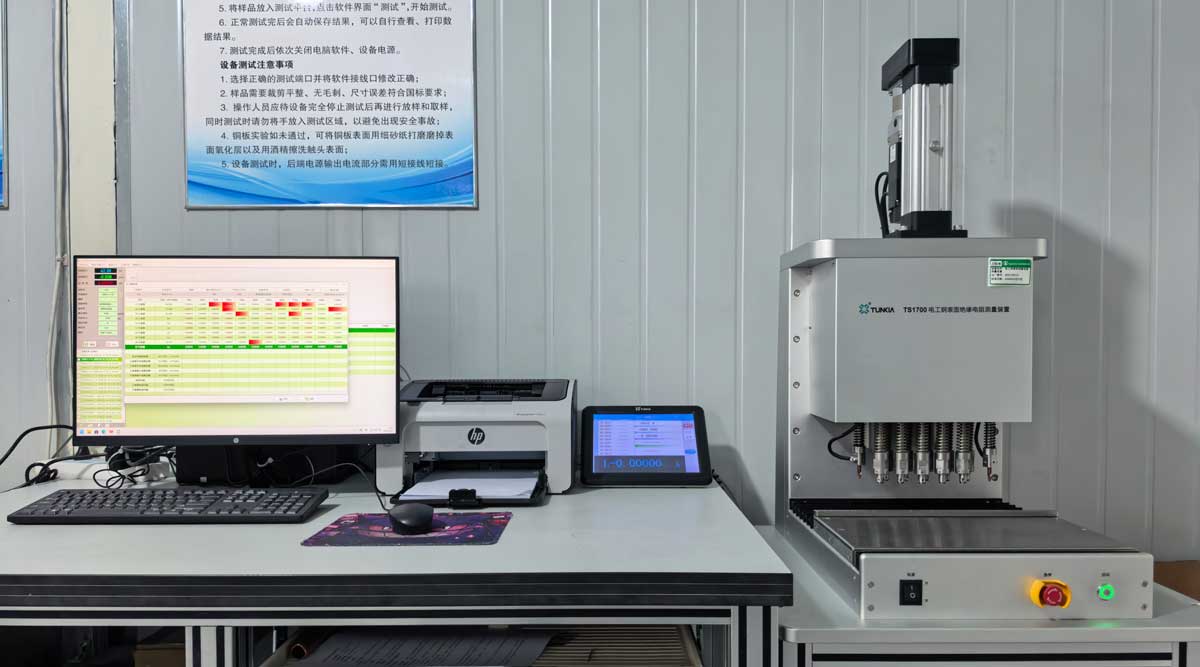
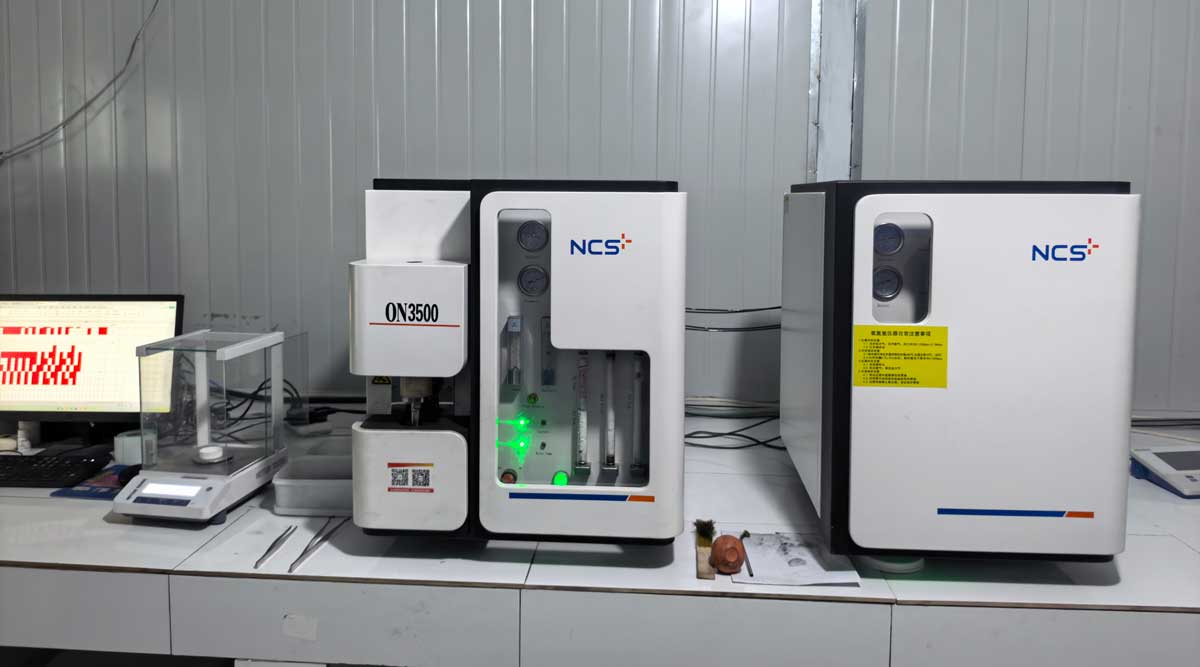
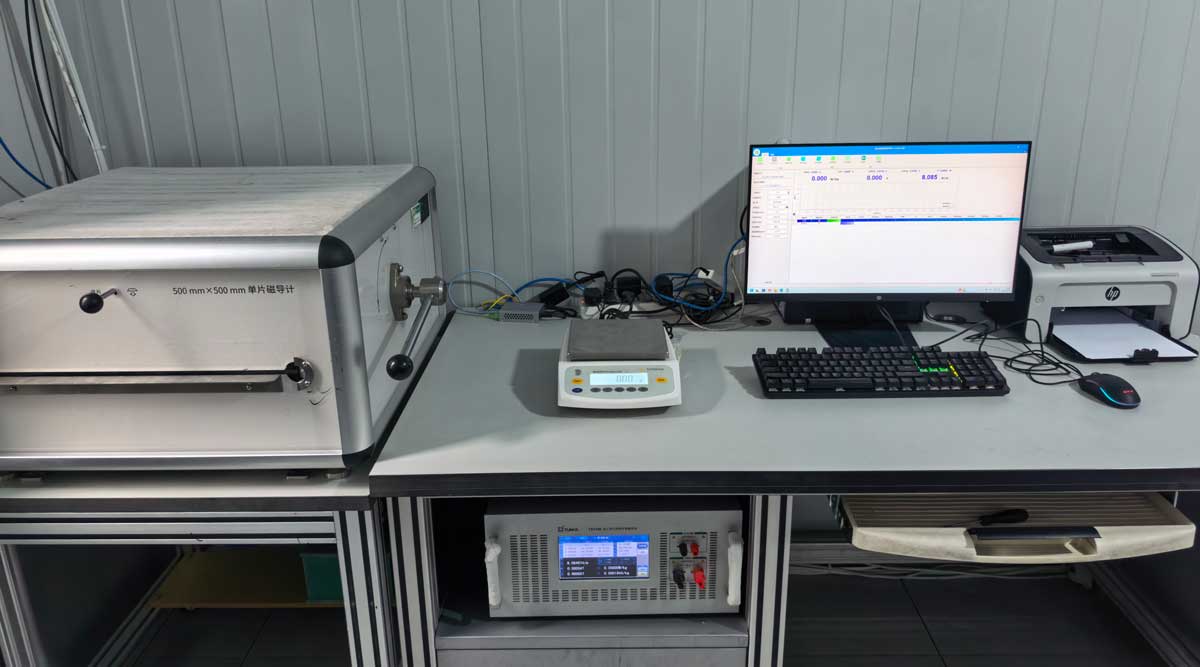
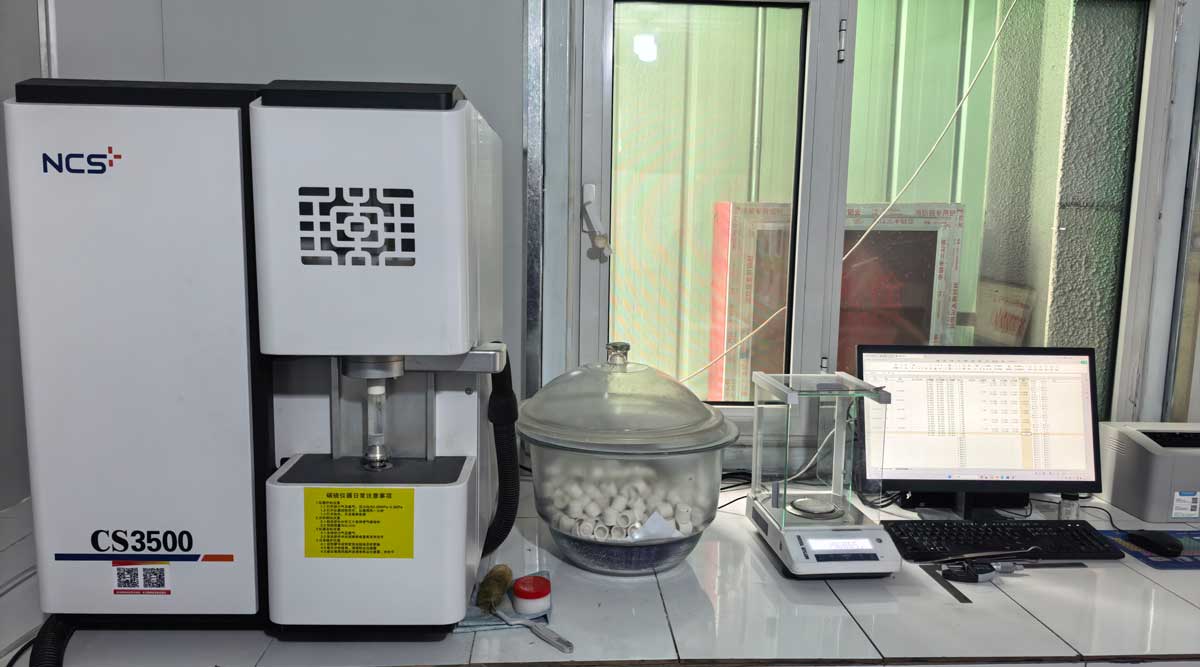
Rigorous manufacturing standards ensure our coated silicon steel coils meet the extreme demands of global railway power supply systems.


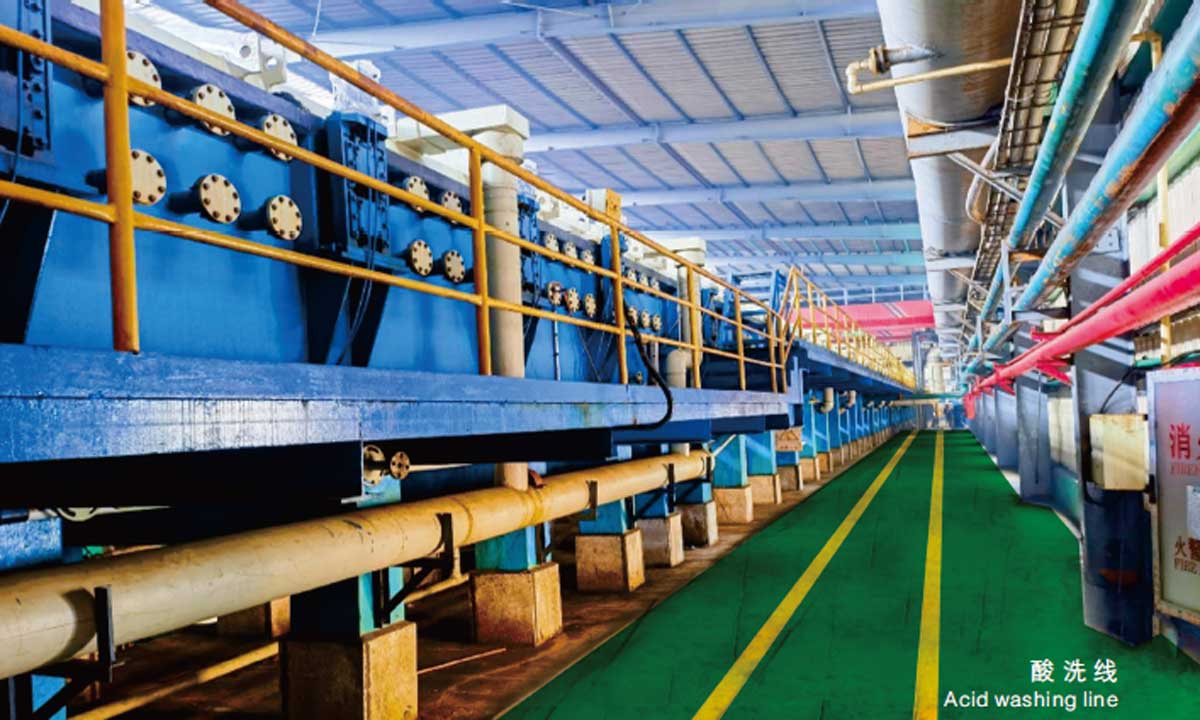
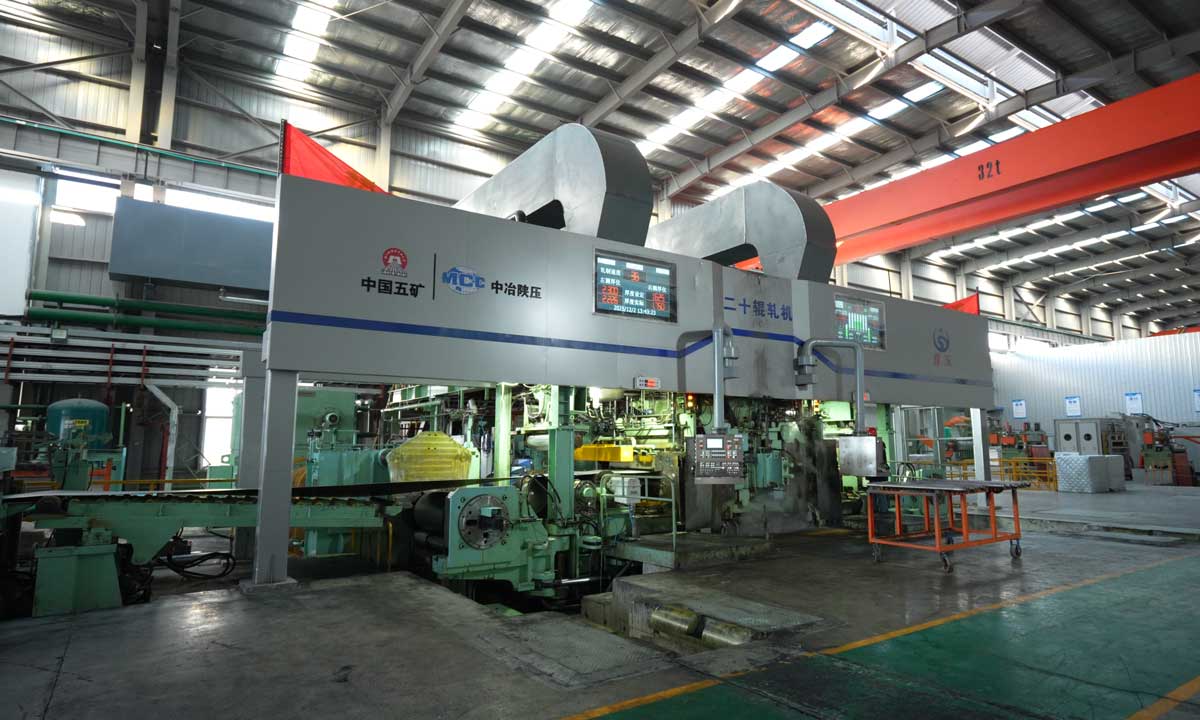
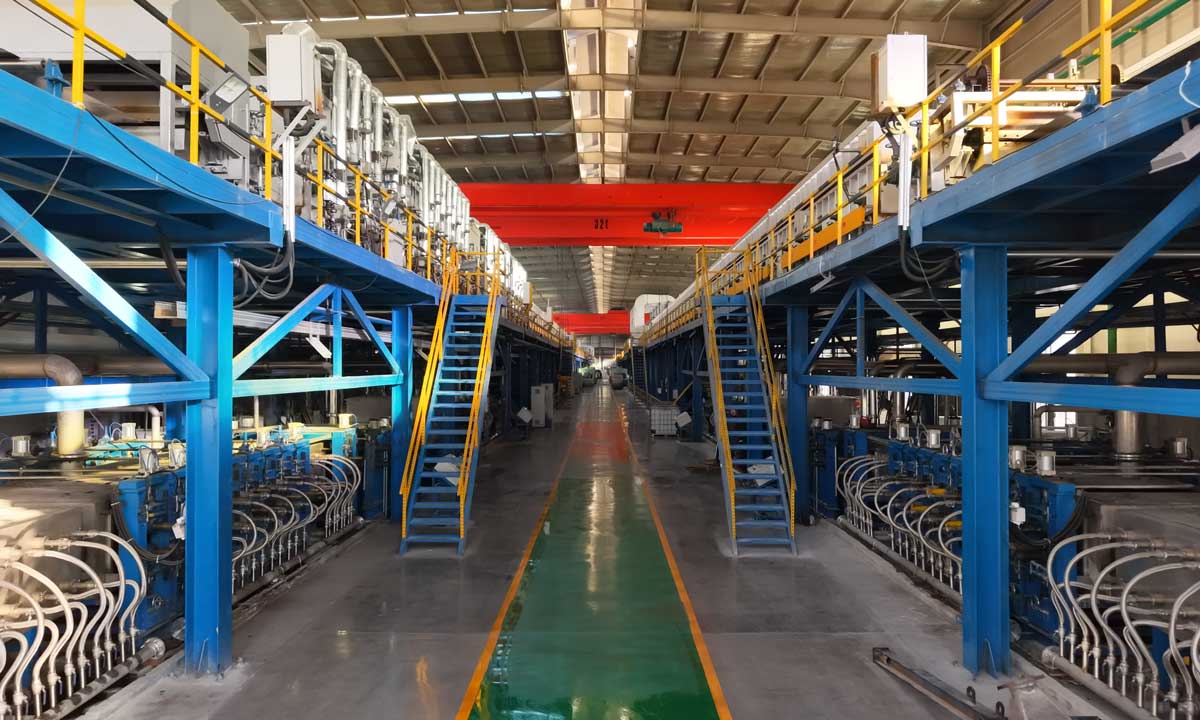
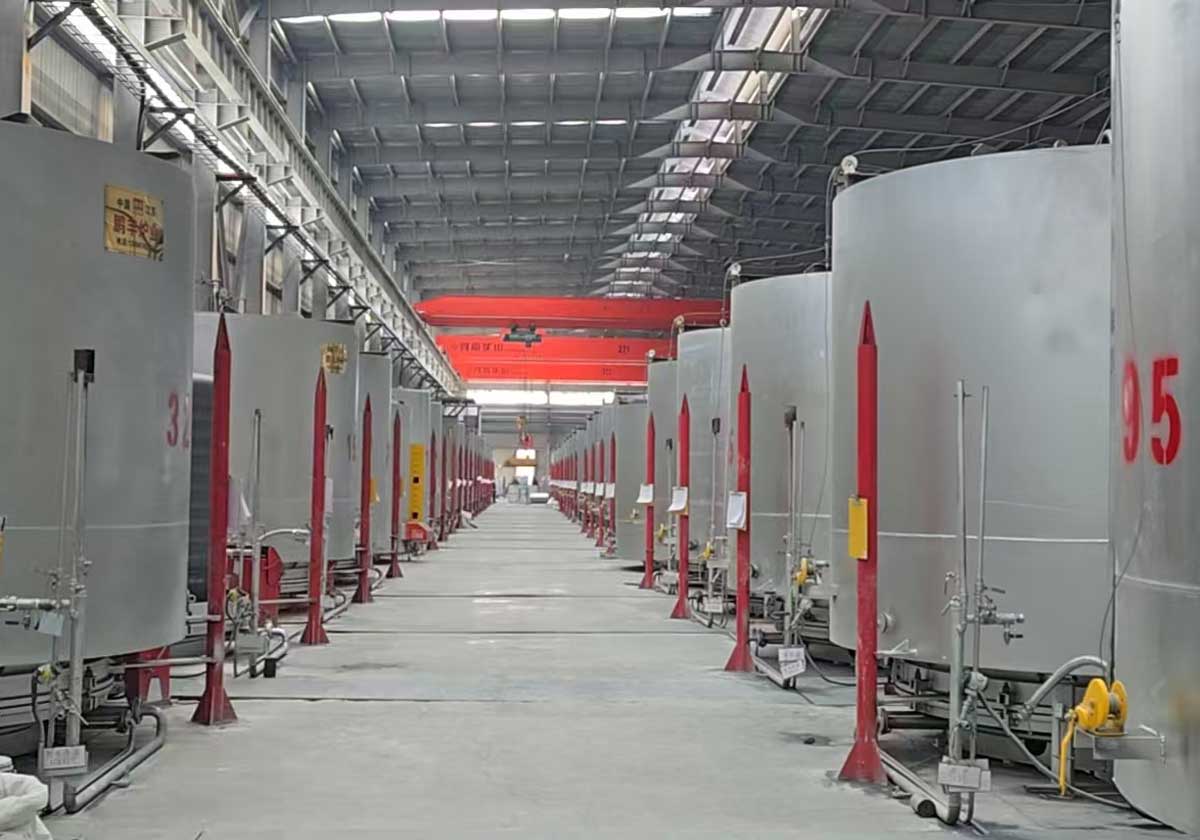
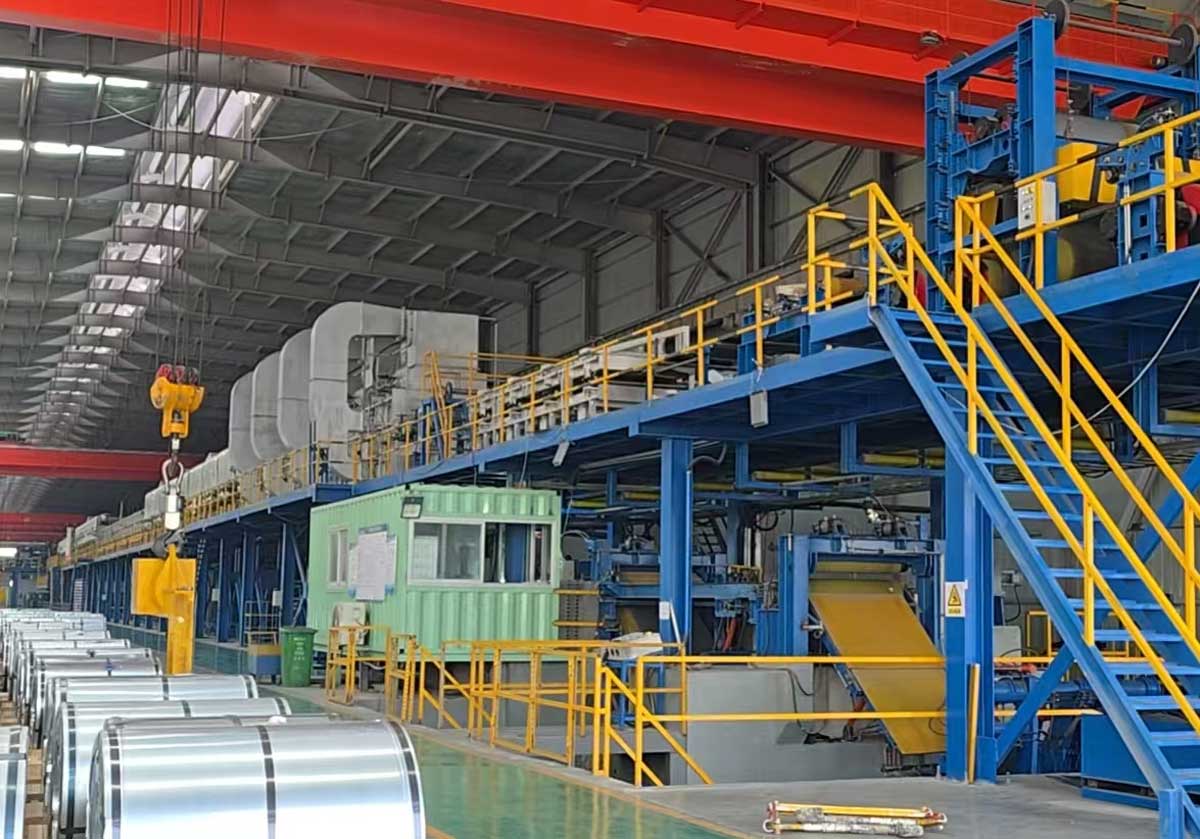
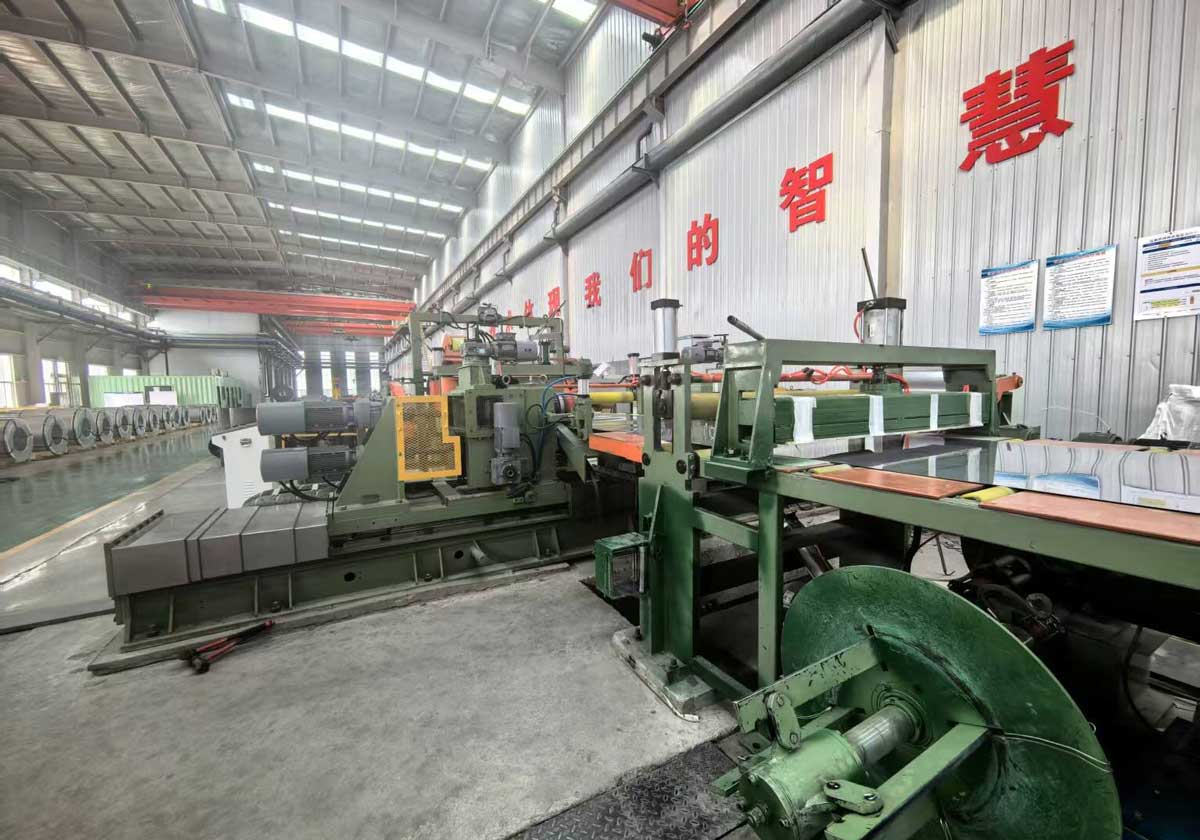
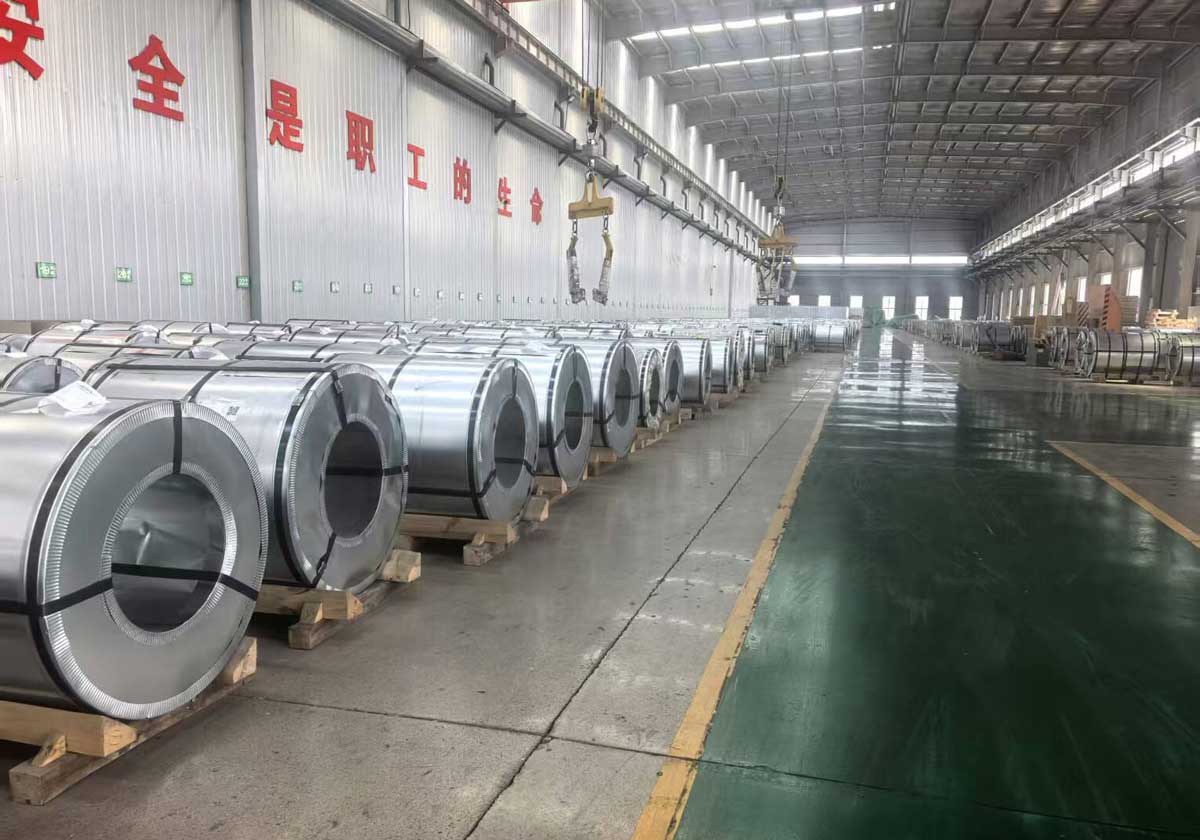
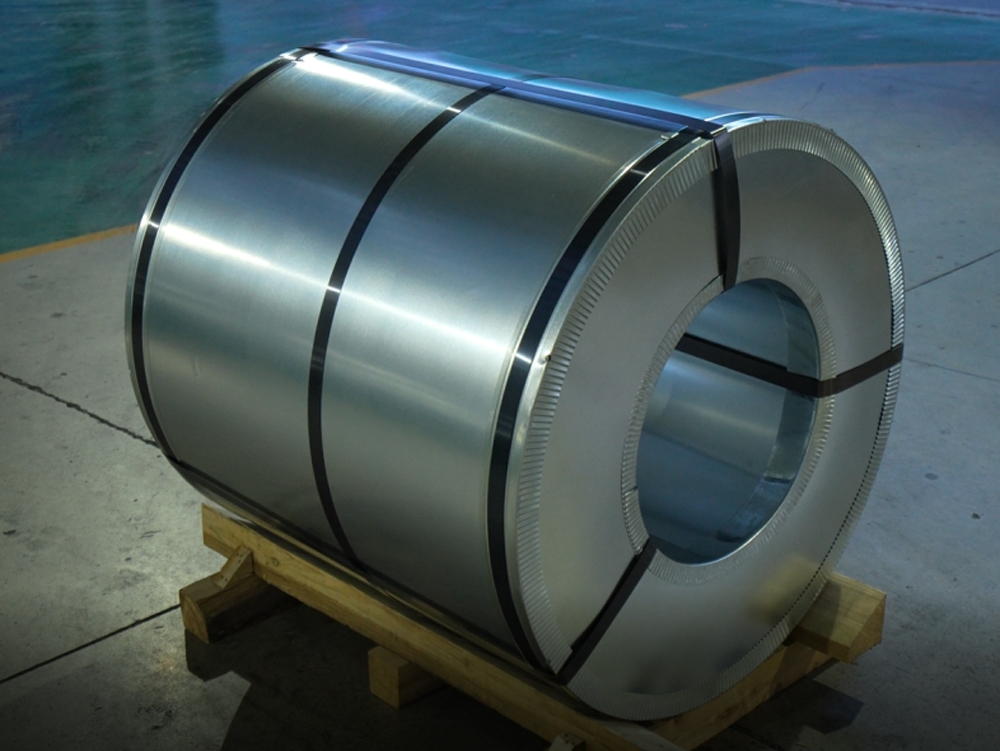
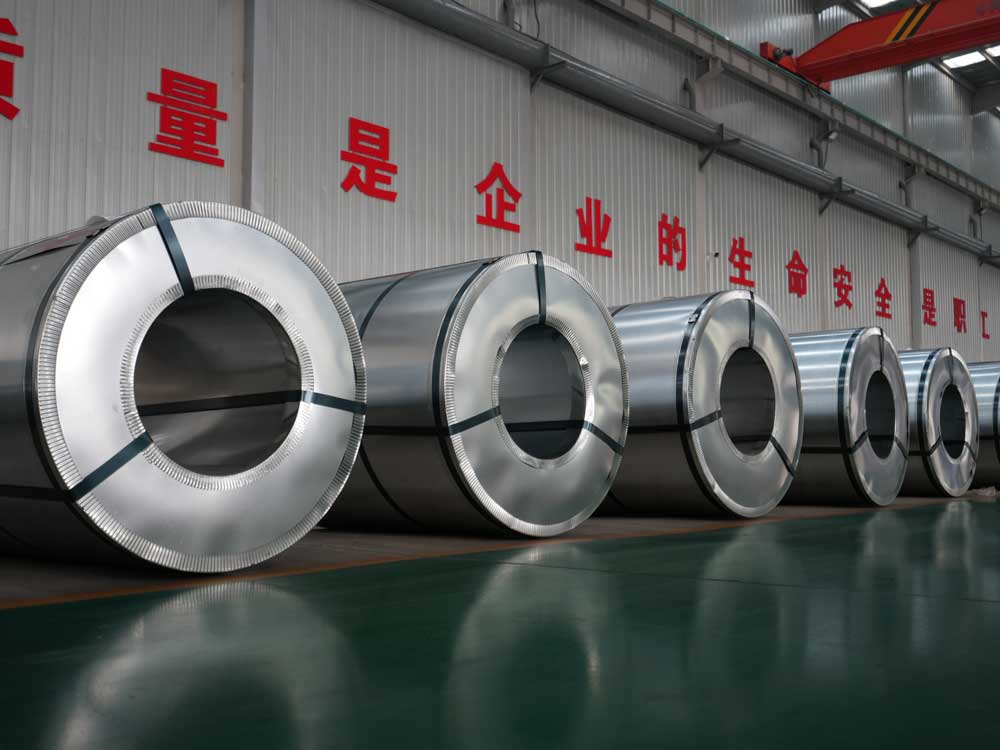
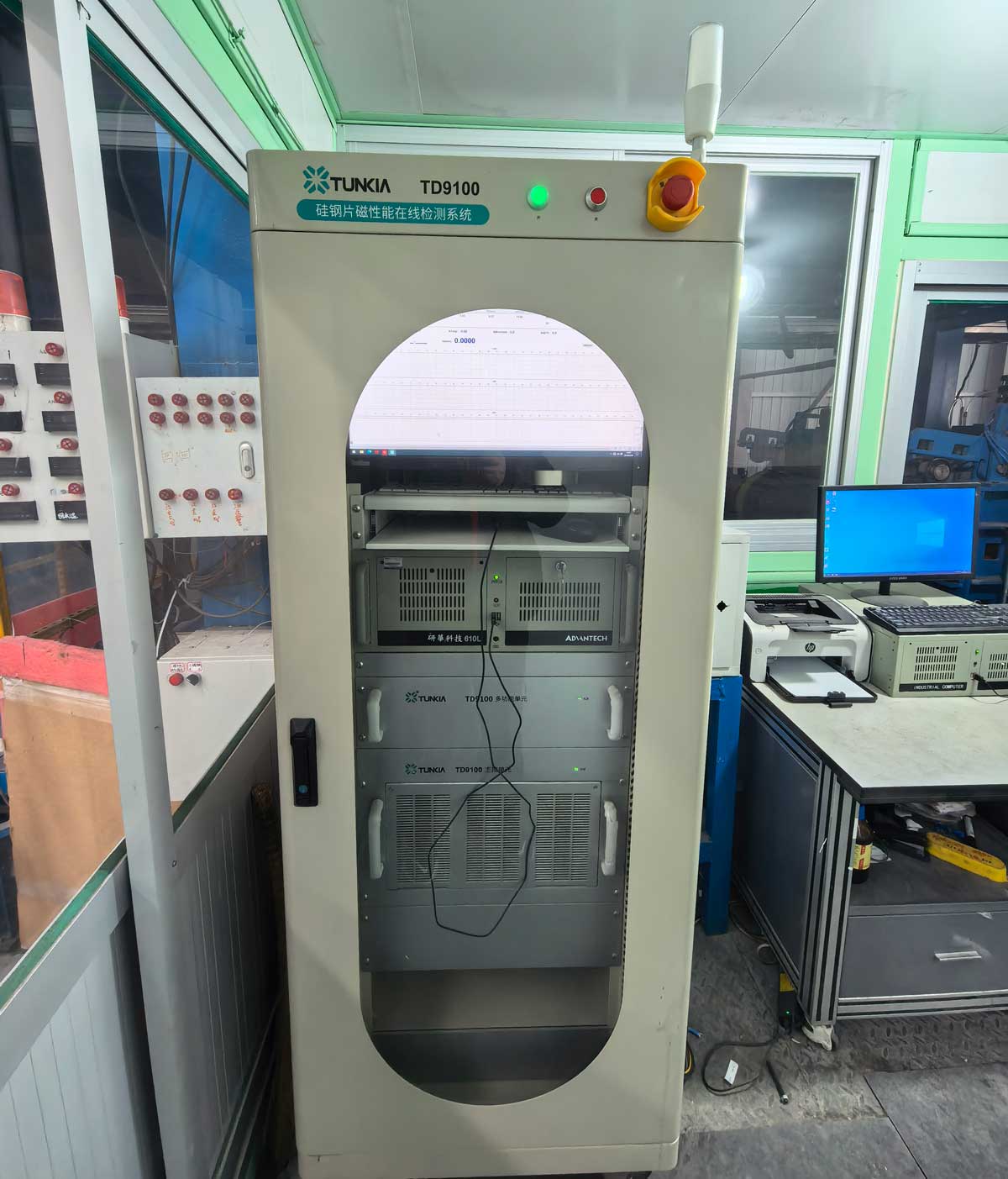
Ensuring every coated silicon steel coil meets the exacting standards required for global railway power supply systems through rigorous magnetic and physical property testing.
After the reform and opening-up, the first-generation founders established a plastic packaging company.
In 2000, the water conservation business was launched and successfully went public under the leadership of the second-generation leadership team.
In 2004, the company entered the steel industry, evolving from steel smelting and processing to deep processing of steel products, encompassing elevator guide rail steel, automotive spring steel, oil-quenched steel wire, and galvanized strip steel.
Started real estate development and operation business in 2010.
Entering the cold chain warehousing and transportation industry in 2021.
In 2022, the deep processing of steel will be extended to the field of silicon steel.