
Hot Products

0102030405
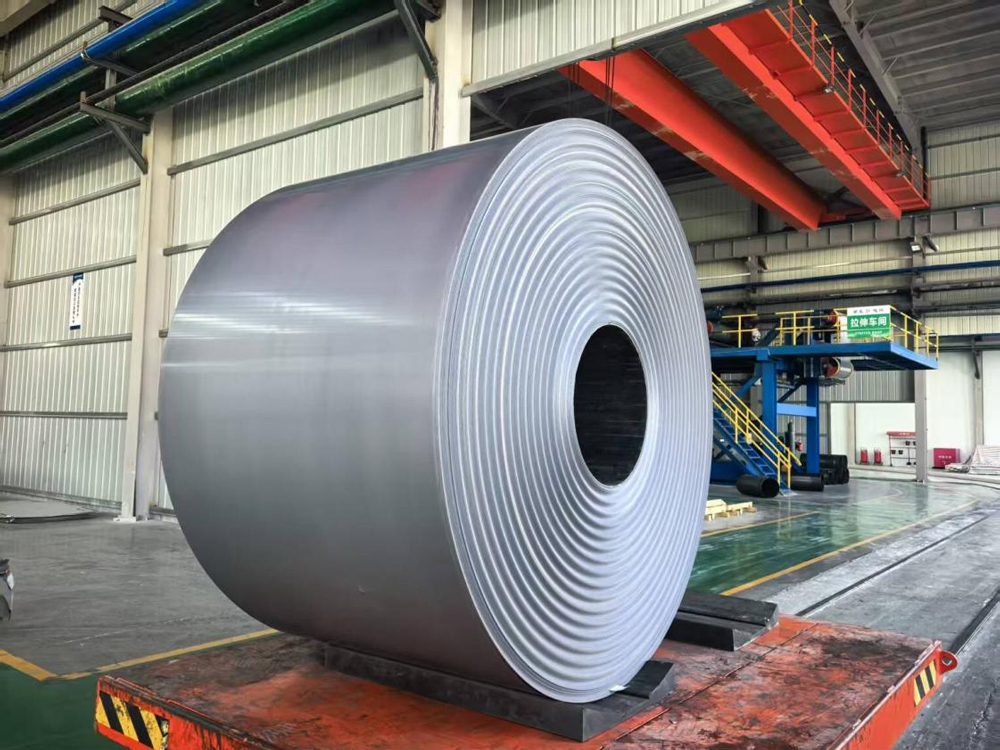
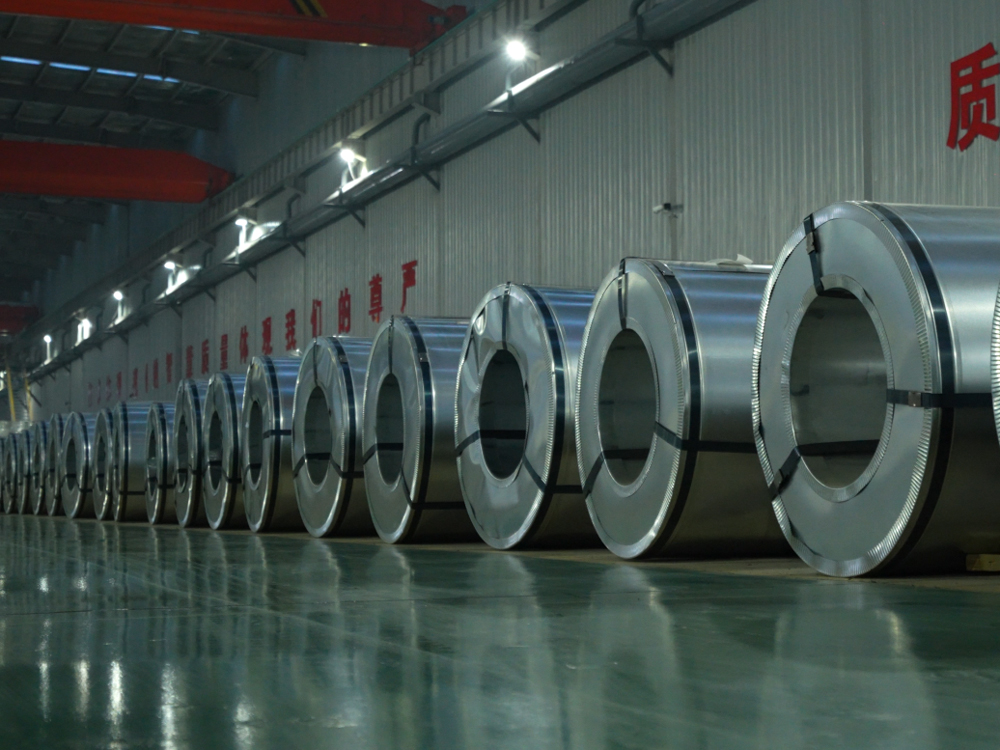
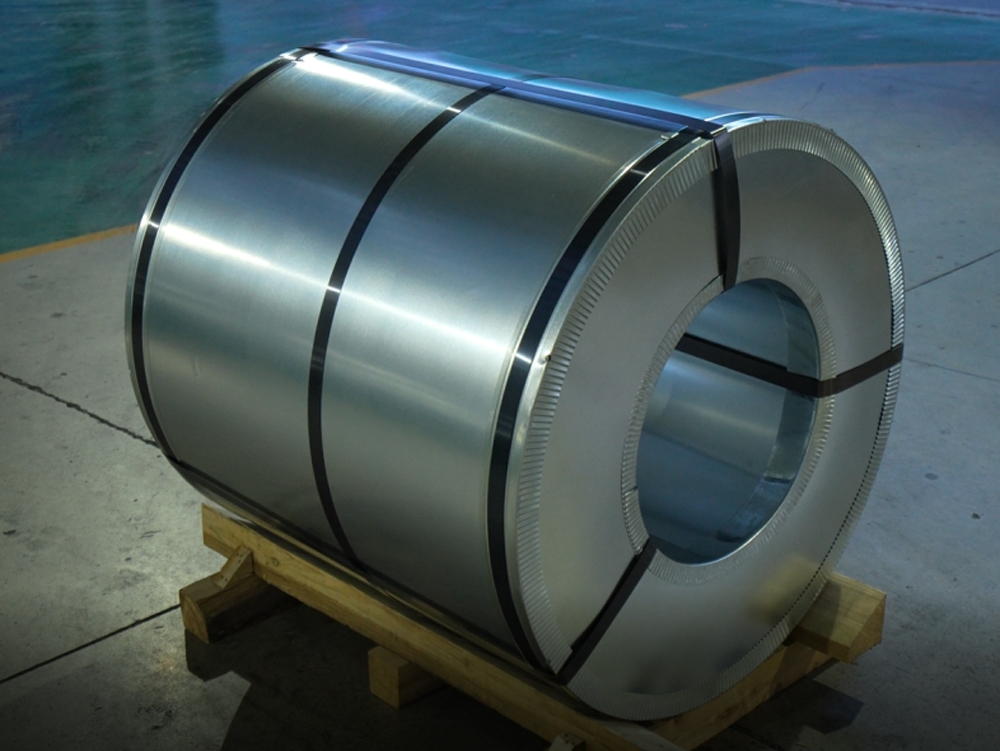
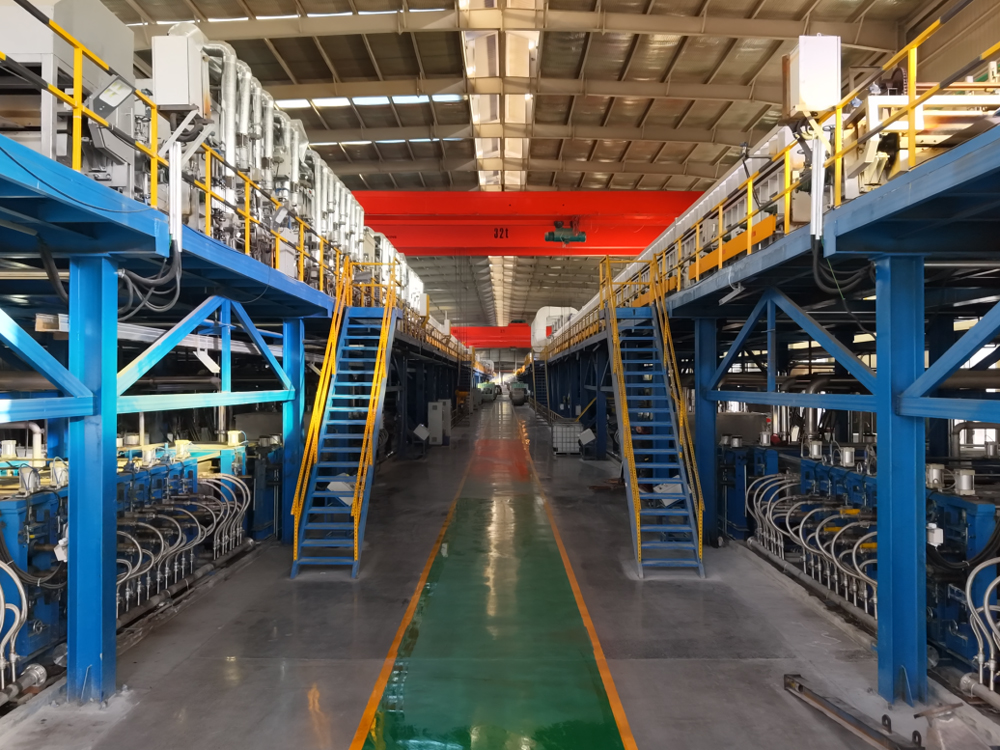
China Suppliers of Oriented Silicon Steel: Full Process Closed-Loop Magnetic Property Testing by Our Factory
Step 1
Sampling and Identification Process
Sampling shall be carried out at designated points, positions, and directions according to the production batch, steel coil number, rolling direction, and thickness specifications to ensure the representativeness of the samples. After sampling, the batch information should be uniformly numbered and registered to ensure traceability of roll numbers, correspondence of samples, and archiving of data.
Step 2
Sample Preparation and Pretreatment
Process the sampled board into standard test samples, remove edge burrs, oil stains, and creases to ensure a smooth and clean surface. Accurately measure the size of the sample to ensure that the width, length, and thickness meet the requirements of the national standard, and avoid affecting the magnetic performance results due to sample errors.
Step 3
Standard Environment Calibration
Before testing, perform no-load calibration, standard sample calibration, and temperature compensation on the magnetic performance tester to ensure that the equipment is in a stable working state. The detection environment maintains a constant temperature, no vibration, and no external magnetic field interference to ensure the authenticity and reliability of the data.
Step 4
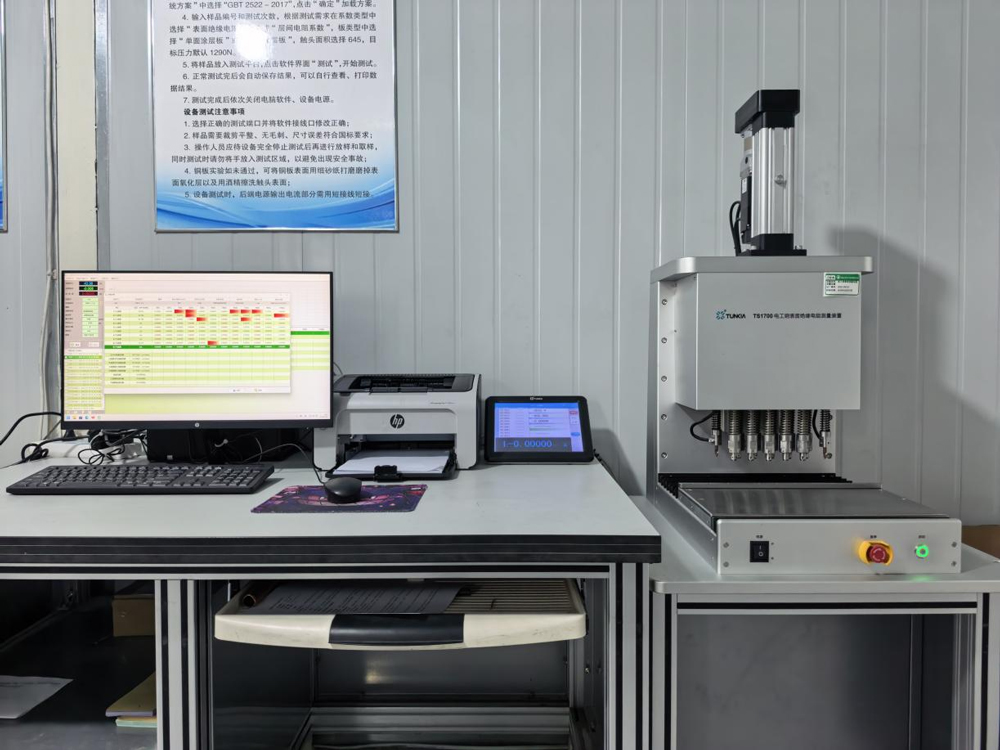
Fully Automatic Detection of Core Magnetic Performance Indicators
Place the sample into professional magnetic testing equipment, and the system will automatically complete the following key indicator tests:
- ⚡ Iron Loss (P): Detect the energy loss per unit weight under power frequency conditions to determine the energy-saving effect.
- 🧲 Magnetic Induction Intensity (B): Detects the magnetic conductivity of the material and reflects the excitation efficiency of the iron core.
- 🔁 Coercivity (Hc): Detects the difficulty of material magnetization and reflects the level of hysteresis loss.
- 📊 Magnetic Flux Density and Permeability: Comprehensive evaluation of iron core performance.
ℹ️
The entire process is automatically pressurized, read, and recorded without the need for manual intervention.
Step 5
Data Collection and Real-Time Judgment
The device automatically collects magnetic performance data and conducts real-time comparison and judgment with enterprise standards and national standards. The system automatically marks qualified, awaiting re-inspection, and unqualified samples to ensure that each indicator meets the requirements.
Step 6
Exception Handling and Retesting
For samples with abnormal data, immediately initiate the retesting process, resample, prepare, and retest. After confirming the abnormality, promptly trace the production process, identify the cause, isolate non-conforming products, and prevent them from flowing into the next process.
Step 7
Data Archiving and Report Generation
All magnetic performance testing data is automatically stored in a database, which can be stored for a long time, queried, and exported. Generate formal magnetic performance testing reports by batch, including complete content such as iron loss, magnetic induction, testing conditions, batch information, and judgment results, as a factory quality certificate.
Step 8
Final Factory Confirmation
The quality department conducts a final review and confirmation of the magnetic performance report, batch information, and product status. Only after all are qualified can they be allowed to leave the factory for shipment, ensuring that every roll of oriented silicon steel received by the customer has stable, consistent, and reliable magnetic properties.
✅ Full process closed-loop magnetic performance testing ensures low loss, high magnetic induction, and stable quality of oriented silicon steel.
❓
Frequently Asked Questions
Q
What is the purpose of magnetic performance testing in oriented silicon steel production?
Magnetic performance testing ensures that each batch of oriented silicon steel meets specified standards for iron loss, magnetic induction intensity, and coercivity. It verifies that the material will perform efficiently as an iron core in transformers and electrical equipment, minimizing energy loss and ensuring product reliability.
Q
Why is sample preparation so critical before magnetic testing?
Accurate sample preparation is essential because surface defects such as burrs, oil stains, or dimensional inaccuracies can directly affect the magnetic test results. A clean, properly sized sample ensures that the measurements reflect the true magnetic properties of the material rather than sample errors.
Q
What are the key magnetic performance indicators measured during testing?
The four core indicators tested are: Iron Loss (P) — energy loss per unit weight under power frequency; Magnetic Induction Intensity (B) — the material's magnetic conductivity; Coercivity (Hc) — the difficulty of magnetization and hysteresis loss level; and Magnetic Flux Density and Permeability — for a comprehensive evaluation of iron core performance.
Q
What happens if a sample fails the magnetic performance test?
If a sample is found to have abnormal data, the retesting process is immediately initiated. The production batch is resampled, re-prepared, and retested. If the abnormality is confirmed, the non-conforming products are isolated, and the root cause in the production process is investigated to prevent defective products from advancing to subsequent processes.
Q
How is the test data managed and archived after testing?
All magnetic performance data is automatically stored in a long-term database that supports querying and exporting. Formal testing reports are generated per batch, covering iron loss, magnetic induction, testing conditions, batch information, and pass/fail judgments. These reports serve as official factory quality certificates accompanying each shipment.
Q
How does environment calibration affect the accuracy of magnetic performance results?
Environmental calibration is a prerequisite for reliable testing. The magnetic performance tester undergoes no-load calibration, standard sample calibration, and temperature compensation before use. The test environment is maintained at a constant temperature, free from vibrations and external magnetic field interference. These controls eliminate measurement errors caused by equipment drift or environmental disturbances.