

Hot Products

0102030405
China Suppliers Factory for High-Quality Oriented Silicon Steel: Low Iron Loss & High Magnetic Induction
Production Process
1
Smelting and Continuous Casting
By using high-purity molten iron and precisely controlling the composition of silicon, aluminum, manganese, etc., steel billets with uniform composition and extremely low impurities are obtained through refining and continuous casting.
2
Hot Rolling
After heating, the steel billet is subjected to high-temperature rolling to control its shape and structure, providing qualified plates for subsequent cold rolling.
3
One Cold Rolling and Normalization
Hot rolled plates are pickled, cold-rolled, and then subjected to normalizing heat treatment to precipitate inhibitors and achieve uniform microstructure, preparing for grain orientation.
4
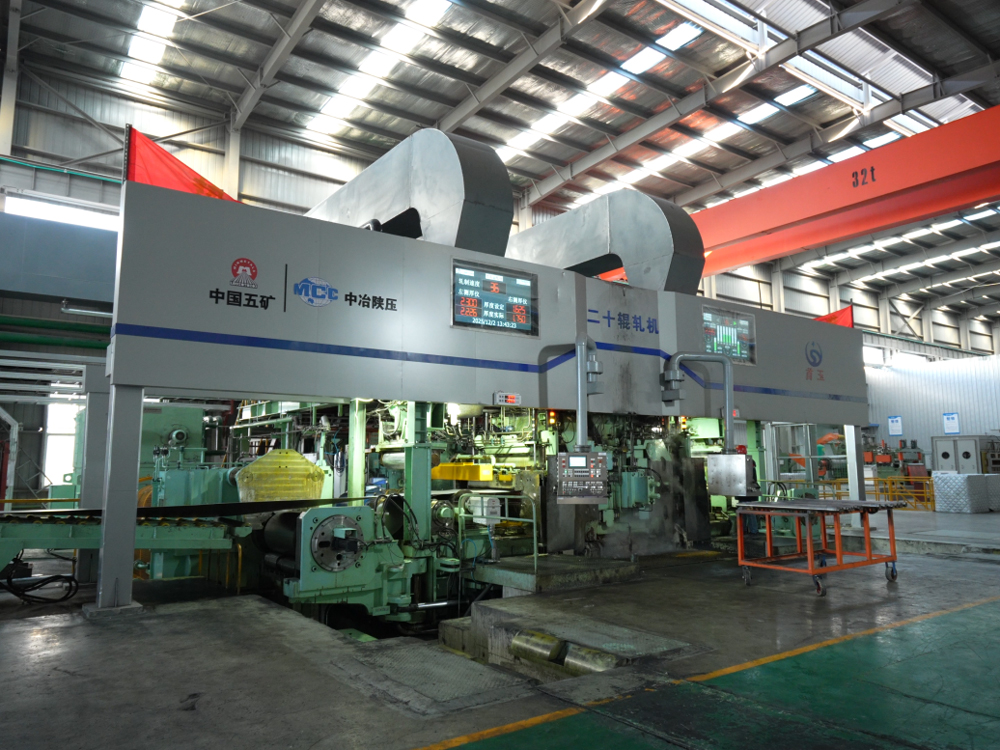
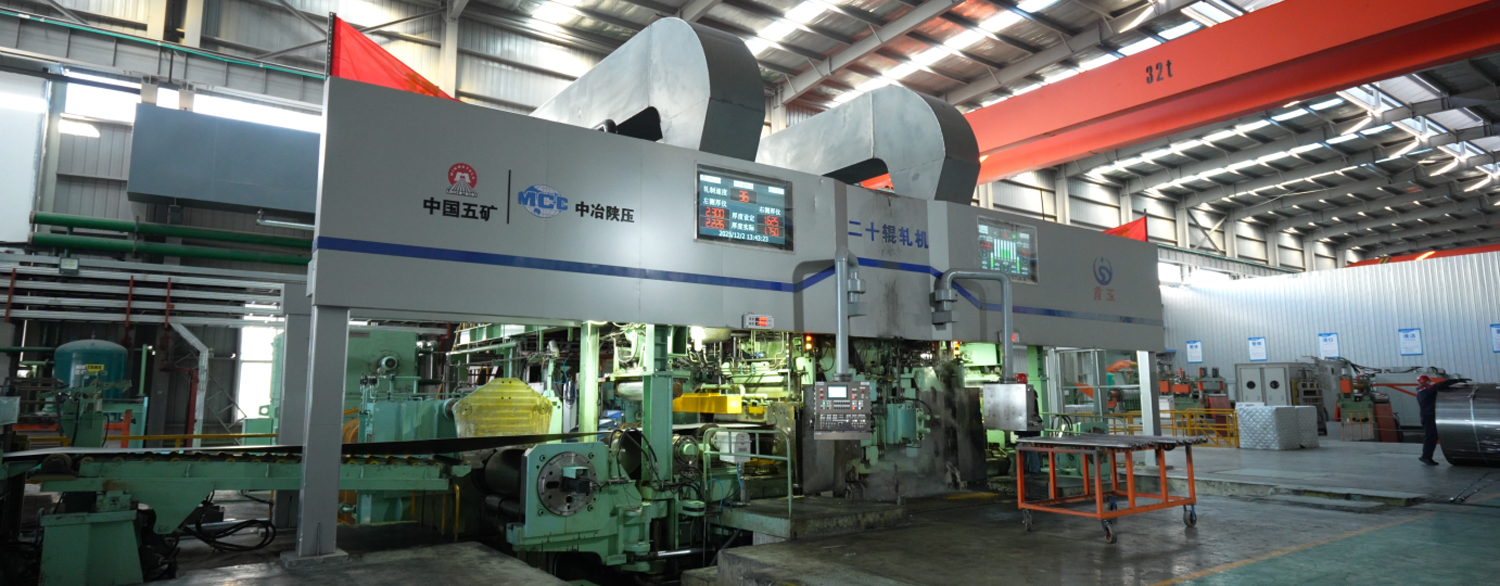
Secondary Cold Rolling Key Step
After intermediate annealing, secondary cold rolling is carried out to precisely control the final thickness and form a microstructure conducive to subsequent orientation growth.
5
Decarbonization Annealing
Decarbonization and purification of the substrate at high temperatures, while forming initial and internal oxide layers to ensure the adhesion and magnetic properties of the insulation coating.
6
High Temperature Annealing Core Process
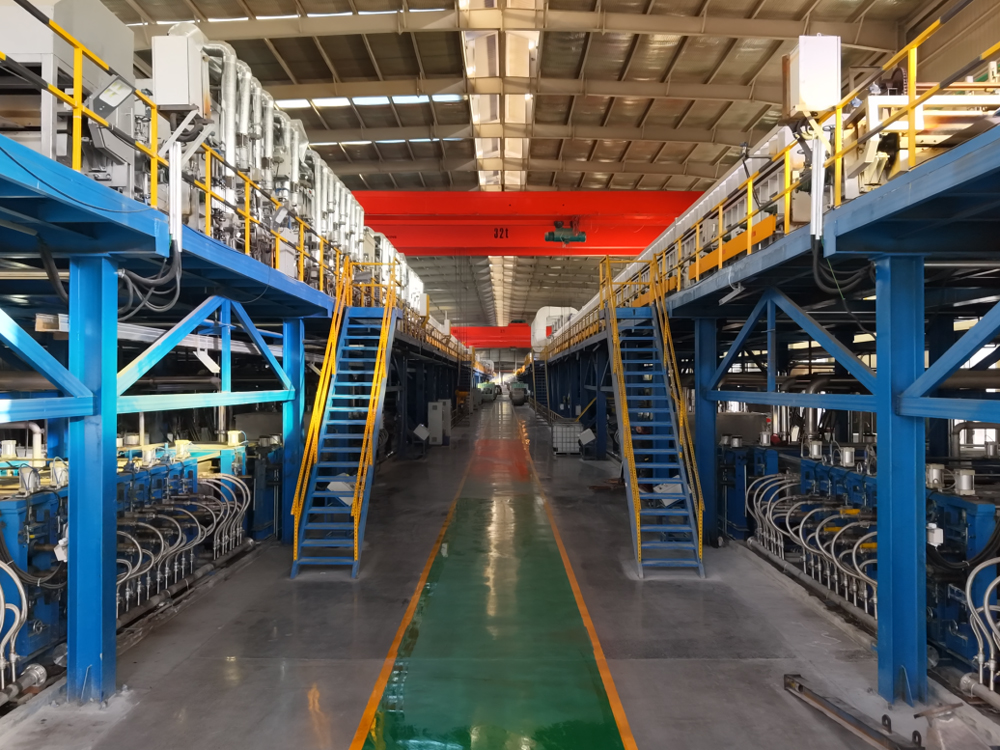
Annealing in a high-temperature, high-purity protective atmosphere to complete secondary recrystallization and form highly consistent Gaussian grain orientation — this is the key to the excellent magnetic properties of oriented silicon steel.
7
Insulation Coating and Flat Stretching
Apply high-temperature resistant insulation coating to prevent eddy currents and improve lamination coefficient; Finally, level and straighten to ensure dimensional accuracy and plate shape.
8
Cutting, Inspection, and Packaging
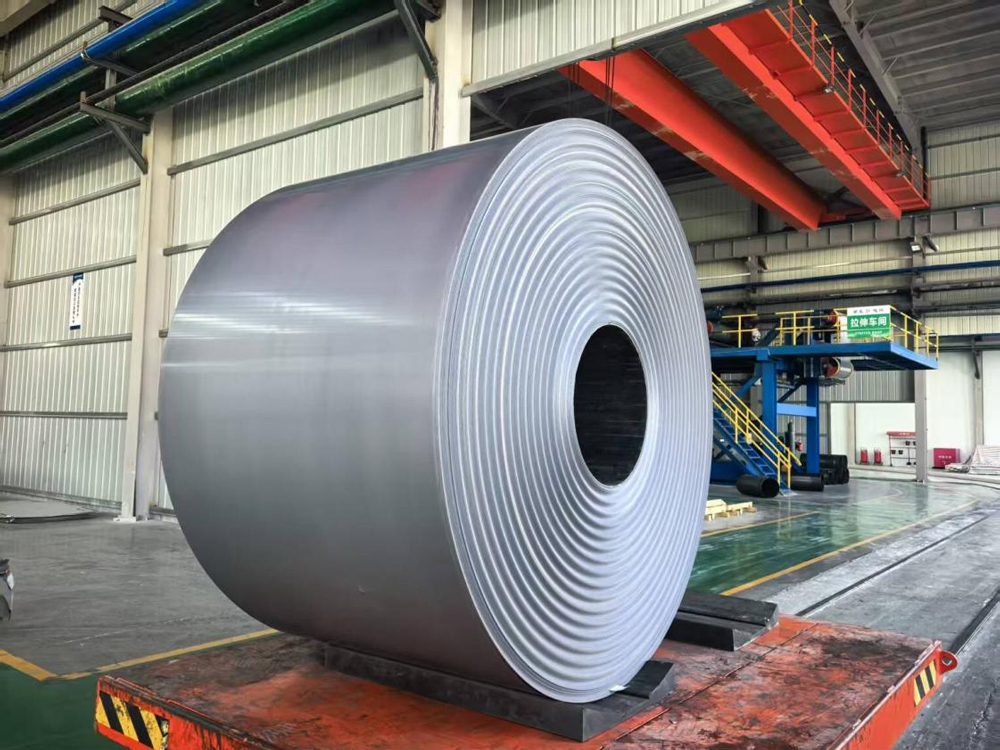
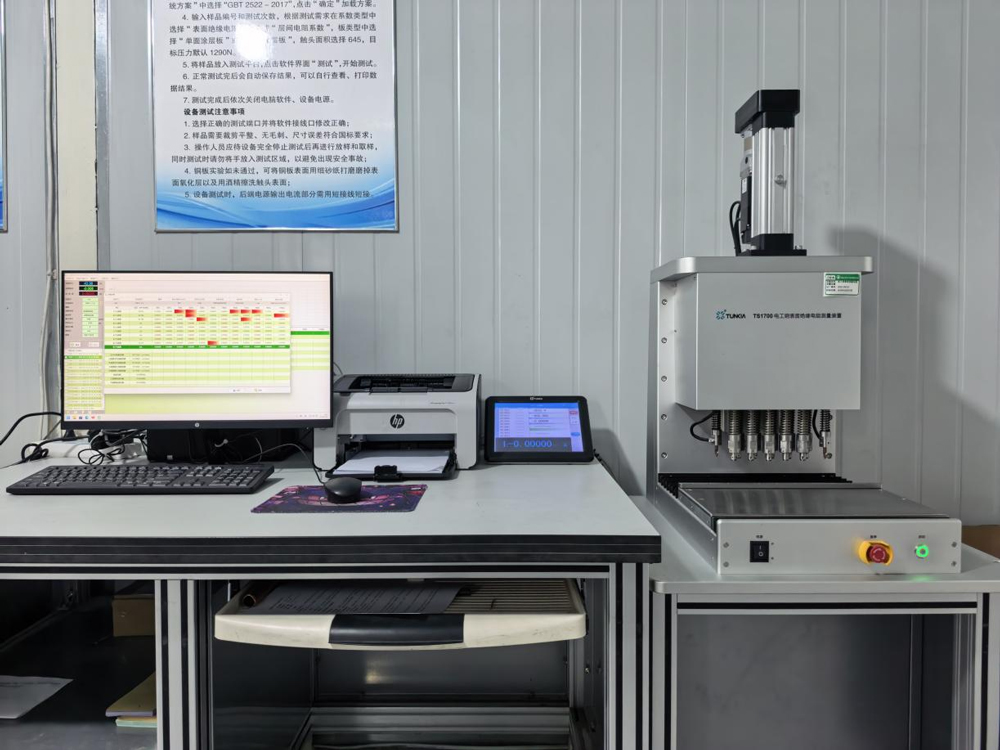
Cut according to specifications, test for iron damage, magnetic sensitivity, flatness, thickness, coating, mechanical properties, and other indicators. After passing the inspection, store it in a moisture-proof, rust proof, and suitable for long-distance transportation.
Frequently Asked Questions
What is the most critical step in the production of oriented silicon steel?
High-temperature annealing is widely considered the core process. It enables secondary recrystallization, forming highly consistent Gaussian grain orientation — which is directly responsible for the superior magnetic properties of oriented silicon steel.
Why is secondary cold rolling described as a key step?
Secondary cold rolling precisely controls the final sheet thickness and creates a specific microstructure that is essential for the subsequent growth of Goss (Gaussian) grains during high-temperature annealing. Any deviation in this step can significantly affect final magnetic performance.
What is the purpose of decarbonization annealing in oriented silicon steel production?
Decarbonization annealing removes carbon from the steel substrate to purify it and prevent magnetic aging. It also forms an initial oxide layer on the surface, which serves as the bonding base for the insulation coating applied in later stages.
What role does the insulation coating play in oriented silicon steel?
The insulation coating applied after high-temperature annealing prevents inter-laminar eddy currents, which can cause energy losses. It also improves the lamination coefficient, enhances surface insulation resistance, and contributes to overall magnetic efficiency in transformer cores.
What quality indicators are checked during the final inspection stage?
The final inspection covers a comprehensive range of parameters including core loss (iron loss), magnetic induction (flux density), flatness, thickness tolerance, surface coating quality, and mechanical properties such as tensile strength — ensuring every coil meets strict industry and customer standards.
What is Gaussian grain orientation and why does it matter for magnetic performance?
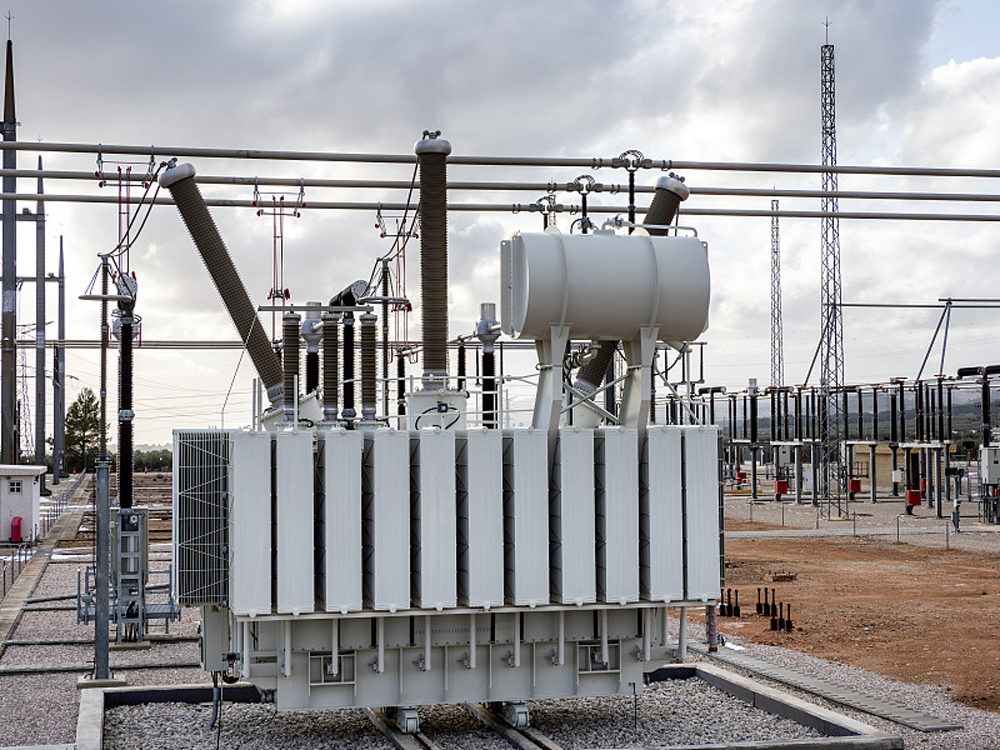
Gaussian (Goss) grain orientation refers to a crystal structure where the easy magnetization axis of grains is aligned parallel to the rolling direction. This highly consistent alignment minimizes magnetic resistance, resulting in low core loss and high magnetic permeability — properties that are critical for high-efficiency electrical transformers and motors.