
Hot Products

0102030405
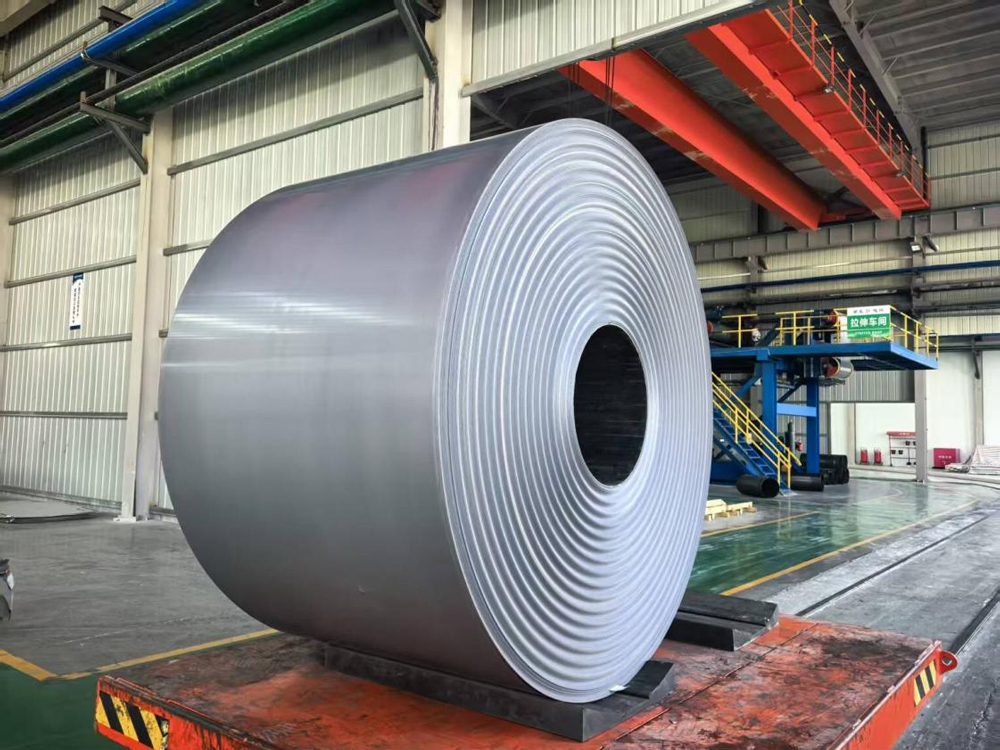
China Suppliers Factory for Comprehensive Magnetic Property Testing of Oriented Silicon Steel - Low Loss & High Induction Quality
Sampling and Identification Process Step 1
Sampling shall be carried out at designated points, positions, and directions according to the production batch, steel coil number, rolling direction, and thickness specifications to ensure the representativeness of the samples. After sampling, the batch information should be uniformly numbered and registered to ensure traceability of roll numbers, correspondence of samples, and archiving of data.
Sample Preparation and Pretreatment Step 2
Process the sampled board into standard test samples, remove edge burrs, oil stains, and creases to ensure a smooth and clean surface. Accurately measure the size of the sample to ensure that the width, length, and thickness meet the requirements of the national standard, and avoid affecting the magnetic performance results due to sample errors.
Standard Environment Calibration Step 3
Before testing, perform no-load calibration, standard sample calibration, and temperature compensation on the magnetic performance tester to ensure that the equipment is in a stable working state. The detection environment maintains a constant temperature, no vibration, and no external magnetic field interference to ensure the authenticity and reliability of the data.
Fully Automatic Detection of Core Magnetic Performance Indicators Step 4
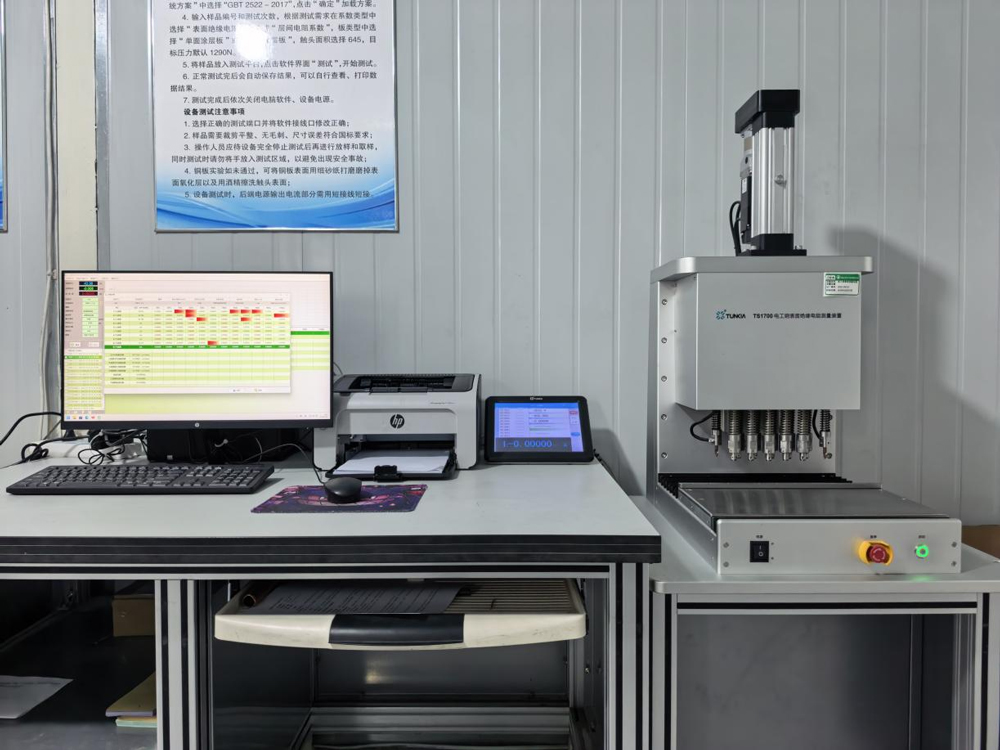
Place the sample into professional magnetic testing equipment, and the system will automatically complete the following key indicator tests:
- Iron Loss (P): Detect the energy loss per unit weight under power frequency conditions to determine the energy-saving effect.
- Magnetic Induction Intensity (B): Detects the magnetic conductivity of the material and reflects the excitation efficiency of the iron core.
- Coercivity (Hc): Detects the difficulty of material magnetization and reflects the level of hysteresis loss.
- Magnetic Flux Density and Permeability: Comprehensive evaluation of iron core performance.
The entire process is automatically pressurized, read, and recorded without the need for manual intervention.
Data Collection and Real-Time Judgment Step 5
The device automatically collects magnetic performance data and conducts real-time comparison and judgment with enterprise standards and national standards. The system automatically marks qualified, awaiting re-inspection, and unqualified samples to ensure that each indicator meets the requirements.
Exception Handling and Retesting Step 6
For samples with abnormal data, immediately initiate the retesting process, resample, prepare, and retest. After confirming the abnormality, promptly trace the production process, identify the cause, isolate non-conforming products, and prevent them from flowing into the next process.
Data Archiving and Report Generation Step 7
All magnetic performance testing data is automatically stored in a database, which can be stored for a long time, queried, and exported. Generate formal magnetic performance testing reports by batch, including complete content such as iron loss, magnetic induction, testing conditions, batch information, and judgment results, as a factory quality certificate.
Final Factory Confirmation Step 8
The quality department conducts a final review and confirmation of the magnetic performance report, batch information, and product status. Only after all are qualified can they be allowed to leave the factory for shipment, ensuring that every roll of oriented silicon steel received by the customer has stable, consistent, and reliable magnetic properties.
Full process closed-loop magnetic performance testing ensures low loss, high magnetic induction, and stable quality of oriented silicon steel.
Frequently Asked Questions
Why is sampling representativeness critical in magnetic performance testing?
Sampling representativeness ensures that test results accurately reflect the overall quality of the entire production batch. By sampling at designated points according to batch number, rolling direction, and thickness, any variation across the coil can be properly captured and traced, preventing non-conforming material from passing quality checks undetected.
What are the key magnetic performance indicators tested in oriented silicon steel?
The four core indicators tested are: Iron Loss (P) — energy loss per unit weight under power frequency; Magnetic Induction Intensity (B) — the magnetic conductivity reflecting excitation efficiency; Coercivity (Hc) — the difficulty of magnetization and hysteresis loss level; and Magnetic Flux Density and Permeability — for comprehensive iron core performance evaluation.
Why is environment calibration necessary before magnetic performance testing?
Environmental factors such as temperature fluctuations, vibration, and external magnetic field interference can significantly distort test readings. No-load calibration, standard sample calibration, and temperature compensation are performed before each test to ensure the equipment is in a stable, accurate working state, guaranteeing the reliability and reproducibility of all data collected.
What happens when a sample shows abnormal magnetic performance data?
When abnormal data is detected, a retesting process is immediately initiated. The sample is resampled, prepared, and retested under the same controlled conditions. If the abnormality is confirmed, the production process is traced to identify the root cause. Non-conforming products are isolated to prevent them from advancing to the next production stage.
How is the magnetic performance test report used as a quality certificate?
After all testing is completed, a formal magnetic performance testing report is generated by batch. This report contains comprehensive data including iron loss values, magnetic induction results, testing conditions, batch identification information, and final pass/fail judgment results. It serves as an official factory quality certificate that accompanies each shipment, providing customers with verified proof of product compliance.
Is the magnetic performance testing process fully automated?
Yes. Once the sample is placed into the professional magnetic testing equipment, the system automatically performs pressurization, data reading, and recording without requiring manual intervention. Real-time comparison against enterprise and national standards is also automated, with the system flagging samples as qualified, awaiting re-inspection, or unqualified. All data is stored directly in a database for long-term archiving, querying, and export.