When it comes to advanced materials, Silicon Metal Sheets really stand out as a pretty versatile option across a bunch of different industries. I came across a report from MarketsandMarkets that predicts the silicon metal market could hit around $6 billion by 2026—that’s quite a jump! This surge really mirrors how much more we’re needing high-purity silicon, especially in sectors like electronics, automotive tech, and renewable energy stuff.
People in the industry know that Silicon Metal Sheets are super important for making semiconductors and for use in solar panels. It’s no surprise because as the world shifts towards greener energy and smarter tech, the demand for these materials just keeps climbing. A study from Freedonia Group even says that silicon-based products could make up over 40% of the growth in materials over the next ten years—that’s pretty significant.
Of course, there are some challenges too—like finding suppliers that can provide top-quality silicon. It’s really important for companies to partner with trustworthy suppliers to keep their manufacturing up to snuff. Plus, since markets can be pretty unpredictable, staying flexible and keeping an eye on changes is key. Basically, understanding how Silicon Metal Sheets fit into these big-picture applications helps buyers make smarter choices in this constantly changing scene."

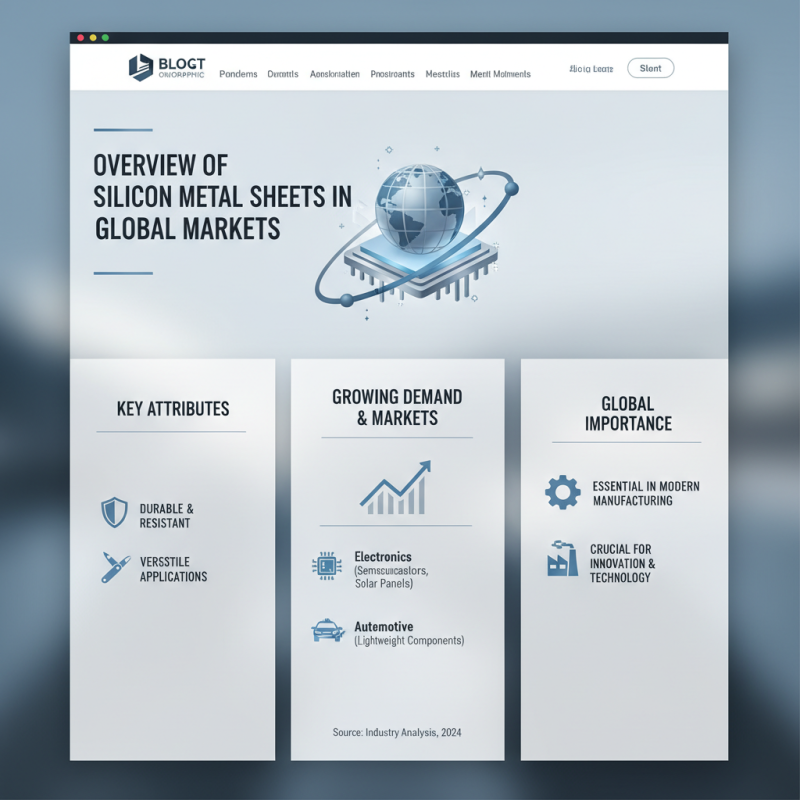
Silicon metal sheets are becoming increasingly important in global markets. These sheets are durable and versatile, making them suitable for various applications. Buyers appreciate their use in industries like electronics, construction, and automotive. The demand for silicon metal sheets reflects their essential role in modern manufacturing processes.
In the electronics sector, silicon sheets are crucial. They serve as substrates for semiconductors, ensuring the efficient operation of devices. These materials also play a role in solar panels, helping harness renewable energy. However, the production processes can be challenging, leading to questions about sustainability and environmental impact. Industry leaders must address these concerns honestly.
Moreover, the construction industry utilizes silicon sheets for insulation and structural applications. Their resistance to corrosion makes them popular in harsh environments. However, not every manufacturer meets quality standards, which can lead to issues in performance. Buyers need to conduct thorough research to ensure they source high-quality materials. Engaging with suppliers who prioritize transparency and sustainability can mitigate these risks.
Silicon metal sheets are critical in various industries, offering numerous benefits due to their unique properties. These sheets exhibit exceptional thermal resistance, making them ideal for high-temperature applications. They also demonstrate remarkable electrical conductivity. According to a 2022 market report, silicon metal usage has surged by 15% globally, reflecting its increasing demand in both automotive and electronics sectors.
One of the main advantages of silicon metal sheets is their lightweight nature. This attribute contributes to energy efficiency in products such as solar panels. The ability to withstand harsh environments is another key benefit. These sheets resist chemical corrosion, making them suitable for the chemical processing industry. Data indicates that their lifespan can exceed 20 years in demanding conditions.
Tips: When selecting silicon metal sheets, consider the thickness and grade based on your specific application. Ensure proper handling to avoid surface scratches, as they can impact performance. Regularly assess your supplier’s quality certifications to ensure reliability.
Silicon metal sheets have various applications across multiple industries. The semiconductor sector heavily relies on silicon metal sheets for manufacturing chips. The global semiconductor market is expected to hit $1 trillion by 2030. Using silicon sheets ensures high efficiency and performance in electronic devices. This makes them critical for tech innovations.
The automotive industry also significantly utilizes silicon metal sheets. These sheets are essential in electric vehicle production. Reports indicate that electric vehicle sales are projected to reach 31.1 million units by 2030. Silicon sheets enhance battery performance and longevity, thus contributing to the industry's growth. However, the supply chain for silicon can be complex, leading to fluctuations in availability and prices.
In renewable energy, silicon metal sheets are crucial for solar panels. Silicon makes up 90% of the material used in photovoltaic cells. The global solar energy market is expected to grow to $223 billion by 2026. This growth indicates a rising demand for high-quality silicon sheets. Industries must navigate challenges like sourcing sustainable materials and addressing production inefficiencies.
Silicon Metal Sheets play a vital role in the electronics sector. Their unique properties make them ideal for a variety of applications. These sheets are integral components in the manufacture of semiconductors. They help in creating efficient electronic devices. The demand for Silicon Metal Sheets has risen with technological advancements.
In addition to semiconductors, these sheets are crucial for solar energy applications. They are used in photovoltaic cells, enhancing solar energy capture. This contributes to the shift towards sustainable technology. Moreover, Silicon Metal Sheets are significant in producing unique alloys. Their strength and thermal stability are key qualities in industrial applications.
However, challenges exist. Not all Silicon Metal Sheets meet the high purity required for sensitive applications. Manufacturers must ensure quality control throughout the production process. This raises questions about sourcing and consistency. As technology evolves, so do the demands for Silicon Metal Sheets. The industry must adapt and innovate to meet these challenges effectively.
Silicon metal sheets play a crucial role in renewable energy solutions. These sheets are essential in solar panels, where they help convert sunlight into electricity. Their conductivity enhances efficiency, allowing for better energy capture. As the demand for solar energy rises, so does the need for reliable silicon metal sheets. The correct composition ensures durability and performance under various weather conditions.
In addition to solar applications, silicon metal sheets are used in electric vehicles (EVs). They contribute to lightweight and high-efficiency battery production. Manufacturers prioritize materials that support sustainability, and silicon metal meets these criteria. However, sourcing quality silicon poses challenges. Variations in purity and structure can impact performance. Buyers must be vigilant in selecting providers that prioritize rigorous quality control.
Line Metal is increasingly valued for its versatility in renewable energy. Despite potential hurdles, such as environmental concerns surrounding mining practices, silicon's benefits outweigh the drawbacks. Transparent communication about sourcing can build trust with consumers. As the industry evolves, improving the process of silicon extraction and usage remains vital. The future of renewable energy depends on effective materials like silicon metal sheets.
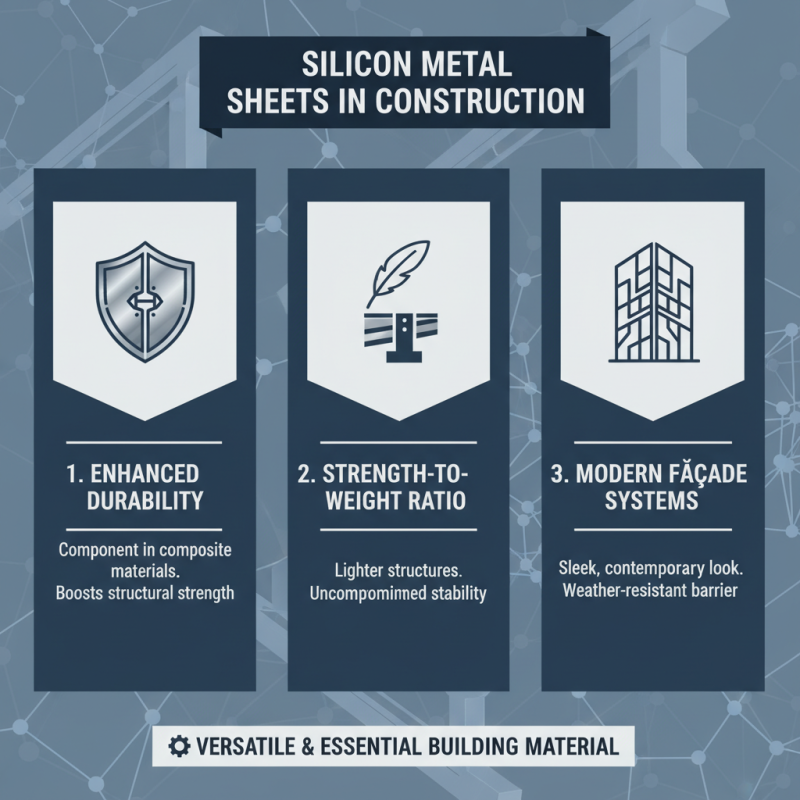
Silicon metal sheets have become essential in construction and building materials. Their strength and versatility allow them to serve various purposes. One common use is as a component in composite materials, enhancing durability in structures. Builders appreciate how silicon metal sheets improve the strength-to-weight ratio, making buildings lighter without compromising stability. These sheets are often utilized in façade systems, providing a sleek, modern appearance while ensuring weather resistance.
They also play a role in roofing systems. Silicon metal sheets reflect sunlight, reducing heat absorption and improving energy efficiency. This quality can lead to lower energy costs, an important consideration in today’s eco-conscious market. Moreover, these sheets can resist corrosion, extending the lifespan of roofs, which ultimately saves on maintenance.
However, there can be challenges. The initial installation of silicon metal sheets may require skilled labor, a factor that affects project timelines. Also, understanding the specific properties of different grades of silicon metal is crucial for successful application. Each project's needs can vary significantly. Builders must consider local conditions and requirements when selecting materials. In some cases, the choice of Grain Metal can affect long-term performance and sustainability. Thus, reevaluating material choices before finalizing a project can yield more effective outcomes.
The silicon metal sheet market is witnessing evolving trends that shape its future prospects. Innovations in production techniques allow for higher purity materials, which enhance performance in various applications. From photovoltaics to specific alloys, these sheets are crucial for industries focused on sustainability. As green technologies gain traction, the demand for high-quality silicon sheets is likely to rise.
Metal Center plays an important role in this market. They help connect suppliers and buyers, ensuring a smooth transaction process. Enhanced logistics are essential for timely deliveries and reduced costs. There are improvements to be made in transparency and quality assurance. Customers often seek more information on sourcing practices, especially regarding sustainability.
Emerging markets are also shaping the landscape. Asian countries, in particular, are ramping up production. This shift may challenge existing supply chains and lead to price fluctuations. Buyers must stay informed about these dynamics to navigate potential risks. Adaptability is key in this competitive field. With these trends in mind, stakeholders can better position themselves for the future of the silicon metal sheet market.
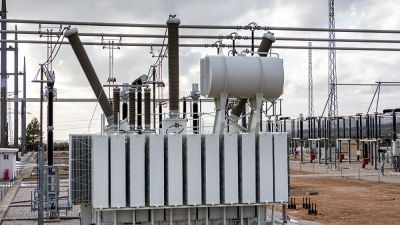
Emerging trends in the oriented silicon steel market reveal vital insights into the growing demand for high-performance materials in various applications, particularly in the manufacturing of transformers and high-power electromagnetic equipment. According to industry reports from 2022, the global demand for oriented silicon steel, primarily used in the construction of energy-efficient transformers, has seen a marked increase due to its unique properties that significantly enhance the operational efficiency of electrical devices. This rise is driven by the global shift towards sustainable energy solutions and the need for more efficient power transmission systems.
Oriented silicon steel serves as a robust magnetic core, essential for improving energy conversion and reducing losses in electrical equipment. Reports indicate that the use of high-grade oriented silicon steel has contributed to energy consumption reductions of up to 30% in advanced transformer designs. Not only does this material optimize performance, but it also extends the lifespan of electrical devices, making it a primary choice for manufacturers in the power grid and industrial machinery sectors. The analysis shows that suppliers in China are particularly focused on producing high-quality oriented silicon steel, setting new standards for efficiency and durability, which is crucial in meeting the increasing market demands for energy conservation and improved electrical control systems.
As the industry evolves, the focus on developing oriented silicon steel for HiB (High-B permeability) applications is also gaining momentum, with reports indicating an anticipated growth rate of 5-7% in production capacity over the next few years. This trend signifies a promising future for manufacturers involved in the oriented silicon steel market, as they adapt to the shifting landscape and contribute to a more energy-efficient and sustainable industrial environment.
: Silicon metal sheets are used in industries like automotive and electronics. They are essential for renewable energy solutions, particularly solar panels.
They offer thermal resistance, lightweight properties, and excellent electrical conductivity. They also resist chemical corrosion and have a long lifespan.
Their conductivity enhances energy capture in solar panels. This improves the overall efficiency of converting sunlight into electricity.
Consider the thickness and grade for your application. Proper handling is important to avoid surface scratches that impact performance.
In demanding conditions, their lifespan can exceed 20 years. However, ongoing quality checks are recommended to ensure this durability.
They help produce lightweight and efficient batteries, which support the push for more sustainable energy solutions. Quality sourcing is essential.
Yes, variations in purity and structure can affect performance. It's important for buyers to choose suppliers with strict quality control.
Transparent communication about mining practices and sourcing helps address environmental concerns and establishes trust with consumers.
As the demand for renewable energy grows, enhancing silicon extraction processes will improve material efficiency and sustainability.
Mining practices can raise environmental issues. Companies need to address these challenges while promoting the benefits of silicon materials.
Silicon Metal Sheets have emerged as a vital component across various global markets, offering exceptional properties and benefits that cater to diverse industrial needs. These sheets are notable for their high durability, corrosion resistance, and excellent conductivity, making them indispensable in industries such as electronics, renewable energy, and construction.
The electronics sector leverages Silicon Metal Sheets for efficient heat dissipation and enhanced performance of devices, while the renewable energy industry utilizes them in solar panels and related technology, promoting sustainable solutions. Additionally, their application in construction and building materials showcases their versatility and strength. As market trends evolve, the demand for Silicon Metal Sheets is expected to rise, driven by technological advancements and a push towards renewable energy solutions.