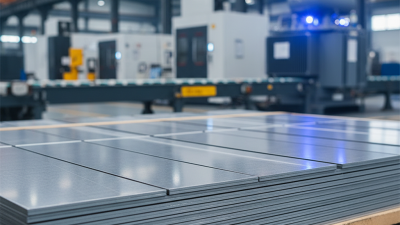
Lately, there's been a real uptick in the demand for Silicon Steel Alloy. If you look at the industry trends, it's pretty clear that the global market for silicon steel is expected to grow about 6% every year. A big reason behind this? The push for more energy-efficient solutions, especially in electrical stuff like transformers and electric motors that everyone relies on these days.
And here’s the thing — picking the right supplier is super important. The quality and dependability of the Silicon Steel Alloy you get can really make a difference in how well your electrical equipment works. Yeah, a lot of manufacturers are jumping on the bandwagon, buying in bulk to keep up with the rising demand, which makes choosing a reliable wholesale supplier a must. Big players like Baosteel and Nippon Steel are definitely leading the charge and have built solid reputations in this space.
Of course, with so many options out there, it pays to do your homework. Not all suppliers are created equal — inconsistent quality can cause all sorts of headaches down the line. It’s essential to understand the specs and certifications of the Silicon Steel Alloy you’re considering. Finding the right partner can really boost your product quality and help your business run smoother overall.
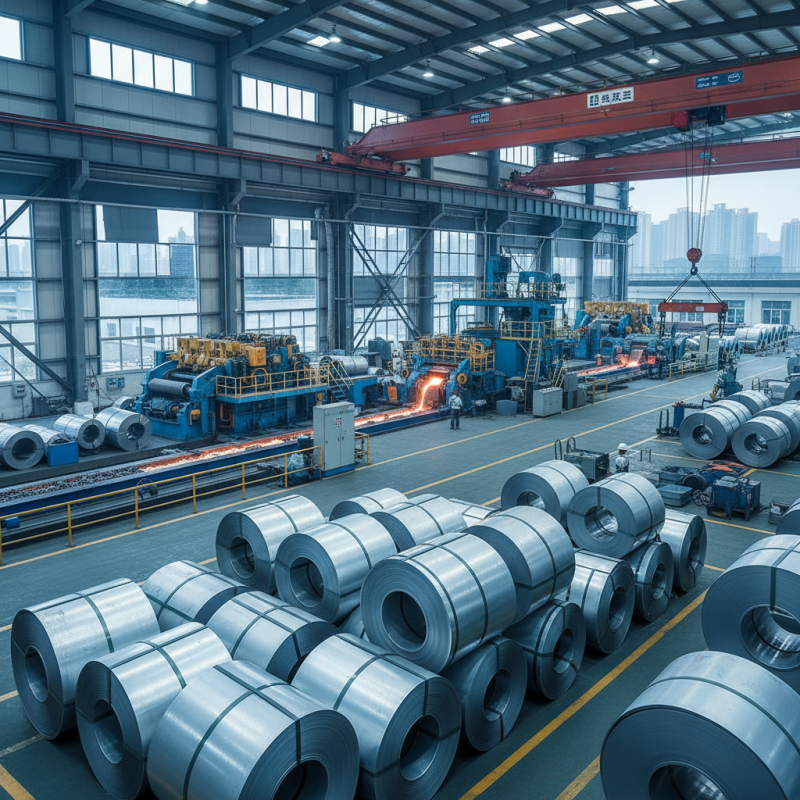
Top Silicon Steel Alloys: Understanding Their Importance in Industries
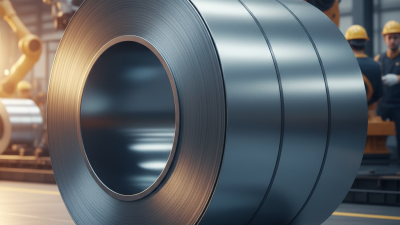
Silicon steel alloys are essential in various industries, particularly in electrical engineering. These materials are primarily used in the production of transformers and electric motors. Their magnetic properties make them ideal for minimizing energy losses. The combination of silicon with iron enhances these characteristics, resulting in higher efficiency and better performance.
In manufacturing, the importance of silicon steel alloys cannot be overstated. They help improve the durability and functionality of electrical devices. However, sourcing high-quality materials can be a challenge. Not all suppliers offer the same level of expertise or reliability. It's crucial to find partners who understand the nuances of these alloys, ensuring that the specifications meet industry standards.
It’s worth noting that not all alloys perform equally under stress. Some may show signs of degradation sooner than expected. Understanding the material’s limits often requires experience and testing. This highlights the importance of working with knowledgeable suppliers who can guide businesses through the selection process. Reliable information is vital for making informed decisions, especially in industries relying heavily on silicon steel alloys.
Key Properties of Silicon Steel Alloys That Cater to Business Demands
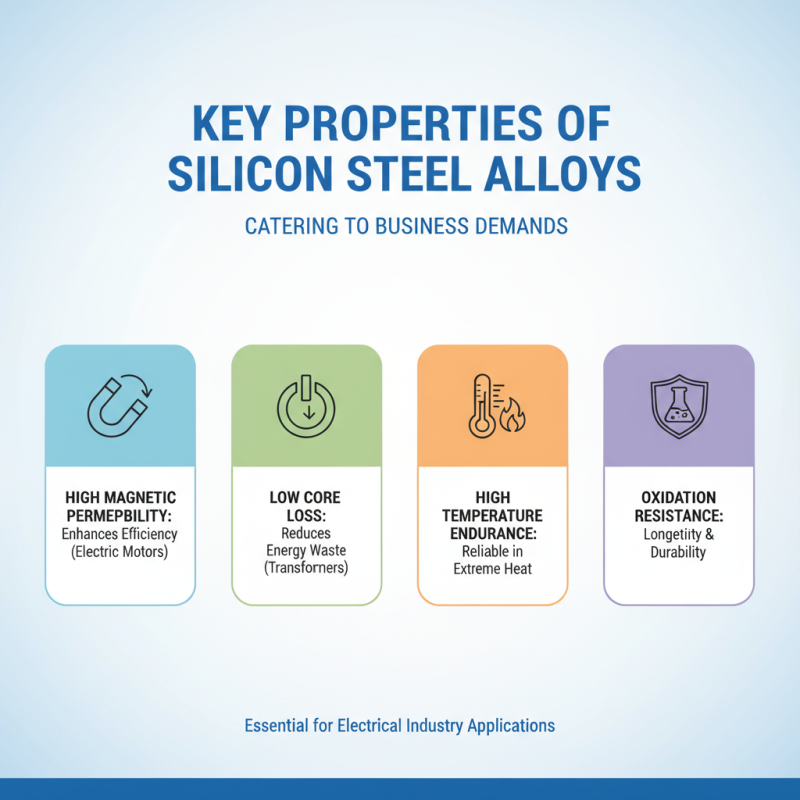
Silicon steel alloys are essential in many industries, particularly in electric motor and transformer manufacturing. These alloys possess high magnetic permeability, which enhances efficiency. They also demonstrate low core loss, making them ideal for electrical applications. The ability to endure high temperature and resist oxidation adds to their desirability.
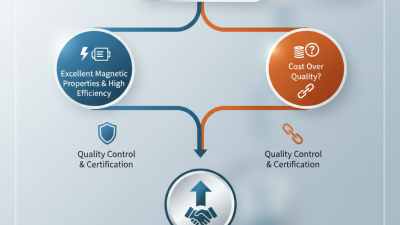
When selecting a supplier, consider key properties. Ensure the silicon content meets your specific needs. Different applications may require varying levels of silicon. Look for suppliers that offer flexibility in customization. Quality control during production is crucial. Be aware that not all brands provide the same level of assurance regarding performance and consistency.
Tips: Always ask for material certification. This guarantees that the silicon steel will meet industry standards. Also, evaluate your long-term needs when choosing an alloy. Silicon Manganese Alloy can be a more effective choice for specific applications. Continuous evaluation and adaptation to changing demands can ensure business growth.
Market Analysis: Trends in Silicon Steel Alloy Supply and Demand
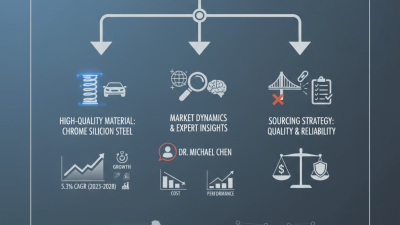
The silicon steel alloy market is witnessing dynamic shifts in supply and demand. Recent data from industry reports indicate that global demand for silicon steel alloy is projected to grow by 5% annually over the next five years. This growth is driven by increasing applications in the automotive and energy sectors. As electric vehicles rise in popularity, the need for high-performance silicon steel alloys is becoming paramount.
However, challenges persist. Suppliers often face fluctuations in raw material costs. According to the MetalMiner Index, prices for silicon steel fluctuated significantly in the past year. This inconsistency can disrupt supply chains. Some suppliers struggle to maintain reliability, impacting businesses dependent on steady product availability.
TIP: Evaluate multiple suppliers to mitigate risks. Diversifying your sources can reduce disruption. Always consider the stability of their pricing before making large orders. This helps ensure your business remains competitive.
The landscape of silicon steel alloy supply also reflects geopolitical influences. Tariffs and trade restrictions can alter sourcing strategies. Understanding these trends is crucial for business decision-making. Staying informed about international market conditions helps you anticipate changes in pricing and availability.
Leading Suppliers in China: Company Profiles and Their Offerings
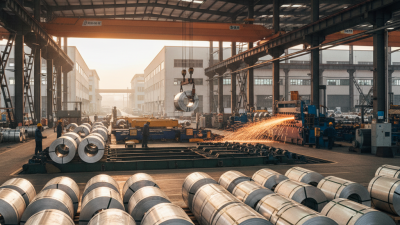
When sourcing silicon steel alloy for businesses, understanding supplier profiles is crucial. Many suppliers in China specialize in this sector. They offer a variety of silicon steel products with different grades and specifications. It’s vital to examine their production capabilities. The scale of their operations can impact delivery times and costs.
Some suppliers focus on innovation, while others emphasize traditional manufacturing methods. While exploring options, consider aspects such as minimum order quantities and customization offers. Supplier reliability is a significant factor. Communication responsiveness can reveal a company's professionalism. Often, companies showcase their certifications to establish credibility. Genuine reviews can provide insight, yet they may not always reflect the current performance.
Additionally, price alone should not dictate choices. Think about the long-term quality and support offered by the supplier. Engaging with multiple suppliers allows for better comparisons. Relationships can evolve, and flexibility in agreements can be beneficial. Reflecting on these nuances can lead to informed decisions that meet your business needs effectively.
Quality Assurance: Standards for Silicon Steel Alloys in Wholesale Trade
Silicon steel alloys are crucial in the manufacturing sector, particularly for electrical applications. The demand for high-grade oriented silicon steel silicon steel sheets has increased significantly, driven by the growth of electric vehicles and renewable energy. According to a recent industry report, the global silicon steel market is poised to reach $28 billion by 2025, highlighting the value of quality in wholesale trade.
Quality assurance in silicon steel alloys relies on strict standards. Alloys must meet specifications such as ASTM A809 and JIS G3303. These standards ensure the materials possess appropriate magnetic, mechanical, and thermal properties. Yet, many suppliers struggle to consistently deliver products that meet these specifications. A report indicated that nearly 30% of low-grade suppliers failed to comply with the required quality checks in 2022.
Supplier reliability is another area that requires focus. Some suppliers may promise competitive prices but compromise on material quality. A significant number of companies reported that over 20% of their orders from certain suppliers did not meet quality expectations. This inconsistency can cause production delays and increased costs, making it critical for businesses to choose their suppliers wisely.
Top 10 Wholesale China Silicon Steel Alloy Suppliers for Your Business Needs
| Supplier Region |
Quality Certification |
Annual Production Capacity (tons) |
Lead Time (Weeks) |
Price Range (USD per ton) |
| East China |
ISO 9001 |
5000 |
4 |
800-1000 |
| North China |
ISO 14001 |
10000 |
6 |
750-950 |
| South China |
OHSAS 18001 |
7000 |
5 |
600-900 |
| Central China |
ISO 9001 |
8000 |
3 |
700-850 |
| Southwest China |
ISO 14001 |
4000 |
7 |
650-800 |
Pricing Strategies: An Overview of Costs Associated with Silicon Steel
Silicon Steel is essential for various industries, especially in electrical applications. Understanding the pricing strategies is crucial for businesses looking to procure this material. Industry reports indicate that the costs associated with silicon steel alloy fluctuate significantly based on market demand and raw material prices. The average cost of silicon steel can range from $2,000 to $3,500 per metric ton, depending on its grade and purity.
Factors influencing these prices include production methods, alloying elements, and supplier relationships. Suppliers may implement tiered pricing based on order volume. Companies often find that purchasing larger quantities leads to better per-unit costs. Yet, it’s vital to assess inventory needs realistically. Excess inventory can lead to increased holding costs and waste.
In recent years, emerging economies have increased demand. This situation has created pressure on the supply chain, resulting in price volatility. Experts predict a continued rise in silicon steel prices due to environmental regulations driving production costs up. Businesses must stay informed about these trends and be prepared to adapt their procurement strategies accordingly. Balancing cost, quality, and supplier reliability remains a challenge in this competitive market.
Sourcing Tips: How to Choose the Right Supplier for Your Business Needs
Sourcing the right supplier for silicon steel alloys is crucial. The growing demand for these materials in electric vehicles and renewable energy sectors highlights the need for reliable partners. According to industry reports, the global silicon steel market is expected to grow significantly, driven by technological advancements.
When evaluating potential suppliers, focus on their experience and quality certifications. It’s essential to examine their production capabilities and past performance. Ensure they utilize advanced methods in
Low Silicon Steel processing. Suppliers should provide relevant documentation and transparency about their supply chains.
Consider visiting manufacturing sites if possible. In-person evaluations can reveal insights into quality control practices. Look for suppliers that prioritize sustainability. Reliable suppliers will be open about their environmental impact.
Take note of customer reviews and industry feedback. This can give you an idea of their reputation and reliability. The right supplier should not only meet your pricing needs but should also align with your business values.
FAQS
: They are primarily used in transformers and electric motors. Their magnetic properties minimize energy losses.
They enhance the durability and functionality of electrical devices. This results in improved efficiency.
Work with reliable suppliers who understand industry standards. Testing materials for performance is crucial.
No, some alloys degrade sooner than expected. Experience and testing reveal their limits.
Examine their production capabilities and reliability. Communication is key to assessing professionalism.
No, consider long-term quality and supplier support too. Price alone can be misleading.
Engage with multiple suppliers to evaluate options. Look at customization and order flexibility.
No, reviews may not reflect current performance. Genuine insights are necessary for informed decisions.
Yes, larger operations can influence both delivery times and costs. It's important to assess this aspect.
Some suppliers focus on innovation while others stick to traditional methods. This can impact product offerings.
Conclusion
This article explores the significance of Silicon Steel Alloy in various industries, highlighting its essential role in enhancing electrical efficiency and magnetic properties. The key properties of Silicon Steel Alloys are examined to demonstrate how they meet the diverse demands of businesses, while market analysis provides insights into current trends in supply and demand within the industry.
Additionally, the article profiles leading suppliers in China, offering an overview of their offerings and emphasizing the importance of quality assurance standards in wholesale trade. It also discusses pricing strategies, giving readers an understanding of the costs involved with Silicon Steel Alloys. Finally, sourcing tips are provided to assist businesses in selecting the right supplier that aligns with their specific needs. This comprehensive overview serves as a valuable resource for companies looking to navigate the Silicon Steel Alloy market effectively.



 Contact Email
 Contact Whatsapp