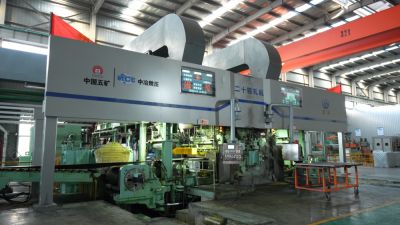
You know, China has really stepped up as a major player when it comes to exporting Calcium Silicon Manganese, a pretty important alloy used in all sorts of industries. The global demand for it has shot up—mainly because it's so vital in steelmaking and other metalworking processes. Lots of companies are trying to grab a piece of this market, each bringing their own strengths to the table.
Some of the big names you might have heard of include Juwei Chemical, Powerway, and THT International. What sets them apart? Well, Juwei seems to focus a lot on sustainable practices, which is pretty cool, while Powerway is all about leveraging the latest tech in their manufacturing. But, honestly, it’s not all smooth sailing—there are some challenges too. Relying too heavily on certain markets can make companies vulnerable, especially if the tides shift unexpectedly.
For anyone looking to buy Calcium Silicon Manganese, it’s really important to understand how the supply side works. Do your homework on the supplier’s reliability—just making sure they can deliver consistently isn’t enough; it’s also about whether they’ve got long-term stability. The market moves fast, so taking the time to do a proper check can save you from surprises down the line.
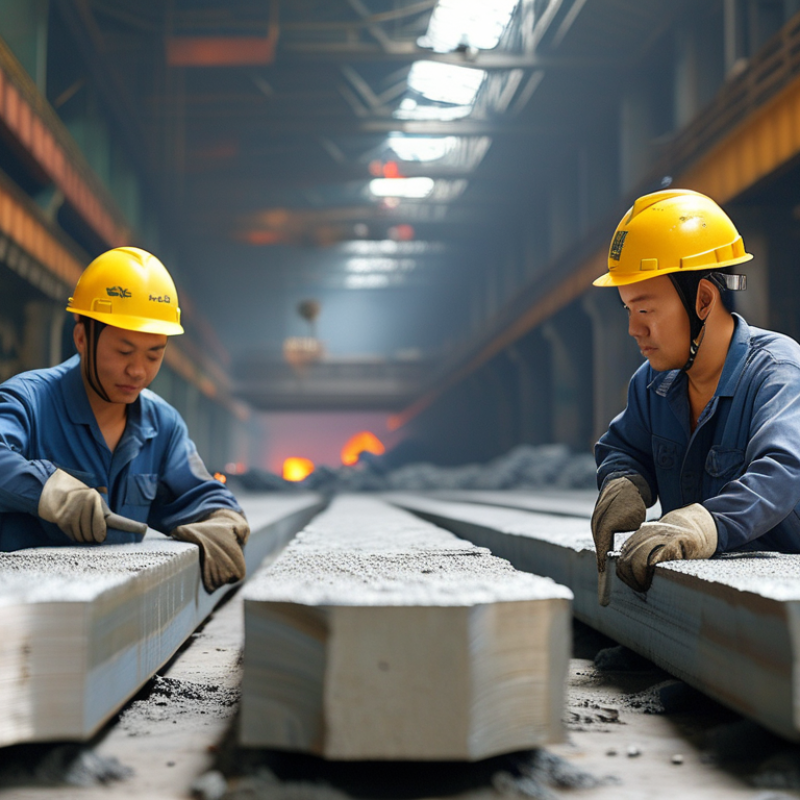
China's Position in the Global Calcium Silicon Manganese Market
China has become a key player in the global calcium silicon manganese market. The country produces substantial quantities of this alloy. Its products are essential for steelmaking and other industries. This demand drives Chinese manufacturers to enhance production capacity. However, quality control remains a challenge. Ensuring consistency in product quality is crucial for maintaining international standards.
Chinese suppliers often focus on efficient export processes. They leverage advanced technology to optimize production. Despite this, some exporters still face logistical hurdles. Transportation costs can fluctuate, affecting final pricing. Additionally, competition from other countries is increasing. Nations such as Brazil and South Africa are emerging as notable competitors in
Ferro Manganese And Silico Manganese exports.
The future of China’s position in this market is uncertain. Factors such as trade policies and environmental regulations are influential. As global demand shifts, Chinese manufacturers must adapt. Sustainability will play a critical role in shaping this industry. Innovations in production methods could address environmental concerns. Ultimately, the path ahead involves balancing growth and responsibility.
Key Characteristics and Applications of Calcium Silicon Manganese
Calcium silicon manganese (CaSiMn) is a crucial alloy in steelmaking. It improves steel strength and reduces production costs. Its composition typically includes silicon, manganese, and calcium. Each element plays a role in enhancing steel properties. For example, silicon improves deoxidation, while manganese strengthens the steel matrix.
Industry reports indicate that CaSiMn's global consumption is steadily rising. In 2021, the market was valued at approximately $1.2 billion. Market analysts project a compound annual growth rate (CAGR) of over 5% through 2026. This trend signifies that industries increasingly rely on this alloy for high-performance steel. High-quality CaSiMn can significantly impact production efficiency and product longevity.
Tips: When sourcing CaSiMn, consider the purity levels. Higher purity guarantees better performance. Also, look for certified suppliers to ensure product quality. Selecting the right alloy can lead to major production advantages, while choosing poorly may result in rework and financial losses. Always evaluate potential vendors carefully before making purchases.
Top 10 Chinese Suppliers: Overview and Export Capabilities
When exploring the market for calcium silicon manganese, China stands out as a significant player. The nation's suppliers are renowned for their extensive production capabilities and export networks. Many companies leverage advanced technologies to enhance product quality. They often source raw materials efficiently, which helps maintain competitive pricing.
Despite the strengths, some challenges persist. Variability in quality can occur across different suppliers, creating uncertainty. Not all manufacturers adhere to the same rigorous standards, which can lead to inconsistencies. Buyers must conduct thorough due diligence, ensuring that suppliers meet specific industry standards.
Export capabilities vary widely among suppliers. Some companies have extensive logistics networks, allowing smooth international shipping. Others may face hurdles due to less-developed transportation channels. Understanding these dynamics is crucial for buyers aiming to secure reliable sources of calcium silicon manganese from China.
Industry Growth Trends: Calcium Silicon Manganese from China
The calcium silicon manganese market in China is witnessing dynamic growth driven by various industrial applications. According to recent reports, China's export volume for calcium silicon manganese increased significantly last year, reaching approximately 30,000 tons. This surge in demand is largely attributed to its extensive use in steelmaking and foundries, where it enhances the quality and performance of alloys. The industry has seen a CAGR of about 6% over the past five years, indicating strong upward momentum.
However, sustainability challenges arise with this growth. The production process of calcium silicon manganese can be resource-intensive. Environmental concerns require manufacturers to adopt more eco-friendly practices. Industry experts suggest that while production efficiency is essential, balancing it with environmental responsibilities is crucial. As many suppliers face stricter regulations, innovation in production methods is becoming a necessity.
Competition within the industry is fierce. While some suppliers have embraced technological advancements, others lag behind. This discrepancy leads to significant variations in quality and cost. Reports indicate that leading suppliers have begun to implement AI-driven solutions to optimize their operations. However, not all manufacturers follow suit. Constructive reflection on production practices could lead to the industry's improvement and sustainability.
Quality Standards and Certifications in Calcium Silicon Manganese Exports
When considering the export of Calcium Silicon Manganese, adherence to quality standards is crucial. Various international norms dictate the composition and performance requirements of Calcium Silicon Manganese. According to industry reports, high-quality Silicon Manganese should contain at least 65% to 70% of total manganese. Elemental purity significantly affects its application in steel production.
Certifications are vital in this market. Many exporters seek ISO 9001, ensuring effective quality management systems. Compliance with RoHS guidelines is also necessary, particularly when the product enters the European market. Research indicates that products meeting these standards often experience higher acceptance by global buyers.
Tip: Always verify certifications with your supplier. This ensures the authenticity and quality of Silicon Manganese materials.
Another key aspect is testing methods. Regular third-party testing enhances credibility and reliability. Detailed reports should accompany shipments. Failure to provide this documentation can lead to disputes, affecting business relationships. In some cases, non-compliance led to costly returns of materials.
Tip: Establish clear agreements on quality expectations before exporting. Clear terms help avoid misunderstandings later.
Top 10 Suppliers of Calcium Silicon Manganese for Export
This bar chart represents the export volumes of the top 10 suppliers of calcium silicon manganese. The data highlights the comparative performance of these suppliers in terms of the volume of exports, which is crucial for understanding the market dynamics in this sector.
Market Challenges Faced by Chinese Suppliers of Calcium Silicon Manganese
Chinese suppliers of calcium silicon manganese face numerous market challenges that hinder their growth. The global demand for
Silicon Manganese Uses in steel production is rising. However, trade restrictions and tariffs complicate export processes. In 2022, the global market for silicon manganese reached $8 billion, but China faced difficulties capturing a larger market share.
Increasing production costs also pose challenges. Energy prices have soared, impacting manufacturing. Data from industry reports show that energy expenses can account for up to 30% of the overall production cost. This scenario forces suppliers to either absorb costs or pass them on to buyers, risking competitiveness. Furthermore, quality standards imposed by international markets often exceed local capabilities.
Moreover, supply chain disruptions have become more frequent. The COVID-19 pandemic highlighted vulnerabilities in logistics and transportation. Delays and increased shipping costs can impact timely deliveries. Suppliers need adaptability to navigate these ongoing issues. Addressing these challenges requires innovative strategies and investments in technology to improve efficiency and product quality.
Future Projections for Calcium Silicon Manganese Exports from China
China's export potential for Calcium Silicon Manganese appears bright. The demand for
Silicon Manganese Alloy
continues to rise in various industries, including steel production and alloy manufacturing.
Manufacturers are focusing on sustainability and efficiency. However, the market faces challenges that
could affect future projections.
Production capacity in China is strong, but fluctuating global demand can create uncertainties.
This means suppliers must adapt quickly. Additionally, environmental regulations are becoming stricter.
Companies need to invest in cleaner technologies. This could increase costs in the short term but
may lead to long-term benefits.
Tips for businesses looking to engage in this market include staying informed on regulatory changes.
Regularly assess supplier capabilities and market conditions. Diversifying export destinations can
mitigate risks too. Being aware of these factors will help navigate the complexities of the
Silicon Manganese Alloy market in China.
Oriented Silicon Steel Production Process: Insights from Industry Reports on High Performance Electromagnetic Materials and Market Trends
The production of oriented silicon steel is a sophisticated process that reflects advancements in the manufacturing of high-performance electromagnetic materials. Initially, the process begins with smelting, where raw materials are transformed into molten steel. This molten steel undergoes hot rolling, followed by two phases of cold rolling, which refine its properties further. A crucial step, decarburization annealing, is employed to reduce carbon content, enhancing the material’s electrical efficiency. The culmination of these steps is high-temperature secondary recrystallization annealing, which optimizes the grain structure, essential for magnetic properties.
This meticulous process results in superior grain orientation technology, producing electromagnetic core materials characterized by low iron loss and high magnetic induction. By carefully controlling texture and incorporating inhibitors during production, manufacturers can achieve a highly oriented grain structure. This feature significantly enhances the magnetic conductivity of the silicon steel, ensuring maximum performance in various industrial applications, such as transformers and electric motors. The commitment to quality in the production of oriented silicon steel reflects an understanding of market trends and the demands for efficiency in electromagnetic applications.
FAQS
: China is a key player, producing substantial quantities of this alloy essential for steelmaking.
Consistent product quality is crucial for meeting international standards and maintaining competitiveness.
Logistical hurdles and fluctuating transportation costs can affect pricing and export efficiency.
Increasing competition from countries like Brazil and South Africa could affect market share.
Trade policies, environmental regulations, and global demand shifts all greatly impact future prospects.
Investing in cleaner technologies is essential, even if it raises short-term costs.
Stay informed about regulatory changes and assess market conditions regularly to navigate complexities.
Diversifying can mitigate risks, but it also requires thorough market research and adaptability.
New production methods focused on sustainability could impact growth and responsibility in the industry.
The future is uncertain; suppliers must be flexible and adaptable to changing market conditions.
Conclusion
China has established itself as a significant player in the global Calcium Silicon Manganese market, showcasing its capabilities as a top supplier. This alloy is known for its critical characteristics and versatile applications, particularly in the steel and foundry industries. The article outlines the leading Chinese suppliers, highlighting their export capabilities and the competitive advantages they hold in this growing sector.
As demand for Calcium Silicon Manganese continues to rise, industry growth trends indicate a positive trajectory for China's exports. However, challenges such as quality standards and certifications are crucial for maintaining competitive edge in international markets. The future projections suggest a robust demand for Calcium Silicon Manganese from China, positioning it as a key provider on the global stage despite the ongoing market challenges.



 Contact Email
 Contact Whatsapp