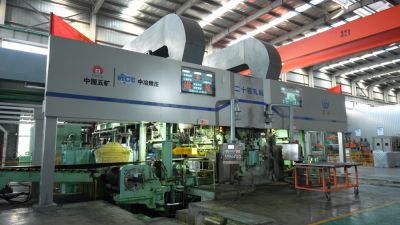
Silicon Manganese continues to be a pretty essential alloy in today’s steelmaking game. It’s the go-to for boosting strength, hardness, and helping with deoxidation in more demanding applications. According to the World Steel Association, in 2024, they produced around 1.88 billion tonnes of crude steel—that’s a huge number! This huge scale means the demand for manganese alloys is pretty much tied directly to sectors like construction, automotive manufacturing, infrastructure projects, and energy development.
On the other hand, the U.S. Geological Survey’s Mineral Commodity Summaries 2025 mentioned that in 2024, the global manganese mine production was nearly 20 million metric tonnes. And the International Manganese Institute points out that about 90% of this manganese goes straight into steelmaking. John L. Jorgenson from the USGS nicely summed it up by saying manganese has "no really good substitute in its main uses." That’s a point buyers really keep in mind when they’re comparing options like Ferro Manganese or Silico Manganese—especially when dealing with large-volume deals.
This guide looks at seven suppliers of Silicon Manganese that serve international buyers. We considered stuff like how much they can produce, their experience with exports, how consistent their products are, their certifications, logistics capabilities, and how transparent they are about their business. Names like Erdos Group, OM Holdings, and Gulf Chemical and Metallurgical Industries often come up in global supply chains. But honestly, reputation alone doesn’t cut it—there’s more to the story.
Having a shiny brochure might look good, but it doesn’t tell you everything. Buyers need to dig deeper—check out furnace technology, get detailed specs on manganese and silicon, look at packing details, review inspection records, and pay attention to how reliably deliveries are made. Plus, regional energy costs can swing things a lot in terms of competitiveness. No supplier is perfect, so this list is really just a starting point, not the final say. Before sealing any deal, procurement teams should verify current quotes, ensure compliance with sanctions, understand shipment terms, and review independent quality tests. It’s all about doing your homework to make the best choice.
Silicomanganese Standards: 65% Mn, 17% Si, and Carbon Limits
7 Best Silicon Manganese Suppliers for Global Buyers
Silicomanganese Standards: 65% Mn, 17% Si, and Carbon Limits
Silicomanganese specifications often show 65% manganese and 17% silicon. These figures are usually target grades, not exact guarantees. Buyers should check whether manganese is a minimum and silicon is a range. A practical purchase sheet may state Mn 65% minimum, Si 17% minimum, and carbon 2.0% maximum. Phosphorus and sulfur limits also matter during steelmaking.
Carbon deserves careful attention. Standard grades may allow around 2.0% carbon, while low-carbon material requires tighter control. The correct limit depends on the steel grade and furnace practice. Do not rely on a supplier’s general brochure. Request a current certificate of analysis, test methods, lot number, and sampling date.
Small details can reveal quality problems. Inspect the cargo for excessive fines, damp lumps, and unusual surface dust. Weighbridge records should match the contract quantity. A recurring purchasing mistake is treating 65/17 as a universal standard. It is not. Regional standards and buyer specifications can differ. I would also compare independent laboratory results when the shipment is large. One overlooked carbon result can change furnace performance, slag volume, and final steel chemistry. Supplier evaluation should include traceability, inspection cooperation, stable sizing, and clear claims procedures. Supplier promises need evidence.
7 Best Silicon Manganese Suppliers for Global Buyers – Silicomanganese Standards: 65% Mn, 17% Si, and Carbon Limits
Anonymized supplier profiles for comparing commonly traded silicomanganese products. Chemistry, sizing, packaging, and logistics are indicative commercial specifications and must be confirmed in the purchase contract.
| Rank |
Supplier Profile |
Primary Supply Region |
Mn Content |
Si Content |
Carbon Limit |
P / S Limits |
Standard Product Size |
Typical Packaging |
Typical Shipment Term |
| 1 |
Profile A |
Southern Africa |
65% minimum |
17% minimum |
C 2.0% maximum |
P 0.25% max
S 0.04% max |
10–50 mm
90% minimum |
1,000 kg flexible intermediate bulk bags |
FOB or CFR
Approx. 20–40 days |
| 2 |
Profile B |
South Asia |
65% minimum |
17% minimum |
C 2.0% maximum |
P 0.25% max
S 0.04% max |
10–60 mm
90% minimum |
1,000 kg jumbo bags; bulk loading by arrangement |
CFR or CIF
Approx. 25–45 days |
| 3 |
Profile C |
East Asia |
65% minimum |
17% minimum |
C 2.0% maximum |
P 0.25% max
S 0.04% max |
10–50 mm
90% minimum |
1,000 kg bags with moisture-resistant liner |
FOB, CFR, or CIF
Approx. 15–35 days |
| 4 |
Profile D |
Central Asia |
65% minimum |
17% minimum |
C 2.0% maximum |
P 0.25% max
S 0.04% max |
10–50 mm
90% minimum |
1,000 kg bulk bags; covered truck or rail loading |
FCA, CFR, or CIF
Approx. 25–50 days |
| 5 |
Profile E |
Eastern Europe |
65% minimum |
17% minimum |
C 2.0% maximum |
P 0.25% max
S 0.04% max |
10–60 mm
90% minimum |
Big bags or steel drums for specialty handling |
FCA, CPT, or CIF
Approx. 20–45 days |
| 6 |
Profile F |
South America |
65% minimum |
17% minimum |
C 2.0% maximum |
P 0.25% max
S 0.04% max |
10–50 mm
90% minimum |
1,000 kg FIBCs with palletized export packing |
FOB or CFR
Approx. 30–55 days |
| 7 |
Profile G |
Middle East and Mediterranean |
65% minimum |
17% minimum |
C 2.0% maximum |
P 0.25% max
S 0.04% max |
10–50 mm
90% minimum |
1,000 kg jumbo bags; bulk shipment subject to port facilities |
CFR or CIF
Approx. 20–45 days |
Buyer verification checklist: Request a recent certificate of analysis confirming Mn, Si, C, P, and S; verify size distribution, moisture, packing weight, country of origin, inspection terms, and the applicable Incoterm before shipment. The 65% Mn / 17% Si composition is a common commercial target for silicomanganese, while exact limits vary by producer, national standard, and steel mill specification.
Global Supply Overview: China, India, and South Africa’s Production Roles
China, India, and South Africa shape the global silicon manganese supply chain in different ways. China remains the largest alloy-production center, supported by extensive steel capacity and established electric-furnace infrastructure. The World Steel Association reported China produced about 1.005 billion tonnes of crude steel in 2024. That scale creates steady demand for silicon manganese in deoxidation and alloy adjustment.
India is expanding its role. Its crude steel output reached approximately 149 million tonnes in 2024, according to the same report. Domestic manganese ore, growing ferroalloy capacity, and rising steel investment support regional supply. However, production costs can change quickly when electricity prices, monsoon logistics, or ore quality shift. Buyers should request recent furnace data, not rely only on annual brochures.
South Africa is especially important upstream. The U.S. Geological Survey estimated South Africa’s 2024 manganese ore production at roughly 7.6 million tonnes of contained material, making it one of the leading mining sources globally. International Manganese Institute market analyses also identify Southern Africa as a critical ore base for alloy producers. Ore leadership is not the same as alloy leadership. This distinction matters. Freight routes, power reliability, carbon intensity, and port access can alter the delivered cost significantly. The figures are not perfectly comparable, because mine output and finished silicon manganese use different reporting methods. A careful supplier review should compare chemical composition, size range, shipment history, and independent inspection records.
Supplier Evaluation Criteria: Capacity, Certifications, Pricing, and Delivery Data
Selecting Silicon Manganese suppliers requires more than comparing website claims. Capacity claims need evidence. Request annual production, furnace capacity, recent utilization, and monthly allocation records. The USGS Mineral Commodity Summaries 2024 estimated global manganese ore production at about 20 million metric tons in 2023. This scale shows why raw material access matters. A supplier should also provide ISO 9001 quality records, ISO 14001 environmental certification, and batch-level laboratory reports. Certificates without recent audits deserve caution.
Pricing needs a transparent formula. Ask how manganese, silicon, electricity, freight, taxes, and payment terms affect the final offer. The International Manganese Institute reports that steel consumes roughly 90% of manganese output. Therefore, steel-cycle demand can quickly influence alloy availability and pricing. Compare quotations with independent monthly alloy assessments, not only the lowest invoice. A cheap offer may hide inconsistent silicon content, oversized particles, or expensive port handling.
Delivery performance is measurable. Request twelve months of on-time-in-full data, average lead time, port options, and claims history. A practical contract should define moisture limits, packaging weight, inspection methods, and remedies for delayed cargo. I would also verify production photos, loading records, and certificates with an independent inspector. No metric is perfect. Even a strong supplier can miss a shipment during power shortages or port congestion, so contingency stock and a second approved source remain sensible.
Eramet: Manganese Expertise, Alloy Quality, and Global Distribution
For global buyers, silicon manganese is more than a furnace product. It is a controlled alloy requiring practical manganese expertise. Experienced suppliers understand how ore selection, carbon levels, and furnace temperature affect final performance. These factors influence recovery, steel cleanliness, and production stability. Small changes matter.
Reliable alloy quality begins with clear specifications. Buyers should review recent laboratory certificates, size distribution, and sampling procedures. Independent testing can confirm manganese, silicon, carbon, phosphorus, and sulfur levels. A strong quality system records each batch from raw materials to loading. It should also explain unexpected variations. Average results alone are not enough.
Global distribution requires more than shipping capacity. Suppliers need dependable port planning, protective packaging, and accurate export documents. Bulk alloy may face moisture, breakage, or delays during long transport. Stock positioned near major ports can reduce interruptions, although storage costs may rise. No supplier gets every batch perfect. That is worth admitting. A delayed vessel or fluctuating chemistry can affect a steel mill’s schedule. Buyers should ask how corrective actions are handled and how quickly technical teams respond. One trial shipment can reveal more than a polished presentation. Hands-on communication, traceable records, and realistic delivery promises build confidence over time.
OM Holdings: Integrated Mining, 65% Mn Grades, and Export Capability
An integrated manganese supplier can offer more than a strong product sheet. It can connect mining, processing, quality control, and export logistics. For global buyers, this structure may reduce handover delays and improve traceability.
A 65% Mn grade is commercially important for producers seeking consistent furnace performance. However, grade alone does not guarantee value. Buyers should review phosphorus, sulfur, moisture, size distribution, and shipment consistency. The USGS Mineral Commodity Summaries 2024 estimated global manganese mine production at about 20 million metric tons of manganese content in 2023. Steel remains the main demand driver. The World Steel Association reported global crude steel production near 1.9 billion tonnes in 2023. These figures support continued demand for manganese alloys, including Silicon Manganese Uses in reinforcing steel and construction products.
Tips: Request recent assay reports, loading photographs, and independent inspection terms. Confirm whether the quoted 65% Mn refers to dry-basis material. Ask about port capacity, monthly availability, and backup routes. Export capability sounds reassuring, but real performance depends on documentation and vessel scheduling. I would also compare three shipments, not one. One cargo can look excellent by chance. Even experienced buyers sometimes overlook fines, moisture, or delayed certificates. That is where a technically strong supplier may still require closer review.
Commercial silicon manganese is commonly identified by its nominal manganese and silicon content. The 65/17 grade is widely used in steelmaking, while 60/14 and 68/18 grades represent lower- and higher-content specifications. Actual limits may vary according to contract and applicable standards.
Sakura Ferroalloys: Japanese Technology and Low-Impurity Production
Japanese production discipline gives Silicon Manganese Alloy a strong advantage in demanding steel applications. Controlled furnace conditions help maintain stable silicon and manganese levels. Operators monitor charge materials, furnace temperature, and tapping time closely. Small changes matter.
Low-impurity production is especially valuable for buyers managing sensitive steel grades. Reduced phosphorus and sulfur can support cleaner steelmaking and more predictable performance. Each batch should include laboratory results, production dates, and traceable lot numbers. Ask for independent testing when the application carries high technical risk.
The physical details reveal much. Uniform alloy pieces, limited dust, and sealed bulk bags reduce handling problems. Japanese engineering also emphasizes repeatable equipment settings and disciplined inspection routines. Still, no supplier is perfect. Moisture can enter packaging during long-distance transport. Testing should cover the delivered cargo, not only the original furnace sample. Buyers should compare three consecutive batches before approving regular supply. That step takes time. It prevents assumptions.
Experienced suppliers should explain their sampling method without vague claims. They should also discuss furnace capacity, shipment schedules, and corrective actions for off-spec material. A reliable partner communicates early when raw material chemistry changes. Price remains important, but unstable chemistry can create greater costs through reprocessing, delays, and rejected heats. Careful evaluation is necessary.
Georgian American Alloys: Regional Supply Strength and International Logistics
For global buyers, a strong silicon manganese supplier needs more than competitive pricing. Regional production strength can provide dependable access to Ferro Silicon Manganese throughout the year. In Georgia, proximity to mineral resources, processing facilities, and Black Sea trade routes can shorten the path from plant to port. This matters when steel mills manage tight furnace schedules. A practical supplier should provide recent test reports, batch numbers, chemical analysis, and clear packaging details. Buyers should check manganese, silicon, carbon, phosphorus, and sulfur levels before signing a long-term agreement. Small variations can affect alloy performance and furnace adjustments.
International logistics requires equal attention. Export teams should coordinate inland transport, port bookings, customs documents, insurance, and destination delivery windows. A typical shipment may move in one-ton bags, protected from moisture and handling damage. Tracking updates should show when cargo leaves the facility, reaches the port, and clears export procedures. Communication matters most when schedules change. No route is perfect. Weather, vessel delays, and border checks can still disrupt delivery. A reliable supplier explains these risks early instead of hiding them behind optimistic estimates. Buyers should also confirm Incoterms, inspection procedures, payment milestones, and claims handling in writing. I have found that a detailed shipping plan often prevents more trouble than a small price reduction solves. One missing document can hold an otherwise ready cargo for days.
High-Quality Oriented Silicon Steel from China: Low-Loss, High-Induction Factory Solutions
Oriented silicon steel from China is engineered for demanding electrical applications where low energy loss and strong magnetic induction are essential. Through a carefully controlled production route—smelting, hot rolling, two stages of cold rolling, decarburization annealing, and high-temperature secondary recrystallization annealing—the material develops a highly aligned grain structure. This orientation enables magnetic flux to travel efficiently along the rolling direction, helping reduce core loss and improve the performance of transformers and other electromagnetic equipment.
As an experienced manufacturer and factory supplier, we maintain precise control over chemical composition, texture, and inhibitor distribution throughout production. These controls support consistent magnetic properties, excellent conductivity, stable dimensional quality, and reliable processing performance. Available in specifications suited to different design requirements, the steel can be used for transformer cores, power distribution equipment, reactors, and other high-efficiency electrical systems. Its combination of low iron loss, high induction, and dependable manufacturing consistency provides practical support for equipment designers seeking improved energy efficiency and long-term operating stability.
FAQS
Review recent laboratory certificates, batch numbers, size distribution, and sampling procedures. Independent testing adds confidence. Average results can mislead.
No. Check silicon, carbon, phosphorus, sulfur, moisture, and particle size. The grade may be quoted on a dry basis. Confirm it.
Ore selection, carbon control, and furnace temperature influence recovery and steel cleanliness. Small changes matter. Results may still vary.
Traceable records connect raw materials, processing, testing, and loading. They help explain unexpected chemistry changes. Paperwork should match the cargo.
Strong one-ton bags can reduce breakage and moisture exposure. Buyers should inspect loading photographs. Damage still happens sometimes.
Confirm port capacity, vessel schedules, inland transport, export documents, insurance, and destination delivery windows. One missing document can delay cargo for days.
Compare at least three shipments, not one. Review tracking updates, certificate timing, and claims handling. One excellent cargo may be luck.
Weather, vessel delays, border checks, moisture, and fluctuating chemistry may interrupt schedules. Reliable suppliers explain these risks early. Optimistic promises are not enough.
Conclusion
Silicon Manganese is a vital alloying material used in steelmaking, valued for its ability to improve strength, hardness, and deoxidation performance. Common commercial specifications include approximately 65% manganese and 17% silicon, while carbon, phosphorus, sulfur, and other impurity limits vary according to customer requirements. Global supply is supported by major production regions in Asia and Africa, with established exporters serving steel mills across multiple markets.
When evaluating suppliers, buyers should compare annual production capacity, grade consistency, quality certifications, pricing transparency, packaging, and delivery performance. Integrated producers with reliable access to manganese ore may offer stronger supply security, while advanced smelting facilities can provide lower-impurity material and tighter chemical control. Regional manufacturers may also provide logistical advantages and responsive customer service. A dependable supplier should demonstrate export experience, clear technical documentation, stable production records, and the ability to meet contract quantities and schedules. Together, these factors help global buyers select cost-effective and reliable Silicon Manganese sources.



 Contact Email
 Contact Whatsapp