• sns01
  • sns02
  • sns03-1
  • sns04
Leave Your Message
0%

China continues to be a major hub for manufacturing High Silicon Steel, serving customers around the globe—think transformers, motors, generators, and even aerospace. When you look at their supply chain, it includes everything from integrated steelmakers to precision slitters and specialized exporters. It’s quite a network!

Did you know that according to the International Energy Agency, motor-driven systems gobble up over 40% of all the electricity used worldwide? That's why lower-loss electrical steel has become a pretty big deal in the market. High Silicon Steel, in particular, can help cut down on magnetic losses thanks to higher silicon content, better grain structure, and careful processing. But here’s the catch—more silicon can make the steel less ductile and more tricky to roll, which is something you definitely want to keep in mind when choosing your supplier.

Professor David C. Jiles sums it up well: “The magnetic properties of materials are basically decided by their composition and structure.” Makes sense, right? This is why it’s so important to compare grades, coatings, and core-loss figures carefully. The U.S. Department of Energy also points out that efficient motor systems are a big opportunity to save energy in industry. So, when you’re sourcing this kind of steel, it’s not just about getting a good deal price-wise—it’s about quality and reliability.

Big Chinese players like Baosteel, Wuhan Iron and Steel, and Shougang Group have pretty extensive capabilities in electrical steel. If you're buying, be sure to ask for mill certificates, Epstein test results, coating details, thickness tolerances, and batch traceability. And don’t forget to check whether they’re manufacturing high-grade oriented silicon steel or just reselling it—that makes a difference.

Let’s be real, the market isn’t always crystal clear. Product descriptions can be all over the place. That’s why independent testing is a smart move—especially for major transformer projects. A trustworthy supplier should be upfront about their manufacturing limits, delivery history, and how they handle issues. Sometimes, it’s the technical back-and-forth that really tells you more than a fancy brochure. So, look for solid evidence, not just loud claims.
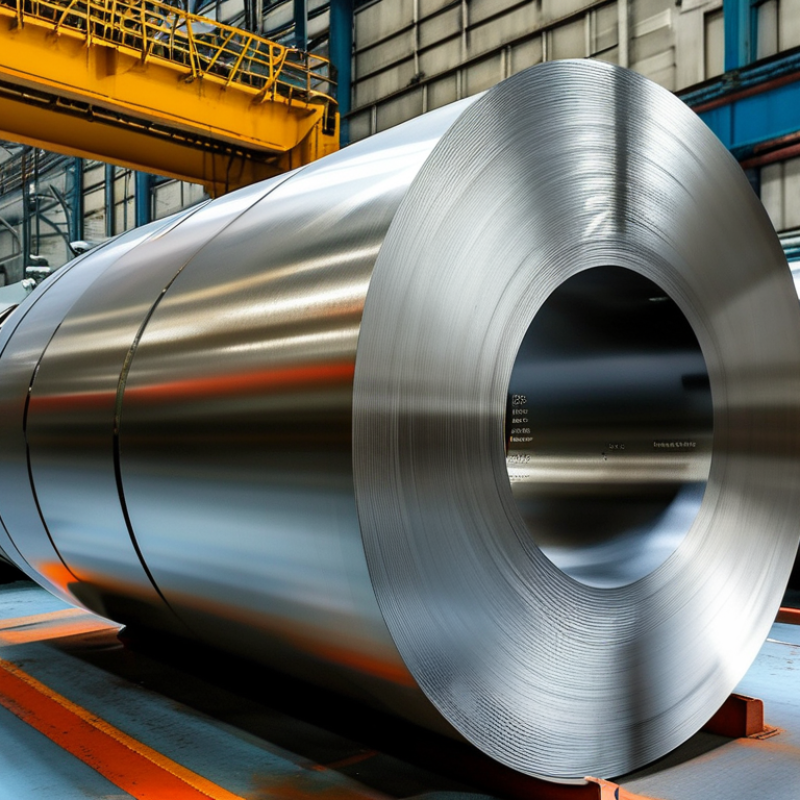
China Top High Silicon Steel Suppliers for Global Buyers?

What Is High Silicon Steel and Why Does It Matter?

High Silicon Steel usually contains about 3% to 6.5% silicon. The added silicon raises electrical resistivity and reduces eddy-current losses. This matters inside motors, transformers, and high-frequency components. A thinner sheet can also shorten the path for magnetic loss. It is not a magic material. Excess silicon may increase brittleness and complicate rolling, slitting, and stamping.

Demand is becoming harder to ignore. The International Energy Agency’s Global EV Outlook 2024 recorded nearly 14 million electric car sales in 2023. Each traction motor needs carefully processed electrical steel. The report also projects continued electric vehicle growth this decade. That trend places more attention on core loss, surface insulation, and dimensional stability. Small defects become visible under repetitive magnetic cycling.

For global buyers, supplier evaluation should go beyond price and nominal silicon content. Request test results for core loss in watts per kilogram, measured at a stated frequency and flux density. Check thickness tolerance, lamination factor, magnetic aging, burr height, and coating adhesion. IEC 60404 testing methods can support comparable inspections. In practice, a supplier may provide excellent laboratory data but inconsistent slit coils. That is where experience matters. I would review several production lots, not one attractive sample. A useful specification should also describe annealing, packaging, and traceability. Some procurement teams still overlook these details. They should not.

Key Properties and Global Applications of High Silicon Steel

China Top High Silicon Steel Suppliers for Global Buyers?

High silicon steel usually contains about 3% to 6.5% silicon. This composition increases electrical resistivity and reduces eddy-current losses. It also improves magnetic efficiency under alternating fields. However, excess silicon makes the sheet harder and more brittle. That trade-off matters during stamping and slitting. High Magnetic Induction Silicon Steel Sheet is often selected for transformer cores, where low core loss and strong induction support compact designs.

The International Energy Agency reported that global electricity demand may grow by about 3.4% annually from 2024 to 2026. This expansion increases pressure on transformers, motors, and grid equipment. The IEA’s Global EV Outlook 2024 also estimated nearly 14 million electric car sales in 2023. Traction motors require lightweight, low-loss electrical steel for repeated high-speed operation. Non-oriented grades suit rotating machines, while grain-oriented grades serve distribution and power transformers. Test data should include induction, core loss, thickness tolerance, and coating insulation.

Numbers can look impressive. Processing quality still decides performance. Poor tension control may cause uneven magnetic behavior across a coil. Buyers should compare results from standardized tests, such as IEC 60404 methods, rather than relying on marketing claims. A useful inspection includes surface checks, burr measurement, and sample testing after stamping. One assumption often fails: higher induction does not automatically mean lower total system losses. Design frequency, joint quality, temperature, and manufacturing stress remain important. Sources: IEA, Electricity 2024; IEA, Global EV Outlook 2024; IEC 60404 series.

How to Evaluate High Silicon Steel Suppliers in China

Evaluating a Chinese high silicon steel supplier requires more than comparing export prices. The market is expanding. The IEA’s Electricity 2024 report forecasts global electricity demand growth of about 3.4% annually through 2026. This pressure increases demand for efficient transformer and motor cores. China’s scale is substantial: World Steel Association’s World Steel in Figures 2024 records 1.005 billion tonnes of crude steel production in 2023. Large output, however, does not prove stable high silicon steel quality.

Ask for the exact grade, silicon range, thickness, width tolerance, coating type, and guaranteed core-loss values. Typical electrical grades may contain roughly 3% silicon, but performance depends on processing, grain orientation, and annealing. Request test data at stated flux density and frequency, such as W/kg at 1.7 tesla and 50 hertz. Check compliance with IEC 60404-8-7 or ASTM A677/A677M, where applicable. Then verify certificates through an independent laboratory.

Factory audits should examine melting records, rolling controls, annealing furnaces, surface insulation, and batch traceability. Inspect slit edges too; burrs can damage laminations during assembly. Ask for three recent production lots, not one perfect sample. A polished certificate is not proof. I would compare pilot coils with mass-production coils, because performance can drift after order confirmation. One weakness remains: smaller buyers may lack testing equipment. An independent inspection budget is still cheaper than rejected cores, delayed commissioning, or unexplained no-load losses.

Leading Chinese Supplier Types and Manufacturing Capabilities

Chinese silicon steel suppliers generally fall into three groups: integrated steel mills, specialist electrical-steel producers, and processing service centers. Integrated mills control melting, continuous casting, and rolling. Specialist producers often provide grain-oriented grades with tighter magnetic-loss control. Service centers focus on slitting, edge quality, and export-ready packaging.

The International Energy Agency’s 2023 grid report says annual global grid investment must rise from about USD 300 billion to over USD 600 billion by 2030. This expansion increases demand for transformer core materials. Chinese manufacturers commonly offer High Magnetic Induction Grain-Oriented Silicon Steel for distribution and power transformers. Their capabilities may include cold rolling, decarburization annealing, magnesium-based coating, laser domain refinement, and precision slitting. Buyers should request test results aligned with IEC 60404-8-7 or relevant ASTM requirements. Check core loss, magnetic induction, thickness tolerance, coating insulation, and burr height. A low price can hide unstable batch performance.

Tips: Ask for mill certificates, recent third-party test reports, and production samples. Confirm whether the quoted grade is genuinely high-induction material. Also inspect packing details, because moisture damage can appear before installation. One practical weakness remains: supplier websites often describe equipment, not process consistency. Therefore, compare three separate batches, not one attractive sample. Even experienced buyers sometimes overlook this.

China Top High Silicon Steel Suppliers for Global Buyers? - Leading Chinese Supplier Types and Manufacturing Capabilities
Chinese Supplier Type Typical High-Silicon Steel Category Common Manufacturing Capabilities Relevant Standards and Quality Controls Typical Global Applications Key Checks for International Buyers
Integrated steel mills Grain-oriented electrical steel Non-oriented electrical steel Large-scale melting, continuous casting, hot rolling, cold rolling, decarburizing annealing, high-temperature annealing, coating, slitting, and recoiling. Chemical composition control, magnetic-property testing, thickness measurement, surface-insulation testing, and batch traceability. Products are commonly specified against IEC, ASTM, EN, or equivalent national standards. Power transformers, distribution transformers, generators, motors, and large electrical equipment. Confirm guaranteed core loss, magnetic flux density, thickness tolerance, coating type, coil weight, inspection documentation, and export packaging.
Specialty electrical steel producers High-silicon non-oriented steel Low-loss motor steel Thin-gauge production, controlled annealing, laser or mechanical scribing where applicable, surface insulation coating, precision slitting, and small-to-medium production runs. Core-loss and permeability testing at defined frequencies and magnetic inductions, burr-height inspection, dimensional checks, and coating adhesion evaluation. High-efficiency motors, traction motors, compressors, pumps, industrial drives, and renewable-energy generators. Request test conditions for magnetic data, including frequency, induction, specimen direction, and test method. Confirm whether values are guaranteed or typical.
Precision strip and slit-coil processors Electrical steel strip Cut-to-width material Slitting, edge trimming, recoiling, cut-to-length processing, protective wrapping, palletizing, and customized width and inner-diameter preparation. Width and thickness tolerance checks, burr-height control, camber inspection, coil-weight verification, edge-quality inspection, and dimensional records. Stator and rotor laminations, transformer cores, magnetic assemblies, and laminated electrical components. Confirm slit-width tolerance, burr limits, coil build, winding direction, edge condition, allowable welds, and maximum lifting weight.
Transformer-core material specialists Grain-oriented silicon steel Domain-refined grades Precision slitting, step-lap core preparation, cut-to-length processing, miter cutting, burr reduction, and core-component packing. Core-loss testing, magnetic induction verification, lamination factor assessment, dimensional inspection, edge-quality control, and traceable material certificates. Distribution transformers, power transformers, reactors, and other stationary magnetic cores. Check guaranteed core loss, permeability, cutting accuracy, joint design, lamination orientation, coating compatibility, and core-building experience.
Custom alloy and research-oriented manufacturers High-silicon alloy steel Special-purpose magnetic strip Small-batch alloy melting, laboratory or pilot rolling, heat-treatment development, custom thickness production, and technical sample preparation. Chemical analysis, tensile testing, hardness testing, microstructure examination, magnetic characterization, and agreed first-article inspection. Research programs, aerospace-related components, advanced magnetic devices, sensors, and prototype motors. Define composition limits, mechanical properties, magnetic targets, sample size, production route, intellectual-property terms, and validation requirements.
Export-focused metal service centers Standard electrical steel Processed slit coils Multi-source material procurement, inventory holding, slitting, repacking, container loading, documentation support, and mixed-size order coordination. Mill certificates, third-party inspection coordination, dimensional inspection, packing-list verification, and shipping-document control. OEM production, maintenance programs, trading inventories, and smaller-volume international orders. Verify the original mill, material batch, certificate authenticity, country-of-origin documents, inspection scope, and responsibility for nonconforming goods.
Downstream lamination manufacturers Motor laminations Transformer laminations High-speed stamping, progressive die production, laser cutting for prototypes, deburring, annealing when required, stacking, riveting, welding, and bonding. Dimensional inspection, burr-height measurement, stacking-factor control, concentricity checks, lamination alignment, and sample electrical testing. Motors, alternators, transformers, inductors, and customized electromagnetic assemblies. Confirm die capability, minimum order quantity, dimensional repeatability, burr control, stacking method, trial approval process, and tooling ownership.
Recycling and secondary-material suppliers Recovered electrical steel Secondary steel scrap Sorting, baling, shearing, grading, magnetic separation, and preparation of recyclable material for steelmaking or approved industrial use. Material classification, contamination checks, moisture control, weight verification, radiation screening where required, and shipment documentation. Steelmaking feedstock and recycling operations rather than finished magnetic-core production. Confirm that the material is suitable for the intended recycling route. Do not treat secondary scrap as equivalent to certified finished electrical steel.

Quality Standards, Certifications, and Export Compliance

Choosing High Silicon Steel Grades from China requires more than comparing price and silicon content. Global buyers should request chemical analysis, magnetic performance data, thickness tolerance records, and a recent mill test certificate. These documents should match the actual coil or sheet number, not a generic product file.

Reliable suppliers normally work with recognized standards such as ASTM, EN, or GB, depending on the project. ISO 9001 certification can support process control, but it does not guarantee every shipment is perfect. Check the certificate scope and validity date. Ask for sample inspection results, including core loss, permeability, surface quality, and dimensional accuracy. Small details matter.

Export compliance also needs practical attention. Commercial invoices, packing lists, certificates of origin, and correct HS classification should be prepared consistently. Destination requirements may include chemical declarations, restricted-substance statements, or special labeling. Confirm these rules before production. Customs delays are expensive. Packaging deserves inspection too; moisture-resistant wrapping and secure edge protection reduce rust and handling damage. A certificate alone is not proof. Even experienced buyers sometimes overlook traceability between test samples and final coils. That weakness should be discussed openly and corrected before shipment.

Pricing, Lead Times, and Customization Options for Global Buyers

Global buyers evaluating high silicon steel suppliers should compare delivered cost, not only the mill price. The IEA’s Global EV Outlook 2024 reported nearly 14 million electric vehicle sales in 2023. This growth keeps demand strong for efficient electrical steel in motors, inverters, and transformers.

Pricing changes with silicon content, thickness, coating, order volume, and energy surcharges. A 6.5% silicon grade usually costs more than standard 3% material. Freight, insurance, and import duties can also reshape the final quotation. Ask for a price breakdown. It prevents unpleasant surprises.

Lead times commonly range from six to twelve weeks for production orders, although specialized gauges may require longer scheduling. Confirm the rolling route, annealing process, slit width, coil weight, and packaging before paying a deposit. Custom options may include narrow strips, specific core-loss values, surface insulation, and customized dimensions. The World Steel Association’s World Steel in Figures 2024 reported global crude steel production above 1.8 billion tonnes in 2023, yet total volume does not guarantee high silicon availability. Capacity is more specialized than it looks. A supplier’s test certificates should show electrical resistivity, magnetic loss, dimensional tolerance, and batch traceability. I have seen buyers focus on the lowest quote and overlook coating compatibility. That mistake can increase processing waste.

FAQS

What details should I request from a high silicon steel supplier?

Request the exact grade, silicon range, thickness, width tolerance, coating type, and guaranteed core-loss values. Ask for results at a stated flux density and frequency. For example, request watts per kilogram at 1.7 tesla and 50 hertz.

Does high silicon content guarantee strong magnetic performance?

No. Silicon content alone is not enough. Processing, grain orientation, rolling, and annealing also affect performance. A material near 3% silicon may still show unstable results between batches.

Which documents should a supplier provide?

Request chemical analysis, magnetic test results, thickness records, and a recent mill certificate. Each document should identify the actual coil or sheet number. Generic files are weak evidence.

How can I verify a supplier’s certificates?

Use an independent laboratory when possible. Compare certificates with production samples and batch records. A polished certificate is not proof. I would check three recent lots, not one attractive sample.

What should a factory audit examine?

Inspect melting records, rolling controls, annealing furnaces, coatings, and batch traceability. Check the slitting line carefully. Burrs on cut edges can damage laminations during assembly.

Why should buyers compare several production batches?

Performance can drift after order confirmation. Compare pilot coils with mass-production coils. Three separate batches reveal more than one perfect sample. This step is easy to neglect.

Which quality points matter during material inspection?

Check core loss, magnetic induction, permeability, coating insulation, thickness tolerance, and surface quality. Measure burr height too. Small defects can create larger assembly problems.

What export and packaging details need confirmation?

Confirm invoices, packing lists, origin documents, product classification, labeling, and destination requirements. Ask for moisture-resistant wrapping and secure edge protection. Rust may appear before installation. Customs delays are expensive.

Is an international quality certification enough to approve a supplier?

No. It supports process control but cannot guarantee every shipment. Check its scope and validity date. I may still miss something without independent testing, but ignoring that risk costs more.

Conclusion

High Silicon Steel is an advanced electrical steel designed with increased silicon content to improve magnetic performance, reduce energy loss, and support efficient power transmission. Its combination of strength, low core loss, and controlled magnetic properties makes it valuable in transformers, motors, generators, renewable energy equipment, and other electrical applications. For global buyers, understanding these properties is essential when selecting materials for demanding operating environments.

When evaluating Chinese suppliers, buyers should review production capacity, melting and rolling technology, thickness and grade availability, surface quality, and consistency between batches. Reliable suppliers should provide clear technical documentation, quality certifications, inspection reports, and export compliance support. Buyers should also compare pricing based on grade, quantity, processing requirements, packaging, and delivery terms. Lead times and customization options, such as slit widths, sheet dimensions, coating types, and special tolerances, can significantly affect project planning. A careful assessment of technical capability, quality control, communication, and after-sales service can help international customers establish a dependable supply relationship.
Isabelle

Isabelle

Isabelle is a dedicated marketing professional at Tangshan Shouyu Electromagnetic New Materials Co., Ltd., a high-tech enterprise established in 2022 in the Yutian County Industrial Park of Tangshan City, Hebei Province. With a profound expertise in the industry, she plays a pivotal role in......
Previous Top 10 Silicon Steel Strip Manufacturers for Global Buyers