Silicon Manganese is honestly a pretty important alloy when it comes to making steel. It’s like this mix of the key qualities from ferromanganese and silicon, blending them together. People really want it these days because it helps boost the quality of steel quite a bit. If you look at China, you'll find tons of suppliers who specialize in this stuff.
Overview of Silicon Manganese and Its Importance in Industry
Silicon Manganese
is a vital alloy in the steelmaking industry. Its unique properties enhance the strength and durability of steel. This alloy is made by combining silicon, manganese, and iron. The result is a product that improves heat resistance and reduces oxidation. Manufacturers often rely on Silicon Manganese to meet specific energy requirements during the smelting process.
Many industries benefit from Silicon Manganese. It plays a crucial role in producing high-quality steels for construction and automotive applications. The demand for this alloy has been rising, driven by the need for stronger materials. However, sourcing quality Silicon Manganese can be challenging. Some suppliers may not meet the industry standards required for certain applications, leading to potential reliability issues.
Understanding the significance of Silicon Manganese in various applications is essential. Factors such as purity levels and production methods can influence the alloy's performance. It’s important to conduct thorough research before selecting suppliers. Quality should never be compromised, as it can impact product safety and efficiency. Balancing cost and quality remains a concern for many manufacturers in this field.
Criteria for Selecting Top Wholesale Suppliers of Silicon Manganese
When selecting top wholesale suppliers of silicon manganese, several criteria come into play. Start with their production capacity. Suppliers should demonstrate a robust ability to meet demand. According to the latest industry reports, the global silicon manganese market is projected to reach approximately $6 billion by 2025. This growth emphasizes the need for suppliers who can scale operations quickly.
Quality control mechanisms are equally vital. A supplier should have established protocols ensuring that their silicon manganese adheres to industry standards. This is crucial since Silicon Manganese Uses in steelmaking depend heavily on purity levels. For instance, an impurity level above 0.3% can significantly affect steel properties.
Suppliers lacking stringent quality assessments may fall short when meeting customer expectations.
Lastly, consider the supplier's reputation and reliability. Engaging with suppliers who have a proven track record is essential. Market reports indicate that suppliers with long-standing industry experience are more reliable in delivering consistent quality. A lack of such experience could pose risks, including inconsistent product availability. Therefore, thorough vetting of potential partners is necessary to mitigate these concerns.
List of Leading Silicon Manganese Suppliers in China
In the dynamic landscape of China’s industrial supply chain, knowing the leading silicon manganese suppliers is vital. These suppliers play a crucial role in providing Silicon Manganese Alloy, a key ingredient in steel production. Their products enhance strength and improve quality, making them indispensable in manufacturing processes.
Many suppliers specialize in different grades of silicon manganese alloy, catering to various industry needs. Some focus on large-scale production, ensuring competitive prices. Others emphasize quality, offering premium products. This diversity allows buyers to choose suppliers that align with their specific requirements. However, not all suppliers maintain the same level of reliability.
Some may struggle with consistency or delivery times, leading to potential setbacks in production timelines.
It's essential to assess suppliers critically. Factors like production capacity and quality control matter. Researching customer reviews and industry feedback can provide deeper insights. Many suppliers are keen to showcase their capabilities but may not always deliver as promised. Engaging with a supplier requires careful consideration of their track record and trustworthiness.
Engaging with the right silicon manganese alloy supplier can significantly impact the efficiency and success of your operations.
Key Features and Advantages of Each Supplier
When exploring the landscape of silicon manganese suppliers in China, several key features stand out. Many suppliers use advanced metallurgy techniques to improve product quality. This leads to enhanced strength and durability in various applications, such as steelmaking. Additionally, suppliers often offer versatile grades of silicon manganese, catering to specific industrial needs. This flexibility attracts a broad range of clients, from small enterprises to large corporations.
Reliability is another crucial advantage. Suppliers maintain strict quality control measures to ensure consistency in their products. While some suppliers have faced challenges in meeting international standards, many have adapted and improved their processes. Transparency in sourcing raw materials is also highlighted by reputable suppliers. They emphasize responsible mining practices and sustainable sourcing to build trust with clients. However, there's always room for reflection on how these suppliers can further enhance their environmental practices, pushing boundaries in corporate responsibility.
Market Trends Impacting Silicon Manganese Supply Chain
The silicon manganese market is currently experiencing notable shifts driven by several key trends. Global demand for silicon manganese has been increasing steadily, primarily from the steel industry. In 2022, the global demand reached approximately 7 million metric tons, with projections estimating a growth rate of 5% annually. This demand surge influences supply chain dynamics, pushing producers to optimize their operations.
Supply chain disruptions have become a critical issue as well. The COVID-19 pandemic led to significant delays and capacity constraints in shipping and logistics. Many suppliers faced rising costs associated with raw materials and transportation. According to a recent report by MetalMiner, logistics costs surged by 30% in 2021, affecting profit margins across the sector. Producers must navigate these complications while ensuring product quality and timely delivery.
Environmental regulations also play a substantial role. New policies aimed at reducing carbon emissions are prompting changes in production methods. A 2023 study highlighted that environmentally sustainable practices can enhance resilience in supply chains. Embracing greener technologies can offer long-term benefits, but adapting to these changes presents challenges for many suppliers. Balancing profitability and sustainability is not an easy task.
Challenges Faced by Silicon Manganese Suppliers in China
Silicon manganese suppliers in China face numerous challenges in the dynamic market. One significant issue is price volatility. According to a recent industry report, silicon manganese prices fluctuated by up to 30% over the past year. This volatility affects profit margins for suppliers. Many companies struggle to maintain stable pricing for their clients while navigating the ups and downs of raw material costs.
Additionally, environmental regulations are tightening. Suppliers must comply with strict standards to reduce emissions. This compliance often requires significant investment in technology and processes. A report from a leading consultancy indicates that almost 70% of suppliers find adapting to these regulations challenging. They may require additional funding for cleaner technologies, increasing operational costs.
**Tip:** Consider forming partnerships with tech providers specializing in green solutions. This can help alleviate some pressure regarding compliance.
Supply chain disruptions also pose a challenge. Global events may impact shipping logistics and operational timelines. Suppliers need to anticipate these shifts. Industry statistics show that nearly 40% of suppliers experienced delays last year. Building flexible supply chains can help in mitigating these risks.
**Tip:** Regularly review your supply chain strategy to identify potential weak points. A proactive approach can save costs and enhance reliability.
Future Outlook for Silicon Manganese Suppliers and Market Demand
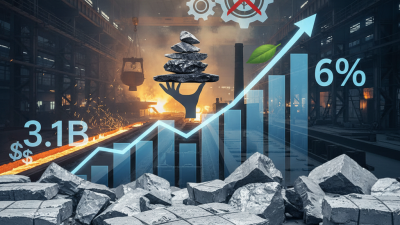
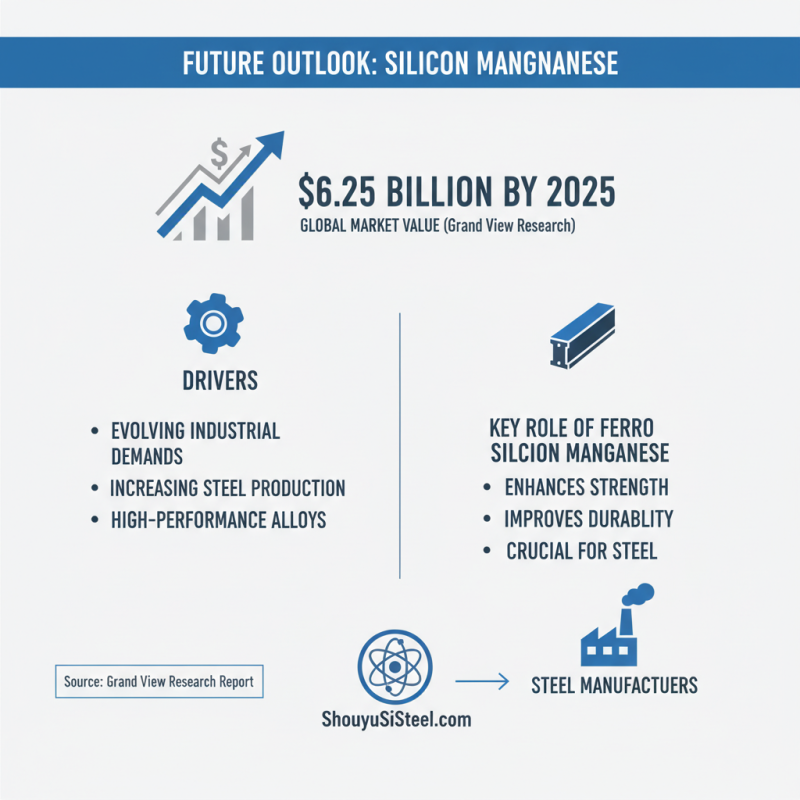
The silicon manganese market is evolving, driven by changing demands in various industries. According to a recent report by Grand View Research, the global silicon manganese market is expected to reach $6.25 billion by 2025. This growth is primarily fueled by the increasing demand for Ferro Silicon Manganese in the steel production sector. Steel manufacturers seek high-performance alloys, and silicon manganese plays a crucial role in enhancing strength and durability.
As the market expands, suppliers must adapt to shifting dynamics. The demand for silicon manganese in renewable energy applications is rising. A significant trend is the integration of silicon manganese in battery systems, responding to the electric vehicle boom. The International Energy Agency projects a 35% annual growth in electric vehicle sales until 2030. Such projections mean that silicon manganese suppliers need to improve their supply chain efficiency and production capabilities.
Nonetheless, challenges persist. Fluctuations in raw material prices can disrupt supplier operations. Additionally, quality control remains critical amidst growing production volumes. Suppliers must invest in advanced technologies to ensure they meet industry standards consistently. Balancing quality with cost-effectiveness is a nuanced task that requires continuous improvement and monitoring. The future of silicon manganese suppliers hinges on their ability to navigate these complexities while meeting rising market demands.
FAQS
: The main driver is the steel industry, which saw demand rise to about 7 million metric tons in 2022.
Demand is projected to grow by 5% each year, influencing supply chain dynamics.
Suppliers are encountering shipping delays and rising logistics costs, increasing operational difficulties.
Stricter emissions standards require significant investment in cleaner technologies, creating financial strain.
Prices have shown volatility, fluctuating by 30% over the past year, affecting profitability.
Almost 70% of suppliers report difficulties in meeting strict environmental regulations.
Forming partnerships with tech providers specializing in green solutions can help manage compliance pressures.
The market is expected to reach $6.25 billion by 2025, driven by demand in steel production.
The electric vehicle boom is increasing the need for silicon manganese in battery systems significantly.
Maintaining quality control while balancing costs is a complex task as production volumes rise.
Conclusion
Silicon Manganese plays a crucial role in various industrial applications, particularly in steelmaking and alloys production due to its ability to enhance strength and oxidation resistance. As the demand for Silicon Manganese continues to rise, selecting the right wholesale suppliers becomes essential. This involves considering factors such as product quality, pricing, reliability, and customer support.
The landscape of Silicon Manganese suppliers in China is evolving, with notable suppliers demonstrating key features such as competitive pricing, advanced technologies, and robust supply chains. However, the industry faces challenges including fluctuations in raw material costs and environmental regulations that could impact production. Looking ahead, the future for Silicon Manganese suppliers appears positive, driven by increasing market demand and advancements in manufacturing processes.



 Contact Email
 Contact Whatsapp