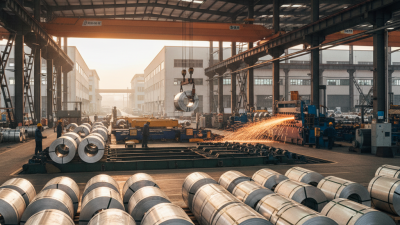
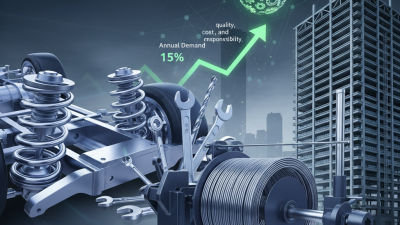
In the world of manufacturing, finding top-quality Silicon Steel is more important than you might think. Dr. John Whitman, a true expert from Global Metals Inc., often points out that, "Getting the right Silicon Steel can really boost efficiency and overall performance." It’s a simple reminder that choosing the right materials isn’t just a detail — it’s a key part of the whole production process.
As manufacturing around the globe keeps growing, the demand for high-grade oriented Silicon Steel is also on the rise. But sourcing this specialized material isn’t always straightforward. It comes with its fair share of challenges, like ensuring the quality stays consistent, relying on trustworthy suppliers, and dealing with price swings. Many companies find themselves caught in a tricky balancing act—trying to keep costs down without sacrificing quality. And let’s face it, finding dependable suppliers often means building strong industry relationships and investing quite a bit of time.
It’s also really important to keep an eye on the market. Demand can vary a lot, which impacts how much supply is available and can cause prices to bounce around. So, staying informed and flexible is the way to go. Having reliable partners at your side is essential. By exploring different sources for Silicon Steel, manufacturers can build better resilience against market shifts. In this ever-changing landscape, having a smart strategy can help minimize risks and make sure you’re making the most out of your investments.
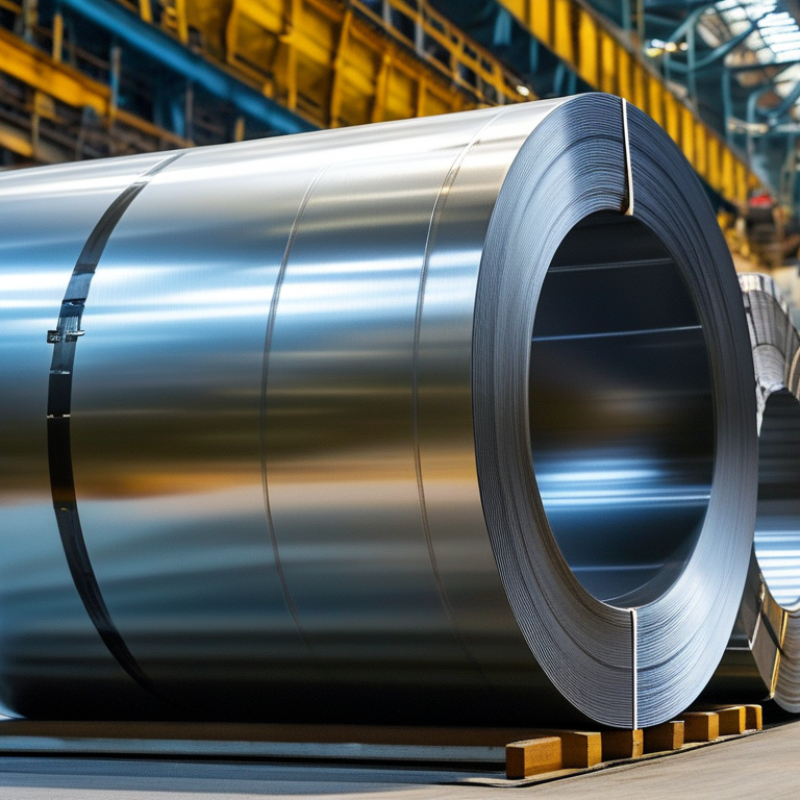
Understanding Silicon Steel and Its Applications in Manufacturing
Silicon steel is crucial in manufacturing, especially for electrical applications. This unique alloy contains silicon, which enhances magnetic properties. It's commonly used in transformers and electric motors, where efficiency is key. The presence of silicon reduces energy losses, making devices more effective.
In the manufacturing process, the quality of silicon steel can greatly impact performance. Variability in the alloy's composition can lead to inconsistencies in magnetic properties. This highlights the importance of sourcing high-quality material to ensure reliability. Suppliers must also meet international standards, which can sometimes be challenging.
Understanding these intricacies can help manufacturers make informed decisions. Evaluating potential suppliers based on their knowledge and experience is vital. It may take time to find the right source, but it pays off by improving end-product efficiency. Regular quality checks can also uncover underlying issues that affect production. Emphasizing these aspects can ensure successful manufacturing practices in the long run.
Key Properties of Silicon Steel Relevant to Global Manufacturing
Silicon steel, a vital material in manufacturing, possesses unique properties that drive its demand globally. Its high magnetic permeability is crucial for industries like electric vehicles and renewable energy. According to a report from the International Energy Agency, the use of silicon steel in electric motors can improve energy efficiency by up to 30%. This efficiency not only enhances performance but also aids in reducing carbon footprints.
Additionally, the mechanical strength of silicon steel plays a significant role in its applications. Understanding the tensile strength and ductility is key for manufacturers. Reports indicate that silicon steel can maintain its structural integrity even under high-stress conditions. However, varying grades pose challenges. Manufacturers must consider the magnetic and mechanical properties carefully to ensure product reliability.
While silicon steel has notable advantages, it isn’t without limitations. Cost factors and availability can fluctuate. Sourcing from different regions may lead to inconsistencies in quality. Manufacturers often face a dilemma in balancing cost with performance. Thorough assessment and strategic procurement are essential for aligning with global manufacturing standards.
Identifying Major Suppliers of Silicon Steel Worldwide
When sourcing Silicon Steel for global manufacturing, understanding the landscape of suppliers is crucial. Silicon Steel is vital for producing electrical components. Its unique magnetic properties enhance energy efficiency. Identifying suppliers involves looking at regions with established steel production.
China, Japan, and South Korea are significant players in Silicon Steel production. They have advanced technology and experience in manufacturing high-quality materials. Many suppliers focus on meeting international standards for performance and sustainability. However, it's essential to assess the reliability of these suppliers. Not all can guarantee consistent quality.
Exploring emerging markets is also worth considering. Countries like India and Brazil are developing their capabilities in Silicon Steel. While they may offer competitive pricing, there can be challenges with consistency and quality. Researching and developing relationships with suppliers ensures a steady supply. Engaging with local experts can help navigate this complex industry.
Evaluating Quality Standards for Silicon Steel Sourcing
When sourcing silicon steel, quality standards play a critical role. Buyers should focus on mechanical properties, ductility, and magnetic characteristics. Those factors determine how well the steel performs in applications like transformers and electric motors. Low Silicon Steel can sometimes meet specific needs, but it’s crucial to assess its suitability for your project requirements.
Testing is essential. Detailed examinations underline the importance of quality checks. Conducting tensile tests and evaluating grain size can provide insights into material performance. It’s not uncommon for manufacturers to overlook these tests, which can lead to unforeseen issues later. Relying solely on specifications without hands-on evaluations can be misleading.
Selecting a reliable supplier is equally crucial. Frequent audits and certifications can ensure compliance with international standards. However, not all suppliers maintain rigorous documentation. Transparency in the sourcing process is vital. Companies should foster partnerships with suppliers who prioritize quality and reliability. This approach can mitigate risks associated with poor-quality steel and reinforce a commitment to excellence in manufacturing.
How to Source Silicon Steel for Global Manufacturing Needs? - Evaluating Quality Standards for Silicon Steel Sourcing
| Property |
Standard Specification |
Typical Applications |
Country of Origin |
| Magnetic Flux Density |
≥ 1.8 T |
Transformers, Motors |
Japan |
| Electrical Resistivity |
≤ 0.5 μΩ·m |
Electronic Devices |
South Korea |
| Thickness |
0.35 mm - 0.65 mm |
Automotive Applications |
Germany |
| Silicon Content |
Around 3% - 4% |
Power Generation |
USA |
| Coating Type |
Insulation Coating |
Electrical Equipment |
China |
Cost Considerations When Sourcing Silicon Steel Globally
Sourcing silicon steel globally requires a careful analysis of costs. When evaluating M36 Silicon Steel, various factors impact pricing. Raw material availability affects supply chains. Fluctuations in metal prices can alter budgets. Import tariffs and shipping fees must also be considered. Different suppliers might offer varying costs based on their location and production scale.
Establishing relationships with multiple suppliers is essential. This helps in negotiating better prices and terms. However, maintaining quality alongside cost can be challenging. Some suppliers may offer cheaper alternatives but compromise on quality. It’s important to weigh these options carefully. Investing in high-quality M36 silicon steel can lead to long-term savings and efficiency gains in manufacturing.
Risk mitigation is a crucial element in budget planning. Currency exchange rates can influence overall expenses. Unexpected increases in freight costs may arise, affecting budgets. It is wise to have contingency plans in place. These strategies can help manage financial impacts when sourcing silicon steel for manufacturing needs.
Logistics and Supply Chain Management for Silicon Steel
Logistics and supply chain management play a crucial role in sourcing silicon steel for global manufacturing. According to industry reports, over 70% of production costs in the steel supply chain are driven by logistics. Efficient management can reduce lead times and enhance delivery reliability. Integrating advanced analytics into logistics can optimize transportation routes, resulting in up to a 15% reduction in shipping costs.
The global demand for silicon steel is projected to rise, driven by increased need for energy-efficient motors. However, challenges persist. Fluctuating raw material prices and global shipping disruptions affect availability. Manufacturers must develop strategies that ensure a steady supply. Collaborating with local suppliers can mitigate risks related to distant sourcing.
In this ever-evolving landscape, flexibility and responsiveness are essential. Companies need to monitor inventory levels rigorously. A recent study highlighted that 30% of manufacturers reported issues due to stockouts in the past year. Continuous improvement in logistics and supply chain processes can address these concerns. Companies must reflect on their strategies often to adapt to market changes.
Future Trends in Silicon Steel Production and Sourcing
The demand for silicon steel is increasing rapidly in global manufacturing. This material is essential for producing high-performance electric motors and transformers. According to recent industry reports, the market for High Silicon Steel is projected to grow at a CAGR of 8.5% through 2028. Factors driving this growth include rising renewable energy investments and the electrification of vehicles.
However, sourcing silicon steel poses challenges. Supply chain disruptions can lead to delays. Quality control remains a concern, especially when sourcing from multiple regions. Manufacturers must ensure that the steel meets high performance standards. Companies are increasingly looking at alternative sourcing strategies, such as direct partnerships with steel producers. Data suggests that vertically integrated supply chains will become more common to mitigate risks.
The future of silicon steel production looks promising, yet complex. Innovations in production technologies are expected. Researchers are exploring new alloys to enhance performance. However, adjusting to these innovations may take time. Firms must balance immediate needs with long-term strategies. Understanding market dynamics and regional strengths is critical for successful sourcing.
Exploring Leading Manufacturers of High-Performance Silicon Steel for the Chinese Market: Quality and Innovation in Magnetic Materials
Oriented silicon steel is a pivotal soft magnetic material celebrated for its exceptional magnetic conductivity, making it indispensable in the power industry. This high-performance material is primarily utilized in the iron cores of energy conversion and transmission equipment, which operate under power frequency magnetic fields. Its applications are critical in core components such as transformers and reactors, where efficiency and reliability are paramount.
In the quest for energy solutions, sourcing quality-oriented silicon steel from reputable suppliers is crucial for manufacturers aiming to meet the growing demands of the Chinese market. The production is carried out in advanced facilities that adhere to stringent quality standards, ensuring that the material not only meets but exceeds industry requirements. By investing in high-quality oriented silicon steel, companies can significantly enhance the performance of their products in power systems, thereby driving innovation and maintaining a competitive edge in a rapidly evolving energy sector.
FAQS
: Silicon steel is an alloy that contains silicon. It enhances the magnetic properties of materials.
It is essential for electrical applications like transformers and electric motors. Efficiency is key in these devices.
The addition of silicon reduces energy losses. This makes electrical devices more effective in performance.
Quality is vital. The composition variability can affect magnetic properties and overall performance.
Poor-quality suppliers can lead to inconsistencies. This highlights the need for regular quality checks.
Raw material availability, metal price fluctuations, import tariffs, and shipping fees all affect pricing.
Strong relationships help negotiate better prices. However, it’s crucial to maintain quality while seeking lower costs.
Currency exchange rates and unexpected freight costs can increase expenses. Contingency plans can help manage these risks.
Cheaper alternatives may lead to long-term inefficiencies. Weighing options carefully is necessary for success.
Regular inspections are essential. They can uncover underlying issues that may affect production efficiency.
Conclusion
Silicon steel is a crucial material in the manufacturing industry, known for its application in electrical engineering and its ability to enhance magnetic properties in transformers and motors. Understanding its unique properties, such as high permeability and low core loss, is vital for global manufacturers looking to optimize their products. Identifying reputable suppliers worldwide is essential, alongside evaluating the quality standards that ensure the material meets specific industrial requirements.
Cost considerations and effective logistics are also significant factors when sourcing silicon steel. As the market evolves, future trends point towards innovations in silicon steel production that could enhance efficiency and sustainability. Manufacturers must stay informed about these trends to maintain a competitive edge in the global market while navigating the complexities of supply chain management associated with silicon steel.



 Contact Email
 Contact Whatsapp