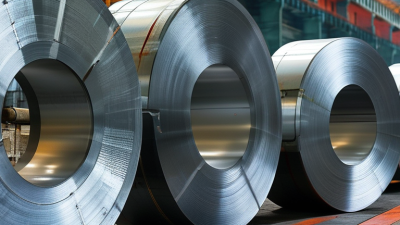
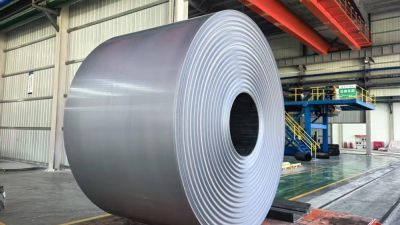
In the world of electrical engineering, Slit Silicon Steel Strip really plays a crucial role, especially when it comes to making transformers and motors. I mean, experts like Dr. Emily Wang from Steel Innovations Inc. often point out that, 'How well energy is converted depends a lot on the quality of the Slit Silicon Steel Strip you're using.' That really highlights just how vital this material is in our tech today.
So, how is this strip made? Well, it goes through a pretty precise slitting process that boosts its magnetic qualities. That, in turn, helps electrical devices run more efficiently and reliably, plus it cuts down on costs. More and more companies are jumping on board with using this material because of its key advantages—mainly, reducing energy waste.
But, of course, as demand grows, there are some hurdles to overcome. Quality control can be tricky, and sourcing the right raw materials isn’t always easy. Manufacturers need to keep innovating without sacrificing sustainability—it's a tightrope walk. As Dr. Wang mentioned, 'Balancing industry needs with maintaining honesty in production is no small feat.' Overall, finding that sweet spot between quality and efficiency is pretty much the name of the game as the industry continues to evolve.
Definition and Characteristics of Slit Silicon Steel Strip
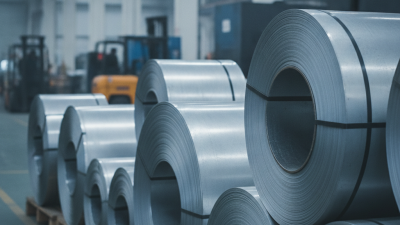
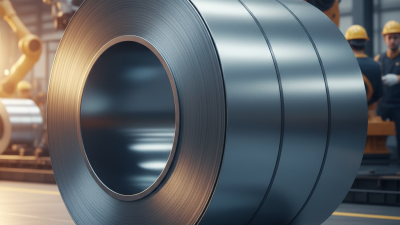
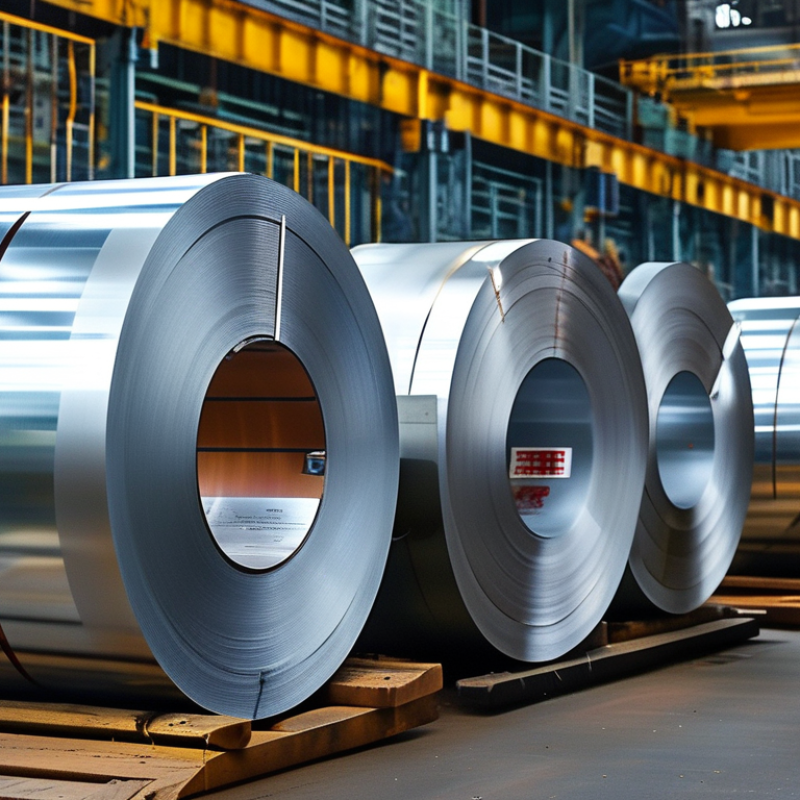
Slit Silicon Steel Strip is a specialized product made from silicon steel, which is primarily used in electrical applications. This material is characterized by its high magnetic permeability, which enhances its efficiency in power transformers and electric motors. These strips are produced by slitting larger rolls of silicon steel into thinner widths, allowing for easier handling and processing.
The characteristics of Slit Silicon Steel Strip include excellent electrical conductivity and mechanical strength. The silicon content typically ranges from 2% to 4.5%, which significantly improves the core loss and magnetic performance. This makes it an ideal choice for energy-efficient devices. The strips are often coated to provide better insulation and reduce eddy current losses.
Tips on selecting the right Slit Silicon Steel Strip include considering the thickness and width required for your application. Testing for magnetic properties can help in assessing suitability. Ensure that the manufacturing process adheres to quality standards to guarantee reliable performance in critical environments. Remember, not all silicon steel is equal, and small variations can affect end-use performance.
Manufacturing Process of Slit Silicon Steel Strip
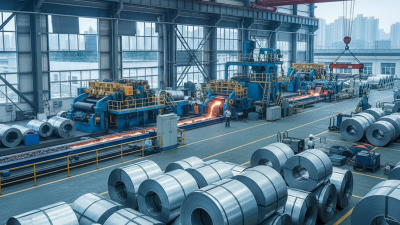
Slit silicon steel strip is a crucial material used in various industries, especially in electrical applications. The manufacturing process is intricate and requires precision. It begins with large coils of silicon steel. These coils undergo several key processes to achieve the desired dimensions and properties.
The first step involves slitting the coils into narrower strips. This is done using high-precision slitting machines. The machines can handle different thicknesses and widths of strips. After slitting, the strips go through annealing, an essential process that enhances magnetism. It’s important to control temperature and time precisely. Any deviation can lead to inconsistent material properties.
In terms of quality, monitoring during production is vital. Regular checks ensure that the strips meet specifications. However, imperfections can still occur. Small defects might go unnoticed, leading to future issues in applications. Users should evaluate material performance critically to avoid downstream complications.
When selecting slit silicon steel strips, consider the end application. Different applications might require different grades of silicon steel. Always verify that the material meets your project’s specifications. Communication with manufacturers can clarify any uncertainties. Quality assurance helps prevent costly mistakes later.
Advantages of Using Slit Silicon Steel Strip
Slit silicon steel strip is a specialized material used extensively in electrical applications. One major advantage of this material lies in its magnetic properties. It is highly efficient for transformers and electric motors. The strip reduces energy loss during operation, enhancing overall performance. Engineers appreciate this efficiency when designing energy-saving devices.
Another significant benefit is its ease of fabrication. The slit strips can be produced in various sizes and thicknesses. This adaptability allows manufacturers to tailor products to specific needs. For instance, a thin strip is ideal for small motors, while a thicker option suits larger transformers. Users often find that customizing dimensions can lead to improved fit and functionality.
Despite its advantages, there are challenges. Handling silicon steel requires precision. Incorrect handling can lead to damage or defects. Additionally, the production process must be closely monitored. Any deviations can compromise the material's performance. These factors highlight the importance of experienced professionals in the processing and application of slit silicon steel strips.
Common Applications of Slit Silicon Steel Strip in Industry
Slit Silicon Steel Strip is vital in various industrial sectors. Its unique magnetic properties make it an excellent choice for electrical applications. Widely used in transformers and electrical motors, these strips enhance efficiency. In modern technology, businesses rely heavily on these materials to ensure optimal performance.
In manufacturing, Slit Silicon Steel Strip finds its way into numerous components. For instance, in the automotive industry, it is essential for electric vehicle motors. The lightweight nature contributes to overall energy efficiency. Additionally, it is crucial in wind turbine applications, allowing for better energy conversion. The versatility of Silicon Steel Strip is noteworthy. While it excels in magnetic performance, sourcing high-quality strips remains challenging at times.
Reliability is a key factor in the use of Slit Silicon Steel Strip. Industries need consistent performance to avoid costly downtimes. However, not every supplier meets stringent quality standards. This inconsistency can lead to performance issues in final products. Companies must be diligent in selecting partners to ensure reliability and quality.
Comparison with Conventional Steel Strips
Slitted Silicon Steel Strip stands out when compared to conventional steel strips in several ways. Primarily, it contains silicon, which enhances its electrical properties. This material is extensively used in transformers and electric motors. Research indicates that the efficiency of devices using Slitted Silicon Steel Strip can be significantly higher due to reduced energy losses during operation. According to a recent industry report, the global market for silicon steel is projected to exceed $25 billion by 2025, reflecting its growing relevance.
While conventional steel strips are often robust, they lack the specific magnetic properties essential for electrical applications. In contrast, Slitted Silicon Steel Strip allows for better magnetic flux density. A recent study showed that the use of silicon steel can reduce core losses by over 30% compared to traditional materials. This is crucial for manufacturers aiming to improve the energy efficiency of their products.
Understanding the specifications is vital. Slitted Silicon Steel Strip usually has a thickness ranging from 0.23 mm to 0.65 mm. This versatile range allows for customized applications. Poor quality or inaccurate thickness measurements can lead to inefficiencies. Ensure your supplier meets the necessary standards for precision. Keep in mind that while these strips provide excellent performance, improper handling can cause damage, leading to increased costs and waste.
Future Trends in Slit Silicon Steel Strip Technology
The future of Slit Silicon Steel Strip technology looks promising. Manufacturers are investing in advanced processing techniques to enhance material properties. This focus on innovation leads to better efficiency and durability in products. Enhanced electrical performance is a key goal. As industries seek more energy-efficient solutions, the demand for Oriented Silicon Steel Strip grows steadily.
Sustainability is also a driving force. Companies are exploring eco-friendly production methods. This reflects a broader trend towards reducing carbon footprints. However, challenges exist in balancing cost and sustainability. Innovations must not only meet performance standards but also remain economically viable. New recycling methods for silicon steel are on the horizon, posing both opportunities and challenges for manufacturers.
Emerging trends include the integration of smart technologies. Sensors embedded in steel strips could monitor performance in real-time. This data-driven approach has the potential to revolutionize maintenance strategies. Yet, such advancements require careful consideration of cybersecurity risks. The future of Slit Silicon Steel Strip will be shaped by how well the industry navigates these complexities.
Environmental Considerations in the Production of Silicon Steel Strip
The production of slit silicon steel strips raises important environmental considerations. The manufacturing process often involves energy-intensive methods contributing to greenhouse gas emissions. According to a recent industry report, steel production is responsible for approximately 7% of global CO2 emissions. Efforts to reduce these emissions are crucial in combating climate change.
Recycling plays a significant role in mitigating environmental impacts. Utilizing scrap metal can cut energy consumption by up to 75%. However, the recycling process itself can generate waste and pollutants. It's essential for manufacturers to adopt cleaner technologies. This includes methods that lower emissions and improve resource efficiency.
Implementing stringent regulations and best practices can drive the industry forward. Many companies are exploring innovative ways to minimize their carbon footprint. Monitoring emissions during production not only ensures compliance but also improves public trust. Balancing productivity with environmental responsibility remains a challenge, requiring ongoing evaluation and adaptation.
Production and Environmental Impact of Slit Silicon Steel Strip
This chart displays key environmental metrics involved in the production of slit silicon steel strips. The data highlights production rates, carbon dioxide emissions, and water usage, emphasizing the importance of sustainability in the manufacturing process.
Understanding Magnetic Property Testing for High-Performance Silicon Steel: Insights from China Suppliers Factory
Understanding the nuances of magnetic property testing is essential for the production of high-performance silicon steel. Our China-based factory employs an advanced, full-process closed-loop magnetic testing system that meticulously examines each batch of oriented silicon steel. This system ensures the materials exhibit low magnetic losses and high magnetic induction, critical attributes for applications in energy-efficient transformers and electrical devices.
By adhering to rigorous testing protocols, we guarantee consistent quality throughout our production process. Our commitment to excellence not only allows us to meet the demanding standards of the industry but also positions us as a trusted supplier to clients looking for superior performance in their magnetic materials. Our experienced team is dedicated to harnessing cutting-edge technology to enhance the magnetic properties of our silicon steel products, thereby contributing to greater efficiency and reliability in various applications.
FAQS
: They are vital in electrical applications, enhancing efficiency in transformers and electric motors.
Their lightweight nature contributes to energy efficiency in electric vehicle motors.
They have superior magnetic properties, leading to reduced energy losses during operation.
Typically, their thickness ranges from 0.23 mm to 0.65 mm for varied applications.
Finding high-quality strips can be tough, and not all suppliers meet strict quality standards.
Manufacturers are investing in advanced processing and sustainable production methods.
It may lead to damage, resulting in increased costs and waste for companies.
Companies aim to reduce carbon footprints while balancing performance and cost-efficiency.
Embedded sensors could allow for real-time performance monitoring, improving maintenance strategies.
There are cybersecurity risks that need careful consideration as technologies advance.
Conclusion
Slit Silicon Steel Strip is a high-performance material widely used in various industrial applications due to its unique characteristics. This article explores its definition, highlighting the key features that distinguish it from conventional steel strips. The manufacturing process involves precision slitting techniques that ensure optimal dimensions and properties, making it suitable for efficient energy use in electrical applications.
The advantages of using Slit Silicon Steel Strip include improved magnetic properties, reduced energy losses, and enhanced durability. Common applications span across transformers, electric motors, and generators, where efficiency is paramount. A comparison with conventional steel strips reveals significant benefits in performance and sustainability. Looking ahead, advancements in Slit Silicon Steel Strip technology may further enhance its application potential, while environmental considerations during production underscore the importance of sustainability in manufacturing practices.



 Contact Email
 Contact Whatsapp