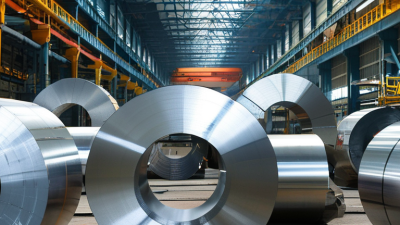
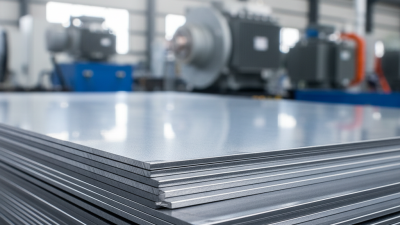
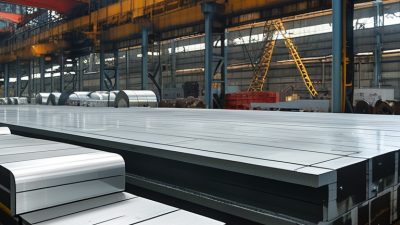
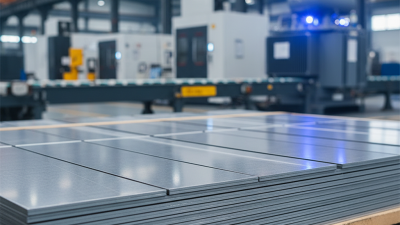
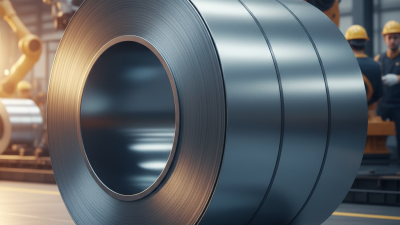
You know, when it comes to modern manufacturing these days, Silicon Steel really is a game-changer. It's this specialized kind of material that's pretty much essential for making electrical components that are both powerful and efficient. Experts often point out just how important it is across all kinds of industries — from autos to renewable energy projects, you name it. I remember Dr. Emily Chen from Global Materials Research mentioning, 'Silicon Steel is key for boosting energy efficiency in electrical devices,' and honestly, she’s spot on.
Now, especially the high-grade oriented Silicon Steel Sheets, they’ve got these amazing magnetic properties that help cut down energy losses during operation. It’s no wonder manufacturers are leaning more and more on this material to keep up with the increasing demand for sustainability and top performance. That said, it’s not all smooth sailing — sourcing good quality Silicon Steel can be pretty tricky. Prices can swing, and supply chain hiccups happen more often than we'd like.
For manufacturers, keeping an eye on these ups and downs is crucial. They really need to stay adaptable to market changes. Investing in new tech and processes can make a big difference when it comes to making the most of Silicon Steel’s potential. As everyone’s eyeing more efficient electrical systems, Silicon Steel’s going to stay front and center — its importance in building a more sustainable future isn’t something to overlook at all.
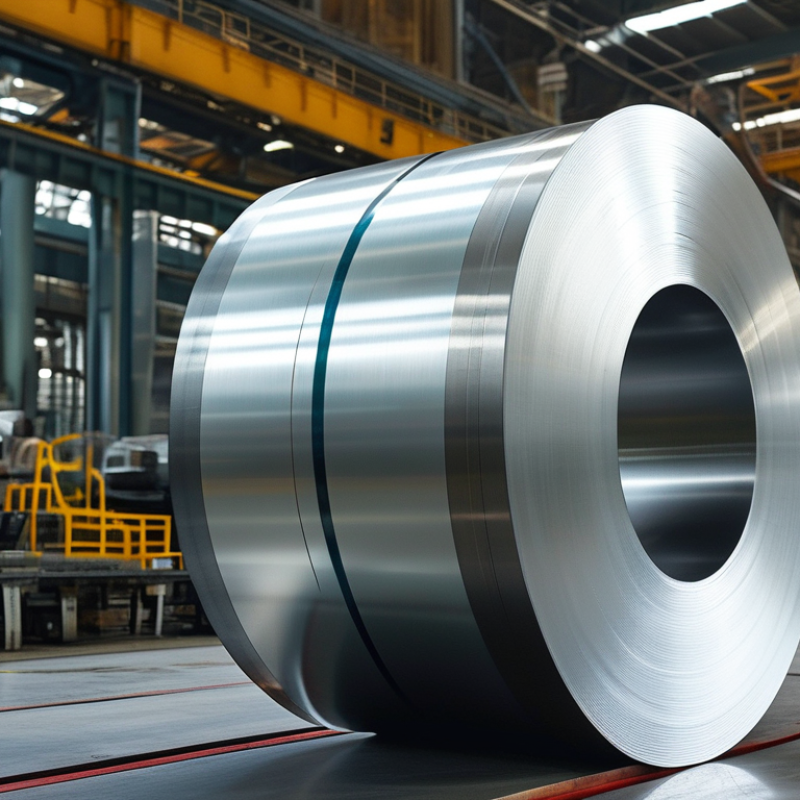
The Role of Silicon Steel in Electrical Engineering and Manufacturing
Silicon steel plays a crucial role in electrical engineering and manufacturing. This specialized material enhances the efficiency of electric motors and transformers. The addition of silicon improves the magnetic properties of steel, reducing energy losses. Manufacturers are keenly aware of these benefits when designing electrical components.
The manufacturing process requires precise control. It is essential to maintain a consistent silicon content in the steel. Variations can lead to subpar electrical performance. Engineers often study the fine-tuning of silicon levels to achieve optimal results. Testing and validation of each batch become critical steps in production.
Tips for engineers include focusing on the alloying process. Invest time in understanding how different compositions impact performance. Regularly review production methods to ensure high standards. Consult with specialists on best practices. Continuous improvement is key in the evolving landscape of electrical engineering. Address challenges proactively to stay competitive.
Key Properties of Silicon Steel and Their Impact on Performance
Silicon steel is pivotal for manufacturers globally, especially in the electrical and automotive sectors. This material stands out due to its magnetic properties. By adding silicon, the electrical resistivity increases, which enhances its efficiency. This makes silicon steel ideal for transformers and electric motors. High permeability allows for better energy transfer, essential in modern technology.
Another major benefit of silicon steel is its reduced core loss. Lower energy losses during operation translate into better overall performance. However, achieving the perfect balance between silicon content and mechanical strength can be challenging. Manufacturers often face difficulties in optimizing these properties for specific applications. Thus, the right formulation is critical for maximizing performance.
The production process of silicon steel is intricate. Each step can affect its final properties. Temperature control and the cooling process must be precise. Many manufacturers are still exploring methods to improve these processes. With continuous advancements, the industry must address existing limitations. Such efforts will ensure silicon steel remains relevant and effective in the ever-evolving landscape of global manufacturing.
Global Demand for Silicon Steel: Statistics and Trends
The global demand for Silicon Steel continues to rise, driven by its critical role in manufacturing. As industries shift towards eco-friendly technologies, Silicon Steel is vital for enhancing energy efficiency in electrical devices. It is used extensively in transformers and electric motors. These applications require materials that reduce energy losses and improve performance.
Recent statistics reveal a significant uptick in consumption. The electric vehicle sector accounts for a large portion of this growth. Automakers are increasingly integrating Silicon Steel in motors and charging stations. Its unique properties help reduce weight while maximizing power output. However, sourcing high-quality Silicon Steel remains a challenge. Some manufacturers struggle with inconsistencies in supply.
Moreover, trends indicate that this demand will only grow. Investment in renewable energy, such as wind and solar, relies heavily on Silicon Steel for turbine components. Despite its importance, many manufacturers lack sufficient expertise in processing this material effectively. This gap presents a learning opportunity for those in the sector. Adapting to these trends is crucial for manufacturers wanting to remain competitive in the evolving market.
Why is Silicon Steel Essential for Global Manufacturers? - Global Demand for Silicon Steel: Statistics and Trends
| Region |
Market Size (USD Billion) |
Growth Rate (%) |
Key Applications |
| North America |
3.2 |
4.5 |
Electric Motors, Transformers |
| Europe |
2.5 |
3.8 |
Renewable Energy, Automotive |
| Asia Pacific |
8.5 |
6.7 |
Consumer Electronics, Home Appliances |
| Latin America |
1.2 |
5.1 |
Industrial Equipment |
| Middle East & Africa |
0.9 |
3.0 |
Power Generation, Telecommunications |
Silicon Steel in the Production of Electric Motors and Transformers
Silicon steel plays a crucial role in the production of electric motors and transformers. This material is highly valued for its magnetic properties, which significantly enhance efficiency. For instance, silicon content in electrical steel can improve energy losses by up to 30%. This reduction is critical for manufacturers aiming to meet global energy efficiency standards.
Electric motors, essential in various industries, rely heavily on silicon steel. The efficiency of these motors directly impacts their performance and lifespan. According to industry studies, using high-grade silicon steel can reduce vibration and noise, leading to improved operation. In fact, transformers made with silicon steel can achieve efficiency rates of over 98%. However, sourcing quality silicon steel remains a challenge. It requires meticulous processing and adherence to precise specifications.
Transformers not only distribute electricity but also regulate voltage levels. Utilizing silicon steel in transformers aids in minimizing heating, which can lead to failures. Reports suggest that neglecting material quality can decrease a transformer's lifespan. Insufficient attention to these details can have a cascading effect on performance and reliability. Manufacturers face a pressing need to continuously innovate their sourcing and processing methods to maintain competitive advantages in this essential component.
Environmental Benefits of Silicon Steel: Efficiency and Sustainability
Environmental benefits of silicon steel are significant. The material has high magnetic efficiency, which directly impacts energy consumption. By using silicon steel, manufacturers can minimize energy losses in their production processes. High efficiency means less energy is needed to achieve the same outputs. This reduces the overall carbon footprint of both the manufacturing process and the end product.
Silicon steel also promotes sustainability. It can be recycled many times without losing its properties. This recycling aspect contributes to a circular economy, reducing waste and resource depletion. Companies that prioritize silicon steel reflect a commitment to environmental responsibility. However, challenges remain in sourcing and processing. Some processes for silicon steel yield byproducts that can be harmful if not managed properly.
Using Low Silicon Steel could bring about even more efficiency. Yet, the adoption is uneven, with some manufacturers hesitant to switch. Implementing this change requires investment and awareness. Overcoming these barriers is critical for long-term sustainability in manufacturing. It raises important questions about responsibility in production and consumption. Transitioning to silicon steel is a step towards a greener future but requires ongoing reflection and improvement.
Advancements in Silicon Steel Technology and Future Innovations
Silicon steel technology plays a crucial role in the manufacturing industry. Recent advancements have improved its magnetic properties. These enhancements lead to better energy efficiency in applications like transformers and electric motors. In fact, studies show that using high-quality silicon steel can reduce energy losses by over 30%. This is vital, especially as energy demands rise globally.
The future of silicon steel looks promising. Innovations in alloys and production methods continue to emerge. For instance, M36 Silicon Steel has gained attention for its superior performance. It is designed to perform well under high temperatures and electrical loads. These features make it essential for electric vehicles and renewable energy systems. However, challenges remain, such as the need for sustainable production processes. Balancing performance with environmental impact is an ongoing discussion among manufacturers. Thus, continuous research is necessary.
Industry experts indicate that the market for silicon steel is expected to grow significantly. According to recent reports, the compound annual growth rate (CAGR) is projected to exceed 7% by 2027. This growth emphasizes the importance of silicon steel in addressing global energy challenges. Manufacturers must adapt to these trends and invest in innovation. Otherwise, they risk falling behind in a rapidly evolving market.
Challenges Faced by Silicon Steel Manufacturers in the Global Market
Silicon steel, critical for transformers and electric motors, faces supply chain challenges in the global market. The demand for high-efficiency electrical components drives the growth of silicon steel production. According to a report from MarketsandMarkets, the silicon steel market is projected to reach $19.7 billion by 2026, growing steadily at a CAGR of 6.9%. This reflects an increasing reliance on renewable energy technologies and electric vehicles.
Manufacturers often encounter fluctuating raw material prices, impacting production costs. Additionally, geopolitical tensions can disrupt supply chains, leading to delays in sourcing materials. There's also pressure to innovate. Companies strive to enhance the magnetic properties of High Silicon Steel while maintaining cost efficiency. Reports indicate that achieving optimal silicon content can be challenging. Such complexities can deter smaller manufacturers from entering the market.
Ensuring quality in production is vital. High silicon steel must meet precise specifications to serve its purpose in high-performance applications. The manufacturing process requires strict quality control measures. Companies should invest in advanced technologies to monitor production quality effectively.
Tip: Collaborate with research institutions for insights on improving silicon steel performance. Another tip is to optimize production processes to reduce waste and enhance efficiency. This proactive approach may mitigate some challenges in the evolving landscape of silicon steel manufacturing.
FAQS
: Silicon steel is crucial for electric motors and transformers, enhancing their efficiency and performance.
The addition of silicon improves magnetic properties, reducing energy losses significantly in electrical applications.
Variations in silicon content can lead to poor electrical performance and diminished efficiency in the final products.
Engineers should invest time in understanding the alloying process to optimize the material's performance and application.
Sourcing quality silicon steel is difficult and requires precise processing to ensure high performance and reliability.
Using quality silicon steel helps minimize heating, which is essential for maintaining a transformer's lifespan and preventing failures.
Innovations are happening in alloy compositions and production methods, improving energy efficiency and magnetic properties.
Manufacturers are pressured to balance performance and environmental impact, making sustainability vital for future practices.
The market is expected to grow by over 7% CAGR by 2027, emphasizing the need for innovation among manufacturers.
Neglecting quality can lead to decreased performance and reliability, impacting the entire production process negatively.
Conclusion
Silicon Steel plays a crucial role in the fields of electrical engineering and manufacturing, primarily due to its unique properties that enhance performance in electric motors and transformers. With the increasing global demand for energy-efficient solutions, the use of Silicon Steel has become essential in creating high-performance electromagnetic components.
The environmental benefits of Silicon Steel are significant, as it contributes to sustainability through improved energy efficiency. Recent advancements in Silicon Steel technology indicate a promising future for innovations that could further optimize its use in manufacturing processes. However, manufacturers face challenges in the global market, such as fluctuating demand and competition, which necessitate ongoing adaptation and development in Silicon Steel production methods. Overall, the importance of Silicon Steel in the manufacturing sector is set to grow as industries strive for both performance optimization and environmental responsibility.


 Contact Email
 Contact Whatsapp