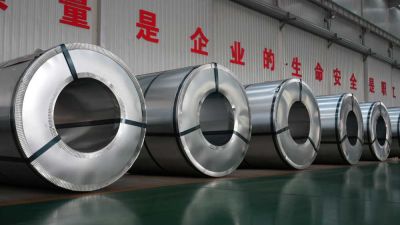
Picking the right Silicon Manganese Steel really can make a big difference in how smoothly your production goes. It’s actually a pretty important alloy in the steel world. According to the International Steel Association, the global demand for it is expected to jump by about 5% a year. That’s mostly because of its awesome properties—stuff like better strength and resistance to rust and corrosion. Pretty impressive, right?
Figuring out which Silicon Manganese Steel is best for your needs depends a lot on what you're using it for. For industries like automotive or construction, things like how easy it is to weld or machine the steel really matter. A study from the Steel Research Institute even found that this alloy can boost toughness and impact resistance thanks to its special mix of elements. But, here’s the catch—finding good quality Silicon Manganese Steel isn’t always a walk in the park. The levels of elements like Ferro Manganese and Silico Manganese can vary a lot, and that can impact how well it performs or how reliable it actually is.
When you’re selecting a supplier, it’s super important to do your homework. Not all manufacturers are on the same level when it comes to quality standards. Big name companies like ArcelorMittal and Tata Steel usually have strict testing processes to keep things consistent. But even then, it’s a smart move to look into how they source their materials and what exactly is in their alloys. At the end of the day, making an informed choice means understanding both the perks of this alloy and any possible drawbacks, depending on how you plan to use it.
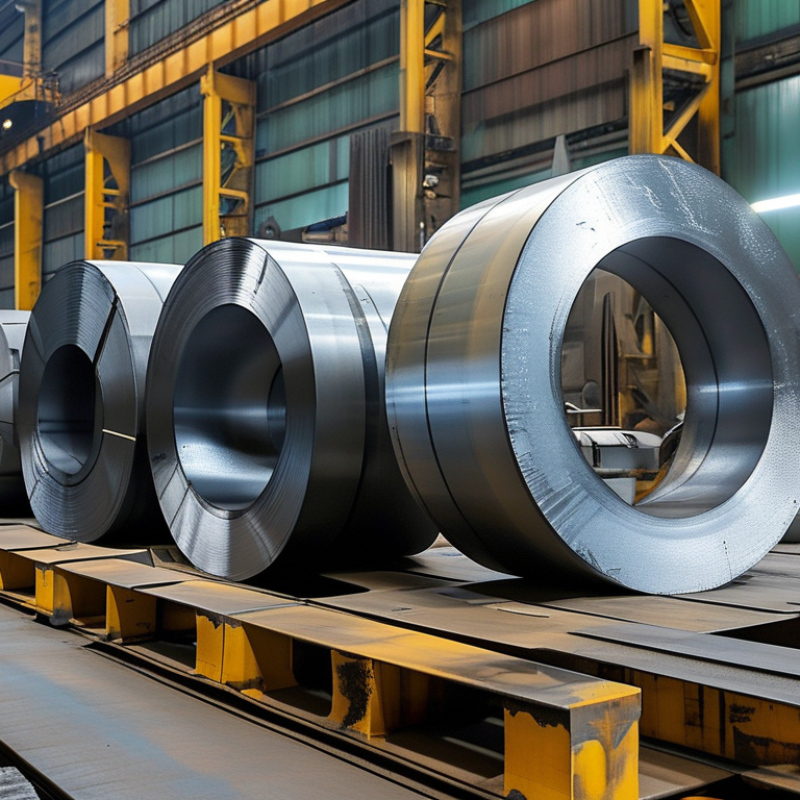
Understanding Silicon Manganese Steel and Its Applications
Silicon Manganese Steel is a crucial alloy used in various industries. It enhances the mechanical properties of steel, making it more durable and resistant to wear. This type of steel contains manganese and silicon, which contribute to its strength and toughness. It’s widely used in manufacturing, construction, and welding applications. However, the choice of Silicon Manganese Steel must align with specific project requirements.
Understanding your project’s needs is vital. If the application requires high tensile strength, selecting a high manganese content may be beneficial. Alternatively, if flexibility is essential, a balance between silicon and manganese is key. The steel's composition significantly impacts its performance, so careful consideration is necessary. Some might underestimate the importance of this decision, leading to performance issues later on.
It's also worth noting that working with Silicon Manganese Steel isn’t without challenges. Different environments can affect its longevity. For instance, exposure to humidity or extreme temperatures may compromise its structural integrity. Evaluating these factors will help ensure the chosen silicon manganese steel meets expectations. Testing small samples before a large-scale application can also provide insights into how the steel will perform in real-world conditions.
Key Properties of Silicon Manganese Steel to Consider
When selecting the right silicon manganese steel, understanding its key properties is crucial. This material is known for its excellent strength and ductility. For instance, silicon manganese steel contains 5-7% silicon and 15-20% manganese. This combination enhances the steel’s toughness and abrasion resistance. According to a study by the International Journal of Materials Science, silicon manganese steel can reduce wear rates by up to 40% in harsh environments.
Another important aspect is its resistance to oxidation. Silicon helps to form a protective oxide layer, which improves the longevity of the steel. Reports indicate that silicon manganese steel exposed to high temperatures maintains structural integrity better than standard grades. This makes it suitable for applications in harsh weather or high-stress environments. However, users should note that variations in composition can lead to inconsistent performance. Regular testing is recommended to ensure the steel meets the required standards.
Finally, the weldability of silicon manganese steel should not be overlooked. While it can be welded successfully, improper techniques may lead to weld defects. An analysis from the Metallurgical Society noted that up to 25% of welds can fail due to incorrect preheating procedures. This highlights the need for skilled labor in handling silicon manganese steel applications. Overall, making an informed choice on materials involves careful consideration of these properties.
Different Grades of Silicon Manganese Steel Explained
When selecting the right Silicon Manganese steel, understanding the different grades is essential. Silicon manganese steel is known for its high strength and ability to withstand corrosion. It comes in various grades, each suited for specific applications. For instance, one grade might offer enhanced ductility, while another provides superior hardness.
Grade classifications focus on silicon and manganese content. Higher silicon percentages improve resistance to oxidation, making the steel ideal for high-temperature applications. Manganese contributes to toughness and wear resistance. Yet, some grades may be less suitable for specific environments. Users should assess the application requirements closely.
In practice, choosing the right silicon manganese steel isn't always straightforward. It's important to match the steel's properties with its intended use. Misjudging requirements can lead to compromised structural integrity. Consulting industry standards and speaking with experts may offer insights that help in making an informed decision. Being aware of these factors can save time and resources in the long run.
Factors Affecting the Selection of Silicon Manganese Steel
Selecting silicon manganese steel requires careful consideration of several factors. One critical aspect is the specific application. Different industries demand varying hardness and tensile strength levels. For example, automotive manufacturers often prioritize lightweight materials. They seek specific Silicon Manganese Uses that enhance both strength and flexibility. Knowing the industry requirements is vital.
Another important factor is the chemical composition. The ratio of silicon to manganese can significantly impact the material’s properties. A higher silicon content typically improves deoxidation during steel production. However, it may also make the steel brittle in certain conditions. It’s essential to balance these elements to meet the intended application while maintaining durability.
While many resources provide guidelines, real-world experience matters. Relying solely on theoretical data may lead to suboptimal choices. Consulting with industry experts can provide insights into practical challenges. Each environment introduces unique stresses and strains. Reflecting on past projects and their outcomes can inform future selections. Ultimately, a comprehensive understanding of silicon manganese uses will enhance decision-making.
Evaluating Manufacturer Reliability and Quality Assurance
When selecting silicon manganese steel, evaluating the manufacturer’s reliability and quality assurance is crucial. A trustworthy manufacturer should have a proven track record. Look for certifications that demonstrate adherence to industry standards. This can indicate a commitment to quality and reliability for your specific needs. Many say that reputation is hard to earn but easy to lose. Checking reviews and ratings can give you insight into a manufacturer’s reliability.
Consider visiting the manufacturer’s facility if possible. This offers a glimpse into their production processes and quality controls. Inspecting the equipment and practices can shed light on their operational efficiency. Questions about their sourcing of materials can uncover their commitment to sustainability. Transparency in their operational practices often speaks to their trustworthiness.
For additional guidance, focus on their customer service approach. Responsive communication can be an indicator of their overall reliability. If they provide prompt and informative answers, it reflects their dedication. Trust your instincts during interactions. If something feels off, it might be worth asking more questions. Investing time in research saves you from potential issues later.
Cost Considerations When Choosing Silicon Manganese Steel
When considering silicon manganese steel, cost is a critical factor. The price of silicon manganese fluctuates based on market demand and production processes. Recent reports indicate that prices have risen by approximately 15% over the past year due to increased demand in the automotive and construction sectors. This surge makes it essential for manufacturers to analyze their budget carefully.
Quality is also linked to cost. Higher-grade silicon manganese often demands a premium. It's vital to balance quality with expense. For instance, some lower-cost options might compromise on alloy proportions. As a result, this may lead to inferior performance in end applications. A study from a leading materials science journal highlighted that using high-quality silicon manganese can enhance weldability and overall strength.
Another consideration is sourcing. Local vs. imported materials can greatly impact costs. While local sourcing may reduce transportation expenses, imported alloys might offer better quality. Evaluating the total cost of ownership, including logistics and lifecycle performance, is essential. Engineers should closely examine both the upfront costs and long-term benefits before making a decision.
Comparing Silicon Manganese Steel with Other Alloys in the Market
Silicon manganese steel is gaining traction in various industries due to its unique properties. Its composition includes silicon, manganese, and iron, which enhance its mechanical strength and formability. When comparing it with other alloys such as stainless steel or carbon steel, silicon manganese steel shows significant advantages. According to a 2022 report by the International Steel Association, it exhibits superior resistance to wear and abrasion. This makes it an ideal choice for construction and mining applications.
Moreover, the production costs for silicon manganese steel are relatively lower compared to some high-alloy steels. This offers manufacturers a competitive edge. However, it's important to note that the alloy's performance can vary based on specific applications. Some users have reported challenges with toughness at lower temperatures. Industry experts recommend conducting thorough material testing to ensure compatibility with operational conditions.
In the realm of alloy selection, it is crucial to consider ASTM standards. These guidelines help identify the right grade of silicon manganese for specific applications. Many engineers often overlook this step. This oversight can lead to suboptimal performance and increased maintenance costs. Understanding the full landscape of silicon manganese steel versus other alloys promotes better decision-making in material selection.
Comparison of Silicon Manganese Steel with Other Alloys
Exploring High Magnetic Induction Grain-Oriented Silicon Steel: A Sustainable Solution in Energy-Saving Power Equipment
High magnetic induction grain-oriented silicon steel (Hi-B) is emerging as a pivotal solution in the landscape of energy-efficient power equipment. As a premium electrical steel, Hi-B is distinguished by its superior magnetic properties and remarkable consistency, making it the go-to material in specialized applications such as ultra-high voltage power transmission and large-scale transformers. Industry reports indicate that these high-end applications necessitate materials that not only enhance efficiency but also significantly mitigate energy losses, aligning with global sustainability goals.
The performance of Hi-B is characterized by its ultra-low iron loss and low noise emissions, which are critical for modern power systems seeking increased reliability and energy conservation. Research demonstrates that utilizing Hi-B in transformer cores can lead to up to 30% reductions in energy losses compared to conventional materials. This efficiency translates into lower operational costs and contributes significantly to achieving dual-carbon objectives aimed at reducing carbon emissions and promoting environmental sustainability in energy production and consumption.
Moreover, the lightweight nature of Hi-B supports innovative designs in power equipment, fostering advancements in rail transit systems and new energy power plants. The ongoing shift towards renewable energy sources and the increasing demands for efficient, high-performing electrical machines position Hi-B as a key player in the future of power infrastructure, paving the way for a greener and more sustainable energy landscape.
FAQS
: Silicon Manganese Steel typically contains 5-7% silicon and 15-20% manganese. These elements enhance its properties.
Knowing project requirements ensures the right steel is chosen. This avoids potential performance issues later on.
Humidity and extreme temperatures can impact its structural integrity. Evaluating these factors is essential for longevity.
The alloy improves wear resistance and toughness. It can reduce wear rates by up to 40% in harsh environments.
Improper welding techniques can cause defects. Research shows that 25% of welds fail due to poor practices.
Variations can result in inconsistent performance. Regular testing is necessary to ensure material standards are met.
Yes, it resists oxidation and maintains integrity better than standard grades in high temperatures.
Yes, testing small samples can provide insights on performance in real-world conditions. This step helps avoid unexpected issues.
Some might underestimate the significance of composition. This oversight can lead to unanticipated performance issues.
Skilled labor is essential for correct handling and welding. Improper techniques can compromise the final product’s quality.
Conclusion
Silicon Manganese Steel is a crucial alloy used in various industrial applications due to its exceptional properties. Understanding its composition and uses is critical for making informed decisions when selecting the right grade for specific needs. Key factors to consider include the steel's alloying components, mechanical properties, and how it compares to other alloys in the market.
Additionally, it’s important to evaluate the reliability of manufacturers and their quality assurance processes, as these can significantly impact the performance of the steel. Cost considerations also play a vital role in the selection process, ensuring that the chosen Silicon Manganese Steel meets both budget and application requirements effectively. By delving into these aspects, users can optimize their choice of Silicon Manganese Steel for enhanced performance and durability in their projects.



 Contact Email
 Contact Whatsapp