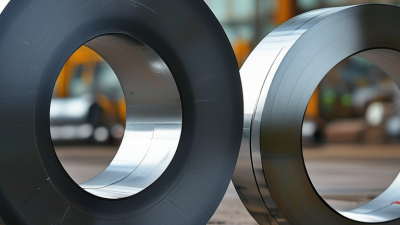
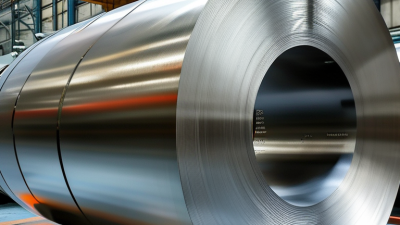
Picking the right Oriented Silicon Steel Strip in 2026 isn’t just about headline specs from a supplier — it really depends on how your transformer’s actually gonna be working. Things like core loss, magnetic permeability, thickness, and coating all play a role in how well it performs. What works perfectly in one design might totally flop in another. Honestly, no single grade beats everything everywhere.
Start by thinking about your frequency, flux density, core shape, and the load you’re expecting. Then, compare the loss figures and polarization data—but make sure you’re looking at tests done under the same conditions. It’s also smart to double-check if those values match the thickness and type of surface coating you’re planning to buy. Little differences can add up — a few extra watts of core loss might not seem like much now, but over years of continuous operation, they really add up. And the coating quality? That can affect insulation and how well the cores stack together. Don’t just glance at a catalog and move on — these details matter.
This guide shares how to pick the right Oriented Silicon Steel Strip for real-world use in 2026. I cover everything from material grades, magnetic properties, and dimensional tolerances, to coating choices and what to check with suppliers. Always ask for the latest technical details, inspection reports, and even sample results before placing a big order. If you can, test the material in a core that’s similar to what you’ll be using — real-world testing can reveal issues that datasheets just can’t show. Sounds simple? Honestly, it’s not.
Sure, price matters, but the cheapest strip might end up costing you more in cutting losses, scrap, or inconsistent performance down the line. It’s best to evaluate the total cost—taking into account quality and delivery reliability, not just the sticker price. No single spec can tell the full story. The key is to connect all that material data back to your final equipment and stay flexible if test results don’t line up with your expectations. Sometimes, you gotta revisit your assumptions and tweak things. That’s just part of the process.
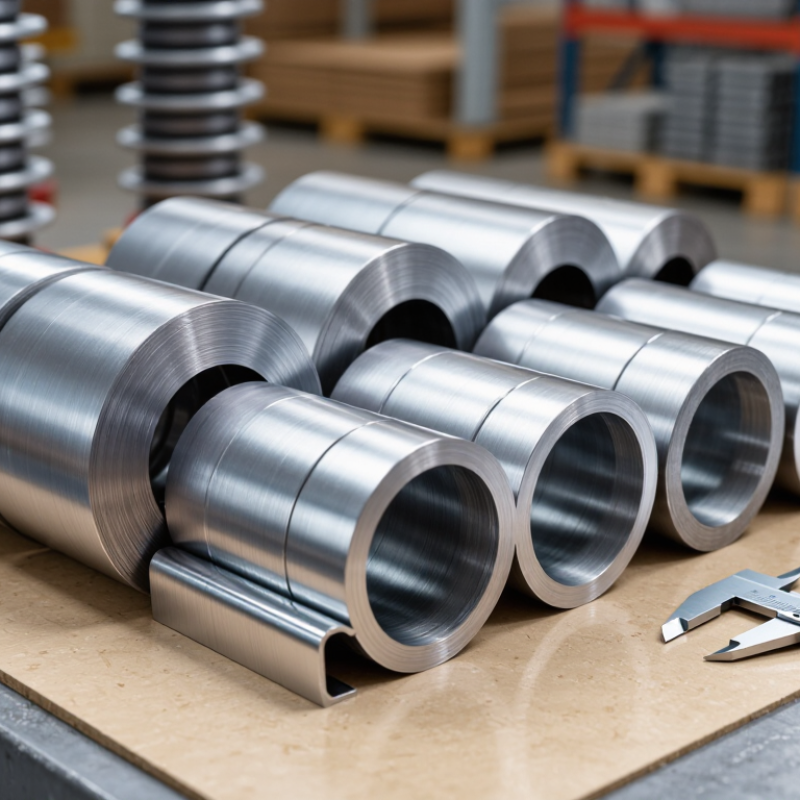
Oriented Silicon Steel Strip, often called grain-oriented electrical steel, is a thin iron-silicon alloy processed so its crystal grains align mainly in one direction. This structure lets magnetic flux travel efficiently along the strip’s rolling direction, reducing core losses in suitable equipment. Direction matters. The material is slit into narrow coils, then cut into laminations and stacked to form magnetic cores. IEA’s Electricity 2024 report projects global electricity demand will grow by an average of 3.4% annually from 2024 to 2026. That outlook supports continued investment in grid equipment, though demand growth alone cannot predict which steel grade a project needs.
Its main application is the core of power and distribution transformers, where lower operating losses can matter over decades of service. It is also used in larger electrical transformers and selected reactor cores. During selection, engineers check thickness, core-loss values, magnetic induction, coating, and slit-edge quality. A rough edge or inconsistent stacking can undermine performance. A low-loss grade is not an automatic win; its directional properties must suit the core design and operating conditions. Real installations are less tidy than a datasheet suggests. That detail deserves attention.
Before choosing Slit Silicon Steel Strip, define the magnetic duty point: flux density, frequency, waveform, and allowable core loss. Compare loss values at the same test conditions, not just grade labels. IEC 60404-8-7 covers grain-oriented electrical steel requirements, while IEC 60404-2 describes Epstein-frame testing. The IEA’s 2023 Electricity Grids and Secure Energy Transitions report estimates annual grid investment must rise from about USD 300 billion to over USD 600 billion by 2030. That scale makes material efficiency important, but it does not replace measurements for your specific core.
Mechanical limits matter just as much. Record strip thickness, width tolerance, flatness, coating needs, and minimum bend radius before ordering. For wound cores, check tensile behavior and edge quality; burrs can short adjacent laminations and increase losses. A neat datasheet is not enough. Ask for loss data at your operating frequency and flux density, then verify representative samples after slitting. I would also question any specification that ignores cutting direction or assembly stress: both can shift real performance from lab results. One detail is easy to miss. Keep the flux path aligned with the rolling direction, and confirm that handling will not crease the strip.
Choosing oriented silicon steel strip in 2026 means matching grade, thickness, and coating to the transformer’s actual duty. Compare guaranteed core-loss values at the specified induction and frequency, not grade labels alone. IEC 60404-8-7 provides a framework for specifying grain-oriented electrical steel; confirm test conditions before comparing supplier data.
IEA’s 2023 report, Electricity Grids and Secure Energy Transitions, says about 80 million kilometres of grids must be added or replaced by 2040. That scale makes efficient, dependable transformer cores increasingly important.
Common strip thicknesses include 0.23, 0.27, 0.30, and 0.35 mm. Thinner material can reduce eddy-current losses, but may cost more and require careful handling. Check the core design, operating frequency, and measured loss together. Small differences matter.
Slitting can introduce edge stress or burrs, so inspect Slitted Silicon Steel Strip for width tolerance, edge quality, and flatness before stacking.
Insulation coatings influence interlaminar resistance, stacking factor, and fabrication choices. A thicker coating may improve electrical isolation, yet reduce the amount of steel in a fixed core volume. Confirm coating performance after the planned cutting and annealing process; do not assume every coating suits every process. A data sheet is useful, but it is not the whole answer. Pilot-stack samples and measure loss under representative conditions, even when the paperwork looks reassuring.
Choosing oriented silicon steel strip in 2026 starts with evidence, not a grade name alone. Request measured thickness, width, camber, and burr data for the actual coil or slit batch. Ask for core-loss and magnetic-polarization results with the test frequency and induction clearly stated. Otherwise, two figures may look comparable while describing different conditions. Numbers need context. Check coating type and insulation performance too, especially if the strip will be stacked into a tightly packed core. A paper certificate is useful, but a sample inspection can reveal edge damage or waviness that a summary table misses.
Confirm that the stated grade and test methods match the purchase specification and the relevant, current edition of an applicable standard, such as IEC 60404. Do not assume a grade name guarantees identical performance across suppliers or processing routes. Traceability should connect each coil number to its inspection report, production batch, and any slitting record. Keep labels and documents together through receiving and storage. A missing slit reference is a small gap with real consequences. If a measurement is absent or a value sits near its tolerance limit, ask for clarification before approval. Suppliers sometimes provide incomplete tables; that is worth questioning, even when the paperwork otherwise looks tidy.
Assess Supplier Capacity, Delivery, and Total Cost in 2026
Supplier capacity matters when transformer and power-equipment demand rises. The IEA’s Electricity 2024 report forecasts global electricity demand growth averaging 3.4% annually through 2026. That outlook does not guarantee a shortage, but it makes verified production capacity worth checking. Ask suppliers for available monthly tonnage, confirmed production slots, slit-width tolerances, and recent quality records. Request a representative coil sample and inspect thickness, surface condition, and edge quality before approving a larger order.
Delivery estimates should include more than mill production time. Confirm slitting, inspection, packing, and transport schedules, then ask how the supplier handles delays or rejected material. A quoted lead time may look attractive until a port transfer or unavailable production slot adds weeks. Compare total landed cost, not just price per tonne: include freight, insurance, duties where applicable, minimum-order quantities, yield loss, and the cost of holding extra inventory. IEA forecasts are useful context, not a substitute for a supplier audit.
Tips: Request a written capacity and delivery plan for each order. Compare cost per usable kilogram after processing losses. Keep a small schedule buffer; forecasts can miss, and so can your spreadsheet. Ask for test documentation that matches the grade and specifications you actually need.
Choosing oriented silicon steel strip in 2026 requires more than comparing catalogue loss values. Request test certificates showing core loss and magnetic induction at stated frequency, flux density, and specimen conditions. Then check thickness, coating, and stacking factor against your design. The phrase “High Grade Oriented Silicon Steel Silicon Steel Sheets” may appear in procurement searches, but grade names alone do not prove performance.
Validate the shortlist with a controlled application trial. Build identical sample cores, using the same geometry, cutting method, joint pattern, and clamping pressure. Measure no-load loss, excitation current, and noise; record temperature and test conditions. Compare results with the supplier’s standard test data, not just a headline figure. The U.S. Department of Energy’s 2016 transformer standards analysis projected about 3.6 quadrillion Btu in cumulative energy savings over 30 years. That estimate highlights why modest loss differences can matter across many units. One imperfect result is still useful: unexpected noise may reveal assembly stress, not a poor strip grade.
Tips: Keep one reference sample and repeat the test after production-scale cutting. Small edge burrs or tight clamping can shift results. If readings vary, investigate the setup before rejecting the material.
It is a thin iron-silicon alloy with grains aligned mainly in one direction. Magnetic flux travels efficiently along its rolling direction.
It is mainly used in power and distribution transformer cores. Some larger transformers and reactor cores also use it.
Check core loss, magnetic induction, thickness, coating, and slit-edge quality. Grade labels alone are not enough.
Typical thicknesses are 0.23, 0.27, 0.30, and 0.35 millimetres. Thinner strip may reduce eddy-current losses but needs careful handling.
Burrs and edge stress can affect stacking and core performance. Inspect width tolerance, flatness, and cut edges before assembly.
It affects electrical isolation and stacking factor. A thicker coating may leave less steel in a fixed core volume.
Build identical sample cores and measure no-load loss, excitation current, and noise. Record temperature and test conditions.
Check cutting, clamping pressure, and assembly stress before rejecting the strip. A tidy datasheet can still miss production variation. A second look helps.
Choosing Oriented Silicon Steel Strip in 2026 starts with understanding how its magnetic properties support applications such as transformer cores and other electrical equipment. Begin by defining the design’s operating needs, including magnetic performance, mechanical handling, and expected working conditions. These requirements help narrow the choice of grade and thickness, while the insulation coating should suit the core’s construction and performance goals.
Before purchasing, compare technical data and verify that quality documents, applicable standards, and material traceability are available. Assess whether a supplier can meet your required volume and delivery schedule, and consider the total cost rather than focusing on unit price alone. Finally, validate the selected material through sample checks, testing, and application trials. This step-by-step approach can help ensure the strip fits the design, production process, and long-term operating needs.