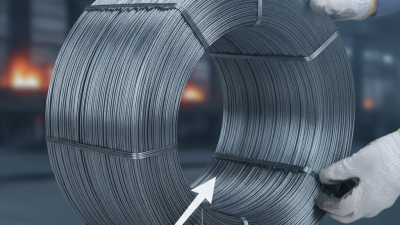
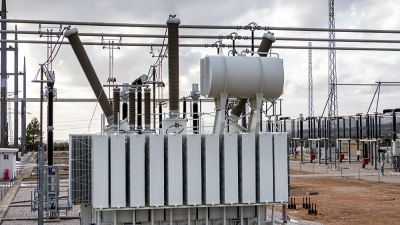
Picking the right Silicon Steel Alloy really matters if you want things to perform smoothly in different applications. The global market for silicon steel is actually booming—it's expected to grow at around 4.8% annually from 2021 to 2026—showing there's pretty high demand for top-quality materials. These alloys are crucial because they improve how efficiently transformers and motors work, which means they’re super important in industries like automotive and energy sectors.
Now, choosing the best alloy isn't just a quick decision; it requires a good understanding of what’s needed. Things like how thick the material is, how much energy it loses, and how strong its magnetic properties are all come into play. For instance, using a thinner Silicon Steel Alloy can help cut down energy loss in electrical parts. But here’s the catch—not every alloy fits every single application perfectly. Missing these details could lead to efficiency issues down the line.
Big names in the industry like Nippon Steel and POSCO are constantly working on new formulas, trying to push the limits of performance. That said, these innovations often come with their own compromises. For example, making a material more magnetic might make it less ductile, which could complicate things during manufacturing or use. So, it’s really about balancing all these factors carefully, making sure the alloy you pick lines up perfectly with what your project needs.
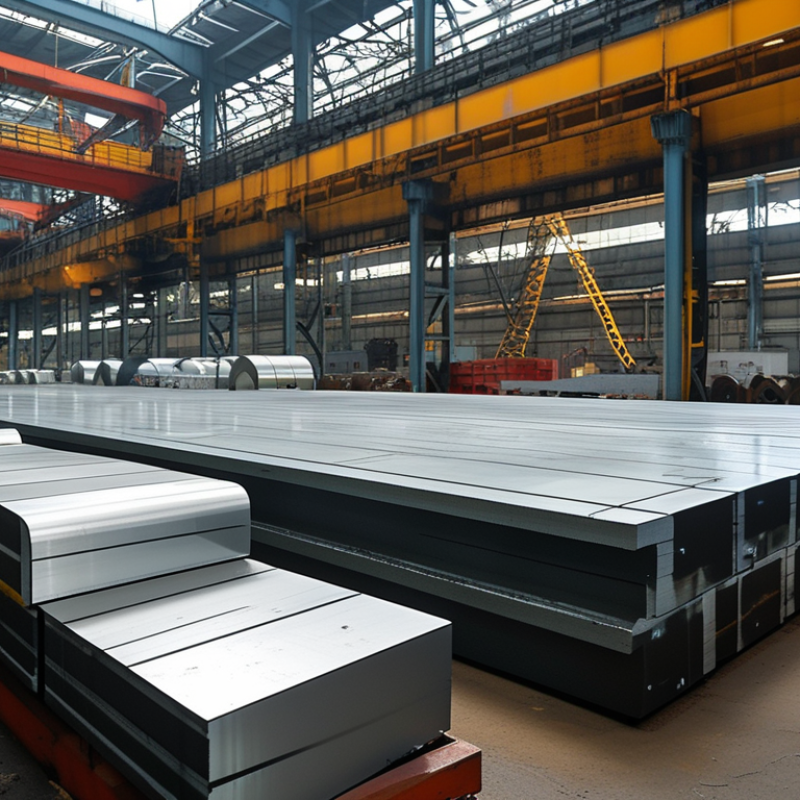
Understanding Silicon Steel Alloys: Composition and Properties
Silicon steel alloys are crucial in many electrical applications. Their composition typically includes iron blended with a certain percentage of silicon, which enhances magnetic properties. These alloys often feature high resistivity and low core losses, making them ideal for transformers and electric motors. When selecting a silicon steel alloy, consider these essential properties: magnetic permeability, iron loss characteristics, and mechanical strength.
Different compositions yield varying results. Higher silicon content can improve magnetic qualities but may compromise ductility. For instance, a 3% silicon alloy may perform better in high-frequency applications than one with lower silicon levels. It’s vital to understand these trade-offs. Some alloys might work well in one scenario but may fall short in another. Additionally, manufacturing processes impact the final characteristics of the material, which can complicate decision-making.
Choosing the right alloy involves a careful evaluation of your specific needs. Consider factors like operating temperature and frequency. Not every alloy fits every application. Research and consultation with material experts can provide valuable insights. Ensure your choices align with both current and future requirements. Mistakes can be costly, so take the time to reflect on your selections. An informed approach can lead to more reliable outcomes in your projects.
Key Performance Metrics for Silicon Steel Alloys in Industry Applications
When selecting a silicon steel alloy, it's crucial to consider key performance metrics relevant to industrial applications. Magnetic permeability is one such metric, influencing the efficiency of transformers and electric motors. Higher permeability enables devices to operate at reduced losses, making it vital for energy efficiency. Another important factor is the alloy's saturation magnetization, which affects how much magnetic flux the material can handle before saturation occurs.
Tips: Always evaluate the specific requirements of your project. Consider factors like operating temperature and stress. These can greatly affect the alloy's performance. Remember, not all alloys meet every need.
Additionally, the silicon content in the alloy plays a role in its electrical resistivity. Alloys with more silicon generally have lower losses during operation. Keep in mind the balance between different elements, like adding Silicon Manganese Alloy, which can enhance certain mechanical properties.
Evaluating these metrics can be challenging. Sometimes, manufacturers provide limited data. Make sure to cross-reference results from different sources to ensure reliability. It’s essential to understand the context of the application for accurate decision-making.
Performance Metrics of Silicon Steel Alloys in Industrial Applications
Comparative Analysis of Grain-Oriented vs. Non-Grain-Oriented Silicon Steel
When selecting silicon steel alloys, the choice between grain-oriented and non-grain-oriented options is crucial. Grain-oriented silicon steel is tailored for applications needing high magnetic permeability. It excels in transformers and electric machines. The grains in this steel are aligned, minimizing energy losses during operation.
In contrast, non-grain-oriented silicon steel is more versatile. It performs well in electric motors and various appliances. This steel type offers uniform properties in all directions. However, it may not reach the performance levels of its grain-oriented counterpart in specific applications. Each type has its strengths and weaknesses. For those needing precise performance metrics, careful consideration is necessary.
Understanding the differences can greatly impact efficiency and effectiveness. For instance, using High Grade Oriented Silicon Steel Silicon Steel Sheets can optimize transformer performance significantly. Yet, it's essential to evaluate the specific needs of your project. Choices may reflect a balance between cost-effectiveness and performance. Each application will have unique requirements that may challenge conventional wisdom.
Evaluating Electrical and Magnetic Properties of Silicon Steel Alloys
Silicon Steel alloys is crucial for various applications. The specific content of silicon in these alloys typically ranges from 1% to 4.5%. This variation impacts their electrical resistivity and magnetic permeability. Research shows that alloys with higher silicon content can improve efficiency in electromagnetic devices. For instance, a 3% silicon steel can reduce energy losses significantly.
The design and manufacturing processes also affect these properties. Transformer cores often use silicon steel with optimized crystal structures for enhanced magnetic properties. Industry data indicate that high-grade silicon steel can achieve a magnetic flux density of up to 1.8 T. However, not all silicon steels perform equally in different environments.
It is essential to consider the application environment. For example, harsh conditions may lead to different aging effects on silicon steel. This might cause unexpected changes in magnetic performance. Users should evaluate the electromagnetic requirements of their specific use cases closely. Engaging with industry studies assists in making informed choices. Making a decision based solely on silicon content may overlook other critical factors.
Impact of Silicon Content on Mechanical Stability and Ductility
When selecting a silicon steel alloy, the silicon content significantly influences mechanical stability and ductility. Typically, higher silicon levels enhance electrical resistivity and magnetic properties. However, this can come at a cost. Too much silicon can lead to brittleness, negatively impacting the alloy's ability to deform under stress. This balance is critical for applications in electrical engineering, transformer cores, and automotive industries.
Low Silicon Steel often shows improved ductility. This characteristic is crucial for applications requiring complex shapes or forming processes. While it may not provide the same magnetic efficiency as its higher-silicon counterparts, its formability makes it a viable option for certain products. Ultimately, manufacturers must carefully assess the specific application needs, as ignoring the silicon content could lead to failures or inefficiencies later in production.
Striking the right balance between silicon content and desired attributes is essential. Many engineers face this challenge regularly. Understanding mechanical stability versus ductility will help in making informed decisions, ensuring that you choose the right silicon steel alloy for your needs. Each decision requires reflection on past experiences and future requirements.
Assessment of Alloying Elements and Their Effect on Steel Performance
When selecting a silicon steel alloy, understanding the role of alloying elements is crucial. Silicon itself enhances electrical resistivity and magnetism. However, the addition of other elements can significantly impact performance. For instance, aluminum can improve oxidation resistance but may also lead to brittleness. Therefore, finding the right balance is essential.
Different alloying elements serve various purposes. Manganese can enhance tensile strength and hardenability but may compromise ductility. Nickel adds toughness but can be cost-prohibitive. This complexity requires careful evaluation based on your specific application. High-performance motors may demand certain compositions compared to electrical transformers. Testing and trials can help determine if the chosen alloy meets your needs.
Choosing the correct silicon steel alloy is not a one-size-fits-all approach. Many factors come into play, and sometimes, unexpected outcomes arise. For example, a well-balanced alloy can perform differently under varying temperatures. Continuous monitoring and adjustments may be necessary, emphasizing the importance of expertise in this field. Quality should never be compromised for the sake of cost.
Selecting the Right Silicon Steel for Specific Electrical Applications
Choosing the right silicon steel alloy is crucial for specific electrical applications. Different alloys exhibit unique properties that make them suitable for particular uses. High silicon content increases electrical resistivity. This characteristic minimizes energy loss in transformers and other devices.
Understanding the requirements of your application is essential. For instance, electrical motors often require alloys with lower losses at high frequencies. On the other hand, transformers benefit from silicon steels optimized for low core losses. The decision-making process can sometimes feel overwhelming, but careful consideration bridges the gap.
Consulting with experts in the field can provide clarity. They can guide you to select an alloy that meets performance and efficiency needs. However, don’t overlook the importance of testing. Real-world performance can differ from theoretical expectations. Continuous assessment ensures that you maximize the potential of your chosen silicon steel alloy.
How to Choose the Right Silicon Steel Alloy for Your Needs?
| Silicon Steel Alloy |
Magnetic Properties |
Applications |
Typical Composition |
Thickness Range (mm) |
| CRGO (Cold Rolled Grain Oriented) |
Excellent magnetic properties with minimal losses |
Transformers, generators |
2% Si, 0.1% C, 0.02% S |
0.3 - 0.5 |
| CRNGO (Cold Rolled Non-Grain Oriented) |
Good magnetic properties, isotropic performance |
Electric motors, inductors |
2% Si, 0.3% C, 0.03% S |
0.5 - 1.0 |
| Silicon Steel for Automotive |
High saturation magnetization |
Electric vehicle motors |
3% Si, 0.02% C |
0.2 - 0.4 |
| Amorphous Steel |
Lowest core losses, very high efficiency |
Transformers for high efficiency applications |
1.5% Si, 0.3% C |
0.1 - 0.3 |
Essential Guide to Selecting High-Quality Silicon Steel for Energy-Efficient Transformer Manufacturing
When it comes to transformer manufacturing, the selection of high-quality oriented silicon steel is paramount for achieving energy efficiency. This specialized material is a cornerstone in the design of transformers and substations, as it possesses unique magnetic properties that enhance performance. Oriented silicon steel acts as the invisible backbone of power grids, facilitating optimal power transmission and energy conversion with minimal losses. The efficiency of electrical control systems is also profoundly influenced by this material, making it indispensable for modern energy solutions.
In the realm of high-power electromagnetic equipment, the benefits of using oriented silicon steel extend beyond mere energy savings. It contributes significantly to the longevity and reliability of electrical components, ensuring that equipment operates at peak performance over time. By choosing superior quality silicon steel, manufacturers can support sustainability initiatives while also addressing the growing demand for efficient energy technologies. As you evaluate options for transformer manufacturing, prioritizing oriented silicon steel not only helps to meet current industry standards but also positions your products for future advancements in energy efficiency.
FAQS
: Silicon steel alloys typically consist of iron blended with silicon. This enhances their magnetic properties.
Magnetic permeability influences transformer and motor efficiency. Higher permeability leads to reduced energy losses.
Alloys with more silicon generally exhibit lower operational losses. This balance can be crucial for performance.
Higher silicon improves magnetism but may reduce ductility. This can impact how the alloy performs in different scenarios.
Grain-oriented steel excels in magnetic permeability, while non-grain-oriented offers uniform properties in all directions.
Each application has unique needs. Not every alloy suits every requirement, and mistakes can be costly.
Different processes can alter final material characteristics. These variations may complicate your selection and effectiveness.
Consider temperatures, frequencies, and stress levels. These factors significantly affect alloy performance in practical uses.
Yes, engaging with experts can provide valuable insights. Their guidance helps avoid errors in material selection.
Yes, limited information can challenge your decision-making. Cross-referencing results is important for reliability.
Conclusion
When selecting the right Silicon Steel Alloy for industrial applications, it is essential to understand its composition and properties, as these factors significantly influence performance. Key considerations include the comparison between grain-oriented and non-grain-oriented silicon steels, as well as an evaluation of their electrical and magnetic properties.
Silicon content plays a crucial role in determining the mechanical stability and ductility of the alloy, while the impact of other alloying elements must also be assessed to achieve optimal performance. Ultimately, choosing the appropriate Silicon Steel Alloy hinges on the specific electrical requirements of the intended application, ensuring efficiency and reliability in operation.



 Contact Email
 Contact Whatsapp