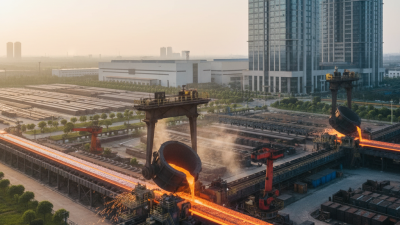
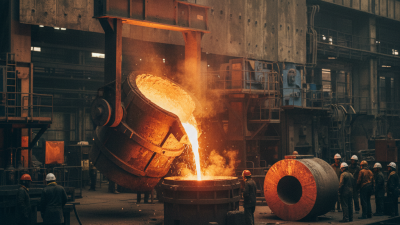
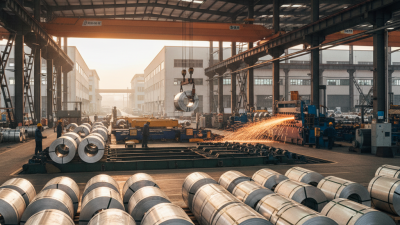
So, the Silicon Manganese market in China has been showing some pretty interesting growth lately. It’s really a sign that there’s strong demand for this alloy. According to the latest reports from ResearchAndMarkets, the market is expected to hit about $3.1 billion by 2025 — that’s quite a jump! The annual growth rate is around 6%, give or take. Most of this demand is coming from the steel industry, which uses up roughly 70% of Silicon Manganese. Big players like ERG and Ferroglobe are really riding the wave, influencing prices and supply in a big way.
That said, it's not all smooth sailing. The market faces some hurdles, like sharp swings in raw material prices and stricter environmental rules, which can throw a wrench in production schedules. These factors can cause supply to fluctuate unexpectedly. Plus, there's stiff competition from Ferro Manganese and Silico Manganese products — companies need to be sharp to hold onto their market share. Basically, understanding these trends and challenges is super important for anyone involved in Silicon Manganese — it helps them navigate this ever-changing landscape a lot better.

Overview of China's Silicon Manganese Market Dynamics and Structure
China's silicon manganese market is experiencing significant transformations fueled by various dynamics and structural changes. The market is largely driven by the surge in demand from the steel industry, which accounts for around 70% of silicon manganese consumption. According to recent industry reports, China's production of silicon manganese was approximately 3.5 million tons in 2022, showing a year-on-year increase of 5%. The rise in steel production, estimated to be 1.04 billion tons in 2023, plays a crucial role in this upward trend.
Market players face challenges related to environmental regulations. Strict measures implemented by the government aim to reduce emissions. These regulations may lead to increased operational costs for producers, reflecting on prices. In 2023, silicon manganese prices have fluctuated between $1,200 and $1,400 per ton, creating uncertainties for buyers and sellers alike. Understanding the nuances of these trends aids in making informed decisions.
Tips: Keep an eye on emerging regulations. They could reshape pricing structures. Consider diversifying suppliers to mitigate risks. Additionally, monitoring steel industry trends provides insights into demand fluctuations. Staying informed about these dynamics can enhance strategic planning in this evolving market landscape.
Key Players in the Chinese Silicon Manganese Wholesale Sector
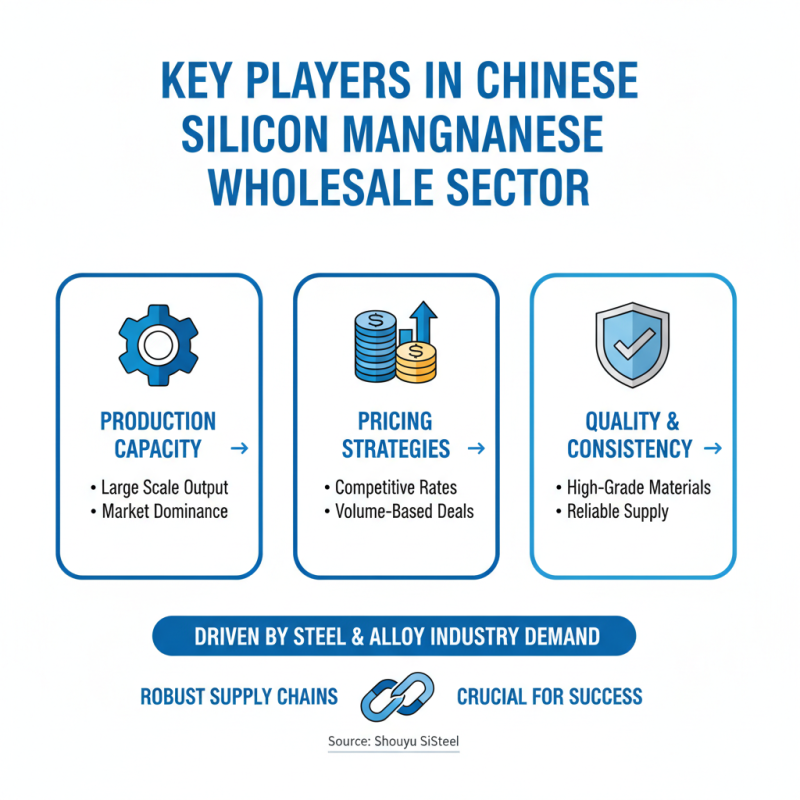
In the rapidly evolving Chinese Silicon Manganese wholesale sector, numerous key players shape the market landscape. Their influence is seen in production capacities and pricing strategies. Many top wholesalers emphasize quality and consistency, driven by the increasing demand from steel and alloy industries. Competitive pricing and robust supply chains are crucial for success in this sector.
While the market shows strong growth, challenges persist. The dependence on raw materials can lead to fluctuations in prices. Moreover, regulatory challenges vary across regions. Companies often struggle with maintaining compliance while striving to innovate. Sustainability is another concern; as awareness grows, the demand for environmentally friendly practices will increase.
Understanding these dynamics is essential for stakeholders. It helps them navigate the complexities of the wholesale market. Buyers must research suppliers rigorously. Trust and reliability are pivotal. Without these, partnerships may falter, leading to detrimental consequences. The Silicon Manganese market in China is a blend of opportunity and risk, requiring strategic engagement from all parties involved.
Recent Trends Impacting Supply and Demand in China's Market
China's silicon manganese market has been experiencing significant changes lately. The demand for silicon manganese has surged due to its vital role in steel production. As industries drive their operations towards higher efficiency, the uses of silicon manganese continue to expand, with applications ranging from alloying elements in steel to deoxidizing agents.
Supply chain disruptions have impacted the availability of silicon manganese. Weather conditions and energy shortages have caused fluctuations in production levels. This uncertainty raises questions about the sustainability of supply chains. Pricing has become volatile, reflecting these disruptions. Manufacturers are encouraged to explore alternative materials, although silicon manganese remains a preferred choice due to its unique properties.
In this evolving landscape, companies must adapt quickly. Innovations in recycling methods could address some supply challenges. Understanding the intricate balance between production and demand is crucial. This awareness may lead to better decision-making in future investments. The silicon manganese market has much potential but requires careful navigation through its complexities and challenges.
China Top Wholesale Silicon Manganese Market Insights and Trends
Price Fluctuations and Their Effects on the Silicon Manganese Industry
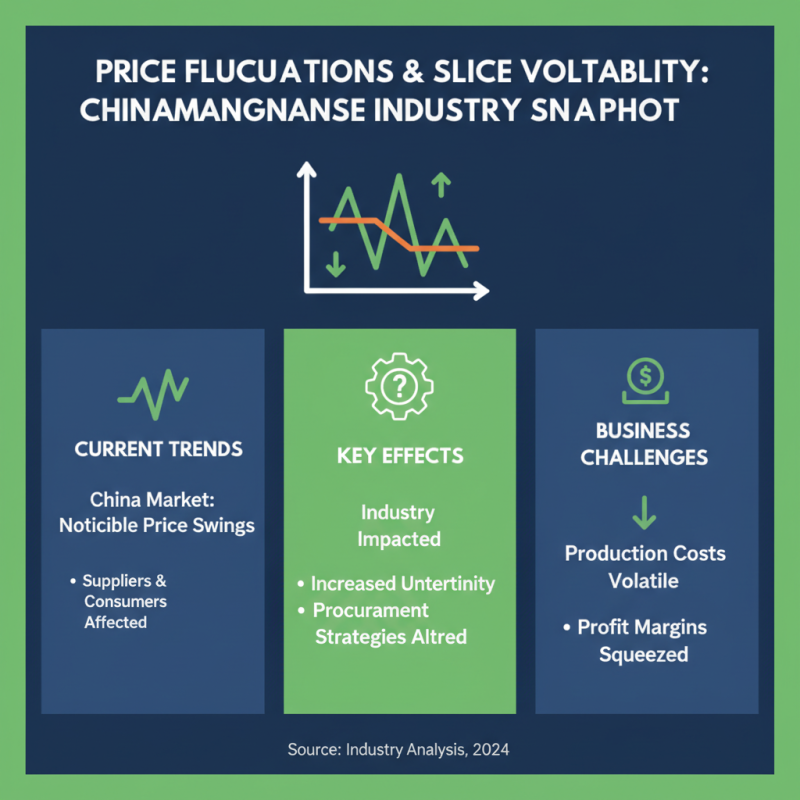
The silicon manganese market in China is currently experiencing notable price fluctuations. These changes can significantly impact the industry dynamics. Suppliers and consumers alike are feeling the effects of this volatility. Fluctuating prices often lead to uncertainty, affecting both procurement strategies and production costs.
Monitoring these price changes is essential for industry stakeholders. Silicon Manganese Alloy, a critical material for steelmaking, has seen varying demand based on market trends. The instability encourages manufacturers to adjust their output, often leading to unforeseen shortages or surpluses. Such adaptations can strain relationships between suppliers and clients.
Moreover, understanding the causes behind these price shifts is crucial. External factors such as global market trends and raw materials availability play a significant role. A deeper dive into these aspects reveals the intricacies of the silicon manganese landscape. However, data can sometimes be inconsistent, making it challenging to anticipate future movements accurately. This uncertainty calls for a more precise analysis of market behaviors to ensure informed decision-making.
Regulatory Environment Affecting Silicon Manganese Trade in China
In the Chinese silicon manganese market, regulatory factors play a key role in shaping trade dynamics. Recent policies have emphasized environmental protection and sustainable practices. The government has introduced stricter emissions regulations for industries, impacting the operational capabilities of producers. In 2022, the Ministry of Ecology and Environment reported a 15% reduction in allowable emissions for the silicon manganese sector. This has forced companies to invest in cleaner technology and modify processes.
Moreover, the introduction of new tariffs and trade barriers has complicated imports and exports. Data from the China Metallurgical Industry Association indicates that in 2023, import volumes for Ferro Silicon Manganese decreased by 20% due to increased duties. Many companies face challenges in maintaining profit margins while complying with these regulations.
Market players express concerns over the unpredictability of regulatory changes. This uncertainty can hinder long-term investment decisions. Additionally, the focus on environmental compliance often leads to production delays. Many stakeholders argue that regulatory frameworks can sometimes be rigid, lacking flexibility for different market conditions. These elements highlight the need for ongoing dialogues between the government and industry players to balance growth and environmental responsibility.
Technological Innovations in Silicon Manganese Production
The production of silicon manganese has seen significant technological advancements in recent years. Innovations in smelting processes are improving efficiency. New furnaces equipped with better heat recovery systems are more energy-efficient. These technologies reduce overall production costs and lower emissions, a critical factor in today’s eco-conscious market.
Automation plays a key role in modern silicon manganese manufacturing. Robotics and AI are now being used to monitor and control production lines. This enhances precision and minimizes human error. However, there are still gaps in fully integrating these technologies. Many producers face challenges in workforce training and adaptation.
Furthermore, advancements in raw material processing are also noteworthy. Improved methods for purifying raw materials lead to better quality silicon manganese. Yet, not all manufacturers are keeping pace with these developments. Some still rely on traditional methods that may hinder their competitiveness. Embracing these innovations is essential for long-term viability.
Future Outlook and Growth Opportunities in China's Market
China’s silicon manganese market witnesses significant transformations. As demand from the steel industry grows, projections highlight an increase of 4.5% annually until 2025. This reflects heightened investments in infrastructure and manufacturing.
Analysts forecast that the production capacity will align with this rising demand, reaching approximately 3 million tons by the end of 2024.
There are emerging opportunities in the renewable energy sector too. The push for green technologies fuels demand for silicon manganese in battery production. Reports indicate a shift towards sustainable mining practices, which could enhance profitability and environmental impact.
However, challenges persist. Industry players need to adapt to fluctuating raw material costs and regulatory changes. This creates uncertainty that warrants careful consideration.
The competition is becoming more intense. New entrants are exploring innovative production techniques. Experienced manufacturers must balance efficiency with sustainability. Collaboration between stakeholders is essential for navigating these complexities. By focusing on quality and technological advancement, companies can position themselves favorably in this evolving landscape.
Conclusion
The article provides a comprehensive overview of the dynamics and structure of China's Silicon Manganese market. It highlights key players in the wholesale sector and examines recent trends that are influencing supply and demand, as well as the price fluctuations affecting the industry. The regulatory environment is also discussed, demonstrating how it impacts Silicon Manganese trade within China. Furthermore, the piece addresses technological innovations that are enhancing production processes and explores potential growth opportunities anticipated in the market's future.
As China continues to be a significant player in the Silicon Manganese landscape, understanding these factors is crucial for stakeholders. The insights into market dynamics, alongside emerging trends and innovations, will equip businesses to navigate the evolving environment and capitalize on growth opportunities in this vital sector.



 Contact Email
 Contact Whatsapp