In today's really competitive market, finding some good-quality Industrial Steel is pretty much essential for any business that wants to stay ahead. Dr. Robert Lee, who's basically a go-to guy in metallurgy, once said, “Choosing the right steel can really make or break the strength and durability of your products.” So, if companies want to succeed, they’ve gotta give this aspect some serious attention.
Now, China’s got loads of options when it comes to buying steel wholesale, but here’s the thing— not all suppliers are created equal. Not everyone guarantees top-notch quality, so doing your homework and picking trustworthy vendors is super important. Skimp on quality, and you’re looking at costly manufacturing mistakes down the line. Basically, every decision in this game should be based on experience and reliability.
Picking the perfect Industrial Steel supplier isn’t just about saving a few bucks either. It’s also about considering things like the material's properties and how reputable the supplier really is. Sometimes, companies get caught up in price, thinking they’re saving money, only to regret it later when quality suffers. Building solid, long-term relationships with reliable suppliers can save you from all those headaches in the future.
China's Steel Industry Overview and Its Global Impact
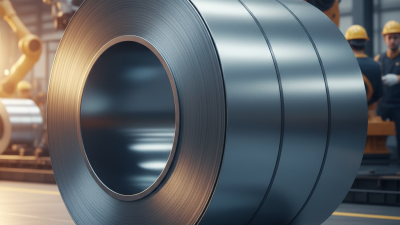
China's steel industry is a colossal player in the global market. It produces more than half of the world’s steel, driving trends and innovations. This influence extends beyond borders, affecting prices, availability, and quality standards. Countries depend on China not only for raw steel but also for specialized products, like High Grade Oriented Silicon Steel Silicon Steel Sheets, essential in various industries.
While China excels in production scale, challenges exist. Environmental concerns are significant. The steel industry contributes to pollution and carbon emissions. Regulatory changes can impact production and supply chains. Businesses seeking stability should monitor these developments closely.
Tips: Always evaluate suppliers for quality assurance. Verify the standards of production, especially for specialized materials. Establish strong communication with manufacturers to mitigate risks. Being proactive can help businesses navigate uncertainties in the steel market.
China Best Wholesale High Quality Industrial Steel Options for Your Business
| Steel Type |
Grade |
Application |
Global Demand (MT/year) |
Wholesale Price (USD/MT) |
| Mild Steel |
S235 |
Construction |
1500 |
500 |
| Alloy Steel |
SAE 4140 |
Automotive Parts |
800 |
800 |
| Stainless Steel |
304 |
Food Industry |
1200 |
2500 |
| Tool Steel |
D2 |
Manufacturing |
500 |
1200 |
| Carbon Steel |
A36 |
Shipbuilding |
1000 |
450 |
Types of Industrial Steel Products Offered by Chinese Manufacturers
When sourcing industrial steel products, Chinese manufacturers offer a variety of options. These products cater to different industry requirements. Common types include
structural steel,
stainless steel, and
alloy steel. Each type serves a unique purpose.
Structural steel is widely used in construction. It is known for its high strength and versatility. In contrast,
stainless steel resists corrosion, making it ideal for industries like food processing and medical equipment.
Alloy steel combines elements to enhance specific properties, such as strength or toughness.
Despite these advantages, buyers must consider quality variances. Not all manufacturers meet high standards. Inspecting samples before purchase can help mitigate risks.
Additionally, staying informed about industry trends enhances decision-making. Establishing strong communication with suppliers is crucial for successful procurement.
Quality Standards and Certifications for Industrial Steel in China
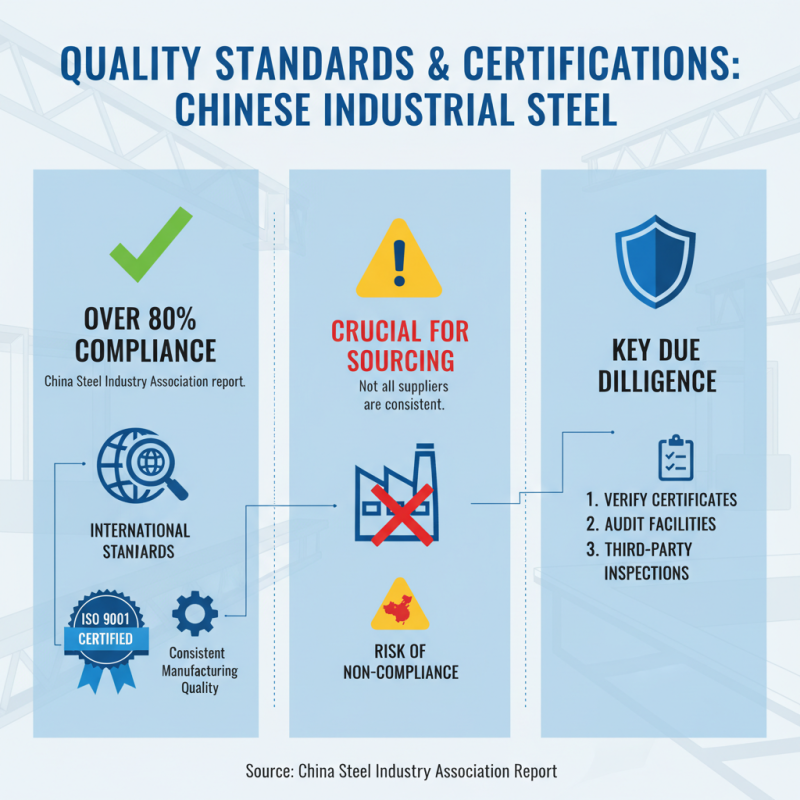
When sourcing industrial steel in China, quality standards and certifications are crucial. A report from the China Steel Industry Association states that over 80% of steel producers comply with international standards, such as ISO 9001. This certification ensures a consistent level of quality in manufacturing processes. However, not every supplier maintains these standards consistently.
In recent years, the demand for certified steel products has surged. According to industry data, about 70% of buyers look for certified materials. This shift reflects an increasing market awareness of quality and reliability. Nonetheless, businesses still face challenges in verifying certifications. Some suppliers might display fake documents, which could lead to significant risks.
Quality inspection is essential. Organizations like the China Quality Certification Centre have a crucial role in this process. They verify compliance with standards. The use of Steel Si in certain products signifies adherence to high material standards. However, always exercise caution. Not all certifications guarantee the same quality. Conducting independent quality checks is wise for businesses invested in long-term success.
Key Factors to Consider When Sourcing Steel from China
When sourcing steel from China, several key factors stand out. The quality of the steel is paramount. According to the World Steel Association, China produced over 1 billion tons of crude steel in 2020, making it the largest producer. However, not all suppliers meet the necessary quality standards. Ensuring that the steel meets international specifications is crucial. Look for suppliers that provide certification and detailed material testing reports.
Another essential factor is pricing. While Chinese steel is often more affordable, it’s important to analyze the total cost, including shipping and tariffs. A 2021 report from the International Trade Administration highlighted that fluctuations in shipping costs can impact overall pricing significantly. Therefore, it's wise to work with seasoned logistics partners to avoid unexpected expenses.
Lastly, reliability and communication play a significant role in sourcing. Suppliers may have different lead times and responsiveness. Some businesses have faced delays due to inadequate communication. Partnering with experienced suppliers familiar with international standards can mitigate this risk. Si Steel, for example, has garnered attention for its streamlined processes and attention to quality, but every partnership should be carefully evaluated based on these core factors.
Top Wholesale Steel Suppliers in China and Their Offerings
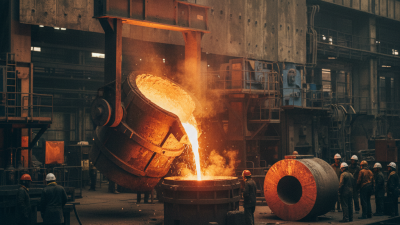
The steel industry in China has a significant impact on global markets. Reports indicate that China accounted for over 50% of the world's crude steel output in 2022. This concentration presents opportunities and challenges for businesses seeking high-quality industrial steel. Many companies turn to top wholesale steel suppliers in China to secure their needs.
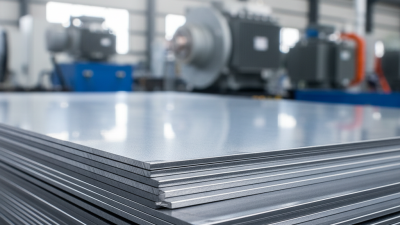
A variety of products is available from leading suppliers. These include carbon steel, stainless steel, and other specialized alloys. Suppliers often provide detailed specifications to meet required standards. For instance, hot-rolled steel plates can come with different thicknesses and finishes. Companies must verify the quality before investing. Quality control processes are crucial, as not all suppliers adhere to the same standards.
Access to the right information is essential. Research suggests that about 40% of businesses experienced quality issues from suppliers last year. This calls for extensive due diligence when choosing a partner. Engaging with companies that prioritize transparency can help mitigate risks. Effective communication regarding production capabilities and material sourcing should also be emphasized. Steel Mfg processes are vital in ensuring the reliability of products provided.
China Best Wholesale High Quality Industrial Steel Options
Cost Comparison: China vs. Other Global Steel Markets
When evaluating steel sourcing options, cost comparison is crucial. Recent industry reports indicate that China's steel prices average 10-15% lower than those in North America and Europe. This pricing advantage stems from lower production costs and economies of scale.
However, sourcing from China involves logistical challenges. Shipping costs and delays can add to the overall expense. It's essential to consider these factors when calculating total cost. Additionally, quality control can vary across suppliers. The risk of inconsistent quality raises valid concerns for many businesses.
Cities such as India and Brazil show competitive pricing too, but their steel quality often doesn’t match China's leading manufacturers. Data shows that 70% of buyers cite quality as their primary concern when sourcing steel. Thus, while China offers attractive prices, businesses must balance cost with quality assurance and reliability in their supply chain decisions.
Tips for Establishing Successful Business Relationships with Chinese Suppliers
Establishing strong relationships with Chinese suppliers is crucial for businesses looking to source high-quality industrial steel. The construction industry alone consumes more than 50% of the global steel output, making reliable suppliers essential. Understanding cultural differences enhances communication and builds trust.
When engaging suppliers, consider these tips: Be clear and concise in your requests. Differentiate your needs and priorities to avoid misunderstandings. A culturally respectful approach can foster lasting partnerships. Utilize trade platforms, as they provide valuable insights into supplier credibility.
Moreover, regular visits to factories can ensure quality control. Reports show that companies that conduct audits see a 30% increase in satisfaction with suppliers. Be open to feedback and flexible in negotiations, as this can lead to better deals. Transparency about expectations will minimize potential conflicts.
FAQS
: It produces over half of the world's steel and influences prices and quality standards worldwide.
Environmental pollution, carbon emissions, and regulatory changes are major concerns affecting production.
Quality standards ensure reliable manufacturing. Over 80% of producers comply with international certifications like ISO 9001.
No, not all suppliers follow standards consistently, leading to potential risks for buyers.
About 70% of buyers seek certified materials due to increased awareness of quality.
Independent quality checks are essential, as some suppliers may present fake documents.
Quality inspection verifies compliance with standards, helping businesses avoid risks.
Organizations like the China Quality Certification Centre help verify compliance and standards.
No, not all certifications guarantee the same quality; careful evaluation is necessary.
Establish strong communication with manufacturers and continuously assess suppliers for quality assurance.
Conclusion
China has emerged as a dominant player in the global industrial steel market, significantly influencing pricing and availability worldwide. The country offers a wide range of industrial steel products, catering to various sectors and applications. Understanding quality standards and certifications is crucial for businesses looking to source industrial steel from China, as it ensures compliance with international norms.
When sourcing industrial steel, potential buyers should consider several key factors, including supplier reliability, pricing, and the overall supply chain dynamics. Engaging with top Chinese wholesale steel suppliers can lead to beneficial partnerships, provided that effective communication and relationship management practices are employed. Finally, comparing costs between China and other global markets can bring strategic advantages, helping businesses to make informed decisions that enhance their competitiveness.



 Contact Email
 Contact Whatsapp