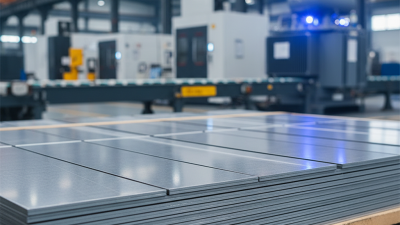
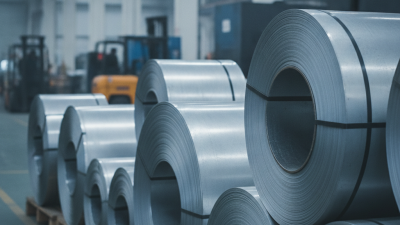
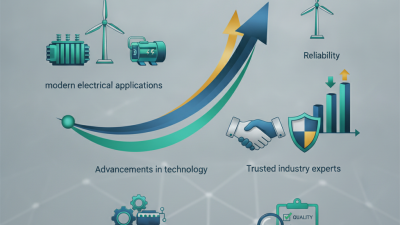
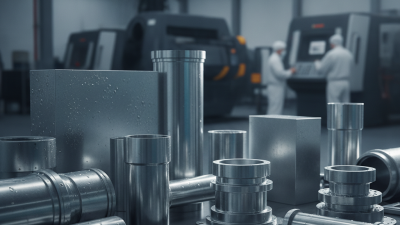
The market for oriented silicon steel sheets in China is really picking up speed lately. Honestly, demand has shot up, mainly because of how booming the renewable energy sector has become. I read somewhere that, according to MarketsandMarkets, the global market for this type of electrical steel could hit around $29 billion by 2025, with Asia Pacific playing a major role in that growth.
Big players like Baosteel and Nippon Steel aren’t sitting back either — they’re pouring a ton of resources into expanding their production lines. Their goal? To keep up with the rising need for high-performance materials in things like electric vehicles and wind turbines. That said, it’s not all smooth sailing. Supply chain hiccups and swings in raw material prices can throw a wrench in their plans. Plus, industry experts keep saying that ongoing innovation is absolutely crucial if companies want to stay competitive in this space.
All in all, the future of the oriented silicon steel sheet market in China looks pretty promising, but let’s not forget — it’s still a bit uncertain. Everyone involved needs to stay flexible and keep an eye on market shifts. Investing in research and development is gonna be key, no doubt. And of course, balancing quality with cost is always a tricky game for manufacturers. As this industry grows, those factors will be shaping how things play out moving forward.
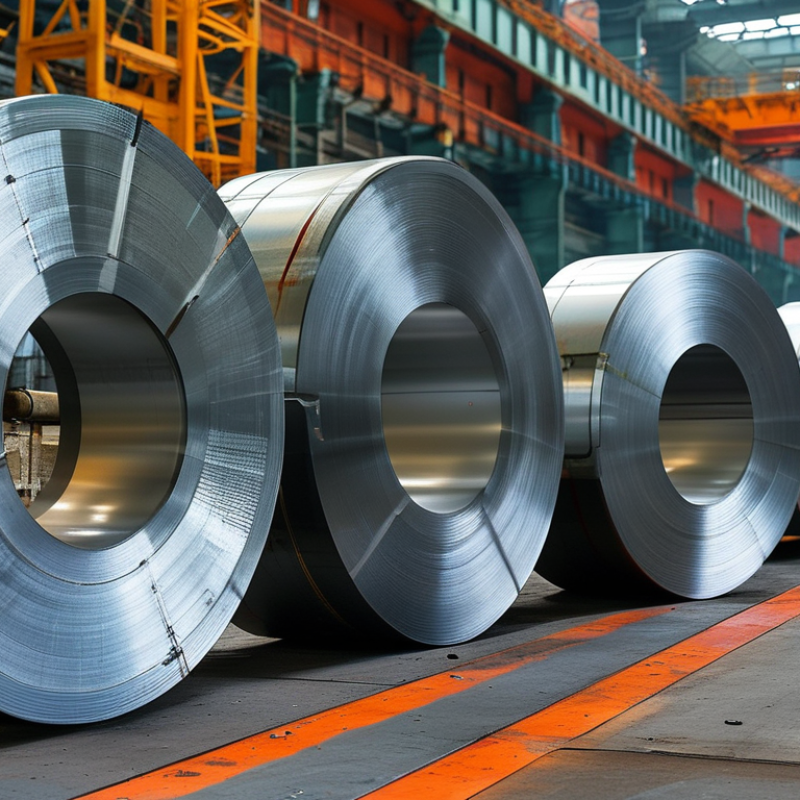
China's Silicon Steel Sheet Market Overview and Key Players
China's silicon steel sheet market shows dynamic growth driven by the rising demand in various sectors. According to recent industry reports, the market is expected to grow at a CAGR of approximately 6.5% from 2023 to 2028. This growth is primarily fueled by the expanding renewable energy sector, especially in wind energy, where
Ultra-Thin Oriented Silicon Steel Sheets play a crucial role. These sheets enhance the efficiency of electric motors, which are central to wind turbine operation.
Key players in the Chinese silicon steel market have adapted their strategies to meet the increasing standards for energy efficiency. Significant investments in R&D have led to the development of advanced production techniques. Many manufacturers are focusing on producing thinner sheets that offer improved magnetic properties. These developments could lead to a more competitive market landscape. However, some challenges persist, such as fluctuating raw material costs and increasing environmental regulations.
The competitive environment showcases both established and emerging companies. Their commitment to sustainability and innovation will shape the future. Addressing the demand for Ultra-Thin Oriented Silicon Steel Sheets is not only a business strategy but also an environmental imperative. Companies must balance production efficiency with these growing ecological concerns, leading to potential areas for reflection and improvement in manufacturing processes.
Market Size and Growth Trends of Silicon Steel Sheets in China
The market for silicon steel sheets in China is experiencing notable growth. This trend reflects the increasing demand for energy-efficient materials in various industries. The rise is driven mainly by the automotive and electrical sectors, which require superior magnetic properties. Among these products, Ordinary Oriented Silicon Steel Sheet is gaining significant traction.
In recent years, innovations in manufacturing processes have improved the quality and performance of silicon steel sheets. Manufacturers are focusing on enhancing the magnetic characteristics, thus meeting industry standards. However, challenges persist. Variability in raw material quality can affect production consistency. Additionally, environmental regulations are tightening, which may impact manufacturing costs and processes.
The overall size of the silicon steel sheet market in China is expanding steadily. Analysts predict continued demand growth driven by global trends towards sustainable energy solutions. Manufacturers need to adapt quickly to these trends. Understanding market dynamics is crucial. Regular assessment of industry needs can reveal opportunities. Balancing innovation with cost-effectiveness will determine future success in this space.
Demand Drivers for Silicon Steel Sheets in Key Industries
The demand for silicon steel sheets is on the rise, driven primarily by key industries such as automotive and electrical equipment. In the automotive sector, there is a growing need for efficient, high-performance materials. Silicon steel sheets enhance the efficiency of electric motors used in electric vehicles, making them essential for manufacturers. This trend signifies a shift towards cleaner and more sustainable technologies.
In the electrical industry, silicon steel sheets are crucial for the production of transformers and inductors. With the global push towards renewable energy, there is an increased focus on the efficiency of electrical systems. However, challenges exist. The high cost of raw materials impacts production levels. Manufacturers need to consider the balance between quality and affordability. This is not an easy task.
Moreover, fluctuations in demand can lead to market uncertainty. Industries must adapt quickly to changes in consumer preferences and technological advancements. Innovation in processing techniques is needed to improve the performance of silicon steel sheets. Understanding these dynamics can provide valuable insights for stakeholders in the market.
Impact of International Policies on China's Silicon Steel Sheet Exports
The global demand for silicon steel sheets has been significantly influenced by international policies. China's silicon steel exports are subject to these changing regulations. Tariffs and trade agreements shape the dynamics of this market. Increased tariffs can lead to higher costs for exporters, impacting their competitive edge. Additionally, international relations play a crucial role in determining market access.
China's government has implemented policies to enhance its domestic manufacturing capabilities. This has led to growing innovations in silicon steel production. Yet, reliance on international markets remains. Potential trade barriers could hinder growth and expansion opportunities for exporters. It's crucial for companies to adapt quickly to these shifts.
The intricacies of international policies require constant monitoring. Exporters must analyze geopolitical trends. Understanding the evolving landscape can help them navigate challenges effectively. As the market continues to change, companies face pressure to improve efficiency and sustainability. Balancing domestic production and exports presents a complex scenario that requires ongoing reflection and strategy adjustment.
Technological Advancements Influencing Silicon Steel Sheet Production
The demand for Non-Oriented Silicon Steel Sheet is increasing rapidly.
Technological advancements play a crucial role in this rising trend. Innovations in manufacturing processes enhance the quality and efficiency of these steel sheets.
For example, improved annealing techniques have led to better magnetic properties in these materials.
Automation is another key factor influencing production.
Automated systems reduce labor costs and increase precision. This is vital in producing Non-Oriented Silicon Steel Sheet, where even minor deviations can affect performance.
Yet, the implementation of such technologies can lead to skill gaps in the workforce. Striking a balance between automation and skilled labor is essential.
Sustainability remains a significant concern in production.
Advances in energy-efficient methods are being developed. However, the challenge lies in balancing efficiency with environmental impacts.
Continuous innovation is required to address these issues while maintaining high standards.
Industries must remain vigilant to adapt to these changes and improve production practices.
Challenges Facing the China Silicon Steel Sheet Market
The China silicon steel sheet market faces significant challenges that warrant attention. High production costs are impacting profitability. According to recent industry reports, energy prices have soared, accounting for nearly 30% of the overall production costs. This pressure affects manufacturers' competitiveness, especially in the face of international players.
Quality control remains a critical issue. In 2022, approximately 15% of silicon steel sheets were deemed subpar due to inconsistent manufacturing processes. This inconsistency leads to higher waste rates and affects supply chain efficiency. Furthermore, technologic advancements lag behind other regions, limiting innovation. With rapid evolution in electrical steel technologies, China's slow adoption puts domestic producers at risk.
Environmental regulations are tightening, necessitating investment in cleaner technologies. Companies need to comply with stricter standards, which can be financially burdensome. In a recent survey, 42% of manufacturers expressed concerns over meeting these new requirements without incurring heavy costs. Balancing compliance with profitability is challenging. These factors collectively create a complex landscape for the silicon steel sheet industry in China.
Trends in the China Wholesale Oriented Silicon Steel Sheet Market
The chart below illustrates the market trends of oriented silicon steel sheets in China over the past five years. It highlights the production volume and import statistics, showcasing the challenges and growth areas within the market.
Future Outlook: Predictions for China's Silicon Steel Sheet Industry
The future of China's silicon steel sheet industry is poised for significant evolution. The demand for High Magnetic Permeability Oriented Silicon Steel Sheet is expected to rise. This trend reflects the growing need for efficient energy solutions, particularly in the automotive and power generation sectors. Manufacturers must adapt to these demands while maintaining quality and affordability.
Challenges persist. Many companies face pressure to innovate amid fluctuating raw material costs and tightening environmental regulations. The technology for producing silicon steel sheets is advancing. Yet, not every manufacturer can keep pace. Those lagging behind may find it difficult to compete.
Consumer preferences are changing as well. There is a greater emphasis on sustainability and energy efficiency. Companies that prioritize these elements will likely thrive. However, firms must also avoid superficial changes. Genuine commitment is necessary to build trust in a competitive market. The future outlook of the silicon steel sheet industry in China will depend on a blend of technological advancements and a strong focus on sustainability.
FAQS
: The growth is largely driven by rising demand in renewable energy and the automotive sectors.
The market is expected to grow at a CAGR of approximately 6.5%.
They enhance the efficiency of electric motors key to wind turbine operations.
Manufacturers deal with fluctuating raw material costs and tighter environmental regulations.
In 2022, about 15% of sheets produced were subpar due to inconsistent manufacturing.
Many are investing in R&D to produce thinner sheets with improved magnetic properties.
Soaring energy prices account for nearly 30% of overall production costs.
Stricter standards require investment in cleaner technologies, impacting costs and compliance.
Adapting quickly to market dynamics while balancing innovation and cost-effectiveness is vital.
It can reveal opportunities and help manufacturers navigate evolving market conditions.
Conclusion
The article provides a comprehensive overview of the China's oriented silicon steel sheet market, highlighting key players and the current landscape. It discusses the market size and growth trends, emphasizing the increasing demand driven by vital sectors such as energy and manufacturing. The impact of international policies on China's exports of oriented silicon steel sheets is a crucial factor, as these regulations can significantly influence market dynamics.
Moreover, advancements in technology are shaping the production processes of oriented silicon steel sheets, leading to enhanced efficiency and product quality. However, the market faces challenges such as fluctuating raw material prices and competition from alternative materials. Looking ahead, the article predicts robust growth in China's silicon steel sheet industry, driven by ongoing innovation and a rising global demand for high-performance materials.


 Contact Email
 Contact Whatsapp