When it comes to the global market, Ferro Silico Manganese is pretty much a key player in steelmaking and metallurgy. But let’s be honest, navigating the landscape of suppliers and buyers isn’t always straightforward. Finding trustworthy companies is super important because not all suppliers hold the same standards. That can sometimes mean the quality of the product varies more than you'd want.
If you’re shopping for Ferro Silico Manganese, it’s really crucial to understand what the specs mean. Big names like Eramet Group and Vale are known for their solid, high-quality products. Still, you gotta stay on your toes — prices can fluctuate, and different suppliers might have practices that could affect your decision quite a bit.
Doing your homework before picking a supplier is a must. Look out for certifications and read customer reviews — these can give you some pretty good clues about who’s reliable. Chatting with industry folks who’ve been around the block can also save you from a lot of headaches down the road. It’s all about making smarter choices so you won’t end up missing out or getting caught off guard. For more details, you can check out this resource. The goal here is to give everyone—buyers and suppliers alike—a clear picture of what’s involved, making sure everyone can succeed in this market.

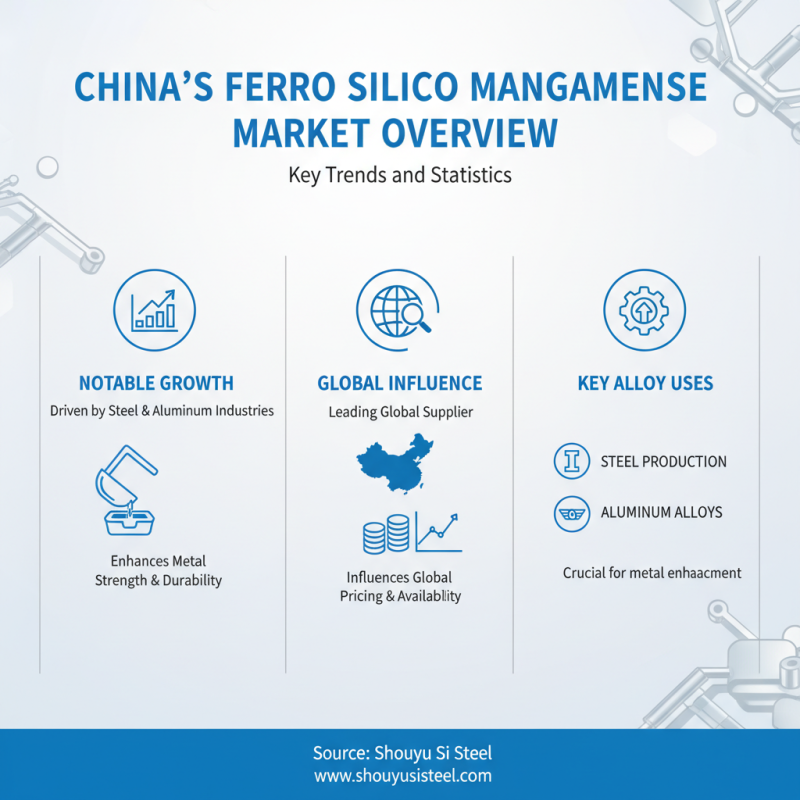
China's Ferro Silico Manganese market is experiencing notable growth. Demand is driven by the steel and aluminum industries. This alloy is crucial for enhancing the strength and durability of metals. In recent years, China has become a leading supplier in the global market, influencing pricing and availability.
Key statistics reveal significant fluctuations in production volumes. In 2022, production increased by 15% compared to the previous year. However, concerns linger about the environmental impacts of mining practices. Many manufacturers are reflecting on sustainable methods. The balance between production efficiency and ecological responsibility remains a challenge.
Market trends indicate an increasing interest in sustainable sourcing. Buyers are seeking suppliers committed to corporate social responsibility. They want transparency in the production process. By focusing on sustainable practices, suppliers can enhance their credibility. The Ferro Silico Manganese market is evolving, shaped by both demand and shifting values.
Ferro silico manganese is a critical component in steel production. China dominates this market, with many suppliers offering diverse products. Understanding these suppliers can benefit buyers seeking high-quality materials.
One notable report indicates that China's ferro silico manganese production reached approximately 5 million tons in 2022, reflecting a steady increase. Key players include large state-owned enterprises and private firms. Many manufacturers focus on high-grade materials, catering to the growing demands of the steel industry. However, quality control remains a concern. Some suppliers do not consistently meet international standards, leaving buyers vulnerable.
Moreover, prices fluctuate based on raw material costs and global demand. Recent data shows price variances of up to 15% within a year. Buyers must evaluate multiple suppliers to ensure competitive pricing and product consistency. Transparency in production processes is essential but often lacks detail. The industry needs to address these shortcomings to foster trust. By examining suppliers and their profiles, buyers can navigate the complexities of ferro silico manganese transactions effectively.
Ferro silico manganese is essential in steelmaking. It adds critical elements to improve strength and durability. China stands out as a major player in this market. Various industries rely heavily on these materials. Understanding the dynamics of this sector can help buyers make informed decisions.
Leading buyers in China often seek suppliers that guarantee quality and consistency. However, many buyers face challenges in sourcing reliable partners. Market fluctuations affect pricing and availability. This uncertainty can complicate procurement strategies. Buyers must carefully vet suppliers, considering factors like production capacity and delivery times.
Industry insights reveal that transparency is key. Successful transactions depend on clear communication between buyers and suppliers. Trust and reliability build long-term partnerships. Yet, some suppliers may not meet expectations, leading to potential risks. It's crucial for buyers to remain vigilant and adaptable in a rapidly changing market.
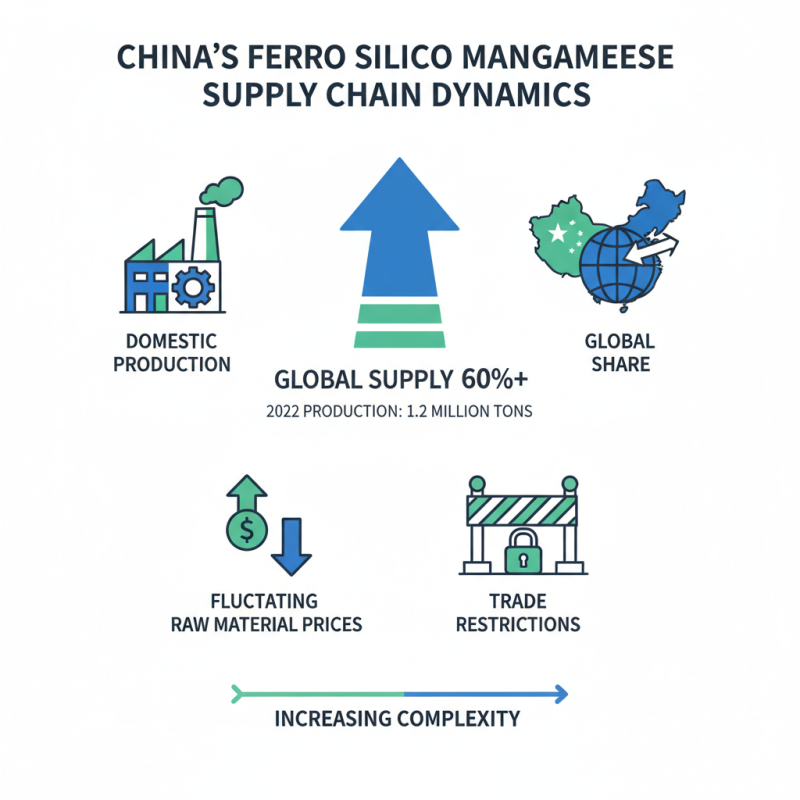
The ferro silico manganese supply chain in China has become increasingly complex. In 2022, China produced approximately 1.2 million tons of silico manganese. This contributed to over 60% of the global supply. Yet, domestic suppliers face challenges such as fluctuating raw material prices and trade restrictions.
Demand has grown, driven by the steel industry, which accounts for around 85% of ferro silico manganese usage. Data from industry reports indicate a projected growth rate of 5% per year. However, suppliers must adapt to changing regulations and market conditions.
Transport logistics add another layer of complexity. Long lead times and costs can impact profitability for both suppliers and buyers. As companies seek to streamline their operations, digital solutions are being explored. Overall, understanding these dynamics is essential for stakeholders in the ferro silico manganese market.
Ferro Silico Manganese is vital in various industries. Understanding quality standards for this alloy is crucial for both suppliers and buyers. The product must meet specific chemical compositions and physical properties to ensure usability. For instance, the manganese content typically ranges from 60% to 70%, while silicon content is essential for steelmaking.
Quality regulations vary across regions. Compliance with international and local standards is necessary for market acceptance. Buyers should check certifications that guarantee product integrity. Inspections performed during production can reveal whether the alloy meets the prescribed specifications. This process ensures that Ferro Silico Manganese Uses in steel reinforcement and other metallurgical applications remain reliable.
One common challenge is ensuring consistent quality. Variability in raw material sourcing can affect the end product. Suppliers must be transparent about their processes and provisions for quality control. Documentation, certifications, and quality audits can strengthen trust between suppliers and buyers. Addressing these issues can enhance overall satisfaction and reliability in Ferro Silico Manganese transactions.
In recent years, the market for Ferro Silico Manganese in China has seen varied pricing trends. According to the China Ferroalloy Industry Association, average prices fluctuated significantly, reaching highs of approximately $1,200 per metric ton in early 2023. This volatility is often driven by changes in global demand and production costs. The ongoing conflict in Eastern Europe and supply chain disruptions have also played a crucial role in shaping these trends.
China remains a key player in the production of Silico Manganese Steel. Recent reports indicate that the output has grown by about 5% year-on-year. This increase is primarily attributed to higher domestic consumption and export opportunities. However, producers face challenges. Raw material costs continue to rise, and environmental regulations impose additional burdens. Many find themselves questioning their operational strategies in light of these pressures.
In addition, the competition among suppliers intensifies as they vie for market share. Some industry analysts predict a steady increase in demand for Ferro Silico Manganese due to the steel industry's growth. Yet, the need for sustainable practices complicates this landscape. It's essential for buyers to remain informed about market dynamics to navigate this evolving sector effectively.
As the demand for ferro silico manganese continues to rise, suppliers in China face exciting growth opportunities. This demand largely stems from the expanding steel industry, which increasingly relies on High Carbon Silico Manganese for its production processes. The growth prospects are promising, yet suppliers must navigate challenges related to quality control and market fluctuations.
The competitive landscape is evolving. Many suppliers are seeking new partnerships to enhance their product offerings. This approach can lead to innovation and improved efficiency. While some companies succeed, others may struggle with the integration of advanced technologies. Specialized knowledge in metallurgical processes becomes essential for those looking to stand out.
Navigating international markets can be complex. Understanding market trends requires careful analysis. Some suppliers may overlook the importance of sustainability. However, eco-friendly practices can enhance reputation and offer a competitive edge. It is crucial to adapt to changing regulations and consumer preferences. The future of ferro silico manganese supply in China holds potential, but careful planning and adaptability will be key.
: It is primarily used in steel production and various metallurgical applications.
China produced about 5 million tons, showing a steady increase that year.
Suppliers encounter fluctuating raw material prices, trade restrictions, and inconsistent quality.
Quality control ensures the product meets standards, affecting its usability in steelmaking.
Buyers should check for certifications and insist on transparency in production processes.
Prices fluctuate based on raw material costs, demand, and market conditions.
Longer lead times can increase costs and affect profitability for both suppliers and buyers.
The demand is expected to grow at a rate of roughly 5% per year.
There can be inconsistency in meeting international and local quality standards.
Digital solutions are being explored to streamline operations and improve efficiency in logistics.
The article "China Top Ferro Silico Manganese Suppliers and Buyers Guide" provides a comprehensive overview of the Ferro Silico Manganese market in China, highlighting key trends, statistics, and the dynamics of the supply chain. It outlines the major suppliers and buyers, offering insights into their profiles and interactions within the industry. Furthermore, the article discusses the quality standards and regulations governing Ferro Silico Manganese products, emphasizing the importance of compliance for market players.
Pricing trends and market analysis reveal the economic landscape for Ferro Silico Manganese, indicating fluctuations and factors influencing costs. Looking ahead, the article underscores the growth opportunities available for suppliers in this sector, driven by increasing demand and evolving market conditions. Overall, it serves as a valuable resource for stakeholders interested in navigating the Ferro Silico Manganese market in China.