• sns01
  • sns02
  • sns03-1
  • sns04
Leave Your Message
0%

Buying Electrical Steel from overseas? It’s tempting to just compare price per ton, but honestly, that’s only the tip of the iceberg. A quote can look great on paper—until you realize the grade, thickness, coating, and magnetic performance all affect how the material actually behaves in your finished core. And yeah, a few microns can make a real difference. So can a delivery delay, believe it or not.

Look, if you're sourcing from overseas, you can't just ask for quotes without having your specs locked down. You need to know what it's for, the exact dimensions, which standards you want, and how much tolerance you can live with. When you reach out to suppliers, don't be shy—ask for up-to-date technical datasheets and inspection docs, like mill test certificates if they apply. And here's the thing: just because the grade name looks the same doesn't mean the performance will be identical. So double-check that what they quoted actually matches what you asked for. Because honestly, the little details are what make or break it.

Don’t sleep on logistics—they matter just as much as the steel itself. You’ll want to nail down whether it’s coil or sheet packaging, how it’s handled at port, shipping terms, lead times, and how claims are documented. Also, ask about moisture protection during transit, especially if the steel might sit in storage for a while before processing. And don’t just compare mill prices—look at the landed cost to see the real picture. Oh, and keep a written record of the tolerances you agreed on.

Look, no checklist is going to catch every single thing. Product availability, freight, production schedules—they can shift on you, and even the best-laid forecasts sometimes miss the mark. So before you place an order, it's worth double-checking the critical stuff with your technical team and the supplier. A small sample or trial run can uncover issues that paperwork just won't show. Sure, that adds time and money, so you have to decide if it's worth it.

If you're buying globally, these seven tips can help you walk through suppliers, specs, quality proof, and delivery risks in a pretty practical order. They're really just a starting point though—not a substitute for digging into what your specific project actually needs.

7 Tips for Buying Electrical Steel for Global Buyers

Define Electrical Steel Types and Their Intended Applications

Electrical steel is not a single interchangeable material. Grain-oriented electrical steel (GOES) is designed for transformer cores, where magnetic flux largely follows the sheet’s rolling direction. Non-oriented electrical steel (NOES) suits motor and generator laminations, where magnetic flux changes direction as the rotor turns. Choosing by product name alone can miss the application’s real demands.

The IEA report Energy-Efficiency Policy Opportunities for Electric Motor-Driven Systems (2011) estimates that motor-driven systems use about 45% of global electricity. That scale makes NOES core losses relevant to buyers comparing motor designs. For each grade, check loss values at the stated frequency and magnetic induction, sheet thickness, coating, and required punching quality. Transformer buyers should also confirm GOES properties in the rolling direction. Small test-condition differences matter.

Tip: Match the steel to the equipment, then compare certified test data under equivalent conditions. Ask suppliers for grade standards, thickness tolerances, and batch-specific results before approval. A thinner sheet may reduce some losses, but it can complicate stamping or raise processing costs. One detail is easy to overlook: laboratory figures do not guarantee the same performance in a finished core. Review sample parts with your engineering team.

Match Magnetic Properties to Your Equipment Requirements

Match magnetic properties to the job, not just the grade name. For transformer cores, compare core loss at the intended induction and frequency, plus permeability and magnetostriction. Cold Rolled Grain Oriented Electrical Steel is designed for directional magnetic flux, but its performance depends on rolling direction and cutting. A narrow strip can behave differently after slitting. Ask for test values, thickness, coating, and measurement conditions; otherwise, comparisons may be misleading.

Use test data that reflects your operating point. IEC 60404-2 specifies measurement methods for magnetic properties using an Epstein frame, while IEC 60404-8-7 covers requirements for grain-oriented electrical steel. The U.S. Department of Energy’s transformer-efficiency technical support analysis separates no-load, or core, losses from load losses. That distinction matters: a low-loss core may not solve heating caused by winding losses. Check the complete design, including joints, clamping, and stacking factor. Small details count.

Demand traceable mill data and validate samples in your own core geometry when feasible. The IEA’s 2023 Electricity Grids report says annual grid investment must rise from about USD 300 billion to more than USD 600 billion by 2030 in its net-zero pathway. That growth increases the value of dependable transformer performance, but it does not make every premium grade worthwhile. Compare measured watts per kilogram at your target flux density against price and processing yield. A useful reality check: the best datasheet value may not survive fabrication.

7 Tips for Buying Electrical Steel for Global Buyers — Match Magnetic Properties to Your Equipment Requirements

Maximum Specific Total Loss at 1.5 T and 50 Hz

These EN 10106 grade designations indicate maximum specific total loss at 1.5 T and 50 Hz; the number after “M” gives the loss limit in watts per kilogram, and the suffix indicates nominal thickness in millimetres. Lower loss can help reduce core losses, but the right grade depends on your equipment’s operating frequency, flux density, thickness, and magnetic requirements. Check the supplier’s certified test data for your operating conditions before purchasing.

Select the Right Grade, Thickness, and Coating

Choosing electrical steel begins with the equipment’s job. Grain-oriented grades are commonly used in transformer cores, while non-oriented grades suit rotating machines. Confirm the intended magnetic direction and operating conditions before comparing offers. A grade name alone is not enough.

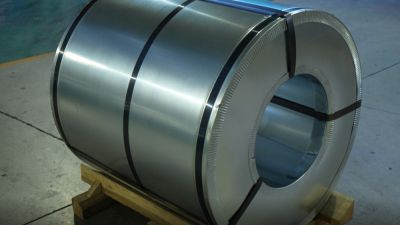
Thickness affects both magnetic performance and handling. Thinner sheets can reduce eddy-current losses, but they may cost more and require careful stacking. Check the specified thickness and tolerance against your core design. For Crgo Electrical Steel, ask for test data at the frequency and flux density relevant to your application. Details matter.

The coating helps insulate adjacent laminations and limit inter-sheet currents. Its suitability depends on processing, including cutting and any heat treatment. Ask suppliers to identify the coating type and confirm its compatibility with your manufacturing steps. I would not choose by coating label alone; practical trials can reveal issues that a data sheet misses. That step is easy to overlook. A small trial stack may expose burrs, poor fit, or coating damage before a large order is placed.

Verify Standards, Certifications, and Test Documentation

Verify the required standard before comparing electrical steel quotes. Requirements can differ by grade, thickness, coating, and intended use. Ask for the standard number and revision, not just “compliant” on a sales sheet. Paperwork matters.

Check what each certificate actually covers. A quality-system certificate may apply to a facility, while a material certificate should identify the product and production batch. Confirm the issuing organization, scope, dates, and site. A neat certificate can still leave gaps.

Request test documentation linked to the coils or sheets being offered. Look for thickness, width, coating or insulation details, and magnetic results such as core loss and polarization. Check the test method, sampling basis, and acceptance limits. The numbers need context. Make sure the report identifies the tested grade and batch, then compare it with the purchase specification. Crngo Electrical Steel buyers should ask how records remain traceable if material is split or repacked. If a value is missing, ask why; an unexplained blank is not proof of a problem, but it deserves a clear answer. I still double-check this. A supplier’s stamp alone does not show that every shipment matches the report.

Assess Supplier Capacity and Quality Consistency

Supplier capacity is more than a large production line. Ask how many tonnes the mill can allocate to your grades each month, and whether that figure includes existing commitments. Check its ability to supply the required thickness, width, and coating repeatedly. A sample is only a starting point. Numbers can mislead.

Request inspection records from several recent batches, not just one carefully prepared sample. Compare thickness, surface condition, coating, and magnetic properties against your purchase requirements. Ask how the supplier handles rejected coils, production delays, and changes in raw materials. Clear answers matter. A site visit or live production review can help verify equipment and stock, but neither guarantees every shipment will match. It is easy to trust a polished sample too much; real consistency shows across ordinary orders. Start with a manageable trial shipment, then compare its test results and packaging with the agreed specifications before increasing volume.

Compare Total Cost, Shipping, and Delivery Timelines

A low mill price can hide expensive gaps. Compare the full landed cost of each Electrical Steel Sheet order, including packing, freight, insurance, port handling, duties, and inland delivery. Ask suppliers to state what is included and which charges may change. Not just the mill price. A quote with a lower unit cost may still be dearer after shipment, especially for small orders or distant ports.

Check delivery in stages: production time, dispatch date, ocean or air transit, customs processing, and final transport to your facility. Request realistic dates, not only a broad estimate, and ask whether the material is already available or must be produced. Add a buffer for port congestion or missed sailings. Still, estimates are estimates. A spreadsheet can look precise and still mislead. Confirm packaging details, such as moisture-resistant wrapping and secured pallets, since damaged edges or surface rust can delay inspection. Compare payment timing and quote validity too; a price held for only a few days may complicate purchasing approval. Before booking, align the delivery window with your production schedule and leave room for receiving checks.

7 Tips for Buying Electrical Steel for Global Buyers - Compare Total Cost, Shipping, and Delivery Timelines
Tip What to Compare Planning Example or Benchmark Buyer’s Check
1. Match the grade to the application Grain-oriented electrical steel (GOES) is commonly used in transformer cores; non-oriented electrical steel (NOES) is commonly used in rotating-machine cores. Compare the specified thickness, core-loss limit, magnetic properties, coating, and applicable standard—not just the material description. Confirm the required grade and test-document requirements with your engineering team before requesting quotes.
2. Compare total landed cost Compare material, freight, insurance, port and handling charges, customs duty, taxes, and inland delivery on the same basis. Illustrative 20,000 kg example: material at $2.40/kg + freight at $0.18/kg + insurance and handling at $0.07/kg = $2.65/kg before duty, taxes, and inland delivery; estimated subtotal is $53,000. Use comparable Incoterms, destination, shipment weight, and cost inclusions. Treat figures as planning estimates, not live market quotes.
3. Check shipping mode and packing Ocean freight is often suitable for larger, less time-sensitive orders; air freight is faster but typically costs substantially more. Ask for a route-specific quote covering container or cargo type, loading, port charges, and expected transit time. Protect coils or sheets from moisture and handling damage. Confirm packaging, loading method, cargo insurance, and who pays each freight-related charge.
4. Plan for the full delivery timeline Separate production or stock-release time from port handling, ocean transit, customs clearance, and final delivery. For planning only, stocked material may take a few weeks to deliver; made-to-order material shipped internationally can take several weeks or longer. Actual timing depends on origin, route, capacity, and clearance. Request a dated production schedule and shipping milestones, and include a buffer for port congestion and customs.
5. Verify minimum order and processing limits Minimum order quantities can differ for standard coils, slit coils, cut sheets, and custom specifications. A quote may price material by metric ton while imposing separate minimums for coil width, slit width, or processing runs. Confirm net weight, tolerances, usable yield, cutting or slitting charges, and whether excess material must be purchased.
6. Compare quality evidence and inspection terms Review the material test certificate, stated electrical and mechanical properties, dimensions, coating details, and traceability. Agree on inspection timing and acceptance criteria before production or dispatch; independent inspection may add cost and time. Specify how non-conforming material, claims, and replacement or credit decisions will be handled.
7. Review payment and quote validity Compare deposit and balance terms, payment security, quotation validity, currency, and any price-adjustment clauses. Steel, freight, and foreign-exchange prices can change; a quote should state its validity period and the conditions that may alter the final price. Confirm the payment schedule, shipment documents, delivery responsibility, and dispute terms in the purchase contract.

Note: Cost and lead-time figures are illustrative planning examples only. Obtain current, route-specific quotations and verify import duties, taxes, and delivery requirements for the destination.

Confirm Sample Quality, Packaging, and Order Terms

A supplier’s sample should match the grade, thickness, coating, and processing condition stated in the quotation. Check the certificate against the physical sheet, then inspect the edges for burrs, waviness, and handling damage. Looks can mislead. If magnetic properties matter, ask how the test was performed and whether the results apply to the delivered material, not just a selected sample. Keep a labeled reference piece; it can help resolve later questions.

Packaging deserves the same attention as the steel itself. Ask for moisture-resistant wrapping, protected edges, and a suitable crate or pallet for the planned route. A small tear in the outer wrap can expose sheets to condensation during a long journey. Specify labels for grade, coil or sheet dimensions, net weight, and batch number. Take photos before dispatch. They are useful, though they cannot replace a proper inspection.

Put order terms in writing before production begins. Confirm minimum quantity, tolerances, lead time, payment schedule, inspection arrangements, and what happens if delivered material differs from the approved sample. Define who handles freight, insurance, and unloading, using terms both parties understand. Vague wording often causes avoidable delays. It is easy to focus on price and overlook these details; that is a mistake buyers may only notice after the shipment arrives.

Choosing High-Quality Oriented Silicon Steel from China: Factory Reliability, Shipping, and After-Sales Support

Choosing high-quality oriented silicon steel from China begins with assessing the factory’s ability to deliver consistent products and dependable service. A reliable supplier should maintain clear production and quality-control procedures, communicate specifications accurately, and provide stable supply for industrial requirements. Before placing an order, buyers can confirm material details, packaging arrangements, lead times, and the documents supplied with the shipment. These practical checks help reduce uncertainty and support a smoother purchasing process.

Shipping protection is especially important for oriented silicon steel. Each order should be carefully packed with moisture-proof and rust-resistant materials to help protect the steel during handling and transportation. Specialized logistics and standardized shipping procedures can support efficient dispatch and delivery, while shipment updates help customers plan receiving and storage. After-sales support is also part of factory reliability: responsive assistance with delivery questions, product documentation, and any concerns after receipt makes it easier to resolve issues promptly. With careful packaging, coordinated logistics, and accessible service, customers can purchase oriented silicon steel with greater confidence in its condition and delivery.

FAQS

What is the difference between grain-oriented and non-oriented electrical steel?

Grain-oriented steel is designed for transformer cores, where magnetic flux mainly follows the sheet’s rolling direction. Non-oriented steel suits motor and generator laminations, where flux changes direction.

How should I choose electrical steel for a motor or transformer?

Match the steel type to the equipment, then compare certified test data under equivalent conditions. Check the stated frequency, magnetic induction, thickness, coating, and processing needs.

Why should buyers compare test conditions?

Loss values can change with frequency and magnetic induction. Small differences matter. Laboratory results may not predict performance in a finished core.

What should I inspect in a steel sample?

Confirm its grade, thickness, coating, and processing condition against the quotation. Inspect the edges for burrs, waviness, or handling damage. Looks can mislead.

What documents or test details should I request?

Ask for grade standards, thickness tolerances, and batch-specific results. Check whether magnetic tests represent the delivered material, not only a selected sample.

How can electrical steel be protected during shipping?

Request moisture-resistant wrapping, protected edges, and a crate or pallet suited to the route. A small tear can expose sheets to condensation.

What information should appear on packaging labels?

Specify the grade, sheet or coil dimensions, net weight, and batch number. Take dispatch photos too, but remember they cannot replace inspection.

Which order terms should be agreed before production?

Put minimum quantity, tolerances, lead time, payment schedule, and inspection arrangements in writing. Clarify freight, insurance, unloading, and remedies for material that differs from the approved sample. Price is not the whole story.

Conclusion

Buying Electrical Steel for global projects starts with understanding the available types and how they suit specific equipment, such as transformers, motors, or generators. Compare key magnetic properties with your design requirements, then choose an appropriate grade, thickness, and coating to balance performance, durability, and manufacturing needs. Before committing, review applicable standards, certifications, and test records to confirm that the material meets your specifications.

A reliable purchase also depends on the supplier’s production capacity and ability to maintain consistent quality across orders. Evaluate the full cost, including shipping and handling, alongside realistic delivery timelines rather than comparing unit prices alone. Request samples to assess material quality, and confirm packaging, inspection arrangements, order quantities, and other commercial terms in writing. Careful checks at each stage can help reduce supply risks and ensure the Electrical Steel received is suitable for its intended application.
Isabelle

Isabelle

Isabelle is a dedicated marketing professional at Tangshan Shouyu Electromagnetic New Materials Co., Ltd., a high-tech enterprise established in 2022 in the Yutian County Industrial Park of Tangshan City, Hebei Province. With a profound expertise in the industry, she plays a pivotal role in......
Previous China Best Silicon Steel Strip Manufacturers and Suppliers