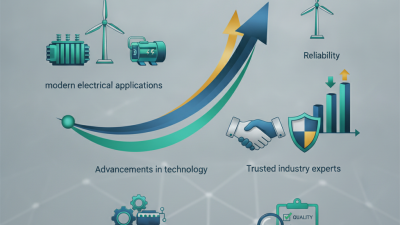
As industries around the world are really hopping on the tech bandwagon, the demand for high-grade oriented silicon steel has shot up quite a bit. Recently, MarketsandMarkets released a report saying that the global market for this kind of steel could hit around $29.25 billion by 2026 — mostly because everyone’s looking for energy-efficient electrical devices these days. This material’s pretty essential because it helps cut down energy losses in transformers and electric motors, which is a big deal across tons of sectors.
But here’s the thing—finding good quality oriented silicon steel isn’t always a walk in the park. Not all suppliers keep the same standards, you know? Companies like Shanghai Electric and Nippon Steel are generally seen as reliable, but even they might not always have what every industry needs. That’s why doing your homework and digging around to find the right wholesale supplier that matches your specific needs is super important.
And let’s not forget—small differences in the steel’s composition or how it’s processed can really impact how well your end products perform. So, working with the right suppliers not only guarantees you meet industry standards but also keeps the innovation flowing. Ultimately, prioritize what matters most to you but stay cautious of the pitfalls when choosing your sources. It’s all about finding that sweet spot between quality and reliability.
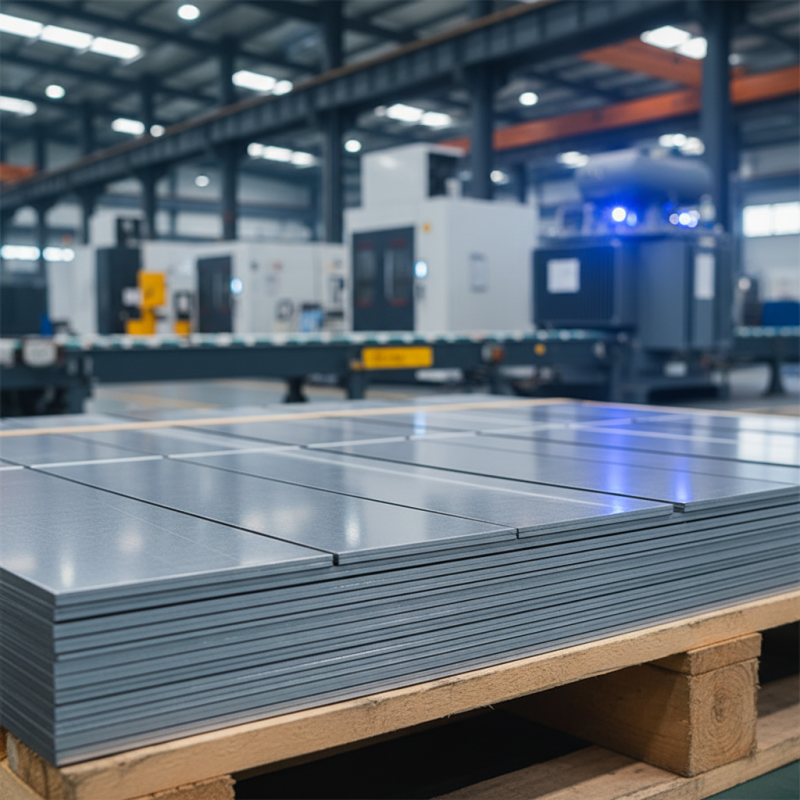
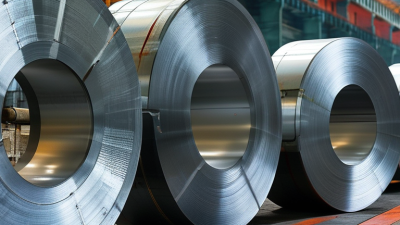
Silicon steel is a specialized type of steel, offering impressive magnetic properties. It's primarily used in electrical devices such as transformers and motors. Its ability to enhance performance makes it essential in various industries. The unique crystalline structure of oriented silicon steel allows for reduced energy loss during operation.
Oriented Silicon Steel Sheets are specifically designed for applications that require efficient power transmission. Their tailored orientation improves magnetic permeability, making them suitable for high-efficiency transformers. However, sourcing high-quality silicon steel can be challenging. Some suppliers may compromise on material quality, impacting performance and reliability. It’s crucial to verify the specifications before making a purchase.
Industrial applications extend beyond electrical equipment. This steel is also utilized in electric vehicles and renewable energy technologies. With the global push for sustainability, demand for oriented silicon steel is rising. Industries are increasingly focused on enhancing energy efficiency. This trend invites scrutiny of supply chains and manufacturing processes. Ensuring quality materials while meeting production needs remains a continual challenge.
| Application | Grade | Magnetic Flux Density (T) | Core Loss (W/kg) | Thickness (mm) |
|---|---|---|---|---|
| Transformers | Oriented Grain | 1.80 | 0.40 | 0.35 |
| Electric Motors | Non-oriented | 1.60 | 0.50 | 0.50 |
| Inductors | Silicon Iron | 1.70 | 0.55 | 0.20 |
| Magnetic Shields | Cold Rolled | 1.75 | 0.60 | 0.30 |
Silicon steel is crucial for many industries, particularly in manufacturing electrical equipment. This material has distinctive properties that make it ideal for transformers and motors. Its high magnetic permeability allows for efficient energy use, reducing losses. This is vital in today’s energy-efficient environment.
When considering wholesale silicon steel, focus on its composition and characteristics. The silicon content typically ranges from 2% to 4.5%. This specific range enhances magnetic properties while providing structural strength. The manufacturing process also affects quality. Cold-rolled techniques often yield better performance in magnetic applications compared to hot-rolled methods.
However, sourcing silicon steel can present challenges. Variability in quality from suppliers might occur. It’s important to conduct thorough inspections before purchasing. Not every batch meets industry standards. Establishing a reliable supplier relationship can mitigate this risk. Understanding the key properties is essential for making informed decisions.
China has become a leading supplier of silicon steel, vital for various industries. The latest market reports indicate that the demand for silicon steel is expected to rise significantly. In fact, the global silicon steel market size was valued at approximately $20.6 billion in 2022. This figure is anticipated to reach around $27.5 billion by 2026. This growth is largely driven by increased applications in electric vehicles and renewable energy sectors.
Several major suppliers in China dominate the silicon steel market. These suppliers provide a diverse range of silicon steel grades tailored for different applications. Notably, high-silicon transformer steels are essential for efficient electrical energy conversion. Moreover, the Chinese market accounts for nearly 40% of the world’s silicon steel production. However, quality consistency remains a challenge. Some smaller suppliers struggle with maintaining the high standards expected globally.
The production techniques of silicon steel can vary significantly among suppliers. Many use advanced processes to reduce grain size, which enhances performance. However, not all manufacturers adhere to these practices, which can lead to variations in quality. It raises concerns about reliability for industries that depend heavily on these materials. As businesses evaluate suppliers, quality assurance should be a critical factor in their decisions.
Evaluating quality standards in silicon steel products is crucial for industries relying on these materials. When selecting Ultra-Thin Oriented Silicon Steel Sheet, one should consider the magnetic properties and thickness. Research shows that thinner steel sheets can significantly enhance efficiency in electrical applications. According to the International Energy Agency, optimizing silicon steel can lead to energy savings of up to 30% in electric motors.
Inspection processes also play a vital role. Quality control measures must verify that silicon content and grain orientations meet industry standards such as ASTM A677. Subpar materials may lead to magnetic losses, impacting device performance. Reports show that even a minor deviation in grain alignment can reduce efficiency by 5%.
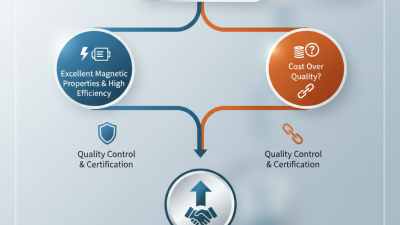
Additionally, sourcing from reputable suppliers enhances reliability. Many manufacturers are still grappling with consistency in product quality. Customers should look for certifications and performance testing to ensure they receive the best product for their industrial needs. The challenge lies in balancing cost and quality, as the most affordable materials may compromise long-term performance.
When considering the cost factors for silicon steel, several elements come into play. The price of Ordinary Oriented Silicon Steel Sheet can depend significantly on raw material costs, manufacturing methods, and market demand. According to recent industry reports, the price of silicon steel has seen fluctuations ranging from 6% to 10% annually. This variance is largely influenced by the global supply chain and geopolitical factors.
Labor costs are another crucial aspect. Skilled workers in steel manufacturing command higher wages, which can raise production costs. On average, labor costs contribute to about 25% of the total expenditure in the silicon steel industry. Additionally, energy consumption during the manufacturing process is substantial. It has been reported that around 60% of operational costs are energy-related. This aspect requires industries to invest in energy efficiency.
Ultimately, pricing strategies must factor in these dynamics. Organizations often adjust their pricing models based on current market conditions. It is essential to conduct thorough market research and trend analysis to remain competitive. Industry leaders advocate for strategic partnerships in sourcing raw materials as a way to mitigate costs. With the right approach, businesses can navigate the complexities of pricing and ensure their long-term success in the silicon steel market.
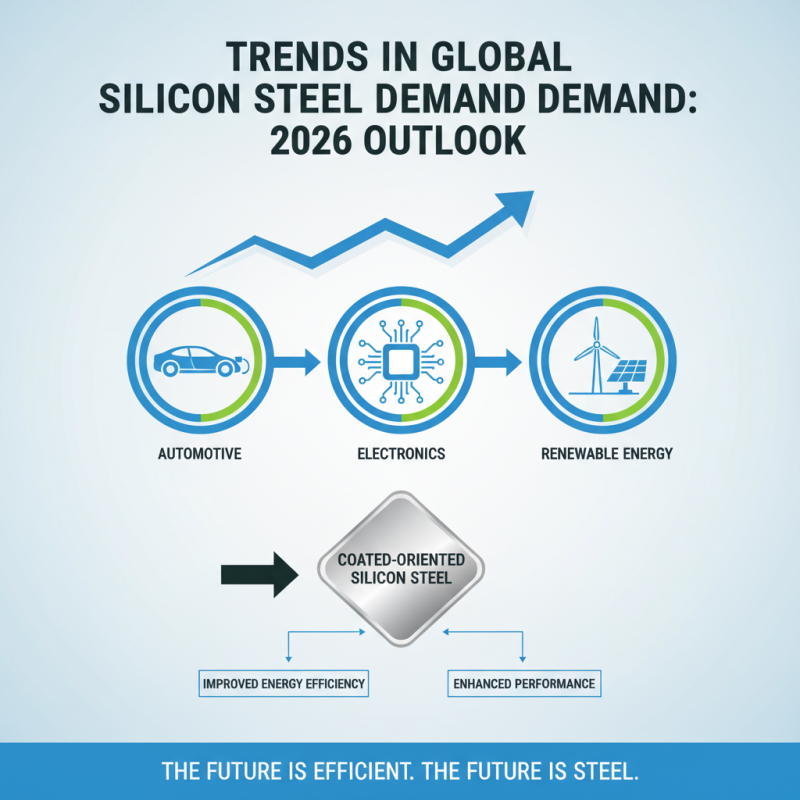
The demand for silicon steel is evolving rapidly as industries seek efficient materials. In 2026, this trend is expected to intensify. Key sectors such as automotive, electronics, and renewable energy are increasing their reliance on high-performance steel. Coated Oriented Silicon Steel has emerged as a critical player in this market. Its unique properties improve energy efficiency and performance.
As manufacturers pivot towards sustainability, the demand for silicon steel is expected to rise. Companies are investing in advanced production techniques to enhance material properties. However, the challenge remains in balancing cost with performance. Some manufacturers struggle with this trade-off, leading to inconsistent product quality. This inconsistency can deter buyers who prioritize reliability.
The innovation in coated designs also presents opportunities. New coatings can significantly enhance magnetic properties. This means better energy conversion in electrical applications. Yet, not all companies are equipped to produce these advanced materials. There’s a pressing need for expertise and investment in technology. Emphasizing quality and reliability will be key to meeting the growing demands of the industry.
When sourcing silicon steel, understanding your industry's specific needs is crucial. According to the International Energy Agency (IEA), the global demand for silicon steel is projected to grow by 4% annually through 2026. This growth is driven by advancements in automotive and renewable energy sectors. Hence, developing robust sourcing strategies can help companies optimize their procurement processes.
Establishing relationships with reliable suppliers is essential. Maintaining consistent communication is key, as it helps differentiate between various material grades. Research indicates that poor communication leads to a 25% increase in procurement costs. Another factor is conducting regular market analysis, ensuring that you understand price trends and potential disruptions. In 2023, fluctuating raw material costs affected many manufacturers, highlighting the need for agile sourcing strategies.
Additionally, consider diversifying your supplier base. Relying on a single source increases vulnerability to supply chain disruptions. A 2022 report by Deloitte suggested that companies with diverse supply chains experienced 30% less downtime during shortages. However, this approach may introduce complexities in quality control, which is a significant challenge in silicon steel procurement. Balancing risk with supplier reliability remains a continuous task for industry players.
This chart compares the average price of oriented silicon steel per ton over a six-month period. These prices illustrate potential trends for sourcing strategies in your industry.
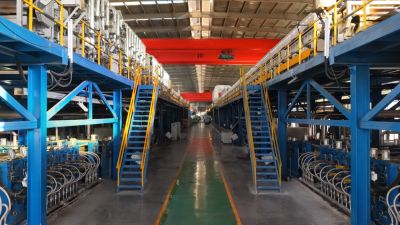
In the realm of metallurgical advancements, the production of oriented silicon steel stands as a benchmark of precision and technological complexity. This specialized steel is crucial for various applications, particularly in the manufacturing of high-performance electrical equipment. The production line for oriented silicon steel involves an intricate process that includes smelting, hot rolling, cold rolling, heat treatment, coating, and finishing. Each of these stages is vital in ensuring the magnetic properties and surface quality of the steel meet the industry's exacting standards.
To achieve such high levels of precision, modern production lines are equipped with state-of-the-art technology and automated control systems. These innovations not only enhance efficiency but also guarantee the consistency necessary for high-quality outputs. The careful management of each process allows manufacturers to refine the material’s magnetic characteristics, a critical factor that determines the performance of transformers and electric motors. As the industry evolves, the demand for advanced machinery capable of delivering superior results will continue to grow, driving suppliers to invest in cutting-edge equipment and techniques.
: The demand for silicon steel is rising, driven by electric vehicles and renewable energy.
It's expected to reach around $27.5 billion by 2026, showing significant growth.
Smaller suppliers often struggle with quality consistency, failing to meet global standards.
China accounts for nearly 40% of the world’s silicon steel production.
Advanced processes can improve performance, but not all suppliers use these, leading to quality variations.
Costs depend on raw materials, labor, and energy consumption during manufacturing.
Labor costs contribute approximately 25% to the total expenditure in the silicon steel industry.
Energy-related costs account for around 60% of operational expenses in production.
Organizations adjust pricing based on market conditions and conduct thorough research for competitiveness.
There is an increased demand for high-performance steel driven by the automotive, electronics, and renewable sectors.
This article provides a comprehensive overview of oriented silicon steel and its significance for various industrial applications. It delves into the key properties that make oriented silicon steel a preferred choice for wholesale markets, highlighting its magnetic performance and efficiency in electrical applications. The discussion covers major suppliers in China, offering insights into evaluating quality standards to ensure the procurement of high-grade products.
Furthermore, the article examines cost factors and pricing strategies that influence the silicon steel market, providing guidance for businesses looking to optimize their sourcing strategies in 2026. As trends in demand evolve, understanding these dynamics will be crucial for industries relying on oriented silicon steel, ensuring they remain competitive in a growing market.