In the competitive world of Silicon Steel Wire, buyers from around the globe are faced with tons of options. You see, picking the right silicon steel wire can really make a big difference—like, it can impact how efficient and well your stuff performs, you know? That’s what Dr. Emily Wang from Steel Innovators Inc. emphasizes. Her insights highlight just how crucial it is to choose quality in this constantly changing market.
Lately, there’s been a noticeable spike in demand for Silicon Steel Wire, thanks to new tech and stricter industry standards. But here’s the thing: manufacturers need to weigh a bunch of factors—things like tensile strength, resistance to corrosion, and of course, price. With so many suppliers out there, each offering different qualities, it’s pretty important to really evaluate your options and not just go with the first thing that looks okay.
And honestly, even with all these choices, buyers often get tangled up in misinformation or unreliable info. That’s why it’s super helpful to look for advice from experts and check out verified company credentials. When the quality can vary so much in this field, understanding the ins and outs of Silicon Steel Wire can really help buyers make smarter decisions—making sure they get the best performance for their money in the end.
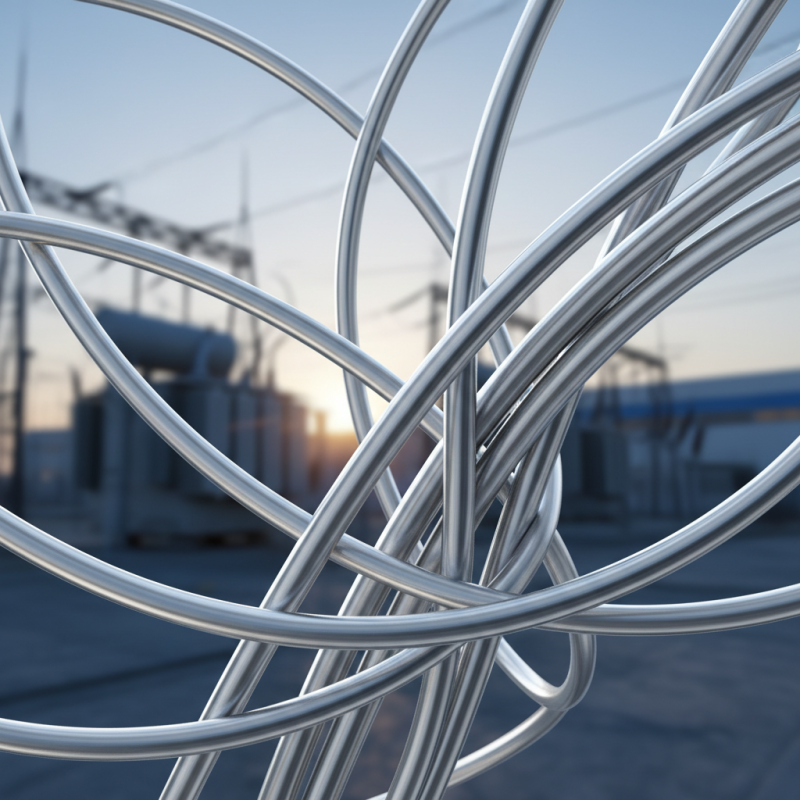
Silicon steel wire is a key component in many industrial applications. Its properties make it ideal for electrical transformers and motors. This type of wire is known for its high magnetic permeability and excellent electrical resistivity. These qualities significantly enhance energy efficiency and reduce losses in electrical devices. According to a market research report from Grand View Research, the global silicon steel market is expected to reach USD 22.02 billion by 2025, highlighting its increasing importance in various sectors.
The benefits of silicon steel wire extend beyond energy efficiency. It offers good tensile strength and durability, essential for high-stress applications. This wire can withstand harsh environments, making it suitable for outdoor installations. However, sourcing quality silicon steel wire remains a challenge. Variations in manufacturing processes can result in inconsistencies in wire performance. Buyers need to consider these factors carefully.
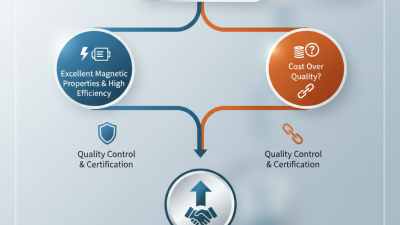
Moreover, the production process influences the final properties of the wire. Different alloy compositions can lead to significant variations in performance. Industry reports suggest that buyers should prioritize suppliers with robust quality control measures. This ensures the wire meets specific mechanical and electrical standards. Focusing on these aspects can lead to better long-term outcomes in application performance and reliability.
Silicon steel wire plays a crucial role in various industries, particularly in the electrical and automotive sectors. In power generation, silicon steel wire is integral to manufacturing transformers and inductors. Reports show that about 60% of electrical transformers utilize silicon steel due to its superior magnetic properties. These wires significantly improve energy efficiency, reducing losses during transmission and operation.
The automotive industry also relies heavily on silicon steel wire. It is used in electric motors and generators, contributing to the ongoing shift towards electrification. Industry data indicates that electric vehicle (EV) production is expected to grow by over 20% annually through 2025. This growth drives demand for materials like Chrome Silicon Wire, known for enhancing mechanical strength and thermal resistance in motors.
Silicon steel wire's versatility is evident in applications beyond energy and transportation. It is increasingly used in telecommunications and consumer electronics. However, sourcing quality wire poses challenges. Variations in production standards can affect performance and durability. It's essential for buyers to assess suppliers rigorously to ensure they meet industry specifications. This focus on quality can prevent costly failures in critical applications.
| Wire Type | Diameter (mm) | Grade | Tensile Strength (MPa) | Key Applications |
|---|---|---|---|---|
| Silicon Steel Wire A | 0.6 | 350MPA | 550 | Transformer Cores |
| Silicon Steel Wire B | 0.8 | 400MPA | 600 | Electric Motors |
| Silicon Steel Wire C | 1.0 | 500MPA | 700 | Generators |
| Silicon Steel Wire D | 1.2 | 600MPA | 800 | Induction Heating |
Choosing the right silicon steel wire involves several critical factors. Buyers should focus on the wire's magnetic properties. High silicon content enhances magnetization, increasing efficiency in electrical applications. Studies show that wires with over 3% silicon provide better performance in transformers and motors.
Another vital aspect is the wire's strength and ductility. Silicon steel wire typically has high tensile strength, making it durable. Reports indicate that wires exceeding 600 MPa in tensile strength suit heavy-duty applications. It’s crucial to consider the wire's processing method too. Hot-rolled wires can offer different characteristics compared to cold-rolled options. Each method impacts the final product's deliverability and strength.
Environmental factors cannot be overlooked. Silicon steel wires must resist corrosion to ensure longevity. Buyers should check compliance with environmental standards, especially regarding processing emissions. Therefore, regular evaluations of material sources and certifications are advisable. Making informed choices can lead to improved outcomes and operational efficiency. For example, understanding the differences in types, such as Chrome Silicon Spring Wire, can influence final applications and performance.
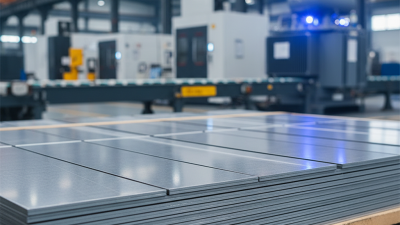
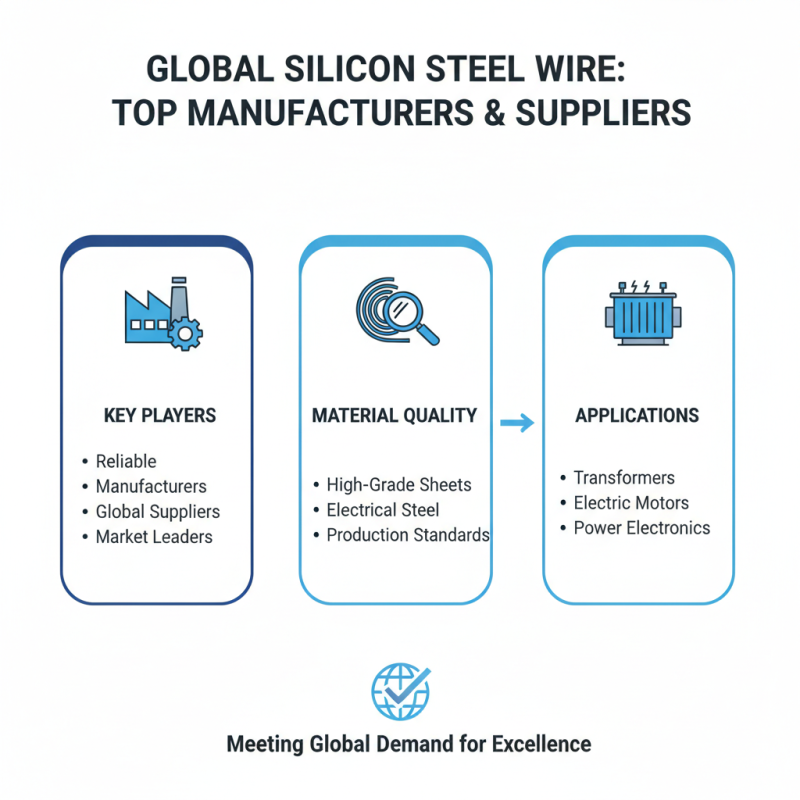
When exploring silicon steel wire options, global buyers often seek reliable manufacturers and suppliers. The market requires a deep understanding of material quality, especially in high-grade oriented silicon steel sheets. These sheets play a crucial role in electrical applications, such as transformers and motors. Therefore, producers must maintain a high standard of production.
Top suppliers emphasize the importance of sourcing premium raw materials. Many manufacturers invest in modern technology. However, not all factories meet the required international standards. It is essential for buyers to verify certifications and track records. Some companies might promise more than they can deliver. Buyers must be cautious and evaluate several suppliers.
Additionally, the production processes vary significantly. Some manufacturers focus on cost efficiency but compromise quality. On the other hand, those committed to excellence can provide high-grade oriented silicon steel sheets. Leveraging expertise in metallurgy can help refine product offerings. A well-informed buyer will ask critical questions and seek transparency. This due diligence is crucial for a successful purchase.
The global silicon steel wire market is experiencing significant changes. Key trends are shaping the industry, driven by demand in various sectors. According to a recent market report, the silicon steel wire market is projected to reach USD 10 billion by 2025. This expansion is largely due to rising applications in automotive and electrical components.
In the automotive sector, electric vehicle (EV) production is influencing silicon steel wire use. EVs require specialized materials to increase efficiency. As a result, manufacturers are focusing on high-quality silicon steel wire. The shift towards renewable energy sources is also a contributing factor. Wind turbine construction utilizes these wires extensively. Reports suggest a 5% annual growth rate in this segment.
However, challenges persist. Price fluctuations in raw materials pose risks. Staying updated on market trends and material costs is critical for buyers. Moreover, regional disparities in manufacturing capabilities can affect availability. Understanding these dynamics is essential for making informed purchasing decisions in the silicon steel wire market.
Silicon steel wires are critical in electric applications, particularly in motors and transformers. The market offers varied alternatives with distinct characteristics. Milled silicon steel, for example, often features superior magnetic properties. Data indicates that silicon steel with a higher silicon content, about 6.5%, achieves improved performance in high-frequency applications.
However, this advantage comes at a cost. Higher silicon grades can be less ductile, posing challenges during manufacturing processes. Another option is non-oriented silicon steel, which provides a balanced solution for applications requiring less complex manufacturing. Studies show that non-oriented silicon steel can reduce energy losses by up to 15%. This makes it a viable choice for many users looking for efficiency without compromising production quality.
Despite these options, buyers must consider trade-offs. Specific applications might demand specific wire types, affecting overall performance. An analysis by industry experts stresses evaluating wire choices based on the end-use environment. The risks of improper selection can lead to inefficiencies and increased operational costs. Customers need to navigate these challenges carefully, weighing technical requirements against cost implications.
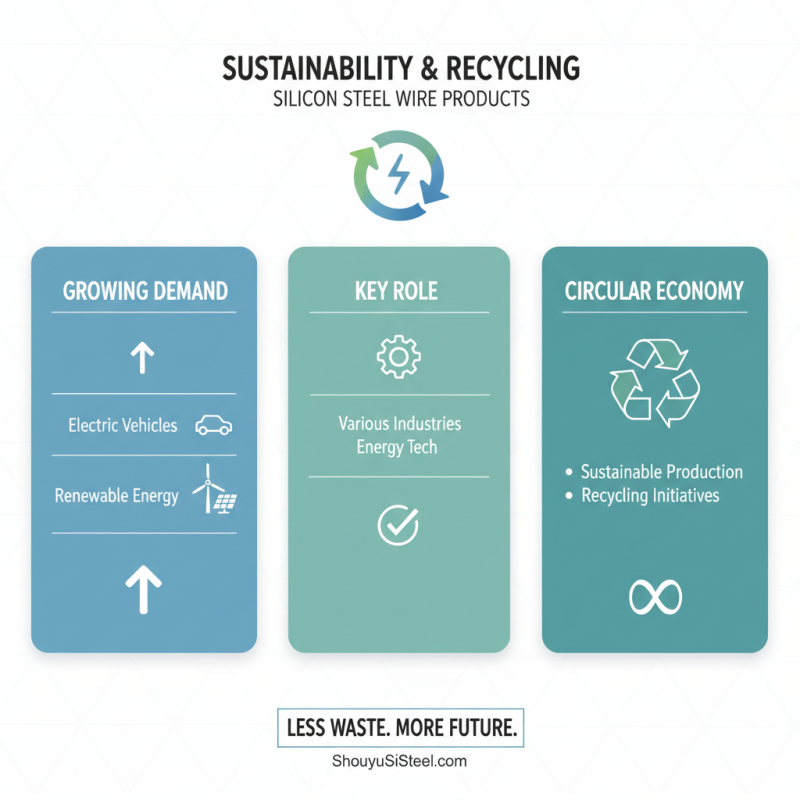
The sustainability of Silicon Steel wire products is a growing concern among manufacturers and consumers. These products play a significant role in various industries, especially in electric vehicles and renewable energy technologies. As the demand for Silicon Steel increases, so does the need for sustainable practices in production and recycling.
Recycling Silicon Steel wire can significantly reduce environmental impact. It can minimize waste and lower resource depletion. However, the recycling process itself is not perfect. It often faces challenges, such as contamination and inefficiency. Companies must address these issues to improve sustainability. Innovations in recycling technologies can enhance the quality of recycled materials. They can also make recycling processes more accessible.
Moreover, the lifecycle of Silicon Steel materials is essential. It involves sourcing raw materials and managing end-of-life products. Companies that prioritize sustainability should evaluate their supply chains carefully. Responsible sourcing can ensure that the environmental footprint is minimized. Awareness of the entire lifecycle can lead to better practices in the industry. The journey towards sustainability in Silicon Steel wire production is ongoing and requires commitment from all stakeholders.
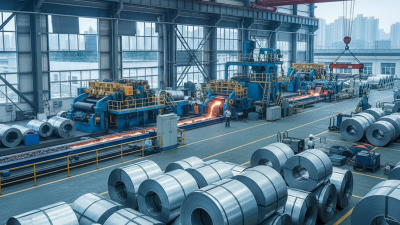
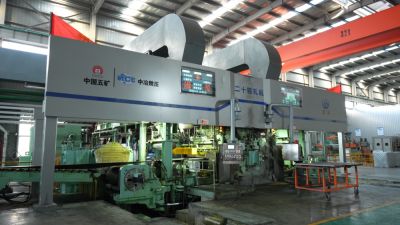
Revamping the production process of oriented silicon steel is crucial for enhancing the efficiency and quality of electromagnetic materials. The manufacturing journey begins with a sophisticated method encompassing smelting and hot rolling, followed by two stages of cold rolling. This structured approach not only increases the material's durability but also optimizes its magnetic properties. The decarburization annealing and high-temperature secondary recrystallization annealing phases are critical, as they refine the steel's grain orientation, ensuring that the final product exhibits superior low iron loss and high magnetic induction.
Chinese manufacturers have adopted best practices that emphasize precise control over the steel's texture, utilizing specific inhibitors during production. This careful modulation of the grain structure results in highly oriented grains that greatly improve magnetic conductivity and minimize energy loss. As a result, the oriented silicon steel produced is tailored for high-efficiency applications, meeting the growing demands of industries seeking robust and reliable electromagnetic materials. The consistency and performance of this product make it an ideal choice for various applications where energy efficiency and effectiveness are paramount.
: Silicon steel wire is essential in electrical and automotive industries, especially in power generation and electric vehicles.
It reduces losses in transformers and inductors, improving overall energy transmission and operational efficiency.
It supports electric motors and generators, contributing to the growth of the EV industry and electrification efforts.
Variability in production standards can affect wire performance, causing potential issues in critical applications.
Buyers should verify certifications, assess track records, and ask critical questions regarding production standards.
Increased demand from automotive and electrical sectors is driving market growth, projected to reach USD 10 billion by 2025.
It increases demand for silicon steel in renewable applications, such as wind turbine construction, with a 5% growth rate noted.
Fluctuating raw material prices can impact overall costs, making market awareness crucial for effective purchasing decisions.
Some focus on cost efficiency rather than quality, so evaluating expertise and material sources is essential.
Transparent communication helps buyers understand product quality and make informed decisions, reducing the risk of costly failures.
Silicon Steel Wire is an essential material widely utilized across various industries due to its superior properties, such as enhanced electrical conductivity and magnetic performance. This article provides an overview of its benefits and highlights key applications, including transformers, electric motors, and energy-efficient devices. When choosing Silicon Steel Wire, buyers should consider factors such as tensile strength, corrosion resistance, and thermal stability.
The article also examines the leading manufacturers in the market and analyzes global trends impacting the Silicon Steel Wire industry. Furthermore, it discusses the sustainability aspects and recycling potential of these products, emphasizing the growing importance of eco-friendly practices in manufacturing processes. Overall, Silicon Steel Wire continues to play a significant role in advancing technology while promoting environmental responsibility.