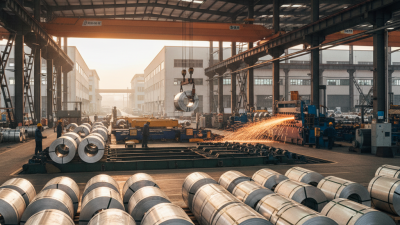
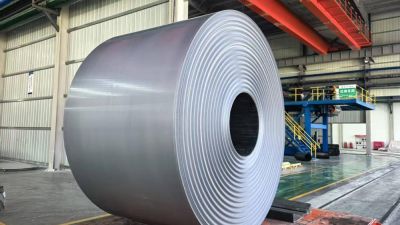
When you're trying to find reliable Oriented Steel suppliers, it's not just about lining up prices in a spreadsheet. Global buyers really need to dig into things like core loss, magnetic permeability, coating quality, thickness tolerance, and how consistent production is. All of that shapes transformer efficiency, noise, heat, and what you end up paying over the long run. And honestly? A really low quote can sometimes hide weak traceability or batches that just don't perform the same way every time.
Dr. David C. Jiles—who's pretty well known in magnetic materials research—once pointed out that 'Magnetic performance depends on both material properties and processing.' And honestly, that’s true for just about any serious sourcing decision. Grain-oriented steel isn’t just some rolled product you can order and forget about. How it performs comes down to things like crystallographic alignment, annealing control, insulation coating, and careful slitting. Even a little edge damage can turn into a real headache later when you’re assembling the core.
So if you're a global buyer, this 2026 guide rounds up some of the best Grain Oriented Steel suppliers out there. It looks at things like manufacturing experience, lab testing, export capability, certification practices, and, yeah, after-sales support too. If you're looking for High Grade Oriented Silicon Steel Silicon Steel Sheets, don't just take a supplier's word for it. Ask for the mill test certificates, core-loss data, coating details, and sample inspection records. In short? Get the evidence, not the promises.
Some suppliers look great on paper. But in reality? Things can be different. Delivery dates slip. Technical back-and-forth can be hit or miss. And that's worth paying attention to. A supplier you can actually rely on should be upfront about what they can't do, answer engineering questions without dodging, and keep quality steady order after order. In my experience, the best partnerships come from verified data, time on the factory floor, and honest review—not slick marketing talk.
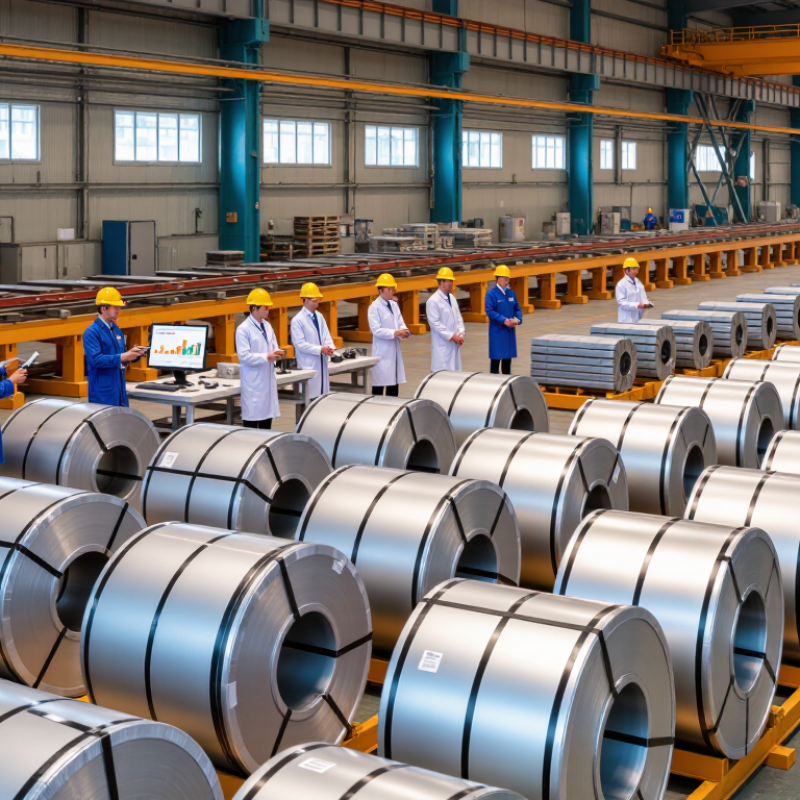
Grain Oriented Steel is a specialized electrical steel used mainly in transformer cores. Its crystal grains are aligned during rolling and heat treatment. This structure guides magnetic flux more efficiently along the rolling direction. The result is lower core loss, reduced noise, and improved transformer efficiency. Small details matter. A damaged surface coating can increase losses during operation.
Why does it matter to global buyers? Core loss directly affects energy consumption throughout a transformer’s service life. Even a small difference in watts per kilogram can become significant across large equipment. Buyers should review measured core-loss data, magnetic induction values, thickness tolerance, and coating quality. Cutting and bending also deserve attention. Poor processing can disturb the grain structure and weaken the expected performance of Oriented Steel. The material is not automatically efficient after delivery.
Tips: Ask for recent inspection reports, not only catalog values. Confirm test methods and delivery tolerances. Store coils in a dry, stable environment. Avoid sharp bends, heavy scratches, and careless stacking. A practical review should compare price with lifetime energy performance. This is where many purchasing decisions become less certain.
When comparing grain oriented steel suppliers in 2026, global buyers should examine measurable specifications before discussing price. Grade designation matters, but it does not tell the whole story. Request core loss values at a stated frequency and magnetic flux density, such as watts per kilogram at 1.7 tesla and 50 or 60 hertz. Test conditions must match your transformer design.
Thickness affects both efficiency and manufacturing stability. Common gauges may include 0.20, 0.23, 0.27, and 0.30 millimeters. Ask for thickness tolerance, width tolerance, flatness, and stacking factor. Small deviations can create uneven laminations and increase assembly waste.
Coating type and insulation resistance also deserve attention. The coating should withstand cutting, punching, and annealing conditions without excessive damage.
Do not overlook delivery evidence. Reliable suppliers should provide mill test certificates, batch traceability, inspection records, and samples from current production. Verify tensile strength, bending performance, edge quality, and burr limits when processing is demanding. Packaging should protect coils from moisture, especially during ocean transport. A low core-loss figure may look impressive. It can still disappoint if the test method is unclear. Buyers should compare equivalent standards and independent inspection options. Supplier evaluation is not perfectly predictable, and forecasts can be wrong. Build a small trial order into the purchasing plan. That extra step often reveals handling problems before full-scale production.
When evaluating Grain Oriented Steel suppliers, start with measurable performance, not attractive brochures.
The IEA Electricity 2024 report expects global electricity demand to grow by an average 3.2% annually through 2026. This growth increases pressure on transformer efficiency and material reliability. Ask for certified core-loss data at 1.7 tesla and 50 hertz. Check permeability, thickness tolerance, coating insulation, lamination factor, and stacking performance. For Oriented Silicon Steel Sheet, request test methods aligned with IEC 60404-8-7 or relevant ASTM standards.
Supplier experience appears in the details. Review at least three recent batch certificates, heat numbers, production dates, and independent laboratory results. Compare slit-edge burrs with your assembly limits. A few excessive burrs can damage insulation during core cutting.
Confirm whether the supplier controls annealing, coating, slitting, packing, and moisture protection internally. Industry reports from the U.S. Department of Energy on transformer supply chains also highlight capacity constraints and extended procurement risks. Therefore, inspect monthly output, backup equipment, inventory policy, and realistic lead times.
Do not trust one perfect sample. Test production lots.
I would also audit corrective-action records. A supplier that admits recurring width variation may be more reliable than one showing flawless claims. Pricing deserves caution: unusually low offers may hide downgraded grades, mixed coils, or weak traceability.
Request sealed samples, retain your own test pieces, and define rejection rules before signing. Even careful evaluation can miss a problem. That is why periodic third-party verification remains worthwhile.
Leading supplier regions differ in scale, specialization, and delivery reliability. East Asian mills often provide broad production capacity, tight thickness control, and advanced domain-refinement processes. Several European producers focus on premium grades, energy efficiency, and strict technical documentation. Indian suppliers are expanding output and may offer competitive lead times for regional buyers. No region wins every category.
Manufacturing capability matters more than location alone. Strong suppliers control steel chemistry through vacuum degassing and precise slab reheating. Their lines should support cold rolling, high-temperature annealing, insulating coating, and laser scribing. Ask for core-loss data at defined magnetic flux densities. Request width tolerance, coating adhesion, and stacking-factor results. A polished certificate is not enough. Production consistency matters across multiple coils.
Tips: Compare at least three regions before selecting a supplier. Review recent test reports, not only catalog values. Confirm whether the quoted grade is regular, high-permeability, or domain-refined. Check coil weight, edge quality, packaging, and moisture protection. Factory audits can reveal practical details, such as uneven labeling or limited inspection capacity. These issues seem minor until a transformer line stops. Buyers should also verify monthly capacity and backup schedules. I have found that supplier claims can sound precise, yet real delivery performance may still vary. Building a small trial order into the sourcing plan is often wiser than trusting a single successful sample.
For global buyers in 2026, grain oriented steel suppliers should provide clear quality evidence, not attractive specifications alone. Product documents should reference applicable standards, such as IEC 60404-8-8, ASTM A876, or EN 10107. Requirements may differ by market, so confirm the latest revision before ordering. The certificate should show grade, thickness, coating type, magnetic properties, and production lot. Traceability matters.
Ask for an ISO 9001-certified quality system and an EN 10204 3.1 inspection certificate when appropriate. Each coil should carry a traceable identification number. That number should connect the material certificate, test results, and packing record. During factory audits, buyers should check calibration labels on Epstein frames, micrometers, and electrical testing equipment. Small gaps in records can create large disputes later.
Testing should cover core loss, magnetic induction, thickness, width, coating insulation, burr height, and surface condition. Results need defined test frequencies and flux densities, commonly 50 or 60 Hz at 1.7 Tesla. For Ultra-Thin Oriented Silicon Steel Sheet, thickness control and edge quality deserve extra attention. Tiny burrs can damage insulation during stacking. A supplier may report excellent laboratory values, yet poor handling can reduce actual core performance. Request sample testing before mass production. Witness testing is useful, but it is not always practical. Independent verification may still be necessary for critical projects.
Pricing depends on more than the base steel index. Buyers should compare grade, core loss, thickness, width, coating, and annual volume. A cheaper coil may carry higher transformer losses. That cost appears later in electricity use.
The World Steel Association’s World Steel in Figures 2025 reports about 1.89 billion tonnes of crude steel production in 2024. This scale does not make grain-oriented steel a commodity purchase. Its technical premiums remain significant. Request mill test certificates, Epstein test results, guaranteed core-loss values, and coil-weight tolerances. Include currency, energy surcharges, payment terms, and validity dates in every quotation. My practical concern is simple: suppliers often quote different specifications under similar descriptions. That comparison can mislead.
Logistics require equal attention. UNCTAD’s Review of Maritime Transport 2024 states that ships carry over 80% of global merchandise trade by volume. Freight disruptions can therefore change landed cost quickly. Ask for the shipping port, Incoterm, transit time, insurance responsibility, and demurrage rules. For customs planning, grain-oriented electrical steel is commonly classified under HS 7225.11 or 7226.11, depending on width and national interpretation. Verify the code with the importing customs authority. Do not rely only on a supplier’s declaration. A 30-day delivery promise may also exclude port congestion, inspection delays, or document corrections. Small omissions become expensive.
Selecting a grain oriented steel supplier starts with your application, not a sales brochure. Define core loss, flux density, thickness, width, and cutting method before requesting quotations. A transformer core for 50 Hz service may need different magnetic performance from a compact high-frequency component. Ask for recent test certificates, production tolerances, and traceability from coil to shipment. Numbers matter. Request samples matching the proposed grade and thickness, not convenient substitutes.
Review the supplier’s technical experience through practical questions. Can its team explain how slitting, stress relief, and stacking affect core loss? Does it control burr height after cutting? Ask for inspection records, packing photographs, and a clear response process for nonconforming material. For an Ordinary Oriented Silicon Steel Sheet application, confirm whether the material’s orientation, coating, and surface insulation suit your design. A reliable supplier should discuss limitations openly. Perfect claims deserve caution.
Compare total performance, not only price per tonne. Include yield loss, delivery consistency, minimum order quantity, and support during trial production. Visit the facility when possible, or request a live video inspection of testing equipment and storage areas. Check whether coils are protected from moisture, edge damage, and mixed identification. I would also run a small pilot batch before approving regular orders. That step costs time. It can expose problems early. Selection is rarely flawless; your first specification may need revision after real assembly data.
Factory-optimized magnetic testing is essential for producing oriented silicon steel with low loss, high magnetic induction, and dependable performance. Through a full-process closed-loop testing system, every stage—from raw material preparation and rolling to annealing, coating, and final inspection—is closely monitored. This approach enables precise control of magnetic properties and helps maintain consistent quality across different production batches.
Manufactured in China, our oriented silicon steel is developed for applications that require efficient magnetic performance and stable operation. Advanced testing equipment evaluates core loss, magnetic induction, surface quality, dimensional accuracy, and other key indicators, allowing production parameters to be adjusted promptly. By connecting process control with laboratory analysis and final verification, the factory can reduce performance variation and deliver materials that meet demanding industry requirements.
The resulting steel offers reliable magnetic characteristics for transformers, power equipment, and other high-efficiency electrical applications. Customers benefit from a dependable supply of materials designed to support lower energy loss, improved operational efficiency, and long-term consistency. With strict quality management and continuous process improvement, the production system provides a practical source of high-performance oriented silicon steel for customers seeking stable quality and precise magnetic specifications.
It is electrical steel with crystal grains aligned during rolling and heat treatment. Magnetic flux travels more easily along the rolling direction. This improves transformer efficiency.
Proper orientation reduces core loss and operating noise. Even a small watt-per-kilogram difference can matter across large transformers. Small details matter.
Compare core loss, magnetic induction, thickness, width tolerance, flatness, and stacking factor. Check values at matching frequencies and flux densities. Uneven sheets can increase assembly waste.
Request recent inspection reports, mill certificates, and batch traceability records. Results should identify frequency, flux density, thickness, coating, and production lot. Catalog values alone are not enough.
Review coating type, insulation resistance, surface condition, and resistance to cutting or annealing. Scratches may reduce insulation performance. A clean surface helps.
Careless cutting can damage the coating and create harmful burrs. Sharp bends may disturb the grain structure. Poor processing can reduce actual core performance.
Store coils in a dry, stable environment away from moisture. Use protective packaging during ocean transport. Avoid heavy stacking and sharp contact points.
No. Confirm the test method, frequency, flux density, and production batch. A laboratory result may not predict factory handling perfectly. That uncertainty deserves attention.
A small trial order can reveal handling, edge, and processing problems early. Independent testing may help with critical projects. Forecasts can be wrong.
This guide explains what Oriented Steel is, how its grain structure improves magnetic performance, and why it is essential for efficient transformers, power distribution equipment, and other electrical applications. Global buyers will learn which specifications to compare, including core loss, permeability, thickness, width tolerance, surface insulation, and magnetic induction. Understanding these factors helps purchasers match material performance with technical requirements and long-term energy-efficiency goals.
The article also outlines how to evaluate suppliers through manufacturing capacity, process control, quality certifications, laboratory testing, traceability, and consistency between production batches. It reviews major supplier regions, logistics planning, pricing factors, import documentation, packaging, lead times, and risk management. Finally, it provides a practical framework for selecting the most suitable supplier by balancing technical performance, quality assurance, production reliability, total delivered cost, and after-sales communication. This approach enables buyers to make informed sourcing decisions while supporting stable production and dependable electrical equipment performance.