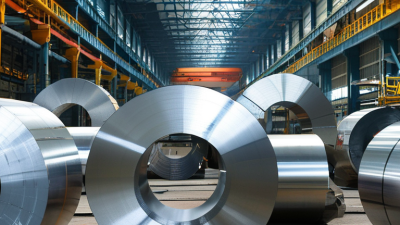
Looking ahead to 2026, folks buying silicon steel are gonna find themselves in a market that's pretty heavily influenced by expanding power grids, the rise of electric vehicles, and tighter efficiency standards. According to the International Energy Agency’s Electricity 2024 report, global electricity consumption is expected to grow around 4% a year up to 2026. That kind of growth puts a lot of strain on the supply chains for transformers, motors, and generators—and it also makes choosing the right materials more important than ever. Picking a lower-loss grade can save you money on operating costs for decades, but on the flip side, a poor choice might creep in and cause extra heat, noise, and wasted energy—quiet little issues that can really add up over time.
This guide is designed to walk you through the main types of silicon steel to consider when you're making procurement decisions. Grain-oriented electrical steel? Still pretty vital for transformer cores, especially when low core loss and high permeability are key factors. Non-oriented electrical steel works well for rotating gear like motors and generators, where magnetic performance stays consistent regardless of direction. And don’t forget, the U.S. Department of Energy has pointed out that transformer supply chains are tight, and efficient distribution equipment is more crucial than ever. So, when you're shopping around, don’t just look at the price per ton—things like coating quality, thickness tolerance, magnetic losses, stacking factors, and delivery reliability need to be part of the conversation too.
For example, high-grade oriented silicon steel might seem like the go-to for demanding transformers, but ‘high grade’ isn’t a guarantee in itself. You’ll want to verify that through mill certificates, Epstein test results, and data specific to your application’s loss requirements. Small details, like a 0.23 mm thickness, a damaged coating edge, or careless core cuts, can really impact final performance. There’s no one-size-fits-all grade that suits every project, so it’s smart to dig into industry evidence, apply your technical experience, and compare options carefully before you sign that contract. Just a heads-up—things are changing pretty fast, with capacity, energy costs, and regional standards, so it’s worth keeping an open mind and revisiting assumptions as we move towards 2026.
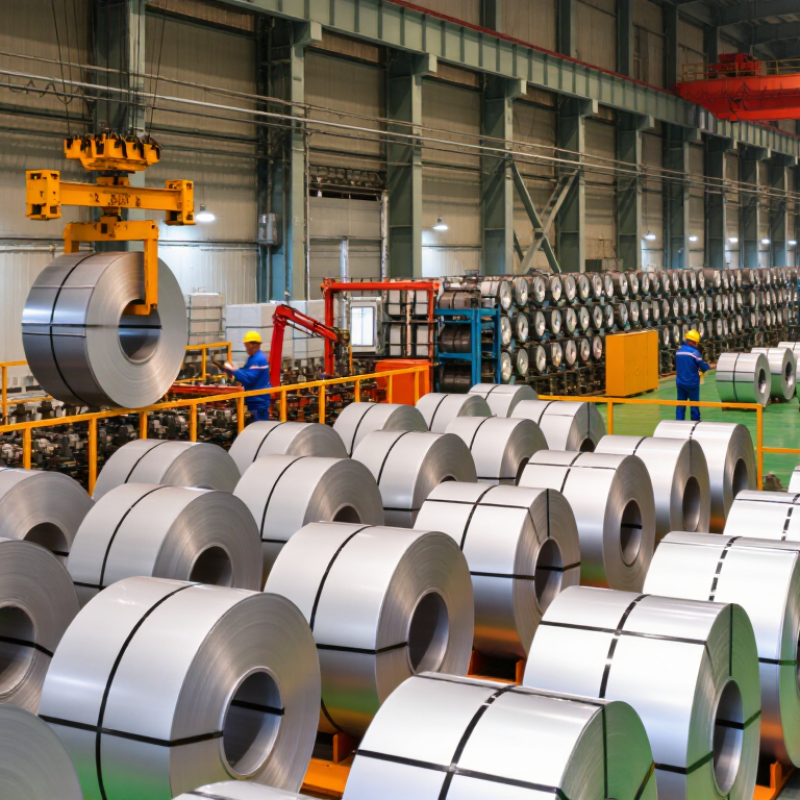
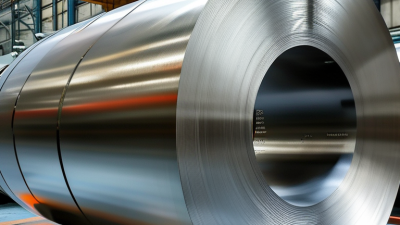
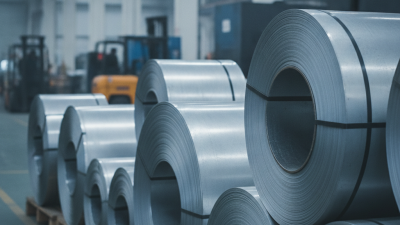
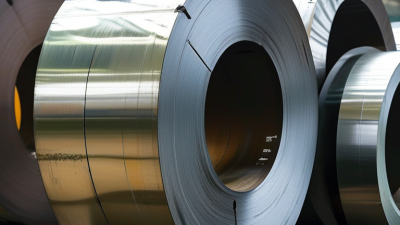
Silicon Steel is an iron alloy containing a controlled amount of silicon. That small addition raises electrical resistance and reduces eddy-current losses inside magnetic cores. It also improves magnetic efficiency, especially in transformers, motors, and generators. The material looks ordinary in a coil, yet its performance appears in lower heat and quieter operation.
The 2026 discussion matters because electricity demand is accelerating. The International Energy Agency’s Electricity 2024 report forecasts global electricity demand growth of about 3.4% annually from 2024 to 2026. Its Global EV Outlook 2025 also records more than 17 million electric-car sales in 2024. These trends increase demand for efficient motors and transformers.
Non-grain-oriented Silicon Steel suits rotating machines because it performs across changing magnetic directions. Grain-oriented grades remain better for transformer cores, where flux follows a controlled path.
Buyers should compare core loss, magnetic permeability, thickness, coating insulation, and punching quality.
A thinner sheet can reduce losses, but it may increase handling damage or production cost. A low-loss grade can still disappoint when stamping creates rough edges. This detail is often underestimated.
ASTM and IEC test methods improve comparability, but laboratory values are not factory results. Ask for certified test data, lot traceability, and samples from the intended production route.
The IEA forecasts are compelling, though they do not predict every regional supply constraint. That uncertainty deserves attention.
What Are the 2026 Top Silicon Steel Types for Buyers?
Silicon steel is commonly classified by grade, silicon content, magnetic performance, and internal structure. Grain-oriented electrical steel has aligned grains, making it suitable for transformer cores. Its low core loss supports efficient power transmission. Non-grain-oriented steel has more random grain directions. It performs consistently in rotating magnetic fields, which benefits motors, generators, and selected power equipment.
Low Silicon Steel contains less silicon and usually offers easier forming, lower cost, and reasonable magnetic performance. It can suit parts with moderate efficiency requirements. Higher-silicon grades generally provide higher electrical resistivity and lower eddy-current loss. However, they may become more brittle during stamping. Buyers should compare core loss, magnetic flux density, thickness, insulation coating, and bending behavior. A grade name alone is not enough.
Tips: Request test data from each production batch. Check losses at the intended frequency and magnetic flux density. Inspect the strip edge and surface coating, especially before high-speed punching. Structure matters too. A uniform grain pattern can improve repeatability, while uneven texture may create inconsistent losses. In practical sourcing, small differences in annealing quality can affect real performance. This is easy to overlook. Laboratory results also need cautious interpretation because assembly stress can reduce magnetic efficiency. Talking with a qualified metallurgist or electrical designer helps match the steel to the actual core design.
| Steel Type | Primary Structure | Typical Grade Designations | Typical Thickness | Typical Maximum Core Loss | Magnetic Performance | Typical Applications | Main Buyer Considerations |
|---|---|---|---|---|---|---|---|
| Non-Oriented Electrical Steel (NOES) | Randomly distributed crystal grains; magnetic properties are broadly similar in the rolling and transverse directions. |
M400-50A Standard non-oriented grade |
0.50 mm | ≤ 4.00 W/kg at 1.5 T and 50 Hz | Balanced directional performance; moderate permeability and good punchability when properly processed. | Industrial motors, pumps, fans, compressors, generators and general rotating machinery. | Suitable for cost-sensitive motors where efficiency requirements are moderate; confirm insulation coating, punching quality and annealing requirements. |
| High-Efficiency Non-Oriented Electrical Steel | Refined random-grain structure with lower impurity levels and optimized grain size. |
M270-35A Premium motor grade |
0.35 mm | ≤ 2.70 W/kg at 1.5 T and 50 Hz | Lower hysteresis and eddy-current losses than conventional 0.50 mm grades; improved motor efficiency. | High-efficiency motors, variable-frequency drives, traction motors and energy-saving industrial equipment. | Higher material cost can be offset by reduced operating losses; verify performance at the intended operating frequency and flux density. |
| Premium Thin-Gauge Non-Oriented Steel | Fine-grain, randomly oriented structure manufactured in thin gauges to reduce eddy-current loss. |
M235-35A M210-30A |
0.30–0.35 mm | Approximately 2.10–2.35 W/kg at 1.5 T and 50 Hz | Very low core loss with strong high-speed and high-frequency capability; generally higher manufacturing sensitivity. | Electric-vehicle traction motors, high-speed motors, aerospace drives and premium power electronics equipment. | Check burr height, lamination factor, coating compatibility and high-frequency loss data rather than relying only on the grade code. |
| Grain-Oriented Electrical Steel (GOES) | Cube-on-edge texture created by secondary recrystallization; grains are aligned mainly along the rolling direction. |
M140-30S Conventional grain-oriented grade |
0.30 mm | ≤ 1.40 W/kg at 1.7 T and 50 Hz | Very high permeability and low loss in the rolling direction; strongly anisotropic. | Distribution transformers, power transformers, reactors and laminated magnetic cores. | Cutting direction, joint design, stacking stress and core geometry significantly affect final transformer loss. |
| High-Permeability Grain-Oriented Steel | Highly developed cube-on-edge texture with tighter orientation control and improved magnetic domain behavior. |
M120-27 High-permeability GO family |
0.27 mm | Approximately 1.20 W/kg at 1.7 T and 50 Hz | Higher permeability and lower magnetizing power than conventional GOES; optimized for efficient transformer cores. | Distribution transformers, large power transformers and low-noise magnetic cores. | Compare guaranteed loss at the specified induction, not only nominal grade; control mechanical stress during slitting and assembly. |
| Domain-Refined Grain-Oriented Steel | Grain-oriented structure with magnetic-domain refinement produced by controlled surface treatment or laser scribing. |
M110-27P Domain-refined GO family |
0.27 mm | Approximately 1.10 W/kg at 1.7 T and 50 Hz | Reduced core loss and magnetostriction compared with conventional GO grades when processed correctly. | High-efficiency transformers, low-noise transformers and applications with strict no-load loss targets. | Ensure the refining treatment remains effective after cutting, stress relief and core assembly; review permitted processing conditions. |
| Thin-Gauge Grain-Oriented Steel | Strongly oriented structure manufactured in thin strip to reduce eddy-current loss at elevated frequency. |
M100-23 Thin-gauge GO family |
0.23 mm | Approximately 1.00 W/kg at 1.7 T and 50 Hz | Low loss and high permeability with excellent suitability for compact, high-efficiency transformer designs. | High-frequency transformers, compact distribution transformers, reactors and specialized power equipment. | Higher price, lower mechanical robustness and tighter slitting requirements should be included in total-cost evaluation. |
| Semi-Processed Non-Oriented Steel | Random-grain structure supplied for final stamping and stress-relief annealing by the component manufacturer. |
M350-50K Semi-processed NO family |
0.50 mm | Typically 3.50–4.50 W/kg after the specified final anneal | Magnetic properties are finalized after forming and annealing; useful where the buyer controls the heat-treatment process. | Small motors, appliance motors, relays and cost-sensitive electrical components. | Confirm the required annealing cycle, carbon level, coating system and post-anneal magnetic guarantees before purchase. |
| Fully Processed Non-Oriented Steel | Random-grain structure supplied with finished magnetic properties and an insulating coating. |
M270-35A M400-50A |
0.35–0.50 mm | Grade-dependent; commonly 2.70–4.00 W/kg at 1.5 T and 50 Hz | Ready-to-use magnetic performance without a buyer-side annealing step. | Mass-produced motors, generators, compressors and laminated stator or rotor assemblies. | Offers simpler processing and more consistent production output; verify coating insulation resistance and punching performance. |
Electrical steel grades are leading the 2026 market through efficiency, availability, and application fit. Buyers increasingly compare measured performance instead of relying on grade names alone.
Non-oriented electrical steel remains important for motors, generators, and rotating equipment. Common choices include M36 Silicon Steel and similar low-loss grades. These materials support stable magnetic performance under changing field directions. Grain-oriented electrical steel still dominates transformer cores because its crystals guide magnetic flux efficiently. High-permeability grades can reduce core losses, especially in well-designed distribution transformers. However, premium performance often requires tighter processing control and higher purchasing costs.
Grade names alone cannot predict factory results. A buyer should check core loss, magnetic induction, thickness, coating quality, and testing conditions. Lower loss at 50 or 60 hertz may not match performance at another frequency. That distinction matters. Slitting quality also affects burrs, stacking, and final efficiency. Experienced engineers usually request mill certificates and sample testing before approving large volumes. Small differences in annealing can change results.
A perfect grade does not exist. M36 Silicon Steel may suit one motor design but disappoint another with stricter loss targets. I would review the full core design, operating temperature, and production tolerance before choosing. Availability can also shift during 2026, so a technically excellent grade may become impractical when delivery schedules tighten. Performance comes first.
For 2026 buyers, grain orientation remains a key factor in silicon steel selection. Grain-oriented electrical steel aligns crystals with the rolling direction. This structure guides magnetic flux efficiently through transformer cores. It also reduces hysteresis and eddy-current losses under controlled operating conditions. Premium grades can reach core losses below 0.90 W/kg at 1.7 tesla and 50 Hz, depending on the tested grade. EN 10107 results show why measurement conditions matter.
Non-grain-oriented steel has more uniform magnetic properties in different directions. It suits motor stators, generators, and rotating equipment. Grain-oriented steel usually fits distribution and power transformers better. High-permeability grades can reduce excitation current and improve compactness. The simple rule is useful, but imperfect. Joint design, cutting stress, coating quality, and stacking pressure can weaken real performance.
The IEA’s Electricity 2024 report projects global electricity demand growth of about 3.2% annually through 2026. That trend increases pressure to limit transformer and motor losses. Buyers should compare watts per kilogram, magnetic induction, thickness, and loss after cutting. A datasheet alone cannot predict every factory result. I would request Epstein-frame data and finished-core testing. Small details matter, especially at sharp corners. Select grain-oriented steel for directional flux paths, and non-grain-oriented steel where flux continuously rotates.
Grain-oriented silicon steel is mainly used in power transformers and distribution transformers. Its magnetic grains align in one direction, reducing core loss along the flux path. It performs best in carefully built transformer cores. High-permeability grades can reduce excitation losses further, but they usually require tighter processing control.
Non-grain-oriented silicon steel serves rotating electrical equipment. Motors, generators, pumps, compressors, and electric vehicle traction motors commonly use it. Its magnetic performance is more uniform in different directions. That matters when the magnetic field rotates inside a stator or rotor. Thin gauges can lower eddy-current loss, especially at higher operating frequencies. However, thinner material may increase handling difficulty and manufacturing cost.
Fully processed grades arrive with their magnetic properties largely developed. They suit buyers who need predictable production results. Semi-processed grades receive additional annealing during motor manufacturing. This option can reduce material cost, but it demands reliable heat treatment and process experience. Electrical steel with higher silicon content may improve resistivity and reduce losses. Excessive silicon, however, can make the sheet brittle and harder to stamp.
A practical buyer should compare core loss, permeability, thickness, coating insulation, and mechanical strength. Test values should match the intended frequency and magnetic flux density. Standards help, but they do not replace application testing. A grade that works well in a transformer may disappoint in a high-speed motor. That distinction is easy to miss. Forecasted 2026 demand may favor efficient grades, yet availability and processing capability still influence the final choice.
Selecting the right silicon steel starts with the machine, not the catalog. For transformers, prioritize low core loss at the intended operating frequency and flux density. For motors, compare magnetic loss, permeability, punching quality, and stacking factor. The U.S. Department of Energy identifies motor-driven systems as a major industrial electricity opportunity, so small efficiency gains can matter across thousands of operating hours.
Measure the core. Ask suppliers for tested loss values, gauge tolerance, coating insulation, and annealing records. Grain-oriented steel suits transformer cores because its magnetic direction is controlled. Non-oriented electrical steel is usually better for rotating machines, where flux changes direction. High Silicon Steel can reduce hysteresis and eddy-current losses, but it may be harder to stamp and more brittle. A thicker grade is not automatically cheaper after processing waste.
The International Energy Agency reported nearly 14 million electric vehicle sales in 2023. That growth increases pressure on traction motors, where heat, speed, and compact design compete with efficiency. Select grades using real duty cycles, not only laboratory figures. Include temperature, frequency, joint design, and expected production volume in the comparison. Test before scaling. A spreadsheet can mislead when cutting losses, burrs, or poor stacking are ignored. In practice, the first material choice is often imperfect; a pilot run with measured no-load loss and temperature rise may reveal more than a polished datasheet.
Oriented silicon steel is a highly efficient soft magnetic material widely used in power industry magnetics. Its carefully controlled grain orientation provides excellent magnetic conductivity, low core loss, and reliable performance under power-frequency magnetic fields. These characteristics make it an essential material for energy conversion and transmission equipment, particularly transformer cores, reactors, and other electrical components that require stable and efficient magnetic operation.
When choosing oriented silicon steel suppliers and factories in China, buyers should consider material consistency, thickness control, magnetic performance, surface quality, and production capacity. A capable factory should provide dependable manufacturing processes, strict quality inspection, and flexible solutions for different core designs and operating conditions. China-based suppliers with experience in power equipment applications can support both standard and customized requirements, helping manufacturers improve energy efficiency and product reliability. By selecting a professional oriented silicon steel factory, customers can secure a dependable material supply for transformers, reactors, and related power-frequency equipment.
Silicon steel is an iron alloy with a controlled amount of silicon. It raises electrical resistance and reduces eddy-current losses. The result is less heat inside magnetic cores.
Electricity demand is growing by roughly 3% annually through 2026. Electric vehicles also require many efficient traction motors. This increases demand for better electrical steel.
Grain-oriented steel usually suits transformers. Its crystals align with the rolling direction. This guides magnetic flux through a controlled path. Joint design still matters.
Non-grain-oriented steel usually fits motors, generators, and rotating equipment. Its magnetic properties remain more uniform in different directions. Motor flux keeps changing direction. That distinction is important.
Compare core loss, magnetic permeability, thickness, coating insulation, and punching quality. Also check gauge tolerance and stacking factor. A thin sheet may reduce losses. It may also increase handling damage.
Not completely. Laboratory results may differ from finished-core performance. Cutting stress, burrs, stacking pressure, and sharp corners can increase losses. Request certified data and production-route samples.
Poor punching can create rough edges and magnetic damage. These defects may reduce efficiency after assembly. A low-loss grade can still disappoint. This detail is often underestimated.
Use the machine’s real frequency, temperature, flux density, and duty cycle. Run a pilot before full production. Measure no-load loss and temperature rise. The first choice may be imperfect.
In 2026, Silicon Steel remains a critical material for improving the efficiency, reliability, and size of electrical equipment. Its controlled silicon content increases electrical resistance and reduces energy loss, making it valuable in transformers, motors, generators, and other magnetic systems. Buyers typically evaluate grades according to chemical composition, thickness, magnetic performance, and structural characteristics. Electrical steel is broadly divided into grain-oriented and non-grain-oriented types, each designed for different operating conditions.
Grain orientation strongly affects magnetic behavior: grain-oriented materials deliver excellent performance in the preferred magnetization direction, while non-grain-oriented grades provide more uniform properties for rotating machinery. Choosing the right Silicon Steel requires balancing core loss, magnetic permeability, mechanical strength, frequency, thickness, processing needs, and total cost. By matching material structure and grade with the equipment’s design and operating environment, buyers can achieve better energy efficiency, durability, and long-term value.