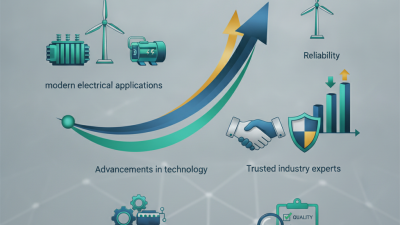
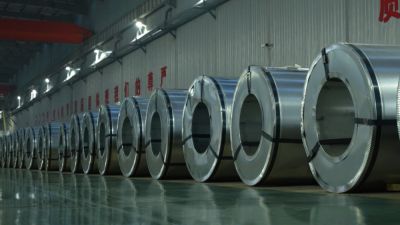
Lately, there's been a real boost in the global demand for Hot Rolled Silicon Steel. It’s become pretty clear how essential it is, especially in industries like automotive and energy. I read what Dr. Emily Chen — a top metallurgist — said recently. She mentioned, “The future of steel really hinges on innovations like Hot Rolled Silicon Steel.” That kinda sums up how important this material is becoming for making products more efficient and eco-friendly.
When you look at who’s making Hot Rolled Silicon Steel in China, it’s a mixed bag. Big players like Baowu Steel Group and Ansteel are known for their top-notch quality and pushing the envelope on performance. But, of course, there are hurdles, like keeping quality consistent across all their production lines. A lot of these companies need to rethink and refine their methods if they want to stay ahead.
And if you ask me, understanding the properties of this steel is pretty key. It has superb magnetic qualities, which makes it indispensable for transformer cores. As folks like Dr. Chen keep saying, ongoing innovation in both production and application is what’s really gonna shape the industry's future. That’s why it’s so important for companies to pour resources into R&D and stay flexible to changing market demands.
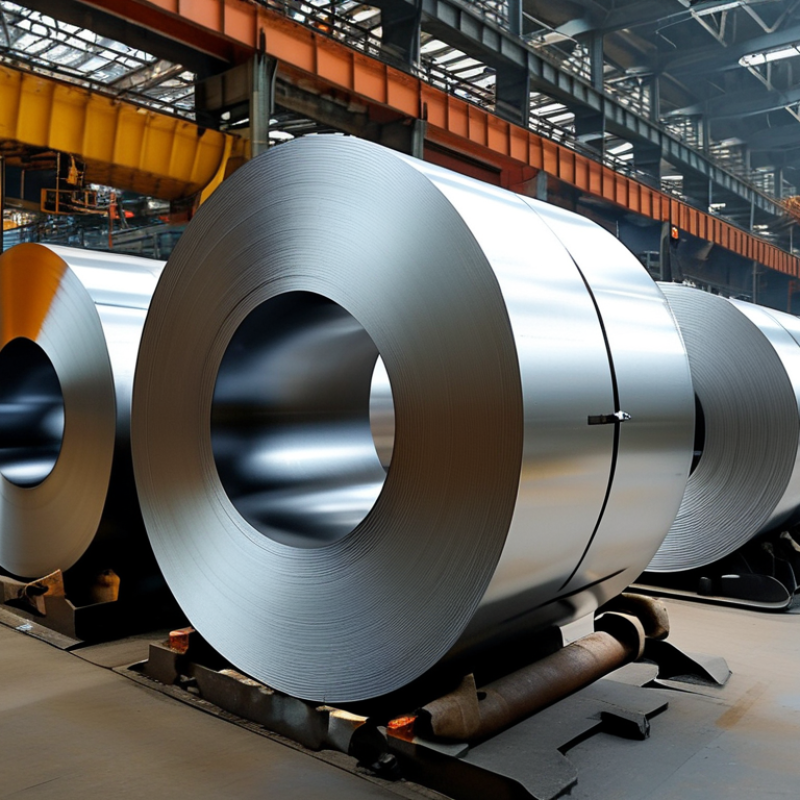
Overview of Hot Rolled Silicon Steel and Its Applications in Industry
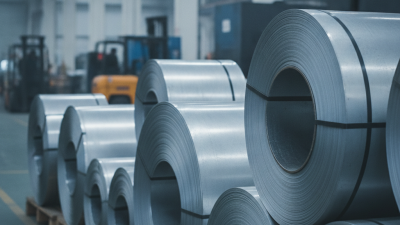
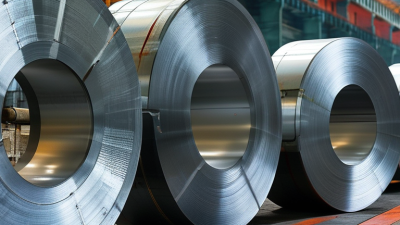
Hot rolled silicon steel is key in numerous industrial applications. Its high magnetic permeability makes it essential for electrical equipment. Industries like automotive and energy rely on this material for transformers and electric motors. Manufacturers value its flexibility and performance under heat treatment.
Using Hot-Rolled Silicon Steel Sheets can optimize energy efficiency. For instance, using thinner sheets can reduce losses in transformers. However, quality control is vital. Minor defects in the steel can lead to significant inefficiencies. Understanding processing techniques is crucial for maintaining high standards.
Tip: Always verify the supplier's reputation before purchasing. This ensures you receive quality materials. Additionally, consider conducting your own tests to validate specifications. Being proactive in these areas is essential for long-term success.
Key Performance Metrics of High-Quality Hot Rolled Silicon Steel Products
The production of
Hot-Rolled Grain-Oriented Silicon Steel
is vital for various industries, especially in energy and automotive sectors. Key performance metrics include
magnetic properties
and
core loss factors.
These metrics directly impact
efficiency
in electrical applications, influencing future designs and implementations. Reports highlight that high-quality silicon steel can achieve core loss values below
1.0 W/kg at 1.5 T. This is crucial for manufacturers aiming to reduce energy consumption in operations.
Manufacturing processes of this steel are complex. They require
precision
at every stage, from melting to rolling. Minor variances can lead to significant differences in performance. Some producers struggle to maintain strict tolerances. Understanding the balance between
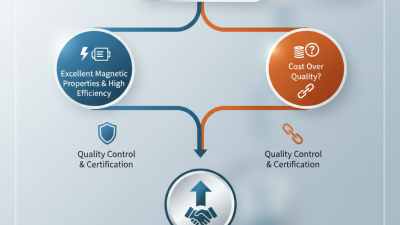
quality and cost
is essential. According to industry insights, companies maintaining high quality often see a
15%
increase in yield compared to their lower-quality counterparts.
Research indicates that the market for Hot-Rolled Grain-Oriented Silicon Steel is expanding. The demand for
energy-efficient materials
is rising. However, companies must be wary of
fluctuating raw material costs.
They also face pressure to innovate and meet stricter sustainability standards. Balancing these factors remains a
significant challenge
in the current landscape.
Top Companies in China's Hot Rolled Silicon Steel Market (2026)
The hot rolled silicon steel market in China has been evolving rapidly. Companies in this sector focus on producing high-quality steel sheets and strips. These materials are crucial for electric machinery, automotive, and various industrial applications. In 2026, several companies stand out for their innovation and production capacity.
In this competitive market, many manufacturers prioritize quality and sustainability. They invest heavily in advanced technologies to enhance production efficiency. Some companies still struggle with quality consistency, highlighting a need for continuous improvement. Understanding the nuances of silicon steel production is essential for companies looking to thrive.
Key players in this market are refining their strategies to maintain their edge. Many are emphasizing research and development to meet the growing demand for high-performance materials. Collaboration with research institutions is becoming common, yet some firms may overlook the importance of employee training and skill development. Addressing these gaps can significantly impact overall productivity and quality.
2026 Hot Rolled Silicon Steel Production Capacity Comparison
This chart represents the production capacity of top players in the China's hot rolled silicon steel market in 2026. The data showcases a comparative analysis of production capabilities across different categories without revealing specific company names.
Market Share and Competitive Landscape of Silicon Steel Producers in China
China's silicon steel market is diverse and competitive. Hot Rolled Grain Oriented Silicon Steel plays a pivotal role in this landscape. The production of this specialized steel is essential for electrical applications, particularly in transformers and motors. As energy-efficient solutions gain traction, the demand for high-quality silicon steel surges.
Leading companies in the sector are constantly innovating to enhance performance. This results in a wide range of silicon steel grades. Some producers excel in large-scale manufacturing, while others focus on niche markets. However, the competition can lead to oversaturation. It's not uncommon for manufacturers to struggle with quality control. These factors can affect market share and profitability.
The competitive landscape also reflects regional strengths. Some areas focus on advanced technology, while others rely on traditional methods. This diversity fosters innovation but also presents challenges. Companies must continually assess their strategies to maintain relevance. Balancing quality and efficiency remains a central concern for many producers. Understanding these dynamics is crucial for stakeholders navigating China's silicon steel industry.
Innovations and Technological Advancements in Silicon Steel Manufacturing
Innovations in silicon steel manufacturing are driving remarkable transformations. Companies are investing heavily in advanced technologies. For instance, the Global Silicon Steel Market is projected to reach $24.3 billion by 2026. This highlights the demand for high-quality materials.
One significant advancement is the use of artificial intelligence in production processes. AI improves quality control and reduces waste. Reports suggest that integrating AI can enhance efficiency by up to 30%. Such data urges manufacturers to adopt these technologies swiftly. However, not all companies keep pace with these innovations. Some still rely on outdated methods, leading to discrepancies in product quality.
Another promising area is the development of customizable silicon steel grades. Tailoring properties to specific needs offers better performance in applications. Data indicates that flexible manufacturing processes can increase customer satisfaction by 40%. This is crucial in a market striving for excellence. Despite these advancements, some challenges remain. High production costs and environmental regulations can hinder progress. Companies must navigate these obstacles while pushing for more innovation.
Environmental Considerations and Sustainability Practices in Steel Production
Environmental considerations in steel production have grown increasingly important. Many companies are focusing on sustainability while manufacturing Hot Rolled Grain Oriented Steel. This type of steel is crucial for various industries, especially in electrical applications. However, producing this steel can significantly impact the environment if not managed properly.
Efforts to reduce carbon emissions are vital. Many manufacturers have adopted cleaner technologies and processes. For instance, using renewable energy sources can lower the carbon footprint. Water conservation measures are also being implemented. These practices benefit both the environment and the companies that adopt them. Nevertheless, challenges remain. The transition to greener practices can be slow, and not all companies comply fully with regulations.
Another aspect of sustainability is resource management. Recycling steel is essential for reducing waste. Some manufacturers are improving their recycling capabilities. However, dependence on raw minerals still poses environmental risks. It's crucial for companies to reflect on their sourcing methods and efficiency. Achieving a balance between production and eco-friendliness is complex but necessary for a sustainable future.
Future Trends and Predictions for the Silicon Steel Industry by 2026
The silicon steel industry is poised for significant changes by 2026. Increasing demand for
energy-efficient electrical machines drives innovation. Companies are focusing on enhancing magnetic properties and reducing
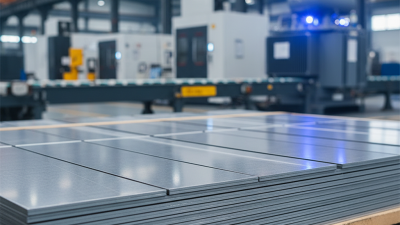
energy losses. Advanced manufacturing techniques are emerging. Thin sheets of silicon steel allow for lighter and more efficient designs.
Sustainability is also shaping the industry. Manufacturers are exploring eco-friendly sourcing and production methods.
However, the transition isn't smooth. Challenges include high costs and regulatory hurdles. Some companies still rely on outdated processes,
hindering their competitiveness.
Innovation is crucial for growth. Many firms are investing heavily in R&D. Collaborations between universities and industry players are becoming common.
This synergy could lead to breakthrough technologies. However, not everyone is adapting at the same pace. Establishing a solid supply chain remains problematic, causing
concerns for future scalability.
Advancements in HiB High Magnetic Induction Electrical Steel: A Guide to Ultra High Performance Solutions in Modern Applications
In the realm of modern electrical engineering, advancements in HiB high magnetic induction electrical steel have marked a significant transition towards ultra high-performance solutions. This specially designed silicon steel optimizes magnetic induction, significantly reduces iron loss, and minimizes noise levels, making it an essential component for ultra-high voltage transformers and large power transformers essential for grid stability and efficiency. Recent industry reports highlight that the demand for high-performance electrical steel is projected to grow by approximately 5% annually, driven by the increasing need for efficient energy transmission and sustainability.
The core positioning of HiB high magnetic induction oriented electrical steel lies in its exceptional performance specifications. With standard grades such as 23P085, 23P090, 27P095, 30P105, and 35P115, this material ensures adherence to stringent industry standards while delivering superior magnetic performance. Studies indicate that transformers utilizing premium magnetic induction steel can enhance energy efficiency by up to 15% compared to conventional materials, providing not only operational advantages but also contributing to reduced overall environmental impact in power distribution systems.
Manufactured using state-of-the-art technology, HiB electrical steel plays a pivotal role in modern applications requiring enhanced performance characteristics. The strategic deployment of such high-quality materials is crucial as the global shift toward renewable energy sources necessitates more advanced solutions to handle the complexities of modern electrical grids. As such, the evolution of HiB electrical steel continues to shape the future of electrical infrastructure, enabling a more efficient and sustainable energy landscape.
FAQS
: It is key in electrical equipment, particularly in transformers and electric motors. Flexibility and heat performance are vital.
Minor defects can lead to significant inefficiencies, so maintaining high standards is crucial for performance.
Using thinner sheets in transformers can reduce energy losses, optimizing overall efficiency in electrical machines.
The industry will focus on energy efficiency, enhancing magnetic properties, and using advanced manufacturing techniques.
High costs and regulatory hurdles hinder eco-friendly transitions. Some firms still use outdated processes.
Many manufacturers are exploring eco-friendly sourcing and production methods, but the transition faces obstacles.
Companies are investing in R&D and forming collaborations to drive advancements, though not all adapt quickly.
Ensuring a solid supplier reputation helps secure quality materials, which is essential for long-term success.
Conduct tests to validate specifications, and be proactive in checking quality standards to avoid future issues.
Establishing a solid supply chain remains difficult, raising concerns about scalability and industry competitiveness.
Conclusion
The article provides a comprehensive overview of Hot Rolled Silicon Steel and its critical applications across various industries. It details the key performance metrics that characterize high-quality Hot Rolled Silicon Steel products, emphasizing the material's significance in sectors such as electrical engineering and automotive manufacturing.
Furthermore, the 2026 landscape of China's Hot Rolled Silicon Steel market is explored, highlighting the competitive dynamics among leading producers and their respective market shares. Innovations and technological advancements in the manufacturing processes are also discussed, alongside the increasing focus on sustainability and environmental considerations in steel production. Lastly, the article projects future trends for the silicon steel industry, underlining the expected growth and evolving practices by 2026.


 Contact Email
 Contact Whatsapp