You know, the global demand for Silicon Steel Sheets has been steadily climbing lately, mainly because of all the latest innovations in electrical engineering. If you’ve seen the latest market reports from MarketsandMarkets, they’re saying the silicon steel market could hit around 25 billion USD by 2026 — that’s a solid 6% average yearly growth. This growth is a big deal, especially for companies on the hunt for reliable, efficient materials for making transformers, motors, and generators. It’s like, the more demand, the more these materials matter.
Now, when it comes to China, there are tons of suppliers out there offering a wide variety of options, especially for those high magnetic induction silicon steel sheets. These things are super important if you wanna boost energy efficiency in your electrical products. But here’s where it gets tricky — the market’s really competitive, and not all suppliers are the same in terms of quality. Picking the right vendor isn’t just about price; you really need to pay attention to stuff like certifications and how they make their products. Reading reviews and checking ratings can go a long way in helping you avoid headaches down the line.
All in all, this market is full of opportunities, but it’s not without its challenges. Not every supplier will meet your standards, so you’ve gotta do your homework. Balancing cost with quality, verifying their processes, and trusting companies with proven expertise are key if you wanna make smart choices as the market keeps evolving. Staying informed and working with reliable partners will definitely set you up for long-term success in this ever-changing world of silicon steel sheets.
Overview of Silicon Steel Sheets in China
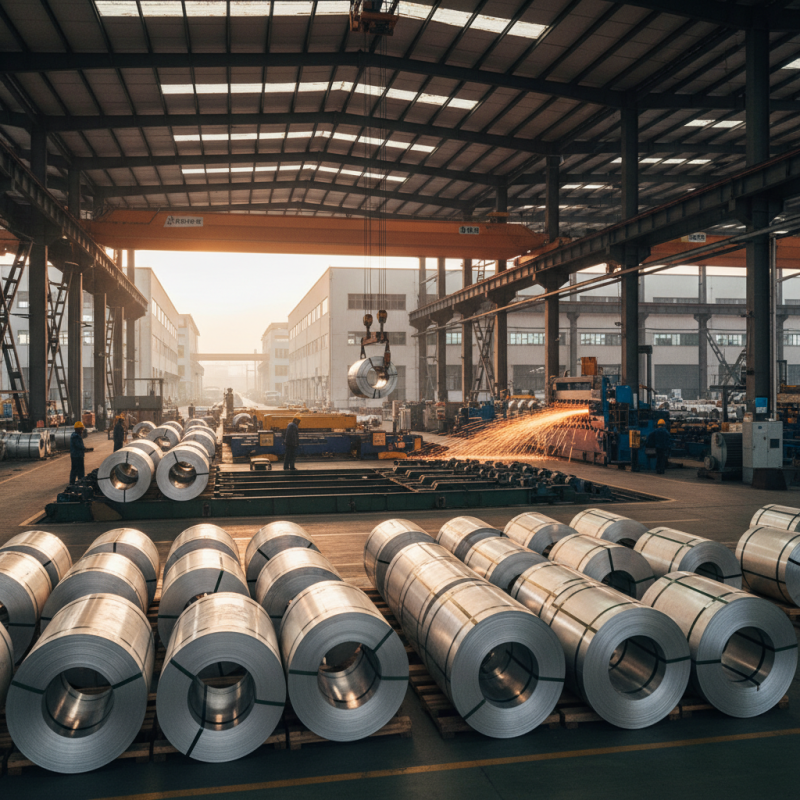
Silicon steel sheets play a critical role in the electrical industry. They are primarily used in transformers, motors, and generators. China's market for silicon steel sheets is expansive, offering a range of options for businesses looking to purchase. The focus on Oriented Silicon Steel Sheet has become increasingly relevant. This type of sheet improves efficiency and reduces energy losses in magnetic applications.
The manufacturing process in China showcases advanced technology. Factories emphasize quality control and innovation. However, challenges remain in terms of consistency. Some products may not meet international standards, affecting reliability. Businesses should thoroughly vet suppliers to ensure they provide high-quality silicon steel sheets.
While the cost of silicon steel sheets in China can be competitive, there are nuances. Pricing often fluctuates based on demand and raw material availability. Companies must analyze market conditions to make informed purchasing decisions. Understanding the specific needs of your business is crucial to selecting the right silicon steel sheet option.
2026 Best China Wholesale Silicon Steel Sheet Options for Your Business
Key Manufacturers of Silicon Steel Sheets in 2026
In 2026, the demand for silicon steel sheets continues to rise, driven by advancements in electric vehicle technology and renewable energy solutions. Key manufacturers have adapted to these trends, focusing on producing high-quality Ultra-Thin Oriented Silicon Steel Sheets. Reports indicate that the global market for silicon steel is expected to grow at a CAGR of 4.5% from 2021 to 2026.
Manufacturers like Posco and Nippon Steel are emphasizing efficiency and material innovation. These companies are incorporating advanced production techniques to enhance the magnetic properties of their steel sheets. With energy efficiency becoming paramount, ultra-thin oriented silicon steel sheets hold a competitive edge. Their reduced losses during operation make them ideal for transformers and electric motors.
Tip: Before choosing a supplier, assess their production capabilities and certifications. This ensures the materials meet your quality standards. Look for suppliers with a strong track record in the industry.
Some manufacturers may face challenges in scaling production without compromising quality. The balance between cost and performance remains a critical factor. Aspiring businesses should prioritize long-term partnerships with manufacturers committed to continuous improvement and innovation.
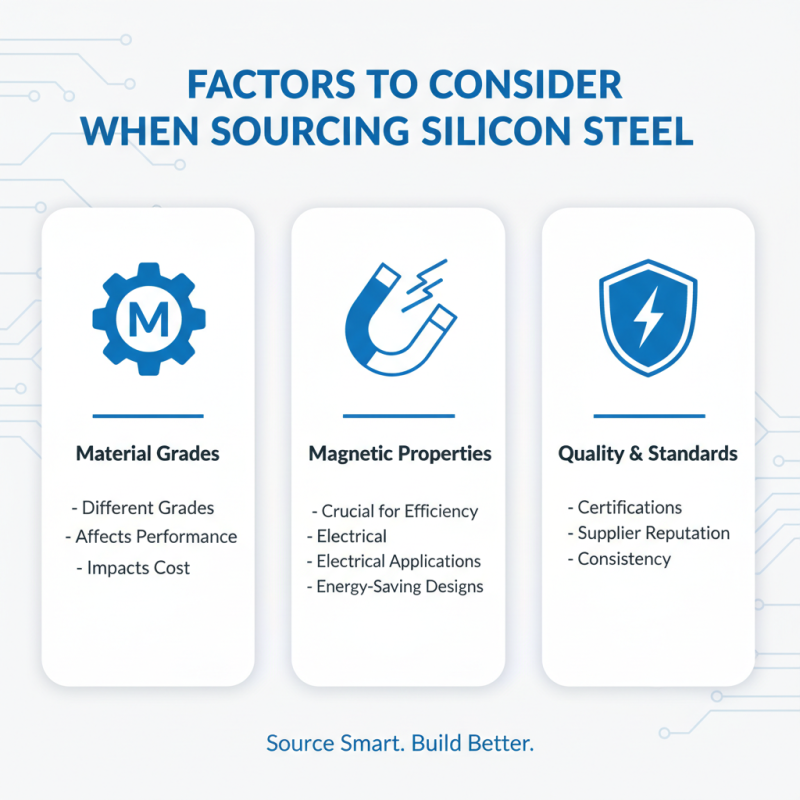
Factors to Consider When Sourcing Silicon Steel
When sourcing silicon steel sheets for your business, there are crucial factors to consider. Understanding material grades is essential. Different grades affect performance and cost. Pay attention to magnetic properties, which impact efficiency. For electrical applications, superior grades are necessary for energy-saving designs.
Supplier reliability plays a significant role. Research potential suppliers thoroughly. Look for those with solid reputations in the industry. Evaluate their certifications and customer reviews. This helps ensure that you receive quality products. Communication is also vital. Ensure your supplier can address concerns quickly and effectively.
Lastly, think about the application of Ordinary Oriented Silicon Steel Sheet in your projects. This specific type is often used in transformers and other electrical devices. Its magnetic properties make it a preferred choice. Make sure to ask for samples to assess performance in your applications. Regular quality checks can help maintain high standards. Selecting the right silicon steel sheet can influence the overall success of your ventures.
Comparative Analysis of Different Silicon Steel Grades
When exploring silicon steel grades, it’s crucial to consider different specifications. Silicon Steel Sheets are commonly used in industries like automotive and electrical. The grade of silicon steel impacts its magnetic properties, making it suitable for various applications. Higher silicon content generally improves electrical efficiency, but it can also complicate manufacturing processes.
Different grades have unique characteristics. For example, low silicon grades are easier to work with but may not deliver optimal performance in high-frequency applications. Conversely, high-silicon grades offer better magnetism but can be more brittle. These trade-offs must be carefully evaluated based on the specific needs of your business.
In practice, choosing the right silicon steel sheet can feel overwhelming. Manufacturers often face challenges in meeting supply and quality standards. There is variability among producers, which can impact deliveries and product consistency. Understanding these nuances will help businesses make informed decisions and optimize their material selection.
2026 Best China Wholesale Silicon Steel Sheet Options for Your Business? - Comparative Analysis of Different Silicon Steel Grades
| Silicon Steel Grade |
Magnetic Flux Density (T) |
Core Loss (W/kg) |
Thickness (mm) |
Applications |
| Grain-Oriented Silicon Steel |
1.95 |
0.8 |
0.5 |
Transformers, Generators |
| Non-Oriented Silicon Steel |
1.75 |
1.2 |
0.35 |
Electric Motors, Magnet Cores |
| Electrical Steel |
1.85 |
0.9 |
0.6 |
Transformers, Inductors |
| High Silicon Steel |
2.0 |
0.7 |
0.8 |
High-performance Motors |
Cost Factors and Pricing Trends for Wholesale Purchases
When considering wholesale silicon steel sheets, understanding cost factors is crucial. The global silicon steel market is projected to reach $35 billion by 2026, driven by rising demand in the automotive and energy sectors. Procurement costs can fluctuate based on raw material prices, labor costs, and geopolitical influences. Recent data indicates that silicon steel prices have risen by up to 15% year-over-year, impacting profit margins for businesses.
Tips: Monitor global steel prices regularly. Awareness of industry trends helps in making informed purchasing decisions.
Moreover, the pricing of silicon steel sheets often varies by thickness and grade. Advanced electrical steels tend to command higher prices due to their enhanced performance characteristics. Reports highlight that high-grade silicon steels can cost 20% more than standard grades. This premium reflects the development costs and specialized manufacturing techniques needed for quality assurance.
Tips: Evaluate your specific needs. Consider not just the upfront cost but also the long-term benefits of higher-quality products.
Failure to consider these variables may lead to overspending. Businesses risk losing competitive advantages if they do not review supplier options thoroughly. Make use of multiple quotes and market analyses to ensure a fair price. Understanding these cost drivers is vital for making strategic purchasing decisions in the silicon steel landscape.
Best Practices for Importing Silicon Steel Sheets
When importing silicon steel sheets from China, understanding
best practices is critical. Industry reports indicate that the global silicon steel market is projected to reach around
$31 billion by 2025, highlighting the growing demand for these materials. A good grasp of
sourcing, quality control, and logistics is essential to ensure your business thrives.
Pre-import planning is crucial. Evaluate suppliers carefully based on previous
performance and reviews. Don’t hesitate to request certifications that verify quality standards. Also,
communicating clearly with suppliers helps avoid misunderstandings. One common issue is the
inconsistent quality of imported sheets, so ensure thorough supplier vetting.
Tips: Always conduct quality checks upon arrival.
It’s wise to have a local partner for inspections. Additionally, consider fluctuating tariffs
and duties that could impact costs. Flexibility in negotiations can lead to better deals. Remember, the
right partnerships and informed decisions can significantly ease your
importing process and enhance your business's success.
Future Trends in the Silicon Steel Industry in China
The silicon steel industry in China is witnessing significant transformations. According to a report by the China Steel Industry Association, the demand for silicon steel sheets is projected to grow by 5% annually through 2026. This trend is driven by the rising need for energy-efficient electrical equipment. Manufacturers are now integrating advanced technologies to enhance production processes.
Expect increased investments in green manufacturing practices. Companies are focusing on reducing carbon footprints. The drive for sustainable solutions is reshaping supply chains. A study published by the China Iron and Steel Research Institute shows that companies adopting eco-friendly techniques have seen a 10-15% reduction in production costs over the last two years.
Tip: When sourcing silicon steel, consider materials with lower environmental impact. Always evaluate the supplier's commitment to sustainability. This can improve your brand's image and satisfy environmentally conscious consumers.
There is also a rising trend of automation in production lines. While this technology offers efficiency, it requires substantial investment. Evaluate your business capacity before adopting these practices. As competitive pressures mount, finding the right balance between technology and cost remains a challenge in the evolving landscape of the silicon steel market.
Understanding High Magnetic Induction Oriented Silicon Steel: Specifications and Applications
High magnetic induction oriented silicon steel, commonly referred to as HiB, represents a significant advancement in electrical steel technology, particularly for applications requiring exceptional performance in transformers and other electrical equipment. This type of silicon steel is specifically designed to have a higher magnetic induction, which means it can efficiently carry magnetic flux, making it ideal for ultra-high voltage systems. Additionally, HiB silicon steel exhibits lower iron loss and minimized noise, which are critical factors for improving the overall efficiency and longevity of transformers.
Typical grades within this category include 23P085, 23P090, 27P095, 30P105, and 35P115, all of which conform to industry standards. These grades are optimized for various performance requirements, ensuring that electrical engineers can select the appropriate type of silicon steel for their specific applications. The ultra high performance characteristics of HiB steel make it particularly suitable for large and efficient transformers, which are increasingly in demand in modern electrical grids as they enable higher power transmission with reduced energy losses.
FAQS
: Silicon steel sheets are mainly used in transformers, motors, and generators in the electrical industry.
Advanced technology in manufacturing ensures quality, but consistency can vary. Some products might not meet standards.
Pricing varies based on demand and raw material availability. Analyzing market conditions is vital for purchasing decisions.
Evaluate a supplier’s production capabilities and certifications to ensure quality standards are met.
Manufacturers may struggle with maintaining quality while scaling production. Balancing cost and performance is critical.
It helps in evaluating suppliers, verifying quality through certifications, and avoiding misunderstandings during sourcing.
Conduct quality checks and consider having a local partner for inspections to ensure product reliability.
Tariffs and duties can affect overall expenses. Flexibility in negotiations may lead to better pricing.
Demand is likely to rise due to advancements in electric vehicle technology and renewable energy solutions.
These sheets are designed to enhance efficiency and reduce energy losses, making them ideal for electrical applications.
Conclusion
The article titled "2026 Best China Wholesale Silicon Steel Sheet Options for Your Business?" provides a comprehensive overview of the silicon steel sheets available in China. It begins by outlining the essential characteristics and applications of silicon steel sheets, highlighting their importance in various industries. Key manufacturers are identified, presenting a snapshot of the market landscape in 2026.
The article discusses critical factors to consider when sourcing silicon steel sheets, including quality grades and cost considerations, facilitating a comparative analysis of the different grades available. It also covers pricing trends for wholesale purchases, offering insights into cost-effectiveness for businesses. Additionally, best practices for importing silicon steel sheets are shared, ensuring smooth transactions. Finally, the article forecasts future trends in the silicon steel industry in China, emphasizing an evolving market that professionals in the field should watch closely.



 Contact Email
 Contact Whatsapp